
Two tornadoes have made landfall across the U.S. Northeast, touching down in parts of New York and Delaware as a powerful system of severe thunderstorms unleashes heavy precipitation across the entire Mid-Atlantic region. Meteorological agencies confirmed the twisters formed after a surge of unstable, moisture-laden air moved through the area, triggering the severe weather event that has disrupted local communities. The intense storms accompanying the tornadoes have dropped torrential rain across wide swathes of the Mid-Atlantic, bringing risks of flash flooding, downed power lines, and travel disruptions for local residents. Emergency management teams have been deployed across affected areas to assess damage, respond to calls for assistance, and issue updated safety guidance for residents who remain in the path of lingering storm activity. Authorities have urged the public to stay tuned to official weather alerts, avoid flooded roadways, and seek shelter immediately if new severe weather warnings are issued in their areas. As of the latest updates, no major casualties have been reported, but assessment teams are still working to survey the full extent of structural damage and infrastructure impacts from the tornadoes and accompanying rainfall.
博客
-
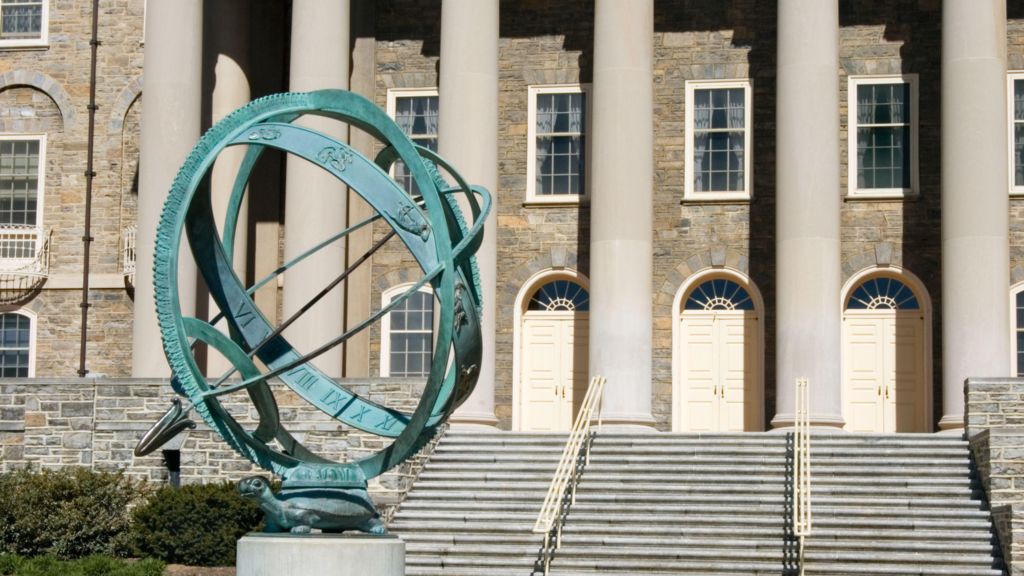
How Penn State students ran an alleged cocaine ring – until it all fell apart
A sprawling, sophisticated cocaine trafficking ring operated out of Penn State University’s fraternity system has been dismantled by Pennsylvania law enforcement, with 13 current and former students — including an alleged ringleader once lauded for his commitment to high moral standards — facing criminal charges.
The alleged leader of the enterprise is 24-year-old Agostino Abbatiello, a Sigma Chi fraternity member and graduate of a prestigious all-boys Catholic high school on New York’s Long Island. During his time in high school, Abbatiello identified himself as a “life coach” and was said to uphold the institution’s core moral principle: doing the right thing even when no one is watching. That reputation has now been completely upended by the felony charges against him.
Prosecutors outline that what began as small-scale personal drug sharing among fraternity brothers evolved into a large-scale trafficking operation by the fall of 2024. According to court documents, Abbatiello initially sourced cocaine through a connection established by fellow Sigma Chi member Lars Zeepvat. When that supply chain dried up, he built a new larger-scale pipeline from his New York hometown, shifting from personal use to running a for-profit distribution network.
Zeepvat and other co-conspirators soon began coordinating large drug purchases, court filings state. Two Delta Upsilon fraternity members, Mohammed Huraibi and Thomas Robinson, partnered to expand retail sales from the Delta Upsilon chapter house in 2023, prosecutors allege. As demand grew, the ring exploited fraternity pledging processes: prospective new members were forced to cut and package cocaine into half-gram sale portions as part of their initiation into the fraternity networks, rather than facing the traditional dangerous drinking challenges associated with many hazing scandals.
The operation unraveled after a confidential informant flagged that Robinson — operating under the nickname “T-Rob” — was selling cocaine from the Delta Upsilon house, accepting payments via Venmo under his real name. Under detective supervision, the informant completed multiple controlled buys from Robinson, leading to a raid on his fraternity room in December 2024. When officers entered, Robinson reportedly believed the incident was a fraternity prank and resisted compliance, prompting police to use a Taser on him. During the raid, law enforcement seized 220 grams of marijuana, a loaded handgun, ammunition, and assorted drug paraphernalia. After his arrest, Robinson named Abbatiello as his primary supplier, opening the door for the full investigation into the entire network.
Abbatiello faces multiple felony charges including drug possession with intent to deliver and criminal conspiracy. He failed to appear for his August 17 arraignment but turned himself in to state police the following day. Zeepvat, Huraibi, and Robinson also face felony charges, while most of the other 13 suspects face misdemeanor counts. As of this reporting, legal representatives for Abbatiello, Zeepvat, Huraibi, and Robinson have not responded to requests for comment on the allegations.
Penn State University officials have expressed shock at the scope of the alleged criminal activity. “Criminal activity, including hazing, such as this has no place at our institution, and we will co-operate with law enforcement in any way we can,” said Andrea Dowhower, the university’s vice president for student affairs, in an official statement. Penn State has placed the Delta Upsilon chapter on interim suspension. The Sigma Chi chapter operates outside of university oversight, but national Sigma Chi leadership has suspended the charged members and placed the chapter on interim suspension, calling the alleged conduct “an egregious violation of our values.” National Delta Upsilon leadership said it is working closely with the university and investigators, adding that all suspects linked to the chapter have “either been expelled, suspended or resigned.”
Pennsylvania Attorney General Dave Sunday emphasized the severity of the criminal enterprise during the announcement of charges. “There was nothing junior or childlike about this type of conduct,” Sunday said. “This was an upper-level trafficking organisation for this region in Pennsylvania.” Sunday added that all major figures in the ring are now in custody, and the case will move forward to preliminary hearings in the coming weeks, with all defendants guaranteed due process under the law.
-

Paredes banned 10 games as FIFA suspends 3 Argentina players for World Cup final scuffle
ZURICH (AP) – Global soccer governing body FIFA has handed down severe, multi-game suspensions and substantial fines to three Argentine national team players, one senior Argentina coach, and the Argentine Football Association (AFA) following aggressive post-match incidents after last month’s under-20 World Cup final against Spain, the organization announced Friday.
The harshest penalty went to Argentina midfielder Leandro Paredes, who received a 10-match international suspension for his role in the post-final brawl: Paredes grabbed Spain defender Eric Garcia by the throat and shoved Spain star Gavi to the ground moments after Argentina’s 1-0 extra-time loss to Spain. Football analysts note this 10-game ban ranks among the most severe World Cup-related sanctions in FIFA history, placing it on par with the 2014 penalties imposed on Uruguayan striker Luis Suarez after his infamous biting incident during that year’s senior World Cup in Brazil. For context, Suarez received a four-month ban from all competitive soccer worldwide and an eight-match international suspension after biting Italian defender Giorgio Chiellini in a group-stage match.
Given FIFA’s current international match calendar through June 2027, Paredes’ 10-game suspension effectively amounts to a one-year removal from the Argentine national squad, as all 10 scheduled matches during that period would be impacted by the ban. Most of these upcoming fixtures are expected to be exhibition matches, as no major competitive tournaments have been scheduled in that window yet.
Two other Argentine players also received bans: starting defender Nahuel Molina was handed a seven-match international suspension, while young winger Thiago Almada received a one-game suspension. Financial penalties accompany the bans: Paredes and Molina were fined $90,000 each, and Almada was fined $30,000.
Spain’s Gavi, who was involved in the post-match scuffle, was not spared: he received a one-match suspension that will force him to miss Spain’s upcoming UEFA Nations League clash against England at Wembley Stadium on September 26. Longtime Argentine assistant coach Roberto Ayala also received disciplinary action, with a three-match international ban and a $30,000 fine.
Beyond individual penalties, FIFA also sanctioned the Argentine Football Association with a $110,000 fine for multiple separate incidents that occurred during the team’s run in the World Cup. These additional violations included players displaying a politically charged banner referencing the Falkland Islands (which is the subject of a long-running sovereignty dispute between Argentina and the United Kingdom) following Argentina’s semifinal victory over England, as well as verified reports of discriminatory chants by Argentine supporters during the tournament. The AFA was also ordered to allocate $100,000 to fund anti-racism education and outreach projects in Argentine soccer. Notably, Argentina received $34 million in prize money from FIFA for winning the senior men’s World Cup in Qatar 2022.
The on-field confrontations that led to these sanctions stemmed from a highly contentious final match that saw Spain dominate possession and scoring chances, holding Argentina to almost no attacking opportunities for most of the game. Spain forward Ferran Torres scored the only goal of the match in the second half of extra time, shortly after Argentina midfielder Enzo Fernandez was sent off with a red card. That tense, physical build-up spilled over into the post-final handshake line, where the violent clashes that prompted FIFA’s investigation occurred.
The AFA has the option to appeal the lengthiest suspensions and largest fines first through FIFA’s internal appellate body, with a further possible appeal to the Switzerland-based Court of Arbitration for Sport after that process concludes.
-
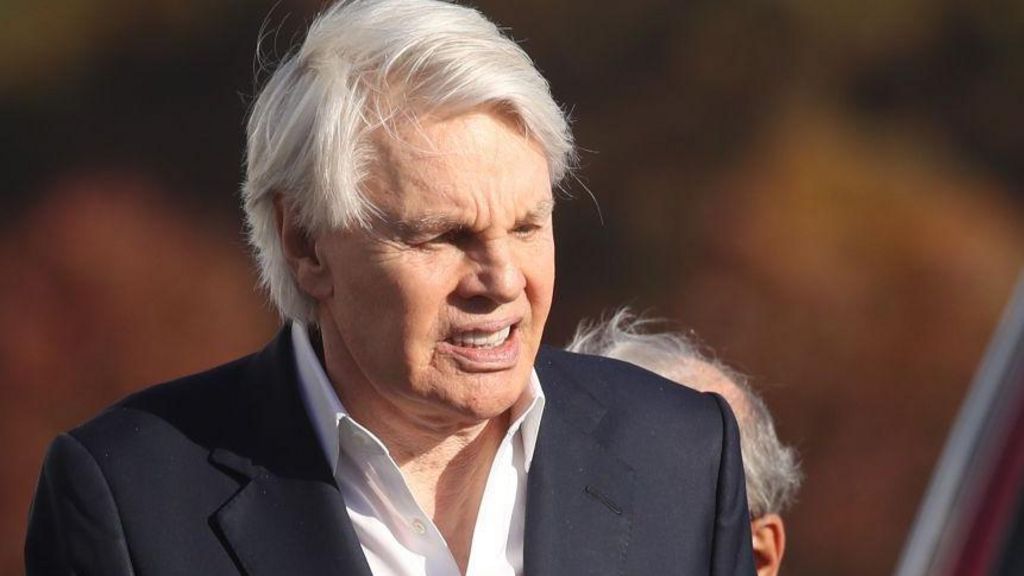
Ex-Abercrombie & Fitch chief fit to stand trial in sex trafficking case, judge says
In a major reversal of a 2023 court ruling, a U.S. federal judge has cleared the way for former Abercrombie & Fitch chief executive Mike Jeffries to face trial on multiple felony sex trafficking and interstate prostitution charges, finding ample evidence that the 81-year-old defendant retains the cognitive capacity to participate in legal proceedings.
Last year, a previous court assessment had deemed Jeffries mentally unfit to stand trial, citing diagnoses of dementia and late-onset Alzheimer’s disease that raised questions about his ability to understand the charges against him. However, following an extensive review of Jeffries’ medical documentation and more than 21 hours of audio recordings captured across 109 of his personal phone calls, U.S. District Judge Nusrat Choudhury concluded that the defendant meets the legal standard for trial competence.
In a 150-plus-page ruling, Judge Choudhury highlighted the phone recordings as particularly compelling evidence of Jeffries’ cognitive ability. ‘On the calls, Jeffries is a fluent conversational partner and shows that he has the ability to learn new information auditorily,’ Choudhury wrote. ‘Jeffries clearly possesses a rational and factual understanding of the proceedings to adjudicate his criminal charges.’
While Choudhury emphasized that Jeffries is competent to proceed without qualification, the court has approved targeted accommodations to account for the former CEO’s age and documented mild cognitive impairments. Court sessions will be held only between 1 p.m. and 5 p.m. daily, allowing Jeffries to use the morning to review trial transcripts and consult with his legal team on the previous day’s developments. The trial schedule will also include at least two or three 15-minute breaks each session, and both the prosecution and defense will be required to provide full daily transcripts for Jeffries to review ahead of the next court day.
Jeffries is one of three defendants named in an October 2024 indictment, which also charges his partner Matthew Smith, 62, and alleged middleman James Jacobson, 73, with operating a transnational sex trafficking ring that dates back to Jeffries’ tenure leading Abercrombie & Fitch. All three defendants have entered not guilty pleas to the charges, which include more than a dozen counts of sex trafficking in violation of federal interstate prostitution laws. A conviction on the top charges carries a maximum sentence of life imprisonment.
The criminal case emerged after a 2023 investigative report and ongoing podcast series by the BBC uncovered the alleged operation, which prosecutors say involved the trio scouting young men for sexual exploitation across the globe for decades while Jeffries led the major retail brand. Jeffries’ trial is currently scheduled to open in federal court on October 26.
-
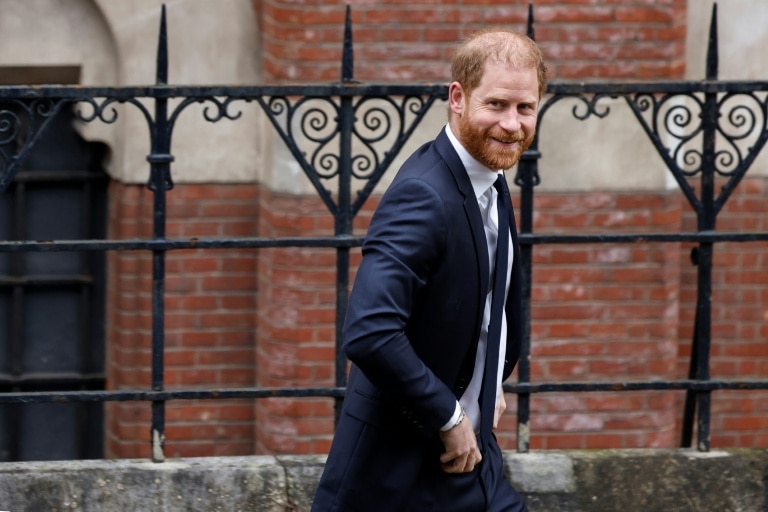
UK court orders Prince Harry, others to pay Daily Mail £9.5mn
In a landmark legal development that caps a high-profile privacy battle against one of Britain’s biggest tabloid publishers, the UK High Court has ordered Prince Harry and six other high-profile claimants to hand over an interim payment of £9.5 million ($13 million) to Associated Newspapers Limited (ANL), the publisher of the Daily Mail. The ruling came Friday, weeks after the court dismissed the group’s claims of unlawful information gathering and privacy violations.
The group of claimants, which includes music icon Elton John, his husband David Furnish, and well-known actors Elizabeth Hurley and Sadie Frost, brought forward serious allegations against ANL. They accused the tabloid publisher of orchestrating invasive privacy breaches, including bugging their private vehicles and homes, intercepting confidential phone calls, and gaining unauthorized access to sensitive personal data including bank statements and private medical records. ANL has repeatedly and firmly denied every single one of the allegations put forward by the claimants.
After an 11-week trial that dominated headlines and featured emotional testimony from Prince Harry, Justice Matthew Nicklin released his core ruling on July 7, siding entirely with the publisher. In that decision, Nicklin concluded that the claimants had failed to meet the legal standard to prove their pleaded allegations against ANL. Friday’s ruling addressed the contentious issue of trial costs, following a two-hour additional hearing focused on how much the losing claimants would be required to pay.
A formal summary published by the court confirmed that the interim payment of £9,544,355 must be completed by 4:00 pm BST (1500 GMT) on August 28. Court documents noted that ANL has claimed its total legal costs for defending the case reached approximately £34.5 million as of July 9, a figure Justice Nicklin described as “exceptionally high” and “unprecedented.” The judge also acknowledged that the requested £34.5 million total appeared excessive, raising legitimate concerns over whether all of the costs claimed by ANL were reasonably incurred as part of the defense.
Notably, Friday’s ruling does not set the final total amount of costs that the seven claimants will ultimately be required to pay. The court’s ruling clarified that the current hearing only addressed the framework for assessing costs, not the final recoverable amount. If the two sides cannot reach an agreement on the final total, the question will be decided separately by a specialized costs judge at a later date.
In a key decision that increases the financial liability for Prince Harry and the other claimants, Justice Nicklin rejected their request to assess costs on the more lenient standard basis. Instead, he granted ANL’s request for costs to be repaid on the stricter indemnity basis, a ruling that will significantly increase the share of total defense costs the seven claimants are legally required to cover.
The court also established a clear timeline for any potential next steps in the legal battle: claimants must file any request for permission to appeal the July 7 core ruling by October 2. Following the judge’s July decision dismissing their claims, Prince Harry and co-claimant Doreen Lawrence, a prominent anti-racism campaigner, released a joint statement calling the ruling “a complete and obvious whitewash.”
-
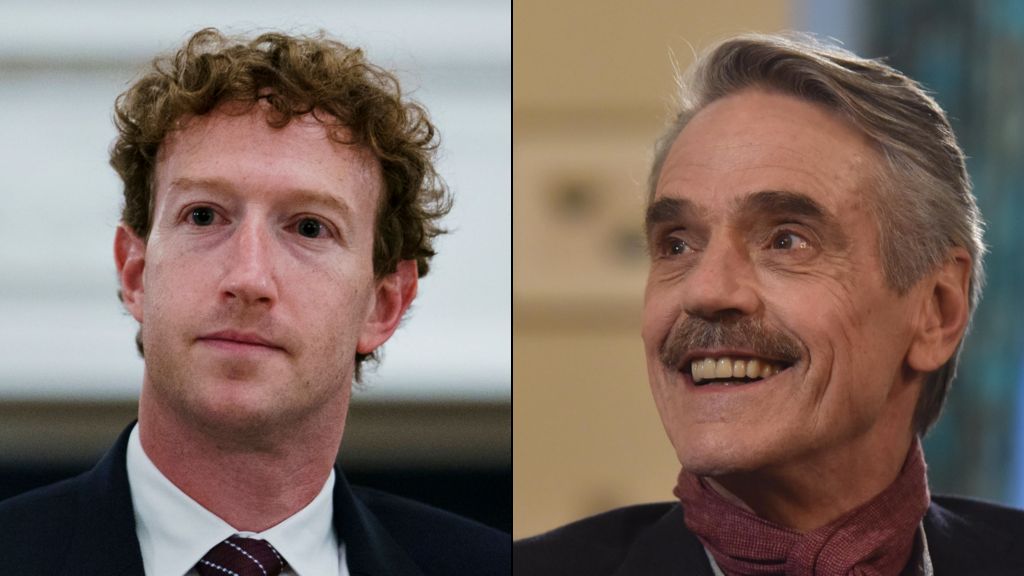
From Zuckerberg to Irons – why do the wealthy buy Irish castles?
In recent weeks, news that Meta CEO Mark Zuckerberg has acquired the historic Strancally Castle in Ireland’s County Waterford has reignited public curiosity about a long-running trend: the consistent flow of high-net-worth and celebrity buyers snapping up ancient castles across the Irish island.
Zuckerberg is far from the first prominent name to join the ranks of Irish castle owners. Decades before his purchase, Oscar-winning actor Jeremy Irons bought Kilcoe Castle in County Cork, launching a multi-decade renovation project after he grew tired of constant acting work in the late 1990s. American media billionaire John Malone owns the expansive Castlemartin House and Estate in County Kildare, while author and filmmaker Christy Cashman holds the deed to County Kildare’s Kilkea Castle. Even Hollywood star Dominic West, famous for his role in *The Crown*, and his wife Catherine FitzGerald own Glin Castle in County Limerick, adding another A-lister to the list.
For Zuckerberg, practical considerations play a clear role in the purchase. Meta has maintained its international headquarters in Ireland for years, and a spokesperson for the executive confirmed that he and his family are eager to become stewards of the historic property and spend regular time in the country.
To understand why so many wealthy people are drawn to Irish castles, experts point to a mix of historical, cultural, and practical factors. First, the unique heritage of these structures traces back more than 800 years. Dr. Colin Breen, an archaeology and landscape management scholar at Ulster University, explains that Irish castles first emerged in the 12th century with the arrival of Anglo-Norman invaders, who built the fortifications to secure and control the colonial lands they seized. “They were built to intimidate, but they were also an expression of power and presence,” Breen notes, marking a permanent, radical shift in Irish architectural history. Today, that deep layered history is a core part of their appeal.
Since the 20th century, Breen explains, wealthy international buyers — particularly Americans — have been drawn to castles as a way to connect to an idealized vision of Irish history and heritage. Josh Pim, associate director of the residential and country estates team at global property firm Savills, echoes this observation, noting that many American buyers have Irish ancestral roots that make owning a piece of the country’s historic landscape particularly meaningful. “There’s a rarity and architectural significance and history to these castles,” Pim says, adding that the appeal stretches far beyond the U.S., with strong demand from wealthy buyers across the globe.
Helen Cassidy, an auctioneer who specializes in castle sales, describes a widespread “thirst” for these properties among international buyers, many of whom become deeply attached to the unique story and character of individual castles once they learn their history. Beyond the romantic appeal of heritage, Pim points out that large Irish castle estates also offer something highly sought after by ultra-wealthy buyers: unmatched privacy and security, thanks to the vast tracts of land that typically come with the properties.
Yet the trend also raises legitimate concerns among experts. Breen points out that the growing tendency for new owners to close off large estates to the public creates two key problems. First, it blocks public access to land that could be managed to support climate change adaptation and ecological conservation efforts. Second, he argues, castles hold a complicated, important place in Irish collective memory: for generations, they were visible symbols of colonial division and inequality, and locking them away entirely severs their connection to local communities. “They have a responsibility by buying into these places, these places cannot become billionaire ideals,” Breen stresses.
That said, Breen also leaves room for positive outcomes: if new owners work openly with Irish heritage authorities and local communities, their investment and stewardship can help preserve these important historic sites for future generations. Beyond preservation, status also remains a quiet driver of demand today. Breen explains that as feudalism gave way to early capitalism, castles evolved from defensive fortifications into status symbols, where wealthy families displayed their social standing through ownership of these grand historic properties. In many ways, the modern trend follows the same pattern: owning a one-of-a-kind Irish castle remains a powerful marker of wealth and influence for today’s global elite.
Local authorities have welcomed Zuckerberg’s purchase, however. A spokesperson for Waterford City and County Council noted that the news is both welcome and unsurprising, given the unrivaled natural beauty of the Blackwater Valley where Strancally Castle is located. “We hope that Mr Zuckerberg and his family fully enjoy all that Waterford has to offer,” the spokesperson said.
-
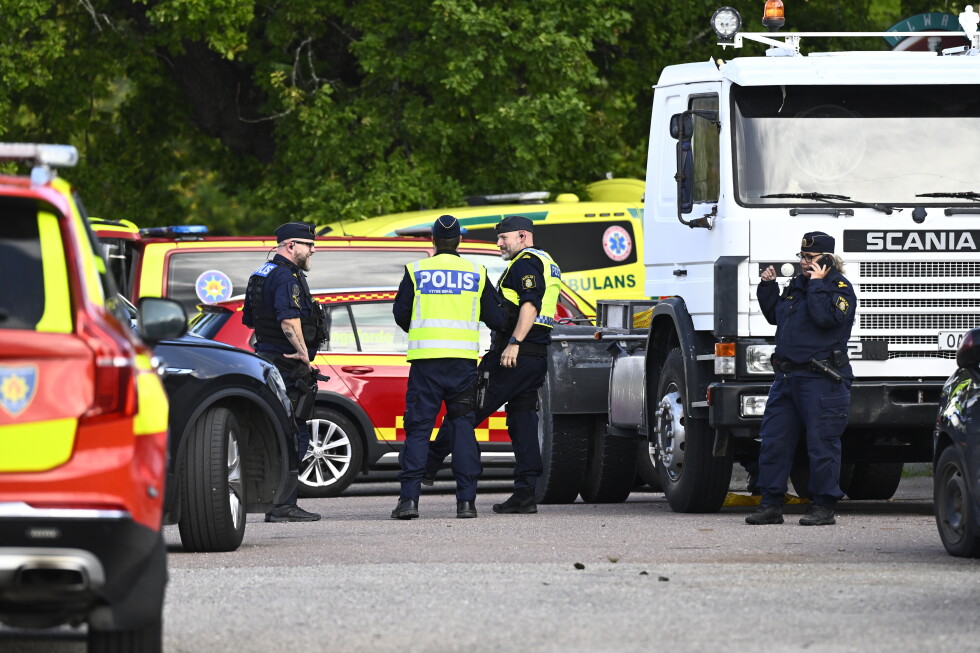
An 18-year-old with a sword attacks a school in Sweden, leaving 1 dead
A violent attack at a central Swedish secondary school has left one person dead and two minors with severe injuries, triggering a large emergency response and an ongoing criminal investigation, law enforcement and local officials confirmed Friday.
The incident unfolded shortly after noon at Brinell School, located in Fagersta — a small town around 100 miles northwest of Sweden’s capital Stockholm. At the time of the attack, regular classes were in session for the campus’ 400 to 500 enrolled students.
Speaking at a official press briefing shortly after the incident, local police chief Tommy Alriksson confirmed that the 18-year-old male suspect was taken into custody minutes after first responders arrived. Authorities confirmed that shots were discharged by responding officers during the arrest, but the suspect was not harmed in the encounter. He is currently in police custody and has not required hospital treatment.
As of Friday evening, investigators have not confirmed a possible motive for the attack, and have ruled out the presence of additional attackers. “We have no reason at this time to believe that there are multiple perpetrators,” Alriksson stated, adding that the full investigation is still in its early stages.
Sweden’s national police force confirmed that investigators have already completed two targeted house searches connected to the suspect, and plan to interview dozens of witnesses over the coming days. Alriksson noted that investigators would not release additional details about the case at this stage to avoid compromising witness testimony.
According to Sweden’s national news agency TT, the two seriously injured victims are male minors between the ages of 12 and 17, matching the age range of students at the secondary school. Officials have not released any identifying information about the deceased victim as of Friday evening.
Following the attack, a wide perimeter around Brinell School was cordoned off by law enforcement, and all nearby campuses were placed under immediate lockdown as a precaution. Roadblocks were also set up on major access routes around Fagersta to support the response effort.
Swedish Prime Minister Ulf Kristersson addressed the attack in a post on the X social media platform Friday afternoon, noting that the violence came just days after the end of the country’s summer school break. “We do not yet know what lies behind the act, but we know that the police are working very intensively,” Kristersson wrote. “Our thoughts are with all those affected.”
Local authorities have activated emergency support systems for the community: the Fagersta municipal government opened a crisis support center at a nearby sports arena, where affected students, family members, and staff can access mental health support and practical assistance. The Vastmanland County government confirmed that emergency services including police, fire crews, and medical personnel remain on site to support response and care efforts.
This report includes contributions from Associated Press writer Sylvia Hui based in London.
-
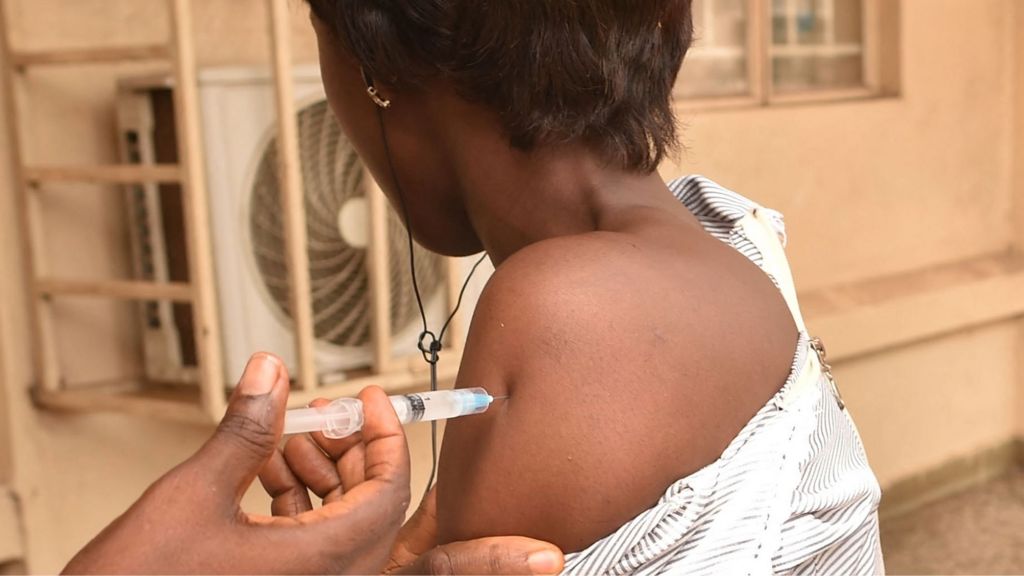
Ebola vaccine trial to start in DR Congo as warning issued over speed of infections
The Democratic Republic of the Congo (DRC) has launched a new phase of its battle against a historic Ebola outbreak, rolling out an existing vaccine for clinical trials to test its effectiveness against the rare Bundibugyo strain that is currently driving the spread of the virus. As the World Health Organization (WHO) warns that infections are growing at an exponential rate across large swathes of northern and eastern DRC — an area larger than the entire country of France — the death toll from the three-month outbreak has already climbed to nearly 2,500, with half of these fatalities recorded in just the last 20 days.
This outbreak is already the deadliest ever recorded in DRC and the second-worst Ebola outbreak in global history, outstripped only by the devastating 2014–2016 West Africa epidemic that killed more than 11,000 people. Experts now believe the Bundibugyo strain has been circulating in the country since as early as February, but initial cases were misdiagnosed as more common regional illnesses including typhoid and malaria, creating a critical delay in response efforts.
Multiple barriers have continued to slow containment work. Years of armed conflict in eastern DRC has left large areas of territory inaccessible to official public health teams, while deep-rooted local suspicion of government health authorities and traditional burial practices that involve close contact with deceased bodies have further accelerated transmission. A new analysis from international children’s charity Save the Children estimates that at least 180 Congolese children have been orphaned, losing both parents or primary caregivers to the virus since the outbreak began.
In a new effort to turn the tide of the crisis, the existing Ervebo vaccine — which is already proven to protect against the more common Zaire strain of Ebola — will be deployed in a large-scale clinical trial. Under the plan agreed with global health bodies, 20,000 doses of Ervebo will be used to test how well it works against the Bundibugyo strain, for which no effective vaccines or treatments have yet been validated. An additional 50,000 doses will be prioritized for frontline health workers, who have faced extraordinarily high risk of infection during the response. Both the WHO and the Africa Centres for Disease Control and Prevention have welcomed the vaccine allocation, framing it as a critical reinforcement for the under-resourced response to the rapidly spreading outbreak. Strict new safety protocols have also been put in place for burials to cut the risk of transmission from infected remains.
The ongoing conflict has added unprecedented complexity to the crisis. The M23 rebel alliance, which seized control of major eastern cities including Goma and Bukavu in early 2025 and holds large portions of North Kivu province, has launched its own parallel Ebola response in the territories it controls. After confirming two positive Ebola cases in a village under its control, M23 authorities recently announced a 30-day suspension of shared taxis and passenger boat travel between rebel-held and government-held areas of North Kivu, effective this Saturday. All other cross-area transport will remain operational but subject to strict public health screening. The rebel group had declared its territories Ebola-free in late June, and the new restrictions highlight how armed divisions have fragmented the response to a unified public health threat.
Ebola is an extremely virulent viral disease, and the Bundibugyo strain is one of the rarest variants, with only two documented prior outbreaks recorded globally. Initial symptoms of infection mirror those of common regional illnesses, including sudden fever, headache, and fatigue, and can develop anywhere from two to 21 days after exposure. As the infection progresses, patients often develop severe vomiting and diarrhea that can lead to fatal organ failure. The virus spreads through direct contact with infected bodily fluids such as blood or vomit, making infection control particularly challenging in low-resource, conflict-affected settings.
-
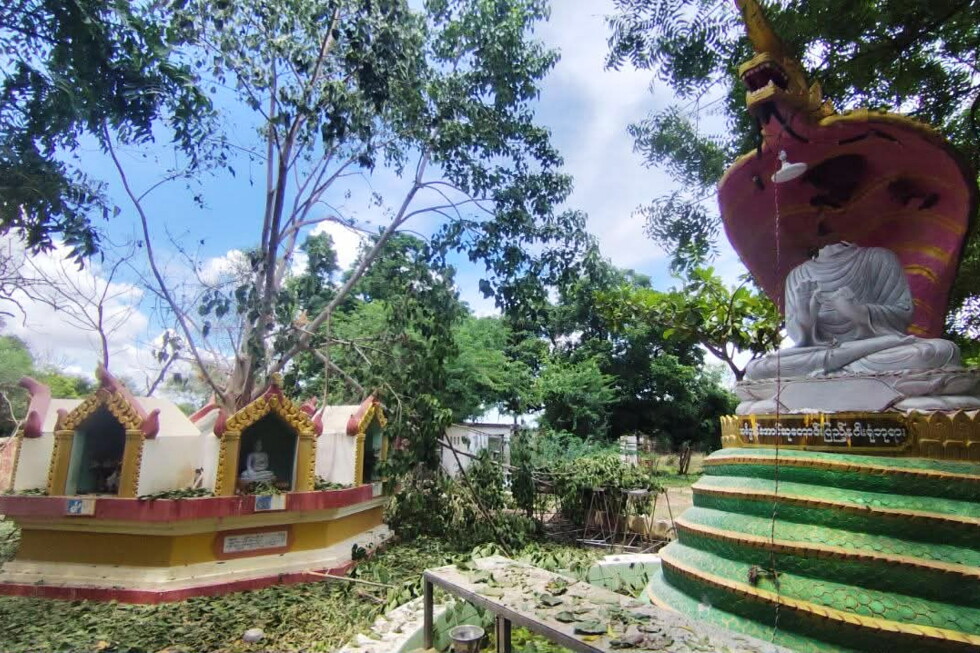
Myanmar military strike kills 14 people at a Buddhist monastery, opposition group says
BANGKOK, Thailand – A deadly airstrike carried out Friday by Myanmar’s military against a Buddhist monastery in the country’s central Sagaing region has left 14 civilians dead, all of whom were attending a week-long meditation retreat, according to confirmation from a local opposition spokesperson and a village resident. The attack marks the latest in a sustained pattern of lethal aerial operations that have repeatedly targeted pro-democracy armed factions and ethnic armed groups across Myanmar, with civilians consistently bearing the brunt of the violence.
Details of the strike were first shared by Nway Oo, spokesperson for the Civil Defense and Security Organization of Myaung Township (CDSOM), who confirmed the attack took place in Swel Le Oh village, located roughly 75 kilometers (45 miles) west of Mandalay, Myanmar’s second-largest urban center. Nway Oo told reporters that a military fighter jet dropped an explosive directly onto the monastery’s compound, killing 14 people including three women and leaving an additional 20 people wounded.
A local villager, who requested anonymity out of fear for personal safety after the attack, corroborated the 14-person death toll in an interview with the Associated Press. The villager – whose own mother-in-law was killed in the strike – shared that the fighter jet dropped two bombs spaced 15 minutes apart. The second blast damaged a private residence adjacent to the monastery, where more than 100 people had gathered for the retreat, held during the annual Buddhist Lent observance. Following the attack, survivors cremated the bodies of the deceased before fleeing to a neighboring community for safety, the villager added.
Multiple Burmese-language media outlets, including the BBC’s Burmese service and independent local outlet Myanmar Now, have also reported on the attack, putting the confirmed death toll between 10 and 14. The outlets have published accompanying photos and video footage purporting to show the immediate aftermath of the strike, including images of deceased victims among the rubble.
As of Saturday, Myanmar’s military junta had not issued any immediate public comment on the monastery attack. In previous statements regarding its counter-opposition operations, the military has maintained that it only targets legitimate military objectives, and has labeled anti-junta resistance groups as terrorist organizations.
The attack comes against a backdrop of nearly three years of widespread civil conflict that has gripped Myanmar since the military seized control of the country from the elected government led by Aung San Suu Kyi in a February 2021 coup. After the junta violently suppressed mass peaceful protests against the takeover, opponents of military rule mobilized into an armed resistance movement, and today large swathes of the country remain mired in active fighting. Sagaing region, where the monastery attack occurred, is one of the most significant strongholds of the anti-junta armed resistance, particularly the People’s Defense Forces. The junta has increasingly relied on large-scale airstrikes to root out opposition groups in the region, and resistance factions lack any effective air defense to protect civilian populations from these attacks.
The monastery strike also comes exactly one week after the United Nations-established Independent Investigative Mechanism for Myanmar (IIMM) released a report warning of a clear escalation in junta airstrikes in the months leading up to the junta’s December-January general elections, a vote widely rejected by the international community and opposition groups. The report noted that the intensified aerial operations have continued at full pace following the election.
Just days before the monastery attack, Myanmar’s foreign ministry issued a formal rejection of the IIMM’s findings, claiming that all limited airstrikes and counterterrorism operations conducted by the junta exclusively target legitimate military objectives. The ministry stated the operations are carried out in response to insurgent and terrorist activity in line with international rules of engagement, and claimed that junta security forces exercise maximum restraint to prevent civilian casualties.
-

Priyanka Chopra Jonas on making a film about love and caste inequality
Global entertainment star Priyanka Chopra Jonas has added a new meaningful project to her growing production portfolio, signing on as an executive producer for the upcoming feature film *The Cycle of Love*. The upcoming project centers on a compelling real-life-inspired narrative rooted in modern Indian society, weaving together an extraordinary story of cross-continental love with the pressing, long-running conversation around caste inequality in South Asia.
At the core of the film’s plot is an Indian artist whose profound commitment to reuniting with his beloved wife pushes him to undertake an unprecedented, grueling journey: traveling all the way from his home in India to Europe by bicycle. This sweeping, personal journey serves as more than just a backdrop for a romantic story; it creates a natural framework to unpack how systemic caste-based disparities shape intimate relationships and life trajectories for millions of people across the region.
As a producer with a track record of elevating underrepresented stories from South Asia to global audiences, Chopra Jonas’ involvement brings both industry attention and creative weight to the project. The production aims to balance a heartfelt, accessible love story with nuanced, unflinching exploration of a persistent social issue that remains underrepresented in mainstream global cinema.