博客

  • The unspoken truth of the ‘Sandwich Generation’: How to parent your parents

    The unspoken truth of the ‘Sandwich Generation’: How to parent your parents

    A profound generational challenge is emerging as millions of middle-aged adults find themselves simultaneously parenting young children while caring for aging parents, creating what sociologists term the ‘Sandwich Generation’ phenomenon. This dual caregiving role presents unique psychological and physical demands that society remains largely unprepared to address.

    The experience of parenting young children, while exhausting, carries the inherent promise of future independence and developmental milestones. In stark contrast, caring for declining parents represents a degenerative process with diminishing returns on emotional investment. The biological rewards of nurturing children differ fundamentally from the emotional toll of witnessing parental deterioration.

    This convergence of responsibilities at midlife creates unprecedented psychological strain. Caregivers must reconcile the joyful anticipation of their children’s futures with the grief of their parents’ mortality, often within the same emotional space and time. The emotional whiplash of comforting a crying child moments after confronting parental decline represents a modern psychological challenge without established coping mechanisms.

    Through extensive interviews with those experiencing this dual caregiving reality, a consistent pattern emerges: the path forward involves acceptance rather than resolution. Veteran caregivers emphasize that surrendering to the inevitable cycle of life and death provides the only sustainable framework for navigating these competing demands.

    The psychological landscape of this experience involves constant confrontation with mortality while maintaining life-affirming responsibilities. Caregivers describe developing a heightened appreciation for life’s transient beauty—the warmth of a child’s embrace, the comfort of partnership, the persistence of love beyond grief. This perspective transforms the caregiving journey from burden to privilege, recognizing that profound grief necessarily follows profound love.

    While solutions remain elusive, the collective nature of this experience provides comfort. Millions worldwide are navigating similar challenges, creating silent solidarity among those balancing generational responsibilities. This shared experience represents an unspoken rite of passage for contemporary adults, redefining family dynamics across modern societies.
  • Big challenges lurk behind India’s world-beating growth

    Big challenges lurk behind India’s world-beating growth

    As Finance Minister Nirmala Sitharaman prepares to unveil India’s annual budget this Sunday, the nation presents a complex economic portrait of surface-level prosperity overshadowing persistent structural vulnerabilities. Official metrics indicate remarkable progress: GDP growth racing toward 7.3%, inflation reined below 2%, and agricultural output strengthening rural livelihoods. The economy is poised to surpass $4 trillion, eclipsing Japan as Asia’s second-largest economy.

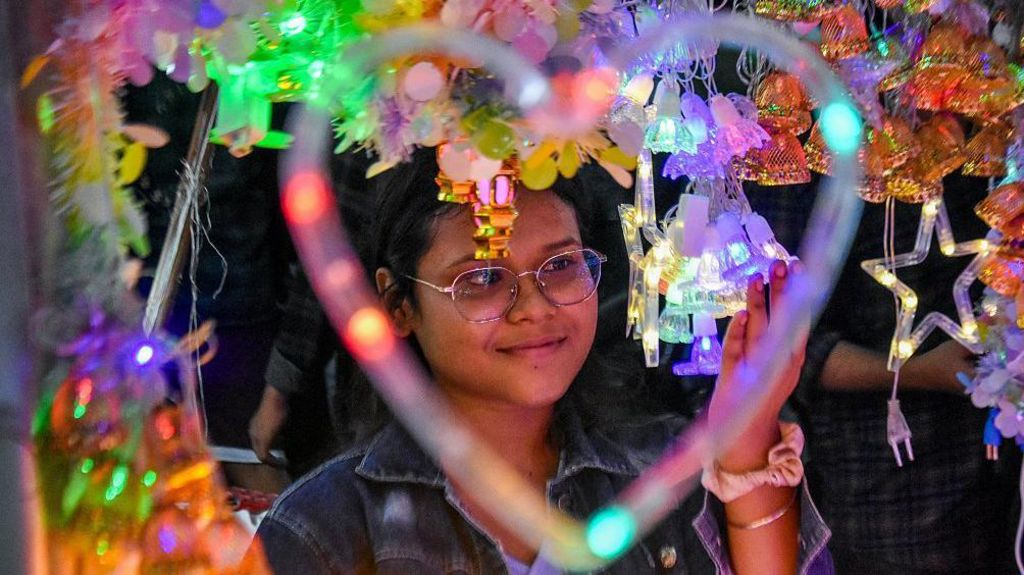
    This apparent golden era—described by the Reserve Bank of India as a ‘Goldilocks phase’ of ideal expansion—has been fueled by strategic fiscal measures. Last year’s income tax reductions and rationalized Goods and Services Tax structure stimulated consumer spending, particularly during festive seasons, injecting vitality into domestic markets.

    Beneath these impressive headlines, however, lurk substantial challenges. India’s celebrated growth narrative conceals alarming labor market weaknesses. The technology sector—long the engine of middle-class creation—has witnessed catastrophic hiring stagnation, with the five largest IT firms adding merely 17 net employees through three quarters of 2025. This paralysis reflects AI’s disruptive impact on India’s back-office economy and signals broader white-collar employment concerns.

    Trade dynamics present additional complications. While the government has pursued aggressive trade diversification through recently signed agreements with the European Union and other partners, the persistent shadow of Trump’s 50% tariffs continues to constrain exports. HSBC Research notes weakening US-bound shipments with only marginal recovery in other markets, raising questions about India’s competitiveness against manufacturing hubs like Vietnam and Bangladesh.

    Most critically, private investment has remained stagnant at approximately 12% of GDP since 2012—a thirteen-year plateau that economists identify as fundamentally alarming. JP Morgan’s Jehangir Aziz attributes this investment freeze to persistent factory overcapacity and insufficient demand, creating a self-reinforcing cycle that inhibits new capital formation.

    Foreign direct investment tells another troubling story. Despite rapid growth, India has never achieved the 4%+ FDI-to-GDP ratios that propelled China and Vietnam’s economic miracles, currently languishing at just 0.1%. Rockefeller International’s Ruchir Sharma cites the lingering ‘Licence Raj’ bureaucracy and restrictive labor regulations as primary deterrents to international capital.

    In response, the budget is expected to emphasize fiscal restraint alongside targeted reforms. Analysts anticipate expanded production-linked incentives, support for small exporters, defense capital allocations, and customs duty reductions. While infrastructure investment—exceeding $100 billion annually—will likely continue at 3% of GDP, the government faces constrained fiscal space following last year’s tax cuts. The overarching priority remains deficit reduction, with Nuvama Securities forecasting continued deleveraging rather than stimulus measures.

  • Myanmar’s USDP wins majority of seats in Union Parliament

    Myanmar’s USDP wins majority of seats in Union Parliament

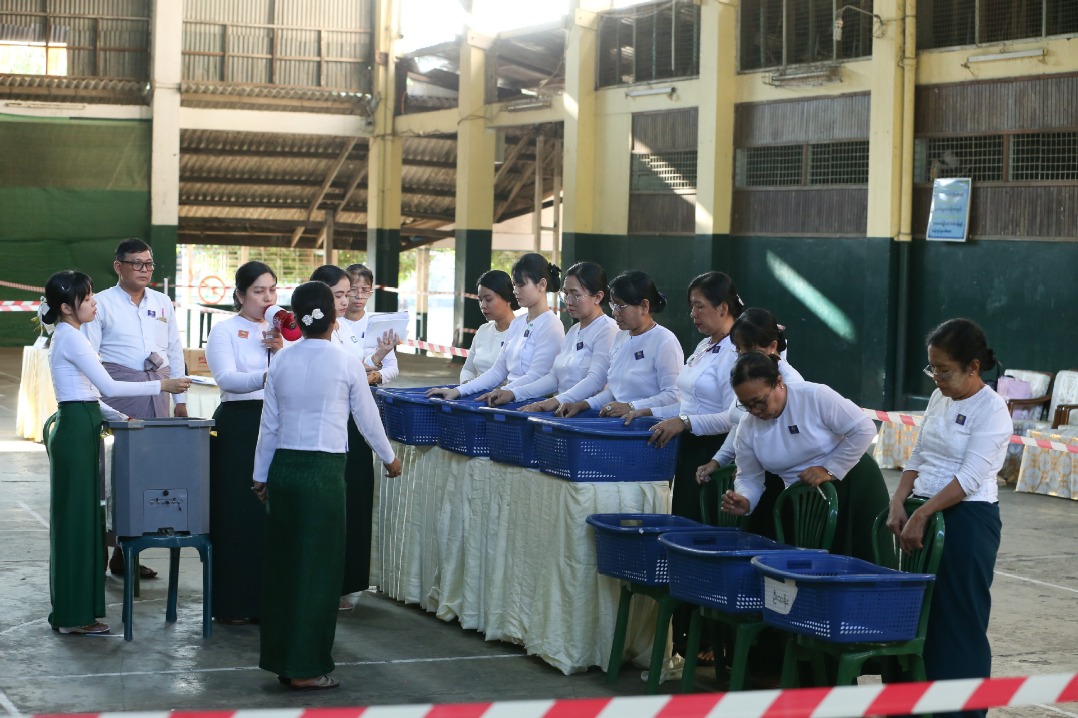
    YANGON – Myanmar’s Union Solidarity and Development Party (USDP) has achieved a decisive parliamentary majority following the nation’s meticulously organized general election, according to official results published by the Union Election Commission (UEC) on Thursday.

    The comprehensive electoral process, conducted across three distinct phases between December 2025 and January 2026, culminated in the USDP securing 339 parliamentary seats. The party obtained 231 seats in the Pyithu Hluttaw (Lower House) and 108 seats in the Amyotha Hluttaw (Upper House), representing a commanding position within the 664-seat Union Parliament structure.

    Electoral authorities reported that 420 contested seats were available nationwide during this democratic exercise. The election administration demonstrated considerable logistical complexity, with voting occurring in 263 townships across the designated phases: December 28, 2025 (102 townships), January 11, 2026 (100 townships), and January 25, 2026 (61 townships).

    The parliamentary framework consists of a bicameral system with the 440-seat Lower House and 224-seat Upper House forming the complete legislative body. This electoral outcome positions the USDP with significant influence over Myanmar’s legislative agenda and policy direction for the forthcoming parliamentary session.

  • EU to put Iran Guards on ‘terrorist list’, same level as Al Qaeda, Daesh

    EU to put Iran Guards on ‘terrorist list’, same level as Al Qaeda, Daesh

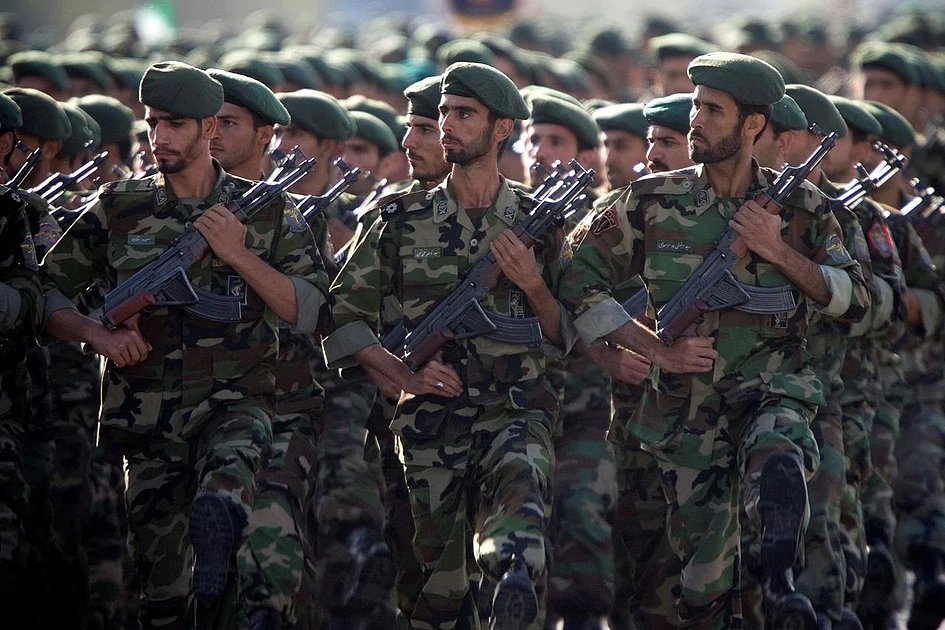
    In a landmark decision with profound diplomatic implications, European Union foreign ministers convened in Brussels on Thursday to formally designate Iran’s Islamic Revolutionary Guard Corps (IRGC) as a terrorist organization. This historic move places the elite Iranian military force on the EU’s terror blacklist alongside notorious jihadist groups including Al-Qaeda and Daesh.

    The decisive action comes in response to Tehran’s brutal crackdown on nationwide protests, during which thousands of civilian demonstrators were reportedly killed by security forces. EU foreign policy chief Kaja Kallas declared to journalists that “those who operate as terrorists must be treated accordingly,” signaling a fundamental shift in Europe’s approach to the Iranian regime.

    Concurrently, the 27-nation bloc implemented additional punitive measures including visa bans and asset freezes targeting 21 Iranian state entities and senior officials. Among those sanctioned are Iran’s Interior Minister, Prosecutor General, and regional IRGC commanders directly implicated in the suppression of dissent.

    While Iranian authorities acknowledge approximately 3,000 fatalities during the unrest, they claim most casualties were security personnel or bystanders killed by rioters. However, international human rights organizations contend the actual death toll reaches potentially tens of thousands, with evidence indicating IRGC forces directly fired upon peaceful protesters.

    The EU’s designation follows significant policy reversals from key member states France and Italy, both of which recently endorsed the terrorist classification. This alignment brings European policy in concert with existing designations by the United States, Canada, and Australia.

    French Foreign Minister Jean-Noel Barrot emphasized that “there can be no impunity for the crimes committed” and called for the immediate release of thousands of political prisoners. He further urged Tehran to restore internet access and “enable the Iranian people to determine their own future.”

    Despite its primarily symbolic nature—as the IRGC and its commanders already faced extensive EU sanctions—the terrorist designation represents the bloc’s strongest condemnation yet of Iran’s human rights abuses. The move preserves diplomatic channels while delivering an unequivocal message regarding the EU’s position on state-sponsored violence and repression.

  • Burkina Faso’s junta dissolves all of country’s political parties, saying they cause divisions

    Burkina Faso’s junta dissolves all of country’s political parties, saying they cause divisions

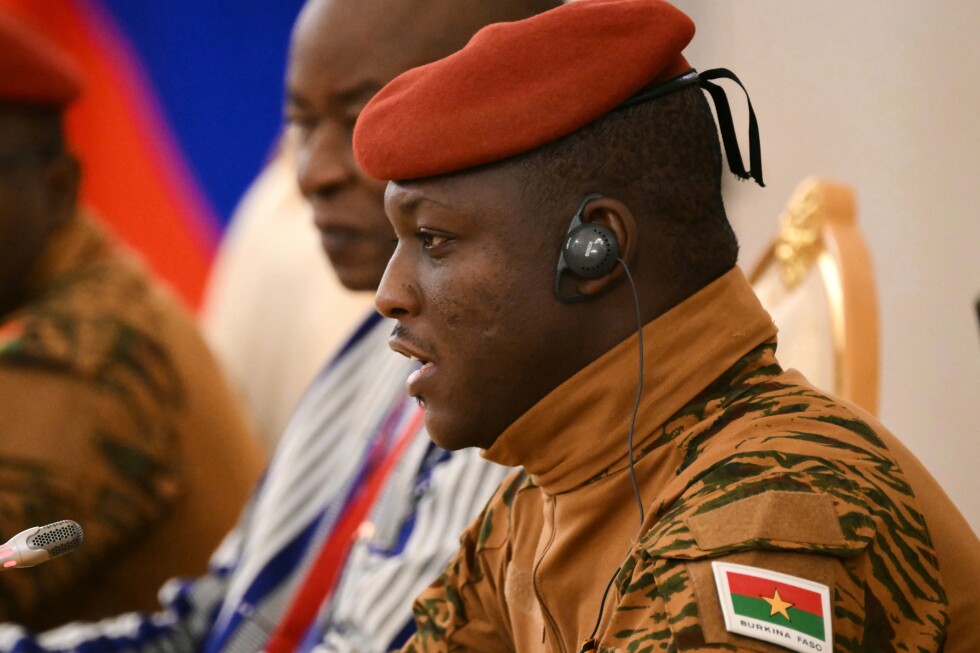
    OUAGADOUGOU, Burkina Faso — In a dramatic consolidation of power, Burkina Faso’s military government has officially dissolved all political parties and nullified the legislation that governed them through a decree ratified during Thursday’s Council of Ministers meeting.

    The decision represents the most severe measure yet in a series of actions that civil society advocates characterize as systematically dismantling democratic institutions and suppressing opposition voices since the 2022 coup brought the junta to power. While political activities had remained suspended under military rule, the new mandate goes further by requiring the immediate transfer of all party assets to state control, as confirmed by the government-operated news agency.

    Emile Zerbo, Minister of Territorial Administration, justified the sweeping dissolution by asserting that political organizations had strayed from their foundational principles. “The administration concludes that the excessive proliferation of political parties has precipitated abuses, exacerbating societal divisions and undermining national cohesion,” Zerbo stated following the ministerial council’s approval.

    The military regime, which seized control two years ago, has implemented extensive reforms including the indefinite postponement of elections originally intended to reestablish civilian governance and the disbandment of the autonomous electoral commission. Officials indicated that new legislation outlining the framework for future political organizations will be presented to the legislative body promptly.

    Burkina Faso joins several West and Central African nations experiencing a wave of military takeovers and deferred transitions to democratic governance, reflecting broader regional instability and challenges to constitutional order.

  • ‘Having little money taught me a lot’: British expat reveals journey to financial success

    ‘Having little money taught me a lot’: British expat reveals journey to financial success

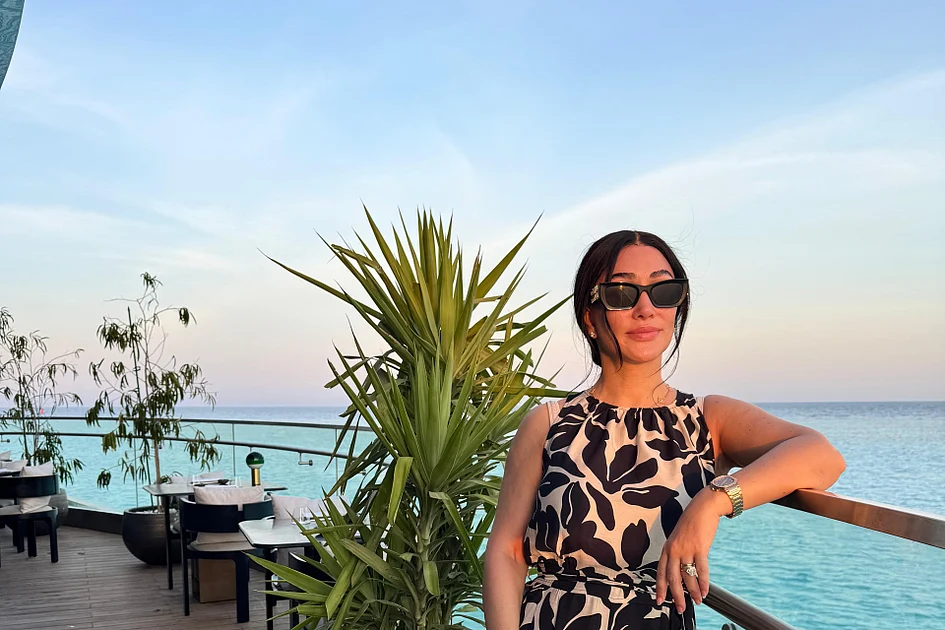
    Dubai-based entrepreneur Emily Abraham has transformed early financial hardship into a remarkable business success story. The 48-year-old British expatriate, who co-founded pre-loved luxury retailer Love Luxury, credits her disciplined approach to money management to experiences of having “very little” earlier in life.

    Now residing in Dubai for three years, Abraham maintains an unconventional perspective on wealth, viewing money as “leverage” rather than a measure of worth. Despite operating within the emirate’s glamorous luxury sector, she maintains grounded financial habits, saving an impressive 80% of her income while reinvesting profits back into her growing business.

    In an exclusive reflection on her financial journey, Abraham describes money as neither inherently good nor bad, but rather a tool that reveals character. “In some hands, you divide, inflate egos, and tempt people to measure worth in numbers instead of values. In other hands, you heal, feed and build futures,” she addresses in a hypothetical letter to money.

    The entrepreneur emphasizes transparency in financial matters, regularly discussing money with her husband Adam and rejecting the notion that finances should be taboo. Her approach to wealth management was forged through necessity—learning to budget “down to the last penny” during periods of financial constraint while raising children.

    Abraham’s philosophy centers on financial discipline and charitable giving. She advocates saving half of one’s income, noting that “the peace of mind that comes with financial stability is priceless.” Her long-term vision involves transitioning from income-driven work to full-time charitable endeavors focused on helping children in need.

    The businesswoman considers her greatest financial achievement the founding of Love Luxury and the strategic reinvestment of all profits back into the company. She views past financial challenges not as regrets but as essential learning experiences that shaped her current success.

  • Oh My Desk: Building a new kind of coworking space and business center in Dubai

    Oh My Desk: Building a new kind of coworking space and business center in Dubai

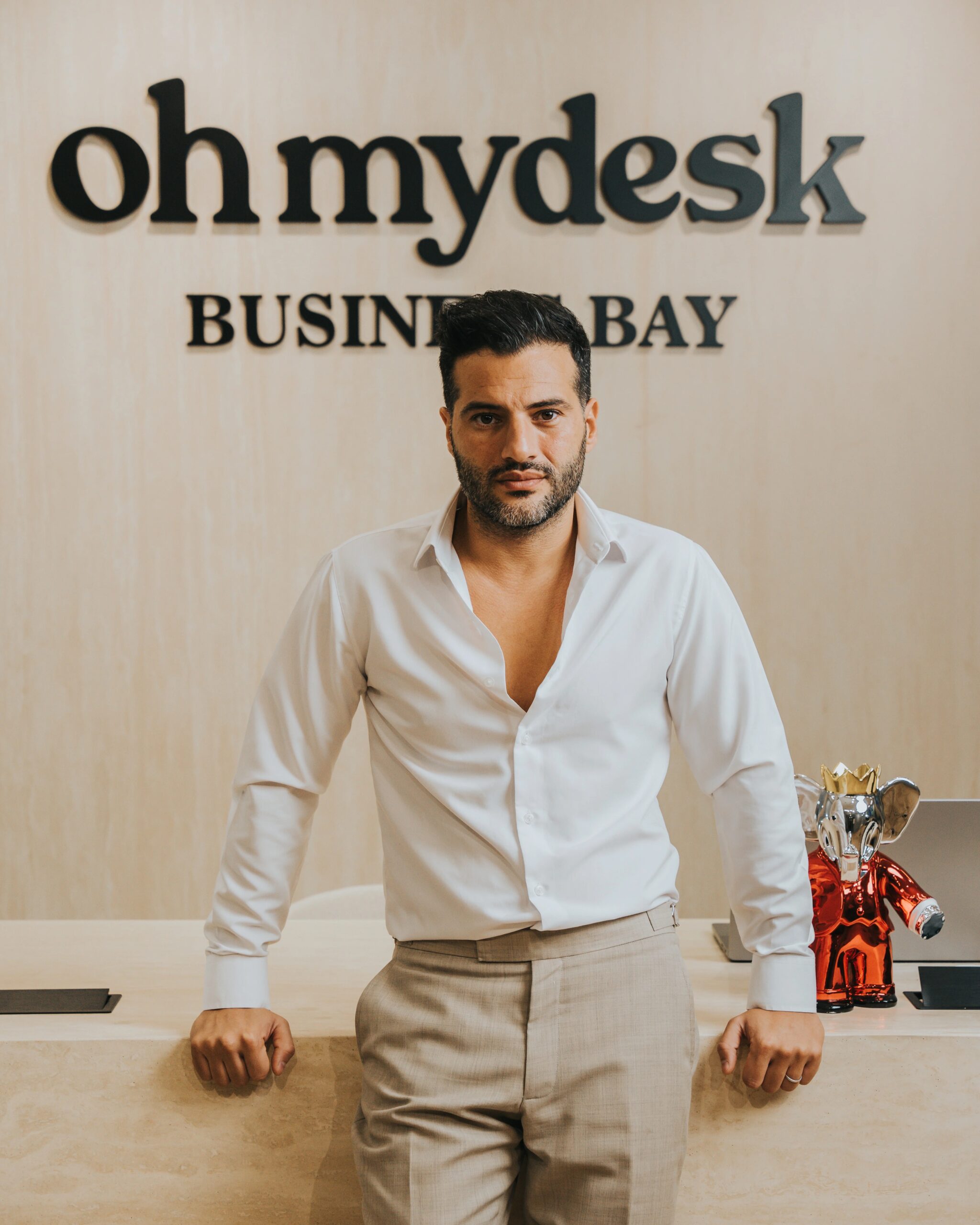
    In Dubai’s competitive business landscape, where grandeur often overshadows functionality, Oh My Desk emerges as a transformative force in the coworking sector. Founded by entrepreneur Guillaume Rassemi, this innovative business center challenges conventional office models by prioritizing human-centered design over superficial extravagance.

    The concept originated from Rassemi’s personal frustration with existing workspaces that prioritized aesthetics over practicality. “Most offices were built either to impress visitors or to maximize square meters,” Rassemi explains. “Very few were designed around how people actually live and work every day.” This realization sparked the creation of workspaces that balance professional functionality with homely comfort.

    Oh My Desk’s distinctive approach manifests through carefully calibrated environments featuring warm materials, natural lighting, and functional layouts that foster concentration rather than distraction. The company consciously avoids both sterile minimalism and over-designed theatricality, instead crafting spaces where professionals can thrive long-term.

    Beyond physical infrastructure, Oh My Desk redefines community building in coworking environments. Unlike venues that force networking, this establishment cultivates organic relationships through thoughtfully designed common areas and optional events. This authentic approach has generated genuine collaborations among its diverse membership of entrepreneurs, consultants, creatives, and international teams.

    Strategically located in Dubai’s prime business districts—Downtown Dubai and Business Bay—the company offers fully serviced private offices, flexible contracts, and all-inclusive pricing. This model particularly appeals to scaling businesses and international companies entering the UAE market, providing operational flexibility without compromising on security or professional standards.

    The leadership combination of Rassemi’s strategic vision and co-founder Amir Mottaghi’s architectural expertise ensures both operational excellence and timeless design. Their disciplined expansion strategy focuses on sustainable growth across the GCC region, with planned locations in Abu Dhabi and Saudi Arabia.

    Oh My Desk’s upcoming flagship in Dubai Design District, featuring a panoramic rooftop space, represents the culmination of their philosophy—demonstrating that in a city known for excess, restraint and human-centered design can become powerful competitive advantages.

  • Luxury dining on a budget? Here are 11 restaurant deals perfect for Valentine’s Day

    Luxury dining on a budget? Here are 11 restaurant deals perfect for Valentine’s Day

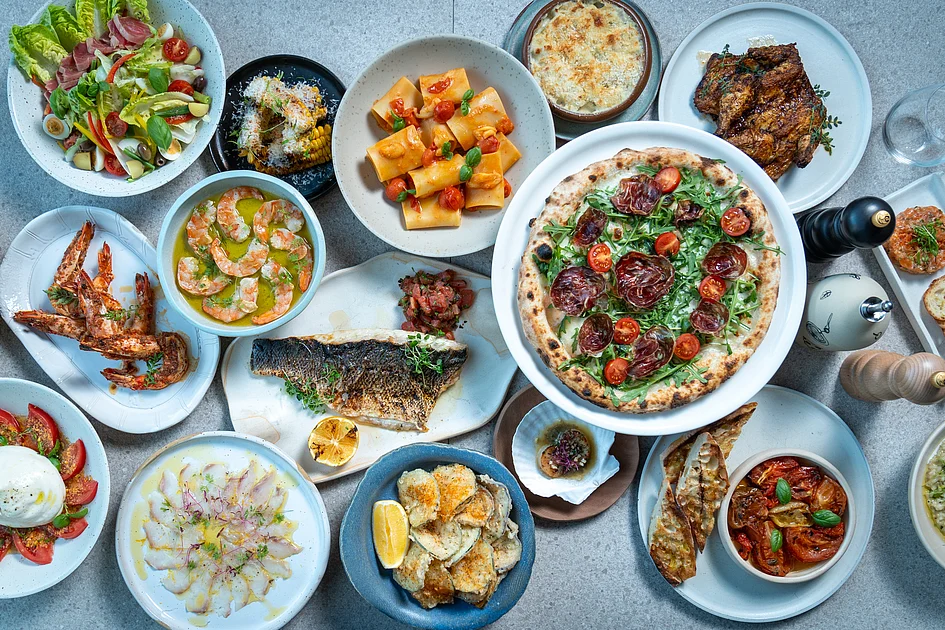
    Romantic fine dining experiences across the UAE no longer require extravagant spending, as numerous acclaimed restaurants now offer premium culinary journeys at accessible price points. From Michelin-recognized establishments to waterfront venues, these 11 carefully curated deals demonstrate how couples can enjoy exceptional gastronomy while maintaining budgetary consciousness.

    Abu Dhabi’s culinary scene shines with Hakkasan’s Cantonese Treasure lunch, featuring signature dim sum baskets with black truffle mushroom and wagyu beef truffle options starting at AED 128. The Michelin-noted establishment maintains its prestigious reputation while offering Saturday lunch service from 12pm to 3:30pm at Emirates Palace Mandarin Oriental.

    Japanese cuisine enthusiasts can experience 99 Sushi Bar & Restaurant’s express 10-course Omakase business lunch for AED 199. This Michelin-starred venue presents signature A8 Wagyu Gyozas, Hamachi Maki, and Black Cod selections from Monday to Friday, earning recognition for blending classical and modern techniques with premium ingredients.

    Dubai’s Indikaya presents a remarkable three-course business lunch starting at AED 99, crafted under Chef Hemant Oberoi’s culinary mastery. The Michelin and Gault&Millau-recognized restaurant offers modern interpretations of Indian flavors including Butter Chicken, Mutton Tariwala, and Paneer Makhani at Shangri-La Dubai.

    Fi’lia redefines Italian dining with three-tiered business lunch options beginning at AED 105. The female-led team on the 70th floor of SLS Dubai offers panoramic city views alongside homemade pasta and risotto dishes, featured among Michelin’s best Italian restaurants in Dubai.

    Additional standout offerings include Mijana’s seafood night at Ritz Carlton Abu Dhabi (AED 325), Taparelle’s alfresco Italian lunch at Manarat Al Saadiyat (AED 85), and Cove Rotana’s brunch-cation package with beach access (from AED 210). The Intercontinental Ras Al Khaimah presents steak frites nights for two at AED 250, while MOLI By SHI offers redesigned contemporary Chinese night brunches from AED 275.

    Korean culinary excellence emerges at HANU’s Hansang Lunch (AED 195) featuring shared dishes and premium grill selections, and IKKA’s ladies night provides Japanese-Peruvian fusion experiences with live portrait artistry from AED 99.

    These diverse offerings demonstrate the UAE’s evolving culinary landscape, where luxury dining experiences become increasingly accessible without compromising quality or atmosphere.

  • Venezuelan MPs approve bill to open up oil sector to private firms

    Venezuelan MPs approve bill to open up oil sector to private firms

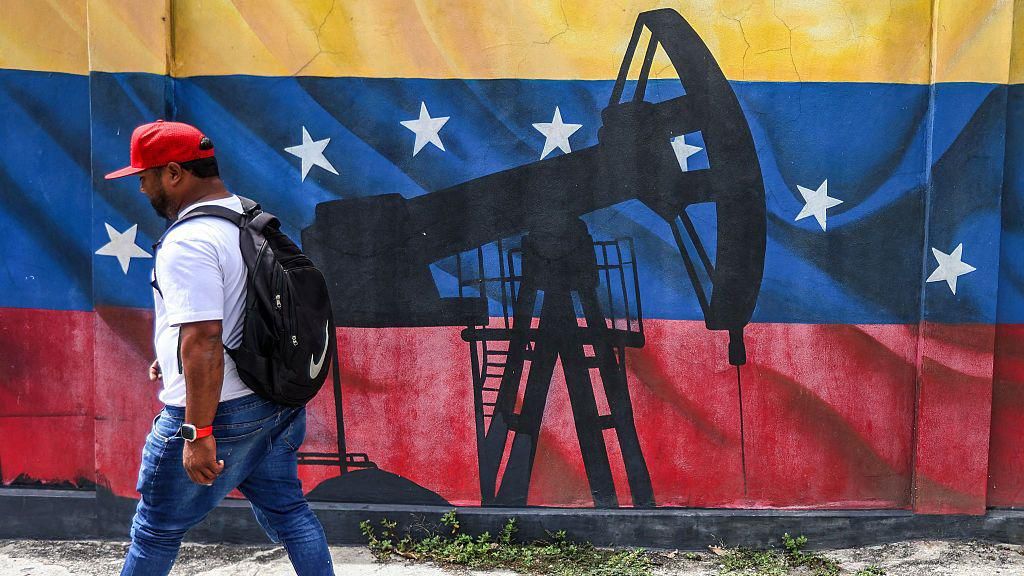
    Venezuela’s National Assembly has passed a transformative reform of its hydrocarbons legislation, marking a significant policy shift that grants private enterprises—including international firms—greater operational autonomy within the nation’s oil industry. The legislative overhaul, which received approval from lawmakers aligned with former President Nicolás Maduro, is poised to reshape the investment landscape in a country possessing the world’s largest proven oil reserves.

    Interim President Delcy Rodríguez, who assumed leadership following Maduro’s detention during a U.S. military operation earlier this month, is expected to formally enact the legislation. This move represents a substantial departure from the state-centric model established under former leader Hugo Chávez in 2006, which had progressively tightened governmental control over petroleum operations.

    The reformed framework eliminates previous requirements mandating state-owned PDVSA to maintain majority stakes in joint ventures, thereby allowing foreign companies to exercise enhanced management control and obtain direct access to revenue streams from oil production. This structural change addresses longstanding investor concerns regarding contractual autonomy and financial transparency.

    This legislative development occurs amidst ongoing negotiations between Washington and Caracas concerning the sale of sanctioned Venezuelan crude oil. The United States has authorized the export of tens of millions of barrels, with proceeds being channeled into a Qatar-based account subject to U.S. oversight. These funds are designated for essential public services including law enforcement, sanitation infrastructure, and medical procurement.

    Industry analysts note that the reform could catalyze the return of international energy companies that largely withdrew from Venezuela following nationalization measures and subsequent contractual disputes. While Chevron has maintained operations through special U.S. licensing arrangements, numerous other firms seek compensation for previous contract alterations.

    Despite Venezuela’s immense petroleum potential, the sector has suffered from chronic underinvestment, infrastructure deterioration, and comprehensive international sanctions. The new legal framework aims to counter these challenges by creating a more attractive environment for foreign capital and technical expertise.

  • Australian Open: Supreme Sabalenka and Rybakina set up final showdown

    Australian Open: Supreme Sabalenka and Rybakina set up final showdown

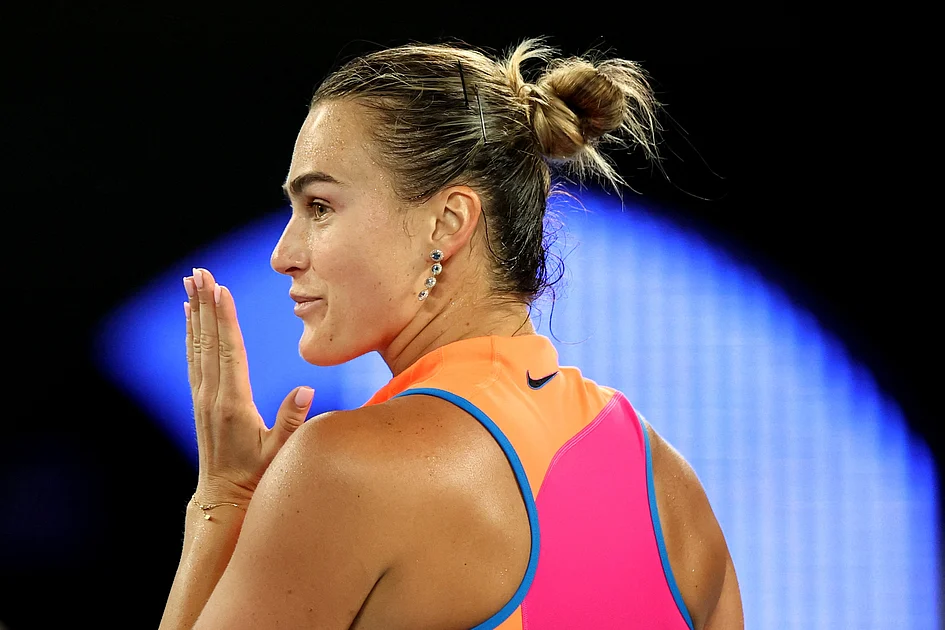
    Melbourne witnessed two commanding performances on Thursday as Aryna Sabalenka and Elena Rybakina powered through their respective semifinal matches to arrange a highly anticipated championship showdown at the Australian Open.

    World number one Sabalenka demonstrated why she reigns supreme at Melbourne Park, securing her fourth consecutive final appearance with a decisive 6-2, 6-3 victory over Ukrainian challenger Elina Svitolina. The Belarusian powerhouse delivered a masterclass in aggressive baseline tennis, overwhelming her opponent with relentless power and precision.

    Meanwhile, Wimbledon champion Elena Rybakina battled through a tense encounter against American Jessica Pegula, ultimately prevailing 6-3, 7-6(7) in a hard-fought contest that showcased her resilience under pressure. The Russian-born Kazakh player’s victory sets up a blockbuster rematch of the 2023 final against her familiar rival Sabalenka.

    The semifinal between Sabalenka and Svitolina carried additional significance beyond tennis, occurring against the backdrop of ongoing geopolitical tensions following Russia’s invasion of Ukraine, for which Belarus has served as a staging ground. Since 2022, players from Russia and Belarus have competed as neutral athletes in Grand Slam events.

    Sabalenka’s achievement places her among tennis legends, becoming only the third woman in the professional era to reach four consecutive Australian Open finals, joining Evonne Goolagong Cawley and Martina Hingis in this exclusive club. The top seed now seeks her third Australian Open title in four years and her fifth Grand Slam trophy overall.

    Rybakina’s path to the final proved more challenging as she faced determined resistance from Pegula, who saved three match points before succumbing in a tiebreak. The victory continues Rybakina’s impressive form after she concluded her 2025 season by defeating Sabalenka to claim the WTA Finals trophy.

    The stage is now set for what promises to be an electrifying championship match between two of women’s tennis most formidable competitors, both seeking to add another major title to their growing legacies.