博客

  • TikTok to pay $400m to US in one of largest child privacy settlements

    TikTok to pay $400m to US in one of largest child privacy settlements

    For nearly two years, TikTok has faced mounting regulatory and political pressure in the United States, and the latest chapter of this scrutiny has concluded with a major legal settlement. The short-form video platform and its parent company ByteDance have agreed to pay a $400 million penalty to the U.S. government to resolve a federal lawsuit claiming the platform violated long-standing U.S. child online privacy rules. This settlement ranks among the largest financial penalties ever imposed for violations of the Children’s Online Privacy Protection Act (COPPA).

    The lawsuit behind this resolution was first filed in 2024 by the U.S. Department of Justice during the administration of former President Joe Biden. Prosecutors alleged that TikTok and ByteDance illegally gathered massive volumes of personal data from millions of platform users under the age of 13, a direct violation of COPPA. Enacted in 2000, COPPA mandates that online platforms obtain explicit parental consent before collecting personal information from children younger than 13, the same federal regulation that is now at the center of multiple ongoing lawsuits against Meta from dozens of U.S. states.

    In a statement announcing the settlement, Assistant Attorney General Brett Shumate emphasized that the outcome leaves children and families with stronger privacy protections than existed when the legal action was first launched. This $400 million penalty far outpaces many previous COPPA-related fines: Google’s YouTube paid a $170 million penalty for similar violations in 2019, while video game developer Epic Games paid $275 million to resolve COPPA claims in 2022. Currently, Meta is facing potential penalties that could surpass hundreds of billions of dollars, after 29 state attorneys general brought suit against the social media giant. A jury trial in that case started earlier this week, where Meta, owner of Instagram and Facebook, stands accused of deliberately targeting child users to generate advertising revenue off minor users.

    Notably, the 2024 lawsuit against TikTok predates the 2025 divestment of TikTok’s U.S. operations from its Chinese parent company, a process mandated by U.S. political pressure. Under the terms of the current settlement, only TikTok’s pre-divestment corporate structure faces penalties. The agreement outlines a staggered payment schedule: TikTok and ByteDance will pay an initial $300 million to the Department of Justice immediately, with the remaining $100 million due only after U.S. regulators vacate an existing 2019 consent decree issued by the Federal Trade Commission.

    This is not TikTok’s first run-in with COPPA regulators. In the 2019 consent decree, Musical.ly – the predecessor app that ByteDance acquired and rebranded as TikTok – paid a $5.7 million fine for COPPA violations and committed to implementing age verification and parental consent processes for under-13 users.

    The Department of Justice announced on Friday that no additional action against TikTok will be pursued beyond the financial penalty. Regulators did note, however, that since the lawsuit was filed, TikTok has implemented sweeping changes to its platform, including overhauls to its ownership structure, privacy policies, and content and data controls for young users. When the lawsuit was originally filed, federal prosecutors noted that more than 170 million American minors used the platform, arguing that TikTok was inherently designed to appeal to children yet failed to implement effective age checking or required parental consent for underage users.

    Political pressure on TikTok predates the 2024 lawsuit. In 2024, former President Biden pushed U.S. policymakers to either implement a full national ban on TikTok or force a full divestment of its U.S. operations from ByteDance. Former President Donald Trump, who first raised national security concerns about TikTok during his first term, supported the 2025 divestment process that has restructured the platform’s U.S. ownership. Today, a consortium of U.S.-based investors holds 81% of TikTok’s U.S. operations, while ByteDance retains a 19% minority stake.

    As of this reporting, a TikTok representative has not responded to requests for comment from the BBC.


  • Watch: BBC takes a 180mph spin around Washington’s IndyCar circuit

    Watch: BBC takes a 180mph spin around Washington’s IndyCar circuit

    Ahead of one of the most anticipated motorsport events on the U.S. calendar this year, the BBC has released exclusive footage capturing a blistering 180mph lap around the newly configured IndyCar circuit cutting through downtown Washington, D.C. The race, dubbed the Freedom 250 Grand Prix, carries far more than sporting stakes: it stands as a centerpiece event marking the 250th anniversary of the United States’ founding. What makes the event even more notable for motorsport fans across the country is that it will be the first major open-wheel auto race hosted within the boundaries of the U.S. capital in over two decades, ending a 24-year drought of top-tier racing in the nation’s heart. For years, major racing series have focused their schedules on permanent road courses and speedways outside major metropolitan areas, making this street course event in Washington a landmark departure that has drawn widespread attention from racing fans and casual observers alike. The BBC’s on-track test run gives audiences a first-person view of the challenges drivers will face when they take to the track, from tight turns past iconic D.C. landmarks to long straightaways that allow cars to hit speeds north of 180 miles per hour.

  • Logan Morris boots career-best eight goals in Lions’ finals-shaping victory

    Logan Morris boots career-best eight goals in Lions’ finals-shaping victory

    In a dominant Friday night display at the Melbourne Cricket Ground, the Brisbane Lions turned in a masterclass performance to defeat the Collingwood Magpies by a staggering 63 points, securing their spot in the AFL qualifying final and putting themselves on the cusp of the ideal finals positioning for a historic third consecutive premiership.

    The Lions’ victory was built on standout individual contributions across the ground, headlined by key forward Logan Morris, who delivered a career-defining performance with eight goals, keeping Collingwood’s defense under constant pressure from the opening bounce. Star midfielder Lachie Neale, who has been heavily linked to a 2027 move to Collingwood, put on a clinic in the contest, racking up 35 disposals and 16 center clearances to control the tempo of the game. Irish small forward Conor McKenna also stole the show, turning limited early opportunities into spectacular goals that had commentators and fans alike stunned. After just two touches in the first quarter, McKenna broke the deadlock to give Brisbane an early lead they never relinquished, before nailing a candidate for goal of the year: swiping the ball from a Collingwood defender in a tight pocket and converting from an impossible angle that floated the ball straight over the goal umpire’s hat. He followed that up with a second sensational 45-meter snap goal in the third quarter, prompting SEN commentator Dwayne Russell to quip, “It’s Hollywood footy from the Lions at the moment, this is Harlem Globetrotters stuff.”

    Heading into the main break, the Lions held a comfortable 22-point lead, and never let Collingwood challenge for the top spot on the scoreboard. The final scoreboard reflected Brisbane’s dominance: 25.9 (159) to Collingwood’s 15.6 (96).

    The result pushes Brisbane into pole position to claim third place on the AFL ladder heading into the finals, after picking up a 2.2 percent percentage boost from the win. For Hawthorn to leapfrog Brisbane into third, the Hawks will need not just a win against West Coast in Perth this weekend, but a massive 4.4 percent percentage boost – requiring a win of roughly 90 to 100 points to knock Brisbane out of the top three spot. Third place would hand Brisbane a near-perfect path to the Grand Final, with a potential qualifying final matchup against a Sydney Swans side already reeling from an alleged sexual assault scandal that has forced five key players out of their lineup.

    Brisbane head coach Chris Fagan addressed the Swans scandal post-game, calling the situation “a bit of a head scratcher.” “It’s really unfortunate for Sydney because they have been such a terrific club in that regard for a long long time,” Fagan said. “You just wonder what was going through people’s heads for that to occur. But with the guys that do get to play just might go that much harder and be that much more difficult to beat.” Fagan added that Brisbane has no preferred opponent for their qualifying final, noting the scandal could galvanize the remaining Swans players.

    Post-game, Neale addressed ongoing speculation about his potential move to Collingwood, admitting it would be difficult to leave the club he has called home for nine years. “I’ve been here nine years and I think this is the ninth year in a row we will play finals footy and I don’t take it for granted and I can’t wait to see what we can do,” Neale told Fox Footy. “It’s an exciting time to be a Lion.” Collingwood coach Craig McRae acknowledged Neale’s standout performance, after the star midfielder toured Collingwood’s elite facilities earlier this month. Asked if Collingwood was missing a player of Neale’s caliber, McRae called it a “pointed question” before praising the Brisbane star: “I think he’s a great player. Everyone can see that on the night. They (Brisbane) got many threats, that’s why they’re going to be really hard to beat from here on out.”

    The match came with two significant sour notes for the sides: Brisbane’s Ty Gallop faces potential scrutiny from the AFL’s Match Review Officer after slamming Collingwood’s Charlie West’s head into the ground on the stroke of three-quarter-time, resulting in a free kick for dangerous tackle. For Collingwood, veteran midfielder Scott Pendlebury left the field in the first half with a knee bursa injury, leaving his availability for next weekend’s wildcard final in doubt. Collingwood will wait on Saturday’s results to confirm their opponent for the inaugural wildcard round, with the club heavily tipped to host a Friday night fixture.

    Even in defeat, Collingwood star Nick Daicos reinforced his status as the overwhelming favorite to win this year’s Brownlow Medal, with experts predicting he could break the 45-vote record and even reach 50 votes this season. Despite playing just 60 percent of the match, Daicos finished with 26 disposals and a spectacular 50-meter goal that had the 66,846-strong MCG crowd roaring. “Still would have been a goal, if the posts were four inches apart,” Russell said of Daicos’ effort. Daicos was named Collingwood’s best player on the night, alongside Jamie De Goey, Sam Swadling and Charlie West. For Brisbane, Neale, McKenna, Morris, Ashcroft, Dunkley and Allen were named the team’s best, with Neale picking up three votes for the annual Player of the Year award, McKenna two, and Daicos one.

  • A bruising week for Bolivia’s President Paz as scandal and setbacks test his presidency

    A bruising week for Bolivia’s President Paz as scandal and setbacks test his presidency

    Nine months into his term, Bolivia’s President Rodrigo Paz is facing the most severe test of his young administration after a catastrophic seven-day stretch of political fractures, public outrage, and high-profile scandals that have left his already fragile governing coalition on the brink of collapse. Since taking office last year after winning election on a platform to break nearly 20 years of one-party socialist rule, Paz has navigated near-constant turmoil: mass street protests, repeated cabinet reshuffles that have left just six of his original 15 ministerial posts filled, a public falling-out with his own vice president, and a public health and economic crisis after contaminated gasoline damaged more than 10,000 vehicles nationwide. Through it all, the president has managed to hold onto power, but political analysts agree the string of crises that unfolded this week could be his most dangerous challenge to date.

    The first major blow to Paz’s authority came when his key congressional partner, the center-right National Unity party, cut ties with his administration over his overreliance on executive presidential decrees to pass policy, fracturing the already thin majority he needed to advance his legislative agenda. The loss of this ally immediately exposed Paz’s weakness in the legislature, a weakness that was laid bare just days later when Congress voted to oust his top economic strategist, Economy Minister José Gabriel Espinoza.

    Espinoza, the architect of the Paz administration’s sweeping pro-market economic overhauls designed to pull Bolivia out of post-socialist economic stagnation, became a lightning rod for widespread public frustration over the country’s ongoing economic struggles: persistent double-digit inflation, chronic shortages of gasoline and diesel, and dangerously depleted foreign currency reserves. Lawmakers moved to force Espinoza out amid a growing scandal over his purchase of a luxury Audi Q4 SUV for $5,000, far below the vehicle’s market value. Prosecutors have since opened a criminal investigation into allegations that the minister falsified financial documents and misstated his income to secure the below-market deal; Espinoza has denied all wrongdoing, blaming the discrepancy on a routine clerical error.

    Paz initially defended his minister, calling the congressional vote unconstitutional and vowing to keep Espinoza in his post. But facing a lack of legislative support after National Unity’s exit, the president quickly backed down and dismissed Espinoza on Friday. The ousting comes at a critical moment for Paz’s economic agenda: his administration is currently pushing Congress to approve a $1.9 billion financing agreement with the International Monetary Fund, unlock a $200 million World Bank loan, and pass new legislation to attract much-needed U.S. dollar reserves to the country, all while public discontent grows over the pain of his fiscal austerity reforms.

    Last year, Paz’s government cut long-standing, generous national fuel subsidies that had kept consumer prices low for decades, driving up immediate cost-of-living increases for working-class Bolivians. This week, the administration compounded that anger by hiking the price of bulk-purchased diesel by 84%, a move that infuriated farming and transport groups and sparked new calls for a national mass strike. Political analysts note that while Paz has secured preliminary agreements with multilateral lenders, these policy wins have yet to translate into improved affordability or tangible economic relief for ordinary Bolivians.

    The most explosive development of the week came on Tuesday, when Bolivian national police arrested Fernando Cerimedo, an influential Argentine political strategist with deep personal and professional ties to Paz. Cerimedo, who has worked on digital campaign strategy for high-profile right-wing leaders across Latin America, including Argentina’s President Javier Milei and former Brazilian President Jair Bolsonaro, has been charged with attempted femicide in connection with a shooting attack on his ex-partner, Bolivian lawyer Nadia Beller. Two men disguised as food delivery workers shot Beller three times outside a La Paz hotel earlier this month. From her hospital bed, Beller, who is 33 and between four and six weeks pregnant, has accused Cerimedo of orchestrating the attack to silence her, claiming she holds concrete evidence of corruption implicating Cerimedo and close associates of President Paz. A medical report shared with the Associated Press confirms Beller suffered severe wounds to her breast, arm, neck, and shoulders, including a shattered bone that requires major surgery. Cerimedo has repeatedly denied any involvement in the attack.

    Following Cerimedo’s arrest, prosecutors raided four properties linked to the strategist after Beller published photos showing drawers full of untraceable cash. Authorities seized more than 500,000 bolivianos (roughly $44,000) in local currency, plus undisclosed sums of U.S. dollars and euros, as well as equipment for a “bot farm” — an automated network of fake social media accounts used to manipulate public opinion and sway political discourse.

    Bolivia’s government has attempted to downplay Cerimedo’s role, framing him as a key campaign adviser who only consults with the administration occasionally. But critics, including Paz’s own vice president Edman Lara (whose populist appeal helped deliver the president’s election win last year, before their partnership collapsed into open hostility), have pushed back on that narrative, describing Cerimedo as a powerful shadowy figure who controlled government communications and influenced senior administration appointments.

    Opposition lawmakers warn that the corruption and violence allegations tied to Cerimedo could bring down the entire administration. “This case could shake the government, so they need to respond to these allegations,” Senator José Manuel Ormachea told reporters Tuesday. “Otherwise, this chaos will leave them hanging by a thread.” Political analysts across the board agree that while Paz may ultimately survive this latest wave of crises, his ability to govern moving forward will be severely hampered. “Paz may survive all of this, but it’s going to be very, very bumpy,” said Casey Cagley, a senior Bolivia-focused adviser at Seattle-based strategic consultancy Red Telescope Global.

  • Watch: How does the US national debt affect consumers around the world?

    Watch: How does the US national debt affect consumers around the world?

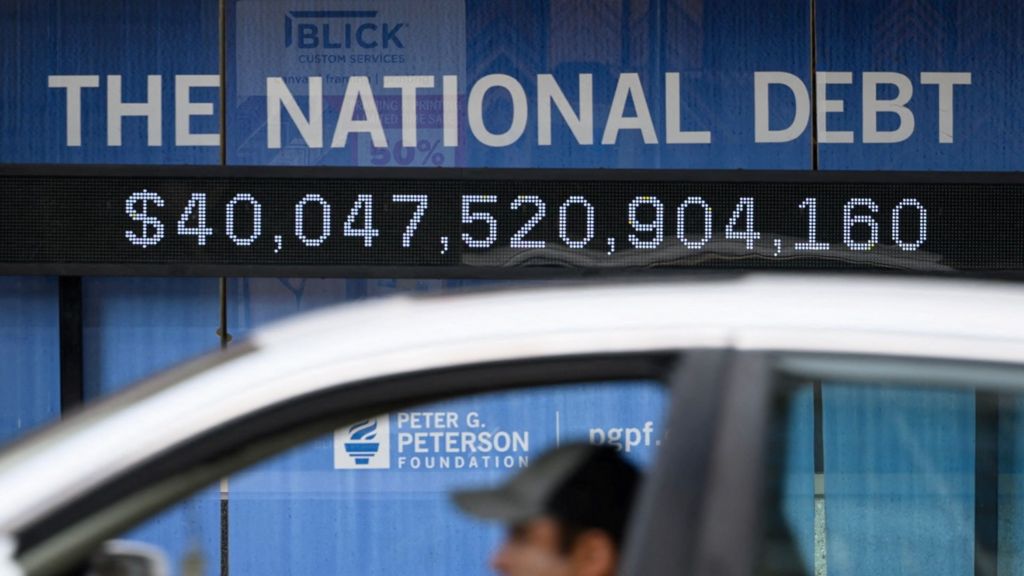
    The United States has crossed a staggering fiscal milestone: official Treasury Department data confirms the country’s total national debt has surged past $40 trillion (£29.4 trillion) — more than doubling over the past 10 years. This unprecedented growth in America’s outstanding obligations has sent ripple effects through global financial markets, leaving economists and consumers alike questioning what this ballooning debt load will mean for everyday people across every region of the world.

    For decades, US sovereign debt has been viewed as the global financial system’s safest asset, underpinning interest rates, currency exchange rates, and investment flows on every continent. Shifts in America’s fiscal position therefore do not stay contained within US borders. The current unsustainable trajectory of debt growth already pushes up borrowing costs for governments, businesses, and individual borrowers across the globe. As the US government issues more debt to cover its ongoing spending and deficit gaps, competition for available capital increases, driving up interest rates for all types of loans, from home mortgages to business expansion capital, for consumers in Europe, Asia, Africa, and the Americas alike.

    Another key channel of impact runs through exchange rate dynamics. Persistently rising US debt can create downward pressure on the value of the US dollar over time, though the dollar has retained its status as the world’s primary reserve currency for the moment. Even so, currency volatility stemming from debt uncertainty drives shifts in the price of imported goods, energy, and commodities that consumers buy every day. For nations that peg their currencies to the dollar or rely heavily on dollar-denominated trade, the instability linked to America’s growing debt burden can lead to higher inflation and eroded purchasing power for working households.

    For US consumers, the immediate impacts are equally tangible. Higher debt levels increase the government’s interest payment obligations, which can crowd out public funding for social programs, infrastructure, and other services that rely on federal support. Over time, sustained debt growth also raises the risk of future austerity measures or tax increases that directly reduce household disposable income.

    Economists are divided on the long-term outlook: many argue that the current trajectory poses significant systemic risks to global economic stability, while others note that the unique position of the US economy and the dollar have allowed the country to sustain higher debt levels than many predicted. Regardless of differing viewpoints, the passing of the $40 trillion milestone has reignited global conversations about fiscal responsibility and the far-reaching influence of US fiscal policy on the everyday financial well-being of consumers around the globe.

  • Guilt, grief and strength: Gaza’s ‘sole survivor’ children face life alone

    Guilt, grief and strength: Gaza’s ‘sole survivor’ children face life alone

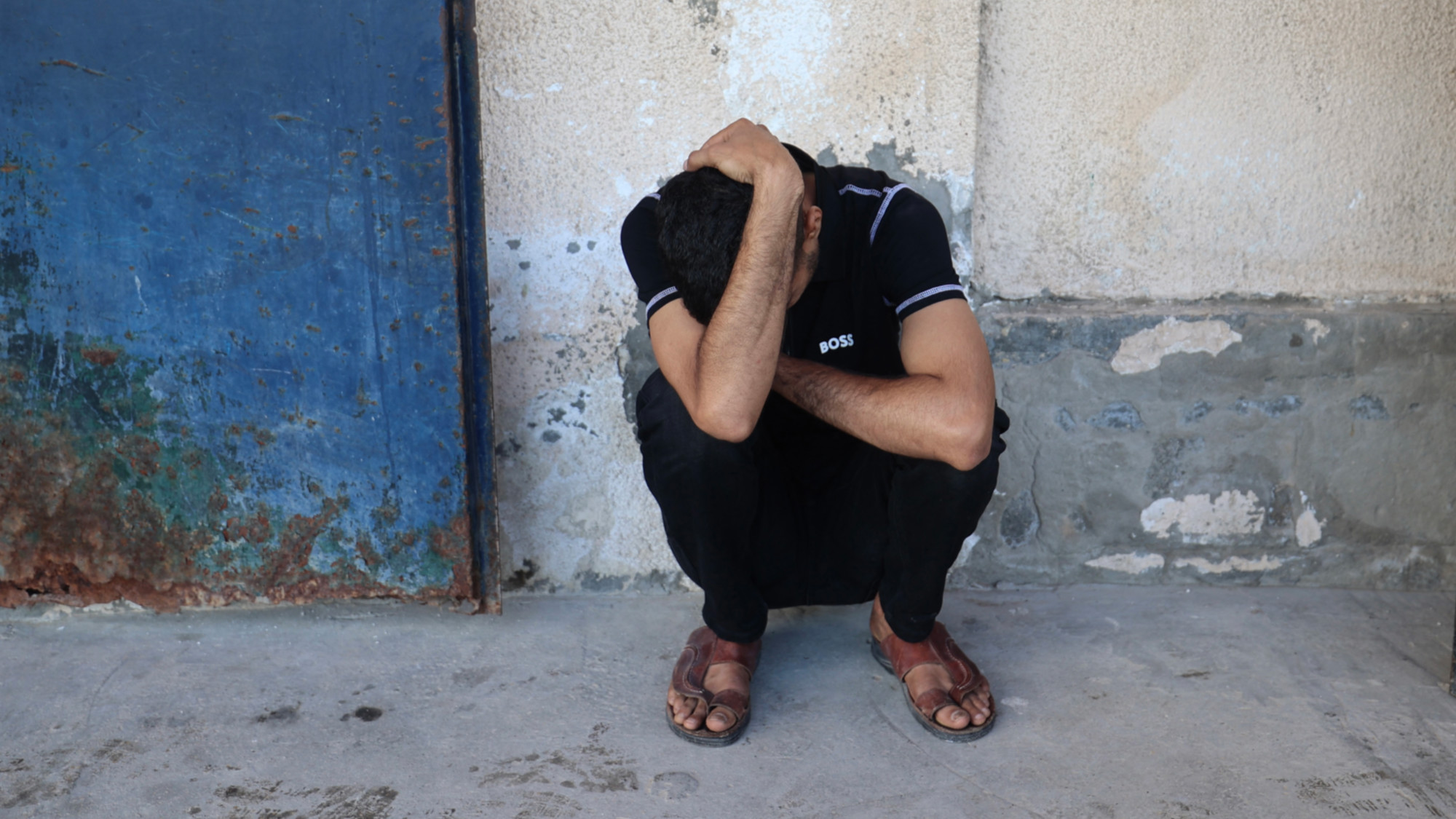
    In the early light of each Gaza morning, 13-year-old Jana al-Motouq wakes to an empty space beside her. Where her mother once stirred to wake the family, fry flatbread for breakfast, and braid her hair before school, only silence remains. Today, al-Motouq cooks her own meal, folds her own clothes, and walks to school alone — a daily routine no child should ever have to learn. On November 17, 2023, an Israeli airstrike on the Jabalia residential neighborhood flattened her family’s home, killing every member of her immediate family: parents Ahmed and Heba, her twin sister Saja, 8-year-old brother Hossam, and 4-year-old brother Mohammed. Thirty-five more extended family members, including uncles and childhood cousins, also died in the attack. Al-Motouq lived only because a sudden illness the night before had led her to sleep across the street at her grandmother’s house.

    When the pre-dawn blast rattled the neighborhood, she ran outside to find nothing but crumbled concrete and twisted metal where her home had stood. “I sat on the rubble calling for my mum and dad. Nobody answered,” she recalled. For days after, she returned to the ruins each morning, digging through debris until she found a bloodstained family blanket. She held it to her chest, kissing the fabric, before heartbroken relatives pulled her away from the unstable wreckage. “I wished I had been with them,” she told Middle East Eye. “I thought, if I had died with them, maybe I could rest.”

    Al-Motouq is far from alone. More than two years of sustained Israeli bombardment across the Gaza Strip has killed more than 73,000 people, displacing most of the territory’s 2.2 million residents and destroying the homes, schools, and daily routines that once anchored community life. Official data from the Palestinian Ministry of Social Development confirms the staggering human cost: more than 68,000 children and adults are now the only surviving members of their once-large families, and over 75,000 children have lost one or both parents. Local medical workers have even created a new clinical acronym, WCNSF — “Wounded Child, No Surviving Family” — to categorize the dozens of injured, alone children who arrive at overcrowded hospitals each week. The result is a generation of young Palestinians growing up not just amid violence and displacement, but crippling grief, unresolved trauma, and a constant uncertainty about what tomorrow will bring.

    Survivor guilt is a near-universal experience for these children, explains Sereen al-Absi, a Gaza-based psychologist who has worked with dozens of sole survivors like al-Motouq. “They always ask themselves: Why did I survive when they didn’t? Why couldn’t I protect them?” the 29-year-old therapist explained. “Even when they logically understand they had no control over what happened, their pain doesn’t follow logic.” Today, al-Motouq lives in a displacement tent with her maternal grandparents, the life she knew reduced to scattered memories. Before the war, she and her twin Saja were inseparable: they wore matching clothes, shared homework, and dreamed of memorizing the Holy Quran together. Al-Motouq still smiles faintly when she remembers: “If one of us wore something different, we’d both get upset. She wasn’t just my twin — she was my life partner.” Now, she often accidentally calls classmates by Saja’s name, and reaches for a pencil out of habit, expecting her sister’s hand to meet hers.

    Eighteen-year-old Dima Junina, a Gaza City resident, carries a similar loss. On October 30, 2023, an Israeli bombing campaign collapsed a neighboring building onto her family home, killing her father Ahmed, mother Noor, and three younger brothers Anas, Baraa, and six-year-old Mufeed. Trapped beneath rubble, a fallen door shielded Junina from death, and for hours she clung to the hope that her family was still alive, begging rescue workers to pull them out. It was only at dawn that relatives told her the truth: everyone she loved was gone. “I wasn’t even able to cry,” she said. “It still feels like they’re going to walk through the door any minute.”

    Unlike many who label her an orphan or a sole survivor, Junina rejects being defined by her loss. “I don’t want people treating me differently because I’m an orphan,” she said. Unthinking reminders of her grief are everywhere: classmates offhandedly mention their mothers, school activities require parent signatures, and even one teacher, mid-sentence, forgot her loss and ordered her to bring her mother to school after an illness-related absence. She never went back to that class, but found other educators who allowed her to grieve without turning her pain into a public spectacle.

    Today, both teenagers carry the weight of adult responsibilities their parents once bore. Al-Motouq makes tea for her grandparents before school, studies by the dim light of a camp generator, and pushes forward with her education because that is what her parents always wanted. She has now memorized nine of the Quran’s 30 parts, holding fast to the dream she once shared with her twin. Junina, who recently graduated high school, says she has become “five people in one” — handling all the work her father once managed and all the care her mother provided. “The war made my personality stronger,” she said. “It had to.”

    But strength does not erase trauma, al-Absi emphasizes. For many sole survivors, grief manifests in two extremes: either intense attachment to people who remind them of the family they lost, or deep social withdrawal. The trauma is also far more complex than typical grief, she explains: these children carry the grief of multiple loved ones, all lost in a single, violent moment. “It’s caused by losing one, two, three or more people, and it can create a complex form of trauma that is hard to treat even in stable conditions, let alone when you’re living in a camp with no access to consistent care,” she said.

    Against all this pain and loss, both girls refuse to give up on their futures. Junina is considering studying psychology at university, and plans to build a water well in Gaza as a lasting charity in her family’s name. When asked what she wants more than anything, al-Motouq did not ask for an end to war, though that is the foundation of every wish she has. Instead, she asked for the simple things children in other parts of the world take for granted. “A home, a school, a place where we can live without fear,” she said. “We have the right to learn. We have the right to play. We have the right to have dreams.” For Junina, the request is even simpler: “Treat me like a person,” she said. “Not just as the girl whose family was killed.”

  • Turkey requests Interpol red notice for Netanyahu over Sumud Flotilla

    Turkey requests Interpol red notice for Netanyahu over Sumud Flotilla

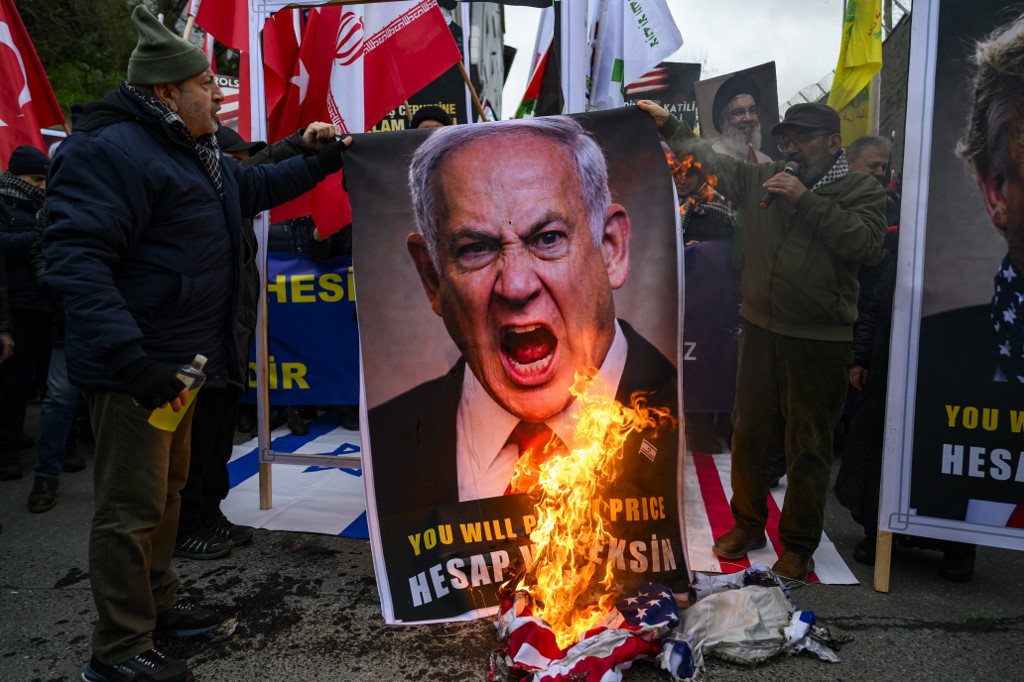
    In a sharp escalation of diplomatic tensions between Turkey and Israel, Turkish Justice Minister Akin Gurlek announced Friday that Ankara has formally asked Interpol to issue international Red Notices for Israeli Prime Minister Benjamin Netanyahu and a second Israeli official, Afek Moskovitch, on charges of genocide and multiple other crimes against humanity. The legal action stems from Israel’s 2026 intercept of the Global Sumud Flotilla, a civilian vessel carrying humanitarian aid to Gaza that was raided by Israeli forces in international waters earlier this year.

    Gurlek confirmed in an official statement posted to the social media platform X that the request follows arrest warrants issued by Turkish courts on July 14, 2026. “Pursuant to the arrest warrants issued on 14 July 2026 for Benjamin Netanyahu and Afek Moskovitch on charges of genocide, our Ministry of Justice requested that the Ministry of Interior seek Interpol Red Notices for their international apprehension. The relevant documents have also been forwarded to our Ministry of Foreign Affairs,” Gurlek said.

    The two Israeli figures face a broad array of charges in addition to genocide, including crimes against humanity, aggravated unlawful detention, intentional bodily harm, torture and cruel treatment, property destruction, aggravated robbery, and hijacking of civilian transport. All charges are directly linked to the Israeli military operation against unarmed civilian activists delivering humanitarian aid to Gaza in international waters, and the subsequent detention of those activists, Gurlek added.

    The Turkish government’s legal move comes just days after a major escalation in regional hostilities: Israeli warplanes carried out strikes earlier this week on the Abu al-Duhur military airbase in northern Syria, a facility located roughly 70 kilometers from the Turkish border. The airstrike was followed by a thinly veiled public threat from Israeli Defense Minister Israel Katz directed at Turkish leadership on Thursday.

    In a social media statement, Katz claimed that Turkish President Recep Tayyip Erdogan “is dragging Turkey into dangerous adventures in Syria.” He added that Israel would not permit any actor to threaten its national security, and urged Erdogan to rein in what Katz called anti-Israel rhetoric rather than “attempting to test Israel’s resolve to defend itself.”

    Israel justified the airstrike with unsubstantiated claims that Syria was on the brink of violating a long-standing security status quo by allowing Turkish military personnel to deploy at the Abu al-Duhur base. Both Turkish and Syrian officials have categorically rejected these allegations. Turkey’s defense ministry emphasized that there had been no Turkish military presence at the facility either before or during Israel’s “unacceptable” attack, and called for an immediate end to such reckless Israeli actions.

    Syrian officials told Middle East Eye that only a Turkish civilian technical team was present at the base to conduct repairs on the runway and air traffic control tower, with no military personnel deployed to the site. The Turkish presidency issued a statement Wednesday arguing that the Israeli airstrike was motivated by domestic political considerations, noting that the attack was timed ahead of Israel’s general election scheduled for October, and served Netanyahu’s personal re-election campaign.

    Netanyahu pushed back against these claims Wednesday, confirming that Israel had pre-warned Syria against allowing any Turkish presence at the base. “Our message was very clear: Don’t. I guess they didn’t quite understand the message,” he said. Syrian Foreign Minister Asaad al-Shaibani rejected Israel’s justification entirely, stating that the bombing had no legitimate legal or strategic basis.

    In the wake of the Tuesday airstrikes, the United States has moved to de-escalate tensions between the three regional actors. Tom Barrack, the U.S. special presidential envoy for Syria and Iraq, told Reuters that Washington is currently working to establish a formal deconfliction mechanism that will prevent unintended clashes between Israeli, Turkish, and Syrian forces operating in northern Syria.

  • ‘Bloodline punishment’: Iranian family faces ongoing punitive ICE detention

    ‘Bloodline punishment’: Iranian family faces ongoing punitive ICE detention

    More than four months have passed since a Los Angeles-based Iranian family of three lawful permanent residents was taken into Immigration and Customs Enforcement (ICE) custody, detained not for any crime they committed, but over a relative’s political role during a 1979 diplomatic crisis decades before two of them were even born.

    In an open letter published in *The Nation*, Maryam Tahmasebi, an Iranian scholar and one of the three detainees, described the family’s treatment as a clear case of “bloodline punishment.” Tahmasebi, her husband Eissa Hashemi — also an academic — and their 16-year-old son, who has lived most of his life in Southern California, all hold clean criminal records. Their green cards were revoked following a targeted online campaigning against the family, and they have remained behind bars since early April.

    The basis of the government’s action traces back to the 1979 Iran hostage crisis, when 53 American diplomats and citizens were held captive by militant student groups in Tehran. Hashemi is the son of Masoumeh Ebtekar, a former Iranian politician who served as a translator for the hostage takers that year — years before Hashemi was born. Tahmasebi emphasized in her letter that the U.S. government chose to punish her husband exclusively for his maternal family connection, not any action of his own.

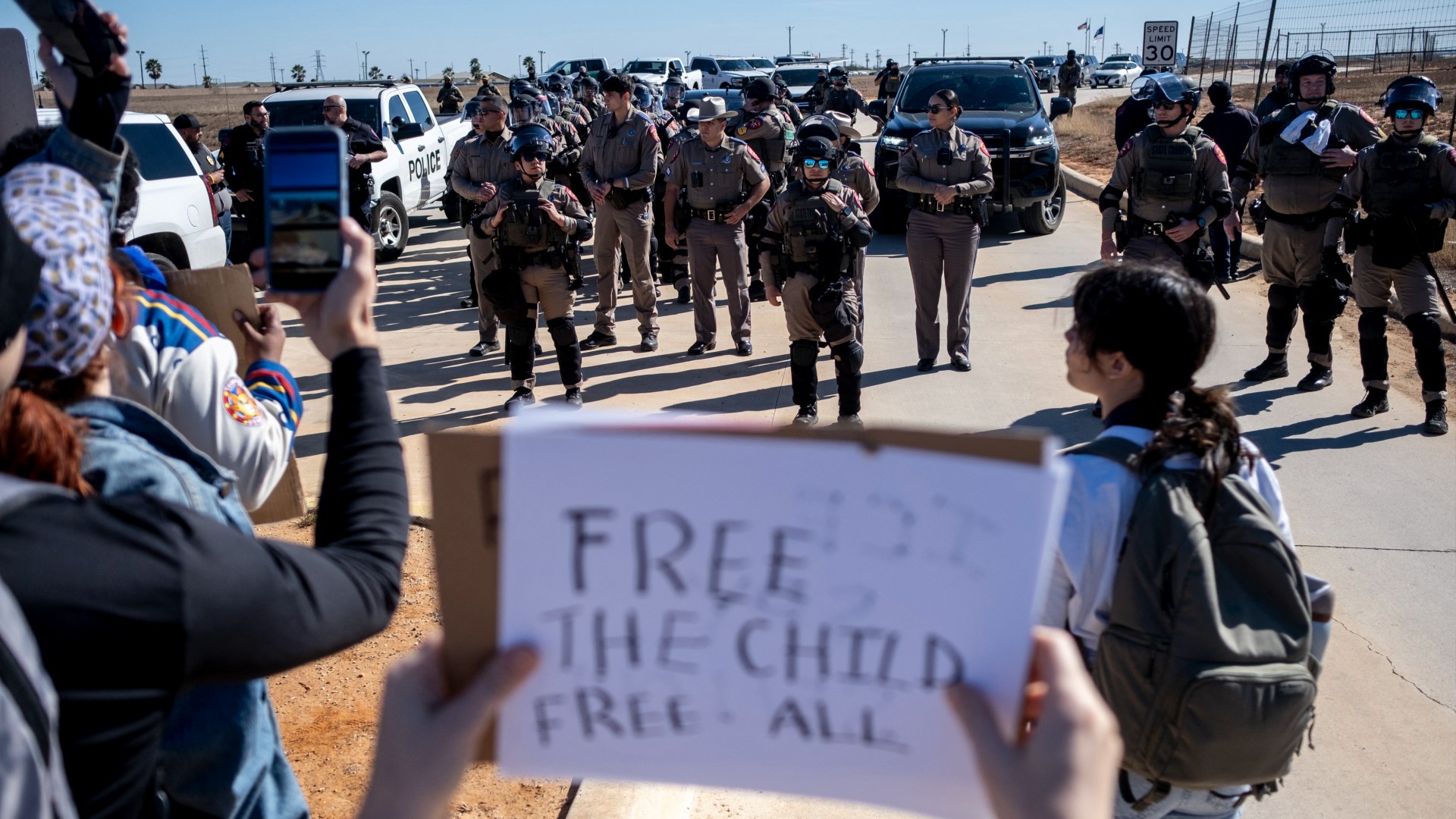
    Hashemi was first arrested on April 9 and transferred to the South Texas Detention Center in Pearsall, where he remains in custody. The following day, Tahmasebi and their teenage son were detained while en route to the boy’s school. The pair are now held at the Dilley Immigration Processing Center, a for-profit ICE facility in South Texas designed primarily to detain women and children. For years, lawmakers and immigrant rights activists have pushed to shut down this detention center, citing extensive documentation of systemic abuse, neglect, and psychologically traumatizing conditions for detainees, especially minor held in custody.

    When Tahmasebi requested a transfer to be held in the same facility as her husband, she was told family separation is an official U.S. government policy that would not be waived, per her account. In a striking turn, even the family’s request for voluntary departure — a standard legal process that allows people facing deportation to leave the U.S. voluntarily without a permanent deportation order on their record — was rejected by federal authorities.

    Tala Alfoqaha, the family’s lead legal counsel, told Middle East Eye that the government’s refusal to approve voluntary departure confirms the detention is purely punitive, with no legitimate immigration or national security purpose. “This is a case that stands for the idea that you can do every single thing right and still end up in ICE detention,” Alfoqaha said. “They’re not being detained on the basis of what they’ve done, but who they are as Iranians with parents who’ve lived and worked.”

    Alfoqaha drew a parallel to one of the darkest chapters of U.S. history, noting the case echoes the mass internment of Japanese American citizens during World War II, when thousands were imprisoned solely based on their ethnic ancestry, not any unlawful action. In a statement to NBC Los Angeles, the U.S. Department of Homeland Security defended its action, claiming the three family members’ presence in the country “posed a clear threat to our national security and foreign policy.”

    In her letter written from detention, Tahmasebi warned that the case sets a dangerous precedent for all immigrant communities in the U.S. “If this could happen to us, a law-abiding family of two professors and a young boy, it can happen to anyone,” she wrote.

    As of December 2024, federal data shows at least 577 Iranian nationals are currently held in ICE detention facilities across the country, a trend many immigrant rights advocates frame as part of broader political retaliation against Iranians amid ongoing U.S. geopolitical tensions with the Iranian government.

  • Supreme Court temporarily unfreezes Trump ballroom construction

    Supreme Court temporarily unfreezes Trump ballroom construction

    In a high-stakes legal ruling released Friday, US Supreme Court Chief Justice John Roberts has issued an administrative stay that temporarily clears the way for work on the Trump administration’s $400 million White House ballroom expansion project to continue, as the nation’s highest court prepares to review a full legal challenge aimed at halting the development permanently. The temporary order will remain in effect until the Supreme Court issues further guidance on the case.

    The legal battle stems from a lawsuit originally brought by the National Trust for Historic Preservation, a leading heritage advocacy group that argues the construction project inflicts irreversible damage to the historic White House complex. The case reached the Supreme Court after a federal appeals court issued an order earlier this month to halt all work on the site. In that appeals court ruling, judges held that sitting presidents are only “temporary tenants” of the White House, and lack the authority to carry out major structural alterations without explicit approval from Congress. The ruling gave the Trump administration two weeks to file an appeal with the Supreme Court, setting the stage for Friday’s temporary action.

    The preservation group responded to the stay in a statement to the BBC Friday, noting that the court’s action does not constitute a final ruling on the merits of the administration’s request to keep construction moving. “To be clear, this is not a final decision on the merits of the government’s stay application, and we await further action,” a representative for the group said.

    For the Trump administration, Friday’s ruling delivers at least a temporary win. President Trump has pushed for the expansion for years, arguing the White House currently lacks sufficient event space to accommodate large-scale official gatherings. He has more recently framed the project as a critical national security priority, a claim amplified after an assassination attempt targeting the president at the April White House Correspondents’ Association dinner.

    Administration legal officials, including US Solicitor General D. John Sauer, emphasized the urgency of continuing construction in an emergency filing submitted to the Supreme Court ahead of the stay. Government lawyers argue the new facility’s integrated underground security complex is designed to defend the White House against emerging threats including drones, ballistic missile attacks, and biological hazards, protections they say are essential to safeguarding the president, his family, and all White House staff. Trump has publicly stated the expanded ballroom is needed to host large state visits and official celebrations, framing the upgrade as long overdue.

    When the project was first announced in July 2025, plans called for a 650-person ballroom that would integrate with existing White House structures. Those plans have since been revised twice, expanding capacity first to 900 attendees and then to 1,000. The current scope calls for full demolition of the existing East Wing to make way for the new structure, which will combine a large above-ground event space with a secured underground complex. The ballroom project is not the only controversial infrastructure initiative the Trump administration has advanced in Washington DC; it is paired with a new helipad under construction on the White House South Lawn, a major renovation of the Lincoln Memorial Reflecting Pool, and a planned “Arc de Trump” that would be larger than Paris’s iconic Arc de Triomphe. Across all of these projects, the administration has faced repeated accusations that it bypassed legally mandated environmental review and public comment processes, claims the president has repeatedly rejected. Congress was not consulted on the ballroom project before demolition work began, a core point of criticism from the plaintiffs.

    Had the Supreme Court declined to issue the stay, the administration would have been legally required to halt all construction work by the end of Friday. The legal fight now moves toward a full hearing on the merits of the challenge, with the future of the multi-hundred-million-dollar project hanging in the balance.

  • Ceuta begins burials for migrants who died attempting to cross into the Spanish territory

    Ceuta begins burials for migrants who died attempting to cross into the Spanish territory

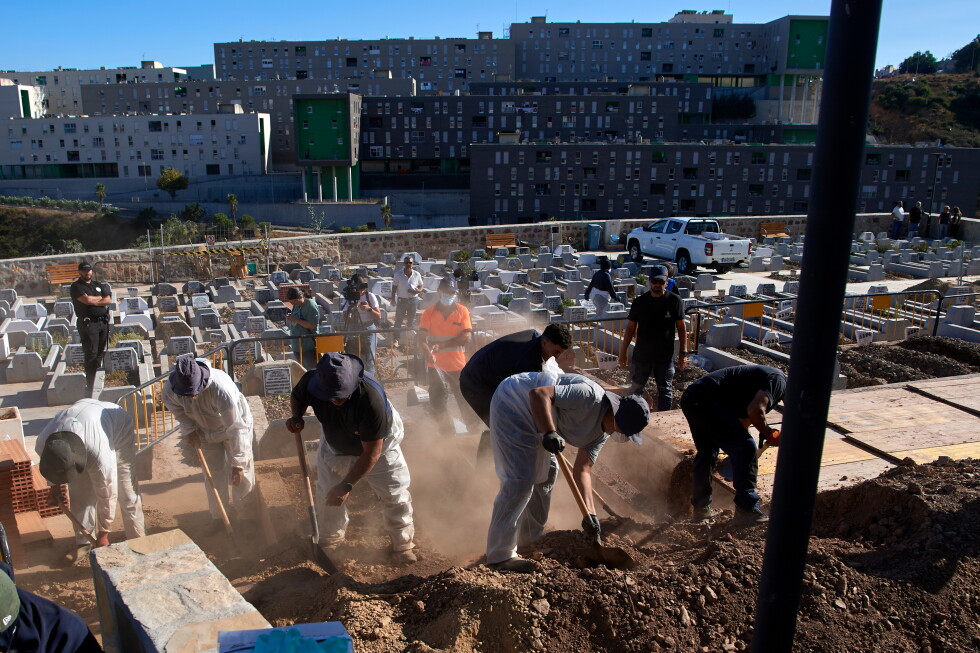
    Three weeks after Spain’s deadliest modern migrant border crisis, the first group of unidentified victims of the disaster were laid to rest on Friday at a Muslim cemetery in Ceuta, the Spanish North African territory that became the flashpoint for the mass crossing event. As an Islamic cleric recited traditional funeral prayers over the plots, workers lowered plain white body bags into cinderblock graves, each marked only with a numbered stone — a temporary measure to enable future identification and recovery by surviving family members. All 18 migrants interred on Friday were men, and their burials followed Islamic tradition, with bodies positioned to face Mecca, just a short sea crossing away from the mainland Europe the migrants had hoped to reach.

    The 18 buried Friday are part of a death toll that has surpassed 90 people, all of whom died amid the mass influx of more than 72,000 people who crossed into Ceuta from neighboring Morocco in late July. Most of the deceased lost their lives either by drowning or in a chaotic stampede as crowds pushed to cross a breakwater barrier at a key border checkpoint.

    The mass migration event was driven by a toxic combination of deep-rooted economic hardship, limited economic opportunity for young people in the region, and widespread misinformation spread across social media platforms, according to official accounts from both Spanish and Moroccan authorities, who have also pinned blame on criminal human smuggling networks. Migrants who made the crossing have repeatedly cited systemic unemployment and poverty-level wages in Morocco as the core push factors that forced them to attempt the dangerous journey.

    The burials have sparked controversy, as the Moroccan Association for Human Rights (MAHR), a prominent left-leaning non-governmental organization, has called for an immediate halt to interments in Ceuta. The group is demanding that all possible efforts be made first to identify the deceased and repatriate their remains to Morocco, where most of the migrants originated, so their families can bury them according to local custom and with full dignity. In a formal statement, MAHR described the ongoing burials in Ceuta as a “new human tragedy” that adds to the broader “disaster of displacement and missing persons” plaguing the region. The NGO has also called on Morocco’s foreign ministry to take active steps to secure the return of all remains to their home communities.

    The dispute over repatriation comes amid conflicting claims over why the bodies have not been returned. A spokesperson for Ceuta’s city government confirmed last week that all administrative paperwork required to repatriate the deceased migrants’ bodies had been finalized, but that Moroccan authorities had not yet accepted the transfer requests. Morocco’s foreign ministry has not responded to repeated requests for comment from the Associated Press, either regarding the Friday burials or allegations that it is blocking the repatriation process.

    While the vast majority of the more than 72,000 people who crossed into Ceuta in late July returned to Morocco within days, thousands remain stranded in the small territory, prolonging a severe humanitarian crisis that has stretched local resources thin. Ceuta’s local government estimates that between 8,000 and 10,000 migrants — including vulnerable women and children — are still present in the territory, while Spain’s national government puts the figure at around 5,000. Both local authorities and Ceuta’s resident population are struggling to provide adequate shelter, food, and basic care for the remaining migrants, leaving thousands in limbo as officials on both sides of the border debate what steps to take next.