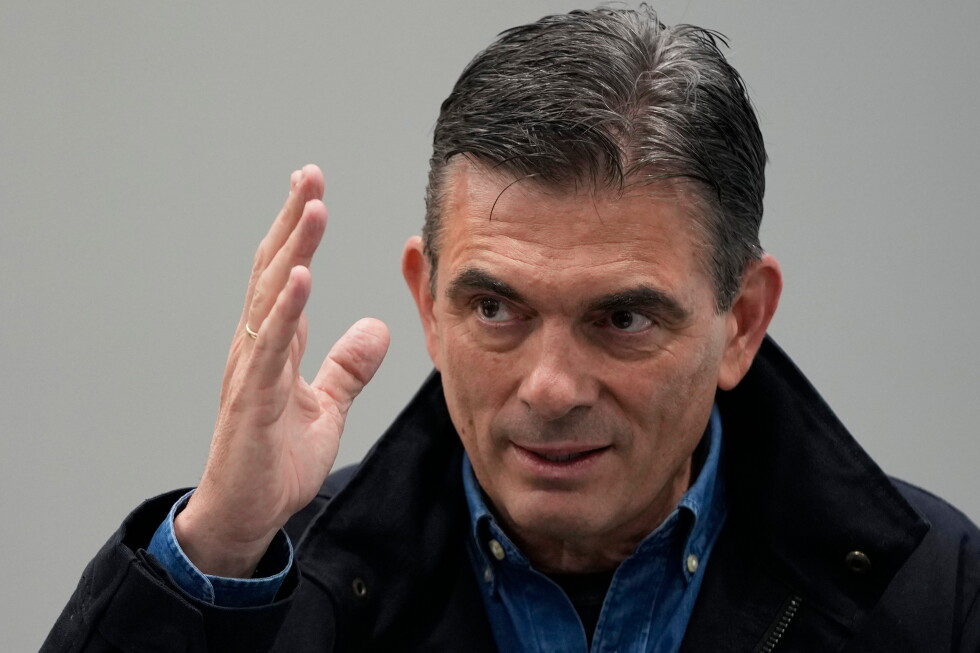
Nine months into his term, Bolivia’s President Rodrigo Paz is facing the most severe test of his young administration after a catastrophic seven-day stretch of political fractures, public outrage, and high-profile scandals that have left his already fragile governing coalition on the brink of collapse. Since taking office last year after winning election on a platform to break nearly 20 years of one-party socialist rule, Paz has navigated near-constant turmoil: mass street protests, repeated cabinet reshuffles that have left just six of his original 15 ministerial posts filled, a public falling-out with his own vice president, and a public health and economic crisis after contaminated gasoline damaged more than 10,000 vehicles nationwide. Through it all, the president has managed to hold onto power, but political analysts agree the string of crises that unfolded this week could be his most dangerous challenge to date.
The first major blow to Paz’s authority came when his key congressional partner, the center-right National Unity party, cut ties with his administration over his overreliance on executive presidential decrees to pass policy, fracturing the already thin majority he needed to advance his legislative agenda. The loss of this ally immediately exposed Paz’s weakness in the legislature, a weakness that was laid bare just days later when Congress voted to oust his top economic strategist, Economy Minister José Gabriel Espinoza.
Espinoza, the architect of the Paz administration’s sweeping pro-market economic overhauls designed to pull Bolivia out of post-socialist economic stagnation, became a lightning rod for widespread public frustration over the country’s ongoing economic struggles: persistent double-digit inflation, chronic shortages of gasoline and diesel, and dangerously depleted foreign currency reserves. Lawmakers moved to force Espinoza out amid a growing scandal over his purchase of a luxury Audi Q4 SUV for $5,000, far below the vehicle’s market value. Prosecutors have since opened a criminal investigation into allegations that the minister falsified financial documents and misstated his income to secure the below-market deal; Espinoza has denied all wrongdoing, blaming the discrepancy on a routine clerical error.
Paz initially defended his minister, calling the congressional vote unconstitutional and vowing to keep Espinoza in his post. But facing a lack of legislative support after National Unity’s exit, the president quickly backed down and dismissed Espinoza on Friday. The ousting comes at a critical moment for Paz’s economic agenda: his administration is currently pushing Congress to approve a $1.9 billion financing agreement with the International Monetary Fund, unlock a $200 million World Bank loan, and pass new legislation to attract much-needed U.S. dollar reserves to the country, all while public discontent grows over the pain of his fiscal austerity reforms.
Last year, Paz’s government cut long-standing, generous national fuel subsidies that had kept consumer prices low for decades, driving up immediate cost-of-living increases for working-class Bolivians. This week, the administration compounded that anger by hiking the price of bulk-purchased diesel by 84%, a move that infuriated farming and transport groups and sparked new calls for a national mass strike. Political analysts note that while Paz has secured preliminary agreements with multilateral lenders, these policy wins have yet to translate into improved affordability or tangible economic relief for ordinary Bolivians.
The most explosive development of the week came on Tuesday, when Bolivian national police arrested Fernando Cerimedo, an influential Argentine political strategist with deep personal and professional ties to Paz. Cerimedo, who has worked on digital campaign strategy for high-profile right-wing leaders across Latin America, including Argentina’s President Javier Milei and former Brazilian President Jair Bolsonaro, has been charged with attempted femicide in connection with a shooting attack on his ex-partner, Bolivian lawyer Nadia Beller. Two men disguised as food delivery workers shot Beller three times outside a La Paz hotel earlier this month. From her hospital bed, Beller, who is 33 and between four and six weeks pregnant, has accused Cerimedo of orchestrating the attack to silence her, claiming she holds concrete evidence of corruption implicating Cerimedo and close associates of President Paz. A medical report shared with the Associated Press confirms Beller suffered severe wounds to her breast, arm, neck, and shoulders, including a shattered bone that requires major surgery. Cerimedo has repeatedly denied any involvement in the attack.
Following Cerimedo’s arrest, prosecutors raided four properties linked to the strategist after Beller published photos showing drawers full of untraceable cash. Authorities seized more than 500,000 bolivianos (roughly $44,000) in local currency, plus undisclosed sums of U.S. dollars and euros, as well as equipment for a “bot farm” — an automated network of fake social media accounts used to manipulate public opinion and sway political discourse.
Bolivia’s government has attempted to downplay Cerimedo’s role, framing him as a key campaign adviser who only consults with the administration occasionally. But critics, including Paz’s own vice president Edman Lara (whose populist appeal helped deliver the president’s election win last year, before their partnership collapsed into open hostility), have pushed back on that narrative, describing Cerimedo as a powerful shadowy figure who controlled government communications and influenced senior administration appointments.
Opposition lawmakers warn that the corruption and violence allegations tied to Cerimedo could bring down the entire administration. “This case could shake the government, so they need to respond to these allegations,” Senator José Manuel Ormachea told reporters Tuesday. “Otherwise, this chaos will leave them hanging by a thread.” Political analysts across the board agree that while Paz may ultimately survive this latest wave of crises, his ability to govern moving forward will be severely hampered. “Paz may survive all of this, but it’s going to be very, very bumpy,” said Casey Cagley, a senior Bolivia-focused adviser at Seattle-based strategic consultancy Red Telescope Global.