博客

  • Watch: What messages did the US and Iran send about the war?

    Watch: What messages did the US and Iran send about the war?

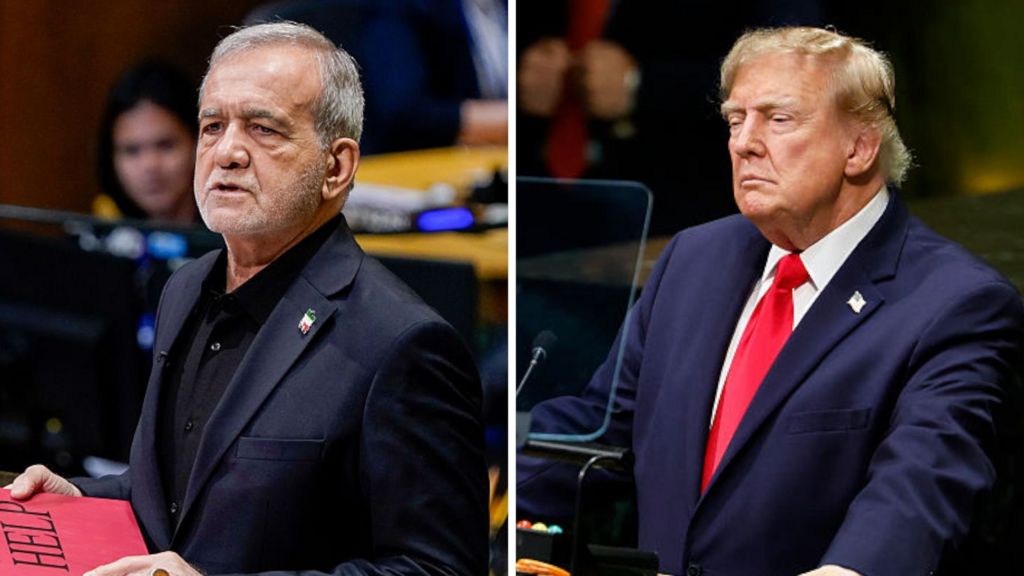
    In the high-stakes arena of the 79th United Nations General Assembly in New York, a rare appearance by Iran’s newly elected president Masoud Pezeshkian has turned heads across global diplomatic circles. BBC correspondent Tom Bateman has delved deep into the tightly choreographed interactions and public statements that emerged from the visit, unpacking what both Washington and Tehran sought to communicate to the international community amid ongoing regional conflict and long-strained bilateral relations.

    Pezeshkian’s trip marked the first time an Iranian head of state has traveled to New York for the UN General Assembly in nearly a decade, a detail that alone added weight to every remark and meeting held during his stay. For Iran, observers note, the visit was an opportunity to push back against Western narratives surrounding its involvement in regional conflicts, particularly the ongoing war between Israel and Hamas that has roiled the Middle East. Pezeshkian used his platform at the UN to reiterate Iran’s longstanding positions on Palestinian statehood, while also signaling a tentative openness to limited diplomatic engagement with the United States, according to Bateman’s analysis.

    For the United States, the gathering offered a low-profile space to convey its own red lines without escalating tensions. Senior U.S. diplomats emphasized their commitment to preventing the conflict from spreading across the region, while making clear that any Iranian escalation against U.S. allies or personnel would be met with a swift response. Unlike high-stakes formal negotiations that have failed in past years, both sides appeared to use the UNGA gathering to send calibrated messages rather than push for immediate breakthroughs.

    Bateman’s breakdown also highlights the broader context that shapes this exchange: years of severed diplomatic ties, crippling economic sanctions on Iran, and growing international pressure to contain the regional conflict. This rare face-to-face proximity at the UN, analysts argue, created an opening for quiet communication that has been largely absent from U.S.-Iran relations for years, even as core disagreements remain fully intact.

  • UK survivor of Canadian poison seller says he exploited her despair

    UK survivor of Canadian poison seller says he exploited her despair

    In an emotional Ontario courtroom this week, survivors and grieving relatives from Canada and the United Kingdom have confronted former chef Kenneth Law, a man who built a global network selling toxic substances to vulnerable people he connected with in online suicide forums. The four-day sentencing hearing has opened a raw window into the widespread harm caused by Law’s illegal trade, which has been linked to nearly 80 deaths in the UK alone.

    Elisabeth Belien, a 23-year-old British survivor who had never been publicly identified as one of Law’s customers before Wednesday, delivered a harrowing impact statement describing how Law exploited her deepest mental health despair. When Belien was at her lowest point in January 2023, Law sold her lethal toxic chemicals. Medics successfully administered an antidote that saved her life, allowing her to recover physically, but she told the court the psychological damage remains permanent.

    “I continue to struggle with intrusive thoughts and flashbacks of that day,” Belien said, addressing Law directly as he sat in the glass‑panelled dock. She opened up about the crippling survivor’s guilt she carries, after learning from investigators that dozens of other customers who bought toxins from Law died. “I feel guilty for surviving. I feel like my vulnerability was exploited. I still feel a lot of shame about what happened,” she added. “I also feel guilty that by purchasing from him, I enabled him to continue supplying other vulnerable people just like me.”

    Belien noted that while she is slowly learning to hope for the future, the trauma of her encounter with Law has not faded. “Being here today reminds me how easily it could have been my parents standing here talking about me, instead of me speaking for myself,” she said. “The gratitude I feel for being alive doesn’t take away from the trauma of what happened.”

    Law, a former Canadian chef, has accepted responsibility for 14 counts of aiding suicide in Canada, as part of a plea deal reached with Canadian authorities. Under the terms of the agreement, Law will not face any additional charges in the United Kingdom, even though investigators have linked approximately 80 British deaths to his illegal operations. Despite this arrangement, the court is allowing families of British victims to submit and read impact statements during the sentencing proceeding to share how their lives have been forever altered.

    International law enforcement authorities estimate that Law sold roughly 1,200 packages of toxic substances to customers across 40 countries, with roughly 25% of those shipments destined for addresses in the UK. He was arrested in May 2023, following a sprawling, multi‑national investigation that coordinated the work of at least 11 law enforcement agencies from more than a dozen countries, including the UK, Italy, and the United States.

    Among the grieving family members who shared their pain this week was David Parfett, whose 20‑something son Tom died after purchasing poison from Law in October 2021. Parfett told the court that he has never been able to fully process his son’s death, and that his entire personality has shifted since the tragedy. “I was previously gregarious and outgoing, but five years later, I still cannot fully process what happened,” he said. Parfett explained that he delayed his own grieving to push for accountability and to expose how unregulated online platforms allowed Law to operate his deadly trade undetected.

    The parents of 14‑year‑old Henry Tucker, another British victim who died in 2021, also shared their devastating story. The couple explained that their son had been misdiagnosed with autism, when he actually suffered from a treatable neurological condition that could have been managed with antibiotics. “The realisation that his suffering and death could have been prevented is a weight that is impossible to bear,” they said in their read statement. “The death of a child under these circumstances is a burden we will carry for the rest of our lives.”

    Norson Harris, father of British victim Ashleigh Harris, appeared in person to describe the agony of losing his daughter. “Rather than offer her the help she desperately needed, Kenneth Law sold her the chemical she used to end her life,” Harris said. “We all feel we should have been able to prevent her death. I still hope that over time, Mr Law will come to recognize that he should have told all the vulnerable people who reached out to him that they were loved, and that help was available.”

    Canadian families also delivered searing testimony. Stephen Mitchell Sr., whose son Stephen Mitchell Jr. died in March 2023 after purchasing toxins from Law, told the court his son was ill and seeking help, and Law robbed him of any chance to recover. Addressing Law directly, Mitchell Sr. said he accepts that Law may have experienced moments of despair and worthlessness during his incarceration — the exact same feelings his son had before buying the lethal chemicals. “When my son was well, he would have gladly helped Law work through his depressive thoughts, because he believed in the value of every person,” Mitchell said.

    Sandra Scott, whose 25‑year‑old daughter Amara Scott died in February 2022 while her family was actively helping her through a mental health crisis, said their efforts were cut short by Law. “In her most vulnerable state, she made contact with the accused,” Scott said. “The day my friends and I found Amara, the way she died — it broke my heart. It was a blessing and an honour to be Amara’s mother.”

    The sentencing hearing is ongoing. For anyone affected by issues of mental health or suicide raised in this reporting, support resources are available through BBC Action Line in the UK and local mental health services in Canada.

  • Lebanon’s army asks for $3bn to meet demands but international support limited

    Lebanon’s army asks for $3bn to meet demands but international support limited

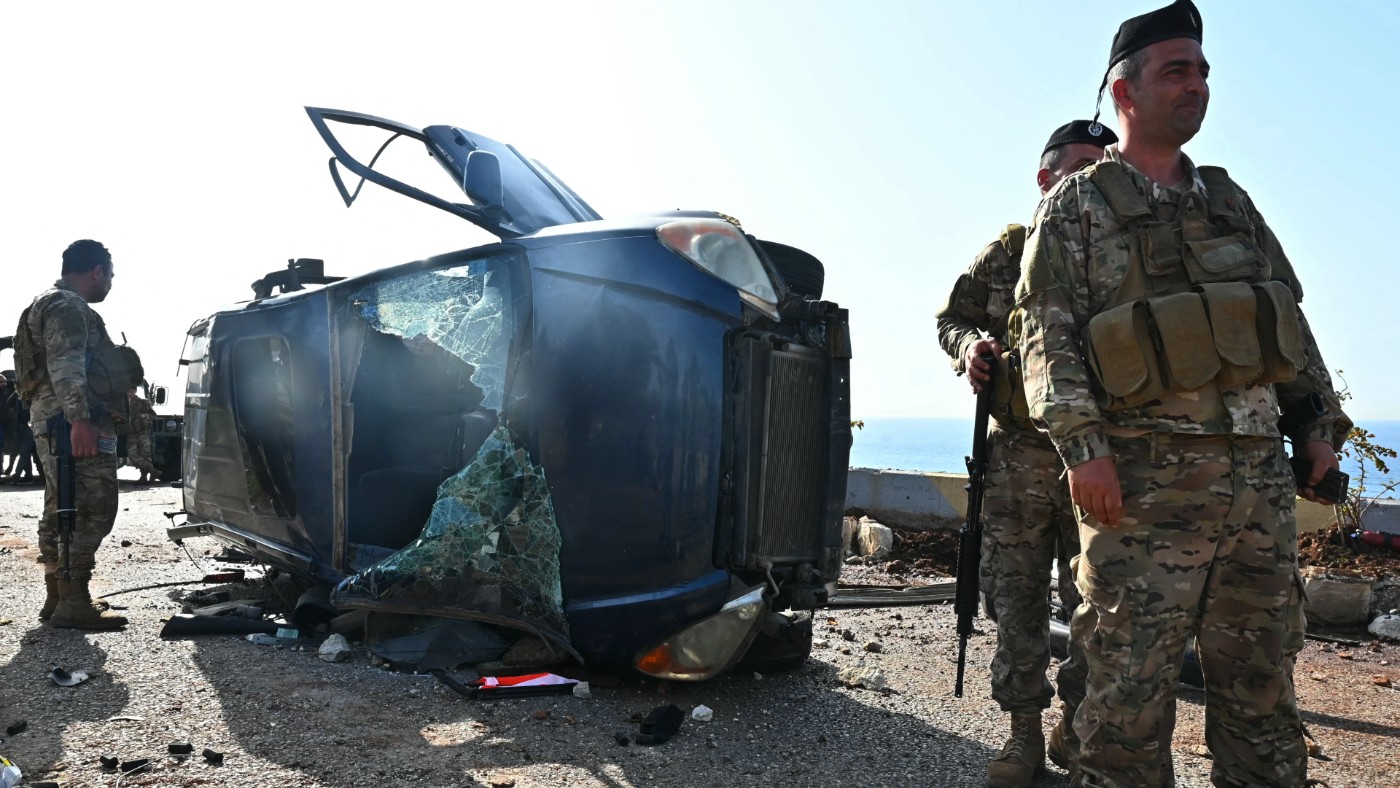
    Almost 24 months have passed since the November 2024 ceasefire between Lebanon and Israel, and the Lebanese Armed Forces (LAF) are confronting a widening chasm between the sweeping security and territorial responsibilities the international community has placed on their shoulders and the tangible financial and material support pledged to back those efforts. As the UN Interim Force in Lebanon (UNIFIL) prepares to wrap up its mandate at the end of 2026, the LAF has been directed to expand Lebanese state control across the entire country, starting with the strategically critical territory south of the Litani River, and absorb all of the security duties currently carried out by the UN peacekeeping mission.

    Senior Lebanese government and military officials speaking exclusively to Middle East Eye confirm that a French-led initiative to rally global backing for the LAF has so far failed to deliver meaningful concrete assistance. A preparatory coordination gathering hosted in Paris on September 17 brought together delegations from 17 nations to discuss support for both the LAF and Lebanon’s Internal Security Forces, alongside planning for post-UNIFIL governance in southern Lebanon. Yet according to a high-ranking Lebanese government source with direct knowledge of the closed-door talks, the meeting yielded no major financial commitments and no set timeline for a full donor conference that would unlock large-scale funding.

    “Frankly, nothing actually happened,” the source told MEE. The only tangible contribution to date has come from Jordan, the source added, though the LAF delegation that attended the talks characterized the Jordanian aid package as relatively modest. A separate senior LAF official echoed that assessment, telling MEE the meeting delivered “nothing real” to address the force’s pressing needs.

    This gap between the LAF’s documented requirements and donor willingness to deliver has grown increasingly urgent as global powers pressure Lebanon to extend state authority and consolidate all weapons under official state institutions, rather than allowing armed groups like Hezbollah to maintain independent military capabilities. Verified internal LAF documents reviewed by MEE show the force estimates its short- and medium-term operational and transformation needs will cost roughly $3 billion to implement.

    That $3 billion price tag is outlined in a 21-page strategic presentation the LAF prepared for an earlier preparatory conference held in Cairo in February 2026, which lays out a comprehensive five-year institutional modernization and expansion plan for the force. The document details a military grappling with overlapping political, financial, security and operational pressures simultaneously. Key risks identified include Lebanon’s ongoing nationwide economic collapse, a shrinking annual defense budget, overreliance on foreign aid, declining donor contributions, persistent cross-border hostilities, terrorist threats, and the destabilizing consequences of a drawdown of international presence in the country.

    The presentation also highlights deepening personnel and operational readiness challenges, including eroded real salaries amid soaring inflation, a growing exodus of skilled service members, difficulties retaining top talent, rising cyber threats, coordinated information warfare campaigns, and a continuously expanding list of mandated missions. The LAF is currently tasked with border security, counterterrorism operations, disarmament of non-state armed groups, internal security patrols, and humanitarian disaster response, creating what the document terms a crisis of “mission overstretch.”

    The plan is structured around four core strategic pillars: consolidating state security and border control, restructuring and modernizing the LAF’s force structure, strengthening national resilience and crisis response capacity, and upgrading human resources and personnel support. The short- and medium-term priorities place special focus on southern Lebanon, where the LAF aims to establish full stability, take over the security responsibilities currently held by UNIFIL, strengthen border management, and ultimately assume full border defense duties once the UN mission concludes.

    The plan also calls for expanded border control along Lebanon’s lengthy frontier with Syria and a transition of maritime security responsibilities currently held by UNIFIL’s Maritime Task Force. Broken down by budget line, the $3 billion request allocates roughly $1.09 billion to boost combat readiness, $654 million for critical new military capabilities, $364 million for adjusted salaries and retention incentives, $334 million to absorb duties from UNIFIL’s Maritime Task Force, $193 million to extend border control infrastructure along the Syrian border, and $150 million to stand up full border defense operations after UNIFIL’s mandate expires.

    Personnel crises are particularly acute: the document places current operational readiness at just 75% of the full readiness required to meet all mandated missions, and draws a direct link between stagnant military salaries and Lebanon’s skyrocketing cost of living, which has left many service members struggling to support their families. The presentation also makes explicit that the LAF’s institutional mission cannot be separated from Lebanon’s ongoing political struggle over the ownership of weapons, listing the “monopoly of arms” as a core strategic objective and explicitly calling for all use of military force to be restricted exclusively to official state institutions.

    This goal, and the parallel reality of Hezbollah’s large, independent arsenal, has become a central sticking point in international discussions over aid to Lebanon. While participants at the February Cairo meeting publicly reaffirmed their commitment to mobilize financial and technical support to help the Lebanese state extend its control across all national territory, with Egypt’s foreign ministry noting the end goal is to enable the state to establish an exclusive monopoly on weapons, the LAF’s presentation makes clear that achieving this objective requires a far better resourced and more capable force. The core argument is that the LAF cannot be expected to take on expanded territorial and security responsibilities without the personnel, funding, infrastructure, and capabilities needed to execute those duties effectively.

    Pressure on the LAF has grown steadily since the 2024 ceasefire, which stipulated that the LAF would deploy across southern Lebanon alongside the withdrawal of Israeli forces, and that only official Lebanese state personnel would be permitted to carry weapons south of the Litani River. In August 2025, Lebanon’s cabinet formally tasked the LAF with implementing a national plan to extend state authority and restrict weapons access exclusively to official institutions. By January 2026, the LAF announced it had completed the first phase of this plan in the South Litani Sector, though it explicitly excluded areas still remaining under Israeli occupation from this assessment.

    The force also noted that unexploded ordnance, unaddressed cross-border tunnels, and persistent Israeli military activity that restricts access to key areas have slowed progress on completing the mission. The first phase was framed as a meaningful step forward, but not the completion of the LAF’s broader national mandate. The next, far larger phase of the mission will require extending state control north of the Litani and eventually across the entire country, a goal that demands massive additional resources at a moment when major international donors are increasingly questioning whether the Lebanese state and its military are willing to confront Hezbollah over its independent weapons stockpiles.

    The February Cairo meeting was initially intended to pave the way for a high-level donor conference in Paris the following month, with the European Union already signaling it was prepared to commit €100 million primarily for logistical equipment for the LAF. However, on March 1, 2026, Lebanese President Joseph Aoun and French President Emmanuel Macron announced the Paris conference would be postponed, citing that the preconditions required for a productive meeting were no longer in place. The next day, Hezbollah launched a new round of rocket attacks targeting Israel, prompting the Lebanese government to ban all unauthorized military and security activity by non-state actors including Hezbollah, and direct the LAF to begin implementing disarmament measures north of the Litani.

    This resumption of hostilities completely reshaped the political and security context the donor conference was meant to operate in, leaving the LAF tasked with even more urgent responsibilities while its international support mechanism remained on hold. September’s Paris meeting was organized to restart the stalled donor process.

    France has long sought to maintain a central diplomatic and political role in Lebanon, and has led planning to prepare for a stable post-UNIFIL environment. Jordan has also taken on a more active role, with the senior Lebanese government source noting Amman is increasingly concerned about the regional spillover of Lebanese instability, particularly amid ongoing tensions in Syria and the West Bank.

    Public messaging from Paris following the September meeting was far more positive than the private assessments offered by Lebanese officials. Macron framed the gathering as a step to strengthen Lebanese sovereignty and enable the Lebanese state to guarantee its own security, while Aoun expressed satisfaction with the discussions and repeated his call for expanded international support for the LAF and Lebanese security forces. The United States also participated in the meeting, with US Ambassador to Lebanon Michel Issa describing the gathering as a useful opportunity to coordinate global backing for the LAF.

    Despite this upbeat public framing, the senior Lebanese government source confirmed “the meeting did not result in a commitment to provide the army with the resources it has requested,” and “there was also no agreed timetable for the full donor conference.” The source noted that the participation of major global powers including the United States and Saudi Arabia was one of the only clear positive outcomes, but added that “there was no immediate financial pledge and no framework for when the main conference would take place.”

    The senior LAF source offered a matching analysis: “France wants to preserve a significant role in Lebanon and genuinely wants to support the army, but countries with greater financial capacity remain reluctant.” According to the senior Lebanese government source, Saudi Arabia remains hesitant to commit large-scale funding because it believes the LAF has not yet fulfilled all expected obligations regarding addressing Hezbollah’s weapons status. Washington shares similar concerns, the source added, and is also currently distracted by other pressing regional priorities.

    This deadlock has left the LAF facing an intractable dilemma. The international community is demanding the force expand its presence, secure all of Lebanon’s borders, prepare for UNIFIL’s departure, and establish the state’s exclusive authority over all weapons. The LAF’s own internal assessment confirms achieving these goals requires $3 billion in new funding and a sweeping institutional transformation. But major powers capable of providing that level of support are increasingly tying assistance to broader political demands that have yet to be met.

    For France, the issue is as much about preserving long-standing French influence in Lebanon as it is about avoiding a dangerous security vacuum in southern Lebanon once UNIFIL withdraws. For Lebanon, the stakes center on whether the LAF can build the capacity required to implement a policy that has placed the force at the heart of the country’s ongoing internal confrontation over Hezbollah’s arms. For Washington and Riyadh, Lebanese officials say, the core question is whether additional funding will actually deliver the political and security outcomes the two powers are seeking.

    The LAF’s February Cairo presentation anticipated many of these hurdles. It did not merely request new equipment, vehicles, and salary support from donors; it laid out a full five-year institutional transformation plan, with an estimated price tag of $3 billion for the initial phases. Seven months after that formal request was submitted, the international coordination process has yet to deliver a matching commitment. With UNIFIL’s mandate set to expire at the end of 2026, the gap between the responsibilities assigned to the LAF and the financial support global powers are willing to provide has become impossible to ignore.
  • ‘We’ll always be here’: Activists target Erdogan in US over LGBTQ+ crackdown

    ‘We’ll always be here’: Activists target Erdogan in US over LGBTQ+ crackdown

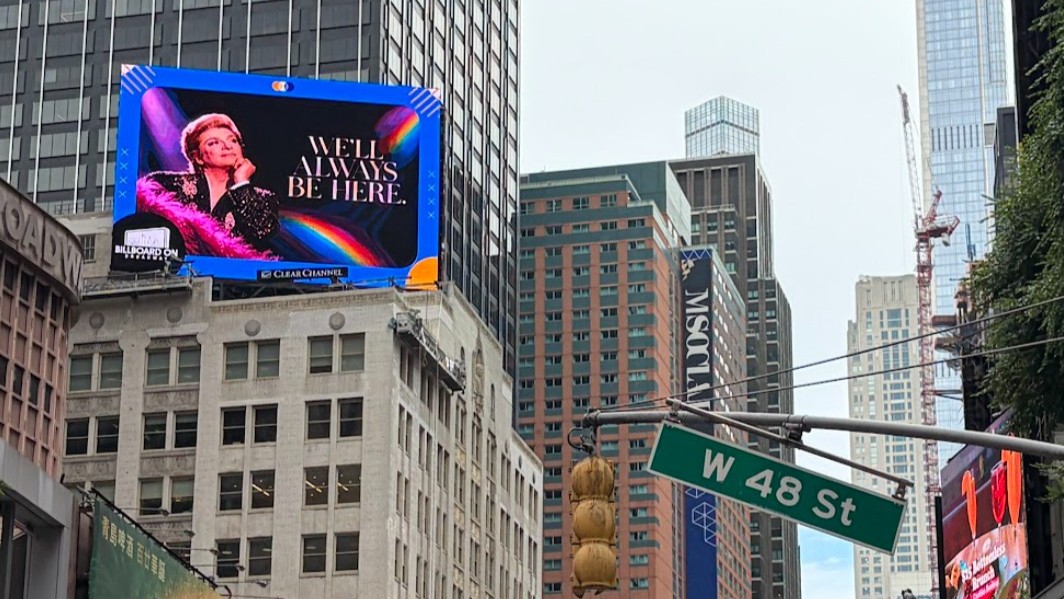
    During Turkish President Recep Tayyip Erdogan’s high-profile visit to the United States to address the United Nations General Assembly, LGBTQ+ rights activists have launched a high-visibility rebuke of his administration’s sweeping crackdown on queer communities and their allies, taking over digital billboards in one of the world’s most iconic public spaces. The action, organized by the Turkish advocacy group March 19 Platform, fills the New York Times Square billboards with a defiant message: “we’ll always be here”, paired with a portrait of Zeki Muren, a cultural figure beloved across Turkey since the 1950s who remains an enduring queer icon for his flamboyant persona and gender-nonconforming style, despite never publicly confirming his sexuality. In an official statement outlining the action, the group explained that Muren’s image, framed by rainbow colors, serves as a deliberate act of public visibility at a moment when LGBTQ+ people and human rights defenders in Turkey face escalating state repression. The March 19 Platform takes its name from the date of the 2025 arrest of prominent opposition Istanbul mayor Ekrem Imamoglu, linking the crackdown on queer communities to a broader pattern of political repression under Erdogan’s government. The provocative public protest comes in the wake of a sweeping nationwide wave of detentions, raids and legal actions targeting LGBTQ+ groups, their staff, supporters and ordinary queer citizens across Turkey. In recent weeks alone, Turkish law enforcement has raided hundreds of individuals and civil society organizations, imposed blocks on hundreds of social media accounts and independent websites, and secured formal arrest warrants for more than 80 people who remain in pre-trial detention. Those detained have been hit with a slate of controversial charges, ranging from “obscenity” and “assisting prostitution” to alleged “financial links to foreign groups”, framing the crackdown as part of the government’s stated mission to protect traditional Turkish family values. During his address to the UN General Assembly on September 24, Erdogan amplified this narrative, listing “global gender-neutralisation policies” alongside major global threats including Islamophobia, unregulated artificial intelligence and global food insecurity. He characterized these policies as a deliberate “siege” targeting children and the foundational institution of the family, telling the assembly: “We can break the siege only by protecting the family consisting of women and men. Turkey will continue to take initiatives in protecting families and children, in spite of attacks from certain lobby groups.” While same-sex relations have never been criminalized in Turkey, and social attitudes toward sexual orientation and gender identity vary widely across the country, Erdogan’s ruling Justice and Development Party (AKP) has steadily ramped up rhetorical and legal targeting of the LGBTQ+ community over the past decade. Earlier this year, Erdogan officially designated the period starting in 2026 as the national “Decade of the Family”, framing the initiative as a defense of traditional social structures. The ongoing nationwide crackdown has even been branded the “My Family is Safe” operation by Turkish authorities. In a move that has drawn criticism from international human rights groups, social media platform X (formerly Twitter) has complied with requests from Turkish authorities to block the accounts of dozens of prominent civil society and media organizations. Among the blocked accounts are Amnesty International Turkey, left-wing independent outlet Evrensel, the peace advocacy group Academics for Peace, the Media and Law Studies Association, CETAD (the Sexual Education, Treatment and Research Association, which provides life-saving support to people living with HIV), and the Psychiatric Association of Turkey. One of the highest-profile targets of the crackdown is Kaos GL, Turkey’s most prominent and long-standing LGBTQ+ civil rights organization. The Ankara Chief Prosecutor’s Office confirmed that 21 people linked to the group have been arrested as part of an ongoing national investigation. In an interview with independent outlet Middle East Eye last week, Kaos GL editor-in-chief Yildiz Tar said the scale of the current repression is unprecedented in his experience of activism. Tar explained that roughly half of those arrested are professional journalists and LGBTQ+ rights campaigners, while the other half are ordinary citizens taken during raids on queer-owned bars, community cafes and private homes. “This is a new level of oppression toward LGBTQ activism and existence – and the government is trying to get people to say LGBTQ people are trying to destroy the family,” Tar said. He added that the government’s narrative deliberately distracts from the actual threats facing Turkish families: “The real threat to the family is poverty, lack of social policies, the threat is femicide, and they are trying to cover that lack of policies by demonising LGBTQ people.”

  • Eritreans planning ‘revolution’ in Tel Aviv warehouse: Haaretz report

    Eritreans planning ‘revolution’ in Tel Aviv warehouse: Haaretz report

    A new organized Eritrean opposition movement targeting the long-standing government of President Isaias Afwerki has set up one of its key international coordination hubs in a southern Tel Aviv warehouse, according to an exclusive investigative report from Israeli newspaper Haaretz.

    Calling itself Brigade Nhamedu, the group says it is building a unified global political structure to mobilize the large community of Eritrean exiles scattered across the world, with the end goal of returning to Eritrea to dislodge Afwerki’s administration. The movement recently held a global vote that brought together Eritrean diaspora communities across 17 countries to select a 51-member international governing council. Approximately 1,300 Eritreans based in Israel cast their ballots last month in the central Israeli city of Nes Ziona, as part of that electoral process. Since the council’s formation, it has held weekly virtual and in-person sessions to map out strategy, covering everything from fundraising and diplomatic outreach to plans for establishing a forward operating base in neighboring Ethiopia and maintaining secure communication with dissident activists inside Eritrea, the report confirms.

    Brigade Nhamedu is headed by veteran Eritrean dissident Beyene Gerezgiher, who operates out of Ethiopia’s capital Addis Ababa, with specialized departments covering finance, diplomatic engagement, community organizing, and military planning already structured within the movement. “Behind us are masses of people ready to fight for their country,” Gerezgiher told Haaretz in an interview, adding that the movement already has embedded sources inside Eritrea, including among senior civilian government and military officials. Haaretz noted that it could not independently verify this claim of insider access. Gerezgiher also emphasized broad public discontent within Eritrea, stating “We know the masses are waiting for us, especially in Asmara,” Eritrea’s capital city.

    The emergence of this organized opposition base on Israeli soil comes amid a sharp downward spiral in diplomatic relations between Asmara and Tel Aviv. The two countries established formal diplomatic ties immediately after Eritrea gained independence from Ethiopia in 1993 – the same year that Afwerki was evacuated to Israel for life-saving medical treatment after contracting severe cerebral malaria. But relations have cooled steadily over the decades, culminating in Israel’s decision to close its embassy in Asmara in 2022.

    In an interview with Middle East Eye earlier this month, Eritrean Foreign Minister Osman Saleh clarified that Asmara had deliberately chosen to cut formal ties with Israel. “We decided we didn’t want their [Israeli] embassy here,” Saleh said. “We are not antagonistic to Israel, but we just decided we didn’t want any relations.” He also questioned Israel’s expanding strategic ambitions in the Horn of Africa, particularly its growing security and economic partnership with the breakaway region of Somaliland. “We have to ask why Israel is running to control the Horn of Africa. Why do they need a base in Somaliland?” he asked. A separate anonymous senior Eritrean official told Middle East Eye that Asmara rejected a 2016 request from the United Arab Emirates to build a shared Israeli-Emirati military facility on an island in Eritrea’s Dahlak Archipelago.

    Afwerki, now 82 years old, has held uninterrupted power in Eritrea since independence in 1993. The country has not held a national election in nearly three decades, its post-independence constitution has never been enacted, and all independent domestic media outlets have been shut down by the government. The regime’s policy of indefinite compulsory national service is widely documented as the primary driver of mass emigration, with an estimated two million Eritreans now living as refugees or asylum seekers outside their home country. Brigade Nhamedu’s core organizing strategy centers on uniting these fragmented diaspora communities into a cohesive political force capable of challenging the Asmara government.

    Two Eritrean exiles who have built new lives in Israel lead the movement’s operations in the country: Atakliti Abraham Michael and Mulue Sultan. Michael told Haaretz that his dissident activism has already had devastating personal costs for his family, who remained in Eritrea after he fled. One of his sons was imprisoned for two years before successfully escaping Eritrea, he said, while his 14-year-old youngest son remains in state detention and is set to be conscripted into the military once his sentence is completed. “First of all, I’m fighting to get back to my children,” Michael said. “We have our national story, but each person also has his own personal story.” Sultan, who arrived in Israel as an asylum seeker in 2008, added that even Eritreans who have established stable lives abroad overwhelmingly hope to return home once the political situation changes. “No one wants to be a refugee forever, everyone wants to go home,” he said.

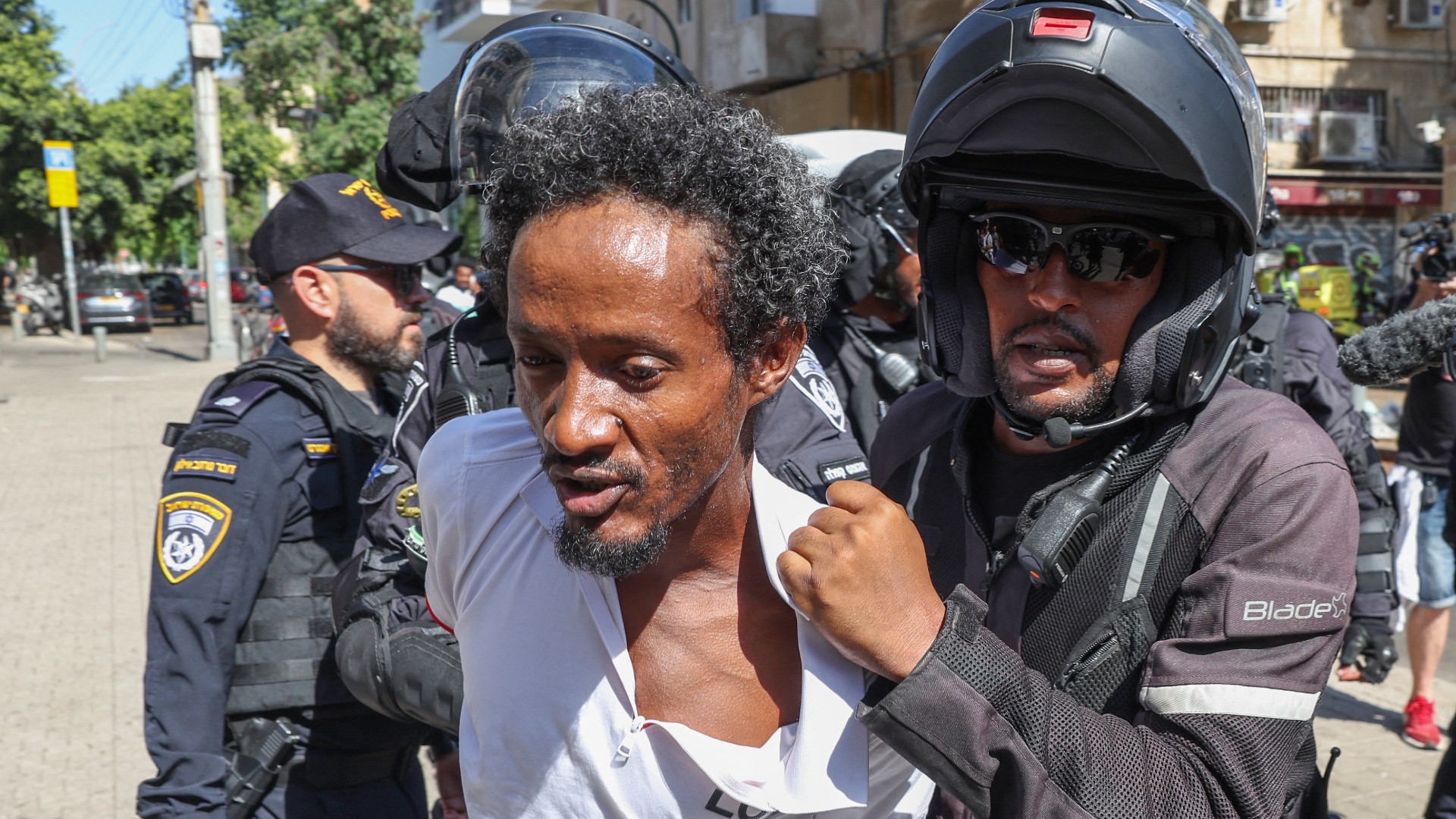
    Brigade Nhamedu rose to global prominence following a wave of violent confrontations between pro-government and opposition Eritrean communities across multiple countries over the past two years. In September 2023, large-scale clashes broke out in Tel Aviv around a pro-government event organized by the Eritrean embassy. A May 2025 United Nations report cited by Haaretz records that at least nine Eritreans, from both the pro- and anti-government camps, have been killed in violent clashes within Israel since that incident.

    Dawit Teferi, Brigade Nhamedu’s Washington-based finance director, said the movement did not anticipate the outbreak of violence and regrets the loss of life. He added, however, that the clashes exposed the depth of political anger among Eritreans abroad and accelerated efforts to build a formal, structured opposition movement. Teferi has already traveled to Washington to court support from members of the U.S. Congress and senior Biden administration officials, arguing that the U.S., Israel, and Gulf Arab states all have clear strategic interests in backing a new friendly government in the strategically located Red Sea nation.

    Gerezgiher acknowledged that informal outreach to Western and regional powers has not yet resulted in official recognition for the movement, and stressed that Brigade Nhamedu cannot achieve its goals without sustained international backing. He confirmed that the movement has not yet recruited a armed fighting force, but is actively preparing for a moment when it can enter Eritrea to confront the government. “We’re ready for the right moment,” he said. “And I think we’re close to it. Very close.”

  • Netherlands to return to Eurovision after 2026 boycott

    Netherlands to return to Eurovision after 2026 boycott

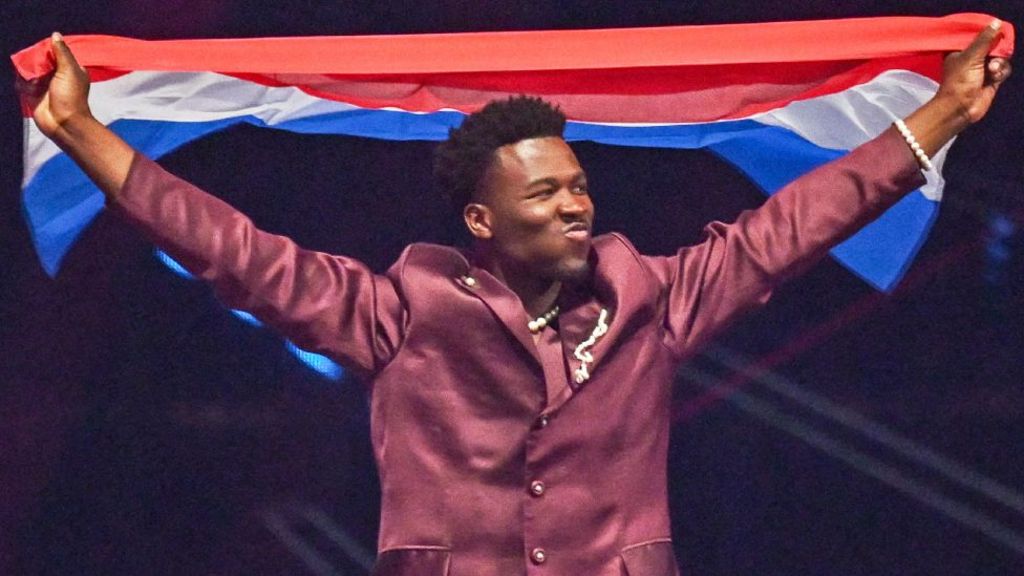
    One of Europe’s most iconic annual cultural events is welcoming back a long-time participant after a year of controversy over geopolitical divisions. The Netherlands is set to make its return to the Eurovision Song Contest in 2027, marking an end to the country’s 2026 boycott after the national public broadcasting umbrella organization NPO stepped in to replace the previously participating network Avrotros, which had chosen to withdraw permanently over the contest’s stance on Israel’s participation amid the ongoing Gaza war.

    Avrotros first pulled out of the 2026 competition and extended its non-participation to 2027, arguing that the contest could no longer uphold its long-held commitment to political neutrality amid deep international divisions over Israel’s military campaign in Gaza. That withdrawal aligned the Netherlands with four other European nations—Iceland, Spain, Ireland, and Slovenia—that also boycotted the 2026 Eurovision event over the same controversy.

    In response to growing global pressure and widespread criticism over the inclusion of a participant involved in an active armed conflict, contest organizer the European Broadcasting Union (EBU) introduced a series of landmark rule changes to address concerns. The most significant of these changes bars any country engaged in armed conflict from hosting the competition, even if its representative wins the grand final. This rule allows Israel to continue competing, but would require the EBU to move the hosting rights to a second-place finisher should Israel secure a win. The EBU also announced planned overhauls to the contest’s voting system, noting that persistent politically motivated voting has become a deep, widely recognized problem that threatens the integrity of the competition.

    These reforms were not enough to convince Avrotros to reverse its boycott, with the network stating that the changes did not go far enough to restore the contest’s historic independent and neutral character. However, NPO, the governing body for all Dutch public broadcasting, has stepped forward to take over the country’s participation, announcing this week that fellow public broadcaster NOS will handle all contest coverage, while a fully independent panel of experts will oversee the selection of the 2027 Dutch entrant.

    NPO Media Director Jurre Bosman emphasized the importance of the Netherlands remaining part of the pan-European event, noting: “It is important that, as a public broadcaster, we remain part of this unifying European event at this moment in particular.” In its official statement, NPO acknowledged that Eurovision continues to provoke deeply mixed feelings across the Netherlands, but added that the EBU has taken significant, tangible steps to revise its contest rules to address concerns. The organization also confirmed it has formally asked the EBU to re-center the contest’s historic unifying mission as a core priority for future events.

    EBU officials welcomed the Netherlands’ decision to return. “We are delighted to welcome the Netherlands back to the Eurovision Song Contest in 2027,” Eurovision Director Martin Green said in a statement. “We value the constructive conversations we have had with NPO and look forward to working together to reinforce the Contest as a place that truly reflects the spirit of ‘United By Music.’”

    The 2027 Eurovision Song Contest is scheduled to take place on May 14 in the Bulgarian coastal city of Burgas, following Bulgarian singer Dara’s victory in the 2026 contest with her hit track *Bangaranga*. The 2027 event will also mark a historic milestone for the competition, as Canada is set to make its debut participation after the country’s invitation was announced last month. The Netherlands last competed in Eurovision in 2025, where the country was represented by artist Claude.

  • Eriksen leaves Wolfsburg by mutual consent

    Eriksen leaves Wolfsburg by mutual consent

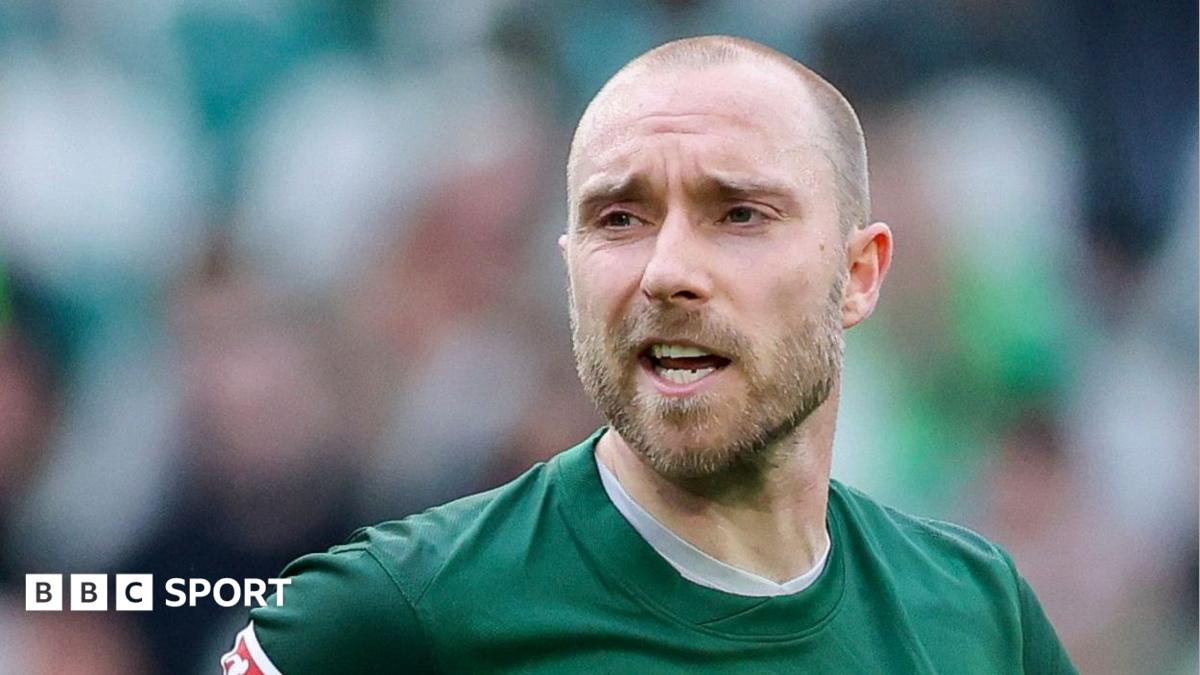
    Veteran Danish international midfielder Christian Eriksen has ended his spell at German second-division club VfL Wolfsburg just three months after he collapsed during a friendly international match between Denmark and Ukraine. The 34-year-old, whose contract with the club was originally set to run through June 2027, agreed to a mutual termination of his deal that puts family proximity at the center of his next step.

    This is not Eriksen’s first brush with life-threatening cardiac incident. In 2021, the playmaker suffered a sudden cardiac arrest on the pitch during Denmark’s opening group stage match of the European Championship against Finland in Copenhagen. Following that emergency, he underwent a procedure to have an Implantable Cardioverter Defibrillator (ICD) fitted in 2022, a life-saving device that allowed him to make a remarkable, widely celebrated return to top-flight professional football.

    He has not appeared in a competitive match since the June 2025 collapse in the Ukraine friendly. Eriksen joined Wolfsburg as a free agent one year ago following his departure from English Premier League side Manchester United, and went on to make 34 total appearances for the German club across his 12-month tenure.

    In his public statement following the exit, Eriksen noted that prioritizing time near his family based in Denmark has become his primary focus at this stage. “At the moment, it is important for me to be close to my family in Denmark. I’m pleased that we were able to find a solution together,” he said. Reflecting on his time at the club, he added, “My time in Wolfsburg was marked by many highs and lows. I know that the club is now in good hands as it aims to make its way back to the Bundesliga, and I am convinced that a successful future lies ahead.”

    Across a storied 15-plus-year senior career, Eriksen has earned 151 caps for the Danish men’s national team, and previously plied his trade at top European clubs including Ajax Amsterdam, Tottenham Hotspur, Inter Milan, and Brentford, before his spell at Manchester United and subsequent move to Wolfsburg.

    Dieter Hecking, VfL Wolfsburg’s sporting managing director, confirmed the club’s full support for Eriksen’s decision in an official statement. “It was clear that the decision about his future had to be Christian’s,” Hecking said. “We wanted to give him that freedom in this particular situation and have now agreed to his request to terminate the contract. Despite his short time here, he has left a lasting impression on his team-mates, our staff and the fans.”

  • Is Burnham right to blame Russia for spreading online disinformation?

    Is Burnham right to blame Russia for spreading online disinformation?

    Following UK Prime Minister Andy Burnham’s high-profile warning about Russia-linked disinformation operations targeting British audiences, BBC Verify has launched a deep investigation into how these coordinated influence campaigns operate, and the growing role of artificial intelligence in supercharging their spread.

    Over years of monitoring, the outlet’s fact-checking team has tracked and debunked dozens of covert campaigns organized by groups tied to the Russian government, designed to shift global public opinion on critical geopolitical issues, disrupt democratic elections across the U.S. and Europe, erode social cohesion, and undermine public trust in state institutions.

    In his recent address to the United Nations, Burnham highlighted the insidious, deliberate nature of these Russian efforts to reach and influence ordinary UK residents. One striking example, uncovered by the investigation, dates back to last year, when a wave of AI-altered fake videos targeting ordinary British public sector workers spread across social media. Aaron, a 999 emergency call operator based in Preston, told BBC Verify he was stunned to discover his voice had been cloned using AI to create a fabricated video that falsely framed him as commenting on the 2025 Polish presidential election. Aaron’s case marks a worrying shift: previously focused on public figures and institutions, the Matryoshka disinformation campaign – the large-scale Russian-linked operation BBC Verify and independent research groups have long tracked – is now targeting ordinary private citizens.

    Matryoshka relies heavily on AI to churn out dozens of deepfake videos daily, impersonating respected journalists and major news outlets including the BBC itself to push false narratives about Ukraine and Western countries directly into users’ social media feeds. Ahead of the 2024 U.S. presidential election, BBC Verify documented a strategic shift in the campaign’s focus, moving away from Ukraine-related disinformation to flood platforms with fabricated content about the race. Early evidence now points to the same tactic being deployed ahead of November’s upcoming U.S. midterm elections.

    This is far from the only large-scale coordinated disinformation operation the fact-checking team has exposed. Previously, BBC Verify uncovered a sprawling network run by a former U.S. law enforcement officer based in Russia, which used AI to build hundreds of fake local news websites across the UK, U.S., France and other Western nations to publish entirely fabricated stories. One example, a fake outlet called the *London Crier*, falsely claimed that Ukrainian President Volodymyr Zelensky had purchased a mansion owned by King Charles at a heavily discounted price. The fabricated story reached hundreds of thousands of users on X, and was even shared by an official Russian embassy social media account. The bogus narrative originated from an AI-narrated fake video uploaded to YouTube, which the platform removed after BBC Verify reported it.

    In 2023, the team uncovered a major propaganda operation on TikTok, where thousands of fake accounts posted misleading multilingual videos – including English-language content – that racked up millions of views, aimed at swaying European public opinion on the Russian invasion of Ukraine. TikTok ultimately removed more than 12,000 fake accounts linked to the operation, after confirming the network originated in Russia. One of the most viral false narratives accused former Ukrainian Defence Minister Oleksii Reznikov and his daughter of illegally purchasing luxury property and vehicles.

    Coordinated Russian disinformation interference in Western democratic processes dates back more than five years: during the 2019 UK general election, an anonymous user on Reddit posted a trove of confidential documents purporting to detail secret negotiations for a UK-U.S. trade deal, which were later used by the Labour Party in its election campaign. Though the documents appeared authentic, Reddit later confirmed the leak was part of a coordinated campaign traced back to Russia.

    Despite the clear scale and organization of these operations, measuring their real-world impact remains a major challenge. Researchers note it is difficult to quantify exactly how far many of these false narratives spread, or how much they have actually altered public opinion or shifted election outcomes. It is also important to note that Russia is not the only state that conducts large-scale disinformation operations to advance geopolitical goals. BBC Verify has previously documented X accounts pushing pro-Scottish independence content that were traced back to Iran. At the peak of the COVID-19 pandemic, the outlet uncovered a network of more than 1,200 fake or hijacked accounts across Facebook, Twitter and YouTube pushing pro-China government messaging and anti-U.S. propaganda.

    Evidence also shows Western governments have engaged in covert disinformation efforts, though the full scale of these operations remains unclear. A 2024 Reuters investigation revealed that during the COVID-19 pandemic, the U.S. military ran a hidden anti-vaccine influence campaign designed to discredit China’s Sinovac vaccine. Meta has also previously removed a coordinated influence campaign originating from France that targeted multiple African nations.

    The rise of accessible, advanced AI has drastically worsened the global disinformation crisis. Modern tools make it far easier to create convincing fake images, misleadingly edit video content from text prompts, and generate coherent, plausible-sounding fake news reports that mimic authoritative journalism. BBC Verify observed this acceleration first-hand during the 2025 Iran-U.S.-Israel conflict: while the early weeks of the Russia-Ukraine war mostly saw disinformation made up of recycled old footage and inaccurate written claims, the outbreak of the Iran conflict this past February brought a tidal wave of AI-generated fake images and videos flooding social platforms.

    Carl Miller, founder of the Centre for the Analysis of Social Media at the UK think tank Demos, told BBC Verify that state-run influence operations deliberately amplify and exploit existing social divisions and public grievances, making it extremely difficult to measure their full impact. “Influence operations are quite fragile things, usually, and we need to find ways of making them much more likely to fail if they target us,” he said.

  • Ronaldo spurred on by 1,000 goals and Portugal glory

    Ronaldo spurred on by 1,000 goals and Portugal glory

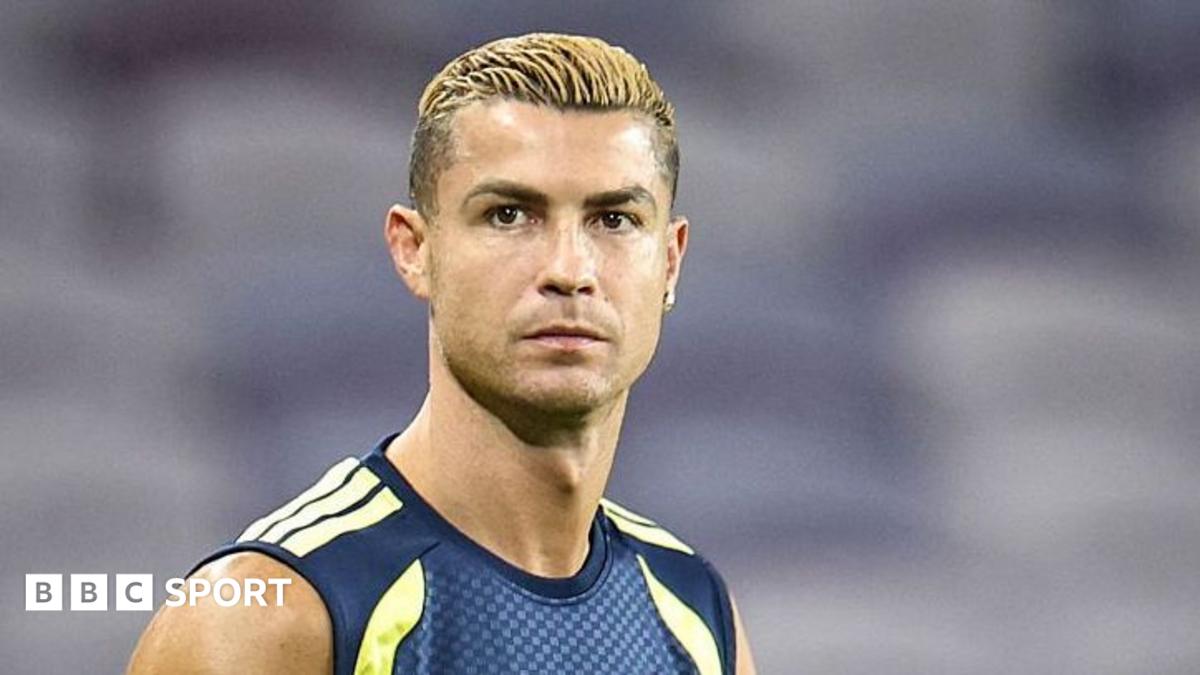
    More than two decades after making his senior international debut for Portugal, global football icon Cristiano Ronaldo is opening up about the crossroads he faced after the 2022 FIFA World Cup, confirming he seriously weighed hanging up his international boots before choosing to extend his decorated career to chase both team glory and a once-in-a-generation personal milestone.

    The 41-year-old Al-Nassr striker, who will earn his record-breaking 234th Portugal cap in Thursday’s Nations League Group A4 opener against Wales at Lisbon’s Estádio José Alvalade, first confirmed earlier this summer that the 2026 World Cup will mark the end of his legendary playing career, but had left questions open about his short-term international status. Those questions were put to rest this week when he was named in head coach Jorge Jesus’ 25-man squad for the start of Portugal’s 2024–25 Nations League campaign.

    In a pre-match press conference, Ronaldo addressed widespread speculation about his future, confirming that retirement was indeed on his mind after the last World Cup. “Yes, I did,” he told reporters when asked if he had considered stepping away from international duty. “Of course, I’m always thinking on my decisions, my future, the present also. I’m a thinker, you have to think.”

    After holding discussions with the Portuguese Football Federation president and national team coaching staff, Ronaldo said he ultimately decided to continue because he remains convinced he can contribute to Portugal’s pursuit of major honors. “I still believe that I’m able to help the national team to reach what they want,” he explained. “I think I can give to the national team my support, not only through the goals, but also outside of football.”

    Away from his international commitments, Ronaldo has his sights set on a historic personal achievement: becoming the first player in top-level men’s football to reach 1,000 career senior goals. Currently 21 goals short of the mark, he said the milestone is a key motivating factor to keep playing, alongside his goal of helping Portugal lift a third Nations League title.

    “Both aims are important,” he said. “One thousand goals, yes, and the national team. Winning the Nations League, the competition starts tomorrow, it’s a new age.”

    The five-time Ballon d’Or winner also highlighted mentoring the next generation of Portuguese talent as another core reason for continuing his international tenure. The current squad features a host of exciting young prospects including Fabio Silva, Renato Veiga, Nuno Mendes, Joao Neves and Francisco Conceicao, and Ronaldo joked he could even extend his career another 10 years while noting he sees himself as a role model for emerging players.

    “This is a new young generation. But for me the basic point is to be on the pitch to score the goals and to help the team win games,” he said. “For me, the most important thing, I know what I am. I know what I do to be here, to have the success that I have. I know why young kids love Cristiano, because they see me as an example, and I will continue to do that. Even when I am retired… in 10 years! I’m happy with myself. It doesn’t matter if I play tomorrow, if I rest the next game. For me, the most important thing is that I feel good.”

    Portugal head coach Jorge Jesus echoed the sentiment, describing Ronaldo as an enduring “symbol of Portugal and the national team” ahead of the clash with Wales.

    Ronaldo also addressed the persistent criticism he has faced throughout his 20-plus-year career at top clubs across England, Spain and Italy, noting that the Portugal national team setup has consistently been the place where he has felt most supported by fans. “This is possibly where I have felt most cared,” he said. “From the fans, I also feel the Portuguese like me. I do understand that some TV channels like to criticise me, they’ve tried to kill me with a shotgun, but I can still move away from it. Anyway, I am used to it. For over 20 years I have been doing this, but my memories are with people who love me.”

    The match between Portugal and Wales kicks off at 19:45 BST on 24 September, with full live coverage available across BBC platforms including BBC iPlayer, BBC One Wales, BBC Radio 5 Live, BBC Sport’s website and app, and multiple radio outlets.

  • Harvey Weinstein sentenced to 15 years in prison for sexual assault

    Harvey Weinstein sentenced to 15 years in prison for sexual assault

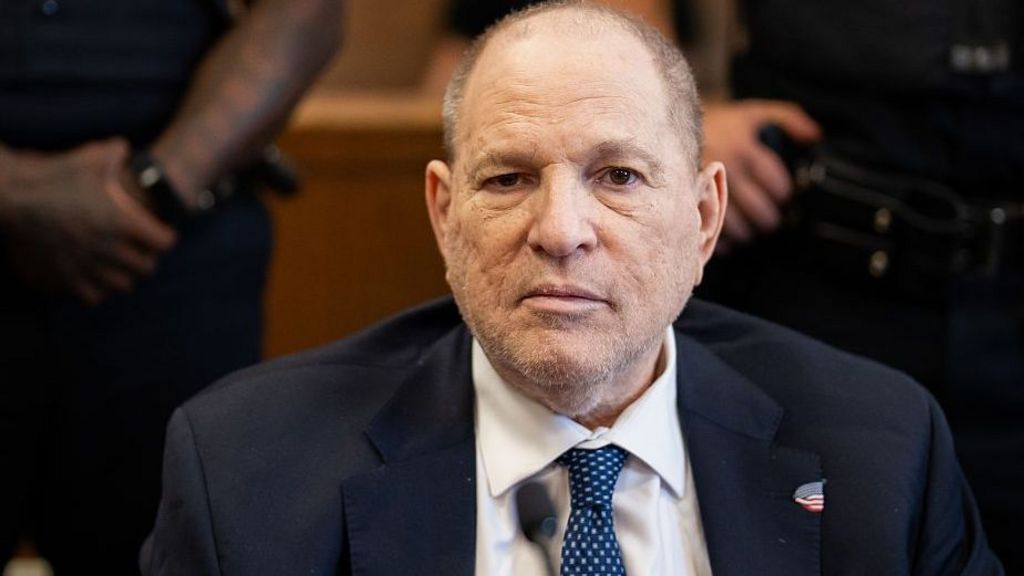
    Nearly a year after a New York jury found former Hollywood powerhouse Harvey Weinstein guilty of a criminal sexual act against his ex-assistant Miriam Haley, the disgraced entertainment mogul has been formally sentenced to an additional 15 years behind bars. The sentencing hearing, held in June 2026, brought forward searing testimony from the survivor, who laid bare the long-term harm inflicted by the assault. In her emotional victim impact statement delivered directly to the court, Haley explained the violence has left a permanent, devastating mark on her daily life and her fundamental sense of personal safety that may never fully heal. Wheelchair-bound during the court proceedings, Weinstein repeated his longstanding denial of the allegations against him, but offered a vague apology to “anyone I may have hurt by my actions”. This new sentence stacks on top of a 23-year prison term Weinstein is already serving for separate rape and sexual assault convictions in another high-profile criminal case, extending his total expected time in custody by more than a decade. The conviction and sentencing mark another major milestone in the reckoning over sexual misconduct in the entertainment industry that sparked the global #MeToo movement, holding one of the most high-profile accused perpetrators accountable for additional offenses.