博客

  • British climber dies after falling 60m on Spanish mountainside

    British climber dies after falling 60m on Spanish mountainside

    A fatal mountaineering accident has claimed the life of a 28-year-old British climber on one of northern Spain’s tallest peaks, while a second hiker suffered non-life-threatening injuries in a separate incident on the same range Thursday.

    According to Spain’s Civil Guard, the British climber fell roughly 60 meters into a steep vertical gully as he approached the summit of 2,650-meter Torrecerredo, located in the Cantabrian Mountains’ popular Picos de Europa range. The incident unfolded roughly 20 meters below the peak as the climber began his descent.

    Local emergency services received the first distress call at approximately 13:45 local time, or 11:45 GMT, triggering an immediate response that combined ground police units and aerial support. To reach the remote accident site on the mountain’s eastern face, two specialized mountain rescue technicians were lowered to the scene via winch, where they confirmed the climber had died from his injuries. Recovery teams later retrieved the climber’s body and personal effects from the gully, before transporting the remains to the Institute of Legal Medicine in Asturias for formal identification procedures. As of the latest update, Spanish authorities have not released the climber’s identity, consistent with ongoing investigative protocols.

    A spokesperson for the UK Foreign Office confirmed Saturday that the department has initiated contact with Spanish local authorities following confirmation of the British national’s death. “We are in contact with local authorities following reports of the death of a British national in Spain,” the spokesperson said in a brief statement.

    In an unrelated second incident on the same mountain range Thursday afternoon, regional emergency management agency Sepa Asturias responded to a second call for help, after a 54-year-old French female hiker sustained a leg injury during her trek. The agency transported the injured woman to a local hospital for treatment; no further details on her condition have been released as of press time.

    The Picos de Europa range, which includes Torrecerredo, is a top destination for domestic and international climbers and hikers, drawing thousands of outdoor enthusiasts each year thanks to its dramatic alpine terrain and scenic vistas. While mountain accidents are relatively rare in the well-monitored range, steep gullies and rapidly changing weather conditions create ongoing hazards for even experienced climbers.

  • Why is the Pope in France?

    Why is the Pope in France?

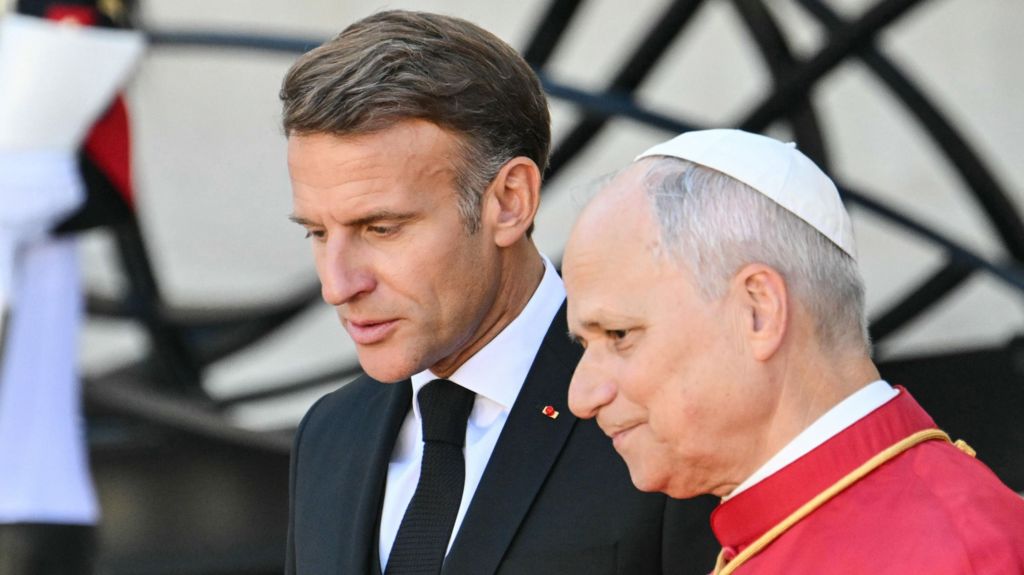
    When Pope Francis touches down on French soil, the warm and widespread public enthusiasm that has greeted his visit has sparked widespread curiosity across global and European media circles. To understand the core of this positive reception, veteran BBC correspondent Hugh Schofield has delved into the context and underlying dynamics shaping the trip and the public response to it.

    According to Schofield’s analysis, leaders within the Catholic Church frame the outpouring of enthusiasm around the papal visit as a clear reflection of a broader, growing shift toward spirituality among the French population. For years, demographic and cultural shifts in Western Europe have been associated with declining institutional religious participation, particularly in traditionally Catholic nations like France. But Church officials argue that changing attitudes in recent years have created a renewed hunger for spiritual connection and community that has translated into excitement around the Pope’s trip.

    The visit comes amid a range of social and cultural conversations in France that touch on the role of faith in public life, community cohesion, and moral guidance for a population navigating post-pandemic social shifts, economic uncertainty, and growing cultural division. Unlike many high-profile papal visits that center heavily on political or diplomatic engagements, this trip has drawn organic, grassroots attention from French residents across age groups, according to on-the-ground reporting. Church leaders emphasize that this organic enthusiasm is not just a show of support for the Pope as an individual, but a visible sign of a broader reawakening of spiritual interest across the country that has been building slowly over the past decade.

    Observers note that the Pope’s own focus on issues like economic inequality, climate action, and social inclusion has also resonated with many French people who may not regularly attend religious services but align with the Vatican’s stance on these high-profile public issues. This overlap has helped expand the appeal of the visit beyond active practicing Catholics, contributing to the broad enthusiasm that has been visible across the country since the Pope’s arrival.

  • Students strike across Germany in protest against military service

    Students strike across Germany in protest against military service

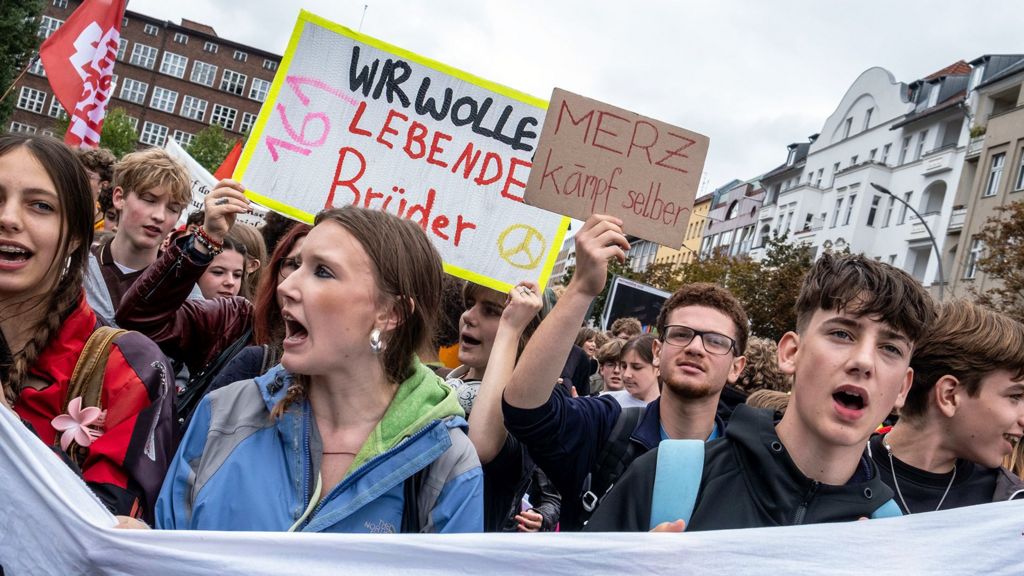
    A wave of coordinated school strikes has spread across Germany, as young demonstrators rally in major cities and towns to oppose the federal government’s potential gradual reintroduction of compulsory military service, a policy shift driven by shifting European security dynamics following Russia’s full-scale invasion of Ukraine.

    Organizers behind the movement, which carries the name School Strike Against Compulsory Military Service, confirm the protests were sparked by recent official actions that exposed the path toward mandatory service. Bela Breitner, one of the strike’s lead coordinators, emphasized that German federal leadership is actively advancing plans to bring back compulsory service incrementally. At a large rally in Hamburg, hundreds of young protesters filled city streets, waving placards and holding towering banners emblazoned with the uncompromising message: “We won’t take part in your wars.”

    The push to expand Germany’s military capacity comes as Chancellor Friedrich Merz has made strengthening the Bundeswehr, Germany’s national armed forces, his top national security priority. In January of this year, a new framework law establishing a voluntary military service scheme went into effect, designed to boost recruitment numbers to meet expanded defense goals. But the legislation leaves the door open for the Bundestag, Germany’s federal parliament, to approve a form of mandatory service if volunteer recruitment falls short of targets or the regional security situation deteriorates further.

    Under the current law, all 18-year-old German residents are sent an official questionnaire to gauge their interest in joining the armed forces. For men, completing the questionnaire and attending a mandatory fitness medical exam is required by law, regardless of whether they express interest in serving; for women, participation in the process is fully voluntary.

    Protesters say the trigger for mass action came when dozens of 18-year-olds in the northern German towns of Kiel and Flensburg received official summonses for mandatory medical exams, even after they explicitly marked on their questionnaires that they had no interest in enlisting. A 16-year-old protester from Hamburg, Elias Bernhard, told reporters on the ground that survey responses already make clear young Germans overwhelmingly reject mandatory military service. “That is why I am out on the streets today,” Bernhard said. “That is why we are serious about striking until compulsory military service is off the table. We will carry on.”

    In a statement to the BBC, a spokesperson for Germany’s Federal Ministry of Defense clarified that the legal obligation for medical exams applies to all men liable for military service born after December 31, 2007 – even those who have stated they have no desire to serve. As of July, roughly 1,000 18-year-old men who declined to express interest in military service have already completed the mandatory exams, the spokesperson confirmed. Organizers of the current strike movement report that more than 100 separate demonstrations are scheduled across the country in the coming days, with major actions planned in Berlin, Frankfurt, Kiel, and Hamburg, in addition to the rallies already held.

    The current debate marks a dramatic reversal of decades of post-Cold War defense policy in Germany. During the Cold War, Germany maintained a large standing conscript army, similar to many other Western European nations. After the collapse of the Iron Curtain and German reunification, the country gradually downsized its armed forces, and former Chancellor Angela Merkel fully abolished compulsory military service in 2011.

    Today, the shift back toward expanded conscription stems from two key pressures: heightened perceptions of Russian security threats following the 2022 invasion of Ukraine, and persistent pressure from Germany’s long-standing ally the United States to increase European defense spending and capacity. Merz has publicly pledged to transform the Bundeswehr into the most capable conventional land force in Europe, with a target of growing active-duty troop numbers from the current 186,700 to 260,000 by the early 2030s, supported by an additional 200,000 reservists. The expansion is designed to meet new NATO collective defense force requirements and shore up Germany’s position as a leading security provider in Central Europe.

  • Gaza suffers ‘world’s most severe economic crisis on record’, UN says

    Gaza suffers ‘world’s most severe economic crisis on record’, UN says

    A devastating new report released Thursday by the United Nations Conference on Trade and Development (UNCTAD) has painted a catastrophic portrait of economic and social collapse across the Gaza Strip, documenting what the body calls the most severe economic crisis recorded in modern history after three years of intensive Israeli military operations.

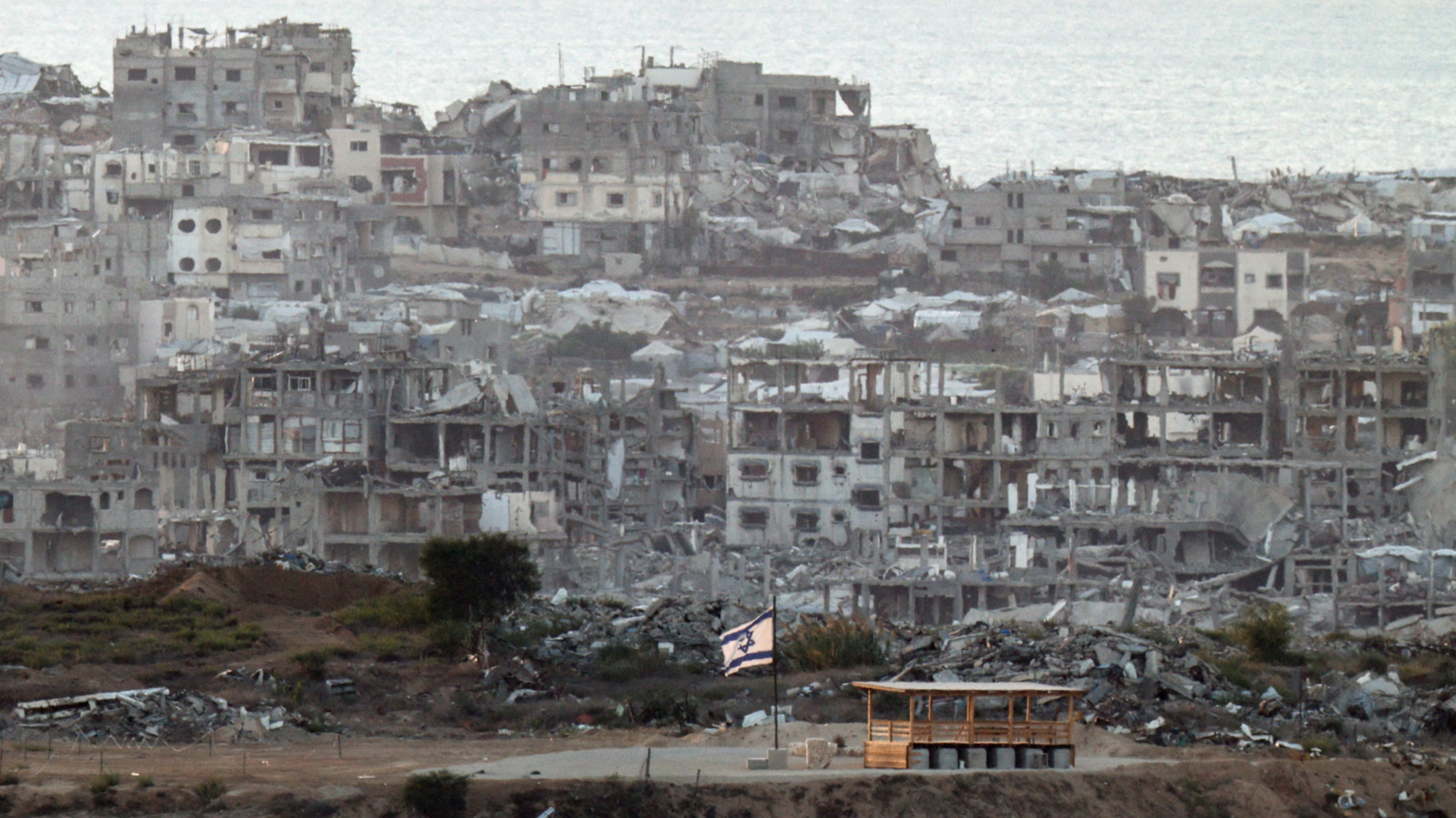
    The report details that the ongoing conflict has left more than 92 percent of Gaza’s economic infrastructure damaged or destroyed, and displaced nearly the entire Palestinian population of the enclave. UNCTAD’s analysis estimates that a staggering $71.5 billion in funding will be required to kickstart recovery and reconstruction efforts once hostilities cease.

    “Gaza has experienced the world’s most severe economic crisis on record,” the report’s official summary confirms. The UN body called on the international community to move quickly once a permanent ceasefire is reached to mobilize massive financial and technical support aimed at rebuilding Palestinian productive capacity that has been entirely erased by the conflict. “A viable, sovereign, independent Palestinian State, as called for in United Nations resolutions, is a precondition for regional and global peace. Yet it cannot be built on a collapsed economy,” the report added.

    The analysis contextualizes Gaza’s current collapse as the culmination of 59 years of systematic “de-development” of the Palestinian economy under Israeli occupation, which began in 1967. Israel has imposed strict structural constraints on Palestinian economic activity for decades, but UNCTAD emphasized that the human and economic cost of occupation has skyrocketed dramatically since the escalation of hostilities in October 2023.

    Since that time, unprecedented military operations have brought almost all productive activity in Gaza to a complete standstill. By 2024, real GDP per capita in Gaza fell to $161 – the lowest figure recorded for any economy tracked by the World Bank’s global development indicators. That number rose only marginally to $212 in 2025, equal to roughly $0.58 per person per day in GDP terms. More than 90 percent of working-age Palestinians in Gaza are currently unemployed, pushing the entire population into severe multidimensional poverty.

    Nearly every critical sector of Gaza’s society has been completely destroyed or rendered non-functional. Around 90 percent of all housing units in the Strip have been damaged or destroyed, making the housing sector the hardest hit by military activity. The agricultural sector, once a core part of Gaza’s local economy, has collapsed entirely. The enclave’s public health system has been effectively eliminated, and an estimated 93 percent of all educational facilities require full reconstruction after being damaged or destroyed in operations.

    The report also warns that the catastrophic impact of the conflict in Gaza has spilled over into the occupied West Bank, where Israeli policies are increasingly reshaping the region’s demographic and economic landscape. Israel is currently fragmenting the West Bank into disconnected isolated areas, the report says, while accelerating settlement expansion amid a clear shift toward formal annexation of Palestinian territory.

    A range of Israeli policies are blocking the development of a cohesive, functional Palestinian economy in the West Bank, including expanded restrictions on Palestinian movement, ongoing home demolitions and forced displacement, denial of access to critical groundwater resources, frequent settler attacks on Palestinian agricultural operations including olive harvests, and continuous expansion of illegal settlements.

    The UNCTAD report highlights a stark system of dual legal governance in the West Bank that enshrines systemic inequality: one set of rules for Israeli settlers, and a separate, far less protective regime for Palestinians that creates unequal access to movement, land, livelihoods, and essential public services.

    Unemployment in the West Bank has surged since 2023, climbing from 13.1 percent in 2022 to 31.4 percent in 2024, before dipping slightly to 28.7 percent in 2025. The destruction of public and private assets and the intentional elimination of livelihoods, the report argues, creates a coercive environment that pushes Palestinians to leave their homeland. When combined with the steady growth of the settler population, this process is gradually altering the demographic makeup of the West Bank. Displacement figures underscore this trend: 1,697 Palestinians were displaced from the West Bank in just the first three months of 2026, already exceeding the total number of Palestinians displaced across the whole of 2025.

  • Senior Kazakh officials detained after 14 service members swept out to sea

    Senior Kazakh officials detained after 14 service members swept out to sea

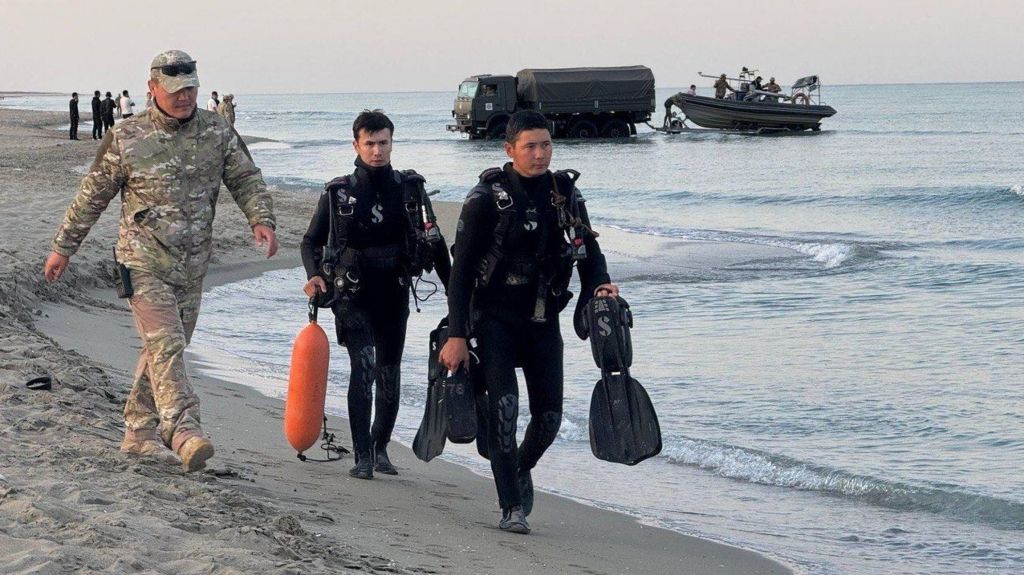
    A deadly military training accident off the southwestern coast of Kazakhstan has left 14 service members dead and triggered the arrest of five senior military figures, according to official updates from the Central Asian nation. The fatal incident unfolded on Thursday, when a group of 17 troops was swept into the Caspian Sea during disembarkation from a military vessel as part of the large-scale “Caspian Defense 2026” exercise. Only three of the service members were pulled from the water alive, while 14 lost their lives to the rough conditions.

    Kazakh defense officials have attributed the tragedy to sudden, extreme shifts in local weather: a rapid deterioration of meteorological conditions paired with sharp increases in wind speed that caught the troops off guard during the combat training mission. The accident occurred approximately 43 kilometers (27 miles) off the shore of Aktau, a major Kazakh port city on the Caspian coast.

    In the wake of the disaster, Kazakh authorities have moved to detain five senior military personnel connected to the exercise planning and execution. Those held in custody include the chief of staff and first deputy commander of Kazakhstan’s Naval Forces, two separate military unit commanders, the leader of a marine company, and the captain of the vessel involved in the incident. All five face formal suspicion of criminal negligence, according to official statements.

    A dedicated investigative committee under Kazakhstan’s interior ministry has been established to lead a full review of the tragedy. Deputy Interior Minister Sanzhar Adilov confirmed that a pretrial investigation is currently underway, with investigators examining multiple layers of responsibility. The probe is focusing on decision-making processes at every stage of the exercise, from initial organization to on-the-ground execution. Key lines of inquiry include whether mandatory safety protocols were strictly followed, whether weather forecasts and conditions were properly assessed before the mission, and whether the military vessel used met all required technical safety specifications.

    At the time of the accident, more than 500 military personnel, alongside multiple warships and coastal defense units, were taking part in the Caspian Defense 2026 exercise, a large-scale military drill hosted by Kazakhstan’s defense ministry.

  • Internet restricted after fighting breaks out in Ethiopia’s Tigray region

    Internet restricted after fighting breaks out in Ethiopia’s Tigray region

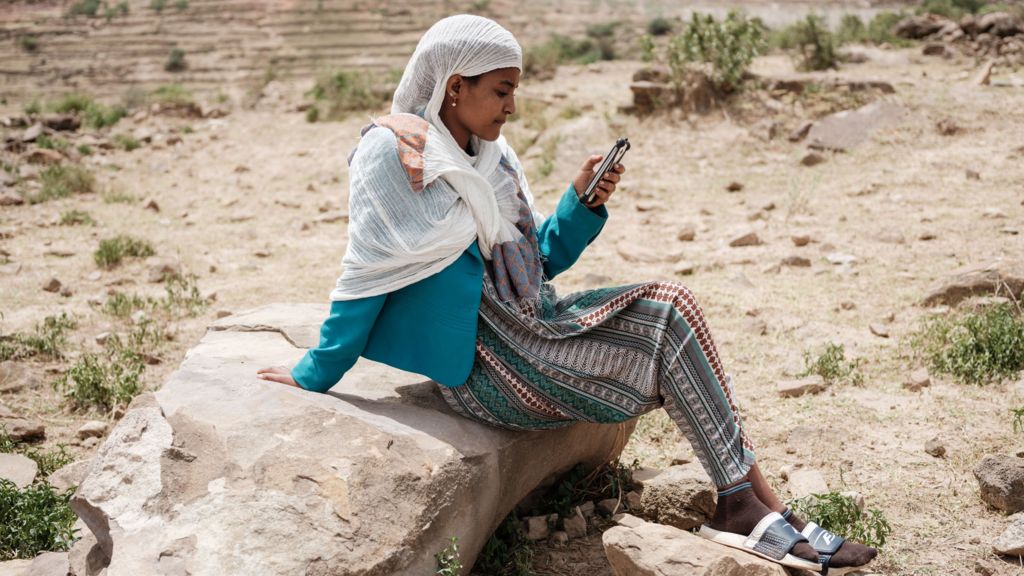
    Fresh violence has erupted in Ethiopia’s northern Tigray region this week, pitting regional armed forces against the country’s national military and triggering widespread disruption to critical communications infrastructure across the area. All internet and cellular call services operated by Ethiopia’s state-owned telecom giant Ethio Telecom have been fully cut off amid the clashes, while only limited connectivity from the far smaller private provider Safaricom remains active for local residents.

    Internet governance monitoring organization NetBlocks first confirmed the sub-national network shutdown via a post on the social platform X, noting that real-time network data clearly showed a total collapse of public connectivity across most of northern Tigray. Duke Burbridge, an American humanitarian worker based in Tigray’s capital city Mekelle, described the sudden blackout in an interview with BBC’s Newsday, saying “Last night telecommunications got knocked out.”

    The BBC has not yet received an official response from Ethiopian federal authorities following a request for comment, and the outlet is currently restricted from carrying out independent on-the-ground reporting in Tigray and its surrounding border regions. For Burbridge and the millions of residents across the region, the communications shutdown comes on top of an already devastating eight-month cash shortage that has left most people unable to withdraw funds from local ATMs. “The lack of internet services will be devastating for everybody,” Burbridge warned.

    The vast majority of daily commercial and personal transactions in Tigray now depend on digital banking and mobile money platforms, which require access to cellular networks operated by either Ethio Telecom or Safaricom. The new outbreak of violence began on Wednesday, when armed units aligned with the Tigray People’s Liberation Front (TPLF), the region’s ruling political party, clashed with Ethiopian federal troops. Local reports have already documented widespread panic buying across major urban centers in Tigray, as residents brace for a potential return to the large-scale civil war that devastated the region between 2020 and 2022.

    That two-year conflict ended with a November 2022 peace agreement, but left deep economic and social scars across Tigray. For most of the conflict, the entire region was fully cut off from global communications and outside aid, pushing hundreds of thousands of people into famine-like conditions due to acute shortages of food, medicine, and basic supplies. Researchers estimate that as many as 600,000 people died from violence, hunger, and lack of medical care during the conflict, making it one of the deadliest armed conflicts of the 21st century.

    Tensions have escalated sharply in the week leading up to the latest clashes. On Sunday, the TPLF announced a new military alliance with six other armed opposition groups across Ethiopia, with the stated goal of ousting Prime Minister Abiy Ahmed’s federal government. By Wednesday, TPLF forces had seized control of three regional airports from federal police units, prompting Ethiopian Airlines, the country’s national flag carrier, to immediately cancel all scheduled flights to Tigray. Unconfirmed reports from the region also indicate that TPLF-aligned forces have launched cross-border attacks into the neighboring Afar and Amhara regions, raising the risk of the conflict spreading beyond Tigray’s borders.

    Additional reporting for this story was contributed by Peter Mwai of BBC Verify. For more coverage of political and security developments across the African continent, readers can visit BBCAfrica.com, or follow BBC Africa on X, Facebook, and Instagram.

  • Man shot during 2024 Trump campaign rally in Butler dies

    Man shot during 2024 Trump campaign rally in Butler dies

    Nearly two years after a mass shooting at a 2024 Donald Trump presidential campaign rally in Butler, Pennsylvania, a second attendee wounded in the attack has died from long-term complications of his injuries, state law enforcement officials have confirmed.

    Jim Copenhaver, a 76-year-old U.S. military veteran and ardent Trump supporter, was struck twice when 20-year-old gunman Thomas Crooks opened fire on the rally crowd from a nearby elevated rooftop on July 13, 2024. The attack immediately killed another attendee, 56-year-old Corey Comperatore, and grazed former president and Republican presidential candidate Donald Trump’s right ear. Copenhaver passed away on Wednesday at a Pittsburgh-area hospital, according to a spokesperson for the Allegheny County Medical Examiner, whose office shared the confirmation with local Pennsylvania news outlets.

    The assailant, Crooks, was shot and killed on-site by U.S. Secret Service agents moments after he began firing into the crowd. The shooting sparked widespread national scrutiny of gaps in presidential campaign security protocols, a debate that has persisted as victims continue to grapple with the aftermath of the attack.

    On his Truth Social platform, former President Trump issued a public tribute to Copenhaver following news of his death, calling the late rally attendee a “true American patriot.” “More than two years ago in Butler, Pennsylvania, a crazed gunman attempted to stifle our America First Movement. Instead, Jim and so many other wonderful Patriots who love our Country, stood united in defense of our shared values of Freedom, Liberty, and Justice,” Trump wrote. He extended condolences to Copenhaver’s family, singling out his wife Marianne in his statement.

    A legal representative for the Copenhaver family echoed that tribute, telling CBS News—BBC’s U.S. partner outlet—that Copenhaver’s lifelong devotion to the United States was the defining trait of his life. “As a veteran, he proudly served our nation in the armed forces, and his love of country never wavered,” the attorney said.

    In an interview with CBS one year after the rally, Copenhaver and the third wounded attendee, David Dutch, opened up about the ongoing health struggles they faced in the wake of the shooting. Copenhaver told reporters he had been hit in the arm and abdomen, and one bullet remained lodged near his spine months after the attack, forcing him to rely on a cane to walk. Both men said they had endured multiple invasive surgeries and serious post-wound infections that altered their daily lives permanently.

    In June 2025, Copenhaver and Dutch filed a joint damages lawsuit against the U.S. federal government, arguing that the Secret Service’s negligent failure to secure the rally venue and perimeter directly led to their injuries, making the government legally liable for harm and long-term health costs. The lawsuit remains pending as of Copenhaver’s death.

    House Republicans also released a statement honoring Copenhaver on social media Friday, writing that “Jim endured unimaginable hardship with strength and perseverance.” The death marks the second fatality linked to the 2024 Trump rally shooting, reigniting national conversations around political violence and gun control in the United States ahead of the 2026 midterm elections.

  • Jay-Z rape accuser says her allegation was false

    Jay-Z rape accuser says her allegation was false

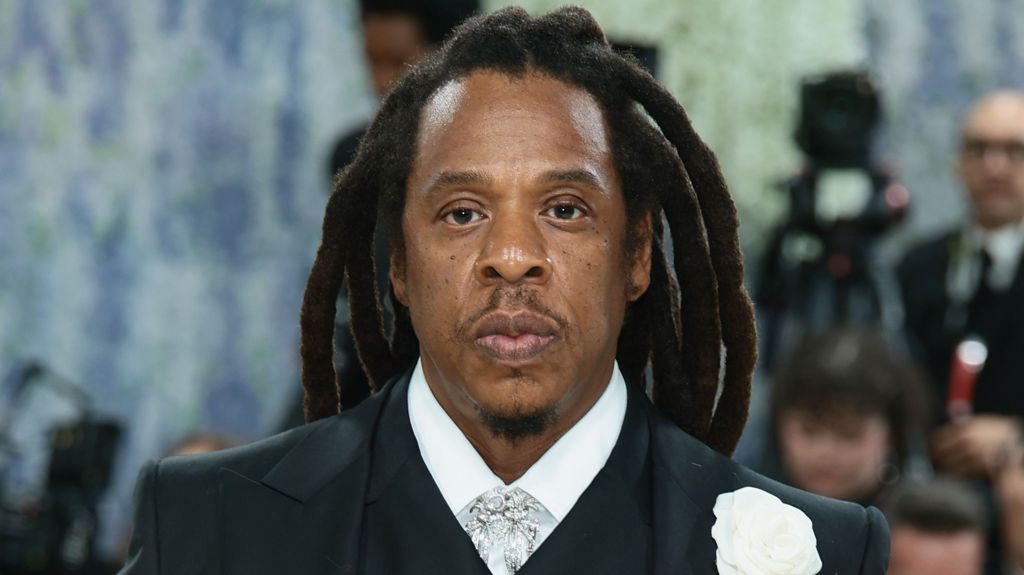
    A years-long legal controversy centered on explosive sexual assault allegations against iconic hip-hop artist Jay-Z has taken a sharp turn, with the woman who brought the claims formally admitting her entire accusation against the rapper was fabricated from start to finish.

    The accuser, identified in court filings only by the pseudonym Jane Doe, first filed a high-profile civil lawsuit in 2024 alleging that Jay-Z (legal name Shawn Carter) and fellow music mogul Sean “Diddy” Combs drugged and raped her when she was 13 years old at a post-MTV Video Music Awards party in 2000. Both men immediately and vehemently denied the claims, and Doe voluntarily withdrew her lawsuit against Carter in early 2025. Following the withdrawal, Carter launched his own legal action against Doe and her legal team, led by prominent Texas-based attorney Tony Buzbee, to address the harm the false claims had caused.

    In a sworn declaration filed Thursday as part of Carter’s lawsuit, Doe completely walked back every allegation she made against the 14-time Grammy-winning rapper. She wrote, “Shawn ‘Jay-Z’ Carter never raped me. I have never met or spoken to Mr. Carter. Mr. Carter never engaged in any inappropriate conduct toward me whatsoever.” She went on to confirm that her broader claims that Carter and Combs assaulted her while a third unnamed celebrity watched were also entirely untrue, adding, “There is no truth to any of my claims against Mr Carter.”

    Doe acknowledged the irreversible damage her false accusations inflicted, writing, “I understand my false accusations have caused Mr. Carter immense pain, suffering, and damage that can never be fully undone.” The Alabama-based woman also pushed back on prior claims from Buzbee that Carter’s legal team had intimidated her into recanting, stating clearly, “I never received any threat from Mr. Carter or anyone acting on his behalf.” She further confirmed that she has not accepted any payment from Carter or any representative of his to issue this retraction.

    Detailing how the false claims came to be filed, Doe explained that she saw a Facebook advertisement in late 2024 seeking individuals with sexual assault allegations against Combs. The ad, she said, triggered her existing memories of a childhood assault that she misattributed to Carter and Combs before the lawsuit was drafted. She also alleged that Buzbee and his legal team filed the 2024 lawsuit against her instructions, claiming the legal team never shared a draft of the complaint with her, did not get her formal approval before filing, and failed to conduct any independent investigation, background checks, due diligence, or seek corroborating evidence for the explosive claims. She emphasized that the entire allegation of assault by Carter is categorically false.

    As part of the updated legal proceedings, Doe has now been dismissed from Carter’s ongoing lawsuit. The rapper continues to pursue legal action against Buzbee and the other former attorneys on the case. In response to the breaking news, which was first reported by *Rolling Stone*, Buzbee said he had not yet reviewed Doe’s new declaration. He noted that Doe had told the same version of the false story to at least four other attorneys before she connected with him, casting the sudden recantation as unanticipated new information. When Carter filed his lawsuit against Doe and Buzbee’s team in February 2025, Buzbee had alleged that Carter’s investigators had repeatedly harassed and threatened Doe to force her to withdraw her claims, an assertion Doe directly contradicts in her new declaration.

    Combs, who has also denied Doe’s allegations against him, is currently incarcerated after being convicted on prostitution-related charges involving two of his ex-girlfriends in a July 2025 criminal trial. He is serving a four-year prison sentence. Buzbee, who represents dozens of other plaintiffs with civil claims against Combs, has not issued any further public comment on the recantation as of Friday, and the BBC has confirmed that requests for additional comment from Buzbee remain unanswered.

    For his part, Carter has long maintained that the allegations against him were nothing more than a blackmail scheme, describing them in 2025 as “frivolous, fictitious and appalling allegations.” When Doe first dropped her initial lawsuit last year, the rapper, who is married to global pop superstar Beyoncé, noted that the damage done to his family and loved ones could not be erased, saying, “The trauma that my wife, my children, loved ones and I have endured can never be dismissed.”

  • Robbie Williams’ surprise singalong after Peru gig cancelled

    Robbie Williams’ surprise singalong after Peru gig cancelled

    A planned major stadium show from global pop star Robbie Williams in Peru’s capital city of Lima fell through at the last minute, leaving hundreds of eager fans gathered outside the performer’s downtown hotel disappointed and unsure what would happen next. What could have been a frustrating end to a day of anticipation instead turned into an unforgettable intimate experience for those in attendance, when the British singer-songwriter stepped outside the venue to deliver an unplanned, spontaneous singalong for the waiting crowd.

    The abrupt cancellation of the scheduled large-scale gig, which was supposed to draw thousands of concertgoers to Lima’s main stadium, had caught many fans off guard, who had traveled across the country to see the iconic performer take the stage. Rather than retreat behind closed doors and leave his supporters empty-handed, Williams made the split-second decision to connect directly with the fans who had shown up to support him, turning a disappointing setback into a viral-worthy moment of connection between artist and audience. Videos of the surprise performance quickly spread across social media, with fans praising the singer for his thoughtfulness and willingness to engage with his community even when plans go off course.

  • Xi backs AI safety with Trump, draws Taiwan line, urges Iran talks

    Xi backs AI safety with Trump, draws Taiwan line, urges Iran talks

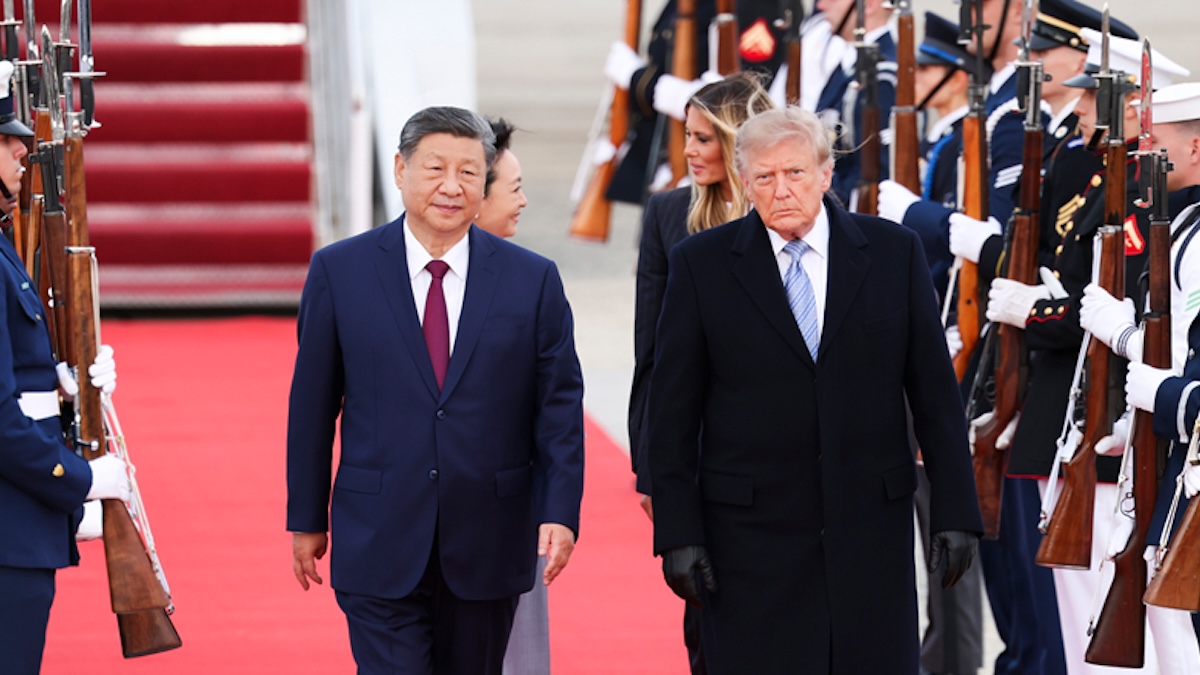
    On Thursday, Chinese President Xi Jinping and U.S. President Donald Trump convened a landmark face-to-face summit at the White House, where Beijing formally committed to partnering with Washington on advancing responsible artificial intelligence governance and expanding cross-border cooperation across multiple sectors. This meeting marked the first in-person engagement between the two leaders since May, setting the stage for a series of new agreements and frank discussions on longstanding sticking points.

    President Xi outlined his vision for U.S.-China relations during a formal morning welcoming address, ahead of closed-door negotiations in the Oval Office. According to Chinese state media, Xi raised two key issues during the talks: the question of Taiwan and the ongoing crisis surrounding Iran. As of Thursday afternoon U.S. time, no new trade agreements had been announced by either delegation.

    A centerpiece of Xi’s policy proposals was a sweeping expansion of youth exchange, with a pledge to invite 100,000 young Americans to travel, study, and exchange in China over the next five years. This doubles the scope of a previous initiative launched in San Francisco in November 2023, which hit its original 50,000 participation target in May, two and a half years ahead of the original schedule, according to China’s Foreign Ministry. Additional initiatives put forward by Xi included increasing the number of direct air flights between the two nations to boost bilateral travel and trade, deepening joint counter-narcotics and law enforcement collaboration, and maintaining regular dialogue between the two militaries to strengthen crisis communication and prevention frameworks.

    Addressing the shared responsibility of the world’s two leading AI powers, Xi emphasized that “Both China and the U.S. are leading nations in AI. We have both the capability and responsibility to develop and manage AI for good, and ensure that the development of AI is always under human control and serves the well-being of the people.” He also framed bilateral cooperation as a global public good, noting that “China-U.S. cooperation may not solve every problem in the world, but without our cooperation, it would be hard to solve many of the world’s problems. Working together, we can lengthen the list of cooperation and shorten the list of issues.”

    Xi’s remarks on AI cooperation followed the first formal dialogue on AI governance between Chinese Vice Premier He Lifeng and U.S. Treasury Secretary Scott Bessent, held in New York the previous Sunday. At that meeting, the two sides agreed to launch a dedicated AI safety hotline to enable immediate mutual notification of any high-risk AI incidents.

    ### Key Regional and Global Issues Raised
    During the summit, Xi reaffirmed China’s longstanding position on the Taiwan question, urging the U.S. to adhere to its stated position of opposing Taiwan independence and handle the issue with prudence, per Xinhua News Agency. He stressed that China’s commitment to safeguarding national unity and territorial integrity is unambiguous and non-negotiable. In Washington’s perspective, any forcible unification of Taiwan with mainland China would be viewed as an invasion that would extend China’s military reach beyond the first island chain, stretching from Japan through Taiwan to the Philippines. The Trump administration has held up a proposed $14 billion arms package for Taiwan — the largest ever offered to the island — as a potential “negotiating chip” with Beijing, and no decision on moving forward with the sale has been announced.

    On the Iran nuclear and regional security issue, Xi conveyed China’s hope that the U.S. and Iran would return to the negotiating table as soon as possible. He stated that China supports both parties returning to the Islamabad Memorandum of Understanding (MoU) and ultimately reaching a comprehensive agreement that addresses the nuclear issue and other regional concerns. The original MoU, signed June 17, extended a 60-day ceasefire and reopened the Strait of Hormuz to commercial shipping, but the agreement collapsed in July after Iran attacked commercial vessels transiting the strait. To date, Beijing has rejected U.S. calls to use its economic and diplomatic leverage with Tehran to end the ongoing conflict.

    Addressing the broader nature of U.S.-China relations, Xi pushed back against narratives of inevitable great power conflict, noting that “We do not need to avoid mentioning competition, but our competition should be a healthy one and should be kept within bounds. It should be a race of catching up with one another, not a wrestle in which one either wins or loses.” He reaffirmed China’s commitment to the framework of no conflict and no confrontation, arguing that the so-called Thucydides Trap — the theory that a rising power and an established hegemon are destined for war — can be avoided. “Achieving the great rejuvenation of the Chinese nation and making America great again can go hand in hand. Let us meet the people’s expectations and show our historical initiative. Let us keep advancing the cause of friendship between our two peoples and work together to build a better world,” Xi said.

    ### Historical Ties and Confidence-Building Measures
    Both leaders leaned on shared World War II history to build rapport during the opening ceremony. President Trump highlighted the legacy of the Flying Tigers, the American volunteer pilots who fought alongside Chinese forces against Japanese expansion in 1941 and 1942. He also noted the origin of the U.S. Marine Corps phrase “gung ho,” which derives from the Chinese term gong he, short for Chinese Industrial Cooperatives. The term was brought back to the U.S. by Marine officer Evans Carlson in the 1930s. “The Marines use it as an expression of great enthusiasm, but in Chinese it literally means working together. Just as our people worked together to win that war, President Xi and I will continue working together to forge a better future for both of our nations,” Trump said.

    President Xi echoed this sentiment, noting “During the Second World War, Chinese and Americans fought shoulder to shoulder against fascist aggression. Chinese people have never forgotten that part of history, nor have the American people.” As a further gesture of goodwill, Xi announced that two giant pandas, Ping Ping and Fu Shuang, would soon be relocated to their new permanent home at Zoo Atlanta.

    On the issue of counter-narcotics, Xi’s commitment to expanded cooperation directly addressed longstanding U.S. concerns over the flow of fentanyl precursor chemicals from China to the U.S. The U.S. had already cut fentanyl-related tariffs on Chinese goods from 20% to 10% following the Busan summit last October. Xi also reiterated that China remains open to U.S. businesses and called for fair treatment of Chinese firms operating in the U.S.

    Prior to the summit, British Prime Minister Andy Burnham had called on Trump to raise the case of Jimmy Lai, the jailed Hong Kong pro-democracy activist and British citizen. White House aides confirmed that the case was indeed raised during the talks, as it had been during the May Beijing summit.

    Following the welcoming ceremony on the State Floor, the two leaders reviewed troops in the Rose Garden, with a flyover featuring a B-2 stealth bomber and four F-22 fighter jets. U.S. First Lady Melania Trump and Xi’s wife Peng Liyuan toured the Smithsonian National Museum of Asian Art separately, and the Trumps hosted a formal state dinner for the Chinese delegation in the evening. Xi is scheduled to conclude his visit with a stop at the National Archives on Friday.

    ### Trade Truce Extended
    In comments made Wednesday ahead of the summit, Treasury Secretary Bessent announced that the U.S.-China trade truce, first agreed during the October Busan summit and set to expire November 10, would be extended by two months, now running through January 10. This extension is shorter than the six-month extension some media outlets had reported earlier in the week. Bessent explained that the additional time would allow both sides to continue negotiating a broader long-term trade deal. “We’re open to the idea of just continuing the Busan arrangement or examining the bigger deal. We’re fine with both, and we’re going to do what’s best for the American people,” he told reporters.

    On Thursday, China’s Ministry of Commerce spokesperson He Yadong confirmed that the talks between He Lifeng and Bessent covered a range of trade-related topics, including implementing consensus reached in earlier negotiation rounds, pursuing reciprocal tariff reductions, establishing separate bilateral trade and investment councils, and extending the joint framework agreed in Busan last October. Bessent noted that China is on track to meet its commitment to purchase 25 million tons of U.S. soybeans, but is currently behind on its pledge to purchase $17 billion in other U.S. agricultural products. U.S. officials also confirmed last week that China is lagging on its promised deliveries of rare earth materials to the U.S.