博客

  • Far-right British provocateur Milo Yiannopoulos has been deported after his immigration arrest in US

    Far-right British provocateur Milo Yiannopoulos has been deported after his immigration arrest in US

    U.S. immigration officials confirmed Saturday that controversial far-right British commentator Milo Yiannopoulos has been taken into custody and deported back to the United Kingdom.

    The U.S. Department of Homeland Security (DHS) announced that Yiannopoulos, who originally entered the United States legally in May 2019, was expelled to his home country on Friday following allegations that he had overstayed the terms of his entry visa. According to a DHS spokesperson, an immigration judge issued a final formal removal order on July 22, after Yiannopoulos failed to appear at a scheduled immigration hearing to address his overstay violation.

    The commentator was taken into custody by officers from U.S. Immigration and Customs Enforcement (ICE) this past Thursday during processing at Louis Armstrong New Orleans International Airport, located in the state of Louisiana. No immediate public statement has been issued regarding the deportation: requests for comment sent to Yiannopoulos’ representatives have gone unanswered as of Saturday.

    Yiannopoulos has built a high public profile as an outspoken advocate for far-right conservative causes, known for repeatedly taking intentionally provocative stances on divisive social and political issues. He has drawn widespread controversy for his public criticisms of feminism, Islam, and immigrant communities, and was an early and prominent supporter of former President Donald Trump’s hardline immigration restriction policies.

  • Iran reports $7.5bn in oil revenues amid US naval blockade

    Iran reports $7.5bn in oil revenues amid US naval blockade

    Six months into the US-Israeli military conflict with Iran and amid a crippling US naval blockade disrupting its key oil exports, Tehran has hit nearly all of its first four-month oil revenue projections for the current Iranian calendar year, transferring $7.5 billion in oil earnings to the country’s central bank, Iran’s semi-official Fars News Agency reported Saturday. Citing official data from Iran’s oil ministry, Fars noted that the accumulated $7.5 billion will cover all of the Iranian government’s planned foreign currency expenses for the six-month period from July through December.

    Between March 21 and July 22, the opening four months of Iran’s 1404 calendar year, total oil revenue reached 99 percent of the target outlined in the country’s annual national budget, the outlet confirmed. The milestone comes as Washington’s naval blockade has severely disrupted Tehran’s oil exports and broader maritime trade, with the status of the Strait of Hormuz — the strategic waterway that carries roughly a fifth of the world’s daily oil consumption — emerging as the core flashpoint in ongoing tensions between the US and Iran.

    Iran has restricted transit through the key chokepoint since the conflict began, while the US has demanded full reopening to guarantee unimpeded navigation. A landmark June Memorandum of Understanding (MoU) reached to de-escalate the US-Israeli war on Iran included two core provisions: lifting the US naval blockade and reopening the Strait of Hormuz to full commercial traffic. But Iranian officials have repeatedly emphasized that Tehran will not fully reopen the waterway until Washington fulfills all its commitments under the MoU, which also include releasing billions of dollars in frozen Iranian assets and rolling back sweeping international sanctions.

    In recent comments, Iranian President Masoud Pezeshkian acknowledged the heavy toll US sanctions have inflicted on Iran’s domestic economy, pushing back against public claims that the restrictions have had no meaningful impact. “Some say sanctions have no effect at all; to those people, I really don’t know what to say,” Pezeshkian told Iranian state television in an interview. “We are in a war situation, and we must accept these wartime conditions.”

    Tehran Governor Mohammad Sadeq Motamedian echoed that assessment Saturday, telling a televised panel that the combined pressure of the naval blockade, intensified sanctions, and targeted attacks on critical domestic infrastructure have created unprecedented challenges for governing the country, per remarks carried by the Iranian Students’ News Agency (ISNA). “The blockade imposed on our country in the maritime domain meant that managing the country took place under truly exceptional and unique conditions,” he said.

    Motamedian added that US-Israeli strikes have heavily focused on infrastructure across Iran, particularly in the capital Tehran, but quick response teams have restored most damaged services rapidly. More than 1,200 electricity infrastructure sites across Tehran province have been targeted in attacks, he confirmed, though power services were restored within a short timeframe after each strike. Water infrastructure also sustained damage but was quickly repaired, while telecommunications and natural gas distribution facilities also suffered disruptions, he added. Intensified international sanctions imposed during the conflict have piled additional economic pressure on the country, the governor noted.

    The US-Israeli military campaign against Iran launched on February 28, with initial strikes targeting military sites, nuclear facilities, and critical civilian infrastructure across the country. Tehran responded with coordinated missile and drone strikes targeting Israeli territory and US military bases across the Middle East, escalating the regional conflict. The June MoU was designed to open negotiations for a permanent ceasefire and broader peace agreement, but those talks have since stalled over intractable disagreements on security guarantees and rules for navigation through the Strait of Hormuz.

    As the standoff continues, the International Maritime Organization (IMO) released an update Friday warning that hundreds of commercial vessels and thousands of seafarers remain stranded in the Persian Gulf six months after the conflict began. “While some ships and their crews have been able to leave the Gulf, up to 400 ships carrying around 6,000 seafarers have been unable to depart safely since the conflict began,” IMO Secretary-General Arsenio Dominguez said in a statement. Dominguez also warned that the ongoing disruption to global fuel and fertilizer supply chains stemming from the closure carries “grave” consequences for vulnerable communities and national economies around the world. This report is compiled from original independent coverage by Middle East Eye.

  • Franck Kessie rejoins Atalanta after Juventus also tried to sign him

    Franck Kessie rejoins Atalanta after Juventus also tried to sign him

    In a move that brings his European football journey full circle, 29-year-old Ivorian national team captain Franck Kessie has officially signed with Italian Serie A side Atalanta, returning to the first club that launched his career on the continent, the club announced Saturday.

    The Bergamo-based club confirmed Kessie has put pen to paper on a multi-year contract, but chose not to disclose further financial or contract duration details to the public. The transfer ends a lengthy summer chase that saw another top Italian club, Juventus, also in the running for the midfielder’s signature. However, Juventus head coach Luciano Spalletti confirmed last Friday that financial fair play compliance rules blocked the club from completing a deal. “If we don’t sell someone first, it’s really difficult to bring in new players,” Spalletti explained, outlining the club’s budget constraints.

    Kessie’s connection to Atalanta dates back to 2015, when he first arrived at the club to join its youth development squad. After a one-season loan spell at lower-division side Cesena, Kessie made a stunning senior debut for Atalanta in Serie A in 2016, netting two goals on his first appearance. Following his breakout season with the Bergamo club, Kessie went on to build his career across top European and global leagues, with stints at Serie A giant AC Milan, Spanish La Liga powerhouse Barcelona, and most recently, Saudi Pro League side Al-Ahli.

    Off the club pitch, Kessie has been in strong form for the Ivorian national team this year, leading the side to the knockout round of the 2024 FIFA World Cup – the first time the country has advanced past the group stage in the tournament’s history. Kessie found the back of the net in Ivory Coast’s closely contested group stage match against Germany, despite the team ending on the losing side of the result.

    For Atalanta, the signing of Kessie adds a world-class experienced midfielder to a squad that has started the 2024-25 Serie A campaign on a positive note. Led by head coach Maurizio Sarri, Atalanta opened its league schedule with a win over Sassuolo last weekend, and is set to host Bologna for its second match of the season this coming Monday.

  • 8 officials suspended after probe into Pakistan hospital fire that killed 14 newborns

    8 officials suspended after probe into Pakistan hospital fire that killed 14 newborns

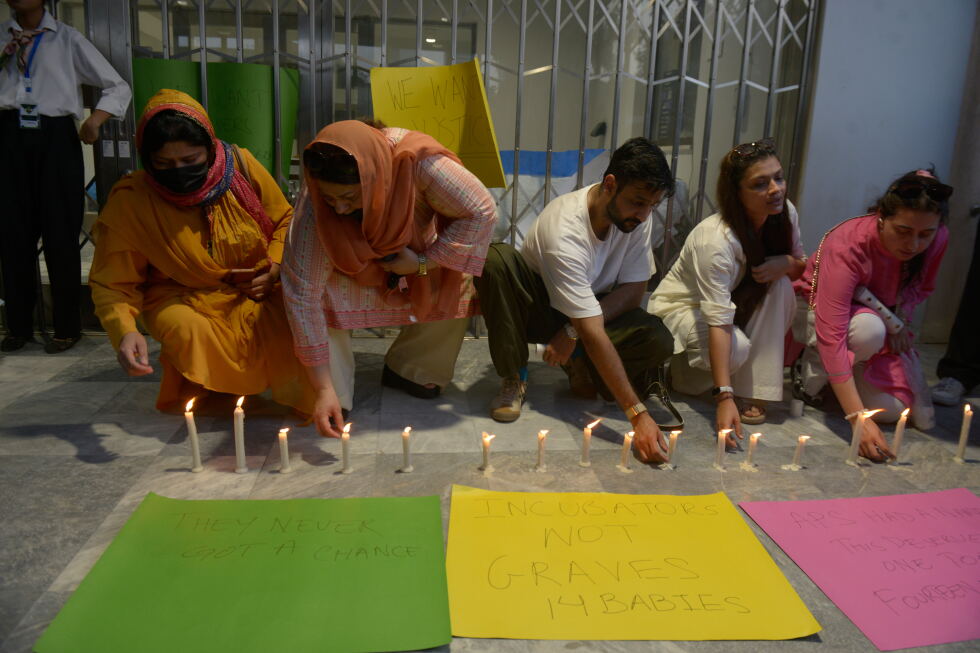
    ISLAMABAD – Fourteen newborns are dead after a fast-spreading fire ripped through a neonatal nursery at Pakistan’s leading public medical facility, the Pakistan Institute of Medical Sciences (PIMS), prompting Prime Minister Shehbaz Sharif to announce sweeping disciplinary and criminal action against responsible parties, his office confirmed in an official statement Saturday.

    The tragedy, which unfolded earlier this week, left just one surviving infant out of the 15 babies receiving care in the third-floor nursery, after flames spread too rapidly for medical staff to evacuate all patients. The interim findings of a government-appointed investigative committee, led by retired senior civil servant Shahid Khan, painted a damning picture of systemic negligence that set the stage for the fatal incident.

    Investigators confirmed the nursery was not equipped with any working fire alarms or sprinkler systems, basic fire safety infrastructure required for medical facilities. Worse, the hospital lacked comprehensive emergency response protocols and had never provided staff with adequate training to contain or respond to fire outbreaks. When the fire ignited, no senior supervisory personnel were on duty at the facility, the report found, and emergency responders were not alerted until six minutes after the blaze began. First responders took an additional 15 minutes to reach the scene after receiving the distress call. Of the hospital’s 13 formal standard operating procedures, only two passing references were made to fire or emergency response, investigators added.

    Following the committee’s interim report submission, Sharif ordered the immediate suspension of eight senior and mid-level officials, and directed that both departmental disciplinary proceedings and formal criminal charges be filed against all parties found culpable for the negligence that led to the deaths. The suspended officials include PIMS’ executive director, two joint executive directors, the head of the hospital’s neonatal department, two additional attending doctors, PIMS’ assistant security director, and the head of emergency services for the Capital Development Authority. Sharif also approved legal action against the private contracted company responsible for hospital security and its leadership.

    In a notable act of recognition for extraordinary courage during the blaze, Sharif approved a committee recommendation to award the Sitara-i-Khidmat, one of Pakistan’s highest state honors for public service, to a nurse who risked her own life to rescue the sole surviving infant before flames overtook the ward. Footage of the two-minute-long fire progression from the nursery’s surveillance system was reviewed during Saturday’s leadership meeting, though the recording has not been released to the public as of this reporting.

    The fatal fire has already sparked widespread public outrage across Pakistan, with grieving family members of the deceased infants and civil society organizations organizing widespread calls for full accountability for the tragedy. “Those guilty of criminal negligence deserve no leniency,” Sharif said in comments released by his office.

    The national government has announced 5 million Pakistani rupees, approximately $18,000, in compensation for each of the bereaved families. The tragedy has also triggered broader nationwide reviews of fire safety standards at all healthcare facilities across the country. Punjab, Pakistan’s most populous province, has already ordered an immediate urgent audit of fire suppression systems, firefighting equipment, and emergency response infrastructure at all public and private hospitals in the region. This fire adds to a string of deadly preventable tragedies involving children in Pakistan in recent months; in June, 14 schoolchildren were killed when an under-construction tutoring center roof collapsed in the eastern city of Lahore.

  • What we know about Trump’s deal giving US access to vast oil reserves in Venezuela

    What we know about Trump’s deal giving US access to vast oil reserves in Venezuela

    Weeks after U.S. forces conducted a controversial overnight raid that removed former Venezuelan President Nicolás Maduro from power and brought him to New York to face federal drug trafficking charges, U.S. President Donald Trump has made a dramatic announcement: what he calls “the biggest oil deal in world history” for Venezuela’s massive untapped crude reserves. Beyond a single social media post from Trump, however, the White House has released almost no additional verified information about the agreement, leaving policy experts, industry analysts and Venezuelan citizens with far more questions than answers.

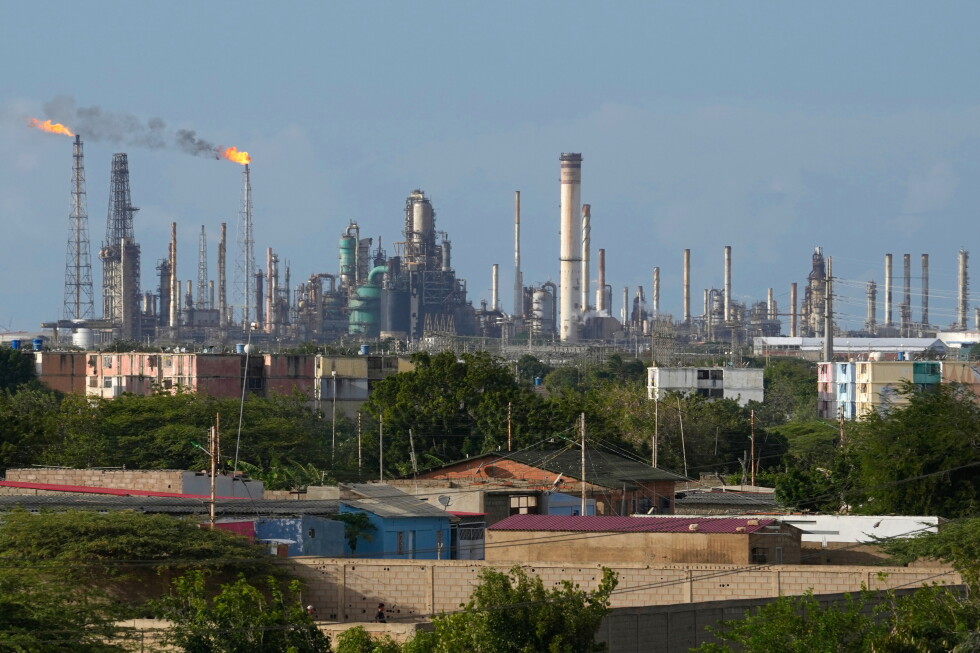
    According to limited details shared by acting Venezuelan President Delcy Rodríguez and an anonymous U.S. official who spoke on condition of anonymity, the agreement creates a new joint private company between the U.S. government and an undisclosed Venezuelan private operator. This new entity has been granted 100-year drilling rights to 17 undeveloped Venezuelan oil fields holding 65 billion barrels of proven oil reserves. The deal grants the U.S. 55% of the company’s effective output, split between an official ownership stake and discounted rights to purchase crude at production cost. All U.S.-sourced oil from the venture will be allocated to the nation’s Strategic Petroleum Reserve and military fuel supplies. The unnamed U.S. official confirmed that the new firm would become the second-largest corporate holder of proven oil reserves globally, trailing only Saudi Aramco. Rodríguez has framed the agreement as a critical catalyst for Venezuela’s economic recovery, arguing the deal could attract up to $100 billion in new investment to the country’s oil sector and generate more than $209 billion in tax revenue for the Venezuelan government over the life of the contract. Trump added that the deal was negotiated by U.S. Secretary of State Marco Rubio, Defense Secretary Pete Hegseth, and Rodríguez.

    For Trump, the deal aligns with two key policy and political priorities: advancing his long-stated goal of unlocking Venezuelan energy resources for U.S. use, and easing persistent high gas prices ahead of November’s U.S. midterm elections. Ongoing conflict in Iran has disrupted Persian Gulf oil shipments, keeping global crude prices elevated and pushing U.S. domestic gas prices far above 2023 levels. As of Saturday, AAA data put the U.S. national average for a gallon of regular gas at $4.08, up from $3.20 per gallon one year prior. Trump has publicly claimed the deal will bring down gas costs for American consumers, but energy experts uniformly push back on that near-term promise.

    Venezuela’s oil extraction and transportation infrastructure has been decaying for decades, requiring billions of dollars in investment and years of reconstruction before any meaningful production increase can occur. “This could be helpful in the long run, but it’s not going to do anything to change the price of gasoline at the retail station for Labor Day weekend,” explained Amy Myers Jaffe, director of the Energy, Climate Justice and Sustainability Lab at New York University. That assessment is shared by other industry analysts, who note that critical details about funding for infrastructure repairs remain entirely unaddressed by both sides of the agreement. No full text of the deal has been released to the public, and officials have not confirmed which entity will cover the upfront costs of modernizing the sector.

    The announcement has already sparked sharp division within Venezuela, where national sovereignty over oil resources has been a core nationalist principle for decades. Many Venezuelans view the deal as an outright betrayal of that long-held commitment. In an on-the-record interview at a Caracas market Saturday, local resident Douglas Borjas expressed fierce criticism of the agreement, arguing that acting leaders had traded national resources to retain power. “Venezuela has resources that can be exploited, but for the benefit of the people, not for the benefit of the corrupt elite,” Borjas said. The criticism extends to prominent Venezuelan economists and former officials based abroad: Harvard University professor and former Venezuelan planning minister Ricardo Hausmann labeled the agreement a “shameful deal” in a social media post, arguing that Rodríguez lacks constitutional and legitimate authority to sign such an agreement on Venezuela’s behalf. “Venezuelans will not respect this illegitimate deal and no major US oil company will take it seriously because they know it will not last,” Hausmann wrote.

    A long list of critical questions about the deal remains unresolved months after the Maduro raid and days after Trump’s announcement. The identity of the private Venezuelan operator involved in the joint venture has not been disclosed, and the breakdown of the U.S.’ 55% output share—how much comes from direct ownership versus discounted purchases—remains unclear. Persuading major U.S. oil firms to participate in the venture also remains an open question, given the country’s ongoing political uncertainty and crumbling infrastructure. Chevron, the only U.S. oil company currently producing crude in Venezuela, declined to comment on the deal, though the firm has been holding independent talks to expand its existing investments in the country separate from Trump’s announcement.

    David Oxley, chief climate and commodities economist at Capital Economics, noted that the agreement could theoretically double U.S. proven oil reserves and reduce American dependence on crude imports from Canada and Mexico. But Oxley cautioned that significant logistical barriers stand in the way of that outcome, adding that previous reserve estimates under former Venezuelan President Hugo Chávez likely inflated the actual size of Venezuela’s untapped deposits. Even with full legal and security guarantees from U.S. and Venezuelan acting authorities, Oxley concluded that “it is not clear that U.S. oil companies would be eager to invest,” noting that “there simply might be more enticing commercial opportunities on offer elsewhere.”

  • Munoz saves Iraola in Liverpool draw, Hull extend dream start

    Munoz saves Iraola in Liverpool draw, Hull extend dream start

    The new English Premier League matchweek delivered a series of dramatic twists and standout results on Saturday, headlined by a last-gasp equalizer that spared Andoni Iraola a first defeat in his maiden home game as Liverpool manager. Spanish coach Iraola, who took over the Anfield hotseat in the close-season after the club sacked Arne Slot, looked set for a disappointing opening at his new ground’s first competitive match, as Nottingham Forest twice took the lead to keep their impressive recent Anfield streak alive.

    Nottingham Forest’s Dan Ndoye opened the scoring for the visitors, and after Liverpool found an equalizer, Morgan Gibbs-White converted a penalty to put Forest back in front. Alexander Isak responded to level the scoreline for the Reds once again in the second half, but it was 19-year-old winger Victor Munoz who snatched a late, deflected effort to lock in a 2-2 draw – marking the second time in two matches that Iraola has rescued a point from a drawn fixture, after an identical 2-2 result away to Newcastle United on his debut last weekend.

    Acknowledging his side’s underwhelming performance, Iraola admitted after the match that his squad struggled for control in the opening 45 minutes. “It’s quite clear the first half has been poor, we haven’t controlled the game,” he told reporters. “We improved a lot in the second half, much more intense, much quicker on the ball but not enough to win the game.”

    Off the pitch, Iraola hinted that a blockbuster new signing could be available for Liverpool’s next fixture against Ipswich Town next Friday. The club has been locked in talks with Paris Saint-Germain for France international winger Bradley Barcola for months, and reports indicate a deal worth an initial £106 million ($144 million) – a fee that could climb to £123 million with add-ons – is in the final stages of completion. When asked about the transfer, Iraola remained tight-lipped: “I cannot tell you anything right now. There are still things going on at this moment. Now we have to wait and look forward to having the squad on September 2, when this is who we are and can work with certainties.”

    Elsewhere in the division, newly promoted Hull City continued their fairy-tale return to the Premier League with a second straight win to open their campaign, beating fellow Championship promotion winners Coventry City 1-0 at Coventry’s home ground. Substitute winger Liam Millar netted the decisive goal with just eight minutes remaining to secure all three points for Hull. The result comes one week after Hull stunned Manchester United with a 2-0 home win in their opening fixture, leaving Sergej Jakirovic’s side with a perfect six points from their first two matches back in the top flight, their first since the 2016-17 season.

    For Coventry, managed by former England international Frank Lampard, the result leaves them still searching for their first Premier League point in 25 years, after a opening-week defeat to Arsenal. The Sky Blues won the Championship title last season to end their lengthy exile from England’s top division.

    Another late equalizer came at the Vitality Stadium, where Everton defender James Tarkowski scored a stoppage-time goal to earn the Toffees a 1-1 draw against Bournemouth, leaving Marco Rose still waiting for his first win as Bournemouth manager. Alex Scott put Bournemouth ahead in the 41st minute, but Tarkowski pounced on a defensive mix-up between Ryan Christie and Marcus Tavernier to drill home a corner in the final seconds of the match. The result keeps Everton unbeaten after they opened their season with a 2-0 win over Crystal Palace, while Bournemouth remain without a point after Rose’s first game in charge, a 2-1 defeat to reigning champions Manchester City.

    The weekend got off to a strong start for Manchester City on Friday, as the champions ran out comfortable 4-1 winners away to Crystal Palace, with Rayan Cherki and Erling Haaland each grabbing a brace to secure all three points. On Saturday evening, big-spending Tottenham Hotspur were set to face Newcastle United, as De Zerbi’s side looked to bounce back from a humiliating 3-0 opening-week defeat to Brentford.

  • Deadly strike on Kyiv warehouse prompts evacuations

    Deadly strike on Kyiv warehouse prompts evacuations

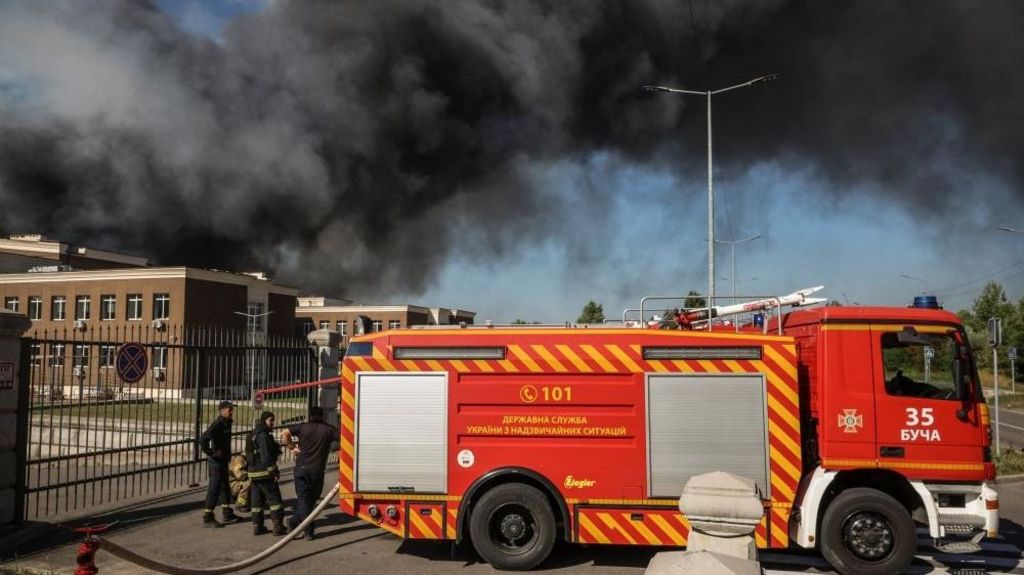
    A devastating missile strike on a commercial warehouse in Ukraine’s capital Kyiv has claimed the lives of more than 30 people, triggering urgent large-scale evacuations across the affected area of the city. In his on-the-ground reporting from Kyiv, veteran Ukraine correspondent Dan Johnson has confirmed the grim human toll of the attack, which unfolded amid ongoing Russian military strikes targeting civilian and infrastructure sites across Ukraine.

    Local emergency services rushed to the scene immediately after the strike hit, deploying search and rescue teams to comb through the rubble of the damaged warehouse for survivors. Authorities have implemented mandatory evacuation orders for neighborhoods surrounding the attack site amid fears of secondary structural collapses and residual hazard risks from unexploded ordnance. The attack marks one of the deadliest single strikes on Kyiv in recent weeks, escalating tensions across the capital and heightening concerns over rising civilian casualties in the 18-month-long Russian-Ukrainian conflict.

  • Clashes rock Niger capital, junta says back in control

    Clashes rock Niger capital, junta says back in control

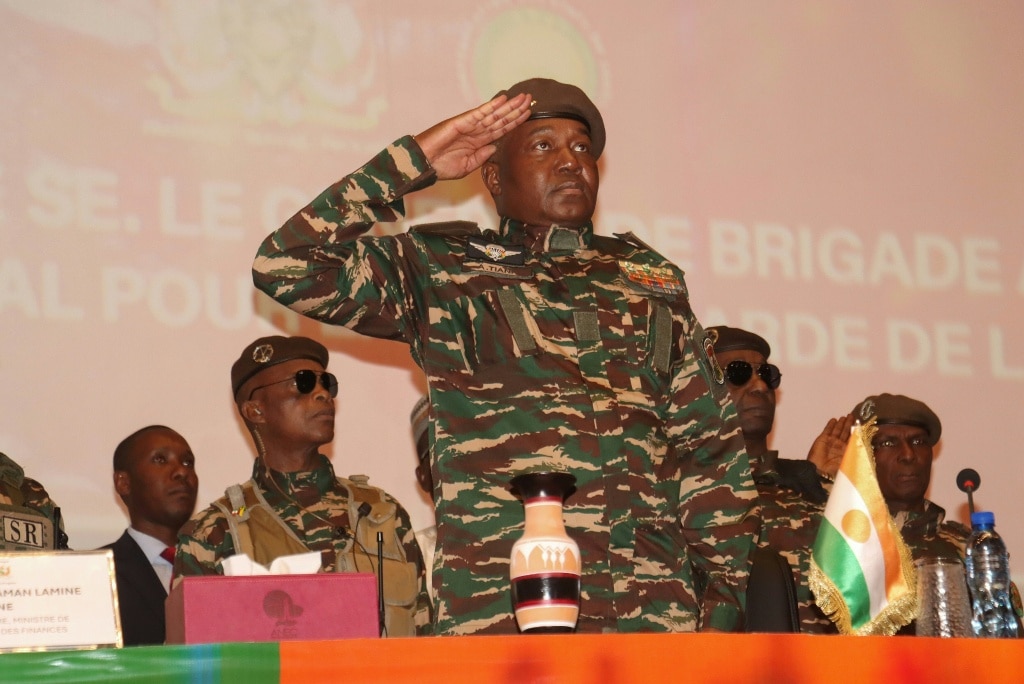
    The capital of Niger, Niamey, was thrown into chaos on Saturday morning when heavily armed mutinous soldiers from the national armed forces launched coordinated assaults on high-value strategic locations across the city, including the presidential palace and the country’s main international airport complex. Hours of sustained gunfire and explosions echoed through residential and government districts before the ruling military junta announced that its security forces had quelled the uprising and reestablished full control over all targeted sites.

    The unrest began shortly after 1:00 a.m. local time, when witnesses reported the first bursts of heavy weapons fire near the city’s core. Mutineers quickly blocked road access to the presidential palace and the headquarters of national broadcaster Tele Sahel, forcing the network off air for more than an hour before service was restored at approximately 10:00 a.m. GMT. A senior anonymous security source confirmed to Agence France-Presse that the mutineers had attempted to force entry into the presidential palace, but were repelled by elite units of the presidential guard, which remains loyal to junta leader General Abdourahamane Tiani, according to an African diplomat based in the capital.

    In an official address broadcast on state television, Niger’s Defense Minister General Salifou Mody outlined the details of the uprising. He confirmed that a faction of disgruntled soldiers had taken fellow service members hostage at a Niamey barracks before opening fire on multiple sensitive sites across the capital. “The swift, decisive response of our defense and security forces contained the outbreak of violence and allowed them to gradually retake full control of all occupied sites,” Mody stated, urging civilians to remain calm and resume their normal daily activities. By late Saturday morning, residents in districts close to the presidential palace reported that all shooting had ceased and the situation had stabilized.

    Multiple witnesses confirmed that intense exchanges of gunfire and explosions also rocked Air Force Base 101, the military installation integrated into Niamey International Airport. Videos posted to social media by local journalists showed armored military vehicles deployed to reinforce security around the airport perimeter, while residents described heavy weapons fire that continued through the night until dawn. One local resident noted that the caliber of weapons heard during the clashes was far larger than the small arms typically carried by motorcycle-borne jihadist insurgents, distinguishing the uprising from the frequent extremist attacks that have plagued the country for a decade.

    This uprising comes against a backdrop of long-running instability in Niger, which has been under military junta rule for three years as it grapples with a sprawling jihadist insurgency that has killed thousands of civilians and displaced hundreds of thousands across the country. Niamey International Airport has already been targeted twice by major extremist attacks in 2024: first in January by the Islamic State in the Sahel (EIS), and again in June by its main rival, al-Qaeda’s Sahel affiliate the Group for the Support of Islam and Muslims (JNIM). Both attacks were repelled by Nigerien forces, but left dozens of soldiers, civilians, and attackers dead. The two extremist groups are locked in a violent struggle for territorial dominance across the Sahel region, where they operate not only in Niger but also in neighboring Burkina Faso and Mali.

    Notably, all three Sahel nations are currently ruled by military juntas that came to power via coups, have withdrawn from the regional bloc Economic Community of West African States (ECOWAS), rejected security cooperation with traditional Western partners most notably France, and aligned themselves more closely with Russia. Air Force Base 101 holds particular strategic significance as the location of both the headquarters of Russia’s Africa Corps in Niamey and the command center for the joint military force of the Alliance of Sahel States, the mutual defense pact formed by Niger, Burkina Faso, and Mali. The base has also been holding a large shipment of uranium concentrate since the end of 2023, which has remained stranded in Niamey awaiting export with no new movement reported to date.

    As of Saturday afternoon, the junta has confirmed that the situation across Niamey is under control, and has urged citizens to avoid spreading unconfirmed information about the uprising on social media.

  • Scientists investigate if a herpes virus is behind the mass deaths of sardines off South Africa

    Scientists investigate if a herpes virus is behind the mass deaths of sardines off South Africa

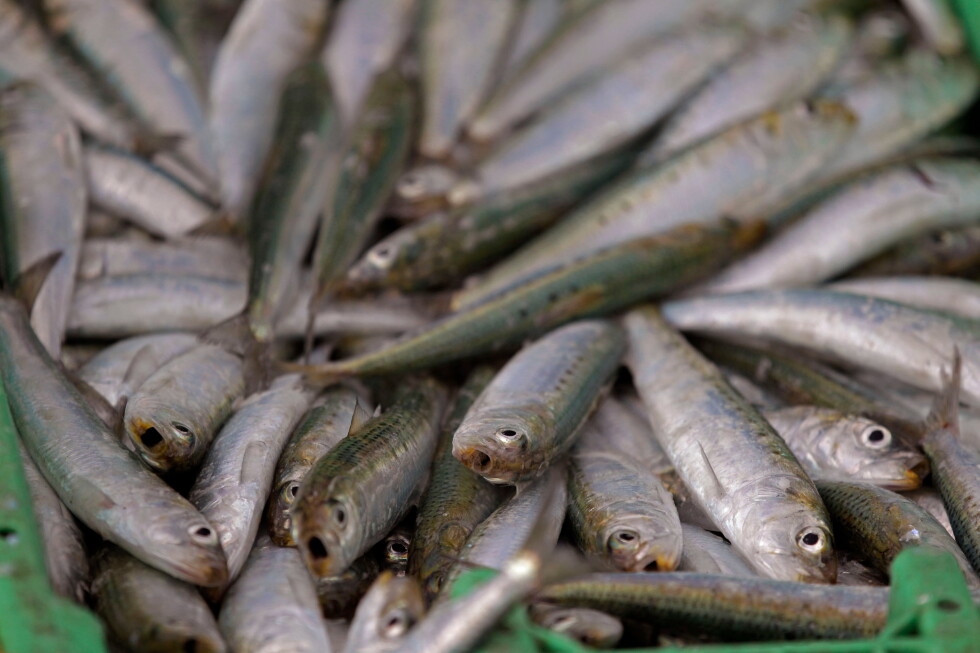
    JOHANNESBURG — A mysterious and widespread mass mortality event involving thousands of sardines washing onto South Africa’s western and southern shorelines has left fisheries and environmental experts working to pinpoint the exact cause, with a newly identified fish herpes virus emerging as the primary suspect. This month’s unprecedented die-off has so far puzzled officials from South Africa’s Department of Forestry, Fisheries and the Environment, though researchers have already confirmed one groundbreaking finding: this marks the first recorded detection of pilchard herpesvirus (PHV) in sardine populations off the South African coast.

    According to department statements, PHV is not a new pathogen to global marine science: the virus was connected to two separate large-scale sardine mortality events in Australian waters during the 1990s. When PHV infects sardines — which are the juvenile, smaller variant of pilchard, the same fish species — it triggers inflammation and thickening of the gill tissue. This physiological damage severely disrupts the fish’s ability to absorb oxygen from water, ultimately leading to suffocation and death.

    Crucially, environmental officials have moved quickly to reassure the public that PHV poses no documented threat to human health. The detection of the virus in wild sardine populations does not render commercially caught fresh sardines or processed canned sardine products unsafe for human consumption, the department emphasized.

    To unravel the full context of the die-off, research teams from the South African Institute for Aquatic Biodiversity and a local partner university have been conducting detailed analysis on dozens of samples collected from affected coastal areas, including both deceased and still-living sardines. Early test results have already revealed a clear pattern: dead sardines recovered from mortality event sites consistently showed very high viral loads of PHV, while surviving fish tested had widely varying levels of the virus.

    Beyond PHV, researchers have explored a range of other potential contributing factors, including toxic harmful algal blooms, unusually cold offshore water temperatures, and widespread low-oxygen conditions in nearshore waters. Even with these alternative lines of inquiry, the department noted that accumulating evidence increasingly points to PHV as the leading explanation for the mass die-off.

    Still, some independent marine biologists not involved in the official investigation caution that the viral detection may not explain the entire event. Dalene Vosloo, a lecturer in biological sciences at South Africa’s University of KwaZulu-Natal, noted that it remains highly plausible that multiple overlapping stressors combined to cause the large-scale mortality. She explained that shifts in water quality or unexpected temperature fluctuations can weaken fish immune systems, leaving them far more susceptible to fatal viral infection.

    As the scientific investigation proceeds, the sardine die-off has already created unforeseen secondary disruptions to critical national infrastructure. Eskom, South Africa’s national power utility, confirmed that the Koeberg Nuclear Power Station — located north of Cape Town on the country’s west coast and the only operational nuclear power facility on the African continent — was forced to cut power output by 50% at one of its two generation units. The shutdown occurred after large volumes of dead sardines clogged the plant’s seawater intake pipeline, which draws cooling water for the reactor systems.

  • Tens of thousands mourn King Harald V in Oslo as Norway enters a new royal era

    Tens of thousands mourn King Harald V in Oslo as Norway enters a new royal era

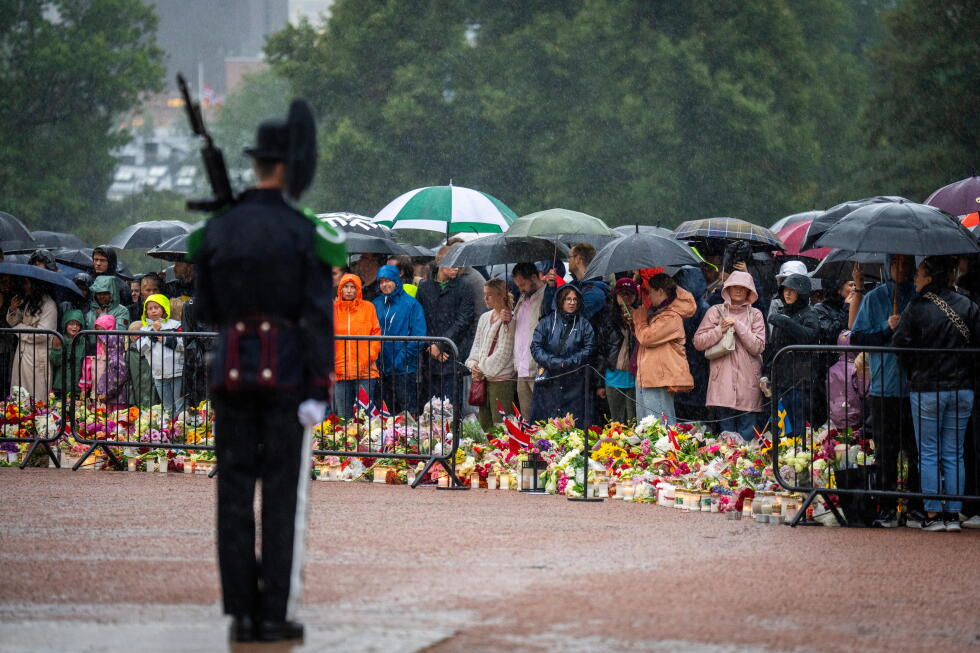
    OSLO, Norway — One day after Norway’s longest-reigning monarch King Harald V died at the age of 89, tens of thousands of grieving Norwegians gathered outside the Oslo Royal Palace on Saturday to lay flowers, leave condolence messages and pay their final respects to the beloved former head of state. By midday, Slottsplassen, the public square fronting the palace, had transformed into a vast, colorful sea of blooms, with a steady, quiet stream of mourners filing past the tributes to honor the king’s decades of service.

    Local public broadcaster NRK reported that palace staff made careful efforts to preserve the outpouring of public affection: a palace gardener removed excess bouquets along the palace’s southern edge to keep pedestrian pathways clear, while workers collected hundreds of condolence cards that had been soaked through by overnight rain, drying them to archive the messages for future generations.

    The national moment of mourning extended far beyond the capital. Across Norway, city halls and churches opened their doors specially on Saturday to allow citizens to light memorial candles and sign official condolence books to share their reflections on the late king. Harald V’s coffin was transported from Oslo’s National Hospital — where he passed away on Friday morning — to the royal palace on Friday evening, in a quiet procession that drew small crowds of respectful onlookers.

    For many attendees, the visit to the palace was a deeply personal act of gratitude. “It’s special, intimate, and lovely. I’m placing my right hand on my chest in gratitude to him and the royal family,” 46-year-old Roni Ervik told NRK during his visit, adding that he was also paying tribute on behalf of his entire extended family based in western Norway.

    With Harald V’s passing, his 53-year-old son, former Crown Prince Haakon, has formally ascended the throne as King Haakon VIII. The new monarch has adopted the royal motto “All for Norway,” a phrase first used by his great-grandfather that echoes a commitment to national service that dates back more than a century. Haakon’s wife Mette-Marit is now Queen of Norway, while his eldest daughter, Ingrid Alexandra, has become Crown Princess and first in line to the Norwegian throne.

    Haakon is no stranger to royal duties: as his father’s health gradually declined over the past decade, he repeatedly stepped in as regent to carry out the ceremonial functions of the monarchy on Harald V’s behalf. Later on Saturday, NRK confirmed that a choir would perform for mourners gathered in the palace square, and the new king was scheduled to hold formal introductory audiences with key Norwegian leaders: the speaker of the Storting (Norway’s parliament), the chief justice of the Supreme Court, and the presiding bishop of the Lutheran Church of Norway, with Crown Princess Ingrid Alexandra in attendance. Haakon is expected to deliver his first public address to the Norwegian people either later Saturday or in the coming days.

    The new king will face early challenges in unifying public support for the monarchy, after recent controversies emerged over his wife Queen Mette-Marit’s past contacts with deceased convicted sex offender Jeffrey Epstein, and the rape conviction of her son (Haakon’s stepson). No official date for King Harald V’s funeral has been announced, but Norway has entered an official period of national mourning, and many Norwegians have voluntarily postponed joyous events including weddings and child baptisms until the period of mourning concludes.

    The Norwegian monarchy traces its unbroken lineage back to King Harald Fairhair in the 9th century, making it one of Europe’s oldest continuous royal institutions. When Norway regained full independence from Sweden in 1905, a national public plebiscite saw 75% of voters endorse the restoration of the monarchy. While the modern Norwegian royal family holds no governing power — all legislative authority rests with the country’s elected parliament — the institution remains widely popular, and the royal family serves as a prominent cultural ambassador for the wealthy Nordic nation on the global stage.