博客

  • Canadian from hantavirus-hit cruise ship tests positive

    Canadian from hantavirus-hit cruise ship tests positive

    A new presumptive positive case of hantavirus has been detected in a Canadian passenger who traveled on the MV Hondius, the Dutch cruise ship that experienced a deadly viral outbreak among passengers in April, British Columbia provincial health officials announced this week.

    The infected individual, a resident of Yukon who is one of four Canadian passengers currently isolating on Vancouver Island after disembarking from the vessel, has only developed mild symptoms so far, according to provincial authorities. Dr. Bonnie Henry, British Columbia’s senior provincial health officer, confirmed that all four isolating passengers have had zero interactions with members of the general public since they returned to Canadian soil.

    This new case pushes the total number of confirmed hantavirus infections linked to the MV Hondius voyage to 11, with all cases tied to passengers who were on board the trip. To date, three passengers who sailed on the cruise have died, and two of those fatalities have been officially confirmed to be caused by the virus. Dr. Henry noted that the Yukon passenger’s test returned a presumptive positive result on Friday, meaning official confirmation is still pending from Canada’s national microbiology laboratory.

    “Clearly, this is not what we hoped for, but it is what we planned for,” Dr. Henry told reporters, according to comments published by Canada’s national public broadcaster CBC. She went on to clarify key differences between hantavirus and the more widely known respiratory viruses that global health systems have managed in recent years, adding, “I want to emphasise that hantavirus is a very different virus than the other respiratory viruses that we’ve been dealing with – like Covid, like influenza, like measles – and it remains one that we do not consider to have pandemic potential.”

    Of the six Canadian citizens who were on the MV Hondius when the outbreak unfolded, two are currently self-isolating in private homes in Ontario. The remaining four are staying in isolation on Vancouver Island: one couple from British Columbia, and the other couple from Yukon, the group that includes the presumptive positive case. As of the latest update, the other five Canadian passengers have all tested negative for the virus.

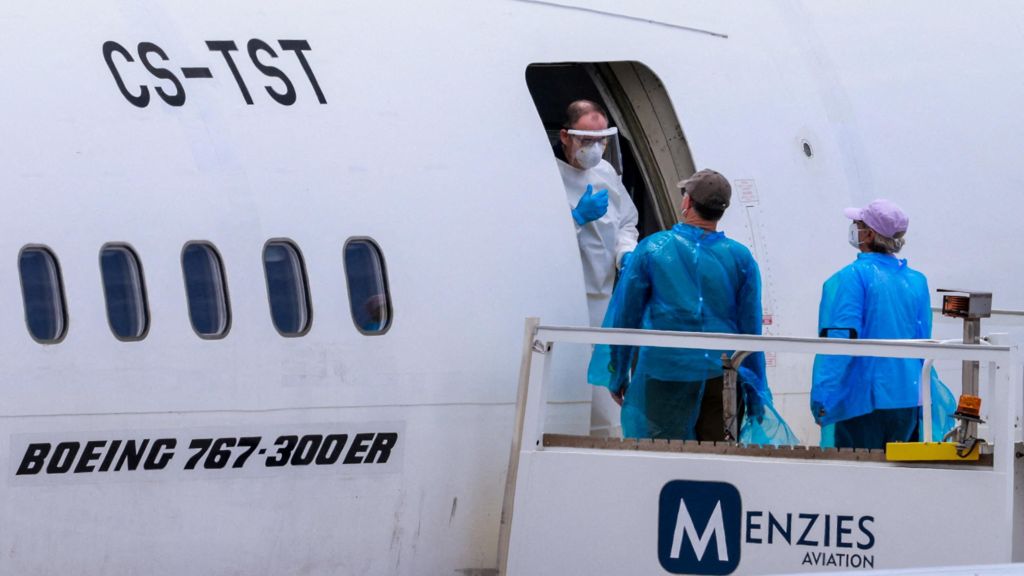
    The outbreak began after the cruise set sail from Argentina on 1 April, with early cases of the virus emerging mid-voyage. The ship was held at sea for multiple weeks while global health authorities coordinated a response, and it finally docked in Tenerife, part of Spain’s Canary Islands, earlier this month. All 147 passengers and crew members, who hail from 23 different countries, were allowed to disembark and enter mandatory isolation once the ship reached port.

    On 10 May, all Canadian passengers were flown back to Canada from Tenerife to complete their isolation periods. The World Health Organization currently recommends a 42-day isolation period for anyone exposed to the outbreak. Canadian protocols initially required a 21-day isolation period for returning passengers, but Dr. Henry confirmed that this timeline is now under review and may be extended to align with global guidance.

    Hantaviruses are most commonly carried by wild rodent populations, and human-to-human transmission is rare for most strains. However, the Andes strain of hantavirus — which the WHO has confirmed is the variant that infected at least some passengers during the voyage, which traveled through South America — can spread between humans.

    Common symptoms of hantavirus infection include high fever, extreme exhaustion, body and muscle aches, abdominal pain, vomiting, diarrhea, and difficulty breathing. Canadian public health officials have reiterated that despite the new positive case, the risk of a large community outbreak of hantavirus linked to this cruise remains extremely low.
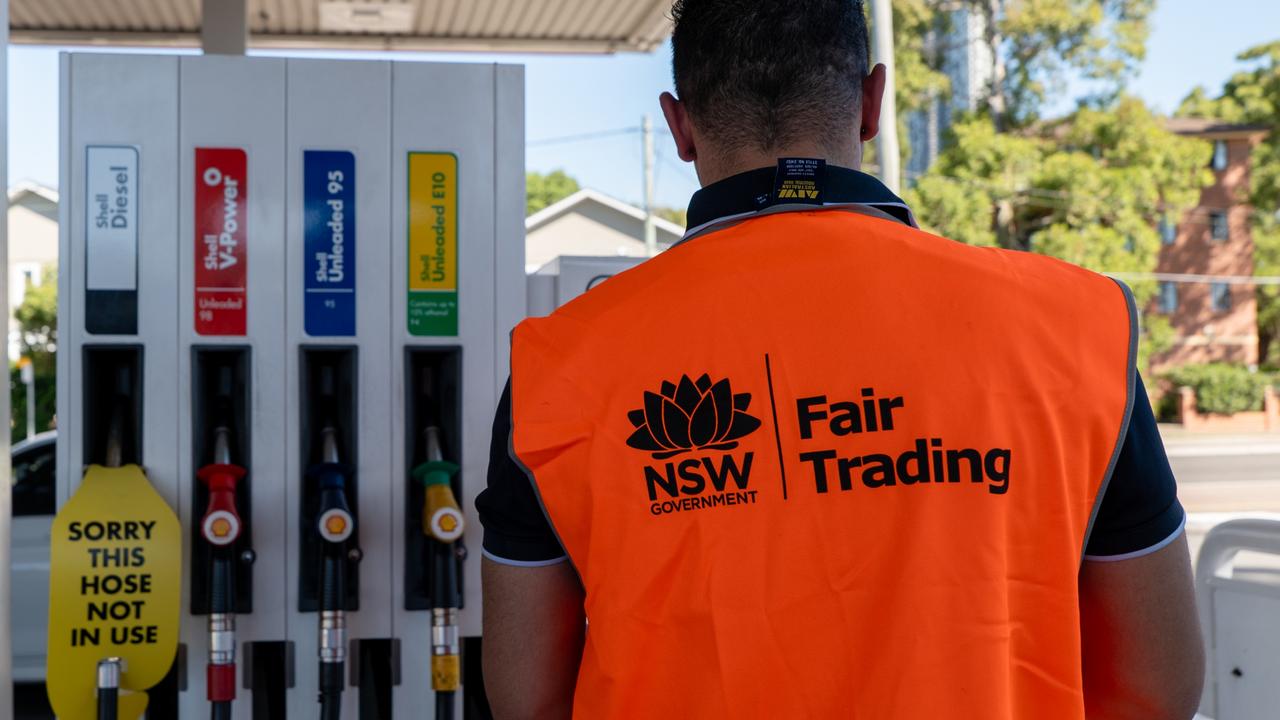

  • Eagle-eyed motorists helping NSW clampdown on unfair fuel pricing

    Eagle-eyed motorists helping NSW clampdown on unfair fuel pricing

    A sweeping compliance crackdown on deceptive fuel pricing in New South Wales (NSW), Australia, has uncovered a stark pattern: regional service stations account for a disproportionate majority of penalties for violating state pricing transparency rules, with public tip-offs playing a key role in catching offending operators.\n\nLaunched by the NSW government, the FuelCheck initiative was designed to empower motorists by giving them real-time access to up-to-date fuel price data across the state. Under the scheme, all service station operators are legally required to update and submit accurate pricing information to the platform, which must match the actual rates charged to customers at the pump. Operators found to misrepresent their prices face official fines for non-compliance.\n\nNewly released data from NSW Fair Trading shows that to date, inspectors have completed more than 4,600 on-site inspections and follow-up reinspections across the state, resulting in more than 270 fines for pricing mismatches. Nearly one-third of these penalties came from tips submitted by vigilant motorists who noticed discrepancies between the prices listed on FuelCheck and the actual charges they faced at the bowser.\n\nOfficials note that public participation has been a transformative asset to the enforcement effort. “FuelCheck is a crucial tool that puts power back in the hands of motorists,” said Natasha Mann, Commissioner of NSW Fair Trading. “Our inspectors have been working around the clock in every corner of the state checking for compliance in petrol stations to stamp out price mismatches.”\n\nThe data reveals a clear gap between compliance rates in metropolitan and regional areas: while roughly the same number of inspections have been carried out in Sydney and rural NSW, 70 percent of all fines have been issued to regional operators, meaning non-compliance is far more common outside the capital. One service station in the state’s Murray region was even found to have a 24-cent per litre difference between the price it reported to FuelCheck and the actual rate charged to drivers, a significant overcharge for consumers.\n\nAmong all regional regions, the Southern Tablelands and South Coast recorded the highest number of violations, with 33 total fines for pricing mismatches. The Riverina followed closely with 30 penalties, while the Central West notched 21 fines. Repeat offenders have also been identified across multiple locations, including Cooma, Lismore, Kelso, Newcastle, Goulburn and Port Kembla.\n\nNSW Fair Trading Minister Anoulack Chanthivong emphasized the state government’s commitment to protecting motorists from deceptive pricing practices, noting that fair pricing for fuel relies on transparency and honest behavior from operators. “The sheer number of fines issued shows that the Minns Labor government will not back down” on enforcing fair pricing rules, he said. The ongoing compliance effort will continue to pair inspector-led audits with public reporting to root out pricing mismatches across the state.

  • Svitolina sees off Gauff to win Italian Open, Sinner in men’s title showdown

    Svitolina sees off Gauff to win Italian Open, Sinner in men’s title showdown

    The 2025 Italian Open delivered two days of dramatic, rain-interrupted tennis on Saturday, capped by Elina Svitolina capturing her third WTA 1000 Rome title and Jannik Sinner extending his historic Masters 1000 winning streak to book a spot in the men’s championship match.

    Ukraine’s Svitolina, the tournament’s seventh seed, outlasted American star Coco Gauff in a topsy-turvy three-set clash, finishing the match 6-4, 6-7 (3/7), 6-2 to lift the trophy. Remarkably, the champion’s last WTA 1000 title also came at the Foro Italico, eight years prior, making Saturday’s win a full-circle moment for the veteran.

    Gauff, a two-time Grand Slam champion and pre-tournament favorite who fell just short of the title last year, entered the match aiming to become the first American woman to claim the Rome crown since Serena Williams in 2016. But the serving errors that have long plagued her game reemerged at the worst possible time on the tournament’s centre court. Gauff was broken three times en route to dropping the opening set, hampered by four double faults – two of which came in the pivotal game that gave Svitolina a permanent lead. At 4-5 down on set point, Gauff produced an unusual misstep, hitting a second serve into the wrong half of the court before gifting Svitolina the set with another double fault.

    A visibly frustrated Gauff struck her own head with her racket before storming off court, though she returned shortly after for a heated discussion with coach Jean-Christophe Faurel. The pep talk appeared to work: Gauff sorted out her serve to force a tense second set filled with dynamic, crowd-pleasing rallies, and clawed back to level the match with a tiebreak win. But Svitolina’s steady, consistent play – a hallmark of her run through the entire tournament – proved too much. Two more breaks of Gauff’s serve in the deciding set sealed the champion’s 20th career tournament title, and dashed Gauff’s hopes of claiming her first trophy of the season just one week ahead of her French Open title defense.

    In the men’s semi-final action, world No. 1 Sinner closed out a rain-paused clash against Daniil Medvedev to secure a spot in Sunday’s final. The match was halted overnight on Friday due to Rome’s wet, volatile weather, after the Italian fell ill mid-clash – even vomiting on court and requiring medical treatment for a tight right thigh, as Medvedev pushed him to his toughest test of the entire tournament.

    When play resumed on Saturday, delayed an extra hour by new rainfall and a preceding men’s doubles semi-final, Sinner looked refreshed: he joked and played casual football with his coaching staff during warm-ups under newly emerged spring sun, and carried his momentum through to the finish. Sinner held onto his 4-2 third-set lead from the paused match, closing out a 6-2, 5-7, 6-4 win after two and a half hours of high-stakes play that stretched across two days. The win marked Sinner’s 33rd consecutive victory in Masters 1000 competition, and puts him in position to claim a record-extending sixth straight Masters 1000 title on Sunday.

    Speaking to reporters after the match, Sinner acknowledged his physical struggles from the day prior. “I think it’s normal that not every day we feel 100 percent,” he said. “I tried to play with the best possible energy I have. Yesterday brought me to a point where I was up today. Today I’m very happy that I finished it.”

    Sinner will face Norway’s Casper Ruud in the final, after Ruud delivered a dominant 6-1, 6-1 semi-final win over Luciano Darderi – a match also cut short and restarted due to heavy rain. The 2025 Rome final gives Ruud a chance at revenge: last year at the Foro Italico, Sinner delivered one of the most lopsided wins in tournament history, beating Ruud 6-0, 6-1 in the quarter-finals. Ruud has yet to win a single set across his four career matches against Sinner, but will climb back into the world’s top 20 in the ATP rankings on Monday regardless of Sunday’s result.

  • Rwandan genocide suspect Kabuga dies in custody in The Hague at age 91

    Rwandan genocide suspect Kabuga dies in custody in The Hague at age 91

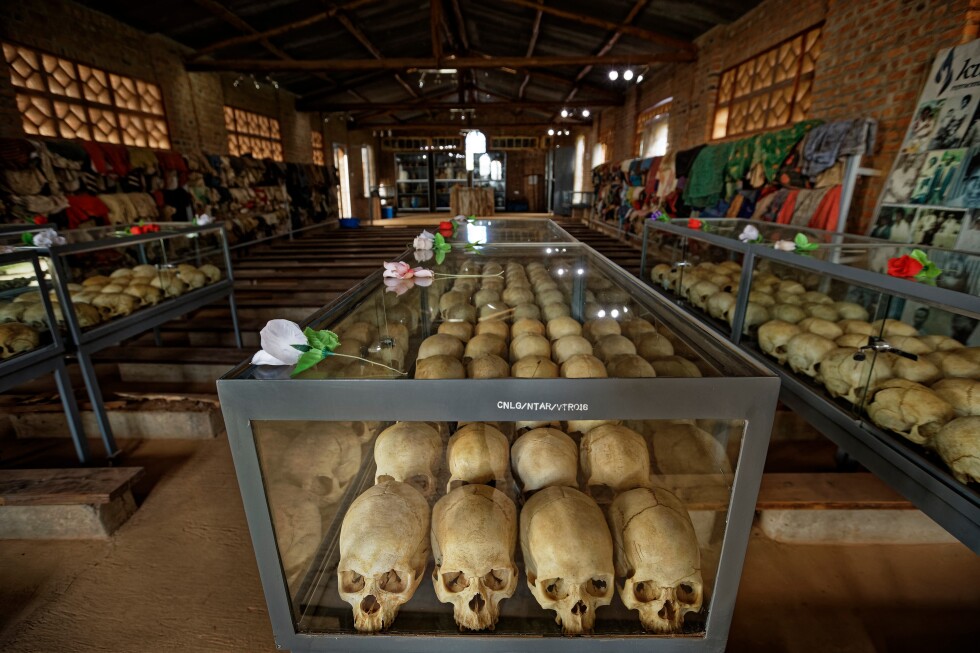
    THE HAGUE, Netherlands — Nearly 30 years after one of the worst mass atrocities of the 20th century, the key Rwandan genocide suspect Félicien Kabuga has died in UN custody while being treated at a hospital in The Hague, the United Nations’ judicial body confirmed Saturday. He was 91.

    Kabuga, one of the most high-profile figures accused of orchestrating the 1994 Rwandan genocide, faced charges including genocide, incitement to genocide, conspiracy to commit genocide, extermination, murder, and persecution. He long maintained a not guilty plea to all counts, and never lived to see a final ruling on the accusations against him.

    The 1994 Rwandan genocide was sparked after the downing of a plane carrying then-Rwandan President Juvénal Habyarimana, an ethnic Hutu, over the capital Kigali on April 6 that year. Kabuga had close personal ties to the Habyarimana administration — his daughter is married to the late president’s son — and prosecutors alleged he used his wealth and influence to fund and incite the 100-day campaign of violence that killed an estimated 800,000 mostly Tutsi people.

    For decades, Kabuga evaded capture after the genocide ended. A global arrest warrant was issued for him in 2013, paired with a $5 million reward for information leading to his arrest. He was finally taken into custody in France in 2020, and his long-awaited trial before the UN International Residual Mechanism for Criminal Tribunals (IRMCT) got underway in 2022.

    The trial process ground to a halt in 2023, when IRMCT judges ruled Kabuga was unfit to continue proceedings due to a diagnosis of advanced dementia. The court outlined a revised process that would allow evidence to be presented to establish the facts of the case, but ruled out the possibility of a criminal conviction or sentencing if he was found responsible. Following the ruling, Kabuga remained in UN detention while diplomats negotiated over a potential transfer to a third country that would accept him for provisional release; Rwanda had offered to take him back, but his legal team stated Kabuga refused repatriation over fears of mistreatment.

    The court’s decision to halt the trial triggered widespread anger among Rwandan genocide survivors, who argued that Kabuga’s alleged role in the mass killings demanded a full trial and the maximum possible penalty, which would have been life imprisonment if he was convicted.

    In its official statement Saturday, the IRMCT confirmed that Kabuga died while receiving hospital care in The Hague, and that the medical unit of the UN Detention Unit was notified immediately of his death. An official investigation has been launched to document and clarify the full circumstances surrounding his death, the mechanism added.

  • Man drives car into pedestrians in Italy, injuring eight

    Man drives car into pedestrians in Italy, injuring eight

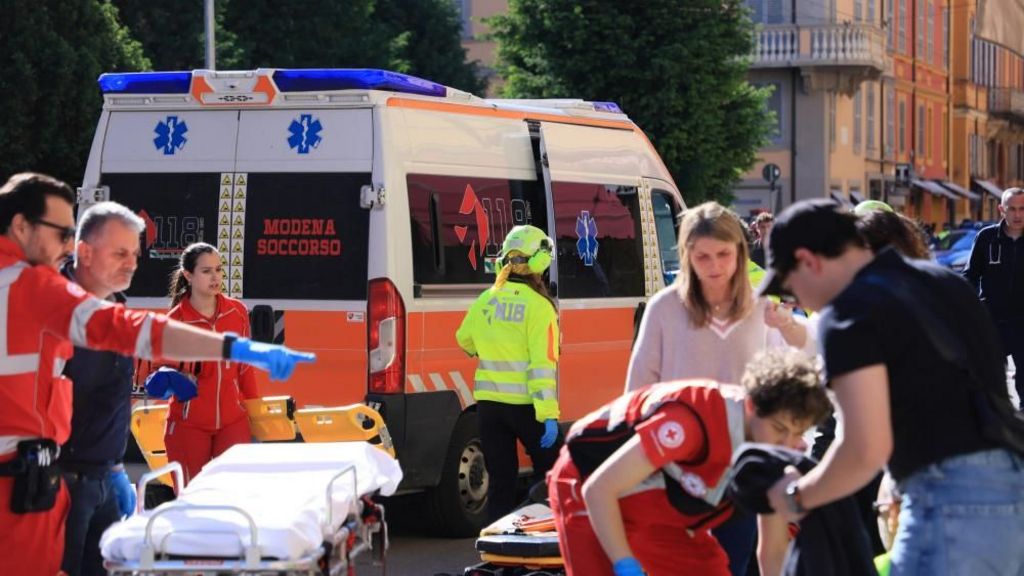
    A shocking violent incident unfolded in the historic northern Italian city of Modena on Thursday, leaving eight people wounded after a man in his 30s deliberately drove his vehicle into pedestrians before launching a stabbing spree, local authorities confirmed. Of those injured, four are in critical condition, including one woman who suffered devastating crushing injuries to both legs, according to initial official reports. The attack unfolded at approximately 16:30 local time, which translates to 14:30 GMT, in the busy central district of Modena, a city located roughly 45 kilometers southeast of Milan.

    Modena Mayor Massimo Mezzetti told reporters that early investigations indicate the driver intentionally veered his speeding car onto a crowded pedestrian sidewalk, striking multiple people before crashing through the glass front of a local shop. After exiting his wrecked vehicle, the suspect pulled out a knife and began threatening and attacking bystanders. One civilian who stepped in to intervene during the chaos suffered only minor injuries, authorities added.

    Quick action from members of the public prevented further harm: eyewitnesses and passersby immediately pursued the suspect after the attack, successfully overpowering and detaining him before turning him over to responding law enforcement officers. Italian Prime Minister Giorgia Meloni issued a statement shortly after the incident, calling the event “extremely serious” and expressing concern over the violence. Mayor Mezzetti echoed the prime minister’s sentiment, noting that the incident would carry even graver implications if investigators confirm the attack was premeditated.

    Officials have confirmed the suspect is an Italian national who was born in Bergamo, a city in northern Italy’s Lombardy region, and has Maghreb ancestry. He has been a resident of the Modena province for an undisclosed period, and local Italian media outlets have already published his full identity following the attack. Law enforcement have not yet released an official motive for the attack, with investigations ongoing as of Thursday evening.

  • A French judge will look into complaints against Saudi crown prince over Khashoggi’s killing

    A French judge will look into complaints against Saudi crown prince over Khashoggi’s killing

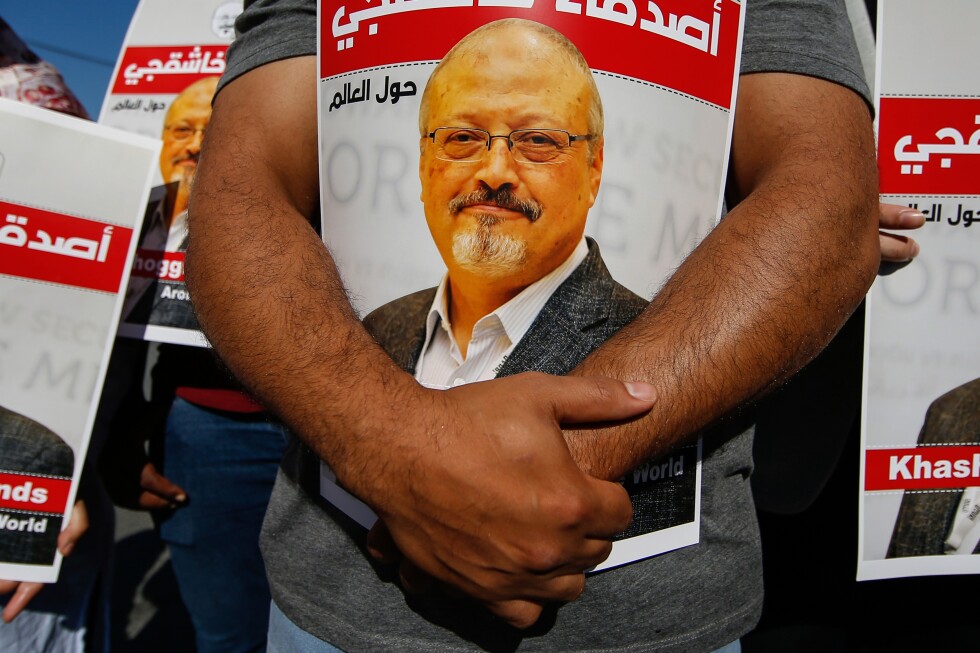
    PARIS – France’s national anti-terrorism prosecution agency, the PNAT, announced Saturday that an investigating judge will review a legal complaint brought by two international human rights organizations that implicates Saudi Crown Prince Mohammed bin Salman in the 2018 assassination of Saudi dissident journalist Jamal Khashoggi.

    The procedural shift follows a May 11 ruling from the Paris Court of Appeal, which confirmed the complaint is admissible and transferred the case to an investigating judge within the court’s specialized crimes against humanity unit. The complaint was originally lodged in 2022 by Switzerland-based legal advocacy group Trial International and press freedom organization Reporters Without Borders. The two groups hold the Saudi crown prince complicit in torture and enforced disappearance linked to Khashoggi’s brutal killing, which unfolded inside the Saudi Arabian consulate in Istanbul in October 2018. After Khashoggi was murdered, his body was dismembered and has never been recovered.

    In its official statement, the PNAT confirmed that the Court of Appeal ruled the complaint could move forward because investigators cannot yet dismiss the potential classification of the killing as a crime against humanity, which encompasses the underlying offenses of torture and enforced disappearance under French law. The prosecution noted it has acknowledged the court’s ruling, while adding that the decision does not alter its earlier interpretation of French criminal procedure rules regarding the two rights groups’ standing to file the complaint as civil parties.

    The original complaint was submitted in 2022, coinciding with an official visit by Prince Mohammed to France. In the years immediately following Khashoggi’s assassination, the crown prince faced widespread diplomatic isolation across Western nations, but in recent years he has gradually been welcomed back into mainstream global diplomacy by Western leaders and high-level dignitaries.

    It is important to note that the launch of a formal judicial inquiry does not equate to formal charges against Prince Mohammed, nor does it represent a finding of guilt by French judicial authorities. What it does establish is a formal process for an investigating judge to thoroughly review the evidence and allegations laid out in the complaint to determine whether further legal proceedings are warranted.

    Prince Mohammed has repeatedly denied issuing any order to kill Khashoggi, though he has accepted accountability for the killing as the de facto ruler of Saudi Arabia, acknowledging the incident occurred on his watch. U.S. intelligence agencies have previously reached a conclusive assessment that the crown prince directly approved the operation that resulted in Khashoggi’s death.

    Following the assassination, Saudi authorities conducted a closed-door domestic trial of the case and announced that they had penalized the individuals found responsible for the killing. However, human rights organizations around the world have widely criticized the Saudi proceedings as non-transparent and inadequate, failing to hold all complicit parties accountable.

  • Car plows into pedestrians in Italy’s Modena, 8 injured, 4 critically, mayor says

    Car plows into pedestrians in Italy’s Modena, 8 injured, 4 critically, mayor says

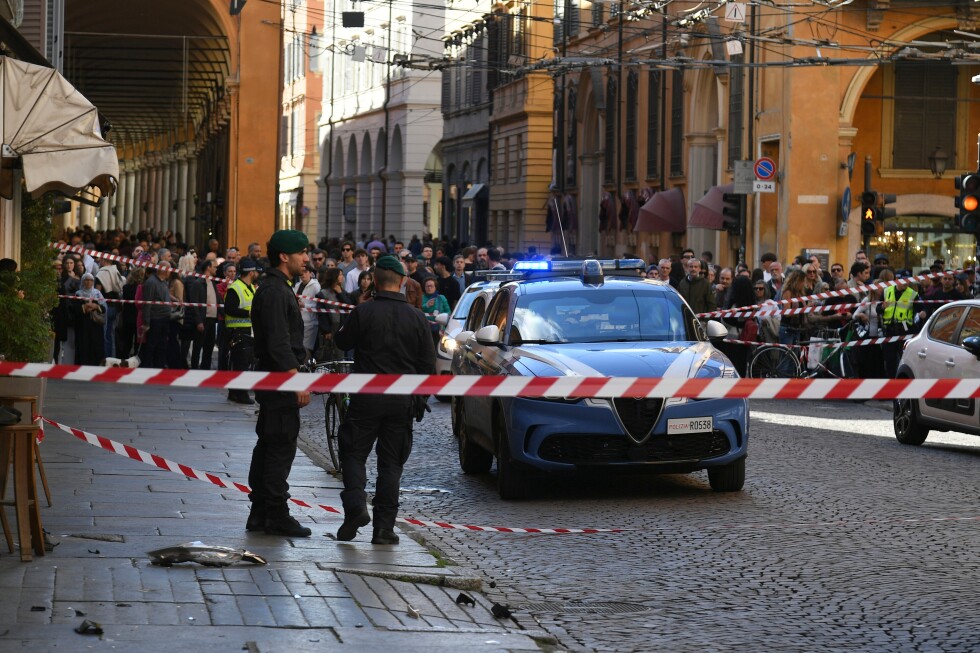
    On a regular Saturday in the northern Italian city of Modena, a sudden and shocking incident unfolded that left multiple civilians seriously hurt after a car veered onto a crowded pedestrian sidewalk and struck passersby before crashing into a local shop window. Local authorities confirmed that eight people were hurt in the crash, with four of the victims suffering life-threatening injuries that demanded urgent, advanced medical intervention. No fatalities have been reported as of the latest updates from city officials.

    Modena Mayor Massimo Mezzetti shared detailed accounts of the devastating event with reporters, confirming that one woman was trapped between the out-of-control vehicle and a shop display window, a trauma that left surgeons with no choice but to amputate both of her legs to save her life. The 31-year-old driver, who was born in Bergamo and grew up in Modena’s surrounding province, was quickly taken into custody after civilians nearby intervened to stop him as he attempted to flee the scene. He is currently being held at Modena’s central police headquarters, where investigators are conducting extensive questioning to determine whether he was operating the vehicle while under the influence of alcohol or drugs, or if the incident was a deliberate deliberate act of violence.

    According to Mezzetti’s retelling of the sequence of events, the vehicle pulled onto one of the city’s busiest central thoroughfares before suddenly swerving onto the pedestrian sidewalk, striking multiple people and sending several bodies flying through the air before the car collided with the shop’s glass front. Though witnesses told investigators they saw the driver carrying a knife, he did not succeed in stabbing any bystanders before he was detained. That detail has only deepened the questions surrounding what prompted the incident, with local authorities still working to parse whether the event was premeditated, or stemmed from a medical emergency, substance impairment, or other unintended causes.

    All eight injured victims have been transported to receive care at major hospitals in both Modena and nearby Bologna, with the most critical cases airlifted by emergency helicopter to ensure they received treatment as quickly as possible. Multiple layers of Italian law enforcement and emergency response agencies, including local police, the national carabinieri, and financial police, were dispatched to the scene immediately after the crash. The entire area was cordoned off while first responders provided on-site care to injured people before they were moved to hospitals.

    Italian Prime Minister Giorgia Meloni publicly addressed the incident in a social media statement, calling the event “extremely serious” and offering her official solidarity to all the people harmed in the crash and their families. Meloni extended her gratitude to the civilians who stepped in to stop the driver before police arrived, as well as to the law enforcement and emergency medical teams that responded to the emergency. The prime minister added that she has remained in constant contact with local Modena authorities, and made clear that she expects the full weight of accountability to be applied to the suspect regardless of what investigators uncover about his motives.

    Mayor Mezzetti echoed that sentiment, noting that regardless of the root cause of the incident, it represents an uncommonly severe act of harm against innocent civilians. “If it were an attack, it would be even more serious,” he told reporters, as investigators continue to piece together the full context of what unfolded on Modena’s downtown streets.

  • Palestinian activist Ramy Shaath says France is seeking to deport him

    Palestinian activist Ramy Shaath says France is seeking to deport him

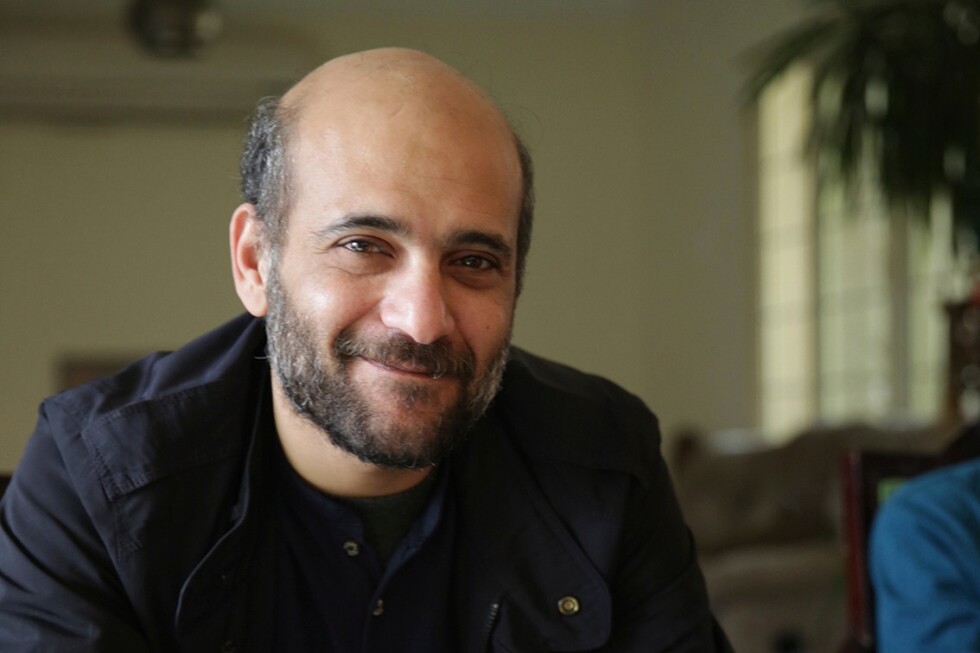
    PARIS – A prominent Palestinian-Egyptian pro-Palestinian activist has leveled serious accusations against French authorities, claiming the government is attempting to deport him under the guise of public security threats in retaliation for his vocal advocacy on behalf of Palestinian rights. Ramy Shaath, 54, made the claims in a pre-recorded video statement posted to social media platforms on May 14, arguing that the pending deportation order is not an isolated measure, but part of a wider coordinated effort to muzzle Palestinian voices and their supporters across France.

    Shaath co-founded the grassroots pro-Palestinian group Urgence Palestine shortly after the outbreak of the ongoing Israel-Hamas war, a role he says has put him directly in the crosshairs of French officials. He told viewers that the latest action comes after multiple previous legal attempts to target him fell short, leaving authorities to pursue deportation as an alternative tactic to silence his work.

    Born with dual Egyptian-Palestinian citizenship, Shaath has a long track record of nonviolent activism. In 2014, he established the Egyptian national chapter of the Boycott, Divestment and Sanctions (BDS) movement, an international campaign focused on pressure against Israeli occupation of Palestinian territories. His activism extends beyond Palestinian issues: he participated in Egypt’s 2011 pro-democracy uprising, and has long tied his support for Palestinian rights to opposition to authoritarian rule across the Arab world. He was arrested by Egyptian authorities in 2019, held for more than two and a half years without formal charges in degrading conditions – including a crowded, insect-infested cell and later isolated confinement in a windowless room – before being released in January 2022. His release drew public praise from French President Emmanuel Macron at the time.

    Shaath has deep family ties to France: he is married to a French national, and the couple shares a French-Palestinian daughter. Even with these connections, he says officials have already created significant barriers to his life in the country long before the deportation order was announced. He told reporters he faced extensive delays and hurdles when attempting to renew his French residency permit. Beyond immigration issues, he alleges his bank account was shut down without advance warning and his national health insurance card was suspended, administrative actions that have severely disrupted his ability to hold employment, travel across borders, and access critical medical care.

    As of Tuesday, France’s Interior Ministry has not issued any public response to Shaath’s allegations or answered requests for comment from news outlets. The activist says he and his legal team intend to mount a robust legal challenge to the deportation proceedings, bringing the case before both French national courts and the European Court of Human Rights to defend his right to remain in France and continue his nonviolent advocacy work.

  • Taiwan insists it is independent after Trump warning

    Taiwan insists it is independent after Trump warning

    Fresh tensions have emerged across the Taiwan Strait following remarks by former U.S. President Donald Trump during a Beijing summit, where he cautioned Taiwan against moving ahead with a formal declaration of independence from mainland China. The comments, delivered after two days of high-level talks with Chinese President Xi Jinping, have reignited debate over the long-standing fragile balance of power in one of the world’s most geopolitically volatile regions.

    During post-summit comments, Trump clarified that he had made no binding commitments one way or the other regarding the self-governing island, which Beijing has consistently claimed as an inalienable part of its sovereign territory and has never ruled out seizing by military force. The U.S. leader also noted he would soon make a final decision on a long-awaited $11 billion arms sales package to Taiwan, a deal that has drawn fierce opposition from Beijing.

    The United States is legally obligated under the Taiwan Relations Act to provide the island with the means to defend itself, but successive U.S. administrations have had to balance this unofficial security commitment with the need to maintain formal diplomatic and economic ties with Beijing, which adheres firmly to the one-China principle.

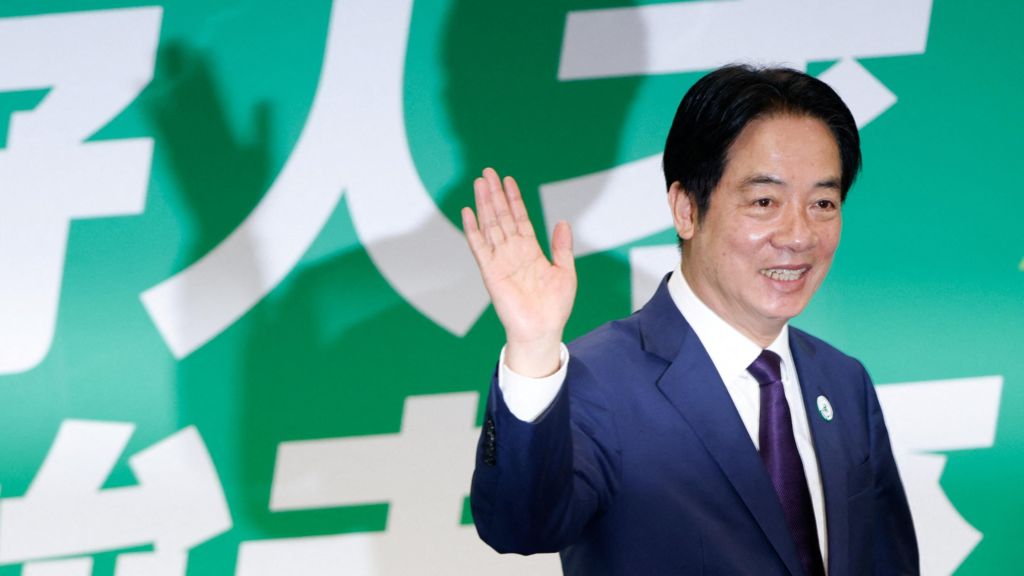
    In response to Trump’s remarks, Taiwanese President Lai Ching-te reaffirmed his long-held position that the island already views itself as a sovereign, independent state, meaning no formal declaration of independence is necessary. On Saturday, Lai’s spokesperson, Karen Kuo, emphasized that Taiwan’s status as a “sovereign, independent democratic country” is self-evident. However, she added that Taipei remains committed to upholding the long-standing cross-strait status quo, under which the island neither moves toward formal independence nor accepts unification with mainland China.

    Public opinion data consistently shows that while a large majority of Taiwan’s population identifies as separate from China, most favor retaining the current status quo over any abrupt change to cross-strait relations. Washington’s long-standing official policy remains unchanged: it does not support Taiwanese independence, and its formal relationship with Beijing is based on recognition of a single Chinese government.

    Trump told Fox News in an interview following his meetings with Xi that U.S. policy toward Taiwan had not shifted, and stressed he had no interest in provoking conflict with Beijing. “I’m not looking to have somebody go independent,” he said. “You know, we’re supposed to travel 9,500 miles to fight a war. I’m not looking for that. I want them to cool down. I want China to cool down.”

    Speaking to reporters on his return flight to Washington, Trump added that he and Xi had spoken extensively about the Taiwan issue, but declined to answer questions about whether the U.S. would militarily defend Taiwan in the event of an attack. He noted that Xi holds extremely strong views on the issue of the island, saying “[Xi] doesn’t want to see a movement for independence.”

    Beijing has repeatedly denounced Lai as a separatist “troublemaker” who undermines cross-strait peace, and has ramped up large-scale military drills around Taiwan in recent years. These exercises have significantly raised regional tensions and tested the delicate balance of power that Washington has sought to maintain for decades.

    Trump added that he planned to discuss the pending arms sales deal directly with Taiwan’s leadership, though he avoided referring to Lai by his official title, a long-standing convention for U.S. presidents due to the lack of formal diplomatic relations between the two sides. U.S. presidents traditionally do not hold direct public talks with Taiwan’s sitting leader, as such a step would almost certainly trigger a major diplomatic crisis with Beijing.

    Despite the warning on independence, Taipei expressed gratitude for Trump’s long-standing security support. “Our nation is grateful to President Trump for his continued support for security in the Taiwan Strait since his first term in office,” Taiwan’s presidential spokesperson said. “Taiwan will continue to deepen co-operation with the US to achieve peace through strength, ensuring that peace and stability across the Taiwan Strait are not threatened or undermined, which serves the common interests of Taiwan, the US, and the global democratic community.”

  • Whale found dead near Danish island after German rescue operation

    Whale found dead near Danish island after German rescue operation

    In a conclusion that has reignited debate over large-scale marine wildlife rescue efforts, a humpback whale that captured German public attention after repeated stranding on the Baltic coast has been confirmed dead near the Danish island of Anholt, between Denmark and Sweden.

    The story of the 12-meter mammal, nicknamed alternately “Timmy” and “Hope” by rescuers and local media, began on March 23, when it first became stranded on a sandbank off Germany’s Poel Island, before re-stranding multiple times on Timmendorfer Beach in Lübeck Bay after an initial escape. After several unsuccessful rescue attempts by German state authorities, officials ultimately called off the official operation, leaving conservationists and the public divided over the whale’s fate.

    The impasse broke when two private German entrepreneurs, Karin Walter-Mommert and Walter Gunz, stepped forward to fully fund an independent rescue mission. The team fit the weak whale with a satellite tracking device, coaxed it into a custom water-filled barge named Fortuna B, and transported it out to the deeper, saltier waters of the North Sea, releasing it in early May. The operation was immediately hailed as a landmark moment by regional officials: Till Backhaus, environment minister for Germany’s northern state of Mecklenburg-Vorpommern, called the mission a success and an inspiring example of what collective action could achieve for animal welfare across the country.

    But the private rescue sparked fierce controversy even before the whale was released. Leading wildlife conservation organizations warned from the start that the vulnerable, underweight animal faced very low odds of long-term survival. The German Oceanographic Museum pointed out that the whale’s prolonged stay in the low-salinity Baltic waters had already left it severely weakened, putting it at constant risk of drowning even after relocation. The international NGO Whale and Dolphin Conservation added that the extended stranding had caused permanent skin damage from low salinity, arguing that the stressful translocation would only prolong the animal’s suffering rather than save it.

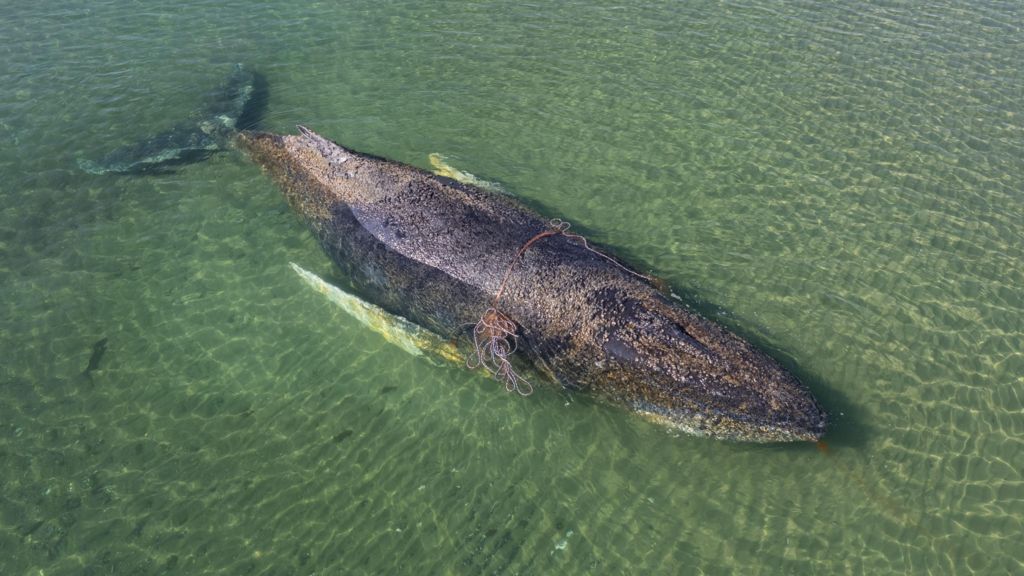
    Weeks after the successful release, a whale carcass was spotted off Anholt Island on Thursday. Confirming the identity took several days, as poor weather conditions initially prevented authorities from accessing the site. On Saturday, the Danish Environmental Protection Agency announced it had verified the carcass was indeed the rescued humpback, and successfully recovered its tracking device.

    Currently, Danish officials say there are no immediate plans to remove the carcass from the coastal area or conduct a necropsy to determine the exact cause of death, as the remains do not yet pose a hazard to local navigation or ecosystems. However, authorities have issued a public safety warning: local residents and visitors are urged not to approach the carcass, as decomposing whale remains can carry zoonotic diseases transmissible to humans. Officials also noted that there is a small risk of a natural rupture driven by buildup of decomposition gases inside the mammal’s body, a common hazard with large beached whale carcasses.