A new presumptive positive case of hantavirus has been detected in a Canadian passenger who traveled on the MV Hondius, the Dutch cruise ship that experienced a deadly viral outbreak among passengers in April, British Columbia provincial health officials announced this week.
The infected individual, a resident of Yukon who is one of four Canadian passengers currently isolating on Vancouver Island after disembarking from the vessel, has only developed mild symptoms so far, according to provincial authorities. Dr. Bonnie Henry, British Columbia’s senior provincial health officer, confirmed that all four isolating passengers have had zero interactions with members of the general public since they returned to Canadian soil.
This new case pushes the total number of confirmed hantavirus infections linked to the MV Hondius voyage to 11, with all cases tied to passengers who were on board the trip. To date, three passengers who sailed on the cruise have died, and two of those fatalities have been officially confirmed to be caused by the virus. Dr. Henry noted that the Yukon passenger’s test returned a presumptive positive result on Friday, meaning official confirmation is still pending from Canada’s national microbiology laboratory.
“Clearly, this is not what we hoped for, but it is what we planned for,” Dr. Henry told reporters, according to comments published by Canada’s national public broadcaster CBC. She went on to clarify key differences between hantavirus and the more widely known respiratory viruses that global health systems have managed in recent years, adding, “I want to emphasise that hantavirus is a very different virus than the other respiratory viruses that we’ve been dealing with – like Covid, like influenza, like measles – and it remains one that we do not consider to have pandemic potential.”
Of the six Canadian citizens who were on the MV Hondius when the outbreak unfolded, two are currently self-isolating in private homes in Ontario. The remaining four are staying in isolation on Vancouver Island: one couple from British Columbia, and the other couple from Yukon, the group that includes the presumptive positive case. As of the latest update, the other five Canadian passengers have all tested negative for the virus.
The outbreak began after the cruise set sail from Argentina on 1 April, with early cases of the virus emerging mid-voyage. The ship was held at sea for multiple weeks while global health authorities coordinated a response, and it finally docked in Tenerife, part of Spain’s Canary Islands, earlier this month. All 147 passengers and crew members, who hail from 23 different countries, were allowed to disembark and enter mandatory isolation once the ship reached port.
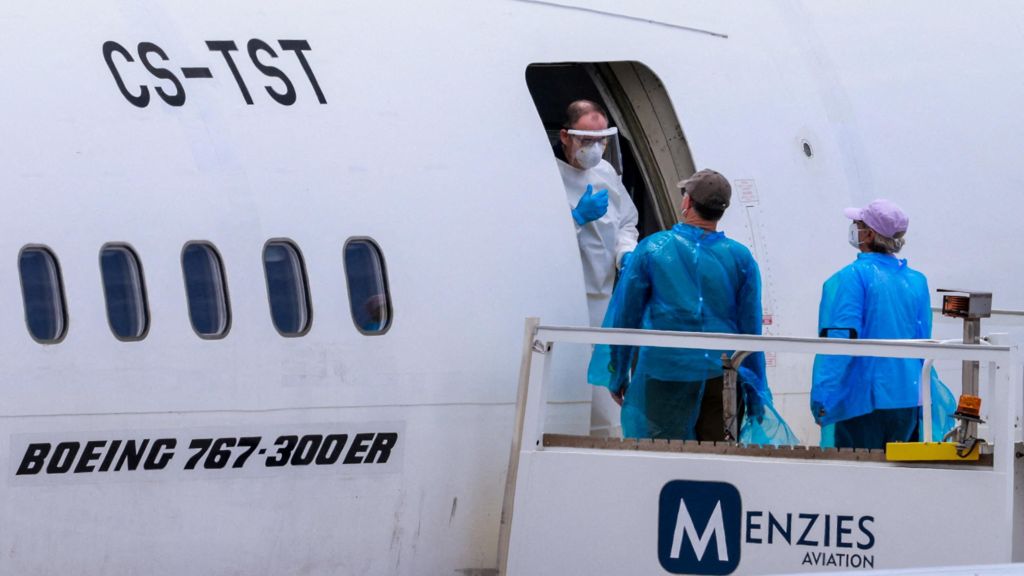
On 10 May, all Canadian passengers were flown back to Canada from Tenerife to complete their isolation periods. The World Health Organization currently recommends a 42-day isolation period for anyone exposed to the outbreak. Canadian protocols initially required a 21-day isolation period for returning passengers, but Dr. Henry confirmed that this timeline is now under review and may be extended to align with global guidance.
Hantaviruses are most commonly carried by wild rodent populations, and human-to-human transmission is rare for most strains. However, the Andes strain of hantavirus — which the WHO has confirmed is the variant that infected at least some passengers during the voyage, which traveled through South America — can spread between humans.
Common symptoms of hantavirus infection include high fever, extreme exhaustion, body and muscle aches, abdominal pain, vomiting, diarrhea, and difficulty breathing. Canadian public health officials have reiterated that despite the new positive case, the risk of a large community outbreak of hantavirus linked to this cruise remains extremely low.