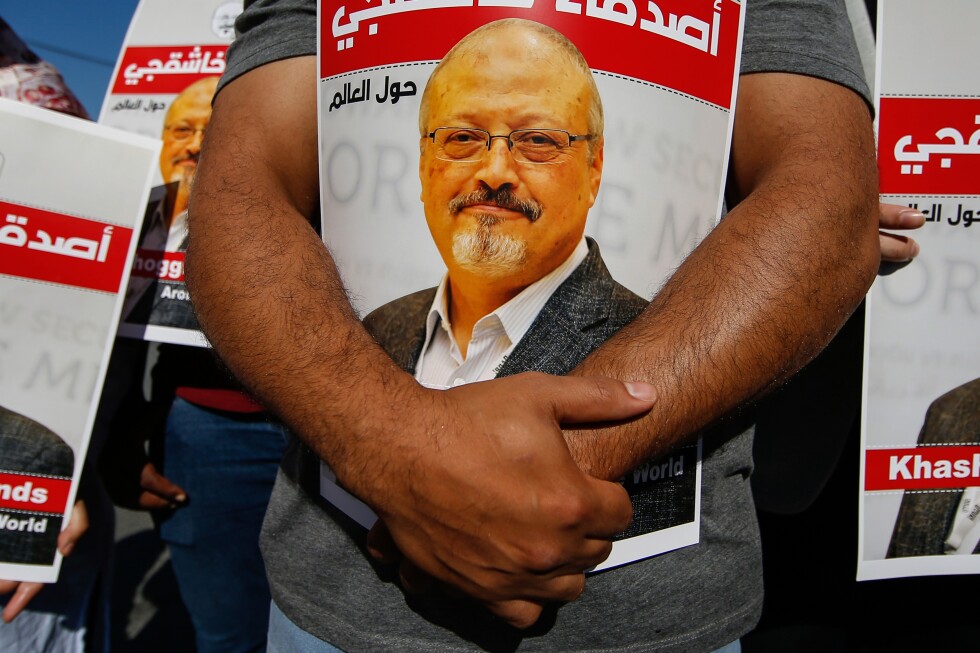
PARIS – France’s national anti-terrorism prosecution agency, the PNAT, announced Saturday that an investigating judge will review a legal complaint brought by two international human rights organizations that implicates Saudi Crown Prince Mohammed bin Salman in the 2018 assassination of Saudi dissident journalist Jamal Khashoggi.
The procedural shift follows a May 11 ruling from the Paris Court of Appeal, which confirmed the complaint is admissible and transferred the case to an investigating judge within the court’s specialized crimes against humanity unit. The complaint was originally lodged in 2022 by Switzerland-based legal advocacy group Trial International and press freedom organization Reporters Without Borders. The two groups hold the Saudi crown prince complicit in torture and enforced disappearance linked to Khashoggi’s brutal killing, which unfolded inside the Saudi Arabian consulate in Istanbul in October 2018. After Khashoggi was murdered, his body was dismembered and has never been recovered.
In its official statement, the PNAT confirmed that the Court of Appeal ruled the complaint could move forward because investigators cannot yet dismiss the potential classification of the killing as a crime against humanity, which encompasses the underlying offenses of torture and enforced disappearance under French law. The prosecution noted it has acknowledged the court’s ruling, while adding that the decision does not alter its earlier interpretation of French criminal procedure rules regarding the two rights groups’ standing to file the complaint as civil parties.
The original complaint was submitted in 2022, coinciding with an official visit by Prince Mohammed to France. In the years immediately following Khashoggi’s assassination, the crown prince faced widespread diplomatic isolation across Western nations, but in recent years he has gradually been welcomed back into mainstream global diplomacy by Western leaders and high-level dignitaries.
It is important to note that the launch of a formal judicial inquiry does not equate to formal charges against Prince Mohammed, nor does it represent a finding of guilt by French judicial authorities. What it does establish is a formal process for an investigating judge to thoroughly review the evidence and allegations laid out in the complaint to determine whether further legal proceedings are warranted.
Prince Mohammed has repeatedly denied issuing any order to kill Khashoggi, though he has accepted accountability for the killing as the de facto ruler of Saudi Arabia, acknowledging the incident occurred on his watch. U.S. intelligence agencies have previously reached a conclusive assessment that the crown prince directly approved the operation that resulted in Khashoggi’s death.
Following the assassination, Saudi authorities conducted a closed-door domestic trial of the case and announced that they had penalized the individuals found responsible for the killing. However, human rights organizations around the world have widely criticized the Saudi proceedings as non-transparent and inadequate, failing to hold all complicit parties accountable.