博客

  • Pope and co-founder of Anthropic to launch pontiff’s AI encyclical on May 25

    Pope and co-founder of Anthropic to launch pontiff’s AI encyclical on May 25

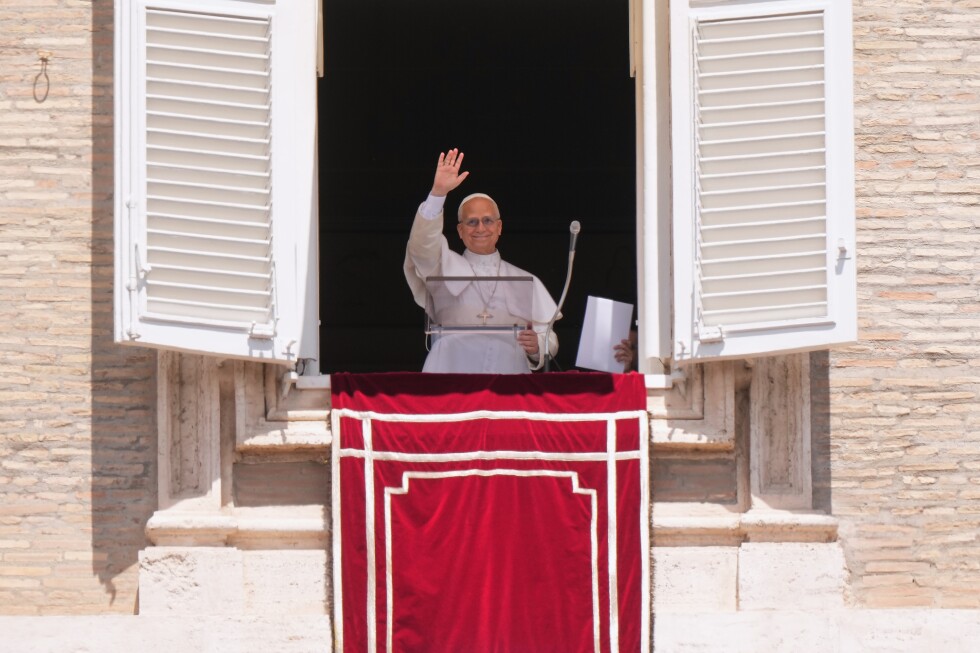
    VATICAN CITY — The Vatican announced Monday that Pope Leo XIV will join Christopher Olah, co-founder of leading artificial intelligence firm Anthropic, for the official launch of the pontiff’s first-ever encyclical on May 25. The high-profile document, titled *Magnifica Humanitas* (Magnificent Humanity), centers on protecting and upholding human dignity amid the rapid global expansion of artificial intelligence.

    Olah’s invitation to participate in the launch carries major geopolitical and policy significance, already signaling that the U.S.-born pope’s stance on AI governance will emerge as a new point of friction with the Trump White House. Just three months prior, in February 2025, the Trump administration issued an executive order banning all U.S. federal agencies from using Anthropic’s AI tools, and imposed additional sweeping sanctions on the company. The penalties came after Anthropic refused to grant the U.S. military unlimited access to its proprietary AI technology. Anthropic has since filed a lawsuit against the administration, alleging the penalties amount to illegal retaliation for the company’s commitment to building guardrails around harmful uses of its AI systems.

    Since taking office, Pope Leo XIV has identified AI ethics and governance as a core priority of his papacy, and has repeatedly voiced deep concern over the development of AI for military applications, calling for global mandatory monitoring of high-risk AI deployments.

    The format of the launch itself marks a break from Vatican tradition. Historically, new papal encyclicals are unveiled in the small Vatican press room, with only a small group of select officials and invited guests on hand to address reporter questions. For *Magnifica Humanitas*, however, the Vatican has organized a high-profile formal event in its main auditorium, featuring a roster of top religious and secular speakers.

    Leading the presentation will be two of the Holy See’s most senior cardinals: Cardinal Víctor Manuel Fernández, head of the Vatican’s Dicastery for the Doctrine of the Faith, and Cardinal Michael Czerny, head of the Dicastery for Promoting Integral Human Development. Joining Olah as lay speakers are two prominent theologians, Anna Rowlands and Leocadie Lushombo. Vatican Secretary of State Cardinal Pietro Parolin will deliver the closing remarks, before Pope Leo XIV gives a keynote address and offers a final blessing to attendees.

    Pope Leo XIV signed the encyclical on May 15, a date chosen intentionally to mark 135 years to the day after his namesake, Pope Leo XIII, signed *Rerum Novarum* — the landmark 1891 encyclical that addressed workers’ rights, the excesses of unregulated capitalism, and the obligations of states and employers to working people amid the Industrial Revolution. That document laid the foundation for modern Catholic social teaching, and the current pope has already referenced it repeatedly in discussions of the AI revolution, arguing the technology poses the same fundamental existential questions about work, dignity and power that industrialization sparked more than a century ago.

    The new encyclical is expected to frame the global debate over AI through the lens of longstanding Catholic social teaching, which already encompasses principles of labor rights, global justice, and peace. A brief look at Anthropic’s background contextualizes why this collaboration is notable: the company was founded in 2021 by Dario Amodei and a group of researchers who left OpenAI over public disagreements with then-CEO Sam Altman over AI safety priorities. From its founding, Anthropic has centered its public mission on building safety guardrails for artificial general intelligence (AGI) — the advanced AI system that can outperform humans on most economic and cognitive tasks, a goal both Anthropic and OpenAI are pursuing from their San Francisco bases. As of early 2025, the privately held Anthropic reported a valuation of $380 billion, placing it as one of the world’s most valuable AI companies alongside OpenAI and Elon Musk’s combined SpaceX-xAI venture. Its flagship chatbot Claude competes directly with OpenAI’s ChatGPT and xAI’s Grok.

    The Associated Press’ religion coverage is supported through a collaboration with The Conversation US, with funding from Lilly Endowment Inc. The AP retains full editorial responsibility for this content.
  • Cruise ship hit by hantavirus outbreak docks in Rotterdam

    Cruise ship hit by hantavirus outbreak docks in Rotterdam

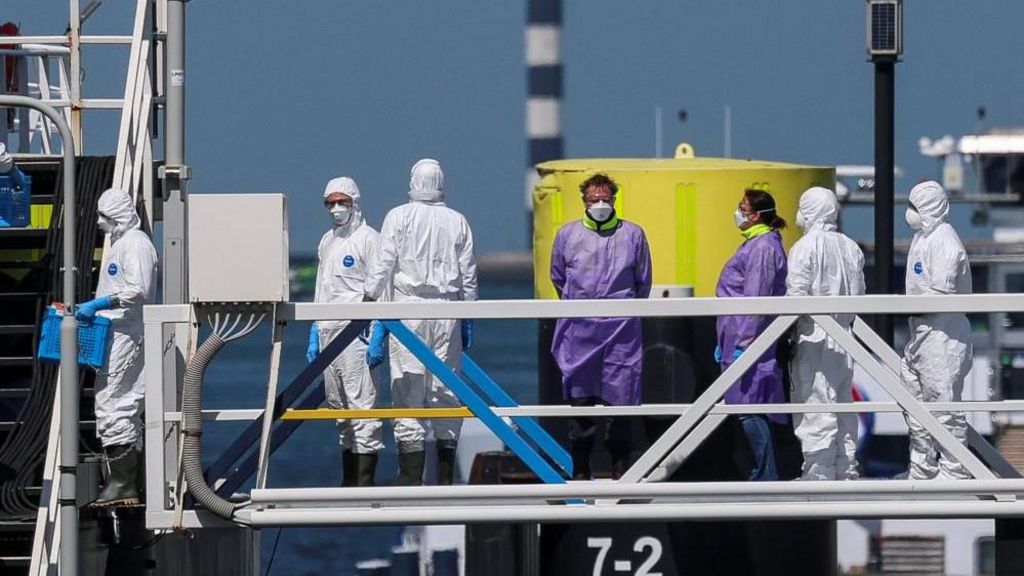
    After a weeks-long transatlantic journey marked by a deadly hantavirus outbreak that left three people dead, the Dutch-flagged cruise vessel MV Hondius has finally docked at its final destination in the Port of Rotterdam. The final sailing into Rotterdam carried only the ship’s core crew and medical personnel, after all remaining passengers disembarked between May 10 and 11 in the Canary Islands, following coordinated international arrangements to end the voyage early.

    The outbreak, which has sickened at least 11 confirmed passengers so far, has already claimed three lives: a Dutch couple and a German tourist who were traveling on the expedition cruise. Two of the three fatalities have been confirmed to be positive for hantavirus, with Canadian health officials adding a new confirmed case over the weekend, updating the global case count from the eight confirmed cases the World Health Organization (WHO) reported just days earlier.

    Local authorities and public health agencies have spent more than a week preparing for the ship’s arrival. Port of Rotterdam Harbour Master René de Vries confirmed that port officials received the docking request 10 days prior to arrival, and after close consultation with regional public health services, approved the vessel’s entry. In preparation for disembarking the crew, 25 fully equipped mobile homes, outfitted with on-site catering and satellite communications infrastructure, have been staged to accommodate crew members during a mandatory self-isolation period, aligned with WHO recommendations that all people leaving the vessel complete 42 days of isolation to prevent further spread.

    Yvonne van Duijnhoven, director of GGD Rotterdam-Rijnmond, the local municipal public health service, noted that the ship’s on-board medical team had already begun collecting biological samples from crew members prior to arrival. All collected samples will undergo initial testing immediately after docking, with a full round of additional testing scheduled for Monday afternoon to screen all crew for signs of hantavirus infection.

    Hantavirus refers to a family of pathogens primarily carried by wild rodents. While most strains of the virus cannot spread between humans, the strain responsible for this outbreak—the Andes virus—has documented rare cases of human-to-human transmission, making extended isolation and rigorous screening a critical public health precaution.

    Once all crew have completed disembarkation and testing, the vessel will undergo a full professional deep cleaning before it is cleared to return to active service, according to de Vries.

    The cruise, operated by Dutch expedition travel firm Oceanwide Expeditions, originally launched on April 1 from Ushuaia, Argentina, with approximately 150 passengers and crew hailing from 28 countries around the world. Dozens of passengers left the vessel early at the island of St. Helena on April 24, before the first cases of illness were detected. The outbreak was identified mid-voyage, and Cape Verde, the ship’s originally scheduled final destination, refused entry to the vessel to prevent potential importation of the virus. Following that denial, the WHO and European Union coordinated with Spanish authorities to reroute the ship to the Canary Islands, where all remaining passengers were able to disembark and begin repatriation to their home countries. After all passengers exited the vessel in Tenerife on May 10, the ship set sail for Rotterdam the following day with only crew and medical staff on board.

  • Irish president to meet King Charles during official visit

    Irish president to meet King Charles during official visit

    Irish President Catherine Connolly has launched a landmark three-day official visit to the United Kingdom, with a high-profile meeting with King Charles III scheduled as the centerpiece of her itinerary. This trip marks Connolly’s first official visit to England since her inauguration last November, and her third overseas engagement since taking office, following earlier working visits to Northern Ireland and Spain.

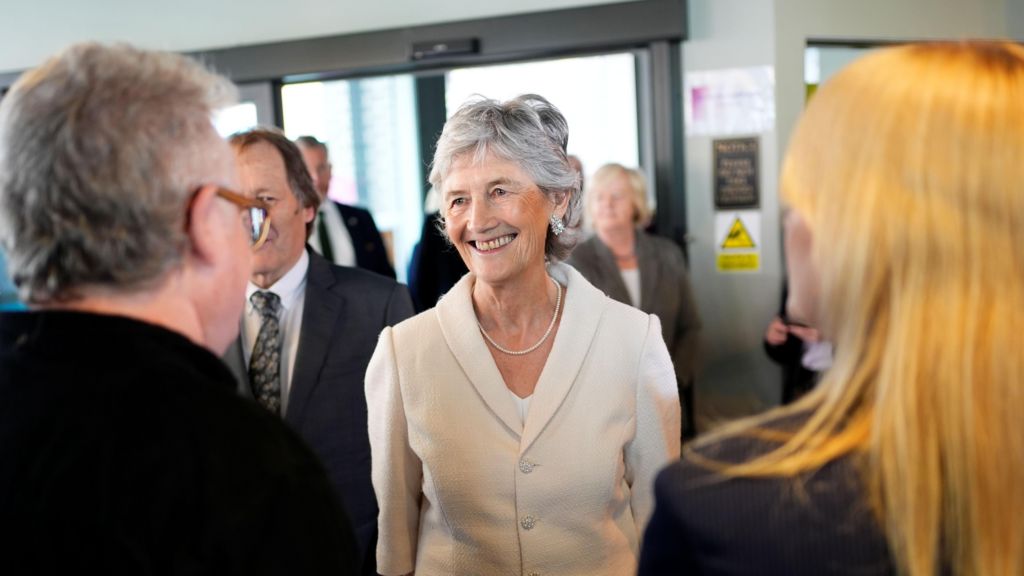
    Connolly kicked off her schedule on Monday with a warm welcome at the Irish Cultural Centre in Hammersmith, West London. During her stop at the hub, which has long served as a community home for Irish people in the British capital, the president led detailed discussions on the long history of Irish migration to the UK. She interacted directly with learners attending an on-site Irish language class, and took in traditional Irish musical and dance performances put on by local community groups.

    Addressing attendees at the centre, Connolly contextualized the ongoing patterns of Irish population movement across the Irish Sea. She noted that for more than two centuries, mass migration from Ireland has largely been driven by economic pressures, with generations of Irish people settling in major British cities including London, Manchester, Liverpool and Birmingham. Even today, Connolly acknowledged, economic hardship continues to push some Irish citizens to leave their home country, singling out the Republic’s ongoing housing crisis as a key contributing factor pushing people to seek opportunities abroad.

    Following her visit to the Hammersmith centre, Irish Ambassador to the UK Martin Fraser hosted an official evening reception at the Irish Embassy in London in honor of President Connolly and her husband, Brian McEnery.

    The president’s packed agenda continues on Tuesday, with planned stops at the world-famous Chelsea Flower Show and the London Irish Centre in Camden. On Wednesday, the final day of the visit, Connolly will travel to the northern English city of Leeds, where she will tour the University of Leeds and the city’s Irish Centre. During her time in Leeds, she will receive a briefing on the services delivered by the city’s Irish Health Centre, which supports the local Irish community, and will hold meetings with representatives from Irish community organisations across the Yorkshire region.

    Since taking office, Connolly has repeatedly emphasized her administration’s commitment to strengthening ties with the global Irish diaspora, and this UK visit is framed as a key step toward delivering on that pledge. It also builds on longstanding diplomatic and cultural connections between Ireland and the United Kingdom, deepening people-to-people links between the neighboring nations.

  • Cuba accuses US of building ‘fraudulent case’ for military action

    Cuba accuses US of building ‘fraudulent case’ for military action

    Tensions between the United States and Cuba have spiked dramatically in recent weeks, as a crippling domestic fuel crisis worsened by longstanding US trade restrictions collides with escalating US pressure on Havana’s communist government and sharp Cuban accusations of Washington plotting military aggression.

    The crisis ignited after US news outlet Axios published a report on Sunday citing classified US intelligence claims that Cuba had acquired roughly 300 attack drones, and was weighing potential strikes on US targets in the region—including the US military base at Guantanamo Bay, US naval vessels operating nearby, and Key West in southern Florida. The report also repeated unconfirmed intelligence claims that Iranian military advisors are currently present in Havana, a development that echoes the growing role of Iranian drone technology in conflicts across the Middle East and Ukraine.

    In an immediate and forceful response posted to social media, Cuban Foreign Minister Bruno Rodríguez rejected the claims outright, accusing the US of systematically constructing a “fraudulent case” to justify both its ongoing harsh economic war against the Cuban people and potential future military intervention. Rodríguez emphasized that Havana “neither threatens nor desires war” with the US, but confirmed that Cuba is actively preparing defensive measures in response to rising external aggression. He also criticized major US media outlets for complicity in spreading the unsubstantiated claims, calling their coverage coordinated slander aligned with US government messaging.

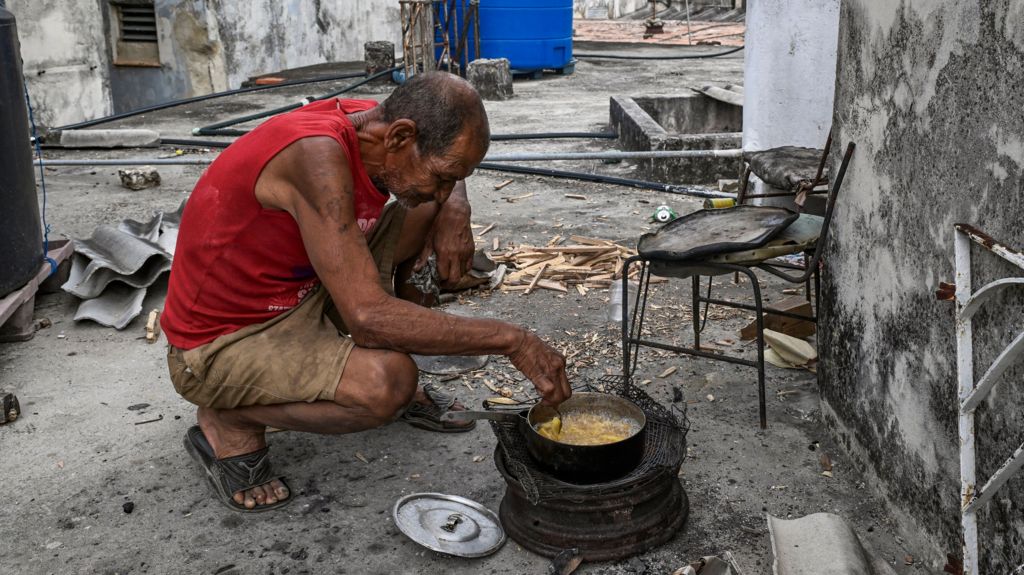
    Behind the escalating diplomatic row is a deepening humanitarian crisis inside Cuba, driven largely by an effective US oil blockade that has cut off nearly all of the island’s regular energy supplies. The last permitted Russian oil shipment to Cuba was exhausted earlier this month, and the loss of steady oil deliveries from former Venezuelan ally Nicolás Maduro—whose government fell to a US-backed raid earlier this year—has left the country with acute fuel shortages. Those shortages have triggered widespread rolling blackouts across the island that have disrupted critical services, including hospital operations, water pumping stations, public transportation networks, and municipal waste collection. When combined with already severe shortages of basic food and medicine, the energy crisis has sparked rare public protests against the Cuban government, which has overseen years of gradual infrastructure decline.

    For years, Cuba weathered broad Western sanctions with the support of regional allies, most notably Maduro’s Venezuelan government, which previously supplied an estimated 35,000 barrels of oil per day to the island. That support ended after US forces captured Maduro in a raid on Caracas earlier this year, where the former Venezuelan leader is now set to stand trial in New York on federal drug trafficking charges. The Trump administration framed that raid as justified by a prior federal indictment against Maduro, a playbook that Cuban officials fear will be repeated against their own leadership. US media has also reported that the US is preparing a federal indictment against former Cuban leader Raúl Castro, who took power from his brother Fidel Castro—the revolutionary leader who overthrew the US-backed Cuban government in 1959.

    The current escalation aligns with the Trump administration’s increasingly aggressive posture toward Latin American left-wing governments, a marked shift from the policies of recent US predecessors. Trump has openly framed his regional policy as a revival of the 1823 Monroe Doctrine, which asserts US primacy over the Western Hemisphere, rebranding the policy the “Donroe Doctrine” and explicitly naming Cuba as the “next” target after Venezuela. Since capturing Maduro, Trump has repeatedly stated he expects to “take Cuba” in the near future.

    In recent weeks, US military activity around Cuba has ramped up significantly: the *New York Times* reported Friday that surveillance flights over Cuban airspace have increased, and the US is planning a build-up of military forces in the Caribbean region. Just one day before the Axios report was published, CIA Director John Ratcliffe traveled to Havana for talks with Cuban officials, where he issued a demand that Cuba end its status as “a safe haven for adversaries in the western hemisphere.”

    Cuba and the US have held quiet talks for months to resolve longstanding bilateral tensions, but those negotiations have been sidelined by the Trump administration’s escalating pressure campaign. With energy supplies exhausted and US military momentum growing, the island now faces the dual crisis of domestic humanitarian collapse and rising risk of foreign military intervention.

  • Injured Madison Keys withdraws from French Open warmup tournament

    Injured Madison Keys withdraws from French Open warmup tournament

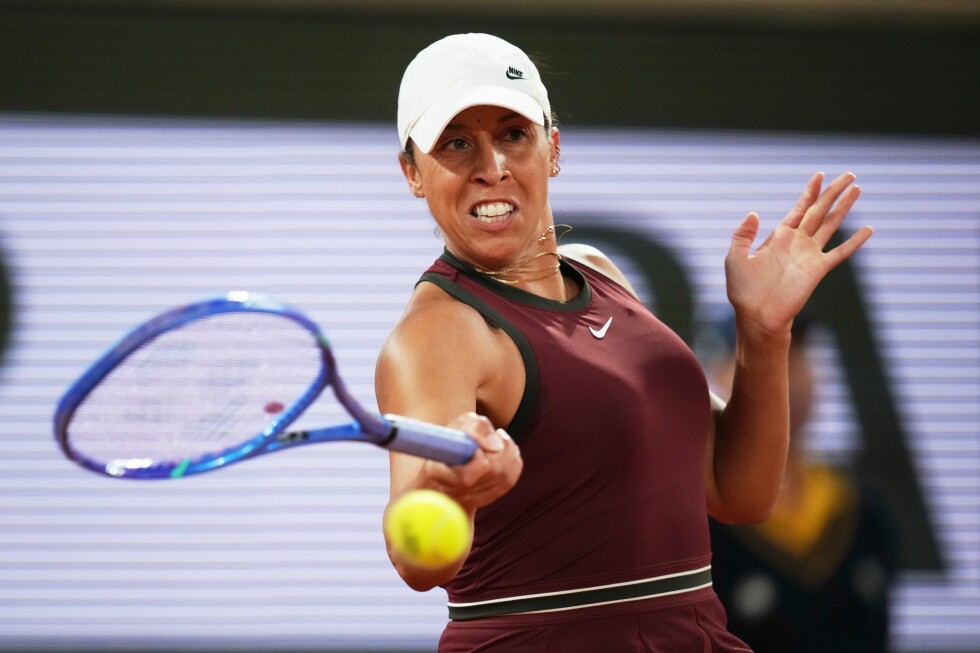
    Organizers of the Internationaux de Strasbourg, a key clay-court warm-up event for the French Open, announced Monday that American top player Madison Keys has pulled out of this year’s tournament due to a nagging left thigh injury.

    Ranked 19th in the world, Keys was not just any participant heading into this week’s competition in Strasbourg, France — she entered the event as its reigning 2024 singles champion, making her withdrawal a notable blow to the tournament’s star power. In a public statement confirming her exit, Keys explained that the choice to step back was made out of a strategic focus on getting fit in time for the year’s second Grand Slam tournament.

    “ I’ve decided it’s best to withdraw from Strasbourg to get healthy and ready to compete in Roland Garros,” Keys said.

    The 2025 French Open is set to kick off on May 24 at the iconic Roland Garros stadium in Paris, and Keys has a history of strong performances on the Paris clay. The American famously advanced all the way to the women’s singles semifinals of the clay-court Grand Slam back in 2018, cementing her reputation as a serious contender on the surface.

    Injury concerns around Keys emerged over the weekend, when she was forced to retire mid-match in the final of the Clarins Trophy on Sunday. At the time of the stoppage, Keys held a commanding 6-3, 3-3 lead over France’s home favorite Diane Parry, leaving her unable to claim that title as she was forced to prioritize recovery.

    The withdrawal leaves tournament organizers to adjust their draw, with a lucky loser or alternate set to take Keys’ place in the main draw as the event gets underway this week. For Keys and her team, the priority remains managing the minor thigh injury to avoid further setbacks ahead of the year’s most important clay-court championship.

  • After years of tension, Hungary and Ukraine hold talks on Hungarian minority rights

    After years of tension, Hungary and Ukraine hold talks on Hungarian minority rights

    Diplomatic relations between neighboring Hungary and Ukraine are poised for a potential turnaround, after the two nations’ top foreign policy officials announced Monday that high-level talks focused on securing the rights of Ukraine’s ethnic Hungarian minority will get underway as early as this week. The move marks the first concrete sign of improved relations following the April general election that ousted long-time pro-Russian Prime Minister Viktor Orbán, whose 16-year tenure left bilateral ties at a historic low.

    For years, Orbán’s nationalist-populist government refused to extend military or financial aid to Ukraine following Russia’s 2022 full-scale invasion, consistently blocked critical European Union funding for Kyiv, stalled EU sanctions on Moscow, and repeatedly threatened to derail Ukraine’s accession process to the bloc. In the lead-up to the April election, Orbán’s administration ran a harsh anti-Ukraine campaign, framing the war-torn neighboring country as an existential threat to Hungary’s economic stability and national security, claiming it would drag Hungary directly into the ongoing conflict.

    Orbán repeatedly justified his administration’s anti-Ukraine stances by pointing to long-running disputes over minority rights for the roughly 100,000-strong ethnic Hungarian community based in Ukraine’s western Zakarpattia region. Tensions over the issue flared in 2017, when Kyiv passed a new education law mandating Ukrainian as the exclusive language of instruction for all students beyond the fifth grade. Drafted primarily to curtail Russian influence in Ukrainian public life, the policy ultimately restricted education access in other minority languages, drawing widespread anger from Hungarian, Romanian and Bulgarian minority groups across western Ukraine.

    Following the landslide electoral victory of the center-right Tisza Party and its leader Prime Minister Péter Magyar, however, observers have held out hope for a major shift in Hungary’s approach to its eastern neighbor. The new administration’s break from Orbán’s pro-Moscow stance was already on display last week, when new Hungarian Foreign Minister Anita Orbán – who is not related to the former prime minister – summoned the Russian ambassador to Budapest to condemn a massive Russian drone strike on Zakarpattia. That step would have been nearly unthinkable during Orbán’s tenure, and Ukrainian President Volodymyr Zelenskyy hailed the move as an “important message” that demonstrated a clear break from the previous government’s approach.

    In a public post on X on Monday, Anita Orbán confirmed that expert-level consultations focused on resolving the long-running dispute over ethnic Hungarian minority rights will launch this week. She framed the talks as “an important foundation for the prompt and reassuring settlement of minority rights issues,” adding that she expects the dialogue to be constructive and yield tangible progress for the Hungarian community in Zakarpattia in the near term.

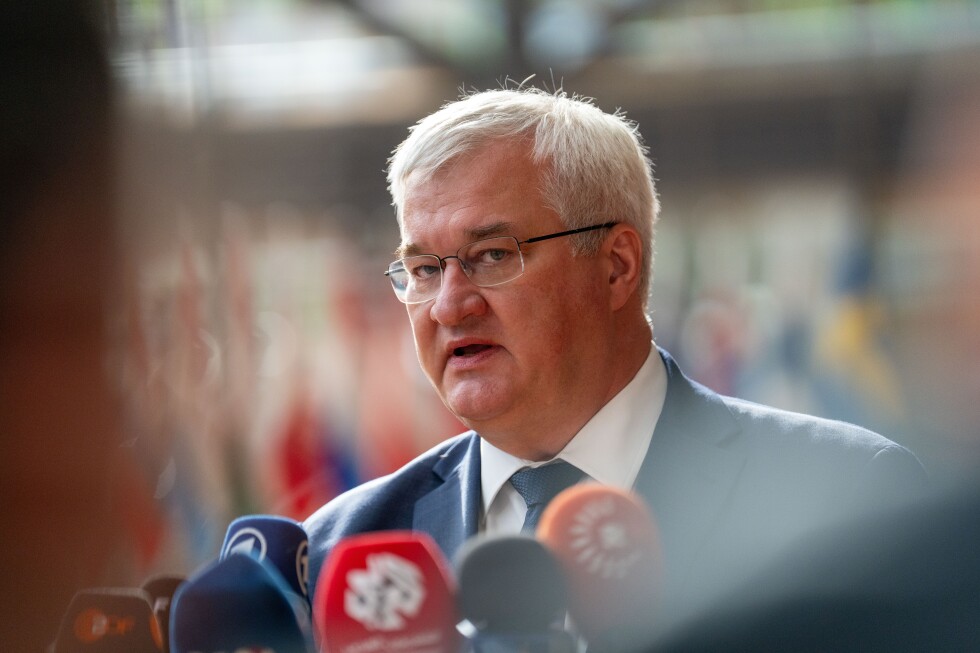
    Ukrainian Foreign Minister Andrii Sybiha echoed that optimistic tone in his own X post Monday, confirming that Kyiv is ready to move forward with a new era of cooperative relations. “We are ready to open a new, mutually beneficial chapter in Ukrainian-Hungarian relations without delay, with the aim of restoring trust and good-neighborly relations between our countries,” Sybiha wrote. He added that during a recent phone call with Anita Orbán, he thanked the Hungarian foreign minister for her government’s “principled and swift reaction to the latest Russian strikes against Ukraine.”

  • New Ebola outbreak in DR Congo: What we know

    New Ebola outbreak in DR Congo: What we know

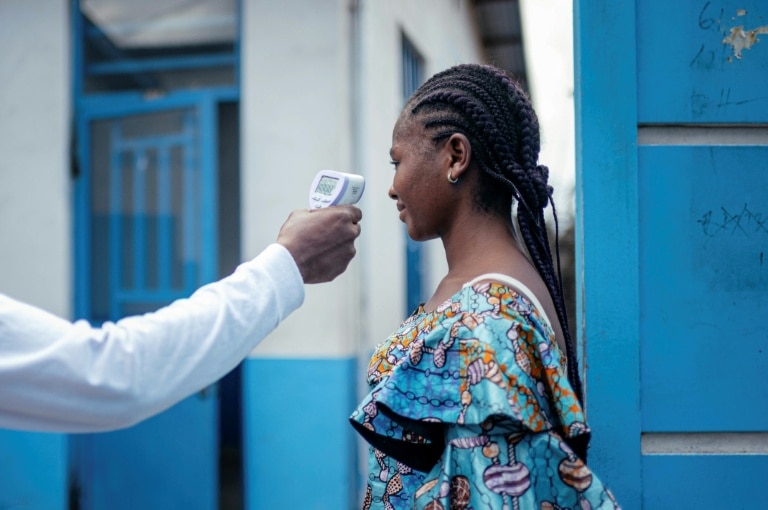
    The World Health Organization has officially designated the ongoing Ebola outbreak in the Democratic Republic of the Congo (DRC) a Public Health Emergency of International Concern (PHEIC), amid rising death tolls and growing warnings of cross-border spread across East Africa. As of the latest official update from Congolese Health Minister Samuel-Roger Kamba, the outbreak has been linked to 91 suspected deaths and approximately 350 suspected infections, with most cases affecting adults aged 20 to 39 and over 60% of cases recorded among women. To date, only a small number of suspected cases have received confirmatory laboratory testing, meaning most official counts remain preliminary.

    The epicenter of the outbreak is located in Mongbwalu health zone, northeastern Ituri province, a mineral-rich region bordering Uganda and South Sudan marked by constant population movement tied to artisanal gold mining. Large swathes of the province are also destabilized by ongoing violence from multiple armed factions, creating significant security barriers that slow the deployment of response teams and limit access to affected communities. The outbreak’s first officially recorded case was a nurse who sought care in Ituri’s capital Bunia on April 24, but local authorities were not alerted to the unusual cluster of high-mortality illness until May 5, when four healthcare workers died within four days in Mongbwalu. Delays in reporting were compounded by local community beliefs that the disease was a “mystical illness” or curse caused by witchcraft, leading many sick residents to seek treatment at religious prayer centers rather than formal medical facilities, allowing the virus to spread undetected. Initial symptoms of the Bundibugyo Ebola strain also mirror common illnesses like influenza and malaria, further delaying timely identification and isolation of cases.

    Alarmingly, the virus has already spread beyond Ituri’s borders. One suspected case has been recorded in Goma, a major eastern DRC urban hub in North Kivu province that has been controlled by the Rwanda-backed M23 rebel group since early 2023. Additionally, one confirmed Ebola case and one death have been recorded in Uganda, involving two Congolese travelers who crossed into the country from the DRC. No secondary local transmission clusters have been reported in Uganda to date, but the Africa Centres for Disease Control and Prevention has warned that neighboring East African nations face a high risk of further spread.

    A key complicating factor in the response is that the outbreak is driven by the Bundibugyo strain of Ebola, for which no approved vaccines or targeted antiviral treatments currently exist. All licensed Ebola vaccines are only effective against the Zaire strain, which has caused the largest recorded Ebola outbreaks in history. The Bundibugyo strain was first identified in 2007, when it caused a small outbreak in Uganda, and a second outbreak occurred in the DRC in 2012, with historical mortality rates ranging between 30% and 50%. Without pre-existing medical countermeasures, all current containment efforts rely on rapid case detection, isolation of infected people, rigorous contact tracing, and widespread adherence to protective hygiene measures to cut chains of transmission.

    The DRC has a long history of managing Ebola outbreaks, with this event marking the 17th recorded outbreak in the country since the virus was first co-discovered by Congolese virologist Jean-Jacques Muyembe in 1976. Even so, experts warn the current outbreak carries unique and severe risks. “It’s an outbreak that will spread very rapidly, all the more so because it has broken out in a densely populated province,” Muyembe, now head of the DRC’s national infectious disease research institute, told Agence France-Presse. If all currently suspected cases are confirmed, the outbreak will rank as the seventh-largest Ebola outbreak ever recorded across all strains, and the second-largest ever recorded involving a non-Zaire strain. Over the past 50 years, Ebola has killed more than 15,000 people across Africa. The DRC’s deadliest outbreak on record occurred between 2018 and 2020, when Zaire strain Ebola killed nearly 2,300 people across 3,500 confirmed cases. The most recent outbreak before the current event killed 45 people between September and December 2023, according to WHO data.

  • Italian minister says Modena attack raises integration concerns amid migration debate

    Italian minister says Modena attack raises integration concerns amid migration debate

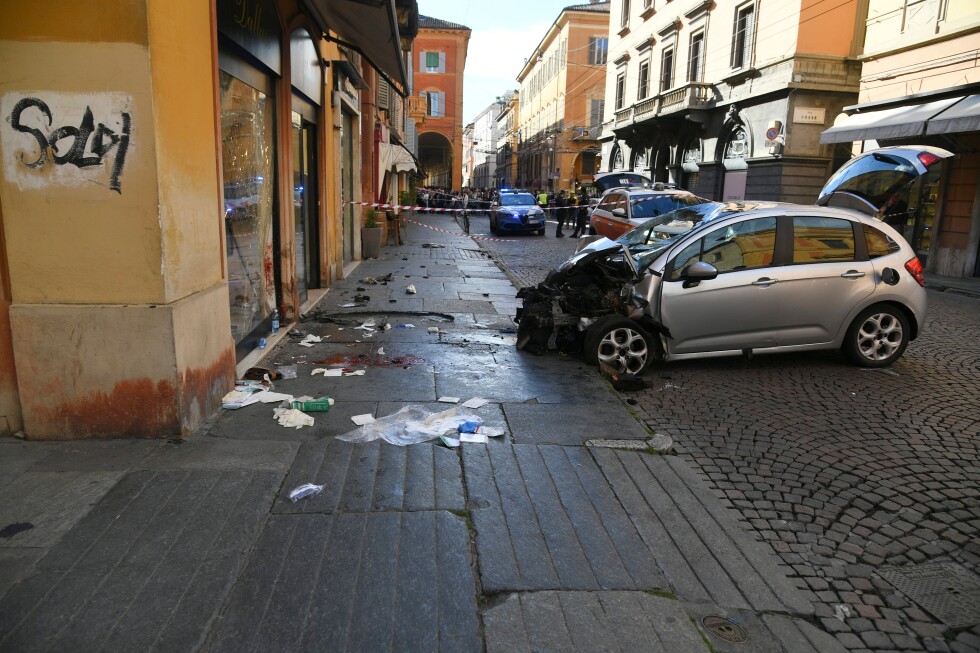
    On a recent Saturday in the northern Italian city of Modena, a violent assault left eight civilians wounded, one currently in critical, life-threatening condition, that has quickly ignited a charged national conversation around social integration, mental health, and the place of second-generation communities in Italy.

    The attacker, 31-year-old Salim El Koudri, is an Italian citizen born in the country to parents of Moroccan descent, and holds a university education. According to official accounts, he first drove his vehicle into a crowd of pedestrians before crashing into a storefront. After attempting to flee the scene, he stabbed and slightly injured a bystander with a knife, before being subdued by brave members of the public and taken into police custody. Prosecutors have formally charged him with crimes including massacre and aggravated infliction of grievous bodily harm, with a court set to rule on the validity of his arrest within hours of the interior minister’s Monday announcement.

    Speaking in an interview with Italian daily newspaper *Il Giornale* on Monday, Interior Minister Matteo Piantedosi explicitly ruled out terrorism as a motive for the assault. “At this stage, there are no elements that correspond to the classic profile of a terrorist who plans violent actions,” he stated. However, he pushed back against widespread attempts to frame the attack as the isolated action of a single person with untreated mental illness, noting that it exposes deeper, systemic societal vulnerabilities.

    Local authorities have confirmed that El Koudri received a formal diagnosis of a schizoid personality disorder in 2022, but discontinued treatment shortly after beginning care. He had also documented longstanding frustration with his employment and personal social circumstances, and investigators discovered he had sent an email to his former university containing anti-Christian insults, before issuing a later apology. Piantedosi suggested the attack may stem from personal resentment rooted in a perceived experience of systemic discrimination, while cautioning that the full investigation into the motive remains ongoing.

    The incident has thrown gasoline on already heated political debate in Italy, where migration control stands as a core policy priority for Prime Minister Giorgia Meloni’s right-wing ruling administration. Though Piantedosi acknowledged the connection to broader integration failures, he drew a clear line between the Modena attack and the government’s migration enforcement agenda, pointing out that El Koudri is a legal Italian citizen, not an undocumented migrant. “We are working on repatriations of foreign nationals who commit crimes, but here we are talking about an Italian citizen,” he explained. “This is something different.”

    He emphasized that legal status, formal citizenship, and even academic achievement do not automatically guarantee successful social integration, warning against oversimplifying the attack by reducing it solely to a psychiatric issue. “It would be superficial to deny psychiatric discomfort, just as it would be to use it to avoid a broader reflection on social and cultural fragilities,” he said.

    Political reactions have been deeply divided across the Italian political spectrum. Deputy Prime Minister Matteo Salvini, leader of the hardline anti-migrant League party, labeled El Koudri a “second-generation criminal” in a social media post, and renewed his calls for stricter border and migration controls. That characterization was immediately rejected by Foreign Minister Antonio Tajani, who pointed out that the attacker is an Italian citizen, not a foreign migrant. Tajani planned to travel to Modena on Monday to visit wounded victims in the hospital.

    Opposition politicians and local officials have pushed back against attempts to exploit the attack for political gain, rejecting attempts to tie the violence to immigration policy more broadly. Modena Mayor Massimo Mezzetti dismissed broad generalizations about foreign-born communities as “nonsense,” noting that two Egyptian migrants were among the members of the public who intervened to stop El Koudri and take him down before police arrived.

    The attack has also refocused national attention on the unique challenges faced by so-called second-generation Italians, people born and raised in Italy to immigrant parents, who often fall into gaps in the country’s citizenship and social systems. Under current Italian law, second-generation individuals are not automatically granted citizenship at birth, and must apply for status later in life. Even when they grow up, attend school, and build their lives in Italy, many continue to face persistent barriers to employment, social inclusion, and a shared sense of national identity.

    Thousands of Modena residents gathered over the weekend in the city’s central Piazza Grande to hold a public gathering in solidarity with the attack’s victims, as medical teams continue to treat the wounded, with one woman still listed in life-threatening condition as of Monday.

  • From indemnity to indispensability: China’s 125-year reversal

    From indemnity to indispensability: China’s 125-year reversal

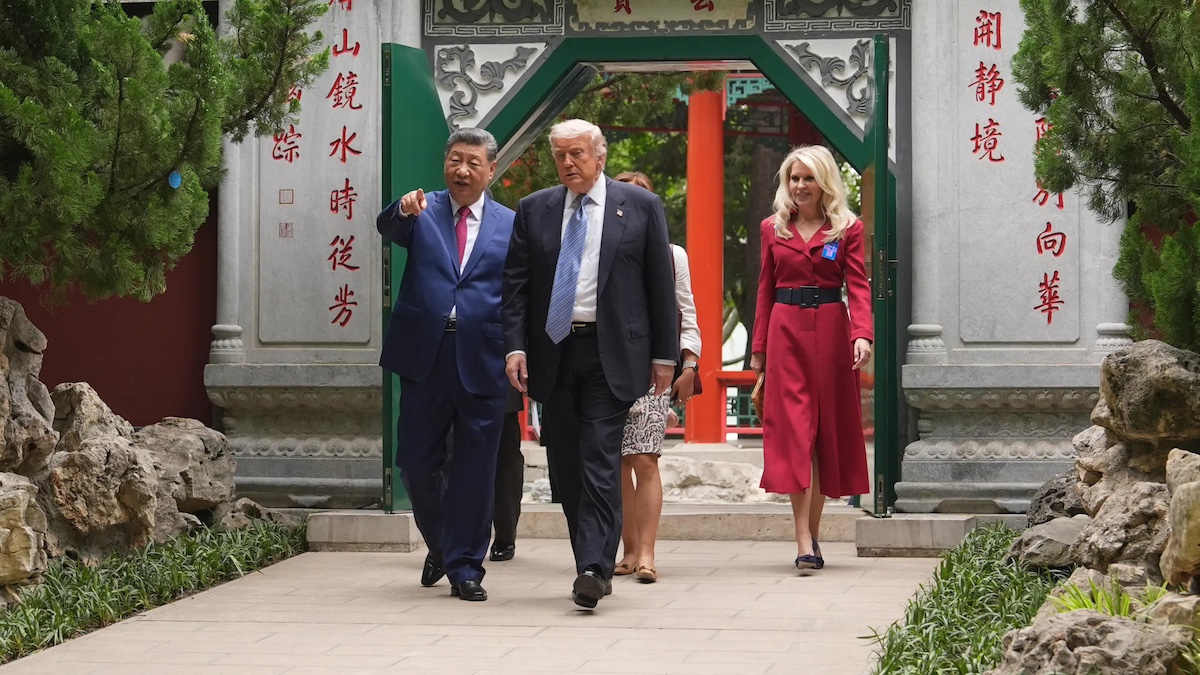
    One hundred and twenty-five years ago, in August 1900, eight foreign military powers raised their flags over occupied Beijing, marking one of the lowest points in modern Chinese history. Few in the imperial Forbidden City could have predicted that in 2026, the same capital would welcome the sitting president of the United States as an honored state guest, followed just days later by the leader of Russia — a stark reversal of power dynamics that reads like a carefully crafted historical drama.

    The 1900 invasion was led by a loose Eight-Nation Alliance of Austria-Hungary, Britain, France, Germany, Italy, Japan, Russia, and the United States. Roughly 52,000 alliance troops marched into the capital, looting and damaging the Forbidden City and the Old Summer Palace, destroying irreplaceable ancient literary collections including the *Yongle Dadian* and *Siku Quanshu*, and forcing the Qing Dynasty to sign the punitive Boxer Protocol one year later. This unequal treaty imposed crippling indemnities on China, granted extraterritorial rights to foreign powers, and allowed permanent foreign troop garrisons on Chinese soil, stripping China of core sovereign control.

    By May 2026, the geopolitical table had turned entirely. On the same Beijing soil, the same eight nations’ modern successor states watched from the sidelines as China, not foreign diplomatic missions, set the agenda for high-stakes great power diplomacy. The 2026 Trump-Xi summit stood as the complete opposite of the 1901 humiliation: it was the visiting U.S. president who offered effusive praise to Chinese leader Xi Jinping, calling him “my friend” and “tall, very tall,” while the Chinese delegation offered measured diplomatic language and made no concrete concessions on key sticking points including Taiwan, trade, fentanyl control, and artificial intelligence. In 1901, the Qing court was forced into exile in Xi’an and coerced into signing away national interests; in 2026, Air Force One departed Beijing before the U.S. president even publicly addressed the Taiwan issue.

    This contrast is not a simple moral judgment, but a structural observation of shifting global power. Where Beijing once was a conquered prize for foreign armies, it now operates as a central convening power for global diplomacy, and the long-standing pattern of great powers forcing their agendas on China has been quietly inverted.

    The 1900 Eight-Nation Alliance was never bound by a formal treaty or official declaration of war; it was only held together by a temporary convergence of anti-China interests. In 2026, the language of strategic friendship now sits firmly on Beijing’s side of the negotiating table. Xi has long referred to Russian President Vladimir Putin as a friend, having built a “no limits” strategic partnership with Moscow since 2022, marked by joint official statements, high-profile informal summits, and deepening bilateral coordination. Putin’s visit to Beijing immediately following Trump’s summit, which he explicitly framed as an opportunity to “share opinions on the contacts that the Chinese had with the Americans,” confirms that triangular great power diplomacy now runs through Beijing, not around it.

    Yet today’s asymmetric relationships mirror the 1901 asymmetries in reverse. Russia relies on China for more than one-third of its imports and one-quarter of its total exports, while Russia accounts for only 4% of China’s total trade volume — a smaller share than Vietnam. The position of the supplicant has shifted, even as the geographic stage of Beijing remains the same.

    It would be easy to frame this historical arc as a story of unbroken linear ascent for China, but the underlying data tells a more nuanced story. Arguments that China has reached its economic and demographic peak draw on hard evidence: a national fertility rate of just 1.0 in 2025, a fourth consecutive year of population decline, a growing share of young Chinese people reporting no desire to have children, and 2021 marking the highest point of China’s nominal GDP convergence with the United States. The Belt and Road Initiative has faced stalled progress in multiple partner countries, unforgiving demographic headwinds persist, and China’s global cultural soft power remains modest by standard international metrics.

    The 2026 back-to-back summits in Beijing therefore capture not a permanent new global order, but a specific, possibly peak moment where China’s industrial scale, deliberate diplomatic patience, and the relative disorganization of its global competitors have converged. The Eight-Nation Alliance arrived at a historic low point for China; today’s summits are taking place at, or very near, a historic high. Both moments are snapshots of a particular time, not permanent destinies.

    Three key conclusions emerge from this historical comparison. First, national sovereignty is now the default starting point for all global negotiations, rather than a prize to be won. The 1901 Boxer Protocol made Chinese sovereignty conditional on foreign approval; the 2026 Beijing summits take full Chinese sovereignty as an unchallenged given. Any future regional order in Asia will be negotiated between sovereign equal states, or it will not emerge at all — regardless of which great power is ascendant in any given decade.

    Second, personality-driven diplomacy has clear limits for all parties. Trump’s bet on personal charm yielded only vague non-binding commitments around Boeing aircraft purchases and soybean exports, which Beijing declined to confirm in any detail. This lesson is not limited to U.S. partisan politics, but is a procedural reality: centralized governance systems reward structured preparation, not off-the-cuff improvisation, regardless of whether a visiting leader comes from Washington, Moscow, or Tokyo.

    Third, the window for China’s current strategic advantage is narrower than triumphalist narratives suggest. If current demographic and economic growth trends hold, the broad strategic latitude China enjoys in 2026 may not still exist by 2046. This reality calls for strategic patience from all major capitals: for Beijing, the best long-term strategy is to exercise restraint while it holds advantageous cards, and for Washington, the most effective response is consistent institutional competence rather than performative political spectacle.

    History reminds us that the 1900 Eight-Nation Alliance dissolved within just a year of its victory, as it never had a binding formal framework to hold it together. Coalitions assembled for a single moment rarely outlast that moment. The same caution applies to every strategic partnership, whether it is the Sino-Russian alignment, transpacific relations, or any other cooperation that looks unbreakable in the glow of a state banquet. The most reliable lesson of history, from 1901 to 2026, is that a single photo of leaders on a palace steps never tells the full story.

  • At least six Americans exposed to Ebola in DR Congo, US media report

    At least six Americans exposed to Ebola in DR Congo, US media report

    A growing Ebola outbreak in the eastern Democratic Republic of the Congo has been designated a Public Health Emergency of International Concern by the World Health Organization, triggering global alerts as health authorities race to contain the spread of a strain with no approved countermeasures. Multiple sources close to the situation have confirmed to CBS News, the United States partner of the BBC, that at least six American citizens have been exposed to the virus within DRC borders.

    Of the six exposed individuals, one has already begun showing characteristic Ebola symptoms, while three others are classified as having had high-risk exposure. Health officials have not yet confirmed whether any of the group have developed active infections. The U.S. Centers for Disease Control and Prevention has announced it is facilitating the safe evacuation of a small cohort of directly affected American nationals, but has declined to confirm the exact number of people being moved.

    According to the latest official data collected by WHO, the outbreak, centered in DRC’s Ituri province, has already been linked to 336 suspected cases and 88 confirmed deaths. The current outbreak is driven by the Bundibugyo strain of Ebola, a variant for which no licensed vaccines or targeted antiviral treatments have been approved for widespread use. Beyond DRC’s borders, the CDC has confirmed two cases and one fatality in neighboring Uganda, marking the first cross-border spread of the current outbreak.

    U.S. officials are working to arrange transportation for the exposed American group to a secure quarantine facility, senior sources told health news outlet STAT. The outlet further reports that unconfirmed plans under consideration would move the group to a U.S. military base in Germany for monitoring, though no final decision has been announced. During a press briefing held Sunday, CDC officials declined to respond to direct questions about the affected U.S. citizens, but emphasized that the overall risk of widespread Ebola transmission within the United States remains low. In line with the escalating risk, the U.S. State Department has issued a Level Four travel advisory – its highest warning level – urging all U.S. citizens to avoid non-essential and essential travel to DRC entirely.

    While WHO has designated the outbreak a PHEIC, the agency confirmed the event does not yet meet the criteria to be classified as a pandemic. Still, WHO officials have issued stark warnings that the actual scope of the outbreak is likely far larger than current detected and reported case numbers, with substantial risk of further local and regional spread across central Africa.

    The 2014-2016 West African Ebola outbreak remains the deadliest recorded event since the virus was first discovered in 1976, with more than 28,600 confirmed infections and 11,325 deaths across multiple countries in West Africa and beyond, including the U.S., United Kingdom, and Italy.

    Jean Kaseya, Director General of the Africa Centres for Disease Control and Prevention, emphasized that without targeted vaccines or effective treatments, adherence to basic public health protocols is the most critical line of defense. He specifically highlighted the risk of transmission during traditional community funeral practices, which drove widespread transmission in the early stages of the 2014-2016 outbreak, when communities frequently handled the bodies of deceased loved ones during washing and burial rituals. “We don’t want people infected because of funerals,” Kaseya told BBC World Service’s *Newsday* program.

    WHO has issued formal guidance to DRC and Uganda, the two countries with confirmed cases, calling for reinforced cross-border health screenings to stop the virus from expanding into new territories. The agency has also urged all neighboring countries to immediately enhance outbreak preparedness and surveillance capacity, including expanded monitoring at health facilities and community-level tracking. In response, neighboring Rwanda has already announced it will tightening screening protocols along its shared border with DRC as a proactive precautionary measure.

    Ebola is a rare but extremely severe viral infection that carries a high mortality rate. Four known species of Ebola virus can cause human outbreaks, and the current strain is the Bundibugyo variant. Historically, Bundibugyo outbreaks have recorded an approximately 30% mortality rate among confirmed cases.

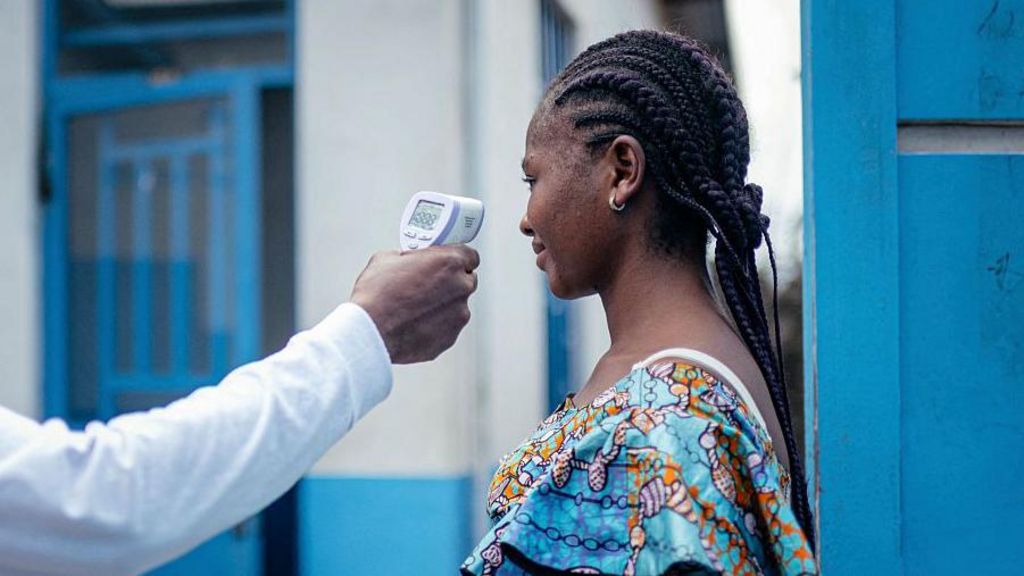
    Transmission occurs between humans through direct contact with infected bodily fluids, including blood, vomit, and other secretions. Symptoms develop between 2 and 21 days after exposure, beginning with flu-like signs such as fever, headache, and fatigue. As the infection progresses, patients develop vomiting, diarrhea, organ failure, and in some cases, internal and external bleeding. Outbreaks typically originate when an initial human patient contracts the virus from an infected wild animal host, most commonly fruit bats. While effective vaccines exist for the more common Zaire Ebola strain, no comparable products are approved for use against Bundibugyo.