博客

  • Taiwan leader says ‘foreign forces’ cannot decide island’s future

    Taiwan leader says ‘foreign forces’ cannot decide island’s future

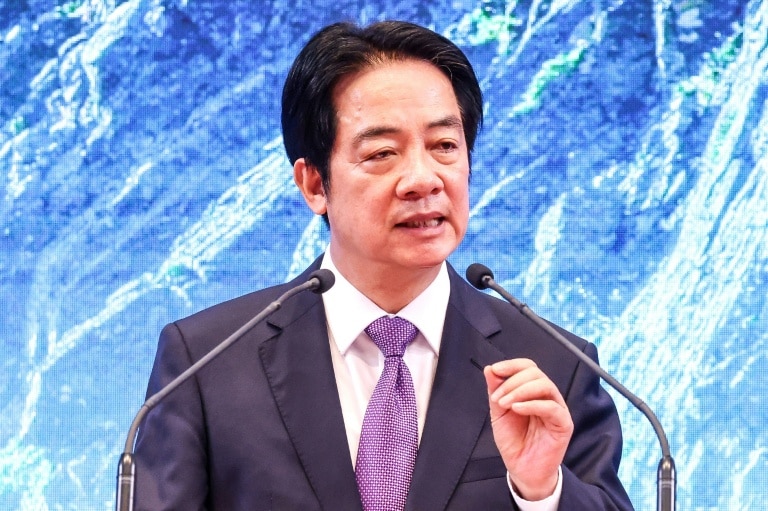
    In a carefully calibrated address marking the second anniversary of his administration on Wednesday, Taiwan’s leader Lai Ching-te delivered a clear, unwavering message: the democratic island’s future will not be dictated by outside forces, even as cross-Strait tensions and shifting U.S. policy rhetoric create new uncertainty across the Indo-Pacific region.

    Lai’s comments come on the heels of controversial remarks from former U.S. President Donald Trump, who recently floated the idea of using long-standing U.S. arms sales to Taiwan as a negotiating leverage with Beijing during conversations following his state visit to China last week. During that visit, Chinese President Xi Jinping pressed Trump to end all U.S. support for Taipei, a demand that has sent ripples through regional security circles. Beijing has for decades claimed Taiwan as an inalienable part of its territory and has repeatedly threatened to take the island by force if it formally declares independence. For decades, Washington has backed Taipei under the One China policy while providing critical security assistance to help Taiwan deter potential aggression, a framework that is now facing new questions after Trump’s comments.

    In his speech, Lai pushed back against both external interference and internal uncertainty. “Taiwan’s future cannot be decided by foreign forces, nor can it be held hostage by fear, division, or short-term interests,” he stated. Echoing the island’s long-standing framing of cross-Strait tensions, Lai repeated the position that China is the ultimate root cause of regional instability in the Taiwan Strait, and characterized U.S. arms sales as a legitimate, legally grounded commitment to defending the island’s democratic system.

    The Taiwanese leader emphasized that his administration has been ramping up defense outlays with a clear, defensive goal: preventing conflict, not provoking one. “Threats are greater than ever before,” Lai noted, adding that “Taiwan must have the capability to protect itself and to uphold peace and stability in the Taiwan Strait.” While he expressed openness to constructive, equal-footed exchanges with Beijing, Lai drew a firm line on core interests, stressing that “we will not sacrifice our sovereignty and democratic way of life.”

    Since Trump returned to the White House, his administration has pressured Taiwan to significantly increase its own defense spending and expand economic investment in the United States, a shift that has pushed Taipei to accelerate military modernization efforts. Despite billions of dollars poured into upgrading domestic military capabilities and building up a local defense industry, the island still remains heavily dependent on U.S. supplies of advanced, high-technology weaponry that would be indispensable in any conflict with China.

    Just recently, Taiwan’s legislature approved a landmark $25 billion defense spending package earmarked specifically for the procurement of U.S. arms. According to local legislative accounts, the fund will cover nearly $9 billion of the $11.1 billion arms deal Washington announced last December, as well as set aside resources for a second phase of proposed sales worth roughly $15 billion that has not yet received final U.S. approval.

    For his part, Trump has called for both Beijing and Taipei to de-escalate tensions, noting that he will make a final decision on the pending arms sales package “over the next fairly short period of time.” He has also raised the possibility of holding a direct phone call with Lai, a move that would represent a major break from decades of U.S. diplomatic protocol. Washington cut formal diplomatic ties with Taipei in 1979 when it switched recognition to Beijing, and any high-level official contact between a U.S. president and a Taiwanese leader would almost certainly trigger a severe rupture in U.S.-China relations.

    Lai addressed the prospect of this conversation directly on Wednesday, saying that if the call goes forward, he will make clear that his administration remains committed to upholding the cross-Strait status quo, and that it is Beijing that has systematically undermined peace and stability in the region. In the days following Trump’s comments on arms sales, Lai’s government has launched a public outreach effort to reassure both domestic audiences and international partners that long-standing U.S. policy toward Taiwan remains unchanged, and that Trump made no binding commitments to Beijing to restrict arms sales during his Beijing visit.
  • Trump brags his ballroom to be topped by ‘greatest drone empire’

    Trump brags his ballroom to be topped by ‘greatest drone empire’

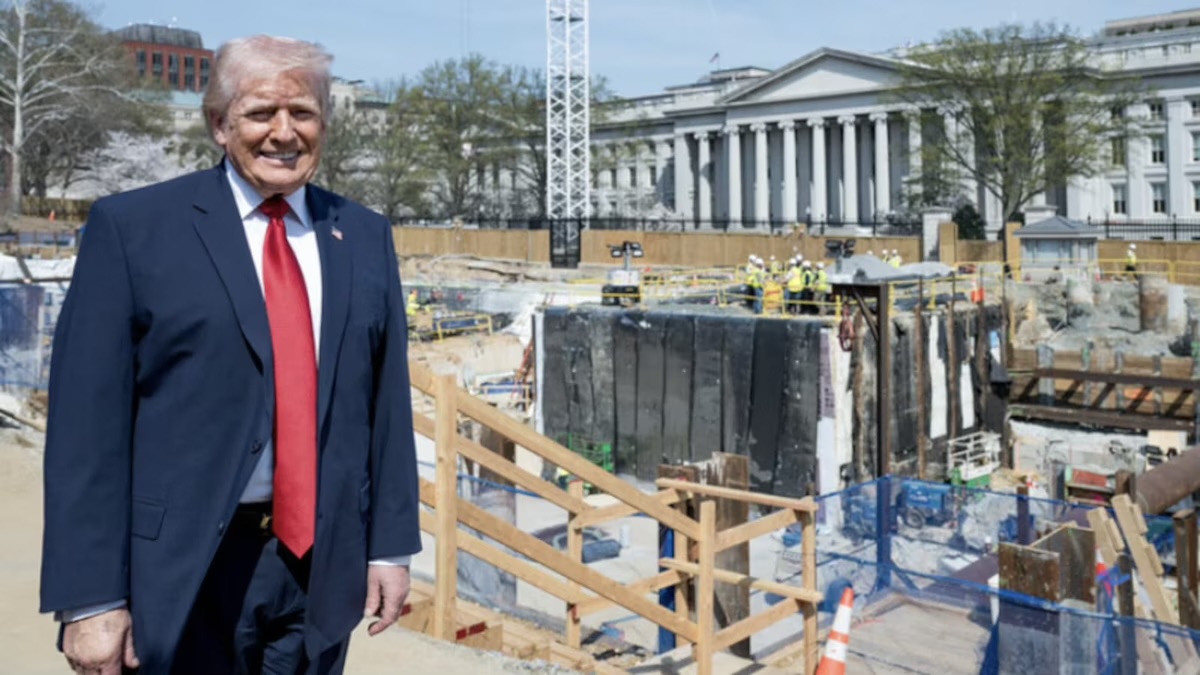
    Facing sagging approval ratings that have dropped to the lowest point of his second term in recent public polling, former and current U.S. President Donald Trump used a Tuesday press briefing outside the White House to pivot public attention to the ongoing construction of a luxury ballroom on White House grounds, where he highlighted its unexpected integrated military defense features.

    During the exchange with reporters, Trump opened with praise for the planned venue, claiming it will stand as one of the most impressive facilities of its kind once completed. He then centered his remarks on the ballroom’s defensive capabilities, focusing particularly on rooftop drone infrastructure. “On top of the roof, we’re gonna have the greatest drone empire that you’ve ever seen,” Trump told reporters, adding that the system will serve a protective role for the entire city of Washington, D.C.

    When pressed by a reporter to offer more detail on the venue’s hidden security features, Trump expanded on the underground components of the construction project. He described the sub-surface sections as far more technically complex than the above-ground ballroom, noting that unseen lower levels house critically important facilities that the U.S. military seized the rare opportunity to develop. “Because what you don’t see are the floors that are beneath here. And they have very, very important rooms down there, very, the most important. This was the one opportunity for the military to do something,” Trump said.

    Trump added that construction is progressing ahead of the original timeline, and confirmed the venue will feature a fully sealed, drone-proof roof that doubles as a drone port capable of accommodating an unlimited number of unmanned aerial vehicles, a technology he emphasized is increasingly central to modern security operations.

    Beyond the ballroom announcement, Trump doubled down on dismissing widespread public concern over the economic fallout of his unauthorized military conflict with Iran, which has driven U.S. gasoline prices to a national average of $4.53 per gallon as of Tuesday and pushed overall inflation to its highest level since 2023. Framing the higher energy costs as a minor trade-off, Trump told reporters, “This is peanuts… And I appreciate everybody putting up with it for a little while, it won’t be much longer… But I don’t even think about that. What I think about is you can’t let Iran have a nuclear weapon, and they won’t have a nuclear weapon.”

    Notably, there is no verified evidence to support Trump’s claim that Iran was close to developing a nuclear weapon when he launched military operations against the country in late February without the required congressional authorization for war. Just one month prior, U.S. Director of National Intelligence Tulsi Gabbard testified under oath before the Senate Select Committee on Intelligence that Iran’s nuclear weapons program had already been completely destroyed in U.S.-led airstrikes the previous year, and that no efforts to rebuild the country’s uranium enrichment capability had been detected in the time since.

    Trump’s showcase of new defense-related infrastructure also comes just days after an anonymous White House official leaked an unsubstantiated claim to media outlets that Cuba was preparing to launch a drone attack on the U.S. — an allegation that was widely mocked and dismissed by both the Cuban government and independent policy analysts as absurd.

    The president’s Tuesday press briefing followed a major announcement he made Monday on his Truth Social platform, where he revealed he had agreed to delay a planned large-scale military attack on Iran at the formal request of three top Gulf Cooperation Council leaders. In his post, Trump wrote that he had been asked by Qatari Emir Tamim bin Hamad Al Thani, Saudi Crown Prince Mohammed bin Salman Al Saud, and United Arab Emirates President Mohamed bin Zayed Al Nahyan to call off the strike, which had been scheduled for Tuesday, to allow for ongoing diplomatic negotiations to move forward. The leaders have expressed confidence that a negotiated agreement acceptable to both the U.S. and all regional and global stakeholders can be reached, Trump added.

    Highlighting the core non-proliferation demand of the U.S., Trump emphasized in his post that any final deal will include a critical provision barring Iran from ever developing nuclear weapons. He went on to confirm that out of respect for the allied leaders, he has directed Secretary of War Pete Hegseth, Joint Chiefs of Staff Chairman General Daniel Caine, and the entire U.S. military to stand down from the scheduled attack. However, he added that U.S. forces remain on high alert and ready to launch a full-scale offensive against Iran at a moment’s notice if negotiations fail to produce an acceptable agreement.

    Reacting to Trump’s announcement on X (formerly Twitter), Trita Parsi, co-founder and executive vice president of the Quincy Institute for Responsible Statecraft, offered a measured assessment of the development. Parsi concluded that “once again, Trump has realized that escalation will end up badly for the U.S. That does not necessarily mean, though, that the necessary realism, discipline and creativity will be mustered for the talks.”

  • Putin, Xi to underscore alliance strength after Trump visit

    Putin, Xi to underscore alliance strength after Trump visit

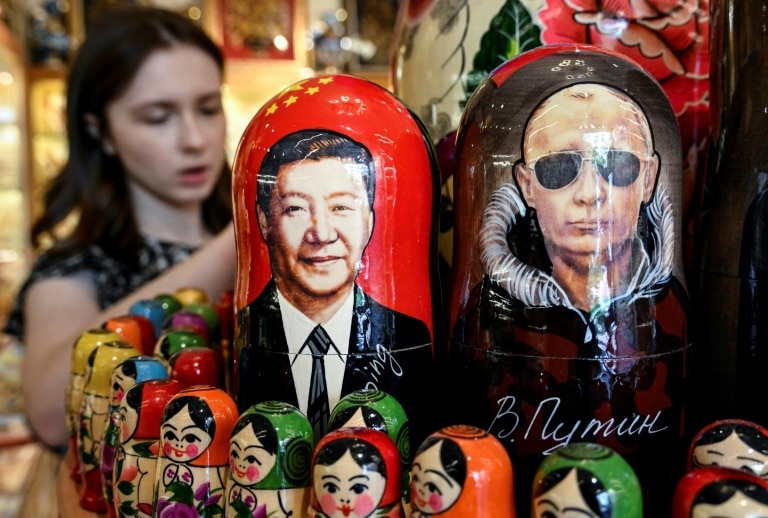
    Just days after former U.S. President Donald Trump wrapped up his high-profile visit to Beijing, Russian President Vladimir Putin touched down in the Chinese capital this Wednesday for high-stakes talks with Chinese President Xi Jinping — a meeting framed to showcase the unwavering strength of the bilateral strategic partnership amid shifting global geopolitics.

    Trump’s trip last week was marked by elaborate ceremonial pomp, but ended without major breakthroughs on key issues, most notably Chinese assistance to reopen the critical Strait of Hormuz, which has been closed amid ongoing conflict in the Middle East. For Putin, the visit comes at a challenging juncture: years of conflict in Ukraine and sweeping Western sanctions have significantly squeezed Russian energy export revenues, leaving Moscow increasingly economically dependent on Beijing, which has emerged as the primary buyer of sanctioned Russian crude.

    The disruption to global energy supplies caused by the Iran conflict has opened a new window of opportunity for Moscow to court energy-hungry China, and observers widely expect Putin to use the summit to push for accelerated progress on the long-planned Power of Siberia 2 natural gas pipeline. The project, which will carry Russian gas to China via Mongolia, would offer Beijing a land-based alternative to seaborne energy imports from the Middle East, aligning with both nations’ goals of diversifying supply chains away from Western-aligned markets. Back in April, Russian Foreign Minister Sergei Lavrov noted after meeting Xi that Moscow stood ready to “compensate” for any Chinese energy shortages triggered by Middle East supply disruptions.

    In a pre-visit video address released to the Chinese public on Tuesday, Putin emphasized that bilateral ties have reached “a truly unprecedented level”, highlighting that cross-border trade continues to expand. “The close strategic relationship between Russia and China plays a major, stabilising role globally. Without allying against anyone, we seek peace and universal prosperity,” Putin said, in a thinly veiled reference to shared opposition to U.S. global hegemony.

    Under the current era of increasingly unpredictable U.S. foreign policy under the Trump administration, Beijing has moved to shore up strategic alliances with global powers, and Russia has emerged as its closest partner. Ties between Moscow and Beijing have deepened dramatically since Russia launched its full-scale invasion of Ukraine in 2022; with Western nations cutting diplomatic and economic ties with Moscow, Putin has traveled to Beijing annually to strengthen cooperation, and Xi has repeatedly welcomed the Russian leader as an “old friend” — a warm designation he did not extend to Trump during the U.S. president’s visit last week.

    According to the Kremlin, Wednesday’s meeting will kick off with formal welcoming ceremonies, followed by closed-door talks before the two sides sign a joint statement outlining expanded cooperation. Unlike Trump’s visit, which was dominated by large-scale public ceremonial displays, Putin’s meeting will be held in a far more intimate setting, reflecting the deep familiarity and trust between the two leaders. “The Xi-Putin relationship does not require that kind of performative reassurance” that marked Trump’s reception, explained Patricia Kim, a foreign policy expert at the Washington-based Brookings Institution. Both leaders view their bilateral bond as “structurally stronger and more stable” than China’s relations with the United States, she added.

    Ahead of the talks, analysts note that Xi is expected to brief Putin in detail on the outcomes of his recent summit with Trump. The lack of tangible breakthroughs from that meeting is likely a relief for Moscow, as it eliminates any risk that Beijing struck a deal with Washington that would undermine core Russian interests, Kim noted.

    Putin is also traveling to Beijing seeking to lock in deeper Chinese economic commitment, particularly after Trump claimed during his visit that Beijing had agreed to buy more U.S. oil to meet what he called its “insatiable” appetite for energy. With Moscow heavily reliant on Chinese energy purchases to fund its war effort in Ukraine, “Putin does not want to lose that support,” said Lyle Morris, an Asia security expert at the Asia Society. Morris added that Putin will also be eager to learn Beijing’s stance on Middle East policy, after Trump signaled he expects China to take a leading role in resolving the regional standoff.

    Still, analysts point out that China and Russia may hold differing priorities when it comes to the ongoing U.S.-backed conflict in Iran. China’s economy is heavily dependent on open navigation through global key shipping lanes, so Beijing strongly prefers an early end to the standoff in the Strait of Hormuz, explained James Char, a security analyst at Singapore’s Nanyang Technological University. For Russia, by contrast, the conflict has delivered economic benefits: higher global energy prices have allowed Moscow to sell more sanctioned oil at premium rates, meaning it may have less incentive to push for a quick de-escalation.

    Beijing has maintained its long-stated neutral position on the Ukraine conflict, repeatedly calling for negotiated peace while never publicly condemning Russia’s military operation. While Trump and Xi discussed Ukraine during last week’s summit, those talks also ended without any major progress, mirroring the lack of breakthrough on the Strait of Hormuz.

  • Help wanted: Australian conservation group seeks new koala rescue dog

    Help wanted: Australian conservation group seeks new koala rescue dog

    After a decade of life-saving service that cemented his legacy as one of Australia’s most extraordinary animal heroes, Bear the koala detection dog has officially hung up his working collar, leaving the International Fund for Animal Welfare (IFAW) on the hunt for a worthy successor to continue his critical conservation work. Over his 10-year career, Bear became a global icon for his unparalleled work rescuing vulnerable koalas, particularly during the devastating 2019-2020 Black Summer bushfires that tore through Australia’s eastern coast. In that catastrophic event alone, his sharp nose and relentless dedication helped locate more than 100 koalas stranded in burned, damaged habitats, giving the vulnerable marsupials a second chance at survival and recovery.

    Josey Sharrad, head of programs for IFAW Oceania, noted that Bear established an unmatched gold standard for koala rescue detection dogs, saying his departure leaves enormous paw prints to fill. The organization is now launching a search to find a new full-time working dog that can step into Bear’s role, continuing the mission of protecting Australia’s iconic, increasingly endangered koala population.

    In a unique twist that amplifies the goodwill of the mission, IFAW is only accepting applications from rescue dogs currently waiting for permanent homes. The organization frames the model as a true win-win: it gives a shelter dog that may struggle to find a loving home a second chance at a purposeful new life, while also advancing urgent conservation work to protect koalas.

    Russell Miller, Innovation for Conservation director and long-time handler of detection dogs, explained the specific traits the organization is looking for in the ideal candidate. The perfect recruit will be a high-energy dog with what IFAW describes as an “obsessive” personality — a trait that often makes these dogs harder to place in permanent pet homes, but that makes them exceptionally effective at tracking scents during search and rescue work. Additional key attributes include a natural love of play, steady confidence, and a gentle temperament around other animals, a requirement critical for working safely with stressed, injured koalas.

    Size also matters for the role, IFAW’s job posting specifies: the candidate needs to be medium-sized, large enough to navigate rough, dense bushland without difficulty, but small enough that handlers can easily carry them out of difficult terrain when required.

    Initial candidate assessments are being held on Queensland’s Sunshine Coast in eastern Australia, but the organization is also accepting video applications from prospective candidates across the country.

    For his years of service, Bear leaves retirement with a long list of well-earned accolades, including winning Animal of the Year and Australian Dog of the Year from Puppy Tales Photos. His retirement comes as koala populations across eastern Australia continue to face ongoing threats from habitat loss, extreme weather events driven by climate change, and land development, making the work of koala detection dogs more critical than ever to conservation efforts.

  • Torrential rain and floods batter China, killing at least 12 and forcing mass evacuations

    Torrential rain and floods batter China, killing at least 12 and forcing mass evacuations

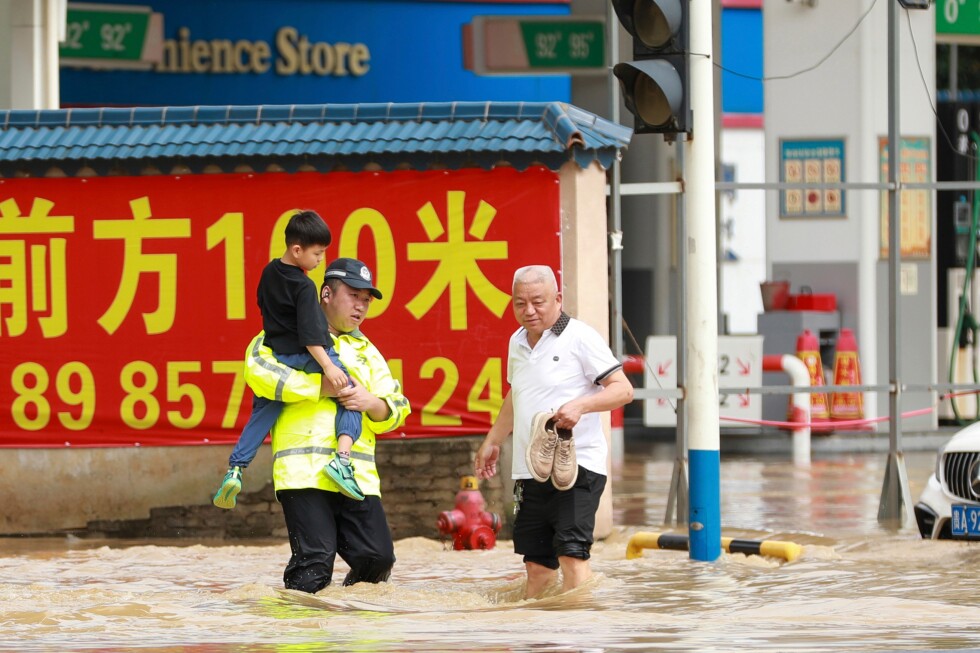
    Deadly flash flooding triggered by record-breaking torrential downpours has swept across multiple regions of China this week, leaving a trail of destruction that has claimed at least 12 lives and forced tens of thousands of residents to flee their homes, according to Chinese state media reports.

    In the central Chinese province of Hunan, Shimen County has borne the brunt of the extreme weather. As of Wednesday, official broadcaster CCTV confirmed five fatalities in the county, with 11 more people still unaccounted for. Large-scale search and rescue operations are currently ongoing to reach trapped residents and locate the missing. By Tuesday evening, local authorities had already relocated more than 19,000 residents from high-risk flood zones, state news agency Xinhua reported.

    Meteorological data shows Shimen County recorded a staggering 339 millimeters (roughly 13 inches) of cumulative rainfall over the 24-hour period ending at 7 a.m. Monday. One township within the county saw 240 millimeters (around 9 inches) of rain fall in just a few hours, a total that shatters all historical rainfall records for the area.

    Neighboring Hubei province has also been hit hard by the extreme weather. Xinhua’s on-ground reports show major urban streets transformed into rushing brown rivers, forcing rescue teams to deploy inflatable boats to extract residents trapped by rising floodwaters. Dozens of properties have been submerged or completely collapsed by the force of the flood. As of Tuesday morning, Hubei had recorded three fatalities, with four additional people reported missing.

    In southwestern China’s Guizhou province, another wave of severe flooding has caused further casualties. CCTV reported Tuesday that four people have been confirmed dead in Guizhou, with five more still missing. The disaster has damaged critical local infrastructure: hundreds of homes have been inundated, key road networks have been washed out, and cellular communications have been cut off in hard-hit areas. More than 3,700 local residents have been relocated to emergency shelters to escape the floodwaters, per Xinhua’s data.

    In a separate weather-related incident in the southern autonomous region of Guangxi, 10 people died Saturday when a pickup truck was swept off a bridge by flood-swollen waters, Xinhua confirmed.

  • Somaliland recognises Jerusalem as capital of Israel, will open embassy

    Somaliland recognises Jerusalem as capital of Israel, will open embassy

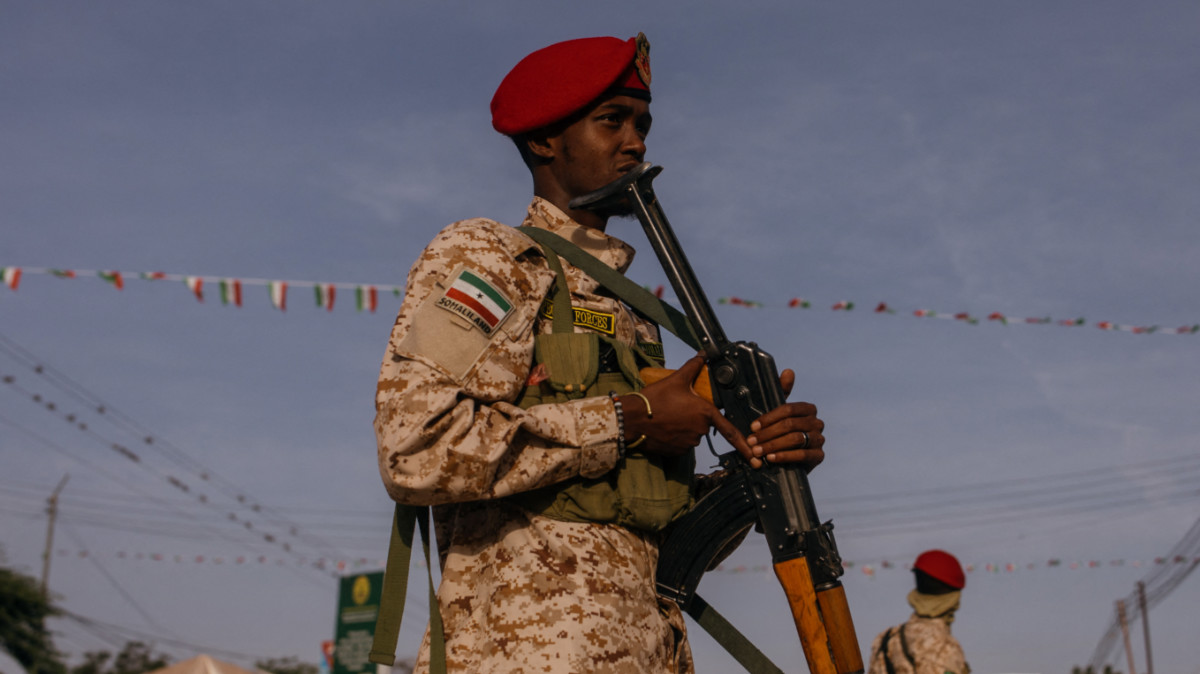
    In a move that is reshaping geopolitical dynamics across the Horn of Africa and the Middle East, the unrecognised autonomous state of Somaliland and Israel have unveiled plans to open reciprocal embassies, with Somaliland locating its diplomatic mission in Jerusalem — a highly contentious decision under international law.

    Mohamed Hagi, Somaliland’s ambassador to Israel, confirmed the development in a Tuesday statement, noting that the reciprocal embassy openings reflect deepening ties built on growing friendship, mutual respect, and strategic cooperation between the two polities. Israel’s embassy will be hosted in Hargeisa, Somaliland’s de facto capital. The announcement comes just months after Israel made history in December 2025 as the first United Nations member state to formally recognise Somaliland’s 34-year claim to independence from Somalia.

    Somaliland first unilaterally declared independence from Somalia in 1991 following the collapse of the Siad Barre regime, and has functioned as a de facto autonomous state ever since, though it has not secured formal recognition from any UN member state prior to Israel’s decision. The territory holds enormous strategic significance: it sits just 30 kilometers south of the Bab el-Mandeb Strait, the critical narrow waterway linking the Red Sea and the Gulf of Aden that carries roughly 10 percent of global maritime trade each year.

    As part of the agreement for Israeli recognition, Somaliland has committed to joining the Abraham Accords, the 2020-2021 US-brokered framework that normalized diplomatic relations between Israel and four Arab states: the United Arab Emirates, Bahrain, Morocco, and Sudan. Sudan’s normalization agreement remains stalled and unratified amid the country’s ongoing civil conflict.

    The diplomatic breakthrough has already triggered fierce pushback from across the Arab and Muslim world, where leaders have long opposed any expansion of Israeli influence in the strategically vital Horn of Africa, particularly through engagement with an unrecognised secessionist entity. Jerusalem’s status remains one of the most contentious issues in the Israeli-Palestinian conflict: under international law, East Jerusalem is classified as occupied Palestinian territory, seized by Israel from Jordan during the 1967 Six-Day War. Prior to this announcement, Kosovo was the only Muslim-majority state to locate its embassy in Jerusalem, a move that mirrors Somaliland’s own status as a disputed secessionist entity — Kosovo’s 2008 independence declaration from Serbia is recognised by the US but rejected by China and Russia.

    Beyond formal diplomatic ties, reports indicate that senior Somaliland officials have held discussions about hosting an Israeli military base on Somaliland territory, a plan that would dramatically expand Israel’s regional military footprint. This development was previously denied by Somaliland’s foreign ministry, but talks have resumed following Israeli recognition. A military presence in Somaliland would place Israeli forces within striking distance of Yemen’s Houthi movement, which has launched repeated attacks on Red Sea shipping in recent months, framing the actions as retaliation for Israel’s military campaign in Gaza.

    The new partnership between Israel and Somaliland also aligns with Israel’s already deepening security cooperation with the United Arab Emirates, a long-time backer of Somaliland that maintains its own military base at the strategic Somaliland port of Berbera. In recent months, Israel deployed Iron Dome air defense batteries to the UAE amid escalating Iranian missile and drone attacks on Gulf targets, and Israeli Prime Minister Benjamin Netanyahu confirmed he visited the UAE during the Gaza war. Middle East Eye reported Monday that the two countries have also agreed to establish a joint fund for coordinated defense acquisitions. Unlike many other Gulf states, including Saudi Arabia and Qatar, the UAE has refused to join regional condemnations of Israel’s recognition of Somaliland.

  • Man who murdered teen TikTok star in Pakistan gets death sentence

    Man who murdered teen TikTok star in Pakistan gets death sentence

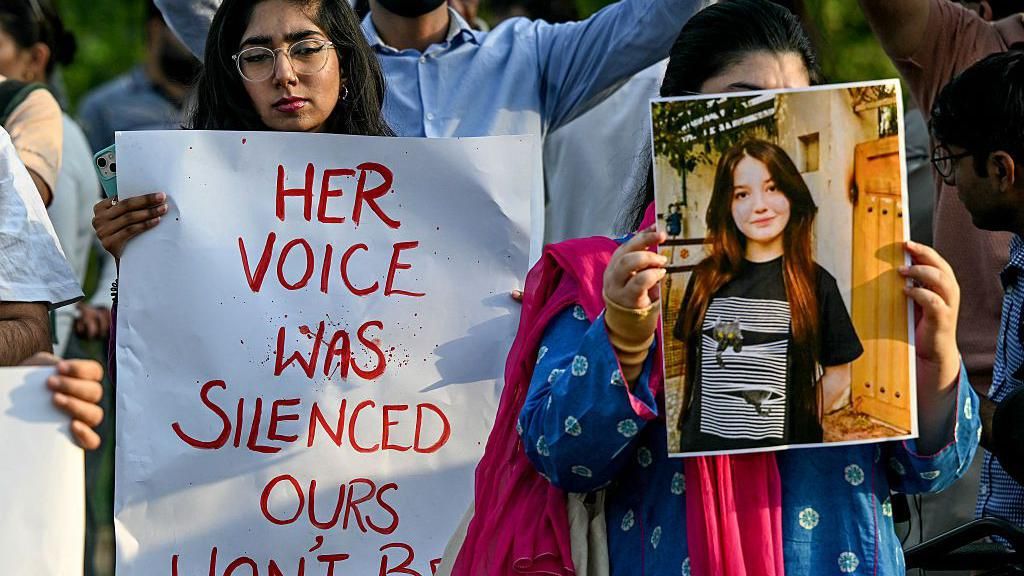
    A shocking case of gender-based violence that roiled Pakistani public discourse has reached a landmark verdict, with an Islamabad court handing down a death sentence to 23-year-old Umar Hayat for the brutal murder of 17-year-old TikTok star Sana Yousaf. The killing, which took place in June of the previous year, followed a pattern of predatory behavior that ended in a devastating act of violence after Yousaf repeatedly rejected Hayat’s romantic advances.

    Investigative accounts from local Pakistani media outline how Hayat, who confessed to the killing in July, developed an unhealthy, one-sided obsession with Yousaf following casual online interactions. Days before the attack, he traveled to Islamabad, where Yousaf lived with her family, to greet her on her birthday. When Yousaf refused to meet him, Hayat forced his way into her family home. A confrontation between the two quickly escalated, ending with Hayat shooting Yousaf dead.

    At the time of her death, Yousaf had built a massive online following: more than one million followers on TikTok and an additional half a million on Instagram. Fans adored her approachable, light-hearted content, which ranged from testing viral fashion trends and lip-syncing to popular songs to candid clips of her spending time with friends.

    Following the verdict, Yousaf’s father, Syed Yousaf Hassan, told local media that the court’s ruling serves as “a lesson for all such criminals in society”. In addition to the death sentence, the court ordered Hayat to pay 2.5 million Pakistani rupees, equivalent to roughly $9,000, in compensation to Yousaf’s grieving family.

    The investigation into Yousaf’s murder was a wide-ranging effort: law enforcement officers carried out raids across Islamabad and the neighboring province of Punjab, reviewing footage from a total of 113 CCTV cameras to piece together the timeline of the attack.

    While the murder sparked widespread national outrage, it also exposed deep-seated misogyny within segments of Pakistani society. A small but vocal group of mostly male internet users launched a backlash against Yousaf, attacking her work as a social media influencer on religious grounds. Some even demanded that her family remove all of her existing content from TikTok and Instagram, claiming the posts amounted to “sinful” behavior.

    Digital rights and women’s rights advocates have pushed back against this dangerous narrative. Usama Khilji, director of digital rights organization Bolo Bhi, noted that the unfair criticism of Yousaf reflects entrenched bias against women creating content online. Prominent human rights activist Farzana Bari labeled the reaction to Yousaf’s murder explicitly misogynistic and patriarchal, pointing out that Yousaf was targeted simply for exercising her right to self-expression. Bari emphasized that the case serves as a stark reminder that social media has become an increasingly dangerous space for female content creators in Pakistan, where systemic gender-based violence continues to threaten women’s safety and autonomy.

    Activists also emphasize that Yousaf’s killing is not an isolated incident, but part of a long-standing, widespread pattern of violence against women across Pakistan that demands systemic policy and cultural change.

  • Liberals going back to basics with ‘Stand with Small’ business pledge

    Liberals going back to basics with ‘Stand with Small’ business pledge

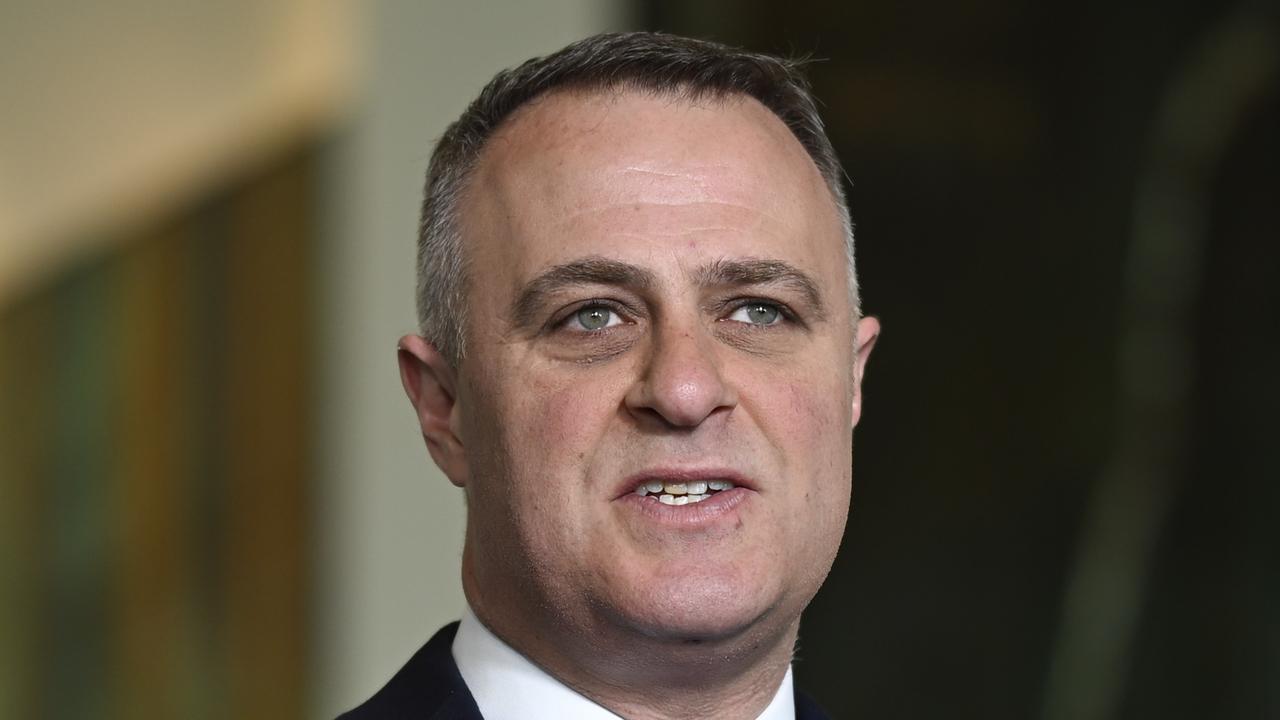
    Australia’s Liberal-National Coalition is launching a bold, pro-small-business policy agenda centered on a landmark Small Business Act, set to be announced Wednesday by Shadow Treasurer Tim Wilson at Canberra’s National Press Club. The proposal, a core pillar of the Coalition’s push to refocus on grassroots economic priorities, aims to resolve longstanding fragmented regulations and amplifies the voices of small and independent business owners that opposition leaders argue have been sidelined by the current Labor government.

    At the heart of the policy is the creation of a single, standardized legal definition of a small business across all Commonwealth legislation, replacing the inconsistent, overlapping definitions that currently create unnecessary administrative burden for operators. The Act also mandates two key new protections: a formal “right to be paid”, which will enshrine legal maximum payment terms for small businesses working with both government agencies and large corporate clients, addressing the pervasive problem of late payments that cripples cash flow for thousands of small operations nationwide.

    Additional provisions embedded in the proposed legislation require that every new federal regulation be accompanied by a dedicated small business regulatory impact statement, creating a formal feedback pathway for small business owners to contribute to policy design before it becomes law. This consultation requirement will extend to all major federal regulators, including the Reserve Bank of Australia, Australian Securities and Investments Commission, Australian Taxation Office, and Fair Work Commission, ensuring small business perspectives are incorporated into key regulatory and monetary decisions that impact their operations. The policy also expands mandatory government procurement quotas, requiring a larger share of federal government contracts to be awarded exclusively to small businesses.

    Wilson will use his address to accuse the Albanese-led Labor government of waging an implicit war on Australia’s entrepreneurs and self-starting small business owners, a critique that comes amid ongoing pushback from small business groups over recent changes to capital gains tax discounts. In prepared remarks, Wilson will emphasize that the Coalition is positioning itself as the definitive political ally for small and independent operators, noting that for decades, Australian economic regulation has been shaped by deep-pocketed lobbyists with access to the highest levels of government, while small business voices were locked out of the process.

    “For too long Australia’s laws have been designed around the influence of those that can hire lobbyists to walk the Prime Minister’s corridor,” Wilson will say. “In generations past, young Australians got ahead by buying property. Young Australians know that to get ahead you need to invest, and build a small business, side hustle, equity or start-up.”

    Wilson will also frame the policy as a response to a fundamentally outdated economic framework, arguing that 12 months of widespread conversations with small business operators across the country have convinced him incremental, marginal tweaks to Australia’s 20th-century regulatory system are no longer enough to solve small business struggles.

    The new Small Business Act announcement builds on earlier pro-small-business commitments the Coalition unveiled earlier this month in Opposition Leader Angus Taylor’s budget reply speech. Those prior pledges include an instant $50,000 asset write-off for businesses with annual turnover below $1 million, and a policy to index the two lowest personal income tax brackets to inflation to curb bracket creep.

    Ahead of Wilson’s National Press Club address, Taylor doubled down on the Coalition’s critique, arguing the current Albanese government is ideologically opposed to small business and actively seeks to replace independent operations with expanded big government. “What they’re planning to do now is going to do exactly that, replace small business with big government,” Taylor said. “Only this government could be so arrogant and so could so badly misunderstand this country as to think that that’s a good idea.”

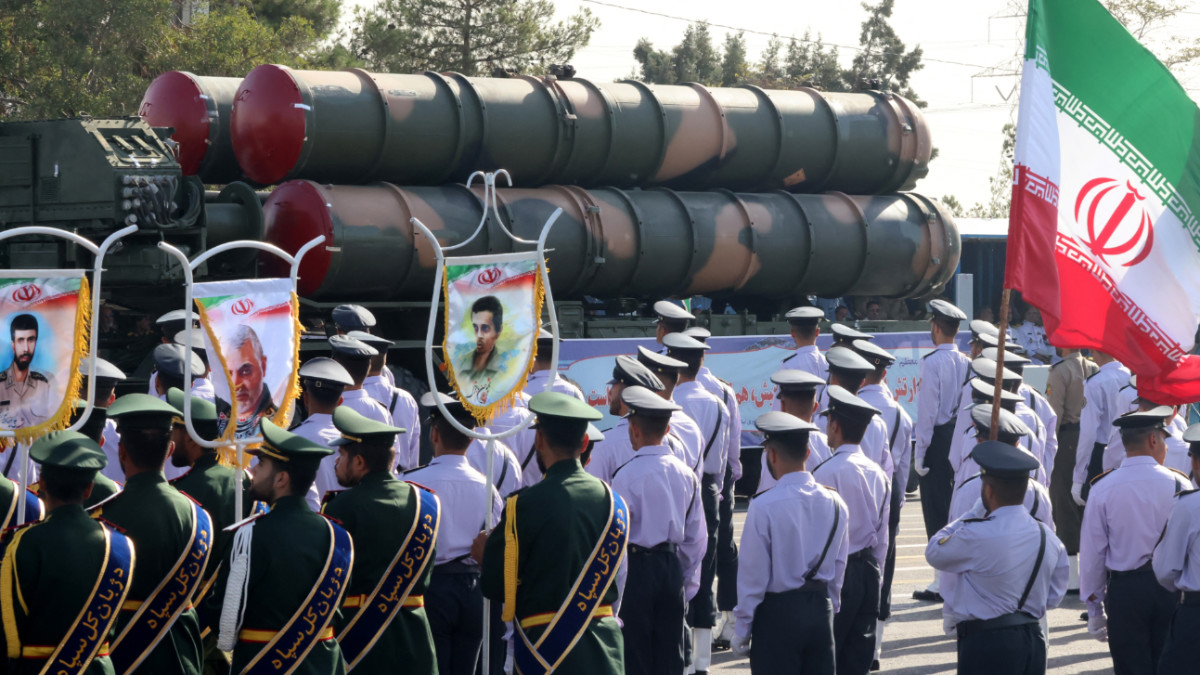
  • Iran has mapped out US flight patterns for air defence: Report

    Iran has mapped out US flight patterns for air defence: Report

    New intelligence assessments from anonymous U.S. officials have cast significant doubt on the Trump administration’s public claims that Iran’s military capabilities have been completely destroyed after weeks of open conflict, revealing that Iranian commanders have likely tracked and mapped consistent flight patterns of American fighter jets and bombers operating over Iranian airspace. This development substantially increases the operational risks to U.S. military personnel if President Donald Trump follows through on his recent threat to resume large-scale offensive attacks against the Islamic Republic.

    The current state of Iran’s integrated air defense network has emerged as a core factor driving Trump’s ongoing deliberations over whether to restart offensive operations. In comments to reporters earlier this week, Trump confirmed he had approved plans for a major new attack on Iran set to launch just one day after his initial announcement, only to call off the strike at the eleventh hour following lobbying from three key U.S. partners in the Gulf region: Saudi Arabia, Qatar, and the United Arab Emirates. “We were getting ready to do a very major attack tomorrow, and I put it off for a little while, hopefully maybe forever, but possibly for a little while, because we’ve had very big discussions with Iran, and we’ll see what they amount to,” Trump told reporters.

    Both Trump and his Secretary of War Pete Hegseth have repeatedly asserted that Iran’s military is crippled and lacks functional air defense capabilities. While U.S. aircraft have generally been able to carry out sorties over Iranian territory without sustained interference, U.S. intelligence confirms American forces do not hold total, unchallenged dominance of Iranian airspace.

    Just days before the two sides reached a fragile ceasefire following the June 2025 conflict, Iranian air defenses successfully shot down a U.S. F-15E Strike Eagle, triggering a large-scale joint operation to recover the downed aircraft’s pilots. Military analysts note that if Iranian forces had captured the surviving pilots alive, Tehran would have gained substantial diplomatic leverage to pressure Washington into concessions. A senior U.S. official told The New York Times the successful downing of the F-15E serves as clear evidence that Iranian forces have learned to identify and predict recurring U.S. flight routes. As the six-week conflict progressed, Iranian defenses grew increasingly adept at targeting and downing U.S. military aircraft.

    Tensions around this capability were already rising earlier this year: multiple defense outlets reported that an F-35 stealth fighter jet suffered damage from Iranian anti-aircraft fire in March, and CBS News confirmed that U.S. forces have lost at least 16 MQ-9 Reaper surveillance and combat drones operating over Iranian territory since the start of hostilities.

    The New York Times also cites U.S. intelligence suggesting Russia may have provided critical assistance to Iran in mapping U.S. flight patterns, allowing Tehran to reposition its air defense assets for more effective interception. This collaboration aligns with a long-standing security partnership between Moscow and Tehran. Multiple independent U.S. media outlets have previously confirmed that Russia has shared valuable satellite intelligence with Iran, including detailed imagery of U.S. warship deployments and military personnel positions in the region.

    Iran’s current air defense architecture combines domestically manufactured systems with advanced hardware purchased from both Russia and China. Middle East Eye was the first outlet to confirm that China supplied integrated air defense batteries to Iran in the aftermath of the June 2025 war, which saw U.S. forces carry out targeted bombing runs on three Iranian nuclear sites.

    The Trump administration’s narrative that Iran’s military has been “decimated” directly contradicts a growing body of leaked U.S. intelligence assessments, which indicate the Islamic Republic’s armed forces retain far more operational capacity than senior White House officials have publicly acknowledged. Just last week, The New York Times reported that Iran still controls approximately 70 percent of its pre-war mobile missile launchers and holds roughly 70 percent of its original missile stockpile. U.S. offensive strikes targeted heavily fortified missile sites hidden deep in underground mountain caves, but the ceasefire has allowed Iranian crews to clear rubble from these facilities and return the undamaged weapons systems to operational status, the report found.

  • ‘Need to be there’: Blues stick solid as Origin champions seek 26-year first

    ‘Need to be there’: Blues stick solid as Origin champions seek 26-year first

    With the women’s State of Origin trophy already secured, New South Wales (NSW) Blues head coach John Strange faced a pivotal decision: hand valuable debut opportunities to rising young talents, or stick with the group that delivered the series win to chase an unprecedented milestone. In a call shaped by hard lessons from last year’s campaign, Strange has opted to keep his entire 20-player matchday squad intact for next week’s decisive third clash, as the Blues chase the first 3-0 clean sweep for a NSW side in 26 years.

    NSW locked in the series title earlier this month with a heart-stopping 14-10 come-from-behind win over Queensland at Brisbane’s Suncorp Stadium, wrapping up the overall trophy with one match still left to play. Instead of shaking up his lineup to give fringe prospects a taste of senior representative football, Strange said the painful memory of last year’s dead rubber defeat was the driving force behind his loyalty to the group that got the Blues across the line in Brisbane.

    Strange publicly confirmed the unchanged squad during a YouTube livestream on Wednesday morning, confirming the third game, scheduled for next Thursday, will be held on Queensland’s home turf on the Gold Coast. “The reason for that is that I feel like the girls that were selected for both games have done an awesome job,” Strange told reporters and fans during the stream. “We want to make sure they have the opportunity to go up there and win the third game. So it’s about respecting the players that have worn the jersey and deserve to wear the jersey, so there was no thought of changing the team this year. It was a case of going with the girls that need to be there.”

    The upcoming fixture will mark a personal milestone for veteran Blues forward Kezie Apps, who will earn her 20th state cap for NSW when she runs out next week.

    Strange’s decision is rooted in a humbling experience 12 months prior. In 2023, the Blues also claimed the first two matches of the series to secure the Origin trophy early, only to drop a tight third-match dead rubber in Newcastle to Queensland. That defeat, which came despite the Blues winning the first two contests by a combined 20 points, left a lasting impression on the entire program, and Strange is determined to avoid a repeat of that outcome this year.

    “We were in a similar situation last year after two games, and we went up to game three in Newcastle and didn’t get the job done,” he said. “Queensland were outstanding in that game and very desperate and wanted to make sure they got a win, so we fully understand that’s the attitude that they’re going to bring this time around.”

    Reflecting on last year’s misstep, Strange said the squad entered the third game with a celebratory mindset rather than the competitive intensity that carried them to the first two wins. That shift in focus ultimately cost them. “I felt like going into camp for game three last year that there was a lot of excitement from all the players, and so they should have been excited because they’d wrapped the series up,” he explained. “But we probably didn’t go in with the same intensity in game three that we did in games one and two, so that was a really good learning experience for all of us involved. If we were in the same position again that we would go in with a different mindset because we know Queensland don’t want to get beaten 3-0. We know the desperation they’re going to have, and we’re going to make sure we match that desperation and play good footy.”

    The full NSW squad will enter camp this Thursday before travelling to Kingscliff on Saturday to ramp up their final preparations for the history-making clash. The full unchanged 20-player squad is as follows: Abbi Church, Jaime Chapman, Jess Sergis, Isabelle Kelly, Jayme Fressard, Jocelyn Kelleher, Jesse Southwell, Millie Elliott, Olivia Higgins, Ellie Johnston, Kezie Apps, Yasmin Meakes, Olivia Kernick, Keeley Nizza, Kennedy Cherrington, Rima Butler, Teagan Berry, Quincy Dodd, Corban Baxter, and Hannah Southwell.