博客

  • Russian jets ‘dangerously’ intercept RAF spy plane over Black Sea

    Russian jets ‘dangerously’ intercept RAF spy plane over Black Sea

    In an incident that marks the most aggressive Russian aerial action against a British military aircraft since 2022, two Russian fighter jets carried out repeated, high-risk intercepts of an unarmed Royal Air Force (RAF) surveillance plane over the Black Sea last month, the United Kingdom’s Ministry of Defence (MoD) has confirmed.

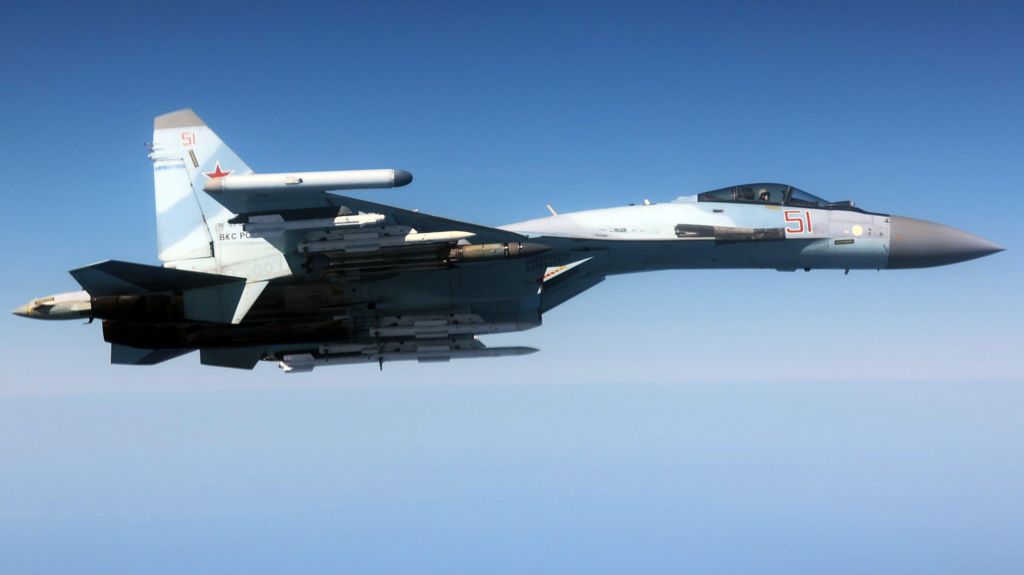
    The close-proximity encounters forced the RAF RC-135W Rivet Joint aircraft into a dangerous situation: one Russian Su-35 fighter closed in so rapidly that it triggered the spy plane’s onboard emergency safety systems and forced its autopilot to disengage, leaving the crew to manually regain control of the aircraft. A second Russian jet, a Su-27, conducted six separate low-altitude passes directly in front of the RAF aircraft, coming within just six meters (19 feet) of the plane’s nose.

    UK Defence Secretary John Healey has publicly condemned the intercepts as “unacceptable”, while praising the RAF crew for what he called their “outstanding professionalism” in navigating the life-threatening encounter without incident. The MoD emphasized that this encounter represents the gravest escalation in Russian aerial aggression against NATO-aligned aircraft in the Black Sea region since September 2022, when a Russian pilot fired two air-to-air missiles at an RAF Rivet Joint operating in the same international airspace.

    Officials confirmed that the RAF spy plane was carrying out a routine, pre-planned international flight when the interception occurred, as part of NATO’s ongoing mission to reinforce security along the alliance’s eastern flank. Healey stressed that the reckless actions of the Russian pilots created a clear and unnecessary risk of catastrophic aerial accident, with the potential to rapidly escalate tensions between Russia and the NATO alliance.

    “This incident is another example of dangerous and unacceptable behaviour by Russian pilots, towards an unarmed aircraft operating in international airspace,” Healey said in a statement. “These actions create a serious risk of accidents and potential escalation. This incident will not deter the UK’s commitment to defend Nato, our allies and our interests from Russian aggression.”

    Both the MoD and the UK Foreign Office have formally contacted the Russian embassy in London to protest the encounter and demand condemnation of the pilots’ actions. The MoD noted that the intercept comes amid a broader pattern of growing Russian aggression near critical European infrastructure, pointing to recent increased Russian submarine activity around undersea British energy and communications cables in the North Sea.

    The 2022 missile incident, which Russia initially tried to blame on an accidental technical malfunction, has since been confirmed by three senior Western defence sources to have been a deliberate, if misordered, attack. The sources told the BBC that the Russian pilot launched the two missiles after receiving an unclear command from a Russian ground control station; the first missile missed the RAF aircraft, contradicting Moscow’s original claims of a system malfunction. At the time, the UK publicly accepted Russia’s explanation to avoid immediate escalation.

    The RAF’s RC-135W Rivet Joint, operated by the service’s No. 51 Squadron from its base in Lincolnshire, is a specialized signals intelligence platform. According to RAF official documentation, the aircraft is fitted with cutting-edge sensor technology designed to intercept and analyze electromagnetic signals across a wide spectrum, delivering real-time strategic and tactical intelligence to NATO and UK military command.

  • Could a football match soften North Korea-South Korea relations?

    Could a football match soften North Korea-South Korea relations?

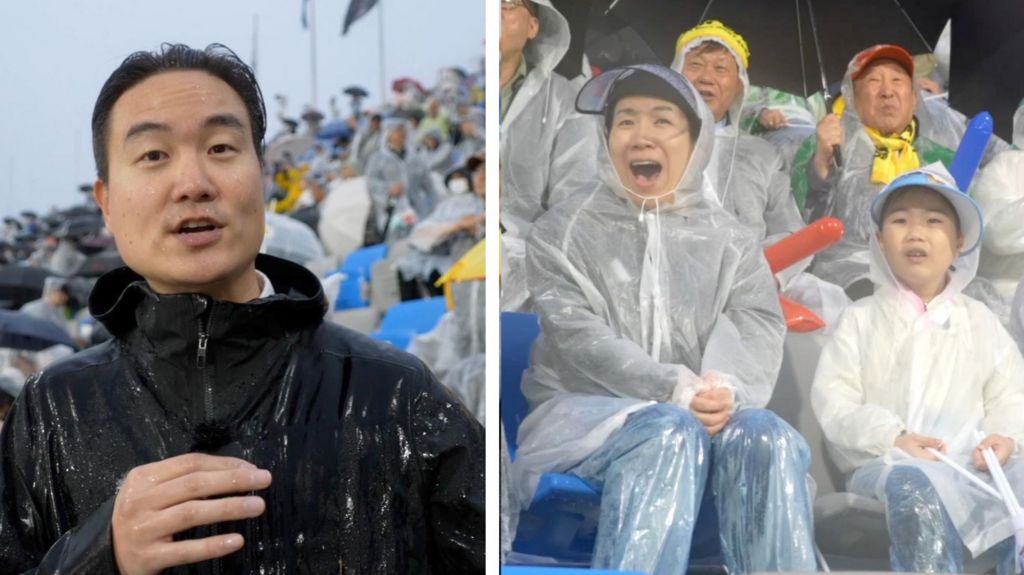
    For nearly eight years, no official athletic delegation from North Korea has stepped across the heavily fortified inter-Korean border into South Korea. That long dry spell came to an end this week, when a North Korean women’s football team arrived in the South for competition, marking a small but symbolic breakthrough in a relationship that has remained locked in tension for most of the last decade.

    The fixture, which would be an unremarkable routine event in most other parts of the world, carries extraordinary weight on the Korean Peninsula. Decades of diplomatic estrangement, military posturing, and stalled cross-border talks have left almost all people-to-people exchanges between the two nations frozen. Against this backdrop, the simple act of a North Korean sports team entering South Korea has led observers and analysts to question whether this small sporting encounter could open the door to wider rapprochement between the two governments.

    Sports diplomacy has a long history of acting as a low-stakes confidence-building tool between nations with fraught political relationships. It creates space for informal interaction, builds familiarity between ordinary citizens on both sides, and can create momentum for higher-level political dialogue down the line. This historic visit is the first time any North Korean athletic group has crossed the inter-Korean border for a competition since 2017, making it the most significant people-to-people exchange between the two nations in years.

    While the match itself is just a single sporting event, it has already generated significant attention across the globe. Many watchers of inter-Korean relations are holding out cautious hope that this small step on the football pitch could translate to broader openings, from increased family reunions to renewed diplomatic talks aimed at reducing regional tensions. Even if no immediate political progress emerges, the visit itself stands as a rare small gesture of connection after years of separation.

  • Murder or accident? Mystery of Mango tycoon’s hiking death after son’s arrest

    Murder or accident? Mystery of Mango tycoon’s hiking death after son’s arrest

    A high-profile legal saga that has captured public attention across Spain took a dramatic new turn this week, when 45-year-old Jonathan Andic, eldest son of deceased Mango fashion empire founder Isak Andic, was arrested on suspicion of premeditated involvement in his father’s 2024 death. After a judge ruled there was sufficient evidence to reclassify Isak’s death as non-accidental, Jonathan was taken into custody, and subsequently released after posting €1 million ($1.07 million) in bail. He has repeatedly and vehemently maintained his innocence throughout the ongoing investigation.

    Isak Andic, a 71-year-old retail titan who built Mango into one of Europe’s largest clothing brands, died on December 14, 2024, after falling roughly 150 meters from a cliff in the Montserrat Natural Park, a popular mountainous region north of Barcelona. The founder was hiking at the time alongside Jonathan, who placed the emergency call that led to the recovery of his father’s body. Initially, responding authorities ruled the incident a tragic accident, marking a sudden end to the life of one of Spain’s wealthiest individuals.

    According to case documents from the Martorell court near Barcelona, investigators have uncovered multiple inconsistencies and suspicious details that undermine Jonathan’s account of the incident. Jonathan told police he had been walking ahead of his father when he heard falling rock debris, then turned to see Isak plummet from the path. However, forensic analysis has raised significant doubts about this narrative: the rugged, lightly trafficked hiking route near Collbató’s caves is a relatively gentle trail common for family and student outings, and investigators argue an accidental slip matching Jonathan’s description would be highly unlikely in that exact location.

    Further inconsistencies have emerged in key details of Jonathan’s testimony. The footprint he marked as the spot of his father’s slip does not match the marks that would be left by someone losing their footing accidentally. The position of Isak’s body and the pattern of his injuries also contradict the profile of an accidental fall, with the forensic report noting the arrangement looked “as if he had launched himself down a slide, feet first.” Investigators have also flagged conflicting accounts from Jonathan about his own position at the time of the fall: he claimed at different times that he was walking far ahead of Isak and that the two were close together. An additional discrepancy surrounds Isak’s phone: Jonathan told officers his father had been taking photos with the device moments before the fall, but the phone was found undisturbed in Isak’s pocket when the body was recovered.

    Suspicion has also fallen on three pre-hike visits Jonathan made to the cliffside site on December 7, 8, and 10, just days before the incident. The investigating judge has described these trips as evidence of “planning and study of the site.” Compounding these questions is the disappearance of Jonathan’s personal phone around the time the case was reopened for further investigation. Jonathan told police the device was stolen during a short trip to Ecuador, a detail that has not resolved investigators’ concerns.

    Prosecutors are also exploring a potential financial motive tied to the future of the Mango brand. Isak Andic, a Turkish-born Sephardic Jew who relocated to Catalonia as a teenager and co-founded Mango in the mid-1980s, grew the company into a global retail giant that employs more than 16,000 workers and posted €3.3 billion in turnover in 2024, making him Catalonia’s wealthiest individual. Jonathan worked closely with the brand for 20 years, leading the expansion of its popular menswear line, and he currently shares control of a family holding company that owns a 95% stake in Mango alongside his two younger sisters. He is married to social media influencer Paula Nata, and the couple welcomed their first child in September 2025.

    According to the investigating magistrate, tensions emerged between father and son over Isak’s plan to establish a charitable foundation, and text message exchanges between the two confirm these frictions. The judge claims Jonathan engaged in “emotional manipulation over his father in order to achieve his economic objectives” and had repeatedly expressed “feelings of hatred, resentment, ideas related to death and blame” toward Isak. Jonathan has pushed back against these claims, telling investigators he maintained a warm, positive relationship with his father up until his death.

    In the months after Isak’s death, the case was reopened in October 2025, and investigators have since questioned Jonathan’s two sisters and his uncle as part of their inquiry. Executors of Isak’s will released an early statement defending Jonathan, arguing that the public scrutiny surrounding the case has compounded the family’s private grief. Following his arrest this week, the entire Andic family issued a formal statement of support, insisting “there does not exist, nor will there exist, legitimate evidence against him.” Jonathan’s defense attorney, Cristóbal Martell, has dismissed the homicide theory entirely, calling it baseless and deeply harmful to an innocent man. “The homicide theory does not hold up,” Martell said. “But, above all, it is painful. It stigmatises an innocent man.”

  • US military jets and drones tracked near Cuba as tensions continue

    US military jets and drones tracked near Cuba as tensions continue

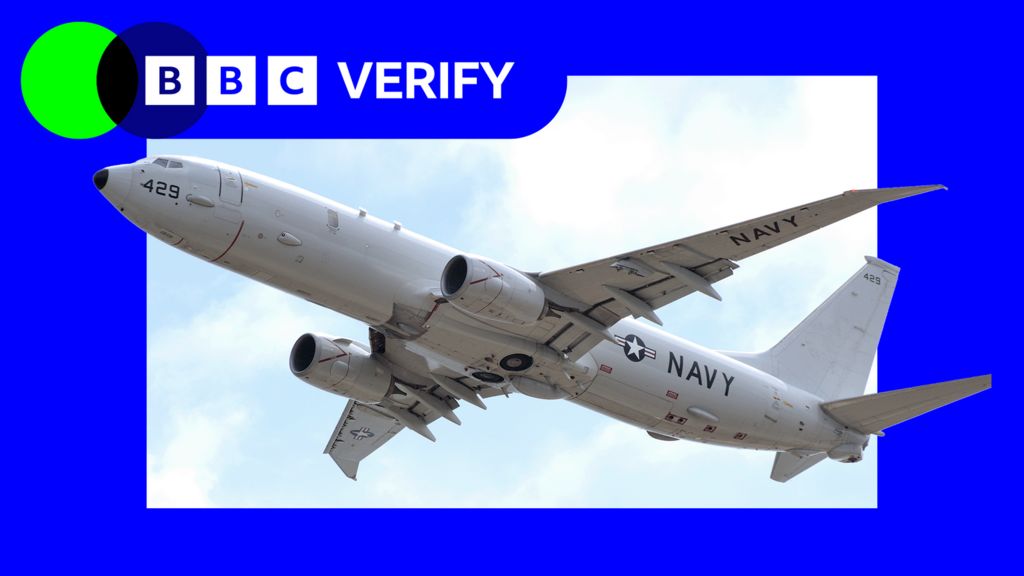
    In a deliberate show of pressure targeting Cuba’s communist government, the United States military has openly broadcast the position of its surveillance aircraft operating near the island via public plane-tracking platforms, in a move that comes as bilateral tensions between the two nations surge to multi-year highs. Analysis of open flight data from Flightradar24 conducted by BBC Verify confirms that since May 11, at least five U.S. Navy P-8A Poseidon surveillance planes and three MQ-4C Triton surveillance drones have conducted regular operations in Caribbean airspace close to Cuba, with some missions bringing the aircraft within just 50 miles (80 kilometers) of the island’s coastline.

    Military aircraft do not always broadcast their position during all stages of flight, meaning public flight tracking data cannot capture the full scope of U.S. surveillance activity off Cuba’s coast. This stepped-up deployment of intelligence-gathering assets follows a sharp escalation of tensions in recent months, after Washington imposed a de facto oil blockade on the Caribbean island nation. Recent reporting from news outlet Axios has further stoked friction, claiming Havana has obtained drones capable of striking the U.S. mainland. Cuba’s foreign minister has rejected the claim, stating the country “neither threatens nor desires war” and accusing Washington of constructing a “fraudulent case” to justify military intervention.

    In a direct address to the Cuban people delivered on Wednesday, the anniversary of Cuba’s independence from the United States, U.S. Secretary of State Marco Rubio framed a “new relationship” for the Cuban public, blaming the island’s “unimaginable hardships” on its communist leadership rather than the U.S.-led fuel blockade. Security analysts say the intentional decision to keep flight transponders active — making the missions visible to the public — is a core part of the U.S. strategy. UK-based drone expert Dr. Steve Wright notes that the move is almost certainly deliberate, designed to send a clear signal that the U.S. maintains constant surveillance to sustain its pressure campaign.

    The ongoing oil blockade has already triggered a severe humanitarian and economic crisis on the island, with widespread fuel shortages sparking rolling national power blackouts and small-scale public protests. U.S. President Donald Trump has ramped up pressure on Havana further, calling on the Cuban government to “make a deal” and threatening that the U.S. could intervene in the country just as it did in Venezuela earlier this year, when it captured sitting President Nicolás Maduro.

    BBC Verify’s tracking of the flights details the pattern of surveillance operations: on May 11, one P-8A Poseidon reached the 50-mile mark off southern Cuba, continuing operations into the following day when it flew north of Havana before returning to its home base in Jacksonville, Florida. On May 15, two MQ-4C Triton drones carried out operations off southern Cuba, following a flight path nearly identical to one previously used by a P-8A Poseidon.

    Mark Cancian, a retired U.S. Marine Corps colonel and senior adviser at the Center for Strategic and International Studies (CSIS), told BBC Verify that the repeated, consistent flight routes are primarily intended to spot incoming fuel ships approaching Cuba from the south, with a secondary focus on vessels approaching from the north. He emphasized that none of the surveillance flights have entered Cuban airspace over land, so the operations do not represent preparation for a full-scale invasion. Cancian also added that the increased frequency of the missions is almost certainly not routine, as the U.S. military has a limited number of P-8A and MQ-4C assets available for deployment globally.

    To contextualize the current surge in activity, BBC Verify compared recent data to operations between February 1 and 7 of this year, when only one P-8A flew near Cuba, with no comparable MQ-4C Triton activity recorded off the island’s coast. A U.S. Air Force RC-135V Rivet Joint reconnaissance aircraft did carry out two passes near the island during that February period, but operations were far less frequent than they have been since mid-May.

    Wright echoed the broader assessment that the surveillance is targeted at preventing Venezuela — a key ally of Cuba — from breaking the blockade and shipping fuel to the island. Analysts from defense intelligence firm Janes reached the same conclusion, noting that there has been a general uptick in U.S. intelligence, surveillance and reconnaissance sorties near Cuba since February. “The fact that these flights are visible through open-source tracking tools suggests they are intended to deter attempts to break the oil blockade and apply pressure on the Cuban government,” Janes told BBC Verify.

  • Barney Frank: One of the first openly gay US congressmen dies aged 86

    Barney Frank: One of the first openly gay US congressmen dies aged 86

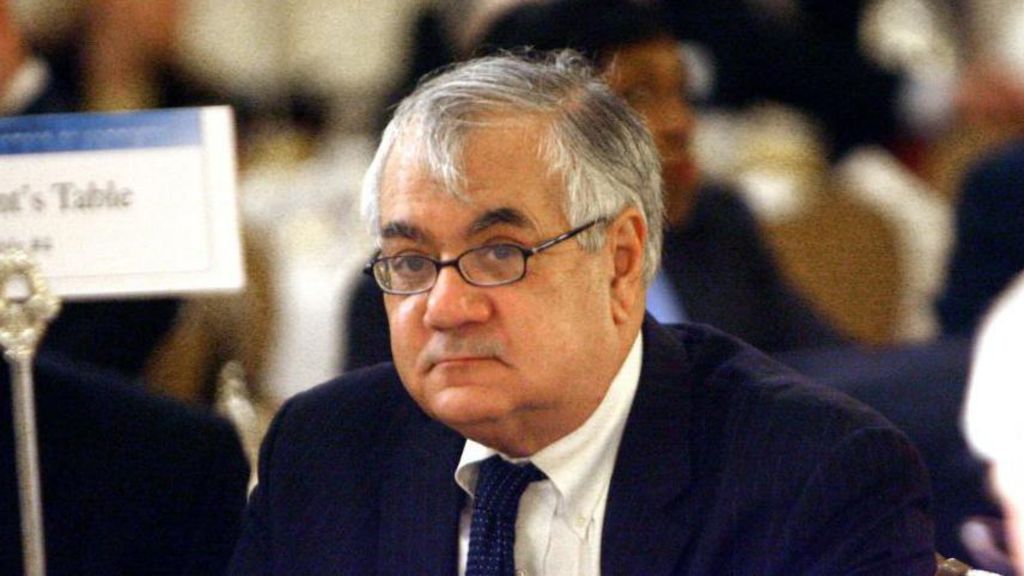
    Veteran American politician Barney Frank, a transformative figure who reshaped both national financial policy and LGBTQ+ representation in Congress, has passed away at the age of 86. Multiple U.S. media outlets confirmed the former Democratic congressman died peacefully Tuesday night, months after entering hospice care at his Maine residence in April.

    Over his 32-year tenure representing southern Massachusetts in the U.S. House of Representatives (1981–2013), Frank built a legacy defined by two landmark contributions: advancing civil rights for marginalized communities and leading post-2008 financial regulatory overhaul. As one of the first openly gay members of Congress and the first to enter a same-sex marriage while in office, he broke long-standing barriers for LGBTQ+ representation in American politics.

    Frank’s most consequential policy work came in response to the 2008 Great Recession, triggered by the subprime mortgage collapse. He co-authored the landmark Dodd-Frank Wall Street Reform and Consumer Protection Act alongside former Connecticut Senator Chris Dodd. Signed into law by President Barack Obama in 2010, the legislation created new independent regulatory bodies, tightened oversight of large financial institutions, and implemented sweeping protections for consumers – the most comprehensive update to U.S. banking rules since the Great Depression. In 2018, the Donald Trump administration rolled back a portion of Dodd-Frank’s restrictions, a change Time Magazine labeled the decade’s “biggest rollback of bank rules.”

    On civil rights, Frank was a vocal critic of the military’s “don’t ask, don’t tell” policy, which banned openly gay and lesbian service members from serving, and lobbied aggressively for its repeal. He also led a years-long push for federal legislation to outlaw workplace discrimination against LGBTQ+ workers, a goal that was not achieved during his time in office. In a 2011 interview with The Boston Globe ahead of his retirement, Frank summed up his approach to combating prejudice: “Prejudice is based on ignorance, and the best way to counterbalance it is with a living example, with reality.”

    Close associates remembered Frank as a principled leader committed to public service. “He was, above all else, a wonderful brother. I was lucky to be his sister,” Frank’s sister Doris Breay told NBC Boston. Jim Segel, Frank’s former campaign manager, confirmed the former congressman had accepted his declining health and was at peace in his final months. “He certainly left a mark, and he was a leader on civil rights, on gay rights, on leading other marginalized communities, and then he helped the country get through the 2008 financial crisis, which was the most significant recession, almost since 1930,” Segel told Axios.

    In the weeks before his death, while receiving hospice care, Frank spoke with multiple national media outlets to reflect on his decades of public service, assess the current political climate, and share his thoughts on the future of the American left. Even amid frustration with contemporary politics, he retained a measured hopefulness: “I’m filled with disgust at the current state, but optimism that it’s going to get better,” he told CNN’s Jake Tapper earlier this month.

  • Israeli curbs causing ‘alarming’ drop in Gaza aid deliveries, official warns

    Israeli curbs causing ‘alarming’ drop in Gaza aid deliveries, official warns

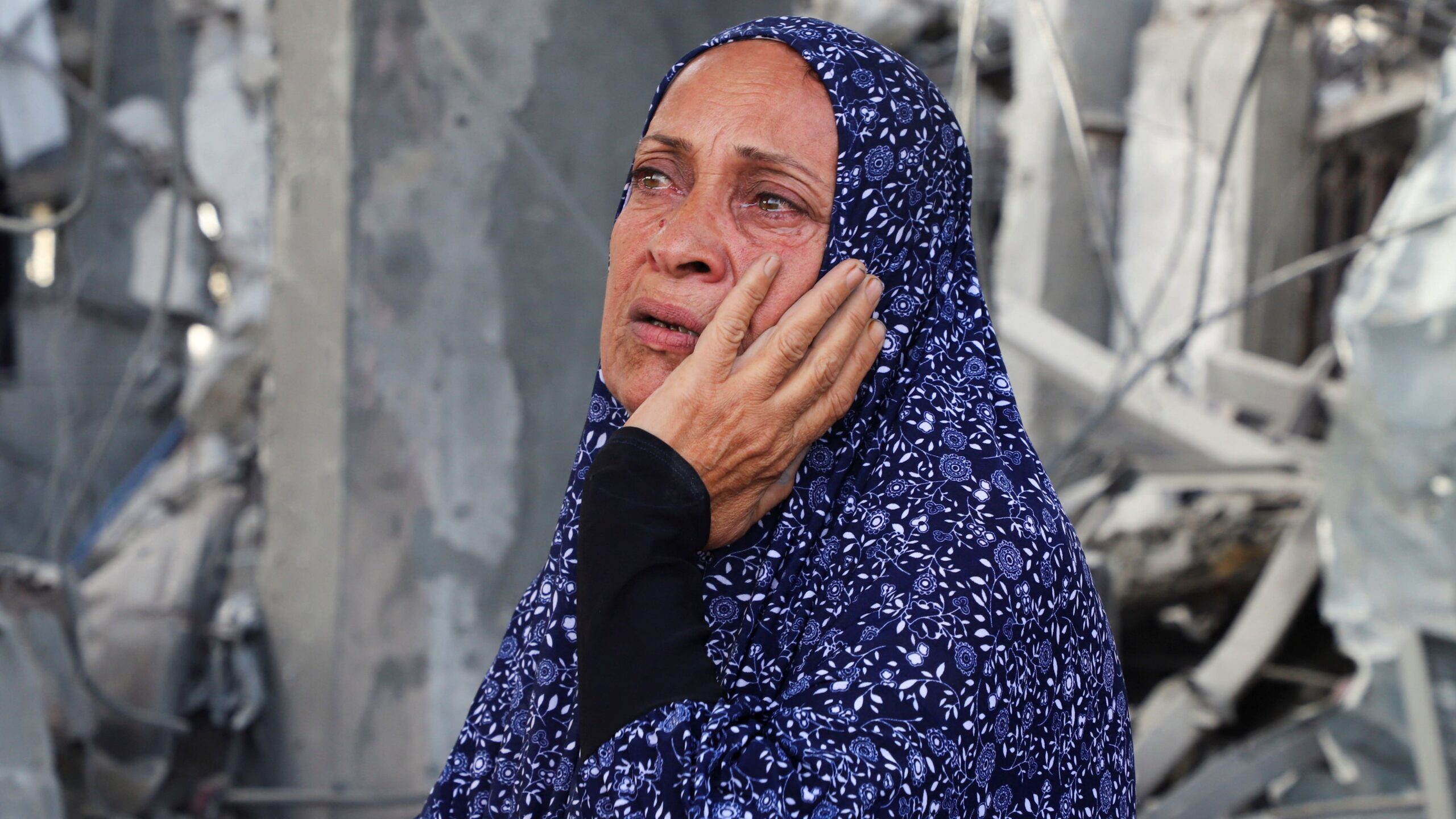
    A senior Palestinian official issued an urgent warning Tuesday, highlighting that Israeli-imposed limitations on humanitarian access have triggered a “severe and alarming” collapse in the volume of aid trucks reaching the besieged Gaza Strip, with catastrophic consequences for the territory’s civilian population. Ismail al-Thawabta, director general of Gaza’s Government Media Office, emphasized that the ongoing restrictions have already inflicted devastating harm on the more than 2 million civilians trapped in the enclave.

    Under the terms of the US-brokered ceasefire agreement that took effect in October, Israel committed to allowing 131,400 aid trucks carrying life-saving supplies into Gaza by the current date. Al-Thawabta’s data reveals that only 48,636 of these required trucks have actually been permitted entry, meaning over 63 percent of agreed humanitarian shipments have been blocked from reaching Gaza. The crisis has deepened sharply in May: instead of the 10,800 trucks scheduled for entry this month, Israeli authorities only allowed 2,719, dropping the entry rate from an already insufficient 37 percent to just 25 percent.

    Posting to the social platform X, al-Thawabta called these figures “an extremely dangerous indicator reflecting the escalating policy of deliberately restricting and rationing humanitarian aid.” He further argued that the steep decline in aid deliveries leaves no question that Israeli occupation forces are implementing a systematic strategy to weaponize food, medical care, and basic humanitarian assistance as a tool of political pressure and blackmail against Palestinian civilians. Al-Thawabta added that these actions flagrantly violate binding international humanitarian law and have pushed Gaza’s civilian population into catastrophic levels of suffering, adding that the current daily average of aid entering the enclave sits at just over 200 trucks, despite the agreement requiring up to 600 trucks of food, fuel, medicine, shelter materials, and commercial goods to enter every day.

    In addition to calling out ongoing entry restrictions, al-Thawabta urged the global community to intervene immediately, exerting meaningful pressure on Israel to honor all terms of the October ceasefire deal. This includes halting all unilateral attacks on Gaza and guaranteeing unobstructed, continuous flow of life-saving aid into the territory.

    Parallel developments have added new complications to Gaza’s humanitarian crisis. Israeli public media reports confirm that far-right Finance Minister Bezalel Smotrich has rejected a US proposal that would redirect seized Palestinian Authority tax revenues to fund aid distribution operations in Gaza. Sources cited by Israeli newspaper Yedioth Ahronoth note that Smotrich refuses any involvement of the Palestinian Authority in Gaza, even through indirect channels.

    The latest US proposal would establish a new aid distribution framework overseen by the Israeli military, modeled after the controversial Gaza Humanitarian Foundation (GHF) system operated in 2024. That earlier initiative drew widespread international condemnation after approximately 2,000 Palestinian aid seekers were killed by Israeli fire or trampled in deadly stampedes at overcrowded GHF distribution sites. Under the new plan, distribution centers would be located near the “Yellow Line” — a demarcation unilaterally drawn by Israeli forces inside Gaza that has steadily expanded since the ceasefire began. Israeli Prime Minister Benjamin Netanyahu and Defence Minister Israel Katz have confirmed that Israeli forces now control more than 60 percent of Gaza’s total territory.

    The October ceasefire was negotiated with the goal of ending more than a year of full-scale Israeli military operations in Gaza that Palestinian authorities have labeled genocide. However, the Palestinian Ministry of Health confirms that Israel has repeatedly violated the ceasefire terms, carrying out near-daily artillery and air strikes that have killed at least 880 Palestinians since the truce took effect. Since the start of the current conflict in October 2023, Israeli operations have killed more than 72,770 Palestinians across Gaza, with thousands more still missing and trapped beneath the rubble of destroyed residential and infrastructure buildings.

  • Why does Ebola keep on occurring in DR Congo?

    Why does Ebola keep on occurring in DR Congo?

    When the Ebola virus was first documented in 1976, the discovery took place in the forests of what is today known as the Democratic Republic of Congo (DRC). Nearly five decades later, this Central African nation finds itself grappling with its 17th recorded outbreak of the deadly hemorrhagic fever, a statistic that underscores a long-standing public health challenge that has repeatedly put communities, healthcare systems, and global health bodies on high alert.

    The repeated emergence of Ebola in the DRC stems from a complex web of interconnected environmental, socioeconomic, and infrastructural factors that have made the country particularly vulnerable to recurring outbreaks. Ecologically, the DRC’s vast expanse of untouched tropical rainforest provides a natural reservoir for the Ebola virus, which circulates among wild animal populations—most notably fruit bats, the primary zoonotic host linked to human spillover events. As human settlements expand into forested areas in search of farmland, firewood, and bushmeat, contact between people and infected wildlife becomes more frequent, creating consistent opportunities for the virus to jump from animal populations to human communities.

    Beyond environmental drivers, systemic weaknesses in the DRC’s public health infrastructure have turned sporadic spillover events into full-blown outbreaks. Many remote rural regions, where most Ebola outbreaks first emerge, lack basic healthcare facilities, trained medical staff, and rapid diagnostic capabilities. This means initial cases often go undetected for weeks, giving the virus time to spread through family clusters and local communities before response teams can mobilize. Additionally, decades of political instability, intermittent conflict in eastern parts of the country, and limited government resources have hampered long-term efforts to build resilient public health systems that can prevent and quickly contain outbreaks.

    Cultural practices around burial and community care also play a role in sustained transmission. Traditional funeral rites, which involve close physical contact with the deceased, have been a major vector for Ebola spread in past outbreaks, as the virus remains highly contagious in the body after death. Deep-rooted mistrust of government authorities and foreign medical interventions, rooted in a history of colonial exploitation and inconsistent state outreach, has at times led communities to hide cases and resist containment efforts such as contact tracing and vaccination campaigns, further extending the duration of outbreaks.

    Today, as the DRC confronts its 17th outbreak, global and local health organizations are working to address both the immediate response and the underlying drivers of recurrence. New vaccine candidates and rapid response protocols have improved outcomes in recent years, but experts agree that long-term solutions will require sustained investment in healthcare infrastructure, community engagement programs, and economic development to reduce the pressure that pushes communities into high-risk forest interactions. Until those root causes are addressed, the threat of future Ebola outbreaks will remain a persistent challenge for the DRC and the global public health community.

  • UK eases sanctions on Russian jet fuel and diesel imports

    UK eases sanctions on Russian jet fuel and diesel imports

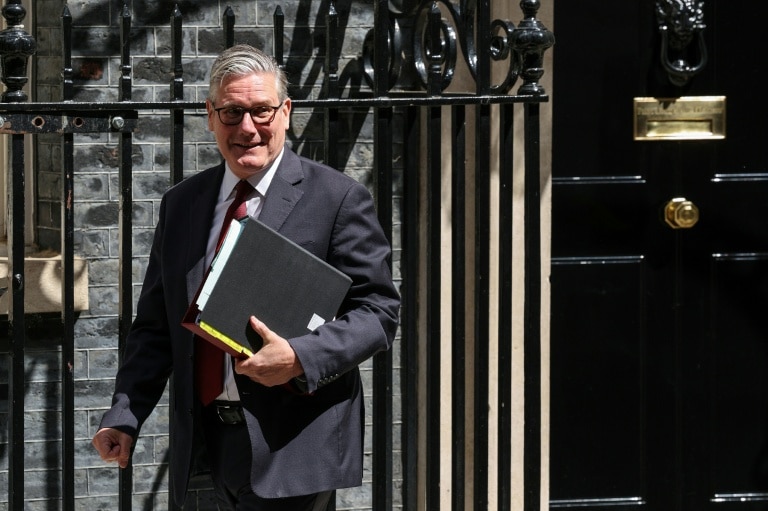
    In a politically charged move that has drawn sharp criticism from domestic opponents and global allies alike, Prime Minister Keir Starmer’s newly elected Labour government has moved to ease sanctions on imports of Russian-derived jet fuel and diesel, framing the policy as a necessary buffer to shield British consumers from skyrocketing energy costs amplified by ongoing Middle East conflict.

    The newly approved indefinite trade licence, which permits imports of Russian crude oil processed through refineries in third countries like India, is set to undergo periodic reviews, according to the UK’s Department of Business and Trade. Alongside this, the government issued a temporary licence that relaxes existing sanctions on liquefied natural gas originating from specific Russian production facilities. This adjustment comes as the government prepares to fully implement a previously announced ban on Russian crude-derived imports, first unveiled in October 2024.

    Starmer defended the adjustment during a press briefing Wednesday, stressing that the targeted changes do not represent a rollback of existing sanctions against Moscow. “This is not a question of lifting existing sanctions in any way whatsoever, and we will continue to work with our allies on further sanction packages,” he stated, adding that the two short-term licences are designed to phase in the full ban gradually while avoiding sudden price shocks for UK households and businesses.

    The decision has immediately ignited fierce domestic political pushback. Conservative Party leader Kemi Badenoch condemned the move, accusing Starmer of “choosing to buy dirty Russian oil” and arguing that revenue from these fuel sales will directly fund Moscow’s military offensive against Ukraine, where thousands of Ukrainian soldiers have been killed since the 2022 full-scale invasion.

    The controversy also extends to the international stage. The policy aligns with a similar decision from the United States, which last Monday extended a sanctions waiver for Russian oil cargoes already in transit for a second time. That waiver was put in place after escalating Middle East tensions — driven by the conflict between Israel and Iran that has disrupted global energy supplies — pushed crude prices to multi-year highs. However, the EU has openly criticized the US waiver extension, with EU economics commissioner Valdis Dombrovskis noting at a recent G7 finance ministers meeting that the current moment is not the time to reduce economic pressure on Russia. The UK was a participant in that meeting, where the policy drew international scrutiny.

    UK officials have offered conflicting framing of the change in recent days. Treasury minister Dan Tomlinson defended the adjustment to Sky News, framing it as a step to protect core UK national interest amid the current global energy crisis. “The government has announced this time-limited change to the rules around oil and refining given the extremes of the impacts of the conflict in Iran, and the impact of it washing up on our shores,” he said. That framing was later echoed by trade minister Chris Bryant, who apologized to Members of Parliament for the government’s “clumsy” rollout of the new policy, and committed to keeping the approved licences as “temporary as possible.”

    The current energy market volatility traces back to Iran’s decision to effectively close the Strait of Hormuz — a critical chokepoint that carries roughly 20% of the world’s daily oil supplies — in retaliation for US-Israeli strikes launched in February. While commercial traffic has slowly resumed in the waterway during a recent ceasefire, market uncertainty has kept prices elevated. As of Wednesday, Brent North Sea crude, the global benchmark for oil prices, was trading close to $110 per barrel, a level far above pre-Middle East conflict averages.

    The UK first imposed a sweeping sanctions regime against Russia shortly after Moscow launched its full-scale invasion of Ukraine in 2022. Those measures included restrictions on Russian oil and energy exports, alongside sanctions targeting more than 3,000 Russian individuals and business entities. Wednesday’s policy adjustment has reopened fierce debate over how Western nations balance energy security for domestic consumers with the goal of maintaining collective pressure on Russia over its war in Ukraine.

  • ‘Minotaur,’ about murder and corruption in Putin’s Russia, jolts the Cannes Film Festival

    ‘Minotaur,’ about murder and corruption in Putin’s Russia, jolts the Cannes Film Festival

    CANNES, France — One of the most anticipated premieres at the 2025 Cannes Film Festival landed with seismic impact this week, as exiled Russian director Andrey Zvyagintsev unveiled *Minotaur*, a searing crime drama that weaves a intimate family story into a damning indictment of corruption and political violence under Vladimir Putin’s regime amid the ongoing full-scale invasion of Ukraine.

    Long a favorite of the Cannes program after two previous critically celebrated Jury Prize-winning entries, Zvyagintsev’s new feature received a rapturous reception from festival audiences following its Tuesday night debut, immediately catapulting the director into top contender status for this year’s Palme d’Or, the festival’s highest honor.

    On its surface, *Minotaur* centers on a tumultuous marriage: Dmitriy Mazurov stars as the head of a major Russian shipping firm, who in early 2022, as the Kremlin launches its full-scale mobilization for the war in Ukraine, is ordered to supply 150 of his employees to meet a state conscription quota. Parallel to this political pressure, he launches a private investigation into his wife’s suspected infidelity, with the role played by Iris Lebedeva. As the narrative unfolds, the couple’s crumbling domestic conflict expands into a broader, dark metaphor for the systemic deception and brutality of Putin’s war campaign.

    The premiere marks a major personal and professional milestone for Zvyagintsev, whose career has been defined by quiet but unmistakeable critique of the Russian government. His 2014 feature *Leviathan* and 2017 follow-up *Loveless* both earned Academy Award nominations for Best International Feature Film, and drew sharp condemnation from Russian cultural authorities for their implicit criticism of state power. A 2020 battle with severe COVID-19 left Zvyagintsev in an induced coma for 40 days; he recovered in a German clinic, where he had to re-learn basic motor skills from walking to holding eating utensils. By 2022, still recovering and using a wheelchair, he relocated his family to Paris, making *Minotaur* his first feature produced entirely outside of Russia, with principal photography completed in neighboring Latvia.

    Speaking to reporters at a press conference Wednesday, Zvyagintsev called his return to Cannes “one of the greatest things that’s happened to me over these last nine years. Coming back after such a lengthy absence to the Cannes Film Festival is an absolutely incomparable event.”

    Addressing the unmissable political undercurrents of his new work, the filmmaker noted that the current context of his home country made telling this story a moral necessity. “It was important for me to make this film given the current Russian context,” he said. “It was a perfect pretext to say some important things.”

    Though he left Russia six years ago, Zvyagintsev said he retains a deep understanding of daily life and institutional decay within the country. “I perhaps lost a link when I left Russia six years ago, but I know what I’m talking about,” he explained. “I know how the people think, how they react, how they go about things. I know a lot about corruption, too, which has developed in the country.”

    Staying true to his signature cinematic style, Zvyagintsev wove political commentary into intimate domestic drama rather than leaning into overt sloganeering. “I didn’t want to make the most of the politics because that would discredit what you hear,” he said. “It was better to indulge in silence and rely on gestures.”

    The core framework of *Minotaur* draws loose inspiration from Claude Chabrol’s 1969 classic *The Unfaithful Wife*, with Zvyagintsev first developing the project years before Russia’s 2022 full-scale invasion. But as the war unfolded while he recovered from his illness, the story gradually shifted to absorb the geopolitical upheaval — a narrative choice that aligns with his past filmography, where personal stories often double as reflections of broader societal dysfunction.

    “There’s nothing more interesting than studying a couple,” Zvyagintsev said of his creative choice. “Each member of a couple have to make choices, choices which call the relationship in the family into question. A family is like a battlefield.”

    For festival attendees and critics, *Minotaur* has already emerged as one of the most talked-about entries of this year’s Cannes lineup, blending Zvyagintsev’s characteristic restrained, atmospheric storytelling with unflinching political urgency.

  • DR Congo Ebola risk high regionally, low worldwide: WHO

    DR Congo Ebola risk high regionally, low worldwide: WHO

    The World Health Organization (WHO) announced Wednesday that the ongoing deadly Ebola outbreak in the eastern Democratic Republic of the Congo (DRC) has likely been spreading undetected for months, updating its official risk assessment as high for the DRC and neighboring regions but low for the entire globe.

    Current investigations into the origins of the outbreak — which was formally declared last Friday — are still ongoing, but WHO officials say early evidence points to the virus circulating unreported for a significant period. “Given the scale, we are thinking that it has started probably a couple of months ago,” Anais Legand, a WHO technical officer specializing in viral haemorrhagic fevers, told reporters during a press briefing in Geneva.

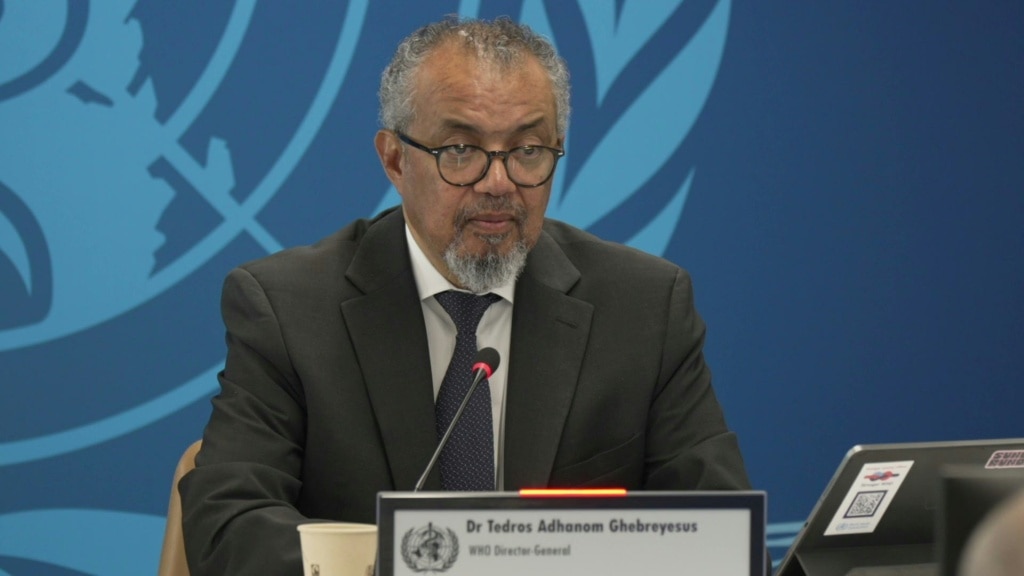
    Ebola, a severe viral haemorrhagic fever first documented in 1976 and linked to bat reservoirs, has claimed more than 15,000 lives across Africa over the past 50 years. This marks the 17th Ebola outbreak recorded in the DRC, and already, health officials are tracking roughly 600 probable cases with 139 suspected deaths. WHO Director-General Tedros Adhanom Ghebreyesus warned that these numbers are almost certain to rise in the coming weeks, noting that the extended undetected circulation of the virus gives it a head start on containment efforts.

    Multiple challenges are complicating the global health body’s response to the crisis. The outbreak is centered in hard-to-access regions of Ituri province, an area long disrupted by armed conflict that limits access for medical teams and contact tracers. Additionally, the outbreak is caused by the rare Bundibugyo Ebola strain, which is not detected by standard diagnostic tests designed for the more common Zaire strain, delaying confirmation of cases.

    Over the weekend, Tedros declared the outbreak a Public Health Emergency of International Concern (PHEIC), the second-highest alert level under the binding International Health Regulations (IHR) that triggers coordinated international emergency response. Despite this escalation, Tedros emphasized that the outbreak does not qualify as a pandemic at this stage. “There are several factors that warrant serious concern about the potential for further spread and further deaths,” he noted, but confirmed the WHO’s formal risk assessment: high at national and regional levels, low globally.

    The European Commission echoed this assessment, stating that the risk of Ebola transmission within the European Union remains “very low” and that no special protective measures are currently recommended for EU residents. So far, the WHO has not implemented mandatory international travel restrictions, only advising that confirmed cases and known contacts avoid travel. However, a number of countries have moved independently to implement border controls and screening. The United States announced this week that it would begin screening air passengers arriving from affected regions and suspend routine visa services, though it granted an exception for the DRC national football team ahead of their World Cup qualifying match in the U.S. Bahrain has gone further, enacting a 30-day entry ban on visitors arriving from the DRC, South Sudan and Uganda.

    As of Wednesday, just 51 cases have been confirmed via laboratory testing, as the remote location of most outbreaks limits access to sample collection and processing. Two confirmed cases have been recorded in the Ugandan capital Kampala, one of which ended in death, and an American citizen working in the DRC tested positive before being transferred to Germany for treatment. Retracing the outbreak’s origins, the first reported symptomatic case was a nurse who presented at a Bunia, Ituri health facility on April 24, but the epicenter of the outbreak is now confirmed to be roughly 90 kilometers away in Mongbwalu, where public health officials believe the virus first began spreading. The WHO first received an alert about an unusual cluster of lethal illness on May 5, and the first positive Ebola test was returned on May 15.

    In Wednesday’s briefing, Tedros pushed back against criticism from United States officials over the speed of the WHO’s response. The U.S., which initiated withdrawal from the WHO during the Donald Trump administration, had faced accusations from Secretary of State Marco Rubio that the organization was “a little late to identify this thing.” Tedros countered that the criticism stems from a “lack of understanding of how IHR work, and the responsibilities of WHO and other entities. We don’t replace the countries’ work, we only support them,” he explained.