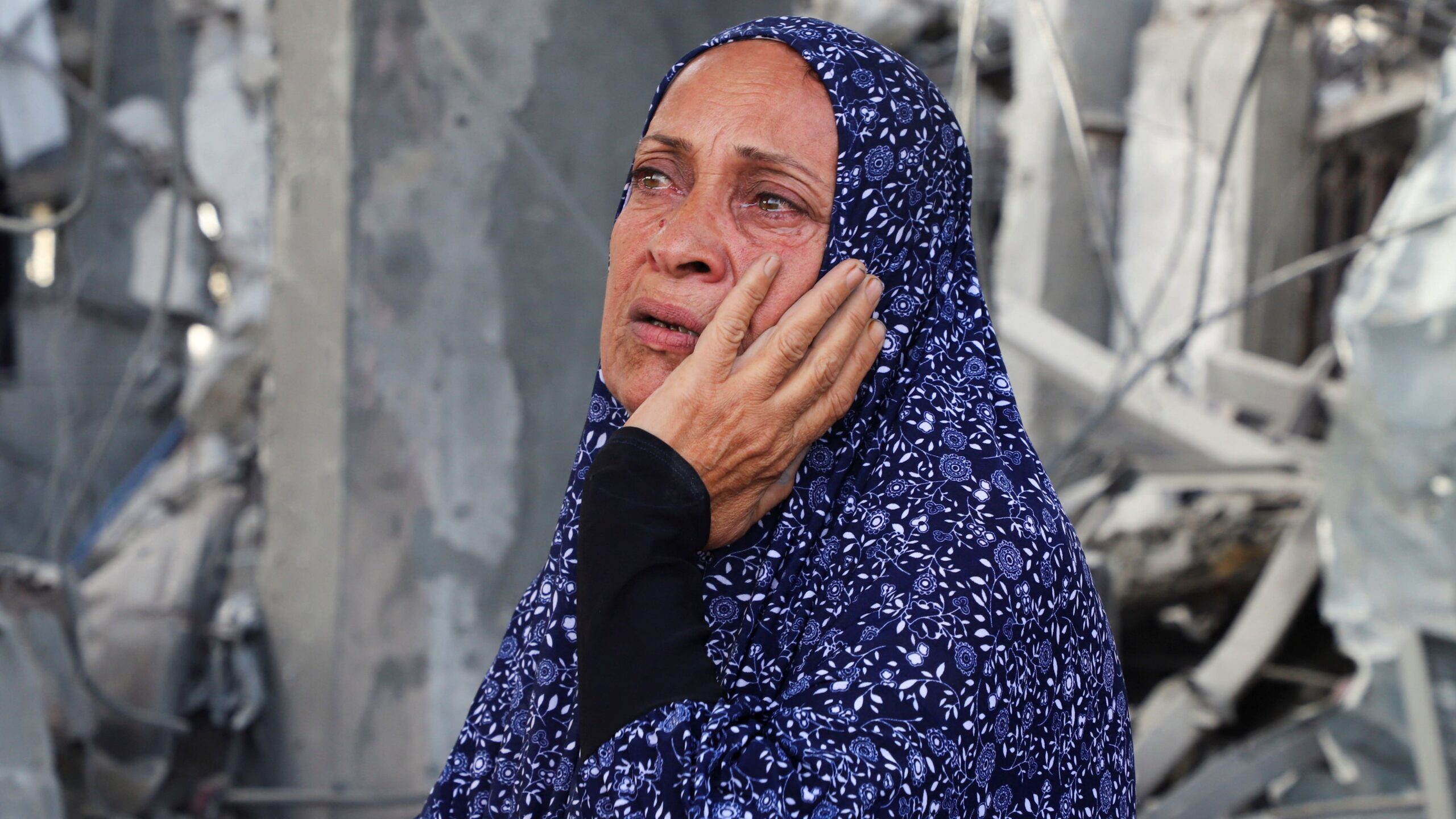
A senior Palestinian official issued an urgent warning Tuesday, highlighting that Israeli-imposed limitations on humanitarian access have triggered a “severe and alarming” collapse in the volume of aid trucks reaching the besieged Gaza Strip, with catastrophic consequences for the territory’s civilian population. Ismail al-Thawabta, director general of Gaza’s Government Media Office, emphasized that the ongoing restrictions have already inflicted devastating harm on the more than 2 million civilians trapped in the enclave.
Under the terms of the US-brokered ceasefire agreement that took effect in October, Israel committed to allowing 131,400 aid trucks carrying life-saving supplies into Gaza by the current date. Al-Thawabta’s data reveals that only 48,636 of these required trucks have actually been permitted entry, meaning over 63 percent of agreed humanitarian shipments have been blocked from reaching Gaza. The crisis has deepened sharply in May: instead of the 10,800 trucks scheduled for entry this month, Israeli authorities only allowed 2,719, dropping the entry rate from an already insufficient 37 percent to just 25 percent.
Posting to the social platform X, al-Thawabta called these figures “an extremely dangerous indicator reflecting the escalating policy of deliberately restricting and rationing humanitarian aid.” He further argued that the steep decline in aid deliveries leaves no question that Israeli occupation forces are implementing a systematic strategy to weaponize food, medical care, and basic humanitarian assistance as a tool of political pressure and blackmail against Palestinian civilians. Al-Thawabta added that these actions flagrantly violate binding international humanitarian law and have pushed Gaza’s civilian population into catastrophic levels of suffering, adding that the current daily average of aid entering the enclave sits at just over 200 trucks, despite the agreement requiring up to 600 trucks of food, fuel, medicine, shelter materials, and commercial goods to enter every day.
In addition to calling out ongoing entry restrictions, al-Thawabta urged the global community to intervene immediately, exerting meaningful pressure on Israel to honor all terms of the October ceasefire deal. This includes halting all unilateral attacks on Gaza and guaranteeing unobstructed, continuous flow of life-saving aid into the territory.
Parallel developments have added new complications to Gaza’s humanitarian crisis. Israeli public media reports confirm that far-right Finance Minister Bezalel Smotrich has rejected a US proposal that would redirect seized Palestinian Authority tax revenues to fund aid distribution operations in Gaza. Sources cited by Israeli newspaper Yedioth Ahronoth note that Smotrich refuses any involvement of the Palestinian Authority in Gaza, even through indirect channels.
The latest US proposal would establish a new aid distribution framework overseen by the Israeli military, modeled after the controversial Gaza Humanitarian Foundation (GHF) system operated in 2024. That earlier initiative drew widespread international condemnation after approximately 2,000 Palestinian aid seekers were killed by Israeli fire or trampled in deadly stampedes at overcrowded GHF distribution sites. Under the new plan, distribution centers would be located near the “Yellow Line” — a demarcation unilaterally drawn by Israeli forces inside Gaza that has steadily expanded since the ceasefire began. Israeli Prime Minister Benjamin Netanyahu and Defence Minister Israel Katz have confirmed that Israeli forces now control more than 60 percent of Gaza’s total territory.
The October ceasefire was negotiated with the goal of ending more than a year of full-scale Israeli military operations in Gaza that Palestinian authorities have labeled genocide. However, the Palestinian Ministry of Health confirms that Israel has repeatedly violated the ceasefire terms, carrying out near-daily artillery and air strikes that have killed at least 880 Palestinians since the truce took effect. Since the start of the current conflict in October 2023, Israeli operations have killed more than 72,770 Palestinians across Gaza, with thousands more still missing and trapped beneath the rubble of destroyed residential and infrastructure buildings.