The World Health Organization (WHO) announced Wednesday that the ongoing deadly Ebola outbreak in the eastern Democratic Republic of the Congo (DRC) has likely been spreading undetected for months, updating its official risk assessment as high for the DRC and neighboring regions but low for the entire globe.
Current investigations into the origins of the outbreak — which was formally declared last Friday — are still ongoing, but WHO officials say early evidence points to the virus circulating unreported for a significant period. “Given the scale, we are thinking that it has started probably a couple of months ago,” Anais Legand, a WHO technical officer specializing in viral haemorrhagic fevers, told reporters during a press briefing in Geneva.
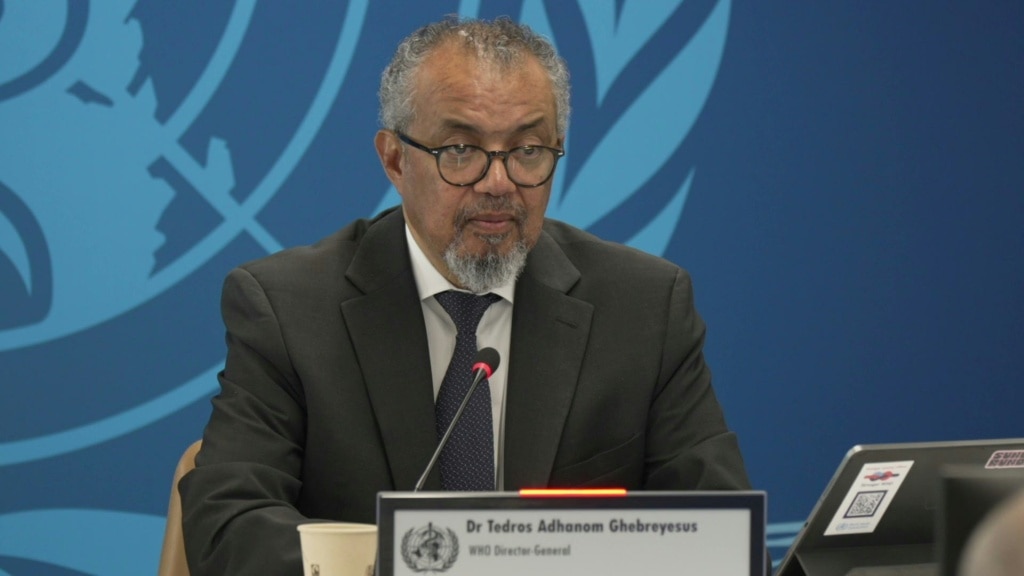
Ebola, a severe viral haemorrhagic fever first documented in 1976 and linked to bat reservoirs, has claimed more than 15,000 lives across Africa over the past 50 years. This marks the 17th Ebola outbreak recorded in the DRC, and already, health officials are tracking roughly 600 probable cases with 139 suspected deaths. WHO Director-General Tedros Adhanom Ghebreyesus warned that these numbers are almost certain to rise in the coming weeks, noting that the extended undetected circulation of the virus gives it a head start on containment efforts.
Multiple challenges are complicating the global health body’s response to the crisis. The outbreak is centered in hard-to-access regions of Ituri province, an area long disrupted by armed conflict that limits access for medical teams and contact tracers. Additionally, the outbreak is caused by the rare Bundibugyo Ebola strain, which is not detected by standard diagnostic tests designed for the more common Zaire strain, delaying confirmation of cases.
Over the weekend, Tedros declared the outbreak a Public Health Emergency of International Concern (PHEIC), the second-highest alert level under the binding International Health Regulations (IHR) that triggers coordinated international emergency response. Despite this escalation, Tedros emphasized that the outbreak does not qualify as a pandemic at this stage. “There are several factors that warrant serious concern about the potential for further spread and further deaths,” he noted, but confirmed the WHO’s formal risk assessment: high at national and regional levels, low globally.
The European Commission echoed this assessment, stating that the risk of Ebola transmission within the European Union remains “very low” and that no special protective measures are currently recommended for EU residents. So far, the WHO has not implemented mandatory international travel restrictions, only advising that confirmed cases and known contacts avoid travel. However, a number of countries have moved independently to implement border controls and screening. The United States announced this week that it would begin screening air passengers arriving from affected regions and suspend routine visa services, though it granted an exception for the DRC national football team ahead of their World Cup qualifying match in the U.S. Bahrain has gone further, enacting a 30-day entry ban on visitors arriving from the DRC, South Sudan and Uganda.
As of Wednesday, just 51 cases have been confirmed via laboratory testing, as the remote location of most outbreaks limits access to sample collection and processing. Two confirmed cases have been recorded in the Ugandan capital Kampala, one of which ended in death, and an American citizen working in the DRC tested positive before being transferred to Germany for treatment. Retracing the outbreak’s origins, the first reported symptomatic case was a nurse who presented at a Bunia, Ituri health facility on April 24, but the epicenter of the outbreak is now confirmed to be roughly 90 kilometers away in Mongbwalu, where public health officials believe the virus first began spreading. The WHO first received an alert about an unusual cluster of lethal illness on May 5, and the first positive Ebola test was returned on May 15.
In Wednesday’s briefing, Tedros pushed back against criticism from United States officials over the speed of the WHO’s response. The U.S., which initiated withdrawal from the WHO during the Donald Trump administration, had faced accusations from Secretary of State Marco Rubio that the organization was “a little late to identify this thing.” Tedros countered that the criticism stems from a “lack of understanding of how IHR work, and the responsibilities of WHO and other entities. We don’t replace the countries’ work, we only support them,” he explained.