博客

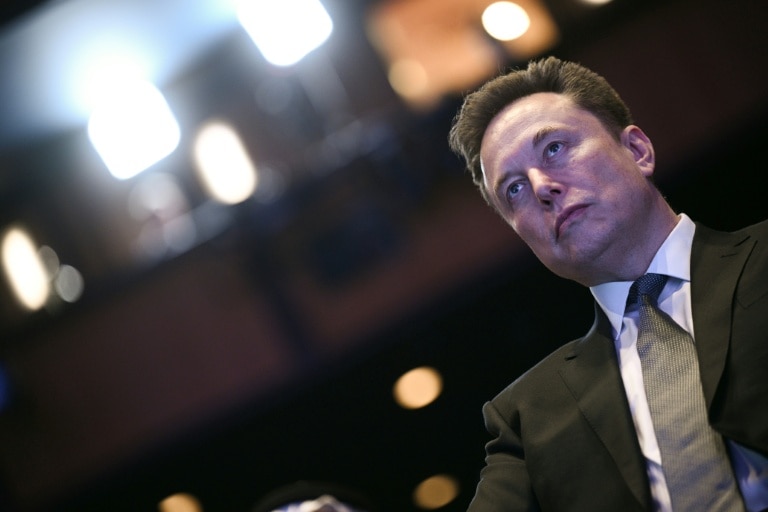
  • Musk eyes Wall Street record with SpaceX IPO

    Musk eyes Wall Street record with SpaceX IPO

    Elon Musk’s aerospace and technology conglomerate SpaceX has taken the first formal step toward a public listing, filing an initial public offering (IPO) prospectus with U.S. regulators this Wednesday that is poised to shatter all previous Wall Street records if brought to fruition.

    The confidential filing, already under review by the U.S. Securities and Exchange Commission (SEC), outlines plans to raise up to $75 billion in public capital, which would value the company at as much as $1.75 trillion. Trading on the Nasdaq exchange under the ticker symbol SPCX could launch as early as June 2026, according to industry media reports. If completed, the listing would surpass every IPO in U.S. history in terms of capital raised, cementing Musk’s reputation as one of the most transformative entrepreneurs of the 21st century.

    This IPO marks a watershed moment for SpaceX, which was founded 24 years ago and has never publicly disclosed its detailed financial performance until now. The S-1 prospectus— the regulatory document required for all public listings that lays out financials, risk factors and strategic plans—revealed that SpaceX generated $18.7 billion in total revenue in 2025, but recorded an operating loss of $2.6 billion driven by massive investments in next-generation rocket technology and artificial intelligence development.

    Starlink, the company’s satellite internet division, stands out as its core revenue driver, pulling in $11.4 billion in 2025 revenue, a nearly 50% increase year over year. By contrast, the company’s combined AI segment— which includes Musk’s xAI and the social platform X, formerly Twitter—posted $3.2 billion in 2025 revenue but a staggering $6.4 billion operating loss, as the company pours capital into building AI training data centers to compete with industry giants Google, Meta and Amazon. Capital expenditure for the AI segment hit $12.7 billion in 2025 alone, and grew to $7.7 billion in just the first quarter of 2026, reflecting the enormous cost of staying competitive in the global AI arms race.

    In a surprising business deal disclosed in the filing, SpaceX has agreed to lease excess capacity at its COLOSSUS and COLOSSUS II data centers to leading rival AI firm Anthropic for $1.25 billion per month through May 2029. The IPO filing comes just days after Musk suffered a major legal defeat in his long-running public feud with OpenAI, another top AI competitor that is also preparing for its own public listing. With Anthropic also targeting an IPO in 2026, this year is on track to become one of the most high-profile years for tech public offerings in recent Wall Street history.

    A key detail of the listing plans confirms that Musk will retain near-total control of SpaceX after it goes public via a dual-class share structure, a setup designed to avoid the kind of corporate governance battles that have repeatedly disrupted his leadership at electric car maker Tesla, where shareholders have repeatedly challenged his massive compensation packages and the independence of Tesla’s board. Under the proposed structure, Musk will hold roughly 42% of the company’s total equity but control approximately 79% of all shareholder voting power. SpaceX explicitly warned outside investors in the filing that this arrangement creates inherent risks, noting Musk “will have the power to control the outcome of matters requiring shareholder approval, including election of all our directors.”

    The prospectus also laid out SpaceX’s extraordinarily ambitious long-term strategic roadmap: building AI data centers in orbit, arguing that solar power captured directly from space is “the only truly scalable solution” to meet the exponentially growing energy demand of global AI computing. The company plans to begin launching purpose-built AI computer satellites as early as 2028, with a long-term goal of deploying 100 gigawatts of orbital compute capacity annually. Achieving that goal will require thousands of rocket launches per year and moving roughly one million metric tons of payload into orbit annually— a challenge SpaceX says no other company on Earth is positioned to tackle at commercial scale.

    In a projection that underscores the company’s massive growth ambitions, SpaceX calculated its total addressable market—the maximum potential revenue opportunity across all its business lines, excluding the Chinese and Russian markets—at a staggering $28.5 trillion.

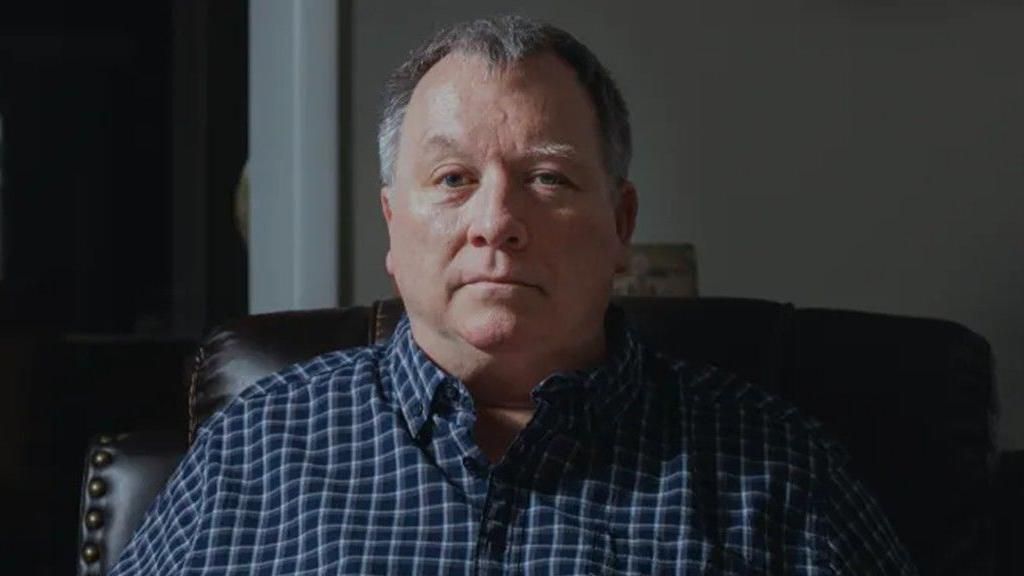
  • Tennessee man jailed over Charlie Kirk post settles lawsuit for more than $800K

    Tennessee man jailed over Charlie Kirk post settles lawsuit for more than $800K

    A retired law enforcement officer from Tennessee who spent more than five weeks in jail following his arrest over a social media post connected to the killing of conservative activist Charlie Kirk has reached an $835,000 settlement in his wrongful incarceration lawsuit against local authorities. Larry Bushart, 64, spent 37 days in pre-trial detention before prosecutors ultimately dropped all felony charges against him — a period of incarceration that cost him his part-time post-retirement job and forced him to miss the birth of his first grandchild.

    Bushart’s arrest dates back to September 2024, when deputies from the Perry County Sheriff’s Office took him into custody hours after he shared a satirical meme in a public Facebook discussion thread about a community vigil honoring Kirk, who was fatally shot during an outdoor speaking engagement in Utah 10 days prior. The meme paired the partial line “We have to get over it” — a quote taken from former President Donald Trump’s 2024 message of condolence following a deadly school shooting in Perry, Iowa — with the caption “Seems relevant today.”

    Local authorities claimed that area residents grew alarmed by the post because Tennessee’s Perry County is home to a public school that shares the same name as the Iowa school where the 2024 shooting occurred. Then-sheriff Nick Weems argued publicly after the arrest that investigators believed Bushart had intentionally posted the meme to stoke widespread fear and hysteria within the local community, charging him with threatening mass violence at a school. Unable to pay the exorbitant $2 million bail set by the court, Bushart remained behind bars for more than a month even as he maintained his post was protected free speech and never intended to incite harm.

    After all charges were dismissed, Bushart filed a federal civil lawsuit against Perry County, Weems, and lead county investigator Jason Morrow, alleging the defendants had violated his First Amendment right to free expression and his Fourth Amendment protection against unreasonable search, seizure, and unlawful detention. A jury trial was scheduled to begin in Memphis this coming July, before the two sides reached a settlement agreement that was announced publicly this week.

    In a formal statement announcing the resolution of his case, Bushart said he was pleased that his First Amendment rights had ultimately been vindicated. “The people’s freedom to participate in civil discourse is crucial to a healthy democracy,” the statement read. “I am looking forward to moving on and spending time with my family.” The BBC has reached out to Perry County officials for additional comment on the settlement, but has not yet received a response.

    Bushart is one of more than 30 Americans who faced some form of professional or public repercussion — ranging from widespread online harassment to termination from employment — for controversial social media comments made in the wake of Kirk’s killing. To date, he remains the only individual known to have been incarcerated for a social media post related to the high-profile killing, a fact that has drawn increased national attention to his case and broader debates over the balance between public safety and free speech rights in the digital age.

  • India has food safety laws. So why can’t it guarantee safe food?

    India has food safety laws. So why can’t it guarantee safe food?

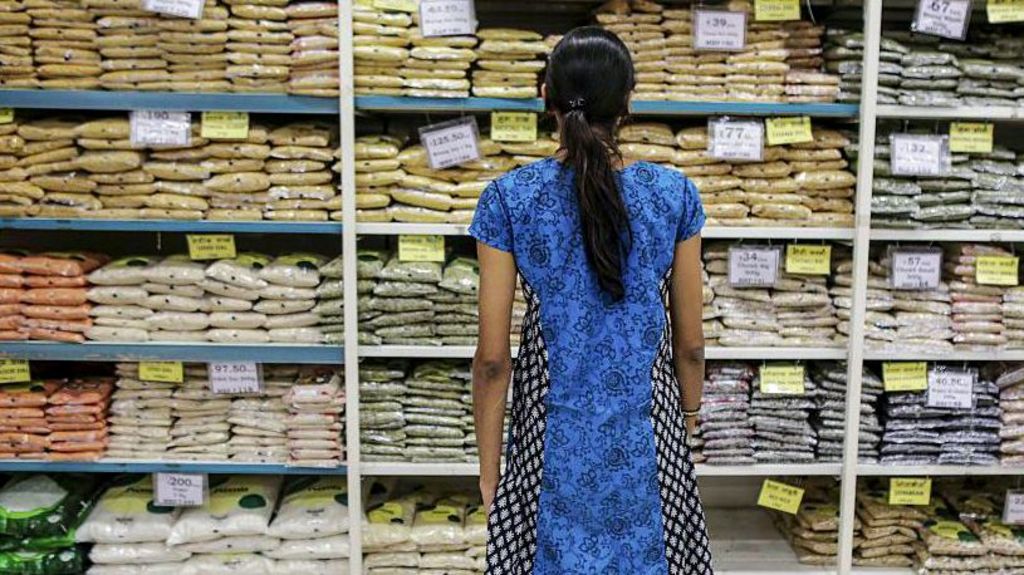
    In the sun-dappled kitchen of 55-year-old Nirmal Rao in New Delhi, India, a quiet shift in daily routine is unfolding that mirrors a growing trend across the country’s urban centers. As she lays boiled turmeric out to dry in the afternoon light, then grinds yesterday’s cured batch into a fine golden powder in her countertop mixer, Rao acknowledges this labor-intensive work is not what she envisioned for her retirement years. “We shouldn’t have to do this,” she says, tucking the finished bright yellow spice into a glass jar, “But you cannot trust what’s being sold in the markets anymore.”

    Rao is far from alone in this choice. Across India’s cities, a growing number of middle-class households are converting their domestic kitchens into small-scale food processing hubs: hand-grinding whole spices, crafting homemade paneer (Indian cottage cheese), and sourcing unprocessed grain directly from regional farms. What began as a niche hobby for food enthusiasts has evolved into a mass consumer response driven not by nostalgia for traditional cooking, but by deep-seated distrust of the country’s commercial food supply.

    Official government data underscores the foundation of this anxiety: between 2022 and 2025, roughly one in six food samples collected by regulators failed to meet India’s national food safety standards. Over that same period, authorities revoked more than 1,100 operating licenses from food businesses for violations. Failed tests cover a spectrum of issues, ranging from inadequate hygiene and incorrect labeling to dangerous contamination and intentional adulteration, a practice where unethical producers cut high-quality ingredients with cheap, often harmful substitutes to boost profits.

    Just last month, for example, food safety officials in Hyderabad seized over 3,000 kilograms of adulterated tea powder, according to local outlet The Indian Express. The seized product had been laced with synthetic coloring, low-cost jaggery juice, and expired tea leaves to mimic the appearance and weight of premium product before being sold to unsuspecting consumers.

    While food adulteration is not a new challenge in India, a perfect storm of systemic gaps has amplified the current crisis of trust. The country’s massive informal food sector, which employs millions and supplies most of the food consumed by low- and middle-income households, operates far outside consistent regulatory oversight. At the same time, social media platforms spread warnings of food safety scandals at a speed that outpaces official responses, amplifying public anxiety faster than regulators can issue clarifications or corrections. Where adulteration once meant small-time offenses like diluting milk or adding pebbles to bulk grain, modern raids regularly uncover far more dangerous tampering: milk spiked with detergent, and spices colored with toxic synthetic dyes.

    India has put in place a modern legal framework to address food safety: the Food Safety and Standards Authority of India (FSSAI), established by a 2006 law, replaced a fragmented patchwork of outdated local regulations to create unified rules for food production, storage, transportation, and sale. Every operation from large multinational food brands to neighborhood street vendors is required to hold an FSSAI license, and trained food safety officers are tasked with conducting inspections, collecting test samples, and investigating consumer complaints.

    Pawan Agarwal, former chief executive of FSSAI, notes that India’s regulatory framework is “among the most modern food safety laws in the world” with clear, rigorous standards for legal food sales. But in practice, the system only acts after harm has already occurred. “Bigger companies are expected to test products before they go to market – but most of the food economy does not work that way,” Agarwal explains. “Food products are often tested only after complaints emerge or suspicions are raised. By then, adulterated goods may already have moved across cities or states.”

    Another major challenge comes from the widespread sale of unpackaged, loose food items – including cooking oil, flour, and spices – sold without formal branding or standardized packaging across millions of small neighborhood outlets. These unlabeled products leave almost no paper trail, making it nearly impossible for regulators to trace unsafe goods back to their source or track where they have been distributed, according to industry experts.

    The food testing system itself carries structural flaws, adds Saurabh Arora, managing director of Auriga Research, one of India’s leading independent food testing laboratories. Current rules require food businesses to submit product samples for safety testing only once every six to 12 months, a system that is widely manipulated by unethical operators. “They often make sure the tested batch meets standards – even if other batches produced at the same facility may not,” Arora explains.

    Compounding these gaps is a crippling shortage of enforcement personnel. In Maharashtra, one of India’s largest and most economically developed states, fewer than 500 food safety officers are responsible for overseeing thousands of registered food businesses and millions of informal vendors, says Sanjay Indani, a food safety expert who has previously consulted for FSSAI. “It is nearly impossible to oversee everything,” Indani notes. “How can such few numbers [of officers] hold people accountable?”

    Unlike developed economies such as Italy and the United Kingdom, which rely on tightly documented, digitized supply chains to trace and recall contaminated products in days, tracking a single bad batch in India can take weeks – and in many cases, never happens at all. The severity of the crisis has even reached the country’s top official bodies: last month, India’s National Human Rights Commission held a special high-level meeting on food safety, where participating officials warned that contaminated products can spread across entire regions before regulators can even identify the threat, much less remove it from store shelves.

    For consumers, the systemic failure has led to two overlapping grassroots responses. For households with higher disposable incomes, many are opting to pay steep premiums for food they see as more trustworthy. Tiash De, a 29-year-old Mumbai resident, says fear of adulteration has pushed her to prioritize higher-cost branded products even when they strain her monthly budget. “I tend to go for bigger brands, even though they are costly and strain my budget, but in my head I am sure they are not adulterated,” she says. She also pays a 50% premium for a farm-to-home milk delivery service, a cost she says is worth the peace of mind it brings.

    This growing demand for trusted, transparent food is driving rapid industry growth: Dr. Meenakshi Singh, chief scientist at the Council of Scientific and Industrial Research (CSIR), projects that India’s organic food market will reach $10.81 billion by 2033, as more consumers prioritize safety over low prices.

    Medical experts warn that the hidden harm of regular exposure to adulterated food extends far beyond acute food poisoning. Unlike sudden bouts of foodborne illness that trigger immediate medical attention, repeated consumption of contaminated or substandard ingredients can cause chronic, long-term health damage that takes years to emerge. “In the short term, people may experience digestive issues, headaches or fatigue,” explains Rinkesh Kumar Bansal, chief of gastroenterology at a Fortis Hospital near New Delhi. “Over time, it can contribute to liver and kidney damage, hormonal problems and a higher risk of chronic disease.”

    Industry experts point out that the current wave of public panic is not driven by a sudden spike in actual adulteration cases, but by the rapid spread of information online. “Food adulteration has not suddenly increased, but information about it now spreads rapidly because of social media,” former FSSAI chief Agarwal explains. “We are sensitive about the food we eat and it is very personal to us, so any such news immediately has our attention.”

    Despite the systemic challenges, many experts see reason for long-term improvement, arguing that growing consumer awareness will ultimately force industry and regulatory change. “As awareness grows and people start demanding safer food, businesses will have no choice but to deliver,” Agarwal says. He points to one emerging positive shift: FSSAI now regularly publishes public guidance on how consumers can test for common adulterants at home, a transparency practice he says is rare among food regulators around the world.

    Arora, the testing lab director, adds that lasting change will require a shift in cultural mindset as much as regulatory reform. “There has to be a sense of ownership from the manufacturer all the way to the consumer,” he says. “In India, the mindset often becomes – as long as I am not consuming it myself, it is someone else’s problem. Regulation alone cannot solve that.”

    Back in her New Delhi kitchen, where shelves once lined with store-bought spice packets now hold jars of her homemade blends, Nirmal Rao sums up the frustration of ordinary consumers caught in the gaps of the system. She admits that hand-processing spices is time-consuming and impractical, especially for younger households where both adults work full-time. But for millions of Indians, it is the only choice they feel they have: “If even basic food cannot be trusted, what are ordinary people supposed to do?”
  • Why Russian jets intercepting an RAF spy plane is ‘serious incident’

    Why Russian jets intercepting an RAF spy plane is ‘serious incident’

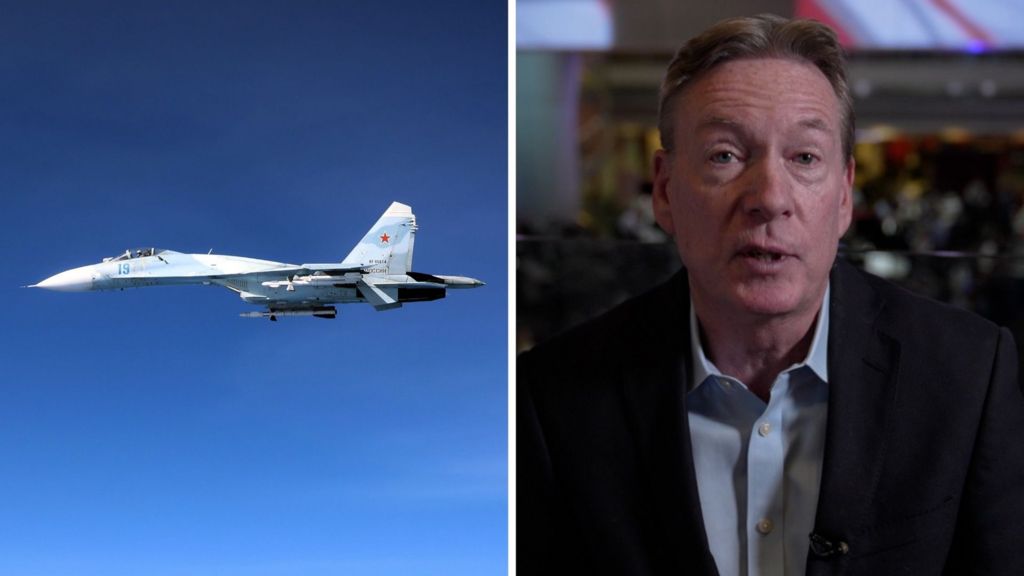
    A recent encounter between Russian fighter jets and a British Royal Air Force surveillance plane has escalated into what analysts are calling a serious diplomatic and security incident, shining a harsh new spotlight on the already frayed relations between Moscow and the Western military alliance NATO. BBC security correspondent Frank Gardner, a veteran reporter with deep expertise in Middle Eastern and European security affairs, has broken down how this intercept underscores the growing volatility between Russia and the transatlantic bloc.

    While routine interceptions of military aircraft are not uncommon in international airspace near NATO and Russian borders, the parameters of this specific encounter have elevated it beyond standard protocol to an event that raises alarms about miscalculation and accidental escalation. Gardner’s analysis emphasizes that the incident is not an isolated event, but rather the latest in a steady pattern of increased military posturing and close encounters between Russian and NATO forces that have built up over recent years.

    Tensions between Russia and NATO have remained at post-Cold War highs since 2014, when Russia annexed Crimea from Ukraine, and surged to unprecedented levels following Moscow’s full-scale invasion of Ukraine in 2022. Since that invasion, NATO has bolstered its eastern flank with additional troops, increased air patrols and maritime surveillance operations in regions bordering Russia, leading to a corresponding uptick in Russian interceptions of NATO aircraft. Each close encounter carries inherent risk: a misread maneuver, a miscommunication, or an accidental weapons discharge could quickly spiral into a full-blown conflict between the world’s largest nuclear powers, making even minor incidents a cause for grave international concern.

    Gardner’s reporting frames this latest intercept as a clear indicator that neither side is backing down from its military posture, and that the risk of unintended conflict remains higher than it has been in decades. For Western security officials, the incident serves as a reminder of the need for maintained communication channels to de-escalate tense encounters, even as diplomatic relations between Russia and NATO remain all but frozen.

  • Stylish Aston Villa win Europa League to end 30-year trophy drought

    Stylish Aston Villa win Europa League to end 30-year trophy drought

    On a historic night under the lights of Istanbul’s Besiktas Stadium, Unai Emery’s Aston Villa delivered a dominant 3-0 defeat of Germany’s Freiburg to lift the Europa League trophy, snapping a 30-year wait for major silverware and etching a new iconic chapter into the 152-year-old club’s history.

    The match played out like a script written for legend. Wearing the same white kit they donned for their famous 1982 European Cup upset of Bayern Munich — and with 1982 heroes Peter Withe and Dennis Mortimer watching from the stands — Villa turned clinical finishing into a masterclass that left first-time European finalists Freiburg outclassed from start to finish.

    The deadlock broke in the 41st minute, when Morgan Rogers teed up Youri Tielemans with a pinpoint cross from a clever short corner routine. The Belgian midfielder timed his run perfectly to hammer a thunderous volley past Freiburg goalkeeper Noah Atubolu from just inside the 18-yard box, a strike that shattered any resistance the German side had mustered to that point. Before the first half could even wrap up, Emiliano Buendia doubled Villa’s advantage with a sublime curled effort from the edge of the area, beating Atubolu into the far top corner after Freiburg failed to close him down. Rogers put the result beyond all doubt in the 58th minute, sliding to turn Buendia’s cross into the back of the net to seal the victory.

    For Aston Villa, the win is far more than just a trophy: it is the culmination of a stunning transformation that started when Emery took charge in October 2022. At the time, Villa languished just three points above the Premier League relegation zone, and the club had endured decades of heartbreak after their 1982 European triumph: relegations to the second tier in 1987 and 2016, and defeats in four consecutive domestic finals before this 2024 final run. Even this season got off to a disastrous start, with Villa opening their campaign with six winless matches, scoring just two goals in that dismal opening stretch. But a turnaround began with their first Europa League win of the season against Bologna, and the club rattled off 13 wins from 15 matches in the competition to reach the final.

    The triumph also cements Emery’s legacy as the undisputed master of the Europa League. Wednesday’s win marks his fifth title in the competition, adding to previous crowns he earned with Sevilla (2014, 2015, 2016) and Villarreal (2021). The result also completes an incredible six days for the club: just a week before the final, Villa secured qualification to next season’s Champions League with a vital win over Liverpool.

    The celebration stretched far beyond the pitch, with famous Villa fans including Prince William — who attended the match alongside 20,000 ecstatic Villa supporters — and Hollywood A-lister Tom Hanks, who sent a pre-match good luck message to the squad. For a generation of Villa fans who have never seen their club lift a major trophy, the unforgettable night on the banks of the Bosphorus banished decades of misery, and the current crop of Villa stars have now taken their place alongside the iconic 1982 side that defined the club’s greatest era for 42 years.

  • Monarchists’ Savak marches revive memories of the shah’s torture state

    Monarchists’ Savak marches revive memories of the shah’s torture state

    In recent weeks, public marches organized by supporters of Reza Pahlavi, the son of Iran’s ousted former shah, across multiple European capitals have ignited fierce controversy for their open display of symbols tied to Savak, the widely condemned secret police force that oversaw systematic torture and political repression during the Pahlavi monarchy.

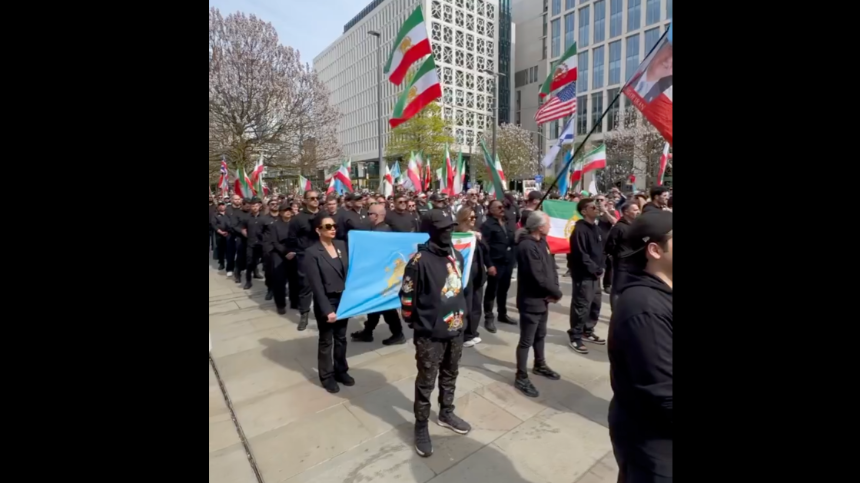
    Participants in these demonstrations have marched in coordinated military-style formations, carried large portraits of Pahlavi – who has publicly endorsed recent U.S. and Israeli military strikes against Iran – and openly called for repeated attacks on Iranian territory and the restoration of the former crown prince to power. Leading the processions have been flags emblazoned with the Savak insignia, a symbol that for generations of Iranians immediately evokes decades of state-sponsored violence.

    The first of these high-profile events took place in London on April 26, shortly after a bilateral ceasefire halted direct military clashes between the U.S. and Iran. London marchers dressed head-to-toe in black, marched in rigid military formations with arms folded behind their backs, chanted slogans praising the deposed shah, and some hid their identities behind balaclavas, with the Savak flag at the head of the parade. A nearly identical demonstration followed in Copenhagen on May 9, where participants wore khaki military-style uniforms. A third event was later held in Regensburg, Germany, where attendees wore printed T-shirts marked with the Savak official emblem.

    To understand the outrage these parades have sparked, it is necessary to revisit the history of Savak, formally the State Security and Intelligence Organisation, founded in 1953 with direct training and assistance from the U.S. Central Intelligence Agency and Israel’s Mossad. For nearly 25 years under Shah Mohammad Reza Pahlavi, Savak functioned as the primary tool of state repression to crush all political dissent against the monarchy. International human rights groups have documented decades of abuses committed by the agency, including widespread arbitrary detention, forced disappearances, extrajudicial executions, systematic torture of political prisoners, coercion against the families of detainees, and intimidation campaigns targeting Iranian dissidents living abroad. A 1976 Amnesty International investigation into Savak’s operations formally documented the agency’s pattern of torture and extrajudicial killing, describing it as an organization that operated “with extreme ruthlessness.”

    Reactions to the public display of Savak symbols have split along generational and political lines within Iranian communities both inside the country and in the global diaspora. Many younger Iranian opponents of the current Islamic Republic government, who were born after the 1979 revolution that ousted the shah and never experienced Savak’s rule firsthand, have dismissed the marches as a desperate, absurd publicity stunt. A 27-year-old opponent of the Islamic Republic living inside Iran told Middle East Eye, “I could not stop laughing when I saw them wearing T-shirts with the Savak emblem. They could have identified themselves with something linked to knowledge, change, freedom or justice. Anything. But Savak? Really?” He described the marches as a “clown show” and a “pathetic reaction to losing momentum” among monarchist groups, which have seen domestic support collapse in Iran since the start of the U.S.-Israeli military campaign against the country in February.

    Older Iranians who survived Savak’s repression, however, view the parades as a deeply alarming normalization of state brutality that echoes the rise of fascist movements in 20th century Europe. Behrouz Farahani, a veteran anti-Islamic Republic activist who has lived in exile in Paris for 20 years and worked closely with French labor organizers, argued that the marches are part of a growing aggressive push by monarchists to marginalize and silence other Iranian opposition groups that oppose foreign military intervention in Iran. He noted that monarchists have increasingly resorted to online harassment, verbal attacks, and even physical confrontations against anti-war demonstrators at opposition events outside Iran. “Anyone with historical memory, anyone aware of the rise of fascism in Italy and Germany, would immediately think of these movements,” Farahani said. “When I saw the black-clad march, I was reminded of Mussolini’s supporters in Italy and pro-Hitler militia groups in Germany.”

    Farahani added that the current political shift toward far-right, authoritarian-leaning politics in many Western countries has allowed Iranian monarchists to organize these events openly without pushback. He outlined two core goals behind the public parades beyond silencing dissent within the Iranian diaspora: first, to recruit younger Iranians who have no direct memory of the Pahlavi era and lack awareness of Savak’s widespread atrocities, and second, to build strategic alliances with far-right political movements currently holding power across Europe. “They want to signal to fascist and far-right parties in power that they share the same views, in order to gain their support,” he explained.

    Sudabeh Jazani, a former political prisoner under the Islamic Republic who now lives in U.S. exile, shared Farahani’s comparison of the marches to interwar fascist rallies. Jazani’s own family suffered direct loss at the hands of Savak: her brother Bijan Jazani and uncle Saeed Kalantari were among nine political prisoners executed without trial by Savak in 1975 in the hills north of Tehran, and the regime never permitted the family to hold a public funeral for the victims. She warned that the open intimidation displayed by monarchists already holding no official power offers a clear preview of what rule by Pahlavi would mean for Iranians. “These people, who still have no power, are creating fear and terror. Those who did not live through Iran under the Shah need to ask themselves what they would do if they came to power,” Jazani said. Like Farahani, she argued that Pahlavi and his supporters, who receive political and financial backing from foreign interests including Israel, are deliberately distorting modern Iranian history to recruit younger Iranians who lack firsthand knowledge of the monarchy’s abuses. She expressed particular shock that the march in Germany – a country with strict legal restrictions on displays of fascist and violent authoritarian symbols – was allowed to proceed openly, and called on international human rights groups to condemn the events.

    Recounting her own experience with Savak, Jazani described being arrested in 1975 after she offered condolences to the family of a political prisoner killed by the agency. During her interrogation, she was forced to flip through a photo album filled with graphic images of tortured bodies and executed political prisoners. “The interrogator gave me the album and said, ‘I will give you time to look at these carefully. If you don’t speak, the same will be your fate,’” she recalled. “When I hear the name Savak, I feel enraged, because they destroyed my family. For me, Savak means destruction, suffering, and torture.”

    Multiple survivors of Savak detention who currently oppose both the current Iranian government and the restoration of the monarchy shared similar firsthand accounts of the climate of fear Savak imposed across Iranian society for decades. A sociology professor based inside Iran, who asked to remain anonymous for security reasons, was arrested during the shah’s rule for possessing a dissident political pamphlet and spent one year in Savak custody, where he endured what he described as “soft torture”: prolonged sleep deprivation, being forced to stand for hours at a time, and repeated physical abuse including pulling of his hair, moustache, and ears. “The very conversation we are having now, during the shah’s time, even a father and son would be afraid to have it, because there was a belief that Savak could be listening and that it could lead to arrest and torture,” he said.

    The professor also noted that public, military-style marches by pro-shah groups are not a new phenomenon, tracing the pattern back to the early 1950s, when a pro-shah neo-Nazi group called Sumka, which promoted an ideology of Iranian Aryan racial superiority, carried out violent attacks on leftist and nationalist opposition gatherings with clubs and knives ahead of the 1953 CIA-backed coup that overthrew Iran’s democratically elected Prime Minister Mohammad Mossadegh and restored the shah to power. It was after the 1953 coup that Savak was formally established to consolidate the shah’s control over every sector of Iranian society, targeting students, political activists, intellectuals, and even independent poets.

    An Iranian writer based inside Iran, who has been interrogated by intelligence agencies both under the monarchy and after the 1979 revolution for his literary work, echoed these memories of terror. “The name Savak reminds me of horror and torture; of when I was sitting in an interrogation room and waiting for the interrogator, looking at the shah’s picture on the wall,” he said. He cited a poem by prominent Iranian poet Mehdi Akhavan-Sales, who was himself detained and interrogated by Savak, as the most accurate depiction of the constant fear the agency imposed: “And I am frightened by this image on the wall. In this image, that man, with the ominous and merciless whip of Xerxes, lashes out like a madman, but not at the sea; at my back, at my withered veins, at what lives in you, at what is dead in me.”

  • James Murdoch, media scion, strikes deal for New York Magazine and Vox

    James Murdoch, media scion, strikes deal for New York Magazine and Vox

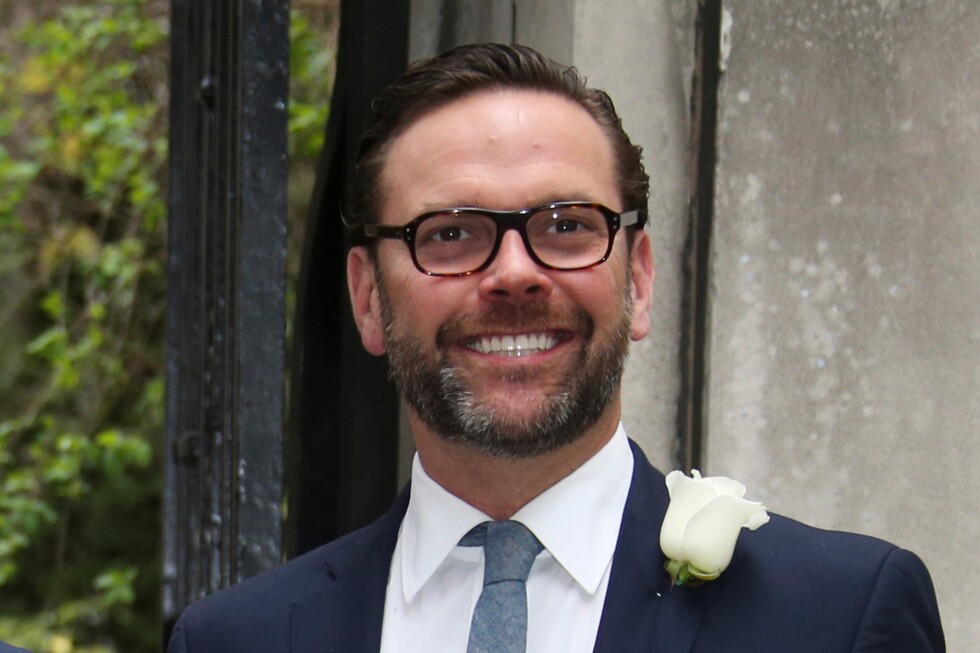
    In a transformative move that reshapes the modern digital media landscape, media industry scion James Murdoch has closed a definitive agreement with Vox Media to take ownership of one of America’s most iconic magazine brands, New York Magazine, along with Vox’s flagship editorial brand and its high-growth podcast network.

    The deal marks a pivotal step for 53-year-old James, the younger son of legendary late media magnate Rupert Murdoch, as he builds an independent media portfolio separate from his family’s conservative-leaning legacy. Notably, Rupert Murdoch himself previously owned New York Magazine from 1976 to 1991, adding a layer of full-circle history to this transaction. The acquisition comes less than 12 months after the Murdoch family finalized a succession agreement for the 95-year-old mogul’s global media empire following his passing, which locked in James’ older brother Lachlan Murdoch as the head of conservative cable giant Fox News, fulfilling Rupert’s long-stated succession plan.

    Per the terms of the agreement, which is on track to close within the next several weeks, James Murdoch’s private media investment firm Lupa Systems will take control of the three acquired divisions, which collectively make up roughly half of Vox Media’s current business operations. Neither company has publicly disclosed the exact purchase price, but anonymous sources familiar with the negotiations told The New York Times the valuation exceeds $300 million. Following closing, the acquired assets will operate as an independent subsidiary under the Lupa umbrella, retaining the Vox Media name.

    The transaction splits Vox Media’s portfolio of digital brands: major properties including Eater, Popsugar, SB Nation, The Dodo, and The Verge will remain under the ownership of the existing Vox Media parent company. Joining New York Magazine in the sale are all of its popular vertical digital publications, including lifestyle and fashion platform The Cut, culture and entertainment outlet Vulture, political news hub Intelligencer, product recommendation site The Strategist, real estate and urban living publication Curbed, and food and dining site Grub Street.

    Also included in the acquisition is the Vox Media Podcast Network, home to chart-topping hit shows such as the true crime series *Criminal* and the industry-leading tech and business podcast *Pivot* hosted by Kara Swisher and Scott Galloway. In an official statement, Vox Media noted the podcast network has been the company’s fastest-growing division, and the acquisition will immediately position Lupa Systems as a major top-tier player in the global podcast market.

    James Murdoch, who previously served as CEO of 21st Century Fox before resigning from the News Corporation board in 2020 over ideological disagreements about the company’s content and strategic direction, has long been publicly identified with more moderate political views than his father. As part of last year’s family succession deal, James and his two older sisters Prudence MacLeod and Elisabeth Murdoch ceded all claims to control of Fox Corp. in exchange for stock holdings valued at $3.3 billion at the time of the agreement. The resulting trust structure formalized Lachlan Murdoch’s control of Fox Corp. alongside his younger sisters Grace and Chloe.

    In his official statement on the new acquisition, James Murdoch emphasized that the purchase aligns with Lupa’s existing investment strategy and core values. “This acquisition aligns well with our existing holdings and investments and reflects both our interest in the forward edge of culture and our deep commitment to ambitious journalism and agenda-setting conversations,” he said. “It will allow us to apply new tools across the businesses we are building, adding substantial production, distribution, and editorial capability to our group.”

    Leadership continuity is planned for the newly formed subsidiary: current Vox Media Chairman and CEO Jim Bankoff will retain his role, stepping in as CEO of the new standalone Vox Media subsidiary once the deal closes. “We are incredibly proud to have built and scaled several of the leading media properties of this generation,” Bankoff said in a statement. “Together under Lupa’s stewardship we are primed to be the best home for talent and the most dynamic media company of this new era.”

    David Haskell, editor-in-chief of New York Magazine, informed subscribers in an email that Lupa Systems will become the magazine’s sixth owner since 1968. In the note, he reaffirmed the publication’s commitment to independent reporting. “We will continue with the fearless, independent journalism that you expect from us,” Haskell wrote. “We will continue to create news cycles, start conversations, contribute to the most important debates in politics and society, identify and explore what’s most interesting in contemporary culture, and always do our best to challenge our readers, surprise them, and help them make sense of the modern world.”

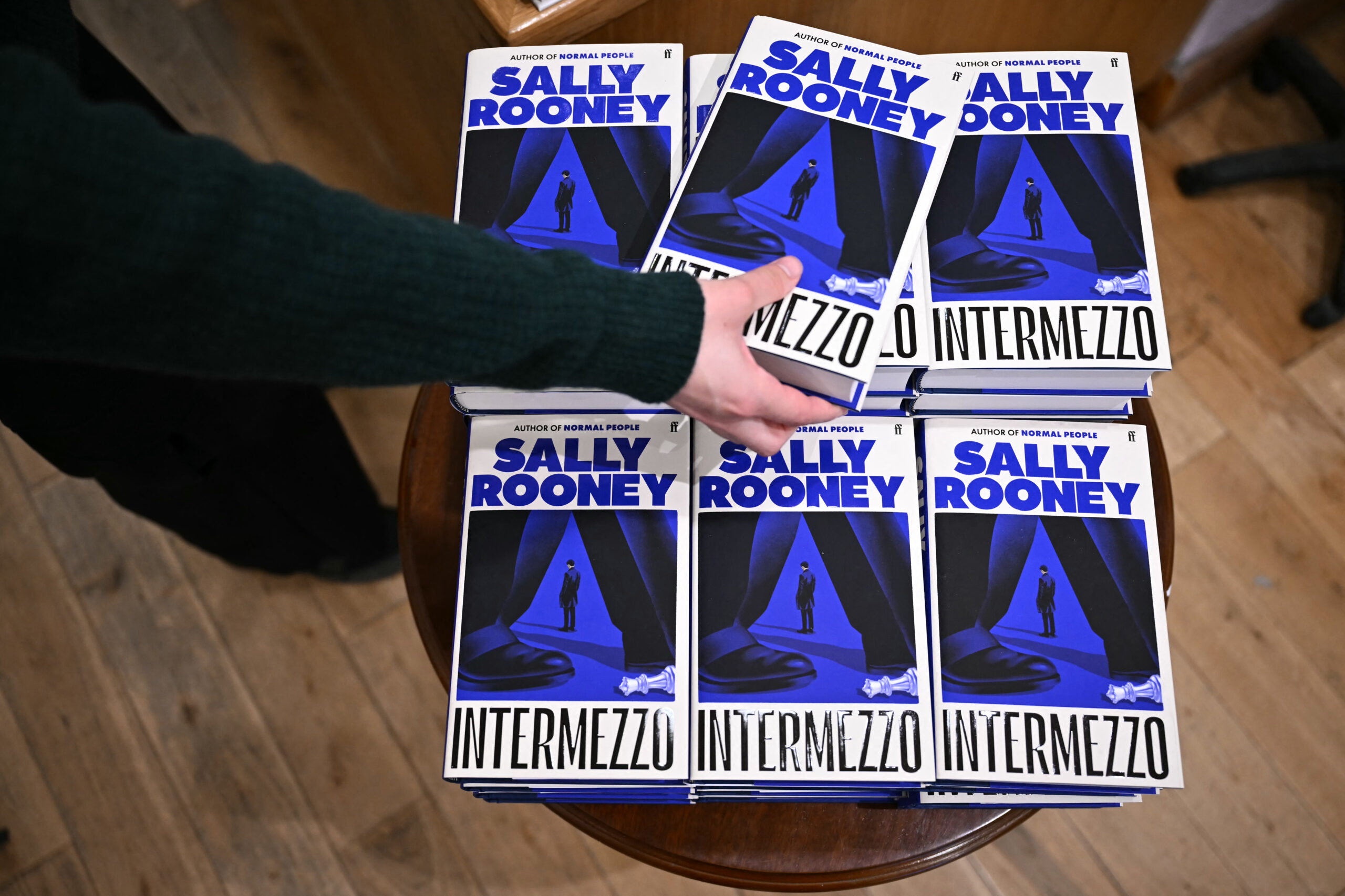
  • Sally Rooney confirms ‘Intermezzo’ to be published in Hebrew, sparking online backlash

    Sally Rooney confirms ‘Intermezzo’ to be published in Hebrew, sparking online backlash

    Renowned Irish author Sally Rooney, a long-standing high-profile supporter of the Palestinian cause and the Boycott, Divestment and Sanctions (BDS) movement, has sparked intense global controversy after confirming her latest novel *Intermezzo* will be released in a Hebrew translation, a decision that has split opinion across social media and activist circles.

    Rooney first drew international attention to her pro-Palestine stance in 2021, when she rejected a translation offer from Israeli publisher Modan for her third book, adhering to BDS’ call for a cultural boycott of complicit Israeli institutions. That decision cemented her reputation as one of the most prominent literary figures backing Palestinian rights, and she would later sign a 2024 pledge from the Palestine Festival of Literature alongside more than 1,000 other authors, committing to avoid working with Israeli cultural institutions that remain silent on the oppression of the Palestinian people.

    On Tuesday, +972 Magazine announced that after five years of negotiations with Rooney to align the project with boycott principles and Palestinian demands for freedom, equality and justice, the Hebrew translation would be published in partnership with small Israeli publishing house November Books and activist group Local Call. The translation will be distributed across both Israel and Palestine.

    In a Guardian interview timed to the announcement, Rooney clarified that her 2021 boycott was never targeted at the Hebrew language itself, only at institutions complicit in Israeli violations of Palestinian rights. “Though my refusal to work with complicit Israeli publishing houses made the contractual side of things more complex, I was, of course, never boycotting the Hebrew language or any language. I’m very pleased that *Intermezzo* will soon be available in Hebrew with November Books,” she said.

    Rooney went on to outline why November Books meets BDS compliance criteria: the independent press does not operate in illegal Israeli settlements in the occupied West Bank, accepts no Israeli state funding, and explicitly endorses the international legal rights of the Palestinian people, including the right of return. She also confirmed that she remained in regular consultation with the Palestinian Campaign for the Academic and Cultural Boycott of Israel (PACBI), a founding BDS coalition member, throughout the process to ensure the project upheld both the letter and spirit of the institutional boycott. +972 Magazine executive director Haggai Matar later reaffirmed this consultation on social media, noting that PACBI guidelines explicitly state mere affiliation of individual Israeli cultural workers to an Israeli institution does not automatically trigger a boycott. After reviewing 98 different Israeli publishing houses, the project partners concluded November Books was the only publisher that did not meet the boycott criteria of being complicit in violating Palestinian rights.

    Despite these justifications, the decision has drawn sharp criticism from prominent Palestinian writers, activists and scholars, who have raised a range of objections. Prominent Palestinian writer and activist Mohammed El-Kurd condemned the move as “creating loopholes to bypass sanctions”, arguing that the core purpose of cultural sanctions is to pressure Israeli society to push for policy change from their leadership. He also pushed back against the framing of the project as an effort to counter claims that BDS is antisemitic, writing: “We are years into a genocide and it is as if we have learned nothing.”

    Palestinian-American author and activist Susan Abulhawa echoed this criticism, noting that Rooney’s work does not center Palestinian liberation or anti-colonial themes, and arguing that the five-year effort to secure a Hebrew translation is inconsistent with BDS mission. She also highlighted the double standard at play, pointing out that her own work, which centers Palestinian experiences, has never received the same level of interest for Hebrew translation. Other critics have argued that even if the project technically complies with BDS guidelines, it undermines the broader goal of cultural isolation of Israel, and that framing the collaboration with a small dissident Israeli publisher acts to normalize the status of Israeli occupation. Middle East scholar Khaldoun Khelil dismissed the move as a “meaningless gesture” that delivers no material benefit to Palestinians, while other social media users have gone as far as labeling the decision a “disgusting, insulting betrayal” of the Palestinian cause.

    Defenders of the project, however, have pushed back against these criticisms. Matar emphasized in a statement to Middle East Eye that every step of the project was carried out in full alignment with BDS guidelines, pointing to Rooney’s Guardian interview and +972’s public explanation for the collaboration. A small number of social media users also expressed support, describing +972 Magazine as one of the most courageous independent media outlets working across the Israel-Palestine region, and calling the union of a high-profile literary figure with an independent, pro-Palestine Israeli press a positive development.

    As of publication, Middle East Eye has reached out to both Rooney’s representative and the BDS national movement for additional comment, and the article has been updated to include Matar’s full statement.

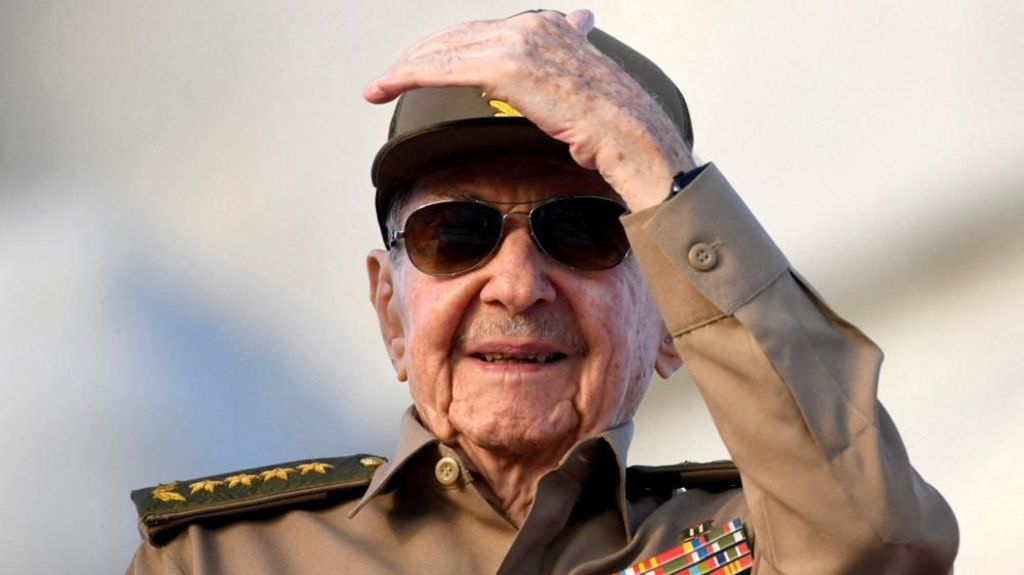
  • US charges Cuba’s Raúl Castro with murder over 1996 downing of two planes

    US charges Cuba’s Raúl Castro with murder over 1996 downing of two planes

    In a sharp escalation of long-running U.S. pressure on Cuba’s communist government, the U.S. Department of Justice has unsealed long-dormant charges against 94-year-old former Cuban leader Raúl Castro, accusing him of conspiracy to murder U.S. nationals, destruction of civilian aircraft, and four counts of murder linked to the 1996 shooting down of two planes operated by Cuban-exile group Brothers to the Rescue that killed four people, three of them U.S. citizens.

    Acting U.S. Attorney General Todd Blanche made the announcement official during a press event Wednesday at Miami’s Freedom Tower, a site deeply symbolic for the Cuban-American exile community. Standing in front of photos of the four victims — Armando Alejandre Jr., Carlos Alberto Costa, Mario Manuel de la Peña, and Pablo Morales — Blanche confirmed that an arrest warrant for Castro has been issued, adding pointedly: “We expect he will show up here, by his own will or another way.” He emphasized that the U.S. and the Trump administration would never forget the lives of the four citizens lost in the incident.

    The charges, originally filed under seal in 2003, are being brought at a moment when the Trump administration has ramped up economic and diplomatic pressure on Cuba, aiming to force the country’s one-party government to adopt sweeping political and economic reforms. The move also coincides with Cuba’s Independence Day, when Secretary of State Marco Rubio released a pre-recorded message to the Cuban people framing the Trump administration as an advocate for change on the island. Rubio blamed GAESA, the Cuban military-controlled economic conglomerate that dominates major sectors from ports and energy to hospitality, for the widespread blackouts and acute food shortages that have gripped the country amid a decades-long U.S. trade embargo and recent targeted oil sanctions.

    Cuban President Miguel Díaz-Canel has rejected the charges outright, dismissing them as a baseless political maneuver designed to justify potential military aggression against Cuba. He reiterated the Cuban government’s long-held position that the 1996 interception of the planes was an act of legitimate self-defense carried out within Cuba’s territorial waters. Díaz-Canel also accused the U.S. of distorting historical facts and imposing collective punishment on the Cuban people through its sanctions policy. Cuban state media has echoed this condemnation, labeling the accusations false, and the government has signaled it will harden its long-held “no surrender, no concessions” stance against U.S. pressure, dimming prospects for the quiet exploratory talks between U.S. and Cuban representatives that have taken place in recent months.

    Now 94, Castro stepped down from formal leadership roles in 2018 after a decade serving as Cuba’s president, but he remains a revered, influential figure as the last surviving leader of the 1959 Cuban Revolution. During his tenure, he oversaw a brief historic thaw in bilateral relations with the U.S. under former President Barack Obama, a detente that has since been fully reversed by the Trump administration’s hardline policy.

    The announcement drew enthusiastic support from Cuban-American exiles who gathered in Miami for the event, many of whom have opposed the Cuban government for decades. Isela Fiterre, a member of the exile community, called the long-delayed action long overdue, saying: “Raúl Castro did not merely kill four individuals. Over the course of many years, he has killed countless people.” Fellow attendee Mercedes Puid-Soto echoed the sentiment, saying “Justice has been served” and noting the charges would help the victims’ families and the broader Cuban exile community find closure.

    Regional policy experts warn the charges carry significant geopolitical risks, drawing parallels to the January 2025 U.S. military operation to detain indicted Venezuelan President Nicolás Maduro. “Still looming over Blanche’s announcement was the answer to whether the Trump administration will use this indictment in a similar way that it used the indictment against Maduro, as a justification to carry out a military operation under the cover of a law enforcement action,” said Roxanna Vigil, an international affairs fellow at the Council on Foreign Relations. Vigil added that the Cuban government is unlikely to comply with U.S. demands, and any attempt to negotiate with Havana would face fierce pushback from the politically influential Cuban-American diaspora in the U.S.

    William LeoGrand, a Latin American politics specialist at American University, framed the move as part of a deliberate incremental pressure strategy. “The strategy is to increase the pressure gradually to the point where the Cuban government will give in and surrender at the bargaining table,” he explained. U.S. President Donald Trump framed the action around humanitarian goals when asked about its political motivations, noting his longstanding close ties to the Cuban-American community and saying “On a humanitarian basis, we’re here to help.”

  • Iran adapts as Gulf economies and Asia bear cost of Strait of Hormuz blockade

    Iran adapts as Gulf economies and Asia bear cost of Strait of Hormuz blockade

    In late April 2026, former U.S. President Donald Trump made a bold prediction: Iran’s critical oil fields and energy infrastructure would “explode” within days, a collapse he credited entirely to Washington’s newly imposed naval blockade of Iranian ports. Framing the blockade as a flawless, genius strategy, Trump told reporters that Tehran would soon be forced to surrender, saying “They have to cry uncle; that’s all they have to do. Just say, ‘We give up.’”

    Nearly a month on, however, Trump’s forecast has proven drastically overstated, with Iran’s long history of navigating energy crises allowing it to adapt rather than collapse. Decades of institutional experience coping with output cuts stretch back to the 1980s Iran-Iraq War, when Tehran slashed production from more than 5 million barrels per day to under 1.5 million to withstand pressure. More recently, during the first Trump administration’s 2018–2020 “maximum pressure” sanctions campaign, Iran cut output by another 2 million barrels per day without systemic energy collapse. Drawing on that hard-won expertise, Iran has already adjusted to the 2026 blockade, cutting current output by an estimated 400,000 barrels per day without widespread infrastructure failure. “We have enough expertise and experience,” said Hamid Hosseini, spokesman for the Iranian Oil, Gas and Petrochemical Products Exporters’ Association. “We’re not worried.”

    Instead of collapsing Iran, the crisis has shifted pressure outward, hitting U.S. closest regional Gulf allies after Iran retaliated by closing a key segment of the Strait of Hormuz — the waterway through which roughly one-fifth of global oil production transits. The disruption has already choked off exports for vulnerable Gulf producers: shipping monitor TankerTrackers.com recorded zero crude oil exports from Kuwait in April 2026, the first time that has happened since the 1991 Gulf War. Unlike wealthier neighbors Saudi Arabia and the United Arab Emirates (UAE), Kuwait has no alternative routes to reroute exports, forcing it to divert all production to domestic storage and refining.

    Unlike Iran, which has honed strategies for surviving external pressure for decades, Gulf economies have no comparable experience navigating prolonged blockades and export disruptions. What is more, their growth models rely heavily on stable conditions to retain large migrant workforces, which are likely to depart if economic conditions worsen sharply. “The dual blockade is damaging Iran, but it is also attacking the foundations of the Gulf economic model,” explained Andreas Krieg, associate professor of security studies at King’s College London, in an interview with Middle East Eye. “It means Gulf producers cannot simply watch Iran suffer from a safe distance. Their own exports, logistics, insurance costs, food imports, aviation routes, LNG deliveries and investor confidence are all hit.” While Gulf states accumulated large financial reserves during decades of high oil prices, the current crisis has eroded long-held confidence in the region as a stable, low-friction hub for global energy, trade, capital and aviation, Krieg added.

    The strain has already exposed deep vulnerabilities in the UAE’s geopolitical gambit: Abu Dhabi’s bet on an alliance with Israel to project regional power has backfired spectacularly, according to analysis from Moody’s Analytics. Before the conflict erupted in March, the UAE had claimed its non-oil sectors, particularly tourism, were robust enough to absorb regional shocks. That assumption has collapsed: Moody’s now projects hotel occupancy in the second half of 2026 will plummet to just 10 percent, down from 80 percent pre-conflict, amounting to an effective shutdown of large swathes of the country’s hospitality sector. Thousands of tourism workers have already been laid off, furloughed, or forced to take unpaid leave, with many businesses delaying salary payments amid collapsing revenue.

    The ripple effects of the crisis extend far beyond the Middle East. South Asian economies that rely heavily on remittances and capital inflows from the Gulf have already been hit hard. When cash-strapped Pakistan attempted to mediate between Washington and Tehran to de-escalate the conflict, the UAE — angered by Islamabad’s mediation efforts and facing its own cash shortages — demanded immediate repayment of a $3.5 billion loan. The UAE has also entered talks with the Trump administration to secure a large international financial bailout, similar to the emergency rescue package extended to Argentina in 2025. Further afield, Egypt, Lebanon and Syria, all heavily dependent on Gulf investment, remittances, aid and political stability, are already bracing for deep cuts to external funding as Gulf states pare back spending to conserve reserves. “When Gulf states face revenue losses, they tend to become more selective, more conditional and more strategic,” Krieg noted.

    In Southeast Asia, where major economies are overwhelmingly dependent on Middle Eastern energy imports, the crisis has triggered immediate austerity measures and pushed food insecurity to alarming levels. The Philippines imports 95 to 96 percent of its oil from the Gulf, while Vietnam imports 85 to 87 percent, and Thailand relies on Gulf supplies for roughly 60 percent of its crude needs. The disruption to gas supplies has hit global fertilizer production, driving prices up 80 percent in just over a month; Svein Tore Holsether, CEO of global fertilizer giant Yara International, warned that reduced fertilizer supplies could cut global crop yields by as much as 50 percent. The UN Food and Agriculture Organization reported that global food prices hit their highest level since 2023 in April, with the Middle East conflict cited as a primary driver. To conserve fuel, the Philippines and Thailand have already introduced four-day workweeks and expanded work-from-home policies, while retail fuel prices have doubled across much of the region. In many countries, government fuel subsidies are the only thing preventing public unrest, but the cost of those subsidies has exploded, making the policy unsustainable long-term, according to Kuala Lumpur-based geopolitical analyst Arnaud Bertrand.

    While the immediate crisis has forced governments to focus on short-term survival, business leaders in the region note the conflict is likely to accelerate a permanent shift toward renewable energy. “The war is likely to accelerate the move towards solar and wind and geothermal and hydro power across the region,” said Chris Humphrey of the EU-ASEAN Business Council in a CNBC interview. “All the governments in Southeast Asia are absolutely committed to that as a strategy going forward.”

    Beyond the immediate economic damage, analysts warn the crisis has inflicted lasting damage to the credibility of U.S. power in the Indo-Pacific and beyond. Even prominent U.S. foreign policy hawks have warned that Washington is facing a major strategic defeat. Robert Kagan, one of the most influential neoconservative voices and a long-time pro-Israel hardliner, wrote in an essay for *The Atlantic* earlier this month that Washington is heading toward “total defeat” in its campaign against Iran, and that the damage “can neither be repaired nor ignored. There will be no return to the status quo ante, no ultimate American triumph that will undo or overcome the harm done.” Former senior U.S. diplomat Tom Pickering, who served as U.S. ambassador to Israel and under secretary of state for political affairs, wrote in *Foreign Affairs* that Washington’s insistence that it can force Iran into total surrender is contradicted by months of on-the-ground evidence, and that the U.S. may ultimately have to accept a compromise arrangement that aligns with core Iranian demands for a transit surcharge on ships passing through the strait.

    The failed U.S. “Project Freedom” initiative, launched in early May to escort stranded ships through the Strait of Hormuz and break Iran’s blockade, underscored the gap between Trump’s rhetoric and results. The operation, which Trump claimed was launched at the request of countries with trapped vessels, ultimately succeeded in escorting just two U.S.-flagged ships through the waterway. “This war has shattered the idea that U.S. power, whatever its flaws, at least worked towards open sea lanes and at least helped protect you if you were an ‘ally’,” Bertrand noted. Even long-time U.S. partners in the region are shifting their approach: Philippines President Ferdinand Marcos Jr., once one of Washington’s closest Indo-Pacific allies, has recently made overtures to Beijing as U.S. policy fails to resolve the energy crisis.

    This report was originally published by Middle East Eye, an independent outlet covering the Middle East, North Africa and global affairs.