博客

  • ‘Fired and festive’: ‘Late Show’ host Stephen Colbert bows out

    ‘Fired and festive’: ‘Late Show’ host Stephen Colbert bows out

    After 10 years at the helm and 32 years as a staple of American late-night television, *The Late Show* with host Stephen Colbert will air its final episode Thursday night, capping a bitter cancellation that has sparked debate over network influence, political pressure and the future of free expression in entertainment. CBS, the network that originated the long-running show, has repeatedly maintained that the decision to pull the program — which currently leads all competitors in its time slot in ratings — was driven exclusively by financial considerations, and that any political overlap was pure coincidence.

    The cancellation followed a high-profile public rebuke from Colbert, who slammed CBS for a $16 million settlement with former President and current U.S. leader Donald Trump. The settlement stemmed from claims that the network had “maliciously” edited an interview with Trump’s 2024 Democratic election rival Kamala Harris, with Colbert labeling the payout a “big fat bribe.” Critics have also linked the network’s move to ongoing efforts by CBS parent company Paramount to secure federal regulatory approval for its $8.4 billion merger with Skydance Media, a deal that requires sign-off from the Trump administration. In the months leading up to the cancellation, Paramount appointed right-wing journalist Bari Weiss — who has no significant prior leadership experience in television news — to head the network’s news division, a move widely interpreted as an outreach to the conservative White House.

    The 62-year-old host, who took over *The Late Show* from predecessor David Letterman in 2015, has admitted the impending end of the show has weighed on him in recent weeks, with observers noting a more subdued tone compared to his usual sharp, cheerful wit. Last year, Colbert presciently noted in an Emmy acceptance speech, “Sometimes you only truly know how much you love something when you get a sense you might be losing it.” A touching moment came during the penultimate episode, when Colbert was joined by nearly all of his fellow late-night hosts — including Jimmy Fallon, Jimmy Kimmel, Seth Meyers and John Oliver — for a collective tribute that underscored the solidarity of the comedy community in the face of mounting political pressure on critical media.

    That pressure is not theoretical: Kimmel, the ABC late-night host, was pulled off the air for a brief suspension in September 2025 after complaints from conservative groups over a comment he made about the killing of conservative activist Charlie Kirk. Since returning to the presidency, Trump has waged a sustained campaign against independent media and press freedom, using regulatory threats and costly lawsuits to retaliate against outlets and personalities that publish unflattering coverage or satirical jokes about him. Trump has been a particularly vocal critic of left-leaning late-night hosts, who regularly target him with on-air jabs, and has previously called Colbert a “pathetic trainwreck” who should be “put to sleep.”

    Not all conservative-aligned late-night personalities have expressed sympathy for Colbert. Greg Gutfeld, host of the Fox News late-night show *Gutfeld!*, which draws a large conservative audience, responded to news of both Colbert’s cancellation and Kimmel’s suspension in November by asking, “Why did it take so long?”

    Colbert first rose to national fame as a correspondent on Jon Stewart’s *The Daily Show*, where he created his iconic satirical persona: a deadpan, over-the-top conservative blowhard modeled after the loud talking heads popular on right-wing cable news. The persona spawned his own hit spin-off, *The Colbert Report*, before he was tapped to take over CBS’s flagship late-night franchise, where he dropped the character to lean into his own authentic voice as a host and comedian.

    In the lead-up to Thursday’s finale, Colbert has auctioned off dozens of iconic props, costumes, and set pieces from the show’s 10-year run — including the show’s giant illuminated logo — with 100% of proceeds going to disaster relief and food security non-profit World Central Kitchen. While Colbert has remained tight-lipped about his long-term career plans, he has confirmed he will serve as a writer on an upcoming *Lord of the Rings* feature film, and says he plans to take an extended break after the finale ends.

    Details of the final episode have been kept tightly under wraps by production staff, who declined to comment to AFP. One long-held dream for Colbert, a devout Catholic, remains unfulfilled: he has never secured an interview with the pope, whom he has long called his “white whale.” While Pope Leo XIV has an open public schedule on the date of the finale, an unplanned surprise appearance in New York is seen as extremely unlikely.

    In a show of solidarity, all of Colbert’s fellow late-night hosts are scheduled to air reruns on Thursday, clearing the airwaves for his swansong. The after-party, fittingly for Colbert’s characteristic mix of sharp wit and good humor, is themed “Fired and festive!” Earlier this week, Colbert welcomed his predecessor David Letterman, who hosted *The Late Show* from its launch in 1993 until Colbert took over in 2015. The pair climbed to the roof of the show’s iconic Ed Sullivan Theater home to throw old furniture at a giant CBS logo, calling the stunt “wanton destruction of CBS property.” As Letterman put it, summing up the moment: “You can take a man’s show. You can’t take a man’s voice.”

  • Photographer charged with stealing camera of Bondi shooting victim after attack

    Photographer charged with stealing camera of Bondi shooting victim after attack

    In the aftermath of the devastating December 14 mass shooting at Bondi Beach that left 15 people dead, two shocking new criminal cases have unfolded in Australia, drawing widespread public attention. The first case centers on a 35-year-old working photographer who was present at the fatal Hanukkah event targeted by two gunmen. New South Wales Police allege that the man stole professional camera equipment belonging to Peter Meagher, one of the attack’s victims who was a retired police officer and working photojournalist at the time of the shooting. Meagher was killed in the gunfire, and the accused is said to have pawned the stolen gear just days after the attack. Authorities carried out a raid on the suspect’s western Sydney home on Wednesday, where they recovered the stolen camera along with additional items including handcuffs and multiple personal electronic devices. The 35-year-old was taken into custody and formally charged, before being granted strict conditional bail. He is scheduled to make his next court appearance next month. The case is a disturbing development in the wake of the tragedy, which has already shaken Australian communities. In a separate, equally startling case connected to the Bondi Beach attack, two brothers of Ahmed Al Ahmed — the Syrian-Australian shop owner widely hailed as a hero for his actions during the shooting — have been hit with criminal charges over alleged threats and extortion. During the attack, Ahmed rushed to stop one of the gunmen, identified as Sajid Akram, tackling him to the ground and successfully wresting a firearm away from the attacker. For his brave actions, Ahmed was shot multiple times, and he has since undergone multiple reconstructive surgeries on his wounded arm. His courageous intervention earned national acclaim, and a public fundraiser was launched to support his recovery that ultimately raised more than AU$2.5 million, equal to roughly $1.8 million USD or £1.2 million GBP. Following the attack, Ahmed’s two brothers, Hozifa al Ahmed and Sameh al Ahmed, relocated to Australia from overseas and moved into his home, according to court documents filed by prosecutors. Tensions between the siblings eventually deteriorated, prompting Ahmed to move out and relocate to a separate property. Earlier this month, Ahmed lodged an official police report, claiming his brothers had threatened him to force him to hand over a share of the public donation funds. Court documents outline detailed threatening phone calls the brothers are alleged to have made on May 7. During his call, Hozifa reportedly told Ahmed: “I will put your head under my boot, break your other arm, and smash your face. We will only leave if you give us $100,000 each.” Shortly after the first call, Sameh contacted Ahmed with an identical demand, stating: “If you want peace of mind and to be safe, you will give us $100,000 each.” The two brothers appeared in court this Wednesday to face charges of using a carriage service to harass and offend. Both have entered not guilty pleas, and their next court date is scheduled for July. Interim apprehended domestic violence orders have been issued against the pair, requiring them to stay away from Ahmed at all times. In the days after the attack, Australian Prime Minister Anthony Albanese personally visited Ahmed in hospital to recognize his bravery and offer the government’s support. Both cases are now working their way through the New South Wales court system, as the community continues to grapple with the aftermath of the deadliest mass shooting in Australia in recent years.

  • Israeli minister sparks outcry over video of bound flotilla activists

    Israeli minister sparks outcry over video of bound flotilla activists

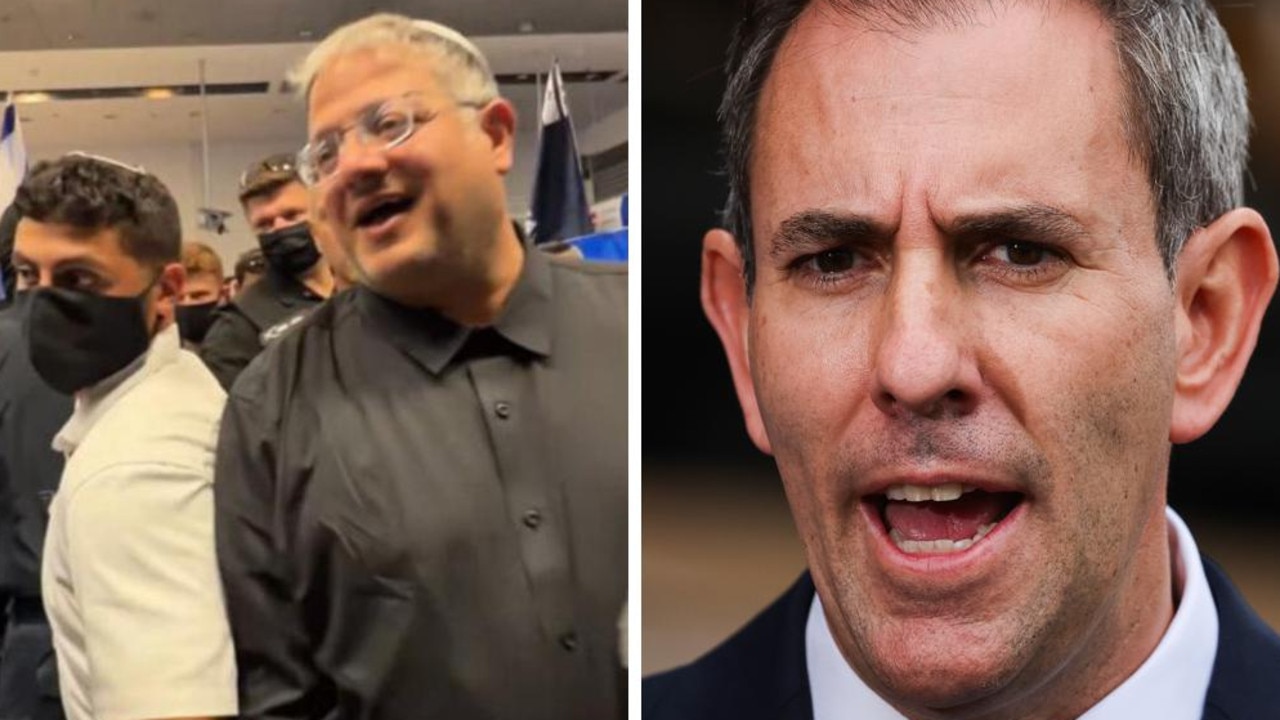
    A controversial move by Israel’s far-right national security minister has ignited a firestorm of global condemnation after he publicly shared footage of bound Gaza-bound flotilla activists held in humiliating conditions by Israeli authorities. Itamar Ben Gvir, a hardline politician known for inflammatory rhetoric, posted the video to the social platform X this Wednesday, just hours after Israeli naval forces intercepted a convoy of activist vessels headed for the blockaded Gaza Strip and detained hundreds of international participants at Israel’s southern port of Ashdod.

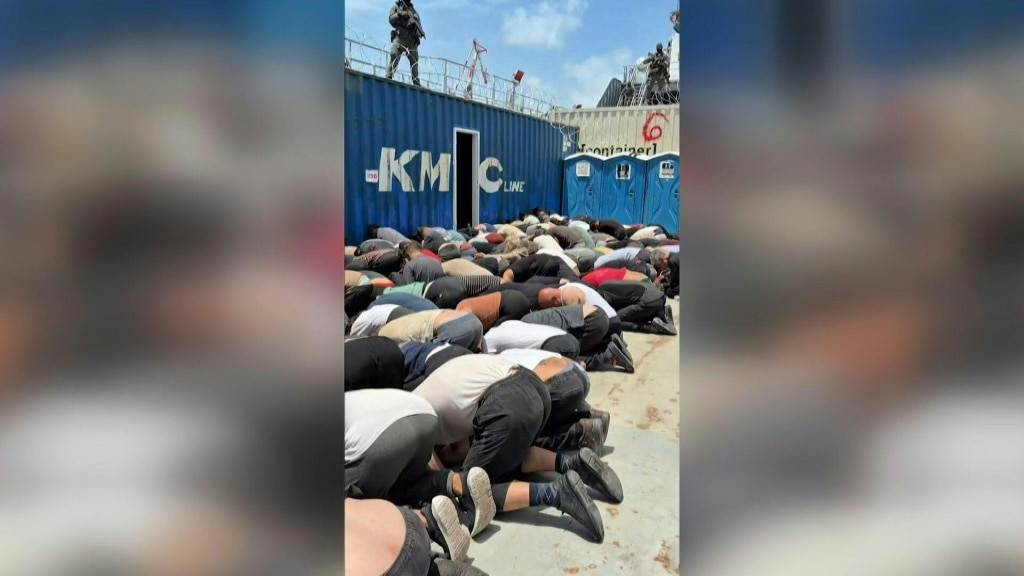
    The shocking footage, captioned with the provocative line “Welcome to Israel”, shows dozens of detained activists forced to kneel on the ground with their hands bound behind their backs and their foreheads pressed to the pavement. The Israeli national anthem plays over the footage in the background at multiple points, and Ben Gvir can be seen personally confronting the detained activists, heckling them while waving an Israeli flag.

    The video drew immediate international backlash, and even drew criticism from top figures within Israel’s own government. Prime Minister Benjamin Netanyahu publicly distanced himself from the minister, stating that Ben Gvir’s treatment of the detained activists ran “not in line with Israel’s values and norms”. Netanyahu added that Israeli authorities would move to deport all the detained activists “as soon as possible”. Israeli Foreign Minister Gideon Saar went even further in his rebuke, calling the incident a “disgraceful display” and accusing Ben Gvir of “knowingly caused harm to our State in this disgraceful display — and not for the first time”.

    Criticism also poured in from diplomatic circles around the world. Even the United States ambassador to Israel, Mike Huckabee, denounced Ben Gvir’s actions as “despicable”, writing on X that “Universal outrage & condemnation from every high-ranking Israeli official… for despicable actions by Ben Gvir. Flotilla was stupid stunt, but Ben Gvir betrayed dignity of his nation”. European Commissioner Hadja Lahbib also publicly condemned the minister, noting that “no one should be punished for defending humanity”. Both Belgium and France formally summoned their respective Israeli ambassadors to respond to what Paris called Ben Gvir’s “unacceptable actions”.

    The flotilla in question, organized under the banner of the Global Sumud Flotilla, launched from Turkey last week with around 50 vessels participating. It marks the second major attempt by international activists to breach Israel’s 17-year blockade of Gaza in as many months; a similar convoy was intercepted by Israeli forces in international waters off the coast of Greece last month, with most activists expelled to European countries.

    Israeli officials confirmed that roughly 430 international activists were aboard the intercepted flotilla, with all transferred to Ashdod port for processing and detention. The Israeli legal rights group Adalah, which sent attorneys to the detention facility to represent the detainees, issued a statement condemning both the treatment of activists and Israel’s broader policy towards Gaza. “Israel is employing a criminal policy of abuse and humiliation against activists seeking to confront Israel’s ongoing crimes against the Palestinian people,” the group said.

    By Thursday, multiple other countries had joined the chorus of condemnation, including Canada, Australia, New Zealand, Spain, Poland, and Turkey. Canadian Prime Minister Mark Carney called the treatment of detained civilian activists “abominable” and announced that Canada would summon the Israeli ambassador to the country to respond. Ireland’s Foreign Minister Helen McEntee said she was “appalled and shocked” by the video, and called for the immediate release of all detained activists, which include the sister of Irish President Catherine Connolly.

    Ben Gvir has refused to back down from his actions, doubling down in a speech to Israeli parliament. “I am proud to be the minister in charge of the organisations that operated today against those supporters of terror,” he said. “Yes, there will be all sorts of pictures that Gideon Saar does not like, but I think they are a great source of pride.”

    Netanyahu had earlier framed the entire flotilla effort as “a malicious scheme designed to break the blockade we have imposed on Hamas terrorists in Gaza”. Hamas, the Palestinian militant group that governed Gaza before the October 2023 war and currently controls less than half of the enclave, released a statement calling the video proof of Israeli leaders’ “moral depravity and sadism”.

    Israel has maintained a full land, air, and sea blockade of Gaza since 2007, when Hamas took control of the territory. The ongoing war between Israel and Hamas, sparked by Hamas’ October 7 2023 attack that killed roughly 1,200 people in Israel, has led to catastrophic shortages of food, medicine, and other essential supplies in Gaza, with Israel repeatedly halting all aid deliveries into the enclave over the course of the conflict.

  • Samsung strike on hold – but the fight isn’t over yet. Why?

    Samsung strike on hold – but the fight isn’t over yet. Why?

    Tens of thousands of Samsung Electronics union members gathered at a major factory complex south of Seoul on April 23, bringing a high-stakes labor dispute to the brink of work stoppage that threatened global tech supply chains. On the eve of a planned strike, the tech giant and its largest employee union reached a last-minute tentative wage and bonus agreement, suspending industrial action set to begin Thursday while union members vote on the deal between May 22 and May 27.

    The conflict erupted against a backdrop of unprecedented global demand for AI-related memory chips, which has sent Samsung’s profits and market valuation soaring in recent months. The core point of contention was the unequal distribution of record profits generated by the AI boom across different business units. Samsung initially proposed paying memory chip division workers bonuses equal to as much as 607% of their annual salary – far higher than the 50% to 100% offered to staff in other chip and electronics units, including those producing advanced semiconductors for major clients like Tesla and Nvidia.

    The union, which represents nearly 48,000 Samsung employees, pushed back against the lopsided bonus structure, arguing that 23,000 non-memory chip workers should not be excluded from the windfall. The union also demanded the elimination of a company-wide 50% bonus cap on annual salaries and the allocation of 15% of annual operating profit to a shared worker bonus pool. Industry analysts widely noted that a full strike at Samsung – the world’s largest memory chipmaker by sales and a core supplier to global AI data center builders, smartphone manufacturers, and consumer electronics brands – would have sent shockwaves through already strained global chip supplies.

    Samsung’s outsized role in the global economy amplifies the stakes of any labor unrest: the broader Samsung Group contributes roughly one-fifth of South Korea’s total economic output, making any production disruption a risk to the country’s entire export-driven economy. The dispute also comes at a moment of intensifying competition for Samsung, as rivals SK Hynix and Micron Technology capitalize on the AI chip boom to gain market share. Last year, SK Hynix scrapped its 10-year bonus cap, pushing average bonuses three times higher than Samsung’s previous offerings, which led to a noticeable exodus of skilled Samsung workers to the competitor.

    By early May, booming AI chip demand pushed Samsung’s total market capitalization past the $1 trillion mark, following a 750% year-over-year jump in operating profit during the first quarter of 2025. Even as the deal was struck, legal constraints had already limited the scope of potential strike action: a South Korean court granted Samsung an injunction forcing the company to maintain full staffing for safety, facility maintenance, and quality control operations, and barred the union from blocking facility access or occupying plant grounds, with daily fines of $74,000 for any violations.

    Financial analysts from JP Morgan had projected that a sustained strike could cut Samsung’s annual operating profit by between $14 billion and $20.8 billion, a blow that would have rippled through global tech markets. In a statement released after the tentative agreement was announced, Samsung said: “With a humble attitude, we will build a more mature and constructive labour-management relationship to ensure that such an incident never happens again.” Markets reacted positively to the news, with Samsung’s share price jumping more than 5% on Thursday morning following the announcement.

    The American Chamber of Commerce in Korea had previously warned of the broader global risks of prolonged labor unrest, noting that “In today’s interconnected global economy, disruptions in strategically important industries can create ripple effects extending well beyond a single company or market. Competing regional manufacturing markets could benefit if concerns over predictability and continuity persist.” With the deal now headed for a member ratification vote, the temporary agreement has eased immediate fears of production disruption during a critical period of AI infrastructure expansion worldwide.

  • ‘Disgraceful’: Treasurer Jim Chalmers lashes Israel minister after prisoners taunted

    ‘Disgraceful’: Treasurer Jim Chalmers lashes Israel minister after prisoners taunted

    A viral social media video shared by Israeli far-right National Security Minister Itamar Ben-Gvir has sparked international outrage, including condemnation from top Australian officials and even members of Israel’s own cabinet, over his humiliating mistreatment of detained activists from an international Gaza-bound aid flotilla that includes multiple Australian citizens. The confrontation took place this week when Israeli security forces intercepted the Global Sumud Flotilla, a 430-person international campaign organized to break Israel’s years-long naval blockade of Gaza and deliver critical humanitarian aid to the besieged enclave. Among the detained activists are up to 11 Australian nationals, alongside participants from dozens of other countries including New Zealand and Canada.

    In the video posted to Ben-Gvir’s social media channels Wednesday, titled mockingly “Welcome to Israel”, the hardline politician – who has long advocated for expanding illegal Israeli settlements in the West Bank and has previously been sanctioned by Australia for inciting anti-Palestinian violence – can be seen taunting the handcuffed activists. Footage shows masked Israeli officers forcing one female activist to the ground after she chanted pro-Palestinian slogans, before Ben-Gvir waves an Israeli flag in front of a group of detainees forced to kneel face-down inside a detention tent.

    Australia’s top political leaders were quick to issue a scathing rebuke of the incident. Foreign Affairs Minister Penny Wong called the published footage “shocking and unacceptable”, confirming that Australia’s ambassador to Israel had already formally raised the issue with Israeli authorities. “We condemn his actions and the degrading actions of Israeli authorities towards those detained,” Wong stated. The minister added that she had directed the Department of Foreign Affairs and Trade (DFAT) to summon Israel’s ambassador to Australia to reinforce Canberra’s demands: for the immediate release of all detained Australian citizens, guarantee that no detainees face mistreatment, and that Israel upholds its obligations under international law.

    Treasurer Jim Chalmers echoed Wong’s condemnation during a press appearance in Perth, describing the video as “disgraceful” and “deeply disappointing”. While Chalmers noted that Australian government departments had previously discouraged Australian citizens from joining the flotilla voyage, he emphasized that even after they chose to proceed, humane treatment remained a non-negotiable requirement. “There’s absolutely no need or no place for it,” Chalmers said. “I can only imagine what it’s like to be a parent or a loved one of one of the people involved in that trip, and to see them treated that way.”

    The condemnation extended beyond Australian political circles, even reaching within Israel’s own governing coalition. Israel’s Foreign Minister Gideon Sa’ar publicly distanced his government from Ben-Gvir’s actions, stating that the national security minister “knowingly caused harm to our State in this disgraceful display – and not for the first time. You have undone tremendous, professional, and successful efforts made by so many people, from IDF soldiers to Foreign Ministry staff and many others. No, you are not the face of Israel.” Even the Executive Council of Australian Jewry joined in criticizing Ben-Gvir’s conduct. Council President Daniel Aghion said “Nothing can excuse the appalling behaviour displayed by Minister Ben Gvir against a group of people who were being held in custody in Israel.” While the council acknowledged the activists had undertaken an unlawful and provocative action that it argued would benefit Hamas, Aghion stressed that “it does not in any way justify their mistreatment while they were being held. There is simply no excuse.”

    Other Western nations have also added their voices to the widespread international outcry. New Zealand’s Foreign Minister Winston Peters announced that New Zealand – which already imposed a travel ban on Ben-Gvir last year for undermining prospects for a two-state solution – condemned the minister’s actions, and had instructed its foreign ministry to summon the Israeli ambassador to relay New Zealand’s grave concerns. “His latest conduct with respect to the Gaza flotilla, which has been seriously criticised by his own Prime Minister, is further vindication of that position,” Peters said. “We expect Israel to adhere to its international legal obligations, including in its treatment of New Zealanders participating in the flotilla.”

    Canadian Prime Minister Mark Carney also joined the condemnation, calling the documented abuse “abominable” and “unacceptable”. Carney confirmed that Canada’s foreign ministry had already summoned the Israeli ambassador to demand formal assurances for the safety of Canadian detainees, noting that Canada had previously imposed strict sanctions on Ben-Gvir, including an asset freeze and travel ban, over repeated incitement to violence. “The protection of civilians and respect for human dignity must be upheld everywhere, at all times,” Carney said.

  • Luke Beveridge calls on AFL to overhaul list rules amid injury crisis

    Luke Beveridge calls on AFL to overhaul list rules amid injury crisis

    With the AFL mid-season draft just around the corner, Western Bulldogs head coach Luke Beveridge has put forward a bold proposal aimed at easing the growing pressure of mounting injury lists across the league while opening up more opportunities for fringe players to earn their spot at the top level.

    The long-serving coach has publicly called on league officials to revise current list rules, pushing for expanded squad sizes and more flexible promotion pathways that would allow clubs to address sudden and severe injury outbreaks that have derailed multiple teams’ 2024 campaigns. At the core of Beveridge’s idea is the creation of a formal extended supplementary list, a reserve pool of players that clubs hit hard by injury – such as this season’s crisis-hit Richmond Tigers – can draw from at any point when their senior list is depleted.

    Beveridge argues that the current standard list size of 42 players, excluding category B development spots, is no longer sufficient to withstand the demands of a lengthening AFL season. With the introduction of the new Tasmania Devils expansion side, the league is set to add an additional round to the already packed 23-round regular season, plus retaining the existing pre-season fixture, putting even more physical strain on playing groups across the competition.

    Beyond solving the immediate problem of crippling injury tolls, Beveridge says the expanded supplementary list system would also create greater incentive for undrafted players to continue developing their careers in state leagues, rather than walking away from the sport after being overlooked in the annual national draft.

    “I understand we need key dates for drafts to allow clubs to prepare, plan and strategise in a sophisticated way to build their lists, but I also believe we need far more fluidity when it comes to bringing players onto an AFL list to get them on the field when injuries hit,” Beveridge said in comments this week. “Richmond is the perfect example right now of a club that would benefit from having a supplementary list to draw from as their injury crisis worsens. With 23 regular rounds, pre-season games still on the calendar, and an extra round coming when Tasmania joins the league, 42 players just isn’t enough, in my view.”

    Beveridge expanded on his proposal, suggesting that the supplementary list should be structured to match the 48-player squad size approved for the new Tasmanian Devils franchise, with a dedicated 4 to 6 additional supplementary spots available for all clubs. He added that clubs facing extreme injury strain, like Richmond this year, should even be allowed to expand that supplementary pool further if needed. While he acknowledges that key details – including rules around player retention at the end of the season and which players qualify to move off the primary list – still need to be thrashed out with league bosses, Beveridge stressed the change is a necessary adaptation for the modern game.

    “This is something we need to implement for the future, looking at the list structure that’s already been approved for Tasmania. Every AFL club should have the same flexibility to access a similar system when they’re dealing with a devastating injury toll,” he added.

    The Western Bulldogs themselves have been forced to navigate their own significant injury crisis earlier this season, losing a string of key senior players in quick succession, with young star Sam Darcy headlining the club’s injury list. The good news for Beveridge and Bulldogs fans, however, is that the club is finally starting to get key players back fit and available for selection.

    James O’Donnell is set to be available for selection this weekend, while key trio Tim English, Cody Weightman are on track to return to the line-up in the coming weeks. “We’re expecting James O’Donnell to be available this week. Tim is still probably another week away – we’re just being conservative with him, so he’s unlikely to play this round,” Beveridge confirmed. “Cody is a good chance to return next week. We’re expecting a handful of changes, but James is the main inclusion this week. We’ve always been a very cautious group when it comes to head injuries, so we’re just making absolutely sure Tim is fully fit and ready to go before we bring him back.”

  • The world built more coal power in 2025, but used less

    The world built more coal power in 2025, but used less

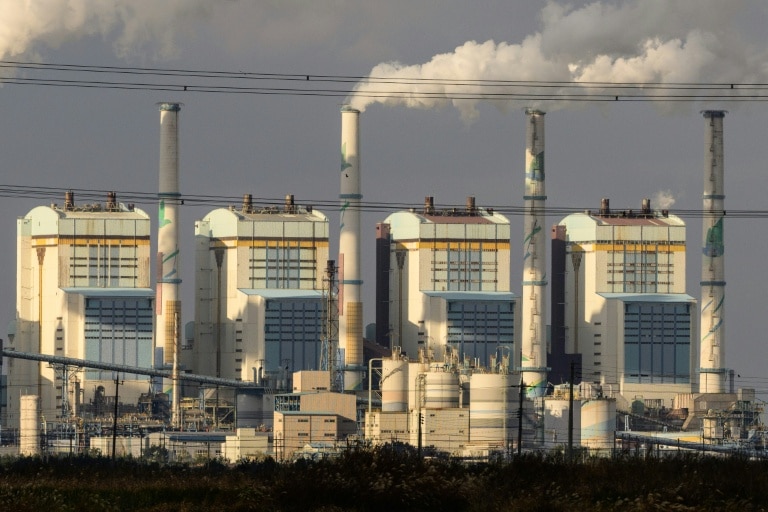
    A new analysis released Thursday reveals a striking global contradiction in coal power development for 2025: while nations continued to build and bring online new coal-fired generating capacity at a 3.5% annual growth rate, total global electricity generated from the polluting fossil fuel actually declined over the same period. Only one major world economy bucked this trend, recording a substantial increase in coal generation, according to data from Global Energy Monitor (GEM), an organization that has tracked global coal infrastructure development for more than a decade.

    As the single largest source of anthropogenic planet-warming greenhouse gas emissions, phasing out coal power is widely recognized as a core priority for limiting global temperature rise and mitigating the worst impacts of climate change. In recent years, plummeting costs and widespread deployment of wind and solar power have allowed these clean energy sources to meet nearly all new global electricity demand, a shift that pushed total 2025 global coal generation down 0.6% from 2024 levels.

    Nearly all of the new coal capacity added in 2025 – 95% of total new construction – was concentrated in just two nations: China and India. Even in these two major coal markets, the disconnect between growing capacity and falling generation held: China’s total coal capacity expanded 6% over the year, but coal-generated electricity fell 1.2% thanks largely to the country’s explosive growth in renewable energy capacity. India followed a nearly identical pattern, with coal capacity growing almost 4% while generation fell nearly 3% year-over-year.

    Christine Shearer, project manager of GEM’s Global Coal Plant Tracker and lead author of the report, explained that regional economic incentives drive continued coal construction in both nations. “Many of the provinces and states leading coal development are major coal-producing regions,” Shearer told AFP, noting these areas hold “strong industrial incentives to keep building coal.”

    Broader systemic factors also sustain coal growth in the two countries. For China, coal is viewed as a reliable backup to offset the intermittency of wind and solar power, a policy shaped by widespread power shortages experienced several years ago. For India, the world’s most populous nation, coal has long been relied on to meet rapidly rising electricity demand, even as non-fossil sources now make up 50% of the country’s installed capacity. Persistent transmission and grid infrastructure gaps mean India still generates roughly three-quarters of its total electricity from coal.

    Beyond new construction, the report also found that the global pace of retiring old, uneconomical coal plants slowed sharply in 2025, with nearly 70% of coal units originally scheduled for decommissioning instead remaining operational. In Europe, most delayed retirements trace back to policy decisions made during the 2022–2023 global energy crisis triggered by Russia’s invasion of Ukraine, when nations scrambled to secure alternative energy supplies. In the United States, by contrast, delayed retirements and rising coal use stem directly from intentional government policy, Shearer said.

    “US coal-fired generation rose by more than 80 terawatt hours year-on-year, a figure so large that no other country came close,” Shearer noted. This surge “was not simply a function of demand growth, it reflected a policy environment that actively encouraged it,” she added.

    More recent geopolitical instability has also pushed some nations to reverse course on coal phase-outs: the global energy market volatility sparked by the US-Iran conflict linked to the Israel-Gaza war has led some countries to reactivate idled coal units and extend the lifespan of operating plants.

    In China, coal generation saw an early-year spike in 2025 driven in part by lower-than-expected output from wind and nuclear power, but Lauri Myllyvirta, co-founder of the Centre for Research on Energy and Clean Air and a report contributor, said systemic bias toward coal played an outsize role. “The oversupply and favouritism of coal power is an important factor,” he told AFP. While data from May 2025 indicates China’s coal generation has since returned to a downward trajectory, “the problem of excess coal capacity and entrenched favouritism of coal in the grid remain,” he added.

    As of mid-2025, global coal-fired generation is up just 0.3% year-to-date, while combined wind and solar generation has jumped 10% over the same period. Shearer emphasized that this split makes clear a key global trend: clean energy is absorbing almost all new global electricity demand, leaving coal with almost no growth in actual use.

  • ‘Their story is our story’: Pigeons and humans, 3,500 years together

    ‘Their story is our story’: Pigeons and humans, 3,500 years together

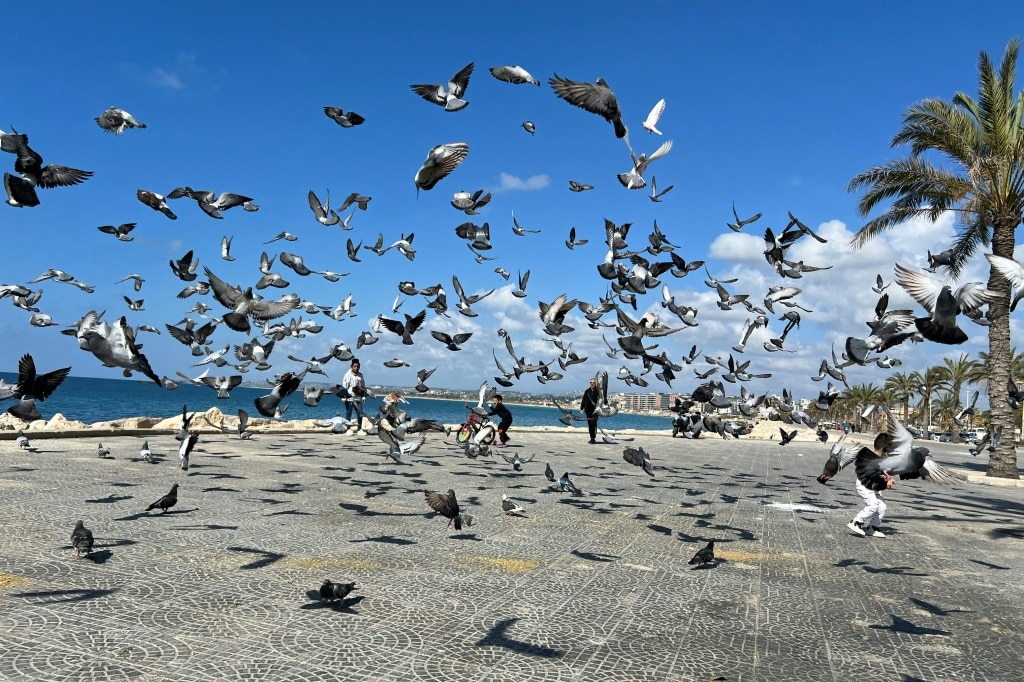
    For most modern urban residents, feral pigeons are little more than uninvited pests: filthy birds that leave droppings on building facades, spread disease, and are repelled by ubiquitous anti-perching spikes across city skylines. But this dismissive reputation hides a thousands-year-long partnership between humans and rock doves that shaped both species, and new archaeological research is rewriting the timeline of that shared history.

    Published Thursday in the journal *Antiquity*, the study led by a team of Dutch researchers confirms that domestic pigeons were integrated into human societies as early as 3,500 years ago – nearly 1,000 years earlier than the previous scholarly consensus.

    Lead author Anderson Carter, a bioarchaeologist at the University of Groningen, told AFP that humans’ widespread rejection of pigeons is a remarkably recent development in the long arc of human-animal coexistence. For millennia, pigeons were far more than urban strays: they served as a reliable food source, delivered messages across impossible distances, produced fertilizer for crops, and held deep meaning as religious symbols across multiple cultures. Even into the 19th and 20th centuries, pigeons remained critical to human society, most notably carrying vital military messages during times of war.

    That centuries-long utility ended abruptly with the explosion of communications technology. “When the telegraph and then the telephone were invented, pigeons were out of a job,” Carter explained. But thousands of years of selective breeding and conditioning had left the birds adapted to live alongside humans, so they did not leave human settlements. It was not until the Industrial Revolution created large, dense modern cities that the narrative around pigeons shifted, framing them as dirty, unwanted pests that spread illness.

    To unpack the origins of this relationship, the research team traveled to the Hala Sultan Tekke archaeological site on the shores of Larnaca Salt Lake in southeast Cyprus. There, they analyzed 159 ancient pigeon bones recovered from Bronze Age excavation layers, using biometric, isotopic and collagen analysis to trace the birds’ diet and identify signs of human influence.

    Dating placed the remains between the 13th and 14th centuries BC, or roughly 3,500 years before the present. When researchers compared the nitrogen and carbon isotope ratios from the pigeon collagen to isotope data from contemporary human remains found at other Bronze Age Cypriot sites, they discovered a near-perfect overlap, indicating the pigeons shared a very similar diet to humans living in the same region. This overlap is strong evidence the birds were already domesticated, or well on their way to domestication, by that time.

    Prior to this finding, the earliest confirmed evidence of pigeon domestication dated back to around 300 BC, from large purpose-built stone nesting structures discovered in Greece. The new finding pushes the timeline of domestication back by almost a millennium.

    Genomic analysis also confirms that modern feral city pigeons are genetically closely linked to wild rock doves from the Mediterranean and Middle East, matching the archaeological evidence from Cyprus. For the research team, the broader goal of the work is to reframe public perception of the most common urban bird. Carter notes that pigeons’ evolutionary story is inextricably woven into human history: “Their story is also our story.”

  • How activists pushed the UK’s largest pension megafund to divest from Israel

    How activists pushed the UK’s largest pension megafund to divest from Israel

    A years-long campaign for pro-Palestine divestment has scored a quiet, consequential victory: the United Kingdom’s largest public sector pension pool, Border to Coast Pensions Partnership, secretly sold off all its Israeli government bond holdings in 2025 following months of escalating grassroots pressure, an investigation by Middle East Eye can exclusively reveal.

    Headquartered in Leeds, Border to Coast manages close to £120 billion ($160 billion) in retirement assets on behalf of roughly two million local government public sector workers across 18 regional UK pension funds. What has not been reported publicly until now is that between September 2024 and March 2025, the fund acquired $29.2 million in Israeli government bonds through its third-party asset manager, PIMCO—the world’s largest active bond manager, based in Newport Beach, California and owned by German financial giant Allianz. The purchases came months after the International Court of Justice issued a landmark ruling finding it plausible that Israel was committing genocide in Gaza, at a time when grassroots divestment pressure was already building across multiple UK local government pension schemes.

    This purchase made Border to Coast the largest buyer of Israeli government bonds among UK public institutions tracked in an exclusive dataset compiled by Amsterdam-based research firm Profundo, which documents Israeli bond acquisitions between 2024 and 2026. It ranked third among all UK investors, behind only British corporate giants Aviva and HSBC.

    When pro-Palestine campaigners in South Yorkshire, one of the regions whose pension assets are managed by Border to Coast, uncovered the bond purchases through freedom of information-style requests, they launched a sustained public pressure campaign. In June 2025, the South Yorkshire Pensions Divest for Palestine Campaign delivered a 7,500-signature petition to the South Yorkshire Pensions Authority (SYPA), calling for an immediate sale of the holdings. Protesters gathered outside a key SYPA meeting, with chants so loud attendees inside struggled to conduct business. The campaign won further backing when Sheffield City Council passed a unanimous “Not In Our Name” motion calling for action on divestment that September.

    Sue Owens, a spokesperson for the South Yorkshire campaign, told Middle East Eye that the discovery of the bond purchases was deeply alarming for local pension holders. “When we found that Border to Coast held Israeli bonds we were appalled to think that pensioners’ money was directly helping to fund genocide, apartheid, occupation, incarceration and torture,” Owens said. “We were even more shocked when we realised the bonds had been bought while the genocide was ongoing.”

    The layered structure of the UK’s public pension system created unique barriers to action. SYPA, which represents South Yorkshire’s local government workers, could not directly order Border to Coast to sell the bonds. Border to Coast, which delegated day-to-day bond management to PIMCO, could pressure the asset manager but could not unilaterally override PIMCO’s investment decisions. For months, SYPA pushed Border to Coast for answers, which in turn pressed PIMCO, which initially defended the purchases as based on Israel’s strong credit rating and macroeconomic fundamentals.

    At a public meeting in early September 2025, Border to Coast CEO Rachel Elwell acknowledged shared frustration with PIMCO’s lack of transparency, but framed divestment from Israeli bonds as far more complex than divestment from Russian assets following the invasion of Ukraine. Unlike Russia, she noted, there was no clear international consensus or UK government sanctions on Israel, creating regulatory uncertainty for institutional investors. Andrew Strone, SYPA’s assistant director of investment strategy, echoed that point, saying the UK government’s refusal to impose sanctions on Israel, as it did on Russia, left institutions without clear policy guidance to justify a sale.

    Weeks after that meeting, in late September 2025, PIMCO sold off all of Border to Coast’s Israeli bond holdings. No public announcement was made, and no official explanation for the sale has been issued. Behind closed doors ahead of the sale, campaigners who met Border to Coast leadership at the fund’s annual general meeting reported that executives privately admitted concerns over reputational damage and did not reject the ethical arguments for divestment, but declined to publicly endorse the campaign’s position.

    When contacted by MEE, a Border to Coast spokesperson confirmed the sale, but would not confirm whether activist pressure had driven the decision. The spokesperson alluded to environmental, social and governance (ESG) risk considerations, saying: “We continue to monitor the impact of the Israel-Gaza conflict on investment portfolios in line with our consideration of ESG issues and our responsible investment policies.” The fund also confirmed it has hired Dutch asset manager Robeco, a pioneer in ESG due diligence for Israeli-Palestinian investments, to conduct human rights reviews of its holdings.

    Border to Coast’s quiet divestment is a significant milestone: only a small number of major UK institutional investors have sold Israeli assets in recent years, despite mounting allegations of Israeli war crimes in Gaza. The Universities Superannuation Scheme, the UK’s largest private pension fund, previously divested following pressure from academic unions, while London’s local government pension vehicle sold £6.7 million in Israeli bonds in 2024 but remains under pressure over other Israel-linked holdings. In all of these cases, institutions have declined to explain their decisions publicly, often only citing vague “financial risk management” when pressed.

    This pattern suggests that pro-Palestine activist pressure, paired with growing ESG scrutiny of human rights risks, is shifting institutional investment decisions even as institutions avoid public debate to escape political and regulatory backlash. The case of Border to Coast also lays bare the contradictory legal and political landscape that has forced UK institutions into silence on Palestinian human rights, even as they have spoken out publicly and acted quickly on divestment from Russian assets following the invasion of Ukraine.

    The UK’s Local Government Pension Scheme (LGPS), of which Border to Coast is the largest constituent pool, has 6.9 million members nationwide. The Scheme Advisory Board (SAB), which oversees the LGPS, wrote to UK Local Government Minister Alison McGovern last October asking for explicit guidance on whether holding Israeli conflict-linked investments creates legal liability for pension funds, pointing out that the UK government had issued clear guidance on Russian investments following the invasion of Ukraine.

    McGovern only responded seven months later, and her answer offered little clarity for campaigners. She wrote that divestment and boycott decisions fall under central government foreign policy, and that it “is not appropriate for local authorities to adopt investment policies that go beyond or differ from UK Government sanctions or foreign policy positions.” Since the UK has not imposed sanctions on Israel, this guidance effectively discourages divestment—though McGovern added that institutions can adjust strategies for financial reasons related to fiduciary duty, leaving a narrow legal opening for divestment framed around risk rather than politics. The response did, however, mark a rare acknowledgement at the ministerial level that pro-Palestine activist pressure has become a consequential force shaping institutional investment decisions.

    The divestment by Border to Coast comes as pressure on European financial institutions to cut ties with Israeli investments is accelerating. In August 2025, Norway’s sovereign wealth fund divested from 11 Israeli companies and excluded Caterpillar and five major Israeli banks over their links to illegal Israeli settlements in the occupied West Bank. In September 2025, the Central Bank of Ireland paused its approval of Israeli bond prospectuses, while a Danish academic pension fund formally excluded Israel and Israeli state-controlled companies from its portfolio.

    Despite the sale of its Israeli government bonds, Border to Coast still holds investments in three companies listed on the UN database of businesses operating in illegal Israeli settlements: Airbnb, Booking.com and Bank Leumi. The fund told MEE it has been engaging with these companies to address ESG concerns since 2025, and the South Yorkshire divestment campaign says it will continue to press for full divestment from all Israel-linked assets tied to human rights abuses.

  • The fight against foreign developers buying Caribbean beaches

    The fight against foreign developers buying Caribbean beaches

    Against the backdrop of post-hurricane recovery and a booming global luxury tourism market, grassroots activists across multiple Caribbean islands are waging a growing battle to protect local communities’ long-held access to public coastlines, as wealthy foreign developers push to transform prime beachfront into exclusive, high-end resorts.

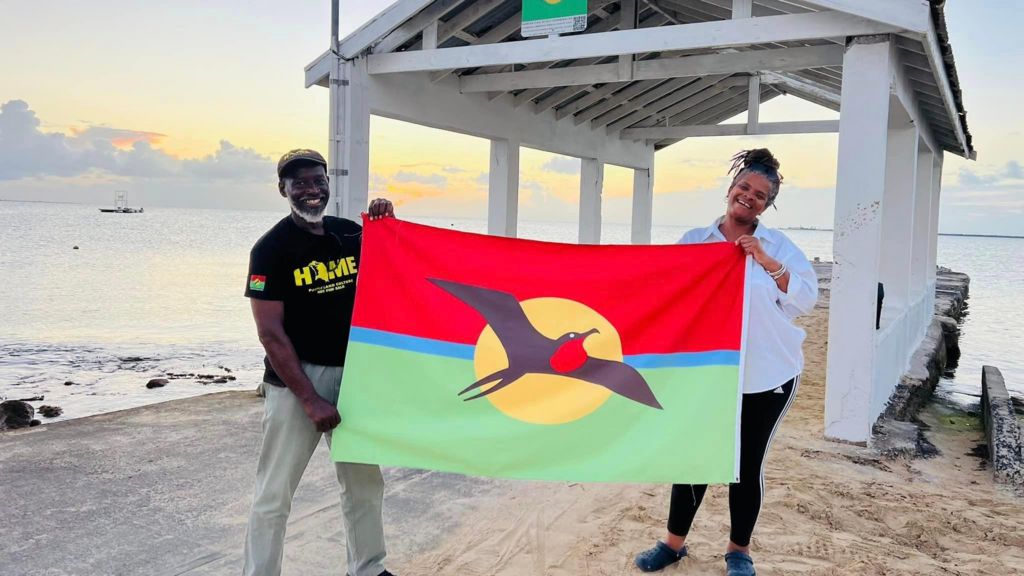
    One of the most high-profile cases centers on the tiny Caribbean island of Barbuda, where for more than two decades, Pink Sands Beach Bar served as the beating heart of local social life. Owned by Miranda Beazer, the open-air spot — named for its iconic rose-hued shoreline — drew generations of locals for Sunday post-church relaxation, domino tournaments, and casual community gatherings. That all changed in 2017, when Category 5 Hurricane Irma swept across the island, destroying every structure in its path, including Beazer’s bar and family home. All 2,000 Barbudans were evacuated to neighboring Antigua, and Beazer later lost her husband before she could begin rebuilding. When she returned to reclaim her plot, foreign developers quickly offered massive sums to buy out her claim, offers she rejected outright. “It’s not the money that I’m after,” Beazer explains. “I actually want to retain my land.”

    Barbuda’s unique land tenure system, rooted in post-emancipation justice, adds layers of complexity to Beazer’s fight. When slavery was abolished on the island in 1834, collective land ownership was established to guarantee all Barbudans access to territory. This system was formally enshrined in national law with the 2007 Barbuda Land Act, which states that all land on the island is communally owned; individual citizens can secure long-term leases to occupy plots, but the community retains collective oversight and final say over major development projects. Beazer holds a valid lease for 30 acres of southern Barbuda coastline, but today she can only access 8 of those acres. The Global Legal Action Network (GLAN), the international legal advocacy group supporting her case, alleges that the remaining 22 acres are being illegally occupied by two foreign developers: Murbee Resorts and Peace Love and Happiness (PLH). Both developers have denied any wrongdoing, with Murbee stating it only operates on land for which it holds valid legal leases, and PLH asserting it has never occupied Beazer’s plot and has strictly followed all local regulations since securing its own Barbuda lease in 2017. Beazer alleges that developers even bulldozed what was left of her damaged bar after the hurricane, leaving her locked in a protracted court battle to reclaim access to her leased land.

    Just a few miles up the coast from Beazer’s plot, one of the Caribbean’s most high-profile luxury resort projects is nearing completion. The Beach Club Barbuda, a 400-acre development from Paradise Found, a venture backed by Oscar-winning actor Robert De Niro and Australian billionaire James Packer, will include a 17-villa Nobu Beach Inn and 25 private luxury beachfront homes, with plot prices starting at $7 million. Locals report that a new bypass road built to ringfence the resort has already blocked public access to the beach the project sits on. The development’s approval highlighted how national governments have changed local land laws to clear the way for foreign investment: in 2015, the Antigua and Barbuda government passed the Paradise Found Act, which explicitly exempts the resort complex from the protections of the 2007 Barbuda Land Act. Local campaigners challenged the law all the way to the Judicial Committee of the Privy Council (JCPC) in London, Antigua and Barbuda’s highest court post-independence. In 2022, the JCPC ruled in favor of the government, stating that collective rights held by Barbudans do not constitute a formal property interest that can block development. Paradise Found has said it complied with all national laws, and that public access to Princess Diana Beach, now part of the resort, “remains unchanged.” John Mussington, chair of the Barbuda Council, the island’s local governing body, argues that the development only moved forward by violating the 2007 Land Act that protects community land rights. Beazer’s stretch of coastline is now the last remaining section of southern Barbuda’s shoreline still open to local access, making her fight all the more critical. “If you were to ever come here and experience it yourself, you would really understand why we’re so committed to this little piece of rock that we have,” she says.

    Barbuda’s battle is not an isolated case. It reflects a growing crisis across the Caribbean, where outdated colonial-era land laws and surging demand for luxury Caribbean getaways have combined to erode local access to public beaches. Some 1,600 kilometers west of Barbuda, Jamaica has been grappling with its own long-running dispute over beach access. Devon Taylor, president of the Jamaica Beach Birthright Environmental Movement (Jabbem), says current Jamaican land law explicitly denies locals any formal rights to the country’s foreshore, effectively handing control of most coastlines to private developers. The Jamaican government recently proposed a new bill meant to expand local beach access, but Taylor argues the legislation actually tightens restrictions by framing access as a paid benefit, requiring locals to purchase beach passes from large hotels. “You’re selling back the access to the people,” Taylor says, arguing that this echoes the exclusionary “colonial logic” of the past. According to Jabbem, less than 1% of Jamaica’s entire coastline remains freely open to local residents, and the group is currently involved in five separate legal challenges against the government and private developers to defend public access. The Jamaican government has not yet responded to requests for comment on the proposed legislation.

    Even smaller, less developed Caribbean islands such as Grenada are already facing similar tensions as international tourists seek out lesser-known, off-the-beaten-path destinations. Kriss Davies, chair of local advocacy group Grenada Land Actors, warns that unchecked large-scale resort development risks stripping the island of the cultural and natural charm that draws visitors in the first place, while displacing local communities from their traditional coastlines.

    According to the United Nations Development Programme, the Caribbean is the most tourism-dependent region in the world, with nearly half of all visitors arriving from the United States. For cash-strapped regional governments, foreign investment in luxury tourism offers an undeniably appealing path to economic growth and job creation. But local activists argue that this growth comes at a steep, irreversible cost to the communities that have shaped the Caribbean’s cultural identity. “Travel is never neutral — it carries both an economic and moral weight,” Taylor says. “These developments often displace residents from ancestral coastlines, restrict public access to beaches, and channel wealth away from the very people whose culture sustains the tourism experience.” As global demand for exclusive Caribbean paradise continues to rise, local land defenders warn that unregulated tourism could permanently alter the home they have stewarded for generations, erasing public access to the natural treasures that make the region unique.