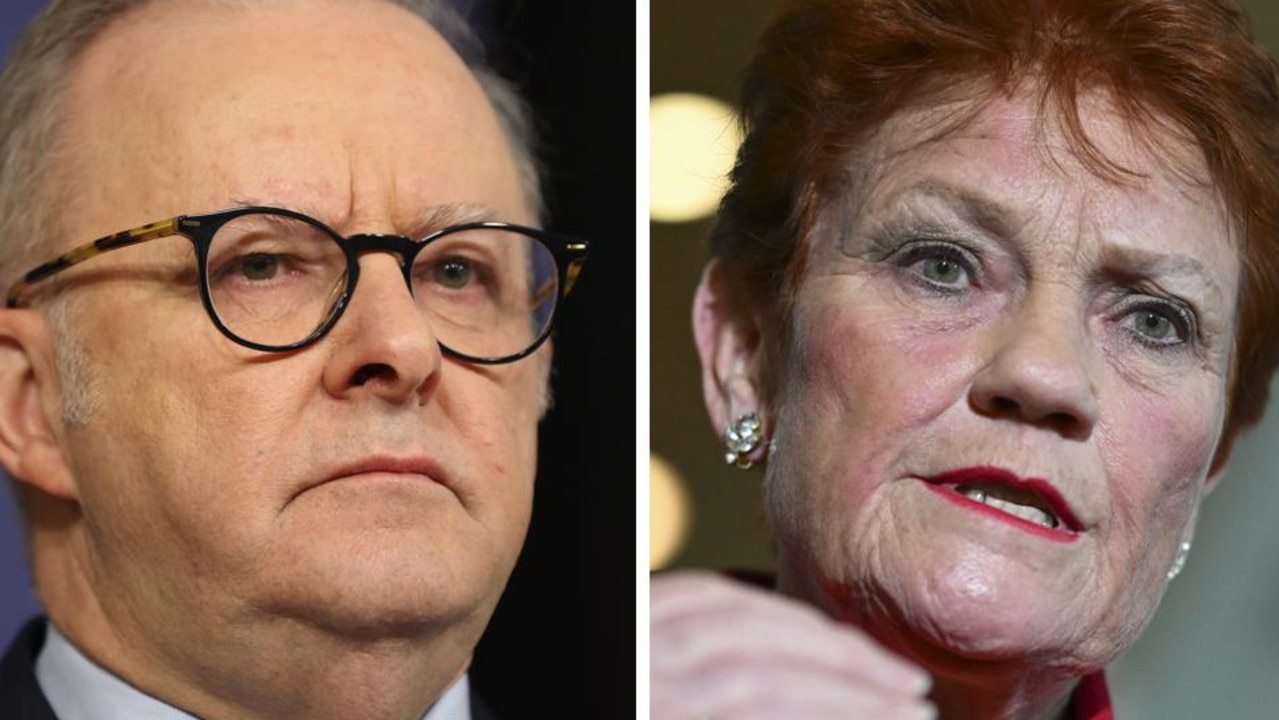
Australia’s political landscape has shifted dramatically in the wake of the federal Labor government’s high-profile backflip on a pre-election housing tax pledge, with right-wing populist party One Nation catapulting into an unexpected leading position in the first national polls conducted after the 2026-27 budget announcement.
New polling data collected by independent research firm Resolve Political Monitor tracks a two-percentage-point jump in One Nation’s primary support, pushing the party to 24% of the intended vote. Beyond party popularity, the poll confirms One Nation leader Pauline Hanson has claimed the title of Australia’s most likeable active politician, with a net performance rating of +12 percentage points – a narrow one-point lead over opposition leader Angus Taylor, who sits at +11 points.
The political gains for One Nation come at a steep cost to incumbent Prime Minister Anthony Albanese and the ruling Labor Party. Albanese’s net likability rating has dropped one point from last month to a weak -13 percentage points. Worse for the Prime Minister, he has lost his long-held lead as the public’s preferred candidate for the top job: Taylor now holds a narrow advantage, with 33% of voters naming him their preferred Prime Minister against Albanese’s 30%.
The controversy at the center of this polling shift is Labor’s decision to roll back key housing investor tax concessions, a policy that directly breaks a clear pre-election promise. When parliament returns later this month, the government will move to cut the capital gains tax discount and end negative gearing for all properties except new builds and those already enrolled in the scheme. The change, announced as a core part of Treasurer Jim Chalmers’ May budget, has sparked widespread public backlash, with additional commentary labeling this 2026 budget the most unpopular federal budget released since 1993 – surpassing even the widespread public anger directed at Joe Hockey’s 2014 austerity budget.
Analysts point to multiple overlapping factors that have fueled One Nation’s sudden rise beyond the broken tax promise. Long-running cost of living pressures, amplified by economic spillover from the ongoing Middle East conflict, and months of internal instability within the centre-right Coalition opposition have created a political opening that One Nation has successfully capitalized on. Resolve’s data shows Labor’s own primary vote has fallen three full percentage points to just 29%, with only 14% of voters saying their view of the government has improved since the budget announcement. Thirty-three percent of respondents now hold a worse view of Labor than they did before the policy change, while 31% report no change in opinion and 18% remain undecided.
The Coalition has seen its own primary support hold steady at 23% – a result that leaves the traditional major opposition party trailing One Nation in the latest Resolve poll. The outcome aligns with separate polling released earlier this week by Roy Morgan, which also recorded One Nation pulling ahead of Labor on primary vote for the first time in any post-election survey. Roy Morgan’s poll, conducted May 13–14, put One Nation’s primary support at 32%, compared to Labor’s 28.5%. On a two-party preferred basis, Labor only narrowly holds a lead over One Nation, 51% to 49%, marking one of the closest electoral readings in recent Australian political history. Albanese’s personal disapproval rating has now climbed to 59%, underscoring the depth of the government’s current political slump.