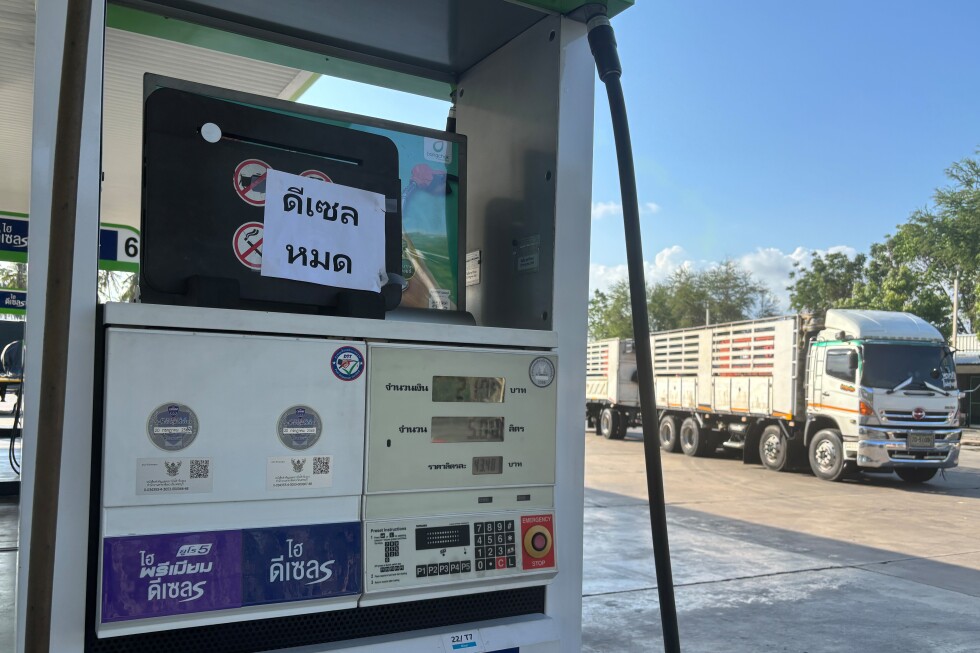
A severe energy crisis is intensifying across Asia as nations compete for dwindling supplies of Russian crude oil, following the U.S.-Israel military campaign against Iran that has blocked approximately one-fifth of global oil shipments. The conflict, now entering its second month, has severely disrupted flows through the critical Strait of Hormuz, with recent escalations involving Iran-backed Houthi rebels further jeopardizing maritime security.
In response to mounting global supply shortages, the United States has issued temporary sanctions waivers for Russian oil shipments already at sea—first to India, then extending the provision worldwide. This policy shift has triggered a surge of interest from energy-starved Southeast Asian nations including the Philippines, Indonesia, Thailand, and Vietnam, all seeking to secure discounted Russian crude.
However, market analysts warn that Russia’s export capabilities remain constrained despite earning billions from increased sales. The country continues to grapple with the impacts of its ongoing invasion of Ukraine and recent drone attacks on energy infrastructure, limiting its ability to significantly ramp up production. Current exports of approximately 3.8 million barrels per day in March remain below mid-2023 peaks of 3.9 million barrels.
Muyu Xu, senior crude analyst at Kpler, emphasized the precarious nature of the situation: “The real problem is how much cargo is still available in this market. This crisis demonstrates how rapidly geopolitics can shift, making long-term planning extremely difficult for nations. Currently, ensuring supply security takes absolute priority over all other considerations.”
The Philippines has emerged as an early warning case for the region, with airlines considering fuel rationing and the government distributing emergency cash assistance to transportation workers. The nation, which previously relied on the Middle East for 97% of its oil imports, declared an energy emergency and imported Russian crude for the first time since 2021.
Meanwhile, Vietnam’s Prime Minister Pham Minh Chinh visited Moscow to strengthen energy cooperation agreements, while Indonesian officials stated they are considering “all possible” partners including Russia and Brunei. Thailand, while somewhat more insulated, recently experienced dramatic fuel price increases of up to 18% for diesel after removing subsidies.
China and India maintain significant advantages in the competition for Russian oil, having established strong trading relationships prior to the current crisis. India particularly benefited from receiving U.S. sanctions waivers approximately one week before other nations, allowing it to secure substantial shipments. China’s massive strategic petroleum reserves, estimated at 1.2 billion barrels, provide additional buffer against supply disruptions.
Energy analysts note that Russia emerges as a clear beneficiary of the current situation, with Asian nations demonstrating willingness to prioritize energy security over geopolitical considerations. As Sam Reynolds of the Institute for Energy Economics and Financial Analysis observed: “We can argue whether there’s a moral dilemma there, but countries will do whatever necessary to protect their energy security.”