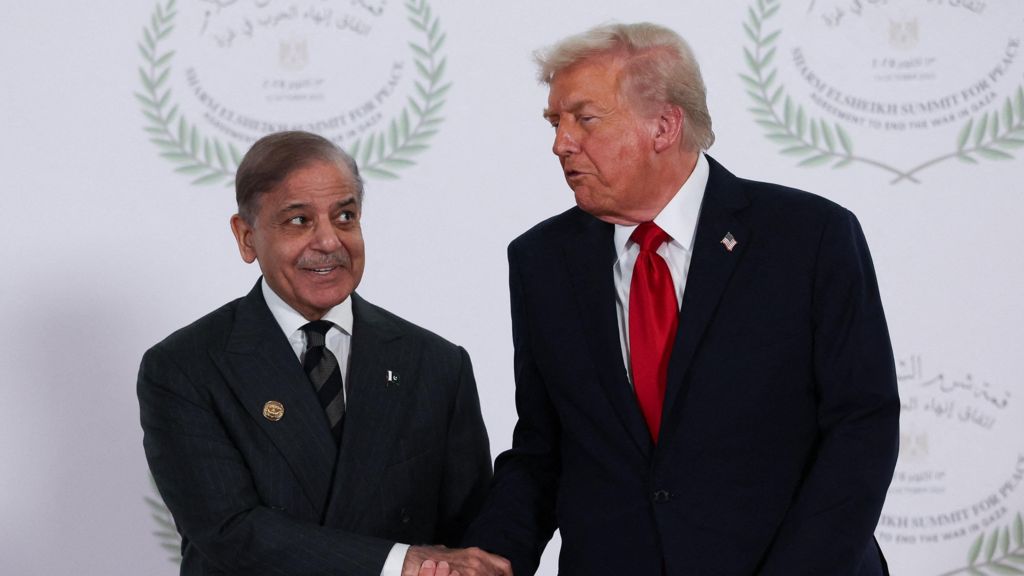
In an unexpected geopolitical maneuver, Pakistan has emerged as a potential mediator in the escalating conflict between the United States and Iran, leveraging its unique position despite facing regional conflicts of its own. The diplomatic push comes as Field Marshall Asim Munir, head of Pakistan’s armed forces, enjoys favorable standing with US President Donald Trump, who frequently refers to him as his “favorite” Field Marshall and acknowledges his deep understanding of Iran.
Pakistan’s qualifications for this mediating role stem from several strategic advantages: it shares a 900-kilometer border with Iran and maintains what both nations describe as a “brotherly” relationship rooted in cultural and religious ties. Crucially, Pakistan hosts no US air bases and has thus far avoided direct entanglement in the Gulf conflict, while maintaining a compelling interest in fostering peace between the two adversaries.
This diplomatic positioning occurs against a complex backdrop of regional tensions. Pakistan is currently engaged in military operations against Afghanistan while maintaining nuclear-tinged hostilities with India—contradictions that raise questions about its peacemaker credentials. The country has responded to these concerns by emphasizing its years of unsuccessful diplomatic outreach to neighbors before resorting to military action.
Economic vulnerabilities add urgency to Pakistan’s mediation efforts. Heavily dependent on oil imports transiting the Strait of Hormuz, Pakistan already implemented a 20% fuel price hike in early March and introduced energy conservation measures including a four-day government workweek. Further conflict escalation could devastate Pakistan’s economy, according to Farhan Siddiqi, Professor of Political Science at Karachi’s Institute of Business Administration.
Complicating matters is Pakistan’s defense pact with Saudi Arabia, which obligates mutual protection against aggression. This agreement creates potential dilemmas should Saudi Arabia join the conflict and invoke the pact, potentially destabilizing Pakistan’s western border region already embroiled in conflict with Afghanistan.
Domestic political considerations also weigh heavily on Pakistani leadership. Widespread pro-Iran sentiment among the Pakistani population manifested in demonstrations following the killing of Iran’s Supreme Leader, including attempts to storm the US consulate in Karachi that resulted in fatalities. Former ambassador Maleeha Lodhi notes that decision-makers remain “very sensitive” to this public sentiment.
Analysts suggest multiple motivations underlie Pakistan’s diplomatic offensive. Michael Kugelman of the Atlantic Council observes that beyond material interests, Pakistan seeks to counter perceptions of limited global influence. The country has employed unconventional diplomatic approaches, including nominating President Trump for the Nobel Peace Prize following his intervention in the 2025 Pakistan-India crisis and facilitating the transfer of the Kabul airport bombing suspect to US authorities.
Despite these efforts, experts remain skeptical about the prospects for success. Kugelman characterizes the mediation attempt as “high-stakes diplomacy” with low probability of success given the “maximal demands” and deep mistrust between American and Iranian leadership. Pakistan’s Foreign Minister Ishaq Dar continues diplomatic meetings, including recent travels to China at the invitation of counterpart Wang Yi, but securing a comprehensive peace agreement remains a distant possibility amid escalating regional tensions.