A fascinating cultural convergence is unfolding as elite footballers from the English Premier League emerge as unlikely ambassadors for chess, driving unprecedented interest in the ancient game. Manchester City’s Erling Haaland, Liverpool’s Mohamed Salah, and Real Madrid’s Trent Alexander-Arnold headline a growing roster of top-tier athletes who are passionately engaged with the strategic board game, creating a remarkable synergy between two seemingly disparate disciplines.
Haaland’s commitment extends beyond casual play, with the Norwegian striker making a significant financial investment in the groundbreaking Total World Chess Championship Tour. This new circuit, endorsed by the International Chess Federation (FIDE), will feature four annual tournaments across global cities with a minimum prize pool of £2 million. The initiative capitalizes on chess’s surging profile, amplified by celebrity endorsements and digital accessibility.
The football-chess connection features an impressive lineup: Salah confesses to daily ‘blitz’ chess sessions under an anonymous online profile, Arsenal’s Martin Odegaard and Eberechi Eze regularly compete, while AC Milan’s Christian Pulisic bears a queen chess piece tattoo honoring his grandfather who taught him the game. France’s World Cup winner Antoine Griezmann and Real Madrid’s Dani Carvajal further demonstrate the sport’s cross-border appeal.
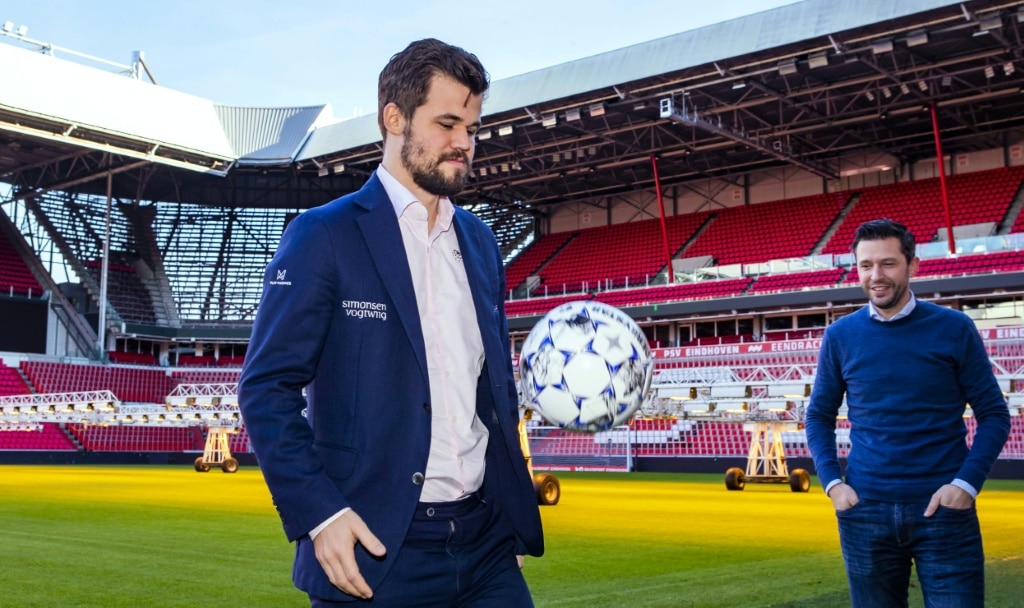
This unlikely fusion finds philosophical grounding through five-time world chess champion Magnus Carlsen and Manchester City manager Pep Guardiola, both of whom recognize profound strategic parallels. They emphasize the critical importance of controlling the central space—whether on the chessboard or football pitch—as the fundamental key to dominance in either domain.
The chess resurgence has been accelerated by multiple factors: the COVID-19 pandemic drove millions to online platforms, with FIDE estimating over 1.5 billion people now have chess apps on their phones. Netflix’s ‘The Queen’s Gambit’ series and influencer culture have further transformed chess’s traditionally staid image into a dynamic mental sport appealing to younger demographics.
While football remains the primary passion for stars like Harry Kane, who uses chess for mental relaxation, the cognitive benefits are widely acknowledged. Players report enhanced strategic thinking, quick decision-making, and improved instinct trust—attributes directly transferable to their professional football careers, creating a virtuous cycle of mental conditioning and competitive advantage.