For more than a decade, the International Atomic Energy Agency (IAEA) has been barred from placing inspectors on the ground in North Korea, forcing the global nuclear watchdog to rely on satellite surveillance, open-source intelligence, and state media disclosures to track the country’s atomic activities. Its latest assessment, released in late August 2026, paints a clear picture of accelerating expansion: North Korea has completed construction of a new two-story uranium enrichment facility at its key Yongbyon nuclear complex, and has begun operations at an expanded annex at a second enrichment site near the capital Pyongyang.
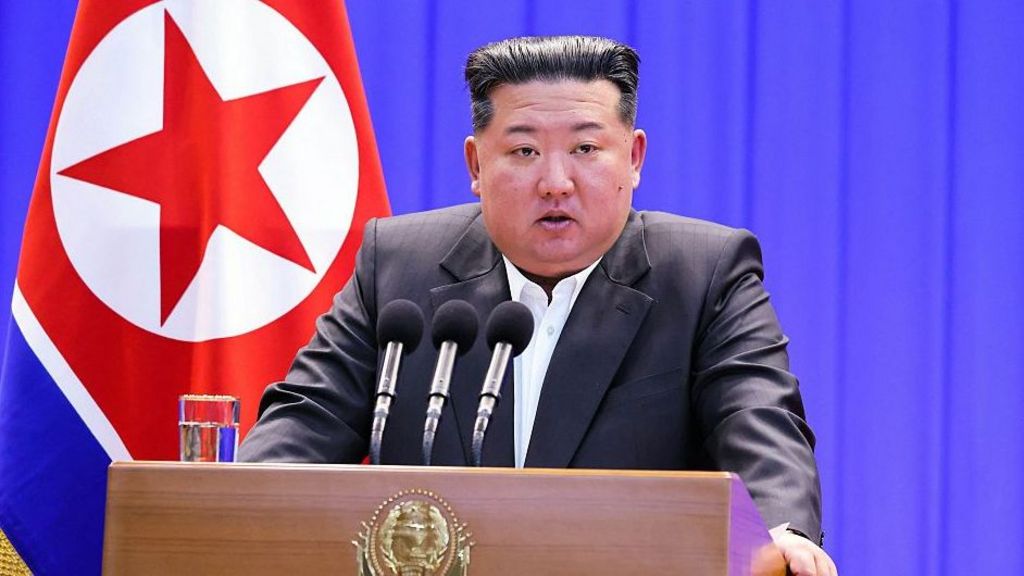
According to the IAEA’s findings, the newly completed building at Yongbyon is engineered to accommodate up to 28 centrifuge cascades — the core equipment used to enrich uranium, a key material for manufacturing nuclear warheads. The report ties construction of this facility to a high-profile public event in North Korea: leader Kim Jong Un presided over the inauguration of a new nuclear materials production factory in early June, a visit that was covered in state media. During the event, Kim publicly praised the “greatly expanded production capacity” of the site, noting that the upgrade would open the door for “carrying out larger plans” for the country’s nuclear program.
Beyond Yongbyon, the IAEA also confirmed that operations have resumed at an expanded annex at the Kangson enrichment facility, located just outside Pyongyang. Initial construction of the annex began in 2024, and satellite imagery shows active operations at the site starting as early as January 2026. These developments align with a preliminary assessment the IAEA released in April 2026, which warned that North Korea appeared to be actively ramping up its capacity to produce nuclear bomb materials at Yongbyon.
IAEA Director General Rafael Grossi has emphasized that the ongoing expansion of North Korea’s nuclear program and continued production of weapons-grade nuclear material is a matter of “serious concern” for the international community. “The continuation and further development of the DPRK’s nuclear programme are clear violations of relevant UN Security Council resolutions and are deeply regrettable,” Grossi said in an official statement earlier this month.
The new revelations come as a diplomatic overture from South Korea hangs in the balance. In August 2026, South Korean President Lee Jae Myung proposed formal talks with North Korea to officially end the decades-long Korean War, with the talks framed as a potential platform to negotiate “effective ways to halt the advancement of the North’s nuclear capabilities”. As of the IAEA’s report, North Korea has not issued any public response to Lee’s proposal.
North Korea first formally declared itself a nuclear-armed state in 2022, and has repeatedly reiterated its commitment to retaining its nuclear arsenal, vowing never to relinquish its weapons. Current independent estimates suggest North Korea already holds dozens of nuclear warheads, and Lee told the BBC last year that Pyongyang is producing an additional 15 to 20 warheads annually. Lee has previously stated he would support a negotiated freeze on North Korean nuclear production brokered between the U.S. and Kim.