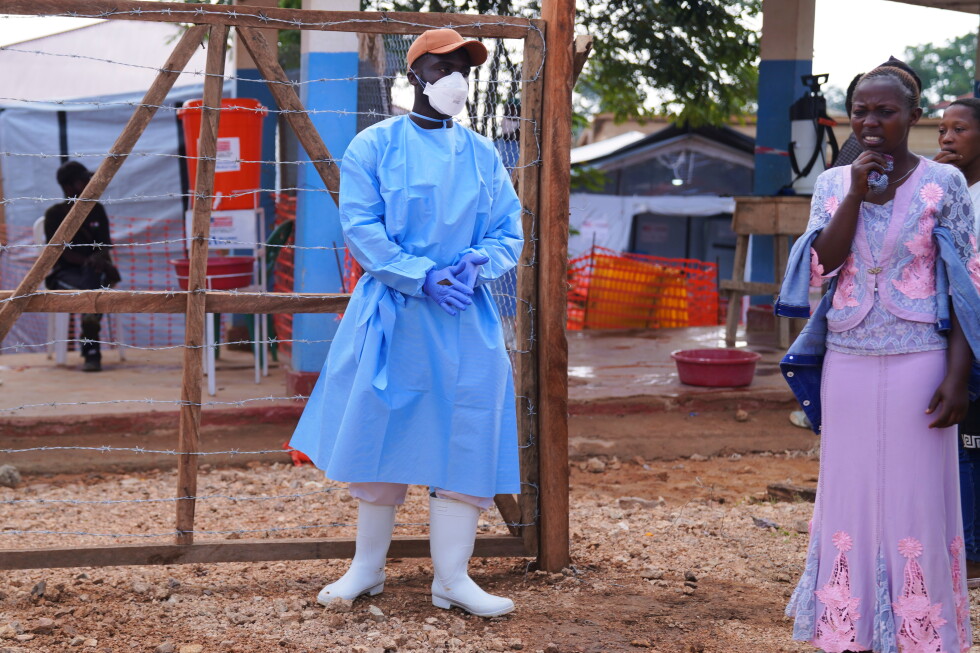
BUNIA, Democratic Republic of Congo – A fresh setback has hit the country’s spiraling Ebola outbreak response, as frontline health workers at a key treatment center in eastern Ituri province launched a strike Saturday over unpaid performance bonuses, halting nearly all care for patients in the outbreak’s geographic epicenter.
Official government data released Friday puts the total number of confirmed Ebola cases at 2,973, with 1,309 deaths recorded to date – marking this outbreak as the fastest-growing the country has ever seen, according to national health authorities. As of the latest update, 766 patients are currently in isolation or receiving hospital care, while 540 people have successfully recovered from infection.
The industrial action has completely paralyzed operations at the Elikya Ebola Treatment Center in Bunia, the provincial capital of Ituri, which bears nearly 90% of the outbreak’s confirmed caseload. Doctors, nurses, and security staff all walked off the job, with around 100 protesting outside the facility Saturday to demand action on delayed pay. Workers say two months of unpaid performance bonuses have gutted staff morale and directly compromised care for infected patients, and they will not return to their posts until Congolese authorities clear the outstanding arrears. The strike followed a formal vote held by staff Friday, which resulted in a unanimous decision to launch the work stoppage until “concrete solutions” are delivered.
This walkout is not an isolated incident: just last week, employees at Bunia General Hospital, the largest medical facility in the entire region, also staged a strike over unpaid salaries. Some workers told the Associated Press they have not received any compensation since they joined the outbreak response when it first began.
Congo has been fighting this outbreak of Ebola caused by the rare Bundibugyo virus strain since May 15. Unlike the more common Zaire Ebola strain – which sparked 16 of Congo’s previous outbreaks and has a licensed vaccine available – no approved vaccines or specific treatments exist for Bundibugyo, creating a major additional hurdle for response teams. A clinical trial for two promising potential treatments recently launched in Ituri, however, giving researchers and health officials a small measure of hope for improved outcomes.
Beyond payment issues, the response effort has faced a cascade of systemic challenges that have allowed the outbreak to outpace containment efforts. Authorities have yet to identify the index case (patient zero) that sparked the current outbreak, while widespread population displacement from ongoing armed conflict in eastern Congo and frequent movement of artisanal miners have made contact tracing of thousands of exposed people extremely difficult. Additional barriers include a major global funding gap for the response, repeated attacks on health facilities in the volatile region, and lingering mistrust of medical authorities among local communities.
More than 100 frontline healthcare workers have already contracted Ebola since the outbreak began, according to data from the World Health Organization (WHO). The global health body has assessed that the overall risk of the outbreak spreading beyond Central Africa remains low, noting that Ebola transmits through direct contact with infected bodily fluids rather than via airborne spread, a characteristic that makes far less transmissible than common respiratory viruses.