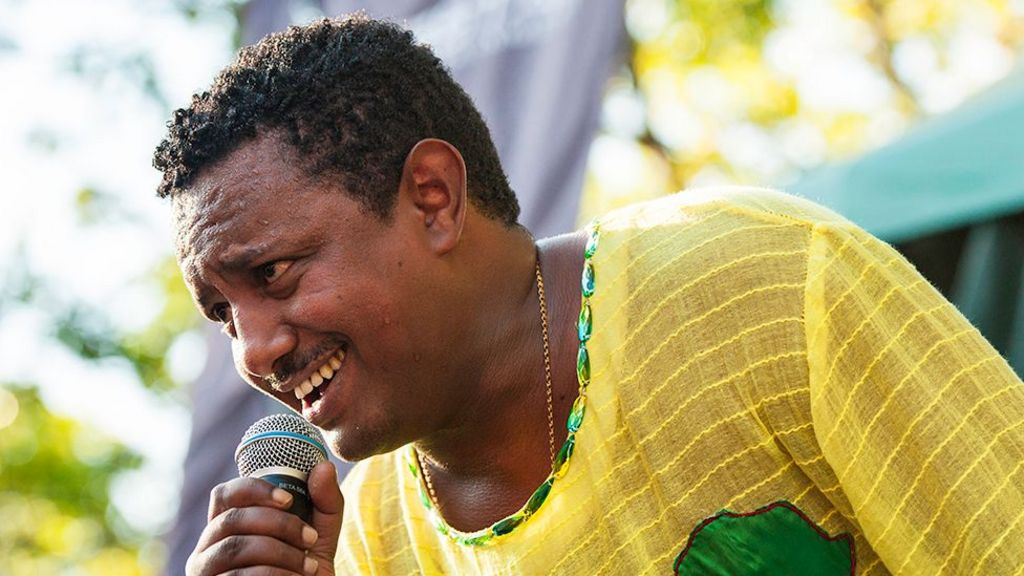
As Ethiopia prepares for its upcoming June general election, a new music release from the nation’s most iconic musician has ignited widespread public conversation, delivering a seeming rebuke of the current government that resonates deeply with growing discontent across the country. Titled *Das Tal*, which translates to “Put Up the Tent” in English, the track was uploaded to YouTube last Thursday, and has already amassed more than seven million views from audiences at home and abroad.
The song draws its symbolism from Ethiopia’s traditional mourning tents, spaces where communities gather to grieve shared loss. Throughout the track, 49-year-old Teddy Afro — born Tewodros Kassahun — crafts a raw, lyrical lament for what he frames as a lost nation. “The spirit of being Ethiopian is now pushed away,” he sings. “Now I understand the sorrow and pain. Where can someone go to mourn, where do you cry? In the place that raised me, in the village where I grew up, I have become a stranger, like someone with no country.”
Controversy preceded the track’s official launch, when a planned preview event for journalists in the capital city of Addis Ababa was abruptly canceled, with no clear explanation given for the last-minute cancellation.
This is far from the first time Teddy Afro has clashed with Ethiopian governments: for more than two decades, he has been one of the most prominent dissident voices in the country’s cultural landscape, where open criticism of ruling authorities has regularly resulted in legal and professional repercussions for critics. Twenty years ago, he was imprisoned for 16 months on charges related to a hit-and-run incident, charges he has long maintained were fabricated as political retribution for his criticism of the government.
In 2017, his most recent full album *Ethiopia*, which centered on historical narratives and called for cross-ethnic unity across the country, became a commercial sensation. It topped Billboard’s World Albums chart for multiple consecutive weeks and recorded massive sales among Ethiopian audiences both domestically and internationally, but authorities blocked the album’s official release within Ethiopia’s borders.
That same period saw massive nationwide anti-government protests sparked by longstanding grievances over the marginalization of the Oromo people, Ethiopia’s largest ethnic group. Those protests ultimately led to the resignation of the long-serving prime minister and paved the way for current Prime Minister Abiy Ahmed, an Oromo himself, to take power. Abiy campaigned on a promise of a new era of inclusive unity for Ethiopia’s multi-ethnic population, and Teddy Afro initially welcomed his agenda. In a 2017 interview with the BBC, the musician framed his work as rooted in a call for collective love, echoing civil rights leader Martin Luther King Jr.: “Hate cannot drive out hate: only love can do that. And for us to come out of the situation we are in, I believe the only choice we have is love.”
In the years since Abiy took office, however, Teddy Afro has become increasingly disillusioned with the government’s leadership. Widespread interethnic violence across the country and the brutal two-year civil war in the Tigray region, which killed hundreds of thousands of people, have pushed the musician to sharpen his criticism. In 2022, he released a track calling out the growing danger of ethnic tribalism, a theme he expands on in his latest release.
For his part, Prime Minister Abiy has repeatedly emphasized his commitment to national unity, framing collective solidarity as the only path to lasting security and economic prosperity for all Ethiopians. With the general election just weeks away, political messaging around national unity is set to intensify across the political spectrum — and Teddy Afro’s viral new track has already placed national discontent at the center of public discourse in the lead-up to the vote.