BERLIN — One year after taking office, German Chancellor Friedrich Merz and his cross-party center-right to center-left coalition government have unveiled an ambitious 34-measure reform package designed to pull Europe’s largest economy out of its extended period of stagnation, while attempting to reverse the administration’s plummeting public approval.
Germany’s economy has faced mounting headwinds in recent years: after two consecutive years of contraction, it recorded only modest growth in 2024, with the government projecting just 0.5% growth for the coming year. Multiple structural and geopolitical pressures have dragged on activity, including persistently high energy costs stemming from Russia’s full-scale invasion of Ukraine, intensifying global competition from Chinese manufacturing firms, trade tariffs and threats from former U.S. President Donald Trump, and long-term demographic strain that has ballooned costs for the country’s public health and pension systems. More recently, fallout from the ongoing conflict in Iran has further downgraded growth projections.
Against this backdrop, the coalition’s new reform plan targets four core areas of policy change: income tax relief for working households, a comprehensive overhaul of the underpressure pension system, stricter sick leave regulations to boost productivity, and widespread cuts to Germany’s notoriously burdensome bureaucracy.
For low- and middle-income families, the tax reforms will deliver annual relief of 10 billion euros ($11.4 billion) once fully phased in by 2028. A typical household with two working parents, two children and a combined taxable income of 60,000 euros ($64,416) will receive an annual tax break of roughly 600 euros ($644) under the plan.
The pension system overhaul, the most consequential structural change on the agenda, will gradually adjust the retirement age — currently ranging between 65 and 67 years based on working history — to align with ongoing increases in national life expectancy. The framework follows recommendations released last month by a government-appointed expert and political panel, with two key goals: preventing a decline in overall pension benefits and avoiding drastic long-term hikes to the mandatory payroll contribution that employees pay into the national pension system.
To address what Merz has repeatedly called unacceptably high sick leave rates that erode national productivity, the coalition is tightening rules around medical certification. Under the new regulations, employers will be permitted to require a doctor’s note for any sick leave, regardless of duration. Previously, workers could take up to three sick days off without a medical certificate, and could obtain a one-week leave certificate via a telephoned request without an in-person doctor visit.
For bureaucracy reduction, the plan eliminates hundreds of unnecessary reporting and documentation requirements, cuts data protection rules to the minimum standard required by EU regulation, and streamlines the process for filing income tax returns to reduce administrative burdens for households and businesses.
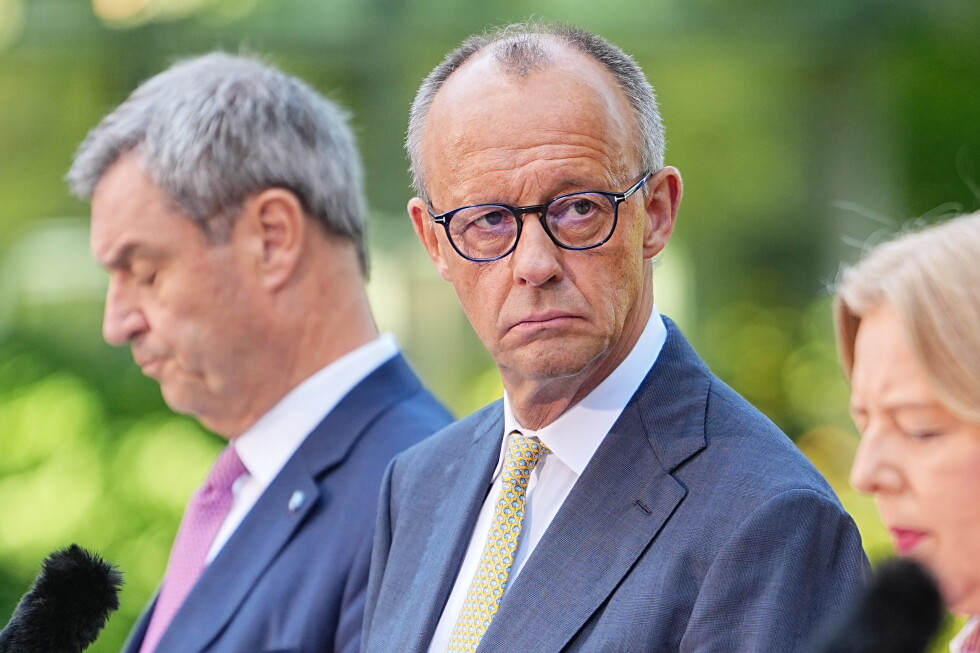
In public remarks during the package’s launch at the Berlin chancellery garden, Merz framed the reforms as a decisive step toward securing Germany’s long-term prosperity. “These reforms all have one goal: We’re setting out into the future,” he said Thursday. “We’re strengthening ourselves so that we can live well in these new times.”
The chancellor also pushed back against widespread criticism that his coalition has been bogged down by internal infighting and delivered little tangible progress in its first year in office, leaving the administration deeply unpopular with voters. “From the very beginning, we set an agenda with a single goal in mind: We want to get Germany back on track. It is now clear that this is possible,” Merz said, appealing directly to German citizens to back the plan. “We know that you, ladies and gentlemen — the citizens of our country — want decisions, and you don’t want conflict. And that is exactly what we have delivered. Join us; support us in carrying out the reforms that are now necessary.”
Not everyone has welcomed the proposal. Alice Weidel, co-leader of the far-right Alternative for Germany (AfD) party — which secured second place in last year’s national elections — dismissed the package as inadequate. In a post on social platform X, Weidel called the measures “even more left-wing redistribution, and minimal compromises that don’t deserve to be called ‘reforms’.” She added, “The fact that this is being sold as a ‘breakthrough’ shows only one thing: this government’s complete inability to reform.”