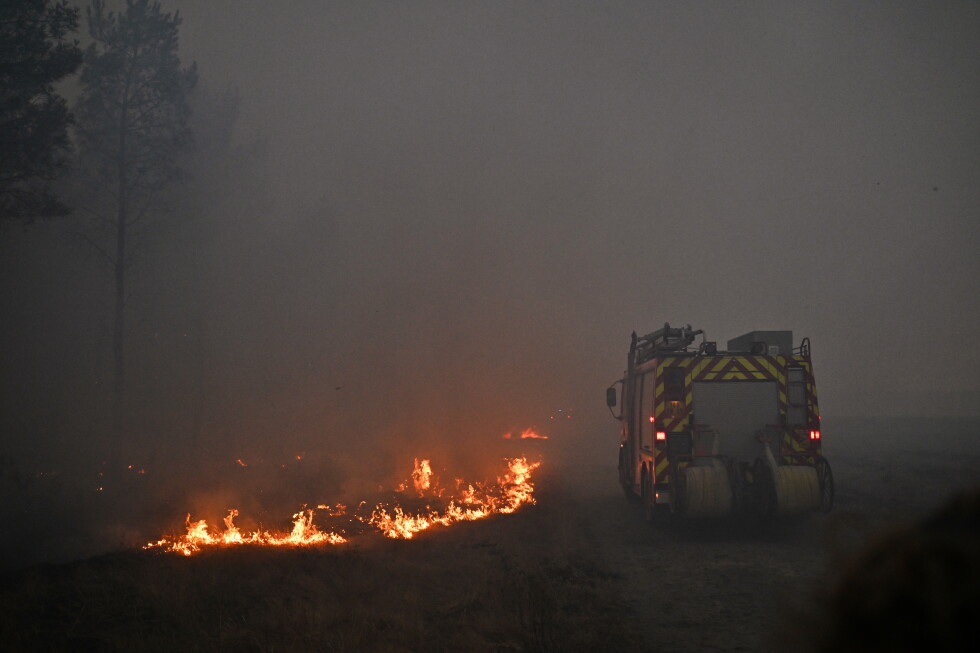
Across southwestern France and central Spain, catastrophic uncontrolled wildfires have triggered mass displacement of hundreds of thousands of residents and tourists, prompting emergency government action amid fragile early signs of progress in containing the blazes.
On France’s Gironde coast, where flames have already charred a swathe of land four times the total area of Paris, local authorities reported a tentative shift in the crisis on Monday: after days of relentless advance that pushed the fire line closer to the major wine hub of Bordeaux, the overnight situation held “globally stable.” The spread of the region’s massive blaze, which has burned for more than a week, has slowed enough that no additional evacuation orders were issued, offering a first glimmer of hope for overwhelmed firefighting teams.
That hope remains fragile, however. With France poised to enter its peak August summer tourist season, Gironde officials have enacted strict new measures to keep people out of high-risk zones, banning all holiday camp operations for children and people with disabilities. Thousands of ground firefighters and a fleet of air tankers dropping water and fire retardant are locked in a race against time: forecasters predict a sharp spike in temperatures starting Tuesday that will create drier, windier conditions far more favorable to flame spread.
In response to the escalating crisis, French President Emmanuel Macron called an emergency high-level meeting for Monday morning to coordinate the national response. Over the weekend, Macron posted a public pledge on social media platform X promising long-term backing for communities devastated by the blazes, writing: “We will rebuild, we will repair and we will be present for as long as necessary.”
The wildfire emergency is not isolated to France. Neighboring Spain is also fighting fast-moving blazes across multiple regions, including uncontrolled burns in areas surrounding the capital Madrid and new evacuation orders issued Sunday in the eastern Valencia region. The Spanish government confirmed that 76,000 people have already been evacuated from at-risk areas, with an additional 30,000 people ordered to remain confined in their homes to avoid exposure to smoke and advancing flames.
For evacuees on both sides of the border, the uncertainty lingers: many have no idea if their homes will still stand when they are allowed to return. Rocío Domínguez, who fled her hometown of Chapinería west of Madrid alongside her dog Simba, described the scene as she left as apocalyptic. “You couldn’t see anything. Everything was covered in ash,” she said. “We don’t know when we get to the town, if we’ll have half the house burned down or we’ll have it intact or we won’t have a house. All the clothes, all the memories, everything.”