VALLETTA, Malta – In a verdict that has sent shockwaves across the Mediterranean island nation and reverberated through European media and accountability circles, a Maltese jury has acquitted Yorgen Fenech, the high-profile local businessman accused of orchestrating the 2017 car bomb killing of iconic anti-corruption investigative journalist Daphne Caruana Galizia. The outcome comes nearly eight years after the assassination that upended Maltese politics, forced a sitting prime minister from office, and pulled back the curtain on deep-rooted impunity within the EU’s smallest member state.
Caruana Galizia, 53, was killed instantly on October 16, 2017, when a remote-detonated explosive device attached to her vehicle blew up as she drove away from her home. For years before her death, the fearless reporter built a reputation for aggressive, unflinching investigations into public and private sector corruption across Malta’s political divide. Her work, much of it published in the wake of the 2016 Panama Papers leak, exposed alleged links between top officials in then-Prime Minister Joseph Muscat’s inner circle and secret offshore accounts in tax havens. She did not spare opposition leaders or prominent business figures from scrutiny, and by the time of her murder, she was defending herself against more than 40 active libel suits filed by the figures she had targeted.
Fenech, who was formally indicted on charges of criminal conspiracy and complicity in murder in 2021, was accused by prosecutors of ordering the killing and funding the plot. He had consistently maintained his innocence throughout the trial, and on Wednesday, the jury delivered a unanimous not guilty verdict on both counts. He is the final defendant to be tried among six people charged in connection with the assassination plot.
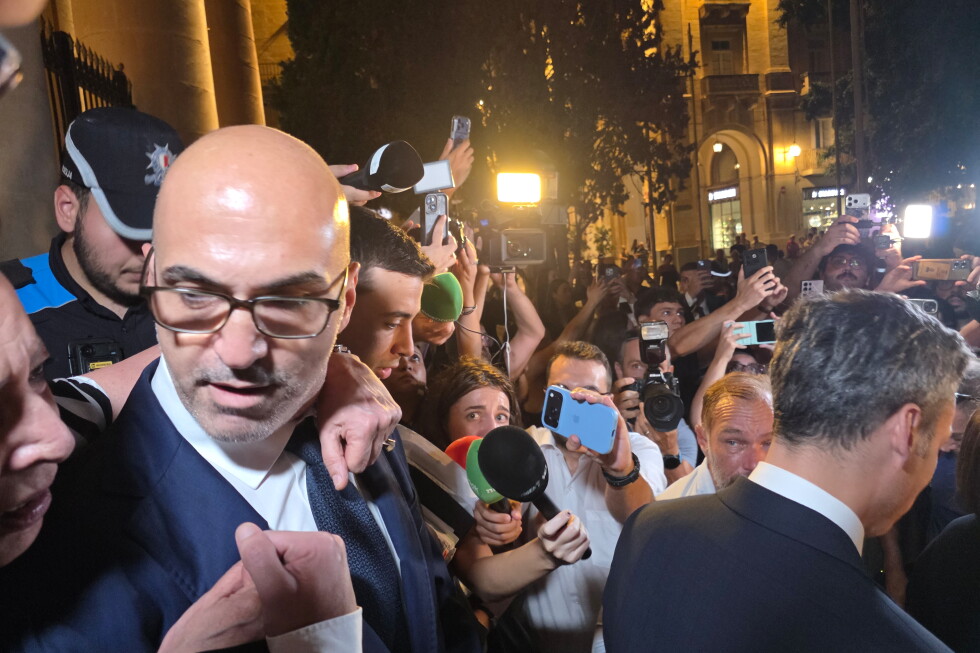
The case has long been intertwined with Malta’s political upheaval. Fenech was a key figure in a business consortium that secured a controversial, multi-million-dollar government contract to construct a new power plant on the island. His dramatic 2019 arrest, carried out as he attempted to leave Malta aboard his private yacht, triggered months of widespread mass protests across the country that ultimately forced Muscat to step down from office. Following Wednesday’s acquittal, Fenech left the Valletta courthouse without issuing any public statement, walking through a chaotic crowd of shouting hecklers to a waiting getaway car.
Caruana Galizia’s family, which has led a years-long campaign to secure full accountability for her death, was present for the reading of the verdict. Her three sons left the courtroom immediately after the ruling without comment, releasing a formal statement to the public hours later via Facebook.
The statement called the verdict a denial of the justice Caruana Galizia deserved. “Nine years after Daphne’s brutal assassination, the institutional failures that enabled her murder remain unaddressed and unreformed. Lasting justice means no person should ever face the same risks again. Our country failed to protect Daphne. It owes it to her to prevent other lives being lost,” the family wrote.
As is standard practice in Maltese criminal proceedings, no recording devices or press cameras were permitted inside the courtroom during the trial.
Five other co-defendants have already been convicted or granted immunity for their roles in the plot. Brothers George and Alfred Degiorgio pleaded guilty to carrying out the killing in 2022, and each received a 40-year prison sentence. Earlier this year, Jamie Vella and Robert Agius, who were convicted of supplying the explosive device used in the attack, were sentenced to life in prison – Malta’s maximum available penalty for murder. Vincent Muscat, another co-conspirator, pleaded guilty to his role in 2021 and was sentenced to 15 years behind bars. Melvin Theuma, a taxi driver who admitted to acting as a middleman in the plot, received a presidential pardon in 2019 in exchange for his testimony against Fenech and other co-defendants.
A 2021 independent public inquiry into the assassination concluded that the Maltese state bears direct institutional responsibility for Caruana Galizia’s death, finding that a culture of impunity tolerated and enabled by the highest levels of government created the conditions for the killing to occur.