TOKYO – Japanese Prime Minister Sanae Takaichi has pushed back against growing media speculation about her seclusion from official and parliamentary circles, defending her decision to base more of her daily work out of Japan’s historic prime ministerial official residence to maximize governmental efficiency.
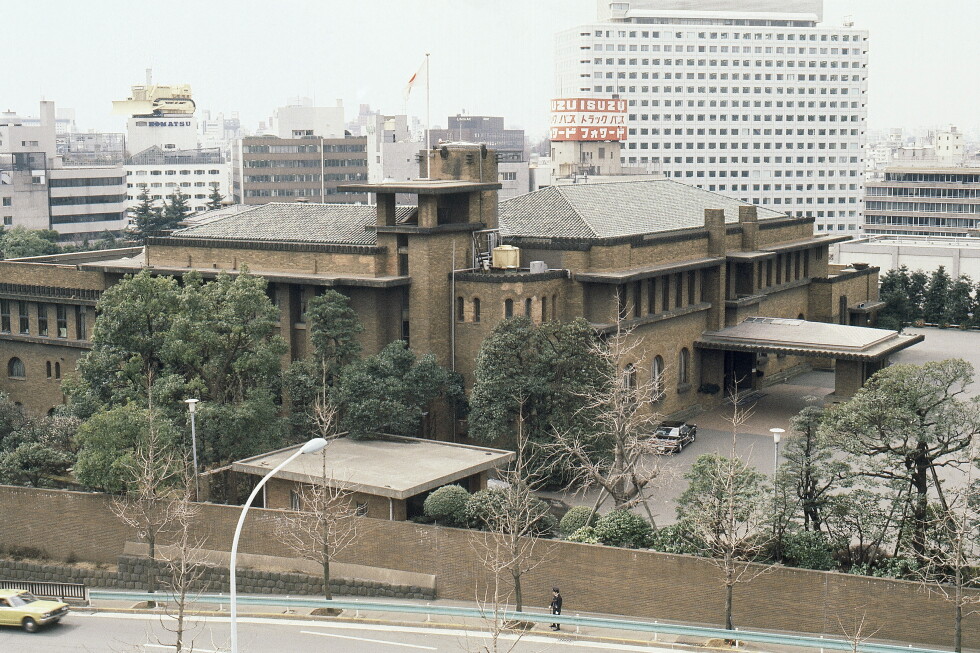
Takaichi, Japan’s first female prime minister, relocated to the brick-and-stone kotei – the official title for the residence – in December this year. Completed in 1929, the property originally served as Japan’s prime ministerial office before a dedicated modern government building was constructed directly adjacent to it.
In a post on the social platform X, Takaichi outlined that the residence’s proximity to the main prime minister’s office eliminates her daily commute, allowing her to respond instantly to national emergencies when they arise. She has upgraded the residence’s office infrastructure to accommodate both in-person and remote meetings with her staff at any time, even outside standard government working hours, and still brings briefing documents back to her private home for additional review after hours. “To me, the official residence is also a workplace,” Takaichi emphasized.
The prime minister’s working arrangement has not come without controversy, however. Recent comments from Takaichi herself have sparked public backlash over her approach to work-life balance and gender equity. After sharing on X that she regularly gets only zero to three hours of sleep each night, balancing her heavy prime ministerial duties alongside homemaking responsibilities, critics argue she is setting an unhealthy, unrealistic standard for working people across Japan that undermines progress on gender equality.
Takaichi’s approval ratings have already plummeted in recent weeks over a slate of unpopular policy decisions. Most notably, her push to revise Japan’s Imperial House Law to entrench the male-only imperial succession system has drawn widespread condemnation, while she has faced growing pressure for delaying targeted economic relief measures to counter stubbornly rising consumer prices across the country.
Media reports have further fueled scrutiny of the prime minister, claiming she has increasingly avoided parliamentary sessions, holed up in the official residence during nights and weekends, and engages in far less face-to-face communication with fellow lawmakers and senior government officials than any of her predecessors. Rather than holding traditional press briefings with reporters, Takaichi now mostly shares policy updates and public comments directly through her X account.
Even the residence itself carries unusual historical context: it was the site of two violent coup attempts in the 1930s, and longstanding local legend holds the building is haunted by restless ghosts. For Takaichi, though, paranormal activity has not been a problem – instead, common household pests have been her biggest surprise. “I’ve never seen a ghost, but I have often screamed because of my encounters with cockroaches,” she admitted. “I was shocked when a cockroach ran past my feet.”