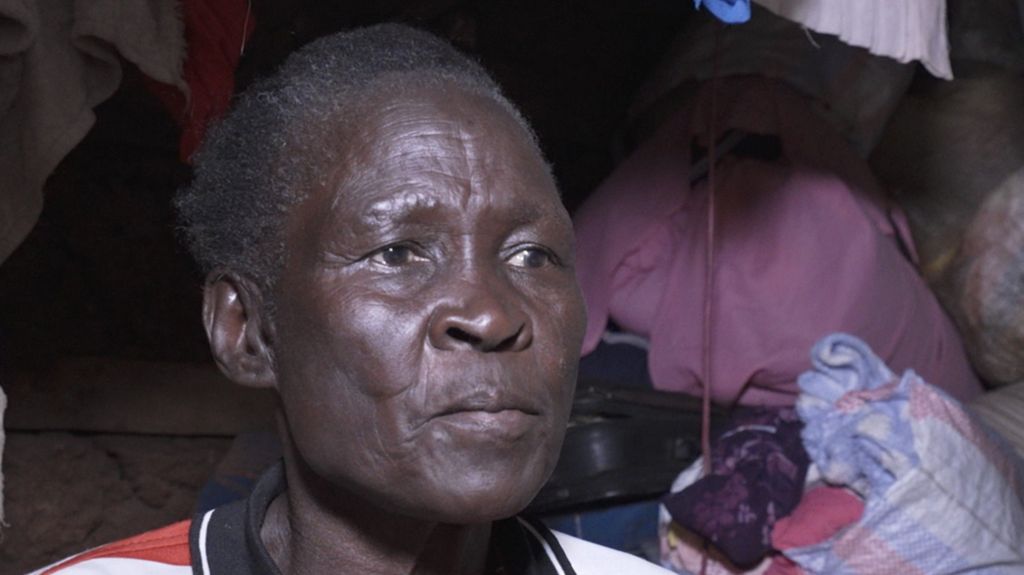
For 62-year-old Agnes Shikoli, every distant rumble of thunder in Nairobi’s sprawling Kibera informal settlement sparks a wave of paralyzing dread. Her corrugated iron home sits barely two metres from the banks of the Ngong River, and the watermark from March’s deadly long rainy season floods still sits halfway up its 1.8-metre wall. The water-damaged television propped in her living room corner is a quiet reminder of that disaster, but the hidden photo of her late sister Beatrice Khalayi, who was electrocuted when floodwaters surged through her home earlier this year, is the memory she cannot bear to face. Shikoli is one of millions of East African residents now on high alert as meteorologists warn of one of the strongest El Niño events on record, set to unleash torrential rains across the region through the end of the year.
Across Kenya, more than 60 people lost their lives in earlier 2024 flood events, a toll widely linked to Nairobi’s severely outdated drainage network, which was designed 30 years ago to serve just 2.5 million residents but now caters to a daytime population of 7 million. Decades of unregulated urban expansion have pushed thousands of low-income families to build homes directly on riverbanks and flood-prone slopes, while years of accumulated garbage have choked the city’s drains and riverbeds, leaving excess rainwater with no safe escape route. The Ruto administration’s Climate Worx programme, launched under the Nairobi River Basin Regeneration initiative, has deployed teams of workers to clear debris from waterways since August, when El Niño risk warnings escalated, but Nairobi County disaster management chief Bramwell Simiyu notes the system requires an estimated $192 million in full upgrades – a sum cash-strapped local and national authorities cannot easily raise.
Current projections indicate between 20,000 and 100,000 Nairobi residents living in informal riverside settlements face imminent flood risk, and the government has designated 167 emergency holding grounds pre-stocked with relief supplies to house displaced families. But for residents like Shikoli, who earns just $2 a day selling groundnuts and fruit from a small riverside stall, voluntary relocation is financially out of reach. “I know I should leave, but I have no money to rent somewhere else,” she explains. “All we can do is wait and hope for the best.”
The crisis extends far beyond Kenya’s borders. Neighbouring Somalia’s disaster management agency estimates 1.2 million people face displacement from a dual threat of extreme flooding and worsening drought, echoing the catastrophic 1997-1998 El Niño event that killed 2,000 Somalis, displaced 250,000, and destroyed up to 80% of crops in some regions. Meteorologists note current Indian Ocean sea surface temperature patterns nearly match those that drove the 1998 disaster, amplified by a positive Indian Ocean Dipole weather event that will supercharge rainfall across the Horn of Africa. The UN International Organization for Migration warns nearly 900,000 Kenyans could be displaced by floods this year, while the UN’s Integrated Food Security Phase Classification system has flagged sharply rising food insecurity risks across Somalia, where ongoing drought has already left millions dependent on aid.
Further across the continent, forecasters warn the same El Niño system will bring catastrophic, prolonged drought and extreme heat to the Sahel, West Africa, and southern African regions, threatening widespread crop failure for smallholder farmers who have no access to large-scale irrigation infrastructure. For vulnerable communities already navigating systemic poverty, substandard housing, and decades of neglected public infrastructure, the looming extreme weather event threatens to compound existing humanitarian crises, even as local governments scramble to roll out limited preparedness measures ahead of the projected November peak rainfall window.