A new independent assessment from the U.S. Department of Defense’s Office of Inspector General has directly contradicted repeated claims from former President Donald Trump and his top defense officials that the U.S. faces no ammunition or weapons shortages amid its ongoing conflict with Iran, confirming significant strategic inventory gaps and production bottlenecks that have hampered resupply efforts.
The report, which marks one of the first unvetted, public glimpses into typically classified U.S. weapons stockpile data, reveals that between February 28 and June 30, the U.S. spent a total of $33.4 billion on the Iran war. Of that total, more than $22 billion went toward expended munitions, which the watchdog confirms has left critical strategic stockpiles depleted. The assessment also identifies persistent “industrial base bottlenecks” that slow efforts to replenish these drawn-down inventories, alongside $3.7 billion in confirmed equipment losses and an additional $7.4 billion in uncategorized war-related expenditures.
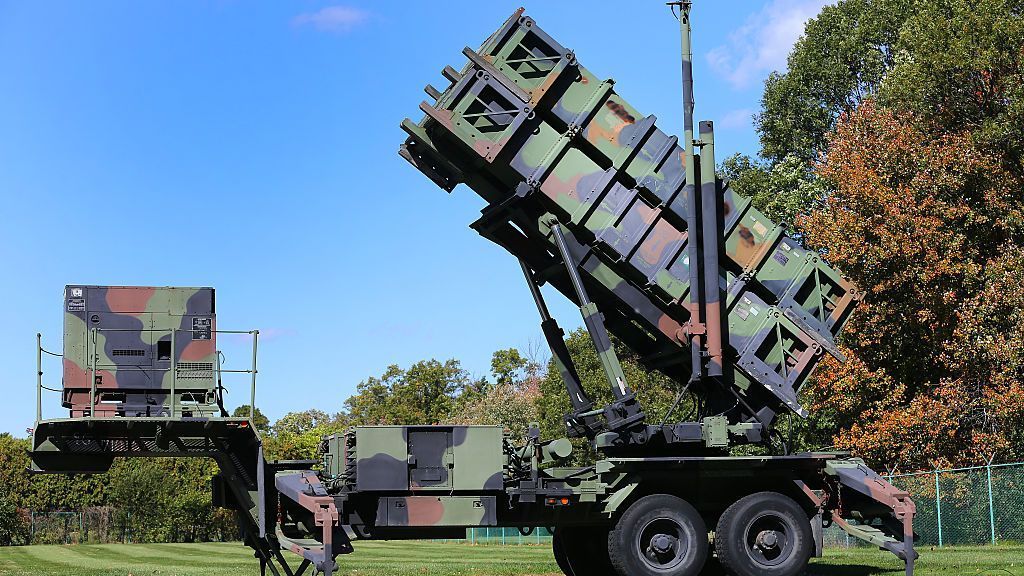
Among the equipment lost over the course of the conflict are four F-15E fighter jets, one cutting-edge F-35 Joint Strike Fighter, and 30 MQ-9 Reaper drones, all destroyed in operational circumstances. U.S. forces have burned through massive volumes of both long-range ground attack munitions and defensive interceptor systems, which have been deployed heavily to shoot down incoming Iranian attacks. Patriot air defense systems, manufactured by defense giant Raytheon at its Massachusetts headquarters, have been among the most widely used defensive assets during the conflict.
These findings align with earlier independent analysis from the Center for Strategic and International Studies (CSIS), which issued a dire assessment in late July that found stockpiles of key interceptors including Patriot missiles and the Terminal High Altitude Area Defense (THAAD) system had been depleted by more than 50% in some cases. The inspector general’s report did not disclose exact remaining stockpile numbers to protect operational security, but it confirmed that the Defense Department has now launched efforts to streamline procurement procedures and cut production lead times to address the gaps and prepare for future potential contingencies.
Trump and senior members of his administration have repeatedly dismissed any reporting of weapons shortages as false, with the president going so far as to label such claims “fake news” and “treasonous.” In a September 3 post on his Truth Social platform, Trump insisted the U.S. maintains “virtually unlimited” ammunition stockpiles and is actively stockpiling weapons to prepare for any potential crisis. Defense Secretary Pete Hegseth similarly echoed that denial in an August 4 post on X, stating that reporting on shortages was simply “not true.” The BBC has confirmed it has reached out to the White House to request additional comment on the discrepancy between the watchdog’s findings and administration claims.
The ongoing conflict has also shifted dramatically from Trump’s initial promises of a quick end to hostilities. When U.S. and Israeli strikes first began, Trump repeatedly claimed the conflict would be resolved within a matter of weeks. More recently, however, he has acknowledged that the fighting may not conclude until “right after” the upcoming November U.S. midterm elections.
Public opinion polling shows the conflict has grown increasingly unpopular among the American electorate. A Reuters/Ipsos poll released in early September found that just 23% of all U.S. adults believe the country is in a stronger position relative to Iran than it was before the outbreak of hostilities. Even among Republican voters, only half hold that positive view of the war’s outcome to date.