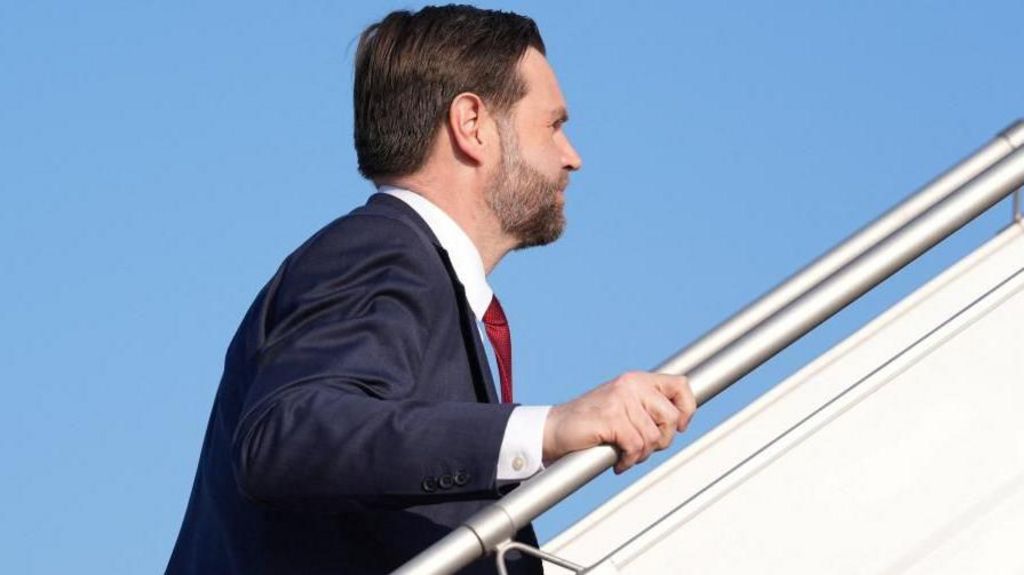
After 21 hours of high-stakes, historic negotiations in Islamabad, US Vice President JD Vance returned to Washington on Sunday with no major breakthrough to end the six-week war between the United States and Iran, leaving the world’s most volatile geopolitical flashpoint hanging in the balance as a temporary ceasefire deadline rapidly approaches. The talks marked the highest-level diplomatic engagement between Washington and Tehran in decades, but deep divides remain unaddressed on all core sticking points, multiple anonymous US officials familiar with the negotiations have confirmed.
The single largest point of contention remains Iran’s nuclear program, specifically the future of the country’s stockpiles of enriched uranium. No consensus was reached on this critical issue during the marathon negotiating sessions, the official said. Other unresolved priorities for the Trump administration include the reopening of the Strait of Hormuz without the toll charges Iran has imposed, and a binding Iranian commitment to end financial and military support for regional proxy groups including Hezbollah and Hamas.
According to the US official, Vance presented Iranian negotiators with a final US proposal during talks on Saturday, though details of the offer remain undisclosed. While the negotiations did not deliver a breakthrough, they were not entirely unproductive: the dialogue was described as tough but cordial, with both sides exchanging substantive, actionable proposals. Vance left Islamabad convinced that Iran is overstating its negotiating leverage, but remains optimistic that a final agreement can still be reached, the official added.
Iranian President Masoud Pezeshkian struck a cautiously optimistic tone in response, saying a final deal “will certainly be found” if the United States “abandons its totalitarianism and respects the rights of the Iranian nation.”
But President Donald Trump made his frustration with the lack of progress clear just hours after Vance’s departure, announcing via social media that the United States would implement an immediate blockade of the Strait of Hormuz to increase pressure on Tehran. The US military confirmed it would halt all maritime traffic entering and exiting Iranian ports starting Monday morning.
The two sides agreed to a two-week temporary ceasefire last week to create space for negotiations, but Trump’s latest post on Truth Social carried a sharp overtone of military threat, writing that “at an appropriate moment, we are fully ‘LOCKED AND LOADED,’ and our Military will finish up the little that is left of Iran.”
Iran’s top negotiator, parliament speaker Mohammad Bagher Ghalibaf, pushed back against Trump’s rhetoric in a statement shortly after returning to Tehran, saying Iran would not be intimidated. “If you fight, we will fight, if you come forward with logic, we will respond with logic,” Ghalibaf said, adding, “We will not submit to any threat. If they test our resolve once more, we will teach them an even greater lesson.”
The sharp exchange of rhetoric underscores the massive gap that remains between the two sides, and the steep obstacles to reaching a comprehensive deal to end the conflict that has gripped the Middle East for six weeks. The war has already sent global oil prices soaring, creating ripple effects across the world economy.
For Vance, 41, the Islamabad negotiations represented a critical early test of his foreign policy credentials, as he widely expected to mount a bid for the Republican presidential nomination in 2028. Trump tapped Vance to lead the US negotiating delegation, which also included special envoy Steve Witkoff and Trump’s son-in-law and former senior White House advisor Jared Kushner. Vance was tasked with defusing the largest foreign policy crisis of Trump’s second term in office.
The mission was always fraught with challenges, not least because of mixed messaging from Trump himself on the war. Early in April, Trump joked that he would blame Vance if the talks collapsed, while claiming full credit for himself if a deal was reached. Though Vance has publicly supported the military campaign, multiple reports indicate he has expressed private skepticism about the ongoing military action to Trump. Vance has a long record of positioning himself as an anti-interventionist, a stance that resonates strongly with Trump’s core MAGA base.
As Vance led closed-door talks in the Pakistani capital, Trump made a public appearance in Miami, Florida, where he attended a UFC fight alongside Secretary of State Marco Rubio, who is also widely seen as a potential 2028 presidential contender and a rival to Vance for the Republican nomination.
With the two-week ceasefire deadline looming later this month, time is running out for diplomatic negotiators to strike a deal, and a breakthrough remains as elusive as ever.