Tensions in the Middle East have reached a new boiling point this week, as Iran’s top negotiator issued a stark ultimatum to the United States: accept Tehran’s updated 14-point peace proposal, or prepare for continued failure to resolve the two-month-old conflict that has upended global energy markets and destabilized the entire region. The warning comes just days after former U.S. President Donald Trump declared the existing month-long ceasefire on the brink of total collapse, calling Iran’s counterproposal to an earlier U.S. framework “totally unacceptable.”
The conflict, which erupted in early March when joint U.S.-Israeli strikes targeted Iranian positions, has expanded across multiple fronts in the region despite the ceasefire that took effect mid-April. Millions of people across the Middle East and hundreds of millions globally have felt its ripple effects, from spiking energy prices to widespread economic disruption. While both Washington and Tehran have dug in their heels and refused to make key concessions, neither side has moved to resume full-scale all-out war – a tense stalemate that has left communities on edge and global markets jittery.
“There is no alternative but to accept the rights of the Iranian people as laid out in the 14-point proposal. Any other approach will be completely inconclusive; nothing but one failure after another,” Mohammad Bagher Ghalibaf, Iran’s chief negotiator, wrote in a public post on X Tuesday. He added that prolonged delays in reaching a deal would only add to the financial burden borne by American taxpayers, a claim that is backed by new Pentagon data showing the cumulative cost of the conflict for the U.S. has now climbed to nearly $29 billion – a $4 billion increase from just two weeks prior.
Iran’s latest proposal was delivered in response to a draft framework shared by U.S. negotiators earlier, details of which remain largely under wraps. Media reports indicate the U.S. plan centered on a one-page memorandum of understanding that would end active fighting and set up a long-term negotiation framework for addressing concerns over Iran’s nuclear program. In its counteroffer, Iran has laid out its own non-negotiable demands: an end to hostilities across all fronts, including Lebanon; a lifting of the ongoing U.S. naval blockade on Iranian ports; and the release of billions of dollars in Iranian assets that have been frozen abroad under decades of U.S. sanctions.
Trump has already rejected Tehran’s counteroffer out of hand, claiming the U.S. is positioned to secure “complete victory” over Iran and warning the ceasefire – which has held for more than a month – is in its final days. In a show of military defiance, Iran’s Revolutionary Guards conducted new combat readiness drills in Tehran Tuesday, state media reported, with exercises framed as enhancing the country’s ability to confront “any movement of the American-Zionist enemy.” Reza Talaei-Nik, spokesman for Iran’s Ministry of Defence, doubled down on the country’s stance Tuesday, saying if Washington refuses to meet Iran’s “rightful and definitive demands” through diplomacy, it should prepare to suffer repeated defeats on the battlefield just as it has in past conflicts.
For ordinary Iranian citizens, the escalating war of words has only deepened the pervasive uncertainty that has shaped daily life since the conflict began. “We are just trying to dig our nails into anything that could help us survive. The future is so uncertain and we are just living day to day,” Maryam, a 43-year-old painter based in Tehran, told reporters from AFP Tuesday. “We are trying to find a way to continue. Keeping hope is very difficult right now.”
Trump’s sharp rejection of Iran’s proposal triggered an immediate spike in global crude oil prices this week, dashing fragile hopes that a quick diplomatic deal could reopen the Strait of Hormuz to unimpeded commercial shipping. Iran has restricted maritime traffic through the strategic waterway – which normally carries roughly one-fifth of the world’s total oil and natural gas supplies – and has implemented a new toll system for transiting ships. The move has sparked what the CEO of Saudi oil giant Aramco has called the most severe energy supply shock “the world has ever experienced.” U.S. officials have repeatedly called Iran’s control over traffic through the strait unacceptable, and other regional leaders echoed that pushback Tuesday. “Iran should not use this strait as a weapon to pressure or to blackmail the Gulf countries,” Qatari Foreign Minister Sheikh Mohammed bin Abdulrahman Al Thani said.
Sanam Vakil, director of the Middle East and North Africa Programme at London-based think tank Chatham House, says Iran’s leadership is betting it can outlast Trump in negotiations. “Tehran is committed to negotiations, but wanted to extract concessions because of their improved hand” on the battlefield, Vakil explained.
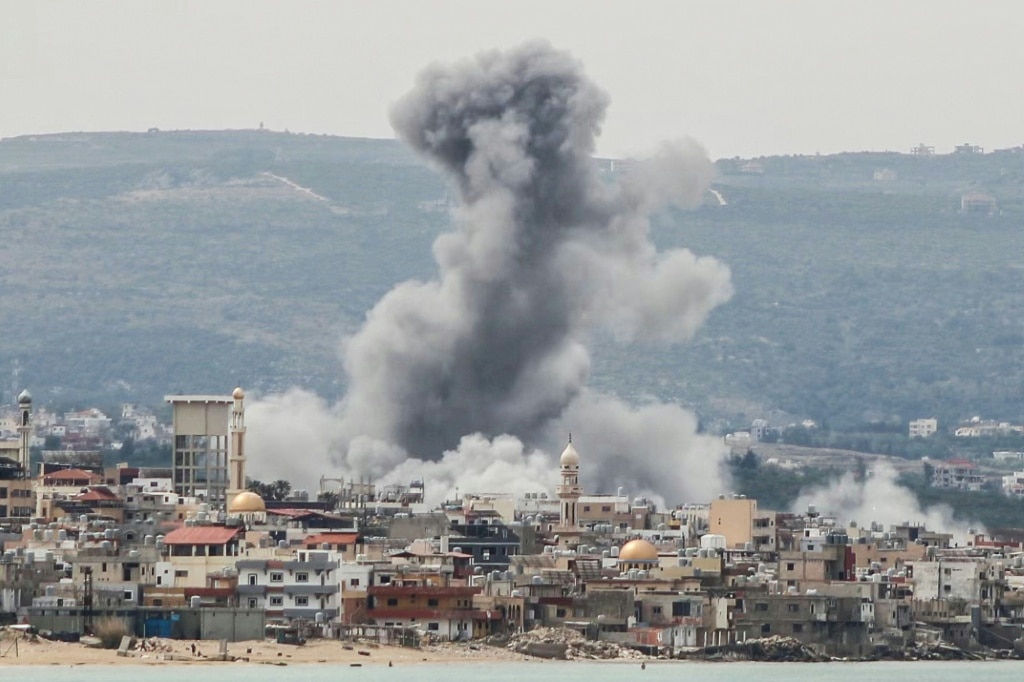
The stalemate has also kept violence active on the Lebanese front of the conflict, where Israeli strikes continued to claim lives in southern Lebanon Tuesday even in spite of the ceasefire agreement. Israel has ramped up attacks against Iran-backed Hezbollah in southern Lebanon since the April 17 truce, with frequent exchanges of fire keeping the border region in chaos. Lebanon’s health ministry reports more than 2,880 people have been killed in the country since it was drawn into the wider conflict on March 2 – 380 of those deaths have occurred since the ceasefire took effect. Hezbollah chief Naim Qassem reaffirmed the group’s stance Tuesday, saying the group’s arsenal would not be on the negotiating table when Lebanese and Israeli representatives meet for a third round of talks this week. Vowing not to surrender regardless of the cost, Qassem said: “We will not abandon the battlefield and we will turn it into hell for Israel.”