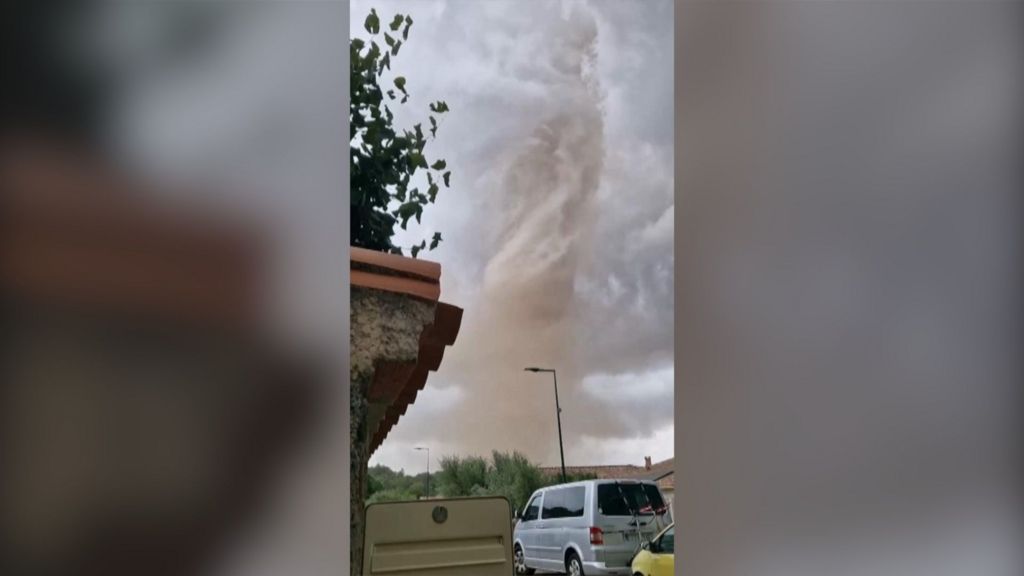
On a destructive day for rural southwestern France, a powerful tornado cut a devastating path through the small village of Pomas, leaving a wake of injury and widespread property damage in its wake. As emergency response teams rushed to the affected area, early official reports confirmed that 39 people had been injured, with several listed in critical condition as of initial assessments, while local authorities continue to evaluate the full scope of harm.
Hundreds of residential structures have been impacted by the storm, with many suffering severe structural damage that has left dozens of families displaced and in need of temporary shelter. Local fire departments, search and rescue teams, and municipal emergency services have been deployed to clear debris, repair damaged utility lines, and support residents who have lost their homes.
To understand how such events occur, tornadoes form when specific atmospheric conditions align: a layer of warm, moist air near the ground becomes trapped beneath a layer of much cooler, drier air. When an initiating disturbance, such as a advancing cold front or wind shear that changes wind speed and direction with height, creates rotation in the lower atmosphere, this rotating column of air can tighten and intensify, eventually extending from the base of a thunderstorm down to the ground. The extreme low pressure and high wind speeds inside a tornado – which can exceed 300 kilometers per hour in the most powerful events – are what cause widespread damage to infrastructure and pose severe risks to human safety.
While tornadoes are far less common in Western Europe than they are in regions like the Great Plains of the United States, climate researchers have noted that shifting atmospheric patterns linked to climate change have increased the frequency of extreme convective storm events across parts of Europe in recent decades. Local officials have urged residents to remain alert for further severe weather warnings, as residual storm systems continue to move through the region.