Trade tensions between the United States and Canada have spiraled into a full-blown tariff conflict after Ottawa announced sweeping retaliatory levies in response to new trade barriers imposed by the Trump administration last weekend. The dramatic escalation comes just days after high-stakes bilateral trade negotiations collapsed late last week, with both leaders trading sharp accusations of unreasonable last-minute demands.
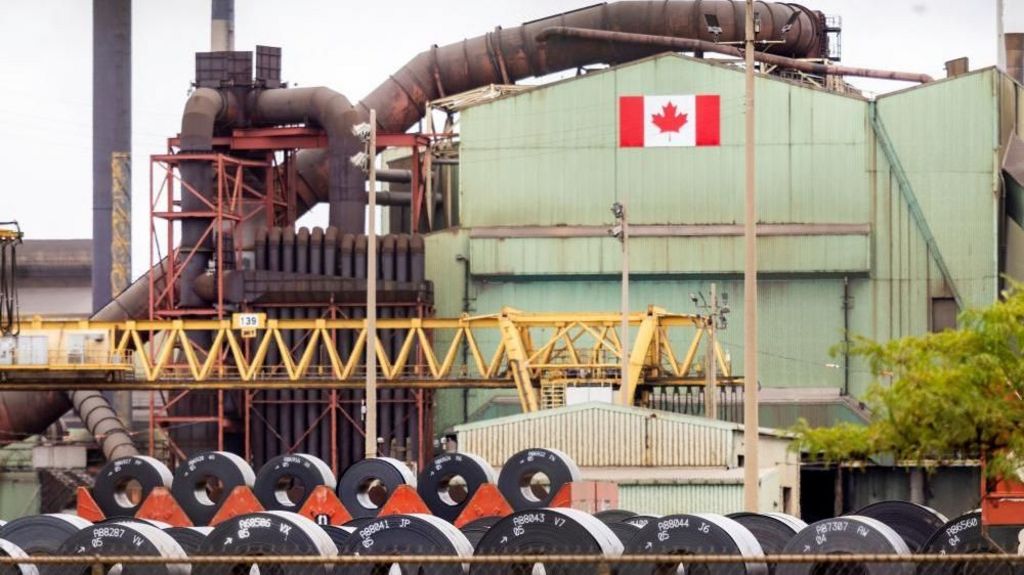
On Tuesday, Canadian officials confirmed that new counter-tariffs ranging from 15% to 50% will go into effect on September 8, targeting approximately C$28 billion ($20 billion) in American goods, matching the value of Canadian products hit by recent U.S. tariffs. The 700-item targeted list includes significant hikes on key industrial and consumer goods: previously 25% counter-tariffs on U.S. steel and aluminum will rise to 50%, while the same 50% rate will apply to American honey, furniture, clothing, makeup, and perfume. A 25% tariff will apply to U.S. appliances, dairy products including cheese, seafood, and select steel and aluminum derivative products, and a 15% levy will fall on industrial tools and machinery such as forklifts and air conditioning units.
Canadian Finance Minister François-Philippe Champagne framed the retaliatory measures as both necessary and measured. “The 50% tariffs imposed by the Trump administration after trade talks fell apart on Friday will have real, tangible consequences for Canadian workers, businesses, and communities across our country,” Champagne said in a statement. “Canada must respond.” He characterized Ottawa’s actions as “proportionate” and “strategic,” adding that the federal government is allocating an additional C$7.5 billion to support programs for Canadian businesses and workers impacted by U.S. tariffs, designed to curb job losses and keep struggling companies operational.
The breakdown in trade talks and subsequent tariff tit-for-tat marks the most severe downturn in U.S.-Canada trade relations in modern history. The two neighbors have maintained deeply integrated cross-border supply chains built up over decades of free trade, but the new barriers will raise trade costs for businesses on both sides of the border, which will ultimately translate to higher prices for consumers and squeezed margins for small and large enterprises alike.
Former U.S. President Donald Trump, who imposed the initial new tariffs on Canadian imports, has not directly commented on Canada’s countermeasures. However, in a series of posts to his Truth Social platform on Tuesday, Trump doubled down on his anti-Canada rhetoric, claiming the country has been “ripping off” the United States for decades by imposing steep tariffs on American farmers. “I deal with many countries, and Canada is easily the most difficult and unreasonable,” Trump wrote. “They feel entitled, but they are not a State, and will be entitled no longer!” In a bizarre addendum to his trade grievances, Trump also suggested he would rename the shared Great Lake Lake Ontario to “Lake America,” claiming that the U.S. “don’t expect to be doing much business with Ontario any longer.”
The tensions have ramped up even further following a threat Trump made Monday to raise U.S. tariffs on imported Canadian automobiles to 50% effective January 1 next year. Canadian Prime Minister Mark Carney responded sharply, accusing Trump of deliberately seeking to “destroy” key Canadian industries, including auto manufacturing, steel, and aluminum.
While public rhetoric from both sides hit a fever pitch on Monday, some political leaders have struck a more moderate tone this week, leaving open the door to a resumption of negotiations. Ontario Premier Doug Ford, who called Trump a “loser” during a Monday press conference, walked back the harsh language in a CNN interview Tuesday, acknowledging that “things got a little heated.” “But I want to make a deal — a good deal for the American people, a good deal for Canadians,” Ford said.
The escalating conflict also throws the future of the United States-Mexico-Canada Agreement (USMCA), the trilateral North American free trade pact that replaced NAFTA, into serious question. After U.S.-Canada trade talks collapsed, Mexican President Claudia Sheinbaum has already dispatched Economy Secretary Marcelo Ebrard to Washington for emergency consultations to address the unfolding crisis.