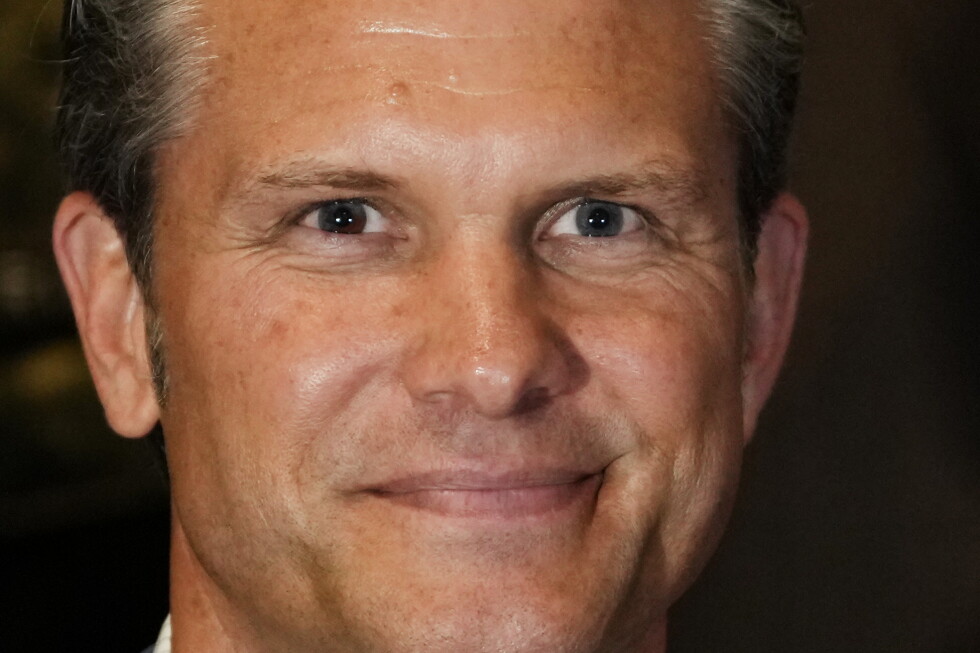
PANAMA CITY – During a regional gathering focused on counter-narcotics cooperation held this Wednesday, U.S. Defense Secretary Pete Hegseth made two key announcements that reshape security and diplomatic dynamics across the Western Hemisphere. First, he confirmed that Colombia’s newly inaugurated presidential administration under Abelardo de la Espriella — widely known by his nickname “El Tigre” — has formally requested American military collaboration for joint counter-narcotics operations targeting what Washington terms “narco-terrorism” within Colombian territory.
The announcement came on the sidelines of the Americas Counter-Cartel Coalition meeting, where Hegseth also revealed that Colombia will formally join the U.S.-led “Shield of the Americas” initiative as its 19th participating nation. The initiative, first launched during a March summit hosted by U.S. President Donald Trump for regional leaders aligned on aggressive cartel opposition, notably did not extend an invitation to de la Espriella’s predecessor, progressive former President Gustavo Petro.
“Through our newly inaugurated president — what our president likes to call President El Tigre — Colombia has formally asked the U.S. Department of Defense to partner with Colombian forces in the fight against narco-terrorism, authorizing joint military operations to dismantle terrorists and their operational networks,” Hegseth told attendees of the closed coalition gathering.
As of Thursday, de la Espriella’s administration, which was sworn in just last week, has not issued an official public response to Hegseth’s confirmation. The conservative Colombian leader had previously signaled his willingness to join the U.S.-backed anti-cartel initiative during his election campaign, however, aligning with his platform of tougher security policy against drug trafficking groups.
In a separate, sweeping address to coalition attendees, Hegseth issued a call for all participating Latin American nations to cut formal recognition of the International Criminal Court (ICC). The push comes amid long-standing tensions between the Trump administration and the global judicial body, which has issued arrest warrants for senior Israeli officials over alleged war crimes in Gaza and launched investigations into potential misconduct by U.S. military personnel in Afghanistan. The Trump administration has in turn launched a coordinated diplomatic campaign to undermine and dismantle the court in retaliation.
Hegseth defended U.S. military strikes targeting suspected drug traffickers across the Latin American region — operations that have drawn widespread international scrutiny over their legal compliance — claiming the actions “are entirely legal under international humanitarian law.” He also repeated the Trump administration’s talking point that ICC investigations infringe on national sovereignty, arguing the court seeks to strip regional governments and domestic judicial systems of their independent authority. It remains unclear from Hegseth’s remarks whether the ICC has actually opened any probes or taken any formal actions to block current U.S. counter-narcotics operations in the region.