A previously unreported violent assault unfolded on Friday in the isolated community of Binnari, located in Karim Lamido local government area of Nigeria’s northeastern Taraba State, as a group of unidentified armed assailants launched a coordinated, hours-long attack on unsuspecting residents, according to official police statements. Eyewitness accounts and independent non-profit sources indicate the casualty count may be far higher than the 10 fatalities initially confirmed by responding law enforcement units.
Witnesses on the ground report the attackers descended on the village immediately following midday Friday Muslim congregational prayers, arriving in a convoy of roughly 50 motorcycles carrying two armed men each. The rampage stretched for up to four hours, during which the perpetrators looted local shops of cash, food supplies and essential provisions, seized abandoned motorcycles left by fleeing residents, and set multiple residential structures on fire before vanishing into the surrounding dense bush terrain.
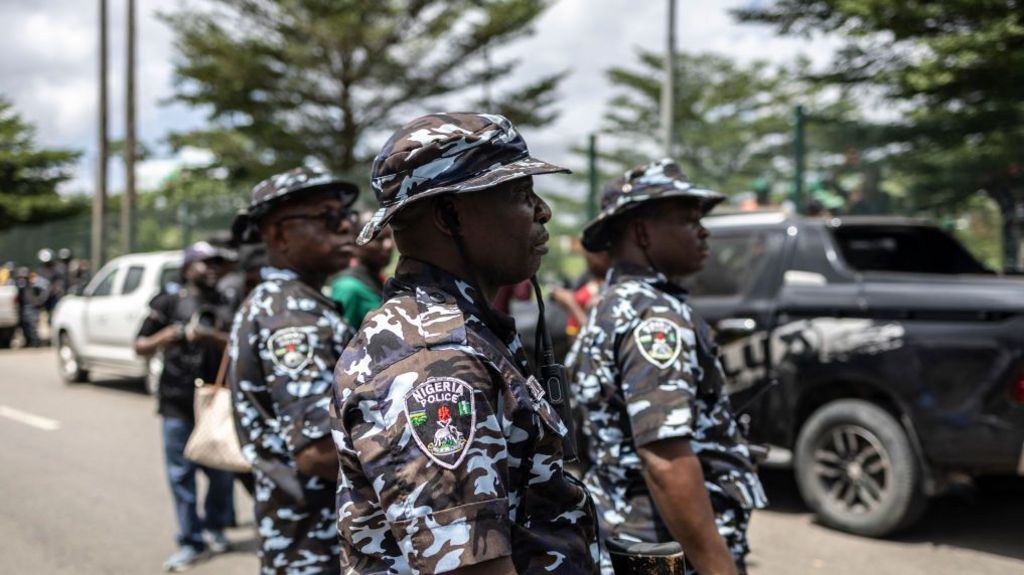
By the time police units dispatched in response to emergency distress calls reached Binnari, the armed group had already fled the scene. Officers confirmed they recovered 10 bodies bearing visible gunshot wounds in the immediate aftermath, but Taraba State police spokesperson Assistant Superintendent Victor Mshelizah told reporters Saturday that search teams are still combing the vast, difficult-to-navigate surrounding wilderness for additional unaccounted for casualties, warning that the final death toll is almost certain to rise.
“We were able to clear the area and disperse the remaining unknown gunmen, with no casualties reported on either side of our teams or the attackers during the response, as the local terrain is extremely familiar to the assailants who use it to their advantage,” Mshelizah explained, adding that extended patrols have been deployed across the district to restore public safety.
Local community leader Malam Abubakar Saifullahi corroborated the scale of the looting and destruction, noting that dozens of families have been displaced by the violence. Multiple surviving residents interviewed by AFP confirmed they counted at least 20 dead bodies scattered across the village and surrounding farmland, with dozens more still listed as missing after fleeing into the bush to escape the gunfire. One Binnari resident, Isiyaku Musa, described the chaos as residents scattered in all directions with no clear safe route to shelter.
Amnesty International’s Nigeria director Isa Sanusi told BBC News that the human rights organization has collected testimony from bereaved local families indicating the total death toll could be as high as 50, with the first mass funeral held for 37 victims in the days following the attack. Sanusi issued a sharp rebuke of federal and state security authorities, accusing them of systematically abandoning vulnerable rural communities across Nigeria to repeated cycles of violent attacks by armed groups, who operate with near total impunity in many remote regions.
The Binnari massacre is the latest in a string of escalating violent security crises sweeping across multiple regions of Nigeria, including the northwest, northeast and central middle belt states. The northeast has also been grappling with a nearly 20-year long jihadist insurgency, for which successive Nigerian federal governments have faced sustained widespread criticism over ineffective security policy and failure to protect civilian populations in at-risk rural areas.