After 10 days of fierce competition spanning 10 distinct sporting disciplines, the 2026 Commonwealth Games in Glasgow has drawn to a close, with 215 gold medals ultimately awarded to top athletes from across the Commonwealth of Nations. Australia’s national team delivered an unrivaled performance to top the overall medal table, securing an extraordinary 70 gold medals – a total 16 higher than the combined gold medal haul of all four British home nations: England, host Scotland, Wales, and Northern Ireland. Across all medal categories, Australia walked away with 171 total podium finishes.
In the final medal rankings, England claimed second place with 29 gold medals, finishing ahead of Canada and India. Host nation Scotland landed in fifth position with 13 gold medals, while Wales secured ninth place with nine golds – four of which went to star cyclist Emma Finucane. Northern Ireland rounded out the home nation results in 12th, with three gold medals overall. In total, 45 out of the 74 participating nations and territories left Glasgow with at least one medal.
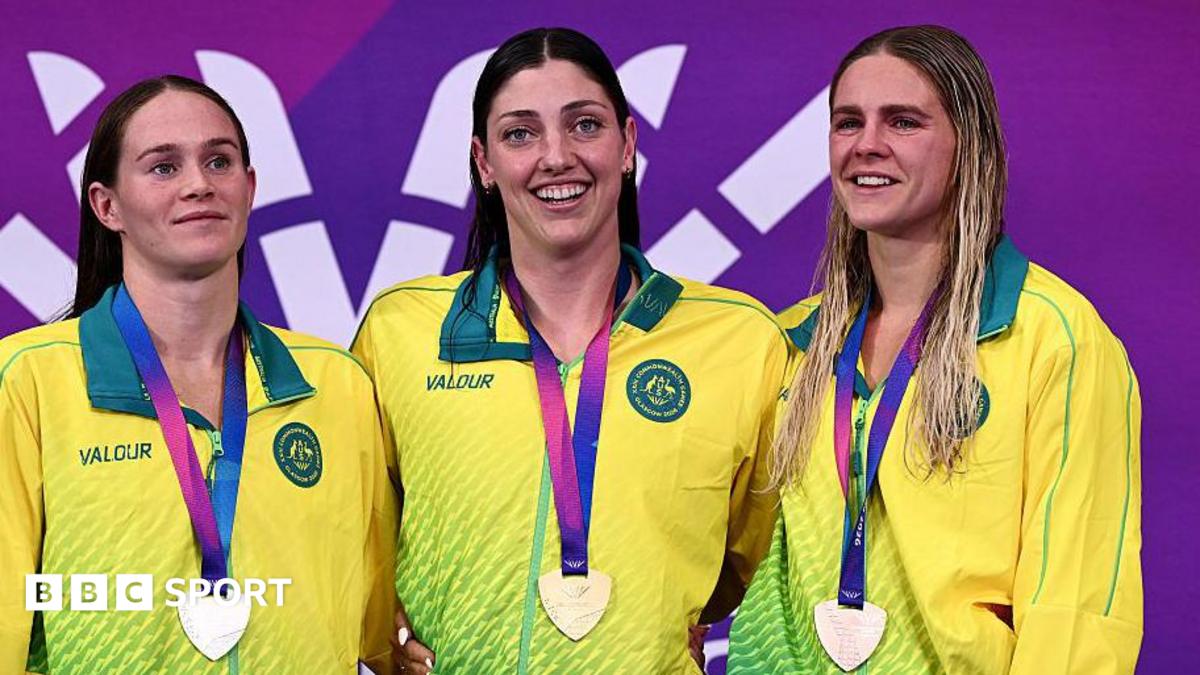
Aquatics emerged as Australia’s strongest discipline, with the nation claiming a staggering 37 gold medals and 76 total medals in swimming events alone. Rising star swimmer Meg Harris led the charge for her country, taking home six individual gold medals – more than any other athlete at this year’s Games. Beyond swimming, Australia also finished atop the medal tables for athletics, track cycling, and 3×3 basketball.
Sam Short, another standout Australian swimmer who earned four gold medals in Glasgow, spoke to the nation’s relentless focus on the Commonwealth Games. “We just really love the Commonwealth Games. That and the Olympics is what Australia seems to live for,” he explained. “We’ve just been flogging ourselves in training all year. This is the target. We’ve got Pan Pacs (Pan Pacific Swimming Championships) in a couple of weeks but the general public in Australia don’t really care about that, it’s all Commonwealth Games. Representing the Green and Gold is a big honour.”
Alongside team achievements, the 2026 Games saw multiple historic individual records broken across sports. South African swimming legend Chad le Clos cemented his place as the most decorated athlete in Commonwealth Games history, earning his 21st overall Commonwealth medal – a bronze in the men’s 4x100m medley relay. The 32-year-old, who made his Commonwealth debut at the 2010 Delhi Games, moved one medal clear of Australia’s Emma McKeon, the previous record holder, to claim the unique milestone. Le Clos now holds seven gold, five silver, and nine bronze medals across five consecutive Commonwealth Games appearances. “Looking back on the whole Commonwealth Games journey, from India through to now, I never thought I’d be standing here,” Le Clos said after the race. “To stand alone in history is unbelievable.”
Another historic milestone was set by 76-year-old Para-bowls athlete Louise Hoskins, who became the oldest gold medal winner in Commonwealth Games history. Hoskins claimed the top spot in the Para-bowls women’s pairs competition at 76 years and 173 days old, breaking the previous record set by Scotland’s George Miller, who won gold at 75 during the 2022 Birmingham Games. Competing alongside 44-year-old partner Serena Bonnell, Hoskins delivered a winning performance that inspired athletes of all ages. “It just goes to show anyone can do it,” she said after the win. “Young, old – bowls is for anyone.” Hoskins’ gold was one of 141 Para-sport medals awarded in Glasgow, marking a new record for Para-sport participation and medal distribution in Commonwealth Games history. Fans can find full results and additional coverage on the official Commonwealth Games website.