The fatal stabbing of a high-profile former British lawmaker has sent shockwaves through the United Kingdom’s political community, with new details of the brutal attack emerging during a preliminary court hearing this week. On Tuesday, prosecutors laid out the chilling sequence of events that led to the death of 78-year-old Ann Widdecombe, a decades-long conservative political voice who remained active in public life up until her killing.
According to lead prosecutor Kashif Malik, the attack unfolded just after midday on July 8, as Widdecombe ate lunch alone at her rural home in Haytor, an isolated village on the edge of Dartmoor National Park in southwest England. The 28-year-old defendant, Joshua Kerry, who resided more than 250 miles (400 kilometers) away in South Yorkshire, drove to Widdecombe’s property, walked through an unlocked front door, and struck the former politician 21 times in the head with a hammer before stealing her wallet. The entire attack lasted just two minutes, Malik told the court.
Widdecombe was discovered only the following morning, after she failed to arrive for a scheduled television interview. Production staff contacted her assistant, who reached out to her gardener; he found her body lying face down on her kitchen floor. A post-mortem examination has provisionally ruled blunt force trauma to the head as the cause of death.
Kerry was taken into custody on July 11 at his home in northern England. He has since been charged with murder, and investigators are currently probing all potential motives, including possible links to political extremism or terrorist activity. The defendant was also initially arrested on suspicion of terror offenses alongside the murder charge.
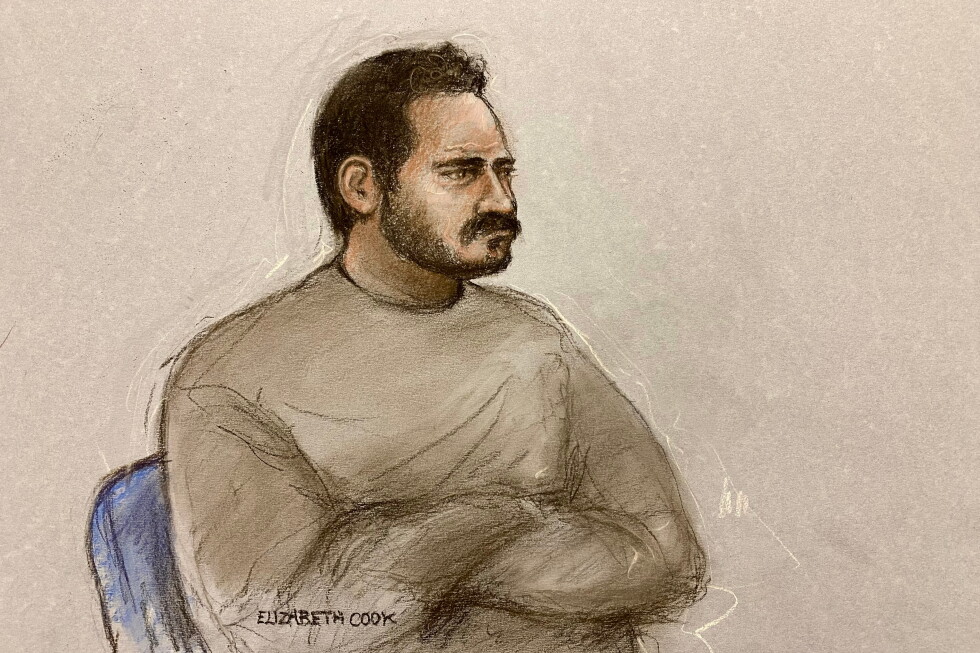
Kerry made his first court appearance at London’s Westminster Magistrates’ Court on Tuesday. Clad in a gray sweatsuit, he only spoke to confirm his full name and date of birth, and did not enter a plea during the preliminary hearing. He has been ordered to remain in police custody until his next hearing at the Central Criminal Court, scheduled for October 9.
Widdecombe built a decades-long career in British politics, first taking a seat in the House of Commons as a Conservative Member of Parliament in 1987, a post she held until 2010. During the 1990s Conservative government led by Prime Minister John Major, she served as a junior prisons minister, earning a reputation for unapologetic, straight-talking rhetoric and staunchly socially conservative views—including open opposition to abortion and expanded legal protections for LGBTQ+ people.
After leaving Westminster, Widdecombe expanded her public profile, appearing as a contestant on two major British reality television shows: *Strictly Come Dancing* and *Celebrity Big Brother*. She re-entered electoral politics ahead of Brexit, joining the pro-Brexit Brexit Party and briefly serving as a Member of the European Parliament until the UK completed its withdrawal from the bloc in 2020. Most recently, she joined the right-wing, anti-immigration party Reform UK, where she served as a prominent spokesperson on immigration and justice policy.
Widdecombe’s killing has reignited long-simmering debates over the personal safety of elected and former politicians in the UK. Over the past 15 years, two sitting Members of Parliament have been killed in politically motivated attacks: Labour MP Jo Cox was shot and stabbed to death by a far-right extremist in 2016, and Conservative MP David Amess was stabbed to death by an ISIS-inspired attacker in 2021. Those attacks led to widespread increases in security provisions for sitting lawmakers, but the murder of Widdecombe has raised new questions about whether protections need to be extended to high-profile former politicians as well.