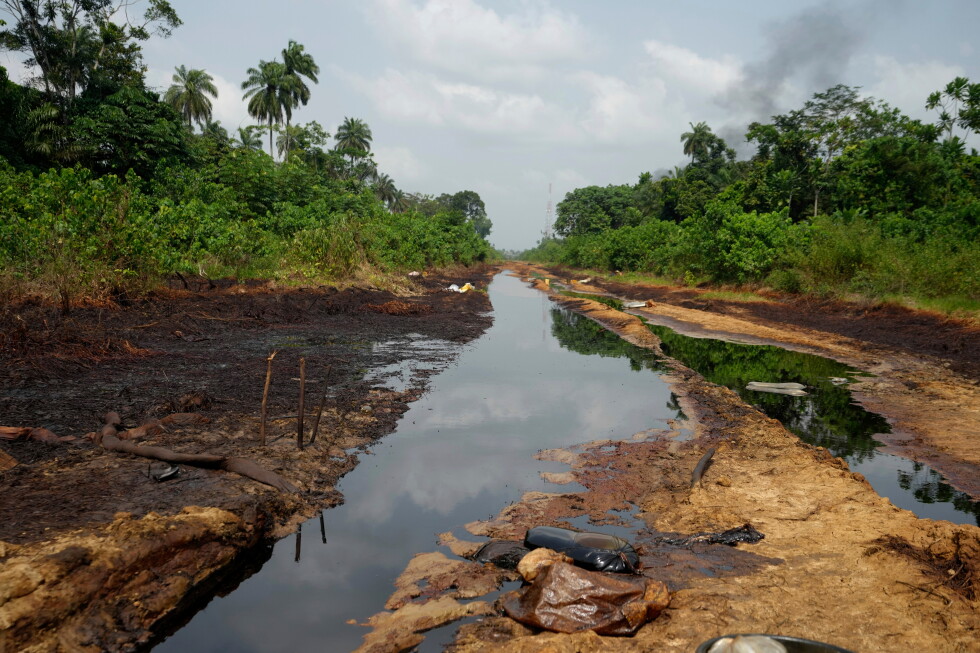
Nigeria’s volatile oil-rich Niger Delta region has been marked by another fatal incident tied to rampant illegal crude siphoning, with at least 37 people confirmed dead after a botched oil theft operation in Rivers State, a local environmental and youth advocacy group announced Friday.
According to the Youths and Environmental Advocacy Center, the tragedy unfolded Thursday when a group of people gathered to siphon crude oil from a commercial loading vessel via an illegal tapping point, transferring the stolen product into their small private boats. The operation went awry when the crude was released at high pressure, releasing concentrated toxic fumes that the entire group inhaled almost simultaneously. Beyond the 37 confirmed fatalities, a volunteer network tracking the incident reports that a number of other participants remain unaccounted for, leaving open the possibility that the death toll could rise further.
Nigeria’s national police forces have officially confirmed the incident, though state authorities have not released an independent casualty count as of Friday. State police spokesperson Blessing Agabe confirmed in a statement that the deaths are tied to an attempted crude theft operation, noting that a formal investigation into the exact circumstances of the tragedy is currently underway.
Illegal oil theft has long been an endemic issue in the Niger Delta, the core oil-producing region of Africa’s largest petroleum producer. Decades of large-scale commercial oil exploration have left the area grappling with two overlapping crises: widespread systemic poverty that pushes many local residents toward illegal activity to survive, and severe, long-lasting environmental degradation from frequent oil spills and unregulated extraction. The Nigerian federal government has repeatedly highlighted the severe economic cost of the practice, estimating that annual losses from stolen crude reach into the billions of U.S. dollars. In recent years, authorities have ramped up enforcement efforts to crack down on illegal tapping and theft operations across the region, though the persistent poverty and lack of alternative economic opportunities have kept the practice widespread.