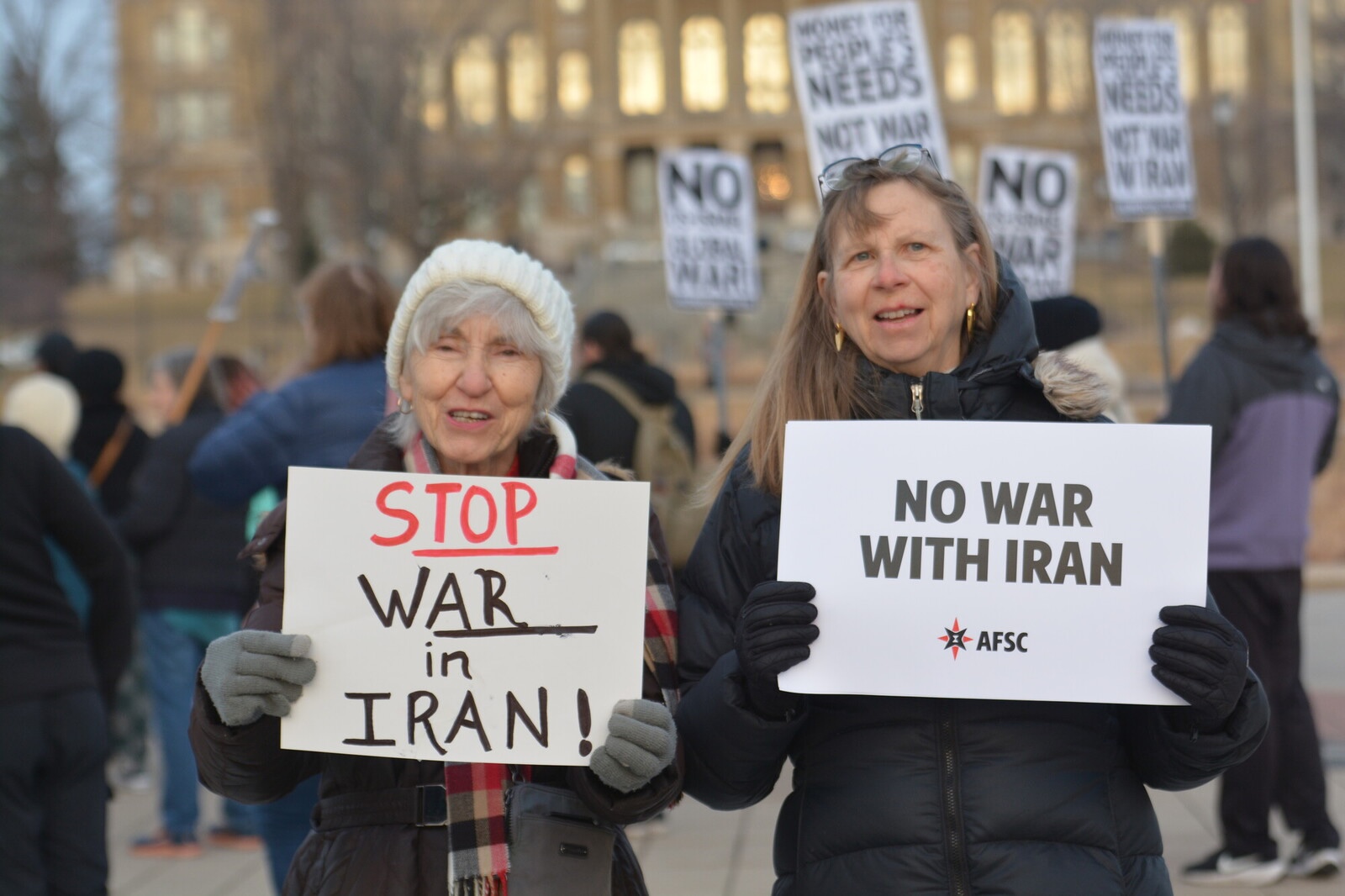
Fresh from the conclusion of the 2026 US midterm elections, newly released NBC News exit polling data reveals that a staggering 74% of participating American voters identified the ongoing US-Israeli military campaign against Iran — widely condemned by critics as an unauthorized, illegal war of choice launched under the Trump administration — as either a crucial or major influencing factor when casting their ballots. Of that large group of voters prioritizing the Iran conflict, 63% cast their support for Democratic candidates, while a clear 63% majority of all surveyed midterm voters stated the Trump administration made the incorrect decision to launch military strikes against Iran, compared to just 37% who backed the move as justified.
Even top officials within the Trump administration have acknowledged the war’s devastating impact on Republican electoral performance. Vice President JD Vance laid out this blunt assessment in a lengthy Tuesday social media post, noting that while some campaign advisors had flagged underdeveloped economic messaging as a potential weak point, the core driver of the GOP’s underperformance was unambiguous. “The real reason we lost is obvious to almost everyone,” Vance wrote. “The reason we lost is the war. The president himself said so last night.” Former President Donald Trump later echoed that partial acknowledgment in a Fox News interview, conceding “I think a part of it was Iran,” even as he remained unapologetic about the 35-week long military operation, telling the Wall Street Journal in a separate interview, “I did the right thing. I would have done it again.”
Across political and policy circles, analysts and anti-war advocates are now framing the midterm results as a clear public mandate for the Democratic Party to formally position itself as a consistent anti-war movement, rather than merely capitalizing on Republican missteps. Former Obama administration senior national security adviser Ben Rhodes argued, “This is an absolute rebuke of the war in Iran. Democrats would be wise to heed that lesson and truly become the anti-war party,” even as critics note Rhodes previously supported multiple US military interventions across Iraq, Libya, Syria, and the expansion of Obama-era drone strike programs. Geopolitics scholar Van Jackson warned on social media that the party risks catastrophic losses in the 2028 presidential election if it remains aligned with traditional national security state priorities, while a clear anti-war platform could consolidate the current electoral wave and deliver a presidential victory.
Libertarian analysis from Reason’s Matthew Petti points out that congressional Democrats hold explicit constitutional authority over war funding, and could move to cut resources for further operations in Iran — a strategy that progressive Representative Ro Khanna (D-California) has openly endorsed, drawing direct parallels to the congressional defunding effort that helped end the Vietnam War. Democratic Senator Chris Van Hollen (D-Maryland) has already laid out a concrete legislative path to implement that policy, noting that the upcoming expiration of the 2027 fiscal year continuing resolution on December 11 gives his party leverage to attach strict restrictions on Iran war spending as a precondition for approving new government funding. “Right now, the continuing resolution goes through December 11,” Van Hollen told investigative outlet The Lever. “And my view is that Democrats should not advance spending to continue to fund this war. This is an illegal war, and we need to make sure that taxpayer monies are not used to continue an illegal war.”
Still, Petti and other observers have sounded a note of caution, recalling that a similar public backlash against the 2003 Iraq War delivered a Democratic sweep of both chambers of Congress in the 2006 midterms, but party leadership at the time failed to follow through on meaningful anti-war policy change, as many senior Democrats shared no principled opposition to overseas military intervention. Advocates including Institute for Middle East Understanding executive director Margaret DeReus and Center for International Policy executive vice president Matt Duss have urged the party not to waste the current electoral opportunity, pointing out that Trump won the 2024 presidential election in part by running as a self-proclaimed anti-war candidate at a time when Democrats had ceded that political lane entirely. “Voters have just brutally punished him and the GOP for breaking that promise,” Duss noted. “Americans are tired of war. They want a new foreign policy.”