分类: world

  • From ambition to reality: 20 years of Dubai under Sheikh Mohammed

    From ambition to reality: 20 years of Dubai under Sheikh Mohammed

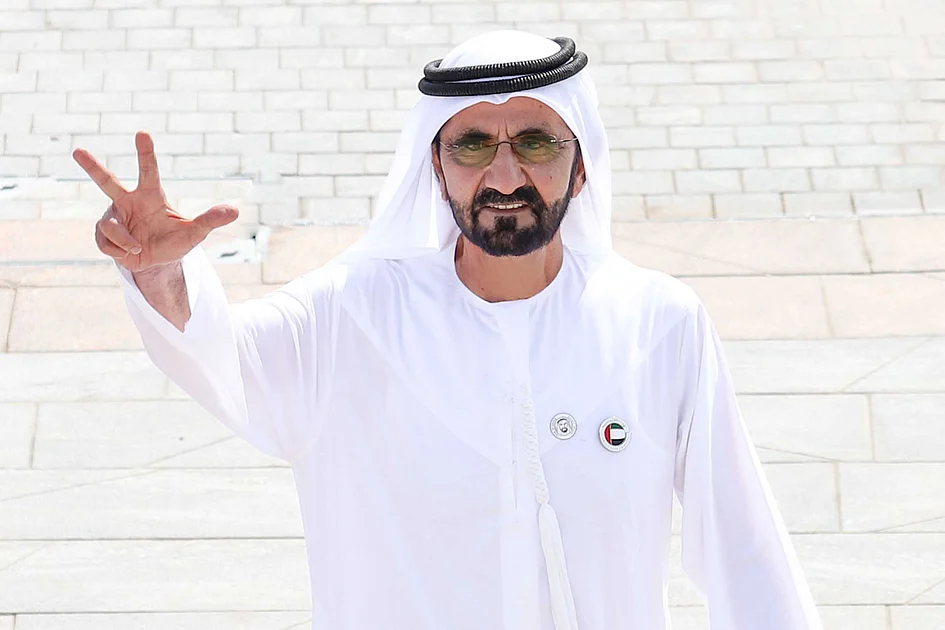
    January 4, 2026, marks the twentieth anniversary of Sheikh Mohammed bin Rashid Al Maktoum’s ascension as the Ruler of Dubai and UAE Vice President. Over these two decades, his leadership has fundamentally redefined the emirate’s global stature, transforming ambitious visions into tangible realities and establishing Dubai as a paradigm of innovation and futuristic urban development.

    Sheikh Mohammed’s tenure is characterized by a philosophy that rejects limitations and routinely achieves the extraordinary. This ethos is physically manifested across the city’s skyline and its strategic initiatives. The iconic Burj Khalifa, the world’s tallest structure, stands as a permanent testament to this ambition. The emirate’s infrastructure was revolutionized with the 2009 launch of the Dubai Metro, the region’s first rapid transit system, which continues to expand with the forthcoming Blue Line.

    Beyond physical infrastructure, Sheikh Mohammed’s vision propelled Dubai onto the global stage in science and technology. The Mohammed Bin Rashid Space Centre (MBRSC), founded in 2006, has been instrumental in the UAE’s space endeavors, including sending the first Emirati astronaut to space and the historic Hope Probe mission that made the UAE the first Arab nation to reach Mars. This focus on the future is further encapsulated by architectural marvels like the Museum of the Future.

    His leadership also prioritized social development and global humanitarian contributions. Initiatives like Dubai Cares have impacted over 116 million lives through global education programs. The Mohammed bin Rashid Global Initiatives (MBRGI) stands as one of the region’s largest humanitarian networks. Domestically, large-scale national housing projects and the pioneering Golden Visa programme have enhanced social stability and established Dubai as a global hub for talent and investment.

    From the development of mega-tourism projects like Atlantis, The Palm and Bluewaters Island to establishing itself as a dynamic startup capital through regulatory reforms, Dubai’s evolution under Sheikh Mohammed offers a blueprint for future-ready cities. His decisive, forward-oriented leadership style remains the defining force behind the emirate’s relentless transformation into a global benchmark for innovation, resilience, and limitless ambition.
  • Trump’s plan to seize and revitalize Venezuela’s oil industry faces major hurdles

    Trump’s plan to seize and revitalize Venezuela’s oil industry faces major hurdles

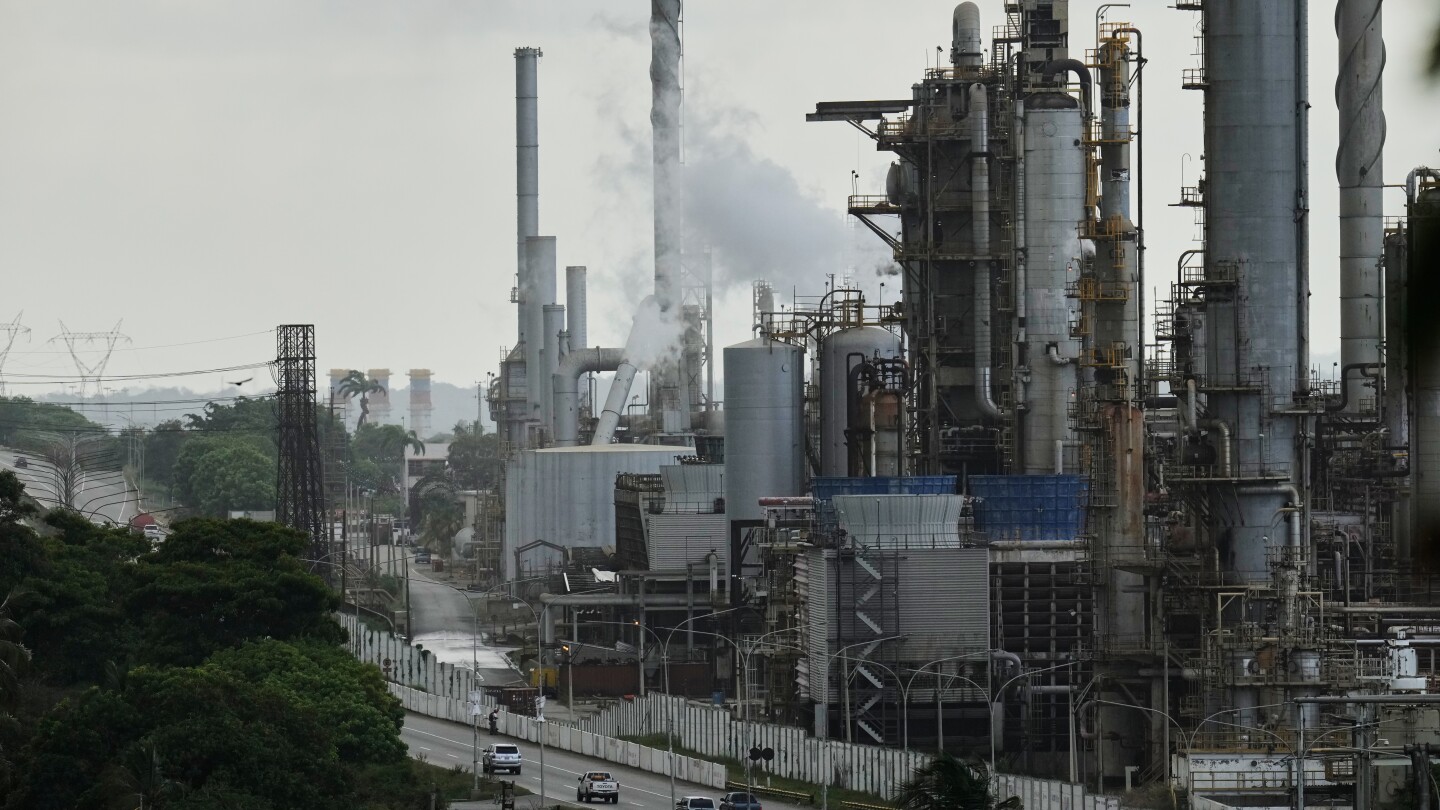
    The prospect of US-led revitalization of Venezuela’s crippled oil industry following military actions against Nicolás Maduro’s regime presents a complex scenario with limited immediate market impact. While possessing the world’s largest proven crude reserves at approximately 303 billion barrels, Venezuela’s current production languishes at just 1.1 million barrels daily – a dramatic decline from its 1999 peak of 3.5 million barrels due to years of systemic corruption, mismanagement, and international sanctions.

    Energy analysts emphasize that infrastructure decay represents merely one challenge in resurrecting Venezuela’s oil sector. Patrick De Haan, lead petroleum analyst at GasBuddy, notes that while physical infrastructure escaped recent military actions unscathed, it has been deteriorating for decades and requires substantial reconstruction time.

    The political landscape remains equally problematic. American energy corporations demand regime stability before committing significant investment, yet Venezuela’s leadership situation remains volatile. Current Vice President’s claim to power, the high court’s intervention, and competing narratives about legitimate governance create precisely the uncertainty that deters foreign capital.

    Phil Flynn, senior market analyst at Price Futures Group, suggests that demonstrated US control over the next 24-48 hours could generate optimism about rapid industry revitalization. Such development could potentially enable Venezuela to double or triple production, ultimately applying downward pressure on global oil prices and reducing reliance on Russian energy.

    However, Francisco Monaldi, director of Rice University’s Latin American energy program, projects a more realistic timeline: approximately a decade and $100 billion in investment would be required to boost production to four million barrels daily. Legal complications surrounding resource ownership and contract enforcement under occupation add further uncertainty, with Columbia University law professor Matthew Waxman highlighting potential violations of international law regarding resource appropriation.

    Despite these challenges, Venezuela’s heavy crude remains particularly valuable for diesel production and heavy equipment fuels – commodities currently in global short supply due to sanctions. Gulf Coast refineries, specifically optimized for processing such crude, would benefit significantly from renewed Venezuelan production.

  • Drone strike kills 1 in Russian border region ahead of Ukraine peace talks

    Drone strike kills 1 in Russian border region ahead of Ukraine peace talks

    Amid preparations for critical diplomatic negotiations in Paris, cross-border hostilities between Ukraine and Russia have escalated, resulting in fresh casualties on both sides. Regional authorities reported that a Ukrainian drone strike on Russia’s Belgorod border region killed one individual and wounded two others, including a young child, on Sunday.

    Concurrently, Ukrainian emergency services confirmed three civilians sustained injuries from overnight drone attacks in the Kharkiv region. The aftermath of Friday’s Russian missile bombardment in Kharkiv turned more tragic as recovery teams discovered two additional bodies beneath the rubble of a devastated building, raising the death toll to four.

    These developments occurred just one day after national security advisers from numerous allied nations convened in Kyiv to deliberate on security assurances and economic assistance for Ukraine. The meetings form part of an intensified diplomatic initiative spearheaded by the United States to resolve the prolonged conflict.

    Ukrainian President Volodymyr Zelenskyy, anticipating his departure for Paris, announced Saturday that peace proposal discussions are poised to accelerate following Ukraine’s dissemination of all relevant documents to representatives from 18 nations. The upcoming diplomatic schedule includes technical consultations between Ukrainian General Staff and military sector delegates on Monday, followed by a summit of European leaders on Tuesday where security guarantee agreements are expected to be finalized. Additional meetings with U.S. officials are also scheduled in the French capital.

  • Indonesian rescuers find a second body as search for Spanish soccer coach and 2 children extended

    Indonesian rescuers find a second body as search for Spanish soccer coach and 2 children extended

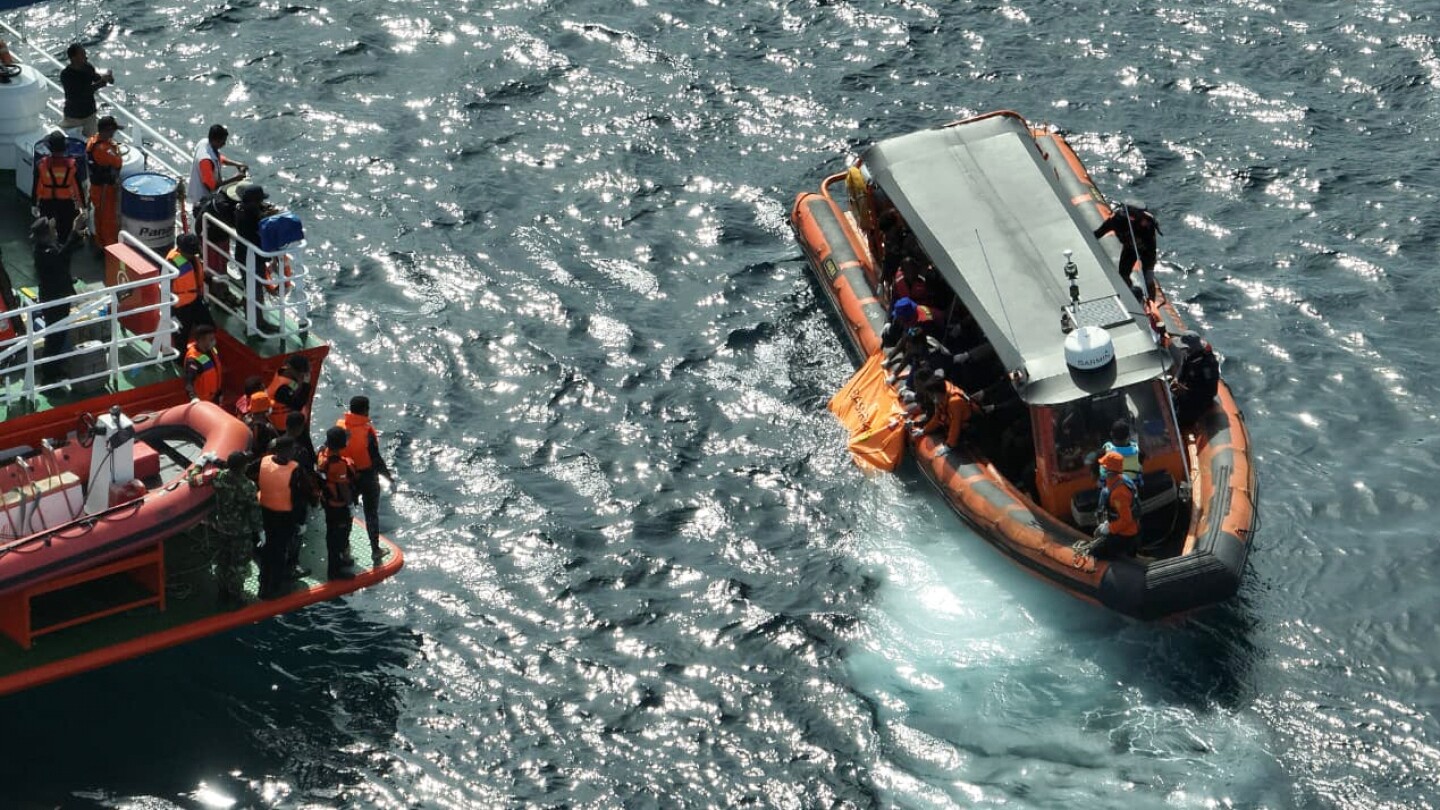
    Indonesian search and rescue teams have recovered a second body in their ongoing operation to locate a Spanish soccer coach and his children following a tragic boating incident during their Christmas holiday. The recovery occurred near Padar Island, approximately 2 kilometers from the original sinking site in Komodo National Park.

    The victim, yet to be formally identified, is believed to be part of the Spanish family whose holiday turned catastrophic on December 26th. The boat carrying Valencia CF Women’s B coach Fernando Martín, 44, his wife, their four children, four crew members, and a local guide sank after experiencing engine failure.

    While Martín’s wife, one child, and all five crew members were rescued shortly after the incident, Martín himself and three children remained missing. The first victim, identified as Martín’s 12-year-old daughter, was recovered three days after the accident near Serai Island waters.

    Search and Rescue Office Chief Fathur Rahman confirmed the recovered body has been transported to Labuan Bajo Hospital for formal identification procedures. The Spanish government, through its ambassador, has formally requested continued reinforcement of search efforts despite Indonesian protocols typically limiting operations to seven days.

    The joint SAR team has extended operations through January 4th, deploying over 160 personnel from multiple agencies including police and naval forces. The intensive search encompasses four sectors within the UNESCO World Heritage site waters, utilizing inflatable boats, navy ships, specialized rescue vessels equipped with sonar technology, and underwater navigation equipment. Dive teams have also been actively deployed in the operation.

    Komodo National Park, renowned for its dramatic landscapes and endangered Komodo dragons, attracts thousands of international visitors annually for diving and wildlife tourism. Indonesia’s vast archipelago of more than 17,000 islands relies heavily on marine transportation, where safety standards remain inconsistent and overcrowding frequently leads to maritime accidents.

  • Family of Dubai teen feared dead in Swiss bar fire still hoping against hope

    Family of Dubai teen feared dead in Swiss bar fire still hoping against hope

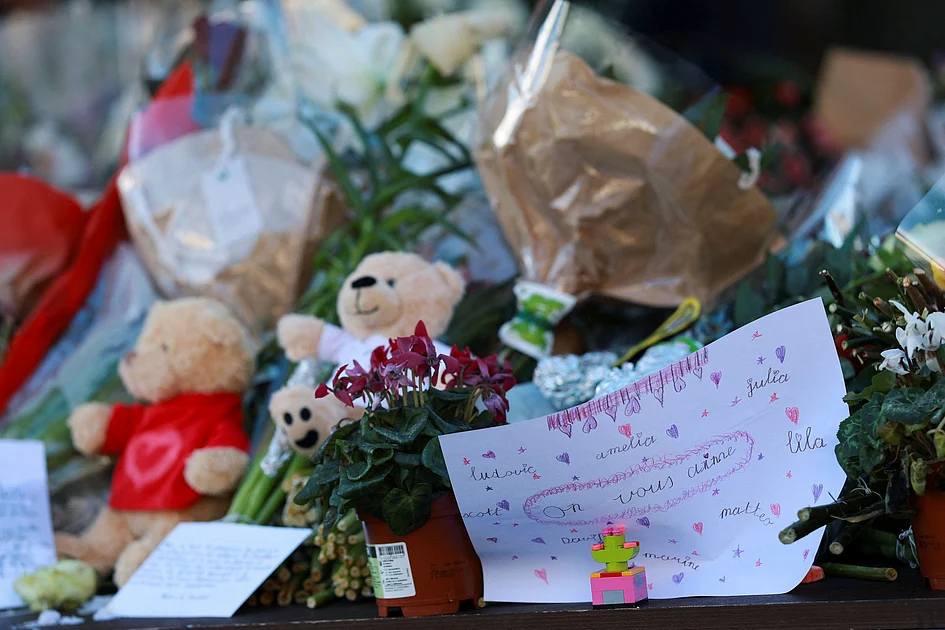
    A devastating fire that engulfed a popular bar in the Swiss ski resort of Crans-Montana during New Year’s celebrations has left families in agonizing uncertainty, including that of a Dubai-based teenager. Emanuele Galeppini, a 17-year-old Italian expatriate and gifted golfer residing in the UAE, remains among the six Italian nationals officially listed as missing following the tragedy that claimed over 40 lives and injured more than 115 people.

    The incident occurred in the early hours of January 1st, 2026, when fire rapidly consumed the establishment. Swiss authorities have indicated that the blaze potentially originated from sparkler candles positioned atop bottles too close to the ceiling, creating a flashover effect where temperatures reached critical levels causing simultaneous ignition of all combustible materials within seconds.

    Emanuele’s family, originally from Genoa but long-term Dubai residents, last communicated with him at midnight on New Year’s Eve when he was at the bar with friends. His parents immediately began search efforts upon learning of the disaster, traveling between regional hospitals attempting to locate their son among the injured. The severity of burns sustained by victims has complicated identification procedures, with authorities warning the process could extend for days or even weeks.

    The teenager’s father made public appeals through Italian media, desperately seeking assistance in locating Emanuele, who was expected to graduate from his prominent Dubai school in 2027. While his mobile phone was reportedly recovered on Friday, the Italian Foreign Ministry has refrained from confirming any fatalities pending formal DNA verification, maintaining official classification as missing persons.

  • Trump says US to ‘run’ Venezuela after toppling Maduro in military attack

    Trump says US to ‘run’ Venezuela after toppling Maduro in military attack

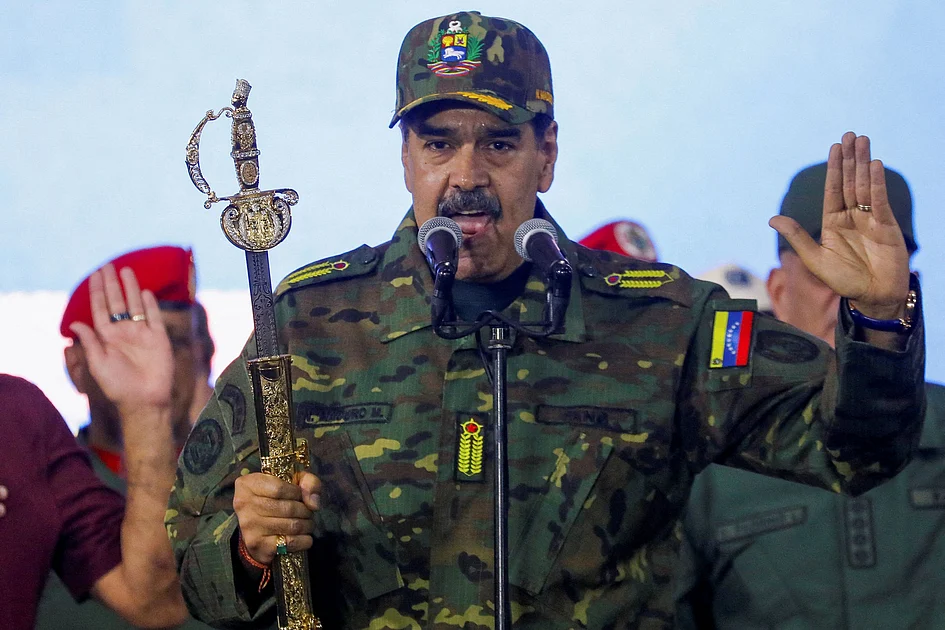
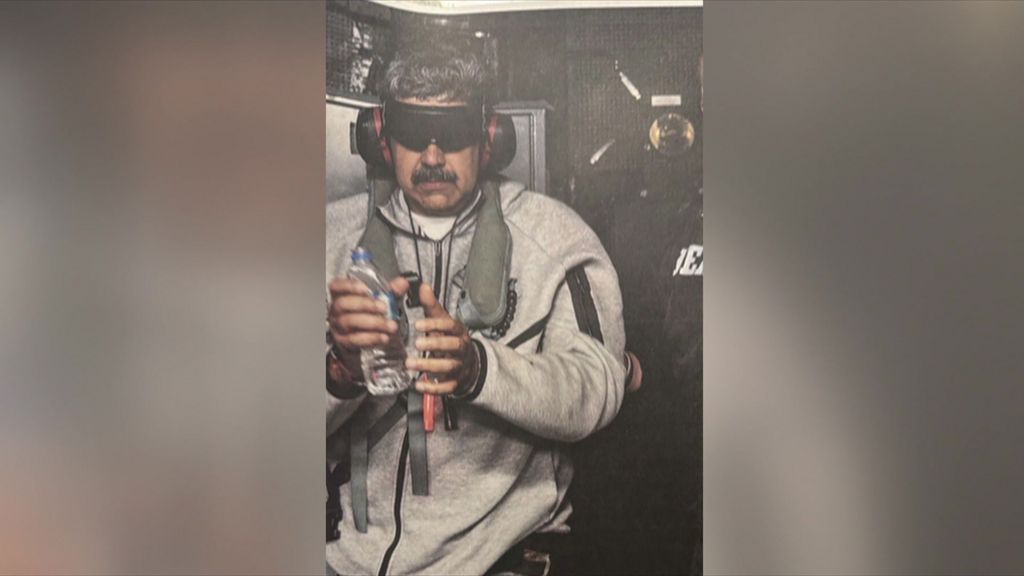
    In a dramatic escalation of hemispheric tensions, United States special forces executed a lightning military operation in Caracas on Saturday resulting in the capture of Venezuelan President Nicolás Maduro and his wife. The pre-dawn assault combined precision airstrikes targeting key military installations with a ground operation that extracted the controversial leader from his compound.

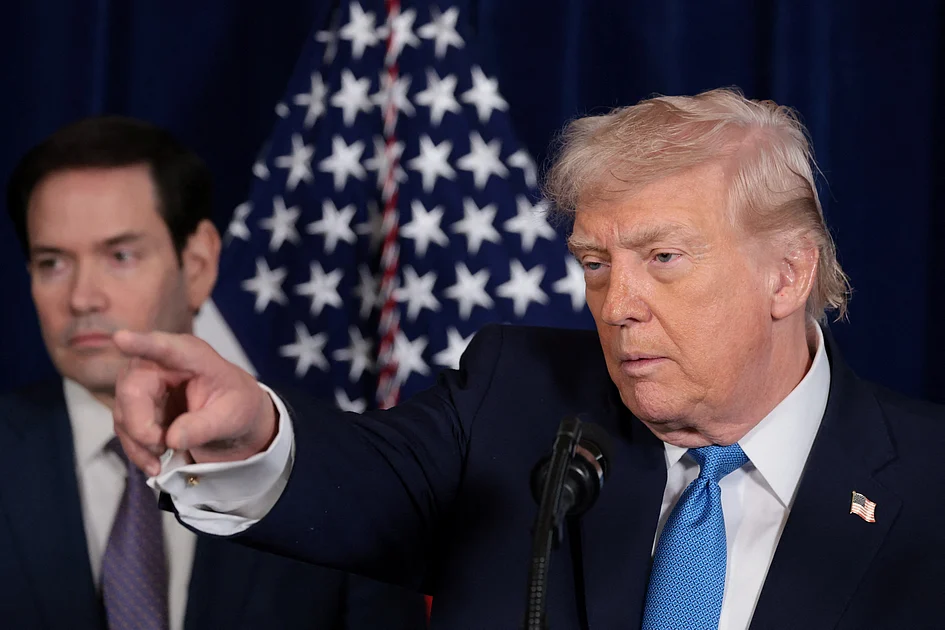
    President Donald Trump announced the successful mission at a Florida press conference, declaring the U.S. would now ‘run’ Venezuela and utilize its substantial oil reserves. ‘We’re going to be running it with a group,’ Trump stated, indicating cabinet officials accompanying him would oversee the transition. The Republican leader surprisingly dismissed opposition figure Maria Corina Machado as a potential successor, instead suggesting openness to working with Maduro’s deputy Delcy Rodriguez.

    The operation involved approximately 150 aircraft and leveraged extensive intelligence gathering on Maduro’s daily routines. General Dan Caine confirmed the captured leader surrendered without resistance and was being transported to New York to face narcotics and terrorism charges. The assault triggered widespread alarm internationally, with China condemning the action and the United Nations expressing concern about violations of international law.

    Venezuelan residents described waking to explosions and military helicopter activity around 2 a.m. local time, with airstrikes persisting for nearly an hour. The capital subsequently fell into an eerie silence as police secured public buildings and smoke drifted through streets near bombed installations. The Trump administration provided shifting justifications for the intervention, citing drug trafficking, migration concerns, and energy interests at various points.

  • BBC Mundo reports from a quiet Venezuela-Colombia border after Maduro’s arrest

    BBC Mundo reports from a quiet Venezuela-Colombia border after Maduro’s arrest

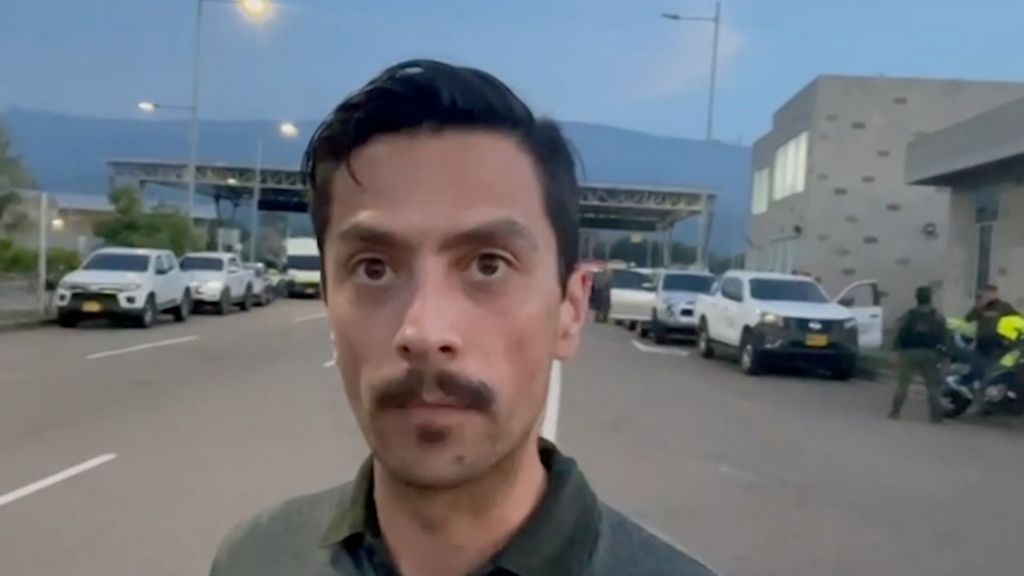
    The typically bustling commercial corridors along the Venezuela-Colombia border have been transformed into zones of unusual quietude, following the issuance of an arrest order for President Nicolás Maduro. This dramatic shift in atmosphere underscores the profound anxiety gripping many Venezuelans, who are now adopting a cautious wait-and-see approach toward their nation’s volatile political future. The border region, historically a vibrant hub of cross-border trade and constant movement, now reflects a nation in suspended animation. Local merchants and residents report a significant decline in activity, as citizens prioritize monitoring the unfolding political crisis over daily commerce. This palpable tension highlights how high-stakes political developments in Caracas directly impact economic vitality and social dynamics in border communities. The current stillness is not merely an economic pause but a societal response to profound uncertainty, with many fearing potential repercussions that could alter the country’s trajectory.

  • South Korea says North Korea has launched ballistic missiles toward the sea

    South Korea says North Korea has launched ballistic missiles toward the sea

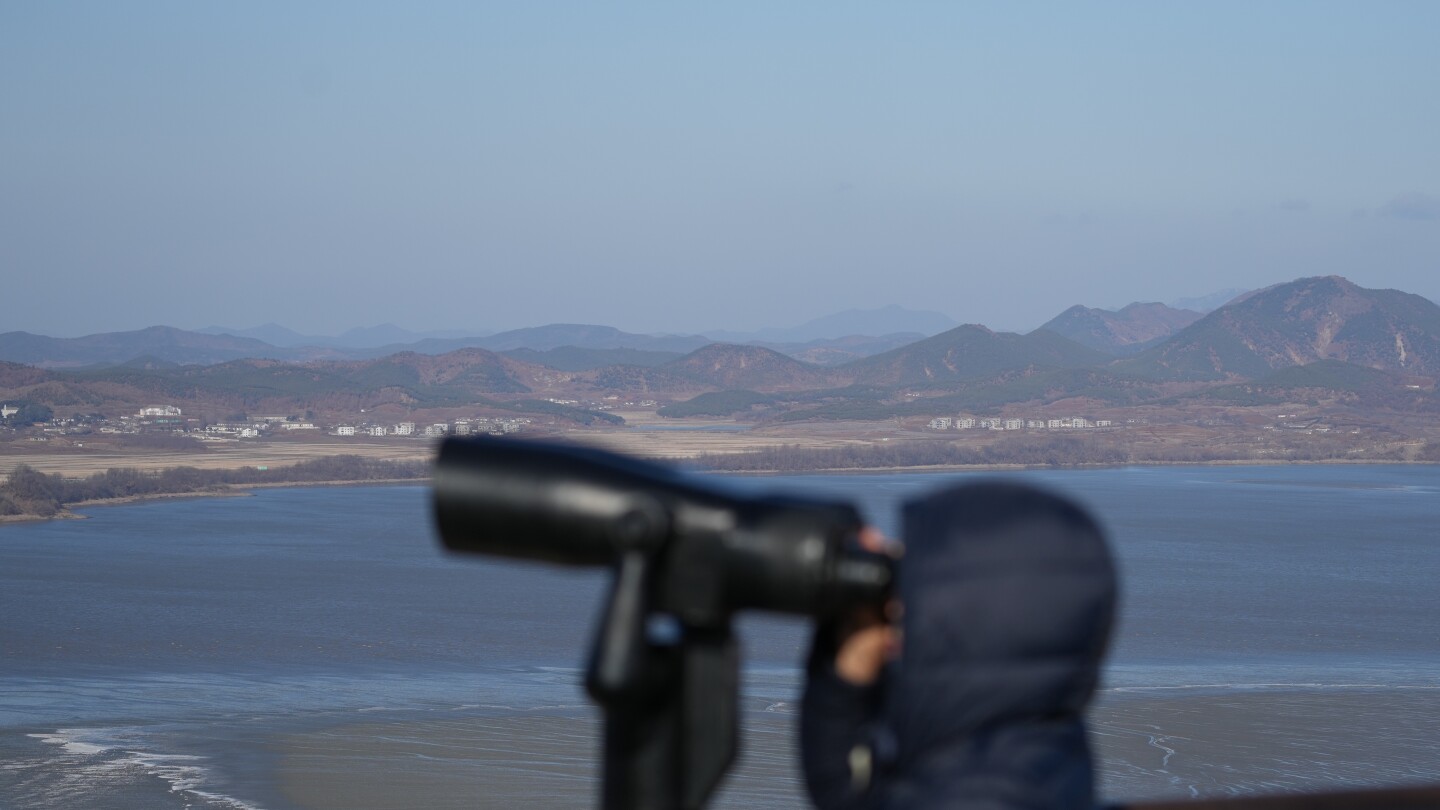
    SEOUL, South Korea — North Korea initiated multiple ballistic missile launches toward its eastern waters on Sunday morning, according to South Korea’s military authorities. The launches occurred approximately at 7:50 a.m. from the capital region, marking the latest in a series of weapons demonstrations by the reclusive nation.

    South Korea’s Joint Chiefs of Staff confirmed the missile activity but withheld specific details regarding flight distance or trajectory. The military agency emphasized enhanced surveillance measures and ongoing intelligence coordination with United States and Japanese counterparts regarding North Korea’s provocative actions.

    Japanese defense officials concurrently reported detecting suspected missile launches from North Korean territory. Initial assessments indicated no immediate threats to maritime vessels or aircraft in the targeted area.

    Security analysts interpret these tests as strategic displays of military capability preceding North Korea’s Workers’ Party congress—the first such gathering in five years. The international community anticipates potential policy announcements concerning U.S. relations and possible resumption of dormant diplomatic talks during this significant political event.

    The timing of these launches coincides with South Korean President Lee Jae Myung’s departure for China, where he is scheduled to engage in bilateral discussions with President Xi Jinping. During this four-day diplomatic mission, President Lee intends to advocate for China’s constructive involvement in fostering stability across the Korean Peninsula.

    Recent weeks have witnessed escalating weapons demonstrations from North Korea, including tested long-range cruise missiles and visible advancements in nuclear-powered submarine development, further complicating regional security dynamics.

  • Worked as bus driver, handpicked by Chavez: Maduro’s 12-year-long rule in Venezuela ends

    Worked as bus driver, handpicked by Chavez: Maduro’s 12-year-long rule in Venezuela ends

    Two significant international developments have emerged, revealing covert intelligence operations and a tragic negligence case. According to exclusive reporting, the U.S. Central Intelligence Agency (CIA) successfully cultivated a high-level informant within the inner circle of the Venezuelan government. This asset provided critical intelligence that enabled U.S. authorities to monitor and track the activities of President Nicolás Maduro, marking a sophisticated penetration of a foreign administration. The operation underscores the ongoing geopolitical tensions between the United States and the Venezuelan state.

    Separately, in Switzerland, a devastating nightclub fire has triggered a criminal investigation. Authorities have placed the establishment’s management under formal scrutiny on severe charges of killing by negligence. The probe focuses on alleged failures to adhere to safety protocols, which may have contributed to the lethal outcome. The incident has sparked a broader national conversation about venue safety regulations and enforcement, with the judicial process underway to determine accountability for the tragic loss of life.

  • What we know about Maduro’s capture and US plan to ‘run’ Venezuela

    What we know about Maduro’s capture and US plan to ‘run’ Venezuela

    In an unprecedented military operation dubbed ‘Operation Absolute Resolve,’ U.S. special forces have captured Venezuelan President Nicolás Maduro and First Lady Cilia Flores. The dramatic extraction occurred during early morning hours in Caracas following coordinated strikes on multiple strategic locations across Venezuela’s capital region.

    President Donald Trump confirmed the operation during a Saturday news conference, revealing that Delta Force operatives successfully infiltrated Maduro’s fortified compound at 02:01 local time (06:01 GMT). The mission, which involved over 150 aircraft and months of planning, resulted in the capture of the Venezuelan leader without U.S. casualties.

    The operation triggered explosions at key military installations including Fuerte Tiuna military base, Generalissimo Francisco de Miranda Air Base, and critical infrastructure sites in Miranda state. Venezuelan authorities reported strikes on civilian areas and deployed armed forces under a national emergency declaration.

    Maduro and Flores have been transported to Stewart Air National Guard Base in New York and face multiple federal charges in the Southern District of New York, including conspiracy to commit narco-terrorism and weapons offenses. U.S. Attorney General Pam Bondi stated the couple would ‘face the full wrath of American justice.’

    International reactions have been sharply divided. Russia, China, Iran, and several Latin American nations condemned the operation as violation of sovereignty, while the UK expressed support for Maduro’s removal. UN Secretary-General Antonio Guterres expressed alarm at the potential precedent-setting nature of the military action.

    Trump announced that the U.S. would temporarily ‘run’ Venezuela to facilitate a transition, with American oil companies expected to enter the country. The operation follows years of tensions between the nations, with the U.S. accusing Maduro of direct involvement in drug trafficking and designating Venezuelan groups as Foreign Terrorist Organizations.