分类: world

  • Hopes rise for renewed talks as US military says Iran blockade is in force

    Hopes rise for renewed talks as US military says Iran blockade is in force

    On Wednesday, diplomatic optimism emerged for a resumption of negotiations between the United States and Iran, even as military escalation and retaliatory threats kept the seven-week-old regional conflict on a knife’s edge. Against a backdrop of a fully implemented U.S. naval blockade of Iranian ports and Tehran’s vow to strike targets across the conflict-battered Middle East, global markets reacted positively to signals that a new round of talks could soon get underway.

    Former U.S. President Donald Trump told the New York Post Tuesday that a second negotiating round could convene within 48 hours, with Islamabad, Pakistan tapped again as the host venue. Diplomatic efforts to finalize arrangements are currently moving forward through unofficial backchannel channels, Trump added. United Nations Secretary-General António Guterres echoed the positive signal, noting that following a meeting with Pakistan’s Foreign Minister Ishaq Dar, he assesses a restart of talks as “highly probable”.

    This upcoming round of talks follows a failed inaugural negotiating session hosted by Pakistan last weekend, which ended without any breakthrough to end the direct U.S.-Iran conflict. Senior White House officials previously identified Iran’s long-debated nuclear program as the core sticking point blocking a lasting agreement. Trump, speaking in pre-released excerpts of a Fox Business Network interview set to air Wednesday, argued that Iranian leadership is eager to reach a negotiated settlement. “I think they want to make a deal very badly,” Trump said, adding “I view it as very close to over.” A senior anonymous U.S. official, however, cautioned Tuesday that new discussions remain only in the planning phase, with no official schedule finalized yet.

    Pakistan, which has taken on the role of neutral mediator for the talks, remains committed to pushing for a peaceful resolution. Pakistani Finance Minister Muhammad Aurangzeb confirmed to the Associated Press that the country’s leadership “is not giving up” on its efforts to broker an end to hostilities between the two powers.

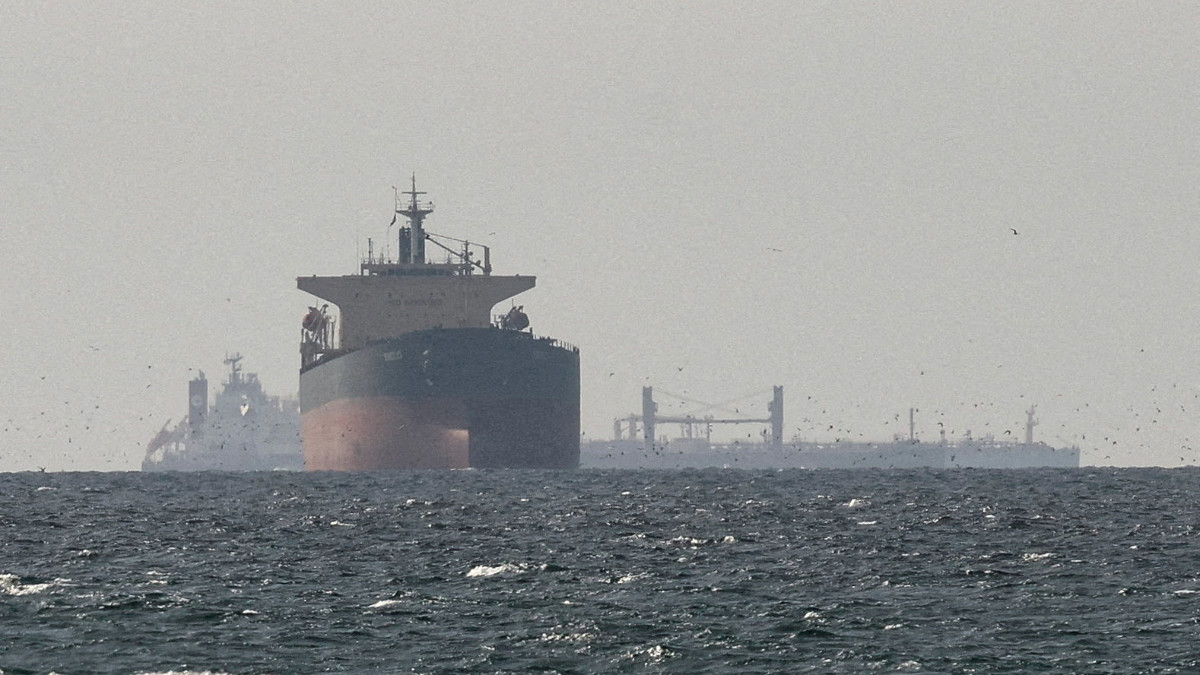
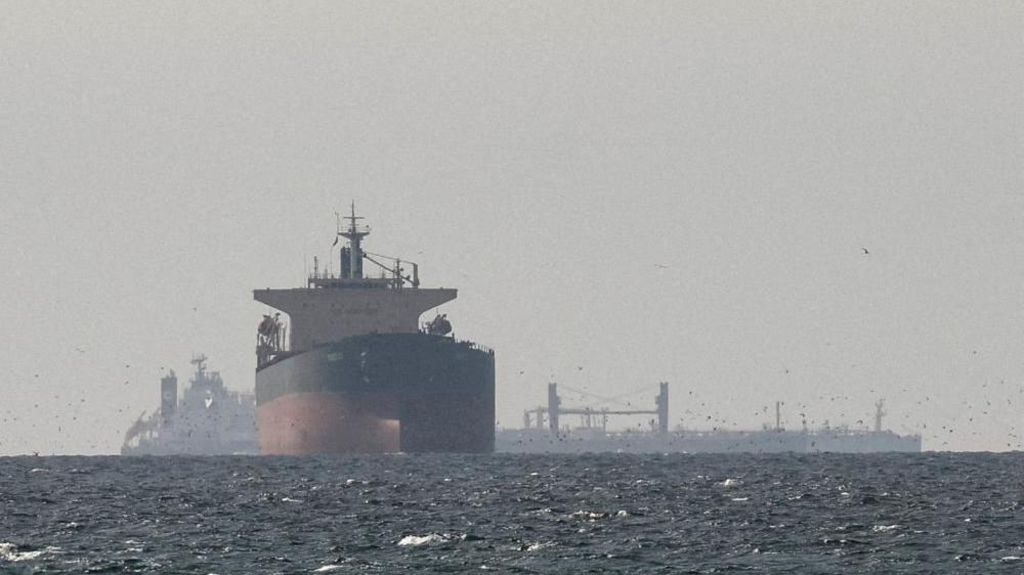
    Despite a fragile ceasefire that has largely held across front lines, tensions remain elevated around the strategically critical Strait of Hormuz, where the U.S. blockade is now fully operational. U.S. Central Command reported that in the first 24 hours of the blockade going into effect, no commercial ships successfully broke through the cordon. Six merchant tankers complied with U.S. military instructions to turn around and return to Iranian territorial waters, though one vessel briefly reversed course and transited the waterway before turning back.

    The blockade is designed to cut off a key source of revenue for Iran’s war effort: since the conflict began on February 28, Iran has exported millions of barrels of crude oil, mostly to Asian markets, much of it through unregulated “dark transits” that evade international sanctions and oversight. This illicit oil trade has generated critical cash flow to sustain Iran’s military and economic operations during the conflict.

    Even before the U.S. blockade, Iran’s effective closure of the Strait of Hormuz — which normally carries roughly 20% of all global oil shipments in peacetime — disrupted global energy markets, sending crude prices skyrocketing and driving up costs for gasoline, food, and essential goods across every continent. On Wednesday, news of potential new talks pushed oil prices downward, while U.S. equities rallied to near the record highs set in January, a signal that investors are betting on an end to the conflict that has upended global commerce and shaken the world economy. The fighting has already inflicted massive human and infrastructural damage across the region, with more than 5,000 fatalities recorded across Iran, Lebanon, Israel, and Gulf Arab states, including 13 killed U.S. service members.

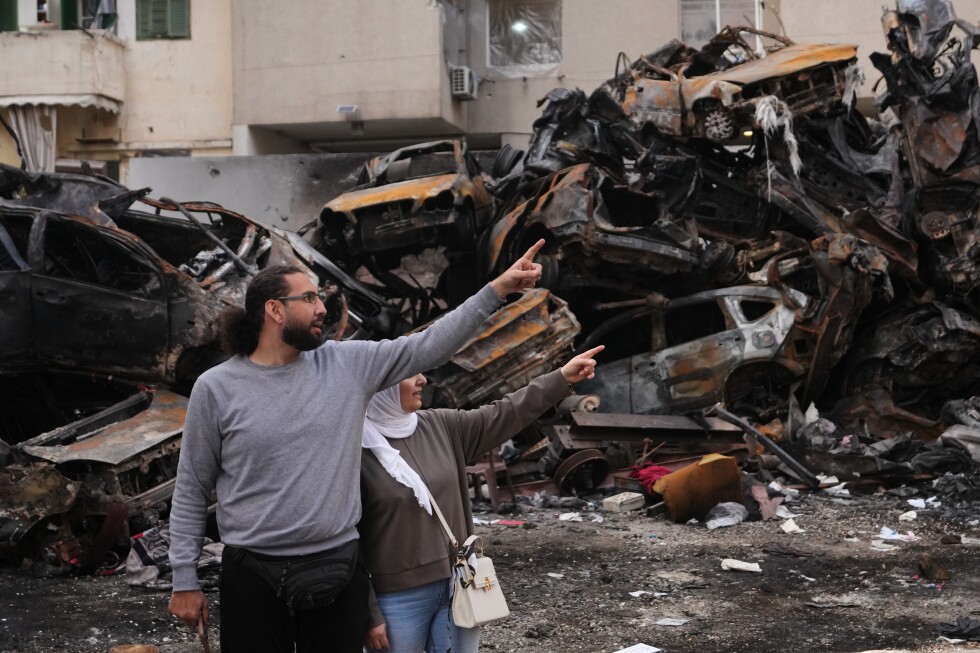
    In a separate, landmark development out of Washington Tuesday, the first direct diplomatic meeting between Israeli and Lebanese ambassadors to the United States in decades concluded with productive outcomes, according to U.S. State Department officials. The rare talks came as the low-intensity conflict between Israel and Iran-backed Hezbollah militants along the Israel-Lebanon border enters its third month, with more than one million Lebanese civilians displaced from their homes since March.

    Israeli Ambassador Yechiel Leiter framed the discussion as a step toward shared goals, saying both nations are “on the same side of the equation” in “librating Lebanon” from Hezbollah’s militant influence. Lebanese Ambassador Nada Hamadeh Moawad described the meeting as “constructive” but stressed that the top priority remains an immediate end to the ongoing border conflict. Israel and Lebanon have maintained a formal state of war since Israel’s founding in 1948, and Lebanese public and political leadership remains deeply divided over any official diplomatic engagement with the Israeli government.

    As regional actors and global powers work to push for de-escalation, the showdown over the Strait of Hormuz remains the single biggest risk for a rapid reignition of hostilities that would deepen the conflict’s already devastating human toll and widespread economic damage across the globe.

  • At least 250 people missing, including Rohingya and Bangladeshis, after boat sinks in Andaman Sea

    At least 250 people missing, including Rohingya and Bangladeshis, after boat sinks in Andaman Sea

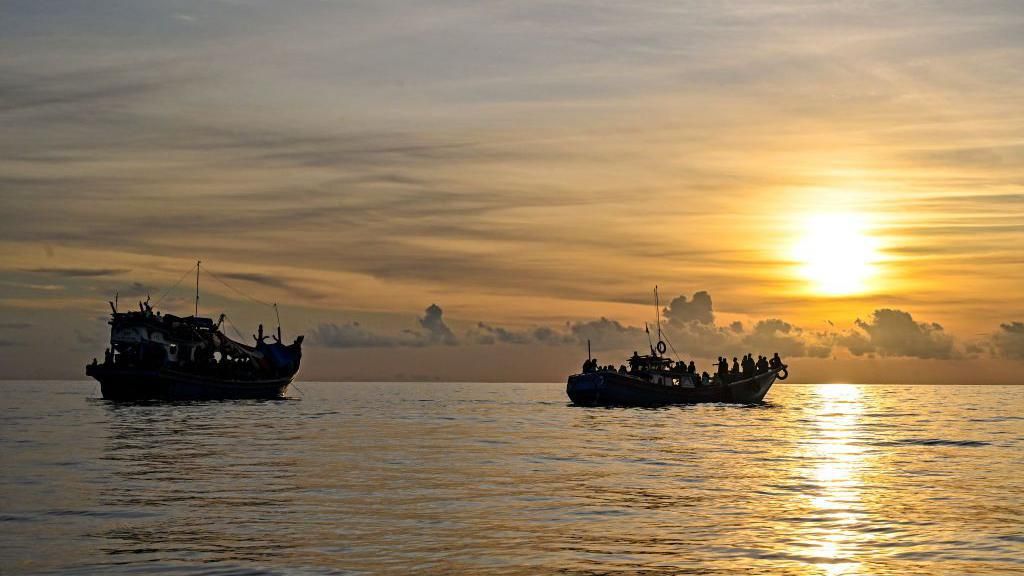
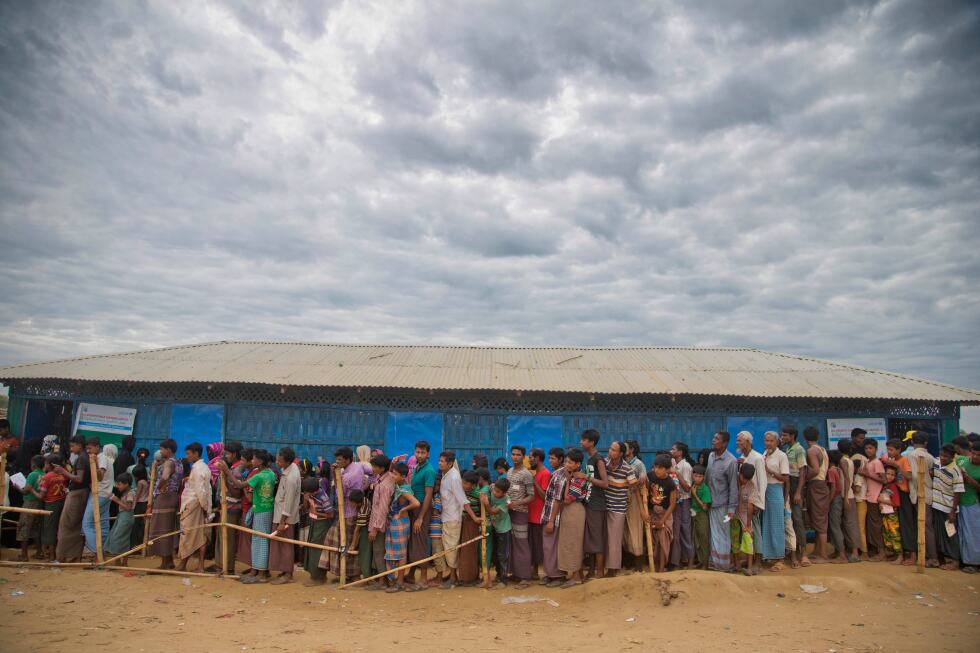
    A devastating maritime disaster has left at least 250 people — a group including both Rohingya refugees and Bangladeshi nationals — unaccounted for after their overcrowded migrant vessel capsized in the Andaman Sea while attempting to reach Malaysia, United Nations refugee and migration agencies confirmed.

    Details of the incident remain fragmented in its immediate aftermath, but Bangladesh Coast Guard spokesperson Lieutenant Commander Sabbir Alam Suzan shared preliminary information with the Associated Press on Wednesday, confirming that nine passengers have been pulled from the water alive. The rescue, which took place April 9, was carried out by the crew of the M.T. Meghna Pride, a Bangladesh-flagged cargo ship that spotted the survivors adrift after the shipwreck. Among those rescued are three Rohingya refugees and six Bangladeshi citizens, eight men and one woman, all reported to be in stable condition after being transferred to local police in Teknaf, the departure point for the ill-fated voyage.

    Unlike coordinated official search efforts, this rescue was an unscheduled act of goodwill by the merchant vessel’s crew, a senior Bangladesh Coast Guard media official told the AP Wednesday on condition of anonymity per government protocol. The capsizing occurred outside Bangladesh’s territorial waters, so the Coast Guard had not launched an official search operation at the time of the rescue. As of Wednesday, the exact timeline of the sinking and the status of any expanded search operations for the hundreds of missing passengers remains unconfirmed.

    In their joint statement released Tuesday, the Office of the United Nations High Commissioner for Refugees (UNHCR) and the International Organization for Migration (IOM) outlined the known context of the disaster: the wooden trawler departed from Teknaf, located in Bangladesh’s southern Cox’s Bazar district, where the world’s largest refugee camp is based, carrying a large contingent of passengers bound for Malaysia. The vessel sank after extreme sea conditions — combined with dangerous overcrowding — left it unable to navigate, with strong winds and rough seas causing the boat to lose control and capsize.

    Shari Nijman, a UNHCR communications officer based in Cox’s Bazar, confirmed Wednesday that the agency had no additional updates to share beyond the initial joint statement.

    The two UN agencies emphasized that the tragedy is not an isolated incident, but a direct consequence of the years-long protracted displacement of the Rohingya people, for whom durable, long-term solutions remain out of reach. Decades of systemic persecution and ongoing violence in Myanmar’s Rakhine State have made safe, voluntary repatriation impossible for most of the more than 1 million Rohingya now sheltering in Bangladesh. Within Bangladesh’s overcrowded refugee camps, limited access to humanitarian aid, formal education, and legal employment leaves thousands of vulnerable people in desperate conditions, pushing many to accept dangerous offers from people smugglers who falsely promise steady work and improved living standards in Malaysia or other Southeast Asian nations.

    In the wake of the disaster, UNHCR and IOM issued an urgent call for the international community to increase financial support and show greater solidarity with Rohingya refugees and the government of Bangladesh, which has hosted the displaced population for more than six years.

  • South Korea jails American YouTuber for public nuisance

    South Korea jails American YouTuber for public nuisance

    A Seoul court has handed down a six-month prison sentence to 25-year-old American live-streamer Johnny Somali, legally named Ismael Ramsey Khalid, after he was convicted of multiple offenses including desecrating a memorial to World War Two comfort women and violating South Korean public order laws. The controversial content creator sparked widespread national outrage in late 2024 when he uploaded a viral clip showing himself kissing the iconic bronze statue and performing inappropriate lap dance movements on the monument during a visit to South Korea.

    Following the release of the clip, Seoul prosecutors formally charged Khalid with public nuisance in November 2024, and immediately imposed a travel ban barring him from leaving South Korea while the investigation proceeded. The conviction handed down on Wednesday adds additional counts of distribution of non-consensual sexual deepfake content, a charge that further amplified public anger over the streamer’s conduct.

    In its official ruling, the court emphasized that Khalid had repeatedly committed offenses targeting random members of the South Korean public, all as a deliberate strategy to generate views and profit from his YouTube channel, in open disregard of South Korean legal and social norms. Prosecutors had initially pushed for a harsher three-year prison term, but judges opted for the reduced six-month sentence after noting that no severe physical harm was inflicted on individual victims in this case. As an additional restriction, Khalid will be barred from working with any organizations serving minors or people with disabilities after his eventual release from custody.

    The monument targeted by Khalid is one of dozens of similar memorials erected across South Korea honoring the estimated 200,000 mostly Asian women forced into sexual slavery by the Imperial Japanese Army during World War Two. Roughly half of these women, widely referred to as “comfort women” in historical discourse, were from Korea, which was under Japanese colonial rule at the time. The seated young woman statue that has become the symbol of the comfort women movement has long been a flashpoint in diplomatic relations between Seoul and Tokyo, as South Korean activists and officials continue to push for full reparations and formal acknowledgement of Japan’s wartime atrocities.

    Khalid, a provocateur who has built a small following of around 5,000 subscribers on YouTube through controversial, boundary-pushing content, issued a public apology back in November 2024 claiming he “didn’t understand the significance of the statue.” That apology was widely met with skepticism from South Korean social media users, who pointed to his long pattern of provocative behavior as evidence the incident was a deliberate stunt for attention.

    Throughout the course of the legal proceedings, Khalid escalated tensions by openly challenging local South Koreans to physical confrontations, multiple clips shared on South Korean social media showed the streamer being punched and chased through public streets by angry locals. This incident was far from Khalid’s first run-in with law and public order across East Asia and the Middle East. Prior to his 2024 trip to South Korea, he was detained in 2024 at a Tel Aviv protest for making inappropriate sexual comments to a female police officer, before being released after questioning. In 2023, during a trip to Japan, he sparked public anger by making provocative comments about the 1945 atomic bombings of Hiroshima and Nagasaki, and was later fined 200,000 yen (equivalent to roughly $1,400) for disrupting business at a Tokyo restaurant by blaring loud music. His history of provocative content has also led to permanent bans from multiple major streaming platforms over the years.

  • Harry says children should be an ‘upgrade’ of their parents

    Harry says children should be an ‘upgrade’ of their parents

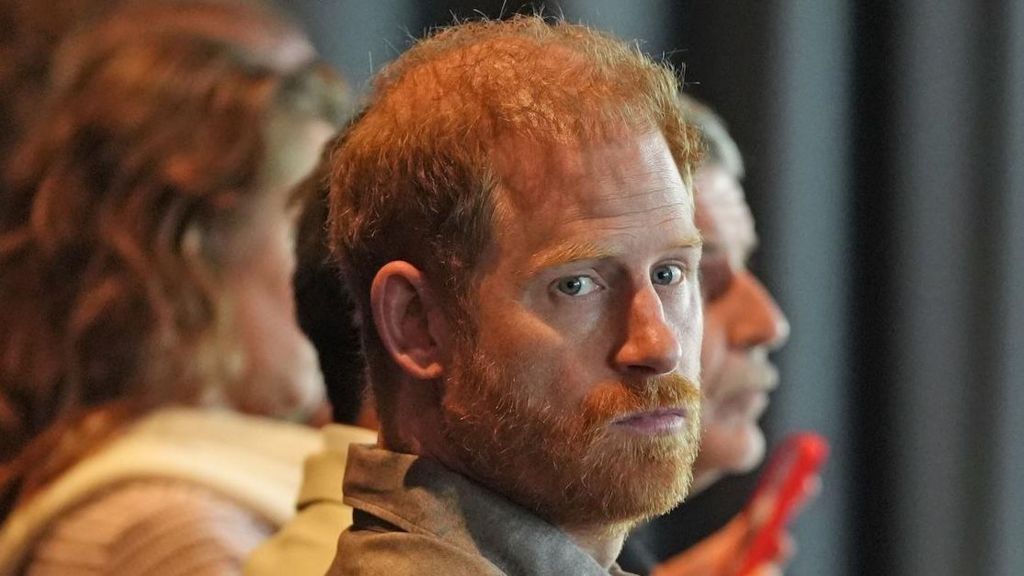
    On the second day of his private working visit to Australia, Prince Harry, the Duke of Sussex, merged his longstanding advocacy for mental health and love of sport to launch a landmark new report on paternal well-being, opening up about his own journey as a father and the intergenerational shift shaping modern parenting.

    Greeting the Melbourne crowd with a casual “G’day everyone” and a lighthearted nod to the Western Bulldogs AFL team’s strong start to the 2026 season, the Duke centered his remarks on evolving approaches to parenting, drawing a direct connection to his own experience growing up in the British royal family and raising his own children today. He noted that global social shifts have rendered outdated parenting models obsolete, arguing that each new generation of parents has the opportunity to build on the lessons of the past.

    “The world around us has changed massively, so there is no version of where parenting is going to be the same as we experienced,” he told attendees. “From my perspective, our kids are our upgrades. That’s not how I was taught, but that was my take on it… Even if you had the best upbringing in the world, the best parenting in the world, there’s still room for improvement.” A longstanding public advocate for open discussion of mental health struggles, the Duke also pushed back against the persistent stigma that discourages fathers from seeking support when they are struggling, framing openness as a sign of strength rather than weakness.

    “For so many years it has been seen as a weakness to stick your hands up. I find it’s the opposite,” he said. “The more grief I get for talking about it, the more I want to stand up and talk about it. I know if I go quiet about it – what does that say to everyone else?”

    The event, hosted by men’s health charity Movember, marked the launch of new research that lays bare the unaddressed mental health challenges facing new fathers. The study’s findings are stark: one in five fathers report extreme feelings of isolation in the period after welcoming a child, while just under 60% of new dads were never asked how they were coping in their baby’s first 12 months. The report also found that more than 70% of surveyed fathers are actively committed to parenting differently than their own fathers did, a trend Movember leaders say aligns directly with Harry’s public messaging.

    Dr. Zac Seidler, Movember’s Global Director of Research, praised the Duke for bringing authentic, personal experience to the advocacy effort. “He’s really passionate about this, it matters to him, and he told us real stories that he had experienced, stuff that he’d spoken about with his wife, with his therapist,” Seidler said. “He really just wanted to get to the heart of it and talk about advocating for change. I think Harry was just talking about this seismic intergenerational shift that we’re all experiencing. We want to do things differently; we want to learn from our fathers, whether it’s mistakes or otherwise and really lean into what it means to be a dad today.”

    Nathan Appo, the first Indigenous Australian to sit on Movember’s global board and a Mamu man from Far North Queensland, acknowledged the complicated context of Harry’s visit, noting that many of the systemic health barriers facing First Nations Australians trace back to British colonialism carried out by the Duke’s ancestors more than 250 years ago. Even so, Appo praised Harry for centering Indigenous voices and engaging meaningfully with the community’s challenges.

    “As you travel around the world, connecting with Indigenous people to understand their history and what our people face regularly, the barriers that we face… and how that impacts on health is really important,” Appo told the BBC. “Building your knowledge to give you a good understanding of how you can change policy for the better is really important, and I think Harry is someone who does that. He’s using his platform to promote and empower people around the world and do the right things. It’s hard not to be drawn to people like that.”

    After the report launch, Harry leaned into the second half of his day’s agenda: trying his hand at Australian Rules Football, the dominant sport of Melbourne, with players from the Western Bulldogs. Under the guidance of Bulldogs midfielder Adam Treloar, the Duke, a former keen rugby player in his youth, learned the basics of holding the oval-shaped AFL ball and navigating the field. Treloar described Harry as enthusiastic and genuinely curious about the sport, noting that the interaction felt far from the stiff, scripted meetings common for high-profile visitors.

    “He went alright, he was very keen on learning,” Treloar told reporters. “I don’t think we had enough time to really teach him, but he was super keen, asking how we hold the footy and where the laces go. It was pretty normal. We had a great conversation. One of the teammates that was with me has four pubs and was talking about his pubs and maybe coming down for a beer if he has some spare time, which obviously he doesn’t, but it just seemed really genuine and authentic.”

    Harry’s wife, Meghan, Duchess of Sussex, did not attend Wednesday’s public event, and no public appearances have been scheduled for her on this day. A spokesperson for the couple did not respond to BBC requests for comment on Meghan’s plans during the trip. The couple, who stepped down as working British royals in 2020, are traveling to Australia in a private capacity, combining charitable engagements like Harry’s mental health launch with private commercial work. It is understood that Meghan is using the trip to explore plans for expanding her As Ever lifestyle brand into the Australian market. Following his Melbourne commitments, Harry is set to travel to Canberra for engagements later on Wednesday.

  • Cameroon hopes the pope’s visit brings healing after nearly a decade of conflict

    Cameroon hopes the pope’s visit brings healing after nearly a decade of conflict

    In the violence-scarred city of Bamenda, the epicenter of Cameroon’s years-long Anglophone separatist conflict, 52-year-old nurse and mother of six Caro Bih carries a lifetime of trauma that has become all too common for residents of the country’s restive western regions. Once kidnapped, chained, and held for ransom by separatist fighters, Bih has lost multiple relatives to killing, imprisonment, and abduction. Her family home has been burned to the ground, a stroke she suffered while fleeing repeated violence has gone untreated due to conflict-related financial collapse, and her children’s once-bright dreams of professional futures have been cut short by poverty and instability. Today, her only hope for lasting change rests on the arrival of Pope Leo XIV, who is set to visit Cameroon this week as part of a four-nation African tour.

    Millions of Cameroonians are awaiting the pope’s Wednesday arrival, which comes at a fragile turning point for the Central African nation. Just months prior, a deeply disputed presidential election that extended the 40-plus-year rule of 93-year-old Paul Biya, the world’s oldest sitting head of state, left dozens dead and deepened existing divisions across the country. The papal visit, centered on a public call for national reconciliation, will shine a long-overdue global spotlight on the separatist conflict that has torn through Cameroon’s two Anglophone regions since 2017, when fighters launched a rebellion seeking an independent state separate from the country’s Francophone-dominated government. The conflict, widely labeled by humanitarian organizations as one of the world’s most neglected crises, has already claimed thousands of lives and displaced hundreds of thousands. In a significant gesture to clear the way for the visit, separatist leaders announced Tuesday a three-day ceasefire to ensure safe passage for the pope, civilians, and visiting dignitaries.

    During his time in Cameroon, the pope will preside over a peace gathering with local community leaders in Bamenda on Thursday, followed by a public Mass at the city’s airport. Cameroonian government officials have framed the visit as a historic opportunity to foster national unity across the country’s long-running ethnic and linguistic divides. But outside observers and opposition activists have raised sharp concerns that the Biya administration, which has been repeatedly accused of human rights abuses during the conflict and has rejected meaningful dialogue with separatist groups, will seek to exploit the papal visit to gain international legitimacy.

    Benjamin Akih, a U.S.-based Cameroonian activist with the civil society group Council for the Sovereignty of Cameroon, warned that the pope must avoid letting the regime use his visit to distract from deep-rooted historical injustices with empty calls for unity. Eric Chinje, head of the diaspora-based democracy organization Project Cameroon, echoed that skepticism, noting the visit likely aligns more with the pope’s global evangelical mission than with tangible efforts to resolve Cameroon’s political crisis. He added that the pope is unlikely to publicly rebuke Biya, who has clung to power for decades through contested elections and authoritarian rule. This skepticism comes amid a recent controversial move by Cameroon’s parliament, which revived the country’s vice presidency, granting the aging Biya sweeping power to appoint his own successor, further consolidating his control over the state.

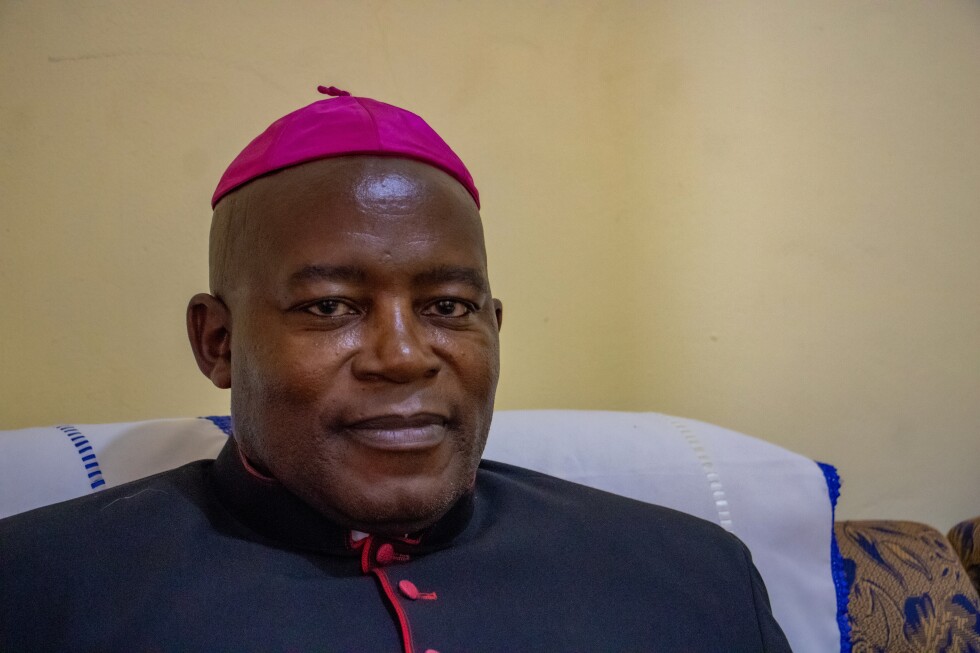
    For many clergy and ordinary residents who have endured years of violence, however, the visit remains a source of cautious hope. Catholic priests have been repeatedly targeted by both sides of the conflict: in November, Rev. John Berinyuy Tatah was kidnapped alongside five fellow clergy by separatists and held for two weeks in remote bushland cut off from all outside contact. Despite his own trauma, Tatah, who plans to attend the pope’s Mass, said he believes the pontiff’s visit will plant a seed of reconciliation that can grow to heal the country if nurtured. “The cry of every Cameroonian is for the pope to help us mediate for dialogue in the ongoing crisis,” he said.

    Beyond the Anglophone separatist conflict, Cameroon also faces persistent attacks from Boko Haram extremists operating across its northern border with Nigeria, compounding the country’s humanitarian crisis. According to the United Nations World Food Programme, more than 3.3 million Cameroonians impacted by conflict currently face acute food insecurity, with many families forced to skip meals, sell their only livestock, or take on crippling debt to survive.

    Yeeika Desmond Nangsinyuy, a Bamenda-based spoken-word artist who has used his work to advocate for peace, was abducted by separatists in 2024 and ordered to stop his anti-violence performances. He refused to end his work, and now says he hopes the pope will center the pain of families torn apart by years of fighting. “My hope is that the pope touches the soft spot of our collective wounds,” he said. “I want him to speak directly to the pain of families torn apart by conflict, and to inspire renewed hope that peace is possible.”

    For Caro Bih, that hope is deeply personal. Her family’s total monthly income, from the small vegetable plot she tends and sells from and the odd jobs her older children take to get by, amounts to roughly $53, barely enough to cover basic food needs. Only two of her six children remain in school; 9-year-old Lydiane, who dreamed of becoming an accountant, dropped out to help care for her younger siblings, and Bih’s husband, a former Catholic missionary teacher, was forced to abandon his job due to persistent insecurity. Bih herself abandoned stroke medication and physiotherapy in 2024 to save money for her family, relying instead on cheap herbal remedies to manage her symptoms. “I had dreamt of seeing my children become doctors, magistrates and so on,” she said quietly. “Now their future is uncertain.” But like millions of other conflict-weary Cameroonians, she says she believes the pope’s visit will mark a turning point. “We believe he will be a turning point,” she said.

    This reporting is supported by the Gates Foundation as part of AP News’ global health and development coverage in Africa, with the AP retaining full editorial control over all content.

  • Iran may opt to abide by US blockade in hopes of a deal, experts say

    Iran may opt to abide by US blockade in hopes of a deal, experts say

    Washington’s maximum pressure campaign via a naval blockade of Iranian energy exports was designed as a short-term leverage tool to force Tehran into concessions at the negotiating table, but experts warn the gambit could backfire — with China positioned to quietly test the restrictions without triggering open military conflict, and energy markets already signaling growing confidence that a diplomatic breakthrough between the two rivals is within reach.

    In theory, cutting off Iran’s 1.5 million barrels per day of crude exports, much of which flows through the strategically critical Strait of Hormuz, should send global energy prices soaring. Yet since the US blockade officially took effect this Monday, Brent crude, the global benchmark for oil, has defied expectations and fallen sharply, dropping 4.3% to trade at $95.08 per barrel as of mid-week.

    Diplomats and industry analysts interviewed by Middle East Eye say the unexpected price dip stems from widespread optimism that both Washington and Tehran are committed to a two-week ceasefire and renewed negotiations, overshadowing immediate fears of disrupted energy supplies. US President Donald Trump announced Tuesday that talks between the two sides could resume as soon as within 48 hours in Islamabad, Pakistan, the site of earlier negotiations that ended without a final agreement.

    Aaron David Miller, a former US Middle East peace negotiator now with the Carnegie Endowment for International Peace, told MEE that the coming days will be a critical test of the blockade’s durability. “The test right now is whether in the next several days we see a return to kinetic activity on the part of the Iranians to challenge the US blockade or US kinetic action against Iran,” Miller said.

    The Trump administration has claimed the blockade is already successfully halting Iranian oil shipments, and initial analysis of global ship tracking data appears to back that assertion, according to maritime analysts. On Tuesday, two vessels linked to Iranian energy exports — the Panama-flagged *Elpis* and Chinese-owned *Rich Starry*, a regular carrier of Iranian methanol — drew international attention after crossing the Strait of Hormuz but idling in the Gulf of Oman rather than exiting toward global markets.

    Matthew Wright, principal freight analyst at energy analytics firm Kpler, explained that the exit from the Gulf of Oman is the key metric for tracking compliance, since US naval forces are positioned outside the Strait of Hormuz. “We haven’t seen any Iranian-linked vessel transiting the Strait of Hormuz and exiting the Gulf of Oman. That is what we are waiting on,” Wright said. Experts add that US warships have deliberately stayed outside the narrow strait and away from the Iranian mainland, recognizing they remain vulnerable to Tehran’s fleet of drones and short-range anti-ship missiles.

    As the largest buyer of Iranian oil, purchasing roughly 90% of Tehran’s total exports, China is the only global power with the capacity to undermine the US blockade. In the aftermath of the June 2025 US-Israeli war against Iran, Beijing has already supplied Tehran with air defense systems and drones, and The New York Times reported over the weekend that China may have also delivered shoulder-fired missiles to Iranian forces. Beijing has denied all reports of arming Iran, and issued a public statement Tuesday calling the US blockade “dangerous and irresponsible” while urging an immediate ceasefire and a return to normal shipping traffic through the Strait of Hormuz.

    Yun Sun, director of the China Program at the Stimson Center, told MEE that Beijing will avoid direct military confrontation with Washington over the blockade, even as it pursues quiet efforts to prop up the Iranian government. “The Chinese will not pick a fight with the US over Iran. They might do things behind the scenes to rebuild and rearm Iran, but not directly confront the US militarily,” Sun said. “The Strait of Hormuz is so far from China, and the geographical distance is a key barrier to any Chinese plan for effective military intervention.”

    Still, one senior Arab diplomat told MEE that the entire US blockade ultimately relies on China’s quiet willingness to comply, pointing to a recent precedent where Washington allowed a Russian oil tanker to reach Cuba despite long-standing US sanctions on the Caribbean nation. The diplomat added that Tehran is well-positioned to outlast the restrictions: Iran pre-positioned massive volumes of crude ahead of the blockade, boosting loadings at its key Kharg Island export terminal before the February 28 US-Israeli attack. Kpler data shows Iran currently holds roughly 38 million barrels of crude stored on tankers at sea, much of it already anchored near the Chinese coast, with enough storage capacity to continue production for weeks before being forced to shut down operations. Iran also has alternative trade routes, including access to the Caspian Sea and overland land borders that reduce its reliance on open sea lanes for imports, unlike Cuba, which the US has targeted with a similar energy blockade.

    Many foreign policy experts argue the US has based its blockade strategy on flawed timelines and miscalculations. Alan Eyre, a former senior State Department Iran expert, told MEE that the slow-acting restrictions will fail to pressure Tehran into making concessions within the timeframe the Trump administration needs for a diplomatic win ahead of any planned political milestones. “For any sort of time frame the US cares about to inflict pain on Iran’s economy, the blockade is just too slow-acting,” Eyre said. “It’s a short-term tool that will fail to move the Iranians at the negotiating table.” Eyre added that Iran already holds hundreds of millions of dollars in recent oil export revenue, giving it ample financial breathing room to wait out the standoff.

    Experts note that if Tehran chooses not to immediately challenge the blockade, it is likely because Iranian leadership believes a negotiated deal with Washington is achievable. Earlier talks in Islamabad broke up without an agreement after US Vice President JD Vance walked away over disputes about the future of Iran’s nuclear program, but multiple regional and US media outlets have reported that the two sides came surprisingly close to reaching a framework agreement. Eyre compared Vance’s walkout to traditional Middle Eastern bazaar haggling, noting that it is a common negotiating tactic rather than a sign that talks are dead. “Vance walking away is like negotiating for a rug at a market in the Middle East. You ask the price, say it’s too high and walk away. But then you come back the next day,” Eyre said.

    A key breakthrough in the earlier talks was a US concession offering Iran a 20-year moratorium on uranium enrichment, a significant shift from earlier US demands that Iran end all enrichment activities permanently. Iran has long maintained its right to enrich uranium for peaceful civilian energy purposes, and its late supreme leader Ayatollah Ali Khamenei issued a binding religious decree against developing nuclear weapons back in 2003, a position Tehran has repeatedly reaffirmed.

    Miller noted that the US shift to accepting a moratorium, or temporary pause, rather than a permanent end to enrichment is a major step forward that makes meaningful negotiation possible. “If the administration has conceded to using the word ‘moratorium’, which means ‘pause’ and not ‘permanent ending’ – that’s a significant concession, and you might actually have a negotiation,” Miller said.

    Despite the progress, several major sticking points remain to be resolved. These include Iran’s demand to charge transit tolls for commercial vessels passing through the Strait of Hormuz, the status of Iran’s existing stockpiles of enriched uranium, and the maximum level of enrichment that Washington will agree to allow Tehran to maintain. Experts add that Trump faces political pressure to secure a high-profile foreign policy win, and opening the strait to shipping is not enough to meet that goal. “I don’t think the Iranians will agree to a 20-year moratorium, but if they agree to a pause in single digits, that could open things up,” Miller said.

  • 250 missing after migrant boat sinks in Indian Ocean

    250 missing after migrant boat sinks in Indian Ocean

    A devastating maritime disaster off the coast of Southeast Asia has left around 250 people, including dozens of children, unaccounted for after an overloaded migrant trawler sank in the Andaman Sea last week, United Nations agencies for refugees and migration confirmed in a joint statement. The vessel, which departed from southern Bangladesh with the final destination of Malaysia, capsized amid heavy wind and rough sea conditions, a disaster exacerbated by the extreme overcrowding on board, according to the agencies.

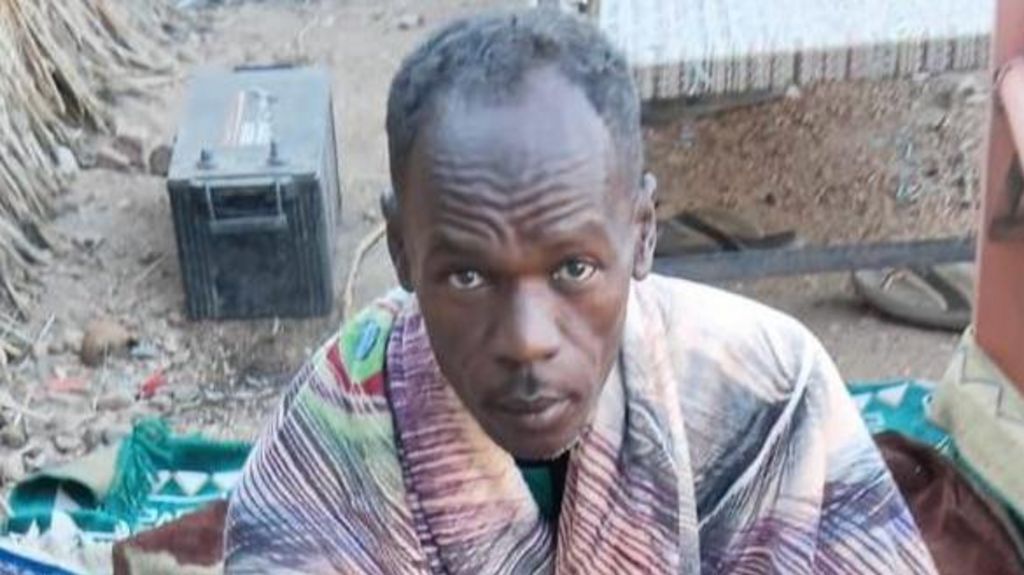
    The Bangladesh Coast Guard told AFP that one of its patrol vessels pulled nine survivors from the water on April 9, though the exact timing of the capsizing remains unconfirmed. One of the survivors, 40-year-old Rafiqul Islam, described his harrowing experience of drifting adrift for nearly 36 hours before rescue, saying he suffered severe burns after being exposed to oil that leaked from the sinking vessel. He told reporters that the prospect of securing stable employment in Malaysia was the key factor that convinced him to undertake the risky crossing.

    This tragedy comes amid a years-long humanitarian crisis that has forced hundreds of thousands of Rohingya, a predominantly Muslim ethnic minority from Myanmar, to flee their homes. Since a brutal military crackdown in 2017, more than 700,000 Rohingya have crossed the border into Bangladesh, where they are hosted in sprawling refugee camps. Rohingya people are constitutionally denied citizenship in Myanmar, a Buddhist-majority nation, leaving them effectively stateless with no access to basic rights or protection in their home country.

    While Bangladesh has provided refuge to the displaced population, dire living conditions in the overcrowded camps, combined with shrinking international humanitarian funding and ongoing violence in Myanmar’s Rakhine State, have eliminated most hope of a safe voluntary return home in the near future. These pressures have pushed growing numbers of refugees to attempt dangerous irregular sea crossings to neighboring Malaysia, which many see as a potential safe haven in the region.

    Irregular migrant vessels operating this route are almost always small, severely overcrowded, and lack basic necessities including clean drinking water, sanitation, and emergency safety equipment. The crossings are consistently deadly: many vessels never reach their destination, with passengers dying of exposure, dehydration, or shipwreck. Those who do complete the crossing are often detained and deported, while many others are turned away by authorities or coastal communities in Malaysia and Indonesia. Most recently in January 2025, Malaysian authorities turned away two boats carrying approximately 300 refugees after providing only limited emergency food and water.

    One Rohingya refugee based in Bangladesh’s Cox’s Bazar, the site of the world’s largest Rohingya refugee camp, previously explained to Reuters the desperate logic driving these journeys. “People are dying in the fighting, dying from hunger. So some think it’s better to die at sea than to die slowly here,” they said.

    In their joint statement, the UN High Commissioner for Refugees (UNHCR) and the International Organization for Migration (IOM) framed the Andaman Sea disaster as a tragic symptom of a larger unresolved crisis. “This tragic incident reflects the dire consequences of protracted displacement and the absence of durable solutions for the Rohingya,” the statement read. The agencies called on the international community to immediately increase and sustain funding to support Rohingya refugees and their host communities in Bangladesh, and renewed calls for urgent action to address the root causes of displacement inside Myanmar. As Bangladesh prepares to mark its new year, the agencies said the disaster is a stark reminder of the urgent need to create conditions that allow Rohingya refugees to return to their home country voluntarily, safely, and with dignity.

  • Almost half of Sudan’s lifesaving kitchens have closed in last six months

    Almost half of Sudan’s lifesaving kitchens have closed in last six months

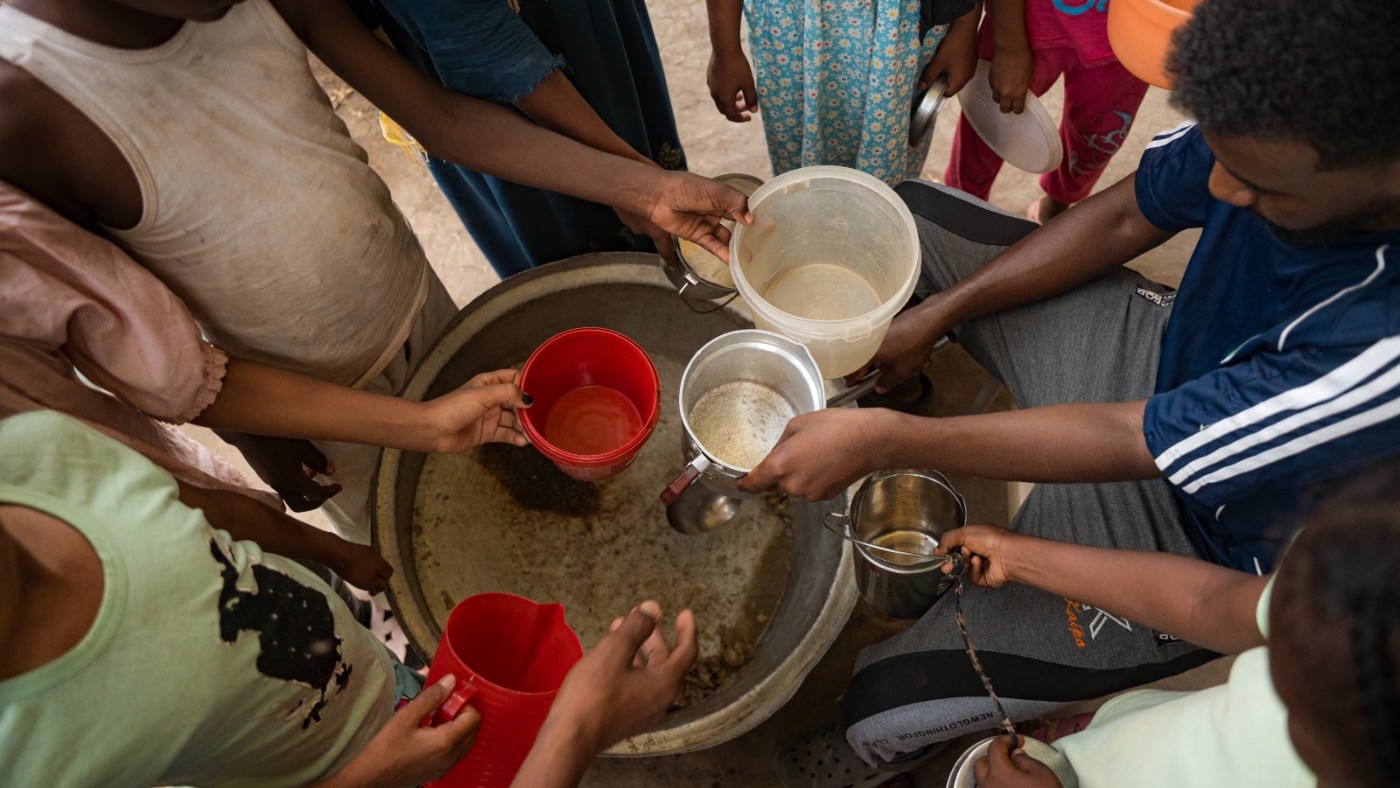
    Three years into Sudan’s brutal civil conflict, a new study from global humanitarian organization Islamic Relief has revealed a devastating collapse of the country’s grassroots food safety net: nearly half of all community-run lifesaving kitchens, known locally as takaaya, have shuttered their doors in just six months, driven by plummeting international support and economic spillover from the US-Israeli war on Iran.

    Takaaya, operated by local Sudanese mutual aid networks, have emerged as the last line of food assistance for millions of civilians trapped by ongoing fighting between the Sudanese Armed Forces (SAF) and the Rapid Support Forces (RSF) since the conflict erupted in April 2023. To assess the state of these critical operations, Islamic Relief conducted a large-scale survey of 844 takaaya across six Sudanese states, confirming that 354 kitchens – 42% of the total sampled – have ceased operations due to crippling shortages of funding and essential supplies.

    The collapse of the community kitchen network comes as Sudan grapples with what the UN calls the world’s largest hunger crisis. Data from the survey and humanitarian agencies confirms that 21 million Sudanese – 45% of the entire population – currently face acute food insecurity, a crisis amplified by mass population displacement, deliberate attacks on agricultural lands, and blockades of key trade routes. Over the past month alone, the US-Israeli war on Iran has upended global supply chains and sent costs soaring across Sudan: fuel prices have jumped by 187% in recent weeks, adding further unsustainable pressure on already strained aid operations.

    The humanitarian catastrophe is compounded by a growing humanitarian tracking crisis: the International Committee of the Red Cross (ICRC) announced this week that the number of people registered as missing in Sudan has surpassed 11,000, marking a 40% increase in just 12 months. To date, the conflict has displaced more than 11 million Sudanese, with many forced to flee multiple times as frontlines shift; 4 million of those displaced have sought refuge across international borders, and thousands more have been killed since fighting began.

    As the conflict enters its fourth year with no sign of de-escalation, international mediators are convening a high-level conference in Berlin on Wednesday – the third anniversary of the outbreak of war – hosted by Germany, the African Union, France, the European Union, the UK and the US. Notably, neither the SAF nor the RSF have been invited to the conference, and no official delegations from the two warring parties will attend. The two sides remain deadlocked, with the RSF and its allied factions controlling Darfur in western Sudan, and the SAF holding most of the rest of the country, each backed by competing regional and international patrons. The United Arab Emirates is the primary military and financial backer of the RSF, led by General Mohamed Hamdan Dagalo (known as Hemedti), with exclusive reporting from Middle East Eye last week confirming additional support from Ethiopia, operating from a military base in the country’s Benishangul-Gumuz region. The SAF, led by General Abdel Fattah al-Burhan, draws its core support from Egypt and Turkey, and has increasingly gained backing from Saudi Arabia, which is engaged in a regional rivalry with the UAE.

    Humanitarian organizations, aid groups and human rights advocates have issued urgent calls to the governments gathering in Berlin, demanding two key actions: ramp up immediate support for local Sudanese aid groups, and hold parties responsible for human rights abuses accountable. “It is imperative that attending states prioritize the needs of Sudanese civilians over geopolitical interests,” said a Human Rights Watch spokesperson, echoing calls from the British Red Cross and Sudanese Red Crescent for all warring parties to strictly adhere to international humanitarian law, amid ongoing attacks on civilian infrastructure, residential areas and humanitarian workers.

    Unlike large international aid operations, takaaya are rooted in local communities: most operate out of mosques, community centers or private family homes, and work hand-in-hand with Sudan’s Emergency Response Rooms (ERRs) – grassroots mutual aid networks that have led the country’s humanitarian response from the earliest days of the war, earning Nobel Peace Prize nominations in both 2024 and 2025.

    For the millions of Sudanese who rely on these kitchens, they are far more than a source of food: they are the only thing keeping many alive. Osama Abdulkafi Mubarak, a chef at a surviving takaaya, told Islamic Relief his kitchen feeds 200 to 250 families every single day. “We usually cook beans ‘foul’ for breakfast, and lentils, pasta and rice for lunch…. It depends on whatever is available on the day. It is very important, it is their main meal,” he said. Mubarak explained that the funding streams that supported kitchens early in the war have entirely dried up. “The main donors who used to pay for takaaya at the beginning of the war have stopped,” he said. “People were more enthusiastic to support. They were willing to help more, but now money is much less, and even people working on the takaaya are suffering because they also have a lot of other responsibilities, and life is tough. I personally think the situation is worse now, especially after this American, Israeli, Iranian war. The economic situation is worse. Overall, it’s worse than before.”

    Mohammed Sulaiman Hilal, a community kitchen beneficiary who relies on the service for daily food, called the takaaya irreplaceable for Sudanese civilians. “Without those community kitchens, life wouldn’t have been possible; people wouldn’t have been able to come back to their areas,” he said. “Most people don’t have jobs, life is stagnated, there is no source of income, most people are fully dependent on takaaya. Without takaaya’s presence there won’t be any humans left.”

    Grassroots aid groups in Sudan have long struggled to secure consistent international funding. While they received limited U.S. funding toward the end of Joe Biden’s presidency, all U.S. support was cut when USAID programs were eliminated under the second Trump administration, leaving groups almost entirely dependent on donations from the Sudanese diaspora and local community giving – streams that have now collapsed amid the country’s deep economic crisis. Rampant inflation has doubled the cost of producing a single meal, pushing most kitchens over the edge. In Khartoum, one volunteer reported that the cost of one meal has more than doubled in six months, jumping from $5 to nearly $12. In Port Sudan, volunteer Alaa saw her kitchen go from feeding 4,000 people a day to total suspension when funding ran out. “When we had to close that kitchen, it felt like abandoning my own family,” she said.

    Islamic Relief’s survey found stark regional variations in kitchen closures, reflecting the uneven impact of the conflict across the country. In North Darfur, where more than half of all children suffer from acute malnutrition, 57% of surveyed kitchens have closed. In Tawila, a destination for thousands of people who fled the RSF capture of el-Fasher, young volunteer-run kitchens are often forced to close for days between the rare incoming donations. Even in Port Sudan, one of the country’s relatively more stable cities under SAF control, six out of seven surveyed kitchens have closed. The only exception is North Kordofan, a site of recent active fighting, where almost all kitchens remain open, sustained by local volunteer efforts.

    Iftikhar Shaheen, global CEO of Islamic Relief, called the collapse of Sudan’s community kitchen network a collective failure of the international community. “The suffering in Sudan is a collective moral failure of the international community. Three years of war have created the world’s biggest hunger crisis, and these locally run kitchens have saved countless lives,” Shaheen said. “Their closure now is a death sentence for many vulnerable families. Heroic volunteers are doing everything they can to keep the kitchens open, but they need more support immediately.”

    The scale of underfunding extends to formal UN-led aid efforts: the 2026 UN humanitarian appeal for Sudan has received only 16% of its total requested funding, while last year’s appeal received less than 40% of the amount needed to meet civilian needs.

  • Three years of messages at once – a chronicle of Sudan’s war pours in as trapped reporter’s phone turns on

    Three years of messages at once – a chronicle of Sudan’s war pours in as trapped reporter’s phone turns on

    On April 15, 2026, Sudan’s devastating civil war marks the end of its third year and slides into a fourth year of unrelenting violence – a milestone that survivor and journalist-academic Mohamed Suleiman says is a damning indictment of global failure to end the crisis.

    Suleiman’s journey to safety in the coastal city of Port Sudan, which he completed in January 2026 after a two-month trek through Chad, ended three years of entrapment in el-Fasher, the capital of Sudan’s western Darfur region. For 18 of those years, el-Fasher was held under a brutal tight siege by the Rapid Support Forces (RSF), the paramilitary group that has been locked in a power struggle with Sudan’s regular army since the war first erupted in Khartoum in April 2023. Cut off from all outside contact by a total communications blackout, Suleiman found himself unable to share the full horror of what he watched unfold on the city’s streets.

    It was only when he stepped into a Port Sudan telecom office in January that he reconnected to the digital world, a moment that brought immediate, overwhelming tears. “Throughout the past three years, my phone was silent. After I inserted the SIM card, my tears flowed,” he told the BBC. Three years of unread messages flooded his device, each one a record of staggering loss: updates of colleagues killed in the violence, desperate pleas from friends begging for confirmation he was still alive. He recalled one caller who refused to believe he had survived until they spoke via video call, breaking down in tears when the connection confirmed Suleiman was alive.

    For Suleiman, the silence of the blackout was nearly as deadly as the open violence of the war. “It was a suffocating feeling because I was watching systematic killings through drone strikes and bombs or deadly killing through the tight siege” imposed by the RSF, he said. When the RSF finally seized full control of el-Fasher in October 2025, he described the scene as nothing less than “the Day of Judgment on Earth.”

    The fall of el-Fasher stands as one of the war’s most brutal chapters. The conflict, sparked by a falling-out between the army and its former ally the RSF, quickly spread from Khartoum across the country, with Darfur emerging as the epicenter of some of the worst violence. As the war enters its fourth year, Sudan has been effectively partitioned into separate territories held by the two warring parties. More than 12 million Sudanese have been displaced, creating the world’s worst active humanitarian crisis, with millions scattered across refugee camps inside the country and across neighboring borders.

    Civilians trapped in el-Fasher during the siege endured unthinkable conditions: a UN-backed food monitor officially declared famine in the city as food and water supplies dwindled to nothing. When the RSF advanced to take full control of the city, the chaotic escape attempt that followed left dead children abandoned in streets, and starving women too weak to carry their own children forced to leave them by the roadside. “You cannot do anything. So you step over them, jump over them, cry, and continue walking,” Suleiman recounted.

    Countless dead and injured were left abandoned along the road to the nearby safe haven of Tawila, a tragedy Suleiman says could have been mitigated if only trapped residents had been able to call for outside help. He argues the full scale of what unfolded in el-Fasher remains unknown to the global public and even to Sudan’s transitional government, because the communications blackout and danger faced by journalists prevented any accurate, widespread reporting from the city.

    Both warring sides have been accused of systematic war crimes, including mass civilian casualties from airstrikes and drone attacks. The RSF has acknowledged that isolated individual violations took place during the takeover of el-Fasher but claims these are under investigation and argues that the scale of atrocities has been exaggerated by its political opponents.

    Communications infrastructure in el-Fasher collapsed almost immediately after the war began, damaged by fighting and crippled by fuel shortages that cut power to the entire city. The blackout was solidified once the RSF laid full siege to the city in May 2024. A small number of residents managed to smuggle in Starlink satellite internet devices, but the hardware was prohibitively expensive, restricted by the army when it controlled the city, and immediately confiscated by the RSF if discovered. Journalists who managed to access satellite connections faced deadly accusations of espionage from both sides: the RSF claimed users worked for foreign security agencies, while the army accused journalists of acting as enemy target spotters to direct artillery fire. These risks silenced most attempts to get news out of the city.

    Suleiman himself nearly died in the siege: in July 2025, an artillery shell landed less than two meters from him as he walked home. He escaped unharmed, but lay trapped on the ground for half an hour, unable to call for any help even if he had been injured. Drones patrolled the skies constantly, and even turning on a disconnected phone to check the time put users at risk, as the screen light could draw targeted fire. Residents were forced to hide for hours at a time under beds, in trenches, or in makeshift shelters during heavy shelling, sweltering in extreme heat, unable to speak or share their situation with the outside world. “You remain silent, unable to speak. And you cannot convey what you are seeing,” he said.

    Amid the daily horror, Suleiman says residents clung to their faith, gathering to read the Quran in between rounds of shelling, moving from room to room to avoid incoming fire. When he finally arrived in Port Sudan, the military-backed government’s de facto headquarters for most of the war, he prostrated himself at the airport and cried, unable to believe he had reached safety.

    Even in safety, however, Suleiman has faced new struggles. He lost all his official identification documents during his escape, and navigating Sudan’s bureaucracy to replace them has been a grueling, weeks-long process. He notes that special procedures for war survivors announced by officials have failed to materialize, pointing out that the requirements for witnesses and family verification leave many displaced survivors with no path to restore their identity documents. He is calling on the government to issue free replacement identification to all people fleeing conflict zones.

    Now reconnected to the global world, Suleiman says the world has failed Sudan at every turn. He is scathing in his criticism of international bodies and global powers, arguing that ongoing diplomatic efforts to end the war have achieved nothing. US-led diplomatic initiatives have collapsed entirely, while both warring sides continue to receive military backing from competing regional powers that allow the fighting to continue. A September 2025 peace plan drafted by the Quad grouping – the U.S., Saudi Arabia, the United Arab Emirates and Egypt – has stalled completely, and current efforts by U.S. envoy Massad Boulos to negotiate even a limited humanitarian ceasefire have yet to deliver results.

    The UN’s 2026 humanitarian appeal for Sudan, which totals $2.87 billion, has only received 16.2% of its required funding to date, leaving aid organizations unable to meet the overwhelming need for food, medical care and shelter across the country. Humanitarian access is also blocked by ongoing fighting and bureaucratic restrictions imposed by both the army and RSF.

    Today, Sudan is a fragmented nation, its people scattered across borders and displaced within its own territory. For Suleiman, however, telling the story of what happened to el-Fasher and its people gives him a clear purpose. “There are events that happened that no-one is left to narrate, and the memory remains only with us… until we die, we will convey the truth to correct the situation for the next generation, so they live dignified and honoured in their homeland,” he said.

  • Trump hints Iran talks could resume this week as US port blockade continues

    Trump hints Iran talks could resume this week as US port blockade continues

    Nearly two months after Iran came under coordinated air strikes from the United States and Israel, the region remains at a dangerous geopolitical crossroads, with a new US naval blockade of Iranian ports threatening to upend a fragile two-week ceasefire and raise the stakes for upcoming diplomatic talks.

    The current crisis traces back to collapsed weekend negotiations hosted in Islamabad, Pakistan, that failed to bridge deep divides between Washington and Tehran, primarily over the future of Iran’s nuclear program. In the wake of the failed talks, US President Donald Trump ordered the full enforcement of a maritime blockade targeting all commercial traffic entering or exiting Iranian coastal areas, a move designed to cut off two of Tehran’s most critical revenue streams: crude oil exports and shipping tolls collected for passage through the Strait of Hormuz. As of Tuesday, more than a dozen US warships and roughly 10,000 American military personnel are deployed to enforce the blockade.

    US Central Command, which oversees American military operations across the Middle East and Central Asia, confirmed that in the first 24 hours of the blockade going into effect, six commercial merchant vessels complied with US orders to turn back toward Iranian ports. But independent verification by BBC Verify’s ship-tracking analysis tells a more complicated story: at least seven vessels, four linked directly to Iranian shipping interests and three foreign-flagged ships, successfully crossed the Strait of Hormuz despite the US operational order.

    The military escalation has thrown the future of the existing two-week ceasefire, which is scheduled to expire next week, into serious question. Even so, there have been tentative signals from multiple stakeholders that negotiations between the US and Iran could restart as soon as this week. In an interview with the *New York Post*, President Trump suggested that a resumption of talks was likely within 48 hours, noting that US negotiators remain positioned in the region to reconvene. “You should stay there [Islamabad], really, because something could be happening over the next two days, and we’re more inclined to go there,” Trump told the outlet.

    United Nations Secretary-General António Guterres has also voiced cautious optimism, saying he considers it “highly probable” that talks will get back on track. Separate anonymous official sources from Gulf states, Pakistan and Iran confirmed to Reuters that both US and Iranian negotiating teams are expected to return to Islamabad later this week, though a firm starting date has not yet been finalized. Tehran has not yet issued an official public response to Trump’s latest remarks on restarting talks.

    The core sticking point that derailed the previous round of talks remains Iran’s nuclear program. A senior US official told CBS News, a partner outlet of the BBC, that Washington has demanded a 20-year full suspension of all Iranian uranium enrichment activities. But Tehran has only offered a five-year halt to enrichment, according to sources cited by other US media outlets, leaving a significant gap between the two sides’ opening positions.

    The economic fallout of the ongoing standoff has already rippled through global commodity markets. For weeks, the conflict has disrupted global energy supplies, after Iran effectively closed the Strait of Hormuz—one of the world’s most critical chokepoints for global oil and natural gas transportation—shortly after the February air strikes. On Tuesday, however, growing hopes that diplomatic talks would resume calmed volatile oil markets, pushing benchmark crude prices below the $100 per barrel threshold for the first time in recent weeks.

    Global powers have already begun weighing in on the US blockade, with starkly differing views. The International Monetary Fund has already warned that the protracted conflict could push the entire global economy into a recession, but US Treasury Secretary Scott Bessent defended the strategy in comments to the BBC, arguing that a “small bit of economic pain” is a reasonable tradeoff for long-term global security. China, a key diplomatic and economic partner of Iran, has taken a far harder line, calling the blockade “dangerous and irresponsible” on Tuesday and warning that it would only inflame regional tensions and irreparably damage the fragile ceasefire agreement.

    In a separate, unrelated development in regional diplomacy, Israel and Lebanon announced Tuesday that they will launch the first direct official negotiations between the two nations since 1993, following a day of talks in Washington DC. The talks stem from ongoing cross-border tensions triggered by Israeli air strikes targeting the Iran-backed militant group Hezbollah in southern Lebanon. Both sides described the initial meeting at the US State Department as a positive step: Lebanon’s ambassador to the US called the discussions “productive”, while his Israeli counterpart said the talks open a path to a “new era of peace.” A senior unnamed US official emphasized to the BBC that the Israel-Lebanon negotiations are completely separate from the ongoing US-Iran talks in Pakistan, with no overlapping agenda or linkage.