分类: world

  • Experts: Strike to have consequences for region, beyond

    Experts: Strike to have consequences for region, beyond

    The geopolitical landscape of the Western Hemisphere has been fundamentally altered following a unprecedented US military operation inside Venezuela, resulting in the capture of President Nicolas Maduro. South American experts are characterizing the weekend attack as a pivotal moment with profound implications for regional stability and international law.

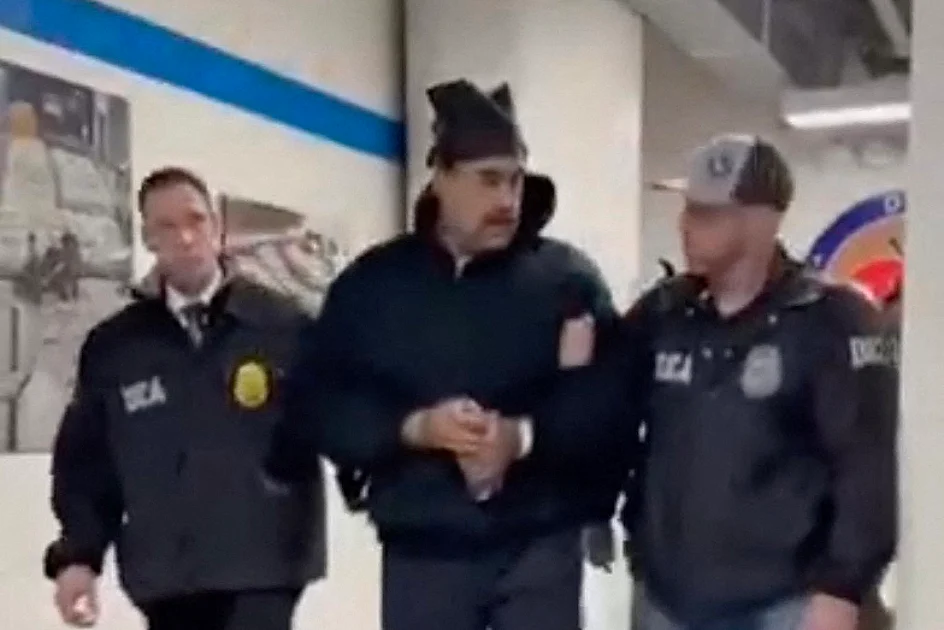
    According to reports, US forces conducted airstrikes early Saturday before detaining President Maduro and his wife. The Venezuelan leader was subsequently transferred to a New York detention facility, awaiting trial under the US judicial system on drug trafficking allegations that had escalated tensions between the nations for months.

    Jorge Heine, Chile’s former ambassador to China and current nonresident fellow at the Washington-based Quincy Institute, dismissed the official US justification linking the operation to narcotics enforcement. “Venezuela is neither a major drug producer nor a key transit country,” Heine stated, instead identifying two primary motivations: “To get US hands on Venezuelan oil, and to appeal to the Cuban and Venezuelan exile vote in Florida.”

    The political analyst warned that Maduro’s removal fails to address Venezuela’s internal crisis while potentially exacerbating uncertainty. He specifically questioned the practicality of Washington’s post-intervention plans, noting President Trump’s announcement that the US would now govern Venezuela.

    The operation has generated unease among governments throughout South America, with Heine cautioning that the precedent could have extensive regional repercussions. “This intervention will cause great damage to US standing in the region,” he predicted, suggesting it would accelerate calls for greater strategic independence among Latin American nations.

    Beyond hemispheric concerns, Heine emphasized the attack represents a severe blow to global governance structures. “This is a flagrant violation of international law and of the United Nations Charter,” he declared. “It constitutes a significant blow to the international legal order and multilateralism.”

    Nicaraguan political analyst Xavier Diaz-Lacayo echoed these sentiments, strongly condemning the military action and urging international response. “It is time to say enough,” he told Cuban news agency Prensa Latina, calling for firm condemnation of the aggression and demanding restitution for what he termed an assault on the international legal order.

    Diaz-Lacayo emphasized the need for Washington to respect international norms regarding self-determination, advocating for Maduro’s restoration to power. “The world must demand that the US handle international affairs according to the principles of peace and dialogue,” he asserted, noting that Venezuela’s right to sovereign control over its strategic resources, particularly oil, is being unjustly denied through accusations divorced from international legality.

    The analyst framed the US position as rooted in “the doctrine of Manifest Destiny and the Monroe Doctrine, aimed at securing strategic, economic, political and military interests in the region,” warning that global condemnation contrasts sharply with persistent US unilateralism.
  • Citizens shocked, traumatized amid port bombing

    Citizens shocked, traumatized amid port bombing

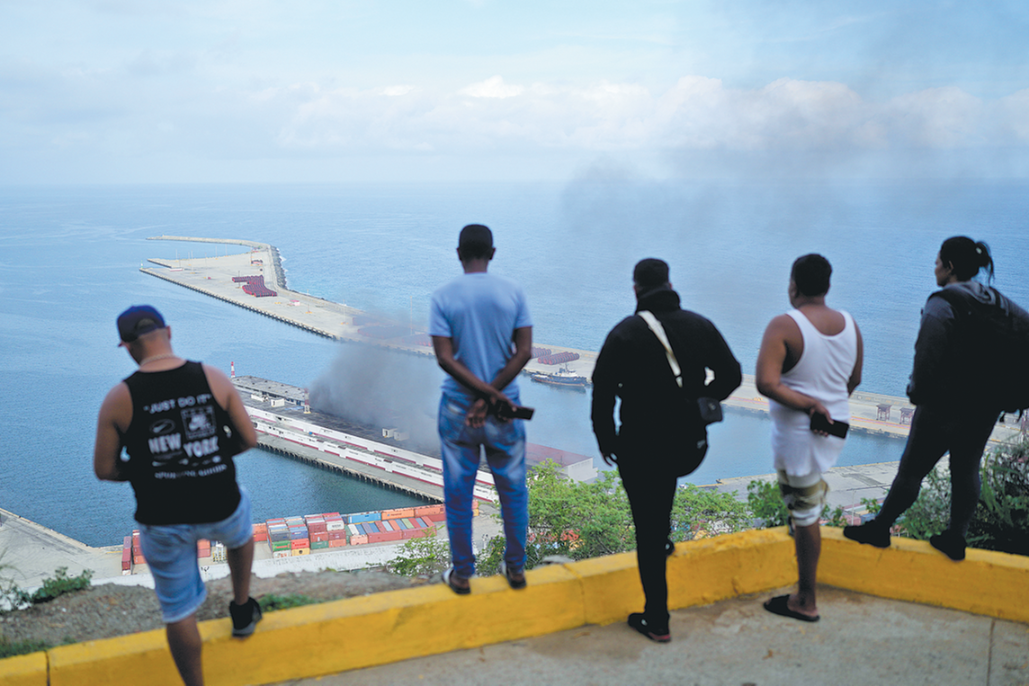
    The port city of La Guaira, Venezuela, remains shrouded in smoke and shock twelve hours after a United States military operation targeted the area. The pre-dawn strikes, part of a mission to capture and extract President Nicolas Maduro, left a landscape of devastation with deformed shipping containers, shattered public buildings, and roofless houses.

    Eyewitness accounts paint a picture of sudden terror and confusion. Alpidio Lovera, 47, described the immediate sequence of events: ‘First we saw the flash and then the explosion,’ he recounted, detailing how he fled with his pregnant wife to higher ground. The psychological impact was profound for many residents, with Linda Unamuno, 39, breaking into sobs as she recalled the nightmarish experience. ‘The blast smashed the entire roof of my house,’ she said. ‘I went out, that’s when I saw what was happening. I saw the fire from the airstrikes. It was traumatizing.’

    The operation, which US officials stated was designed to clear landing paths for helicopters, resulted in no reported casualties in La Guaira. Emergency crews worked throughout the day, with firefighters using excavators to clear debris of broken glass and gnarled metal while armed police patrolled on motorcycles to prevent looting.

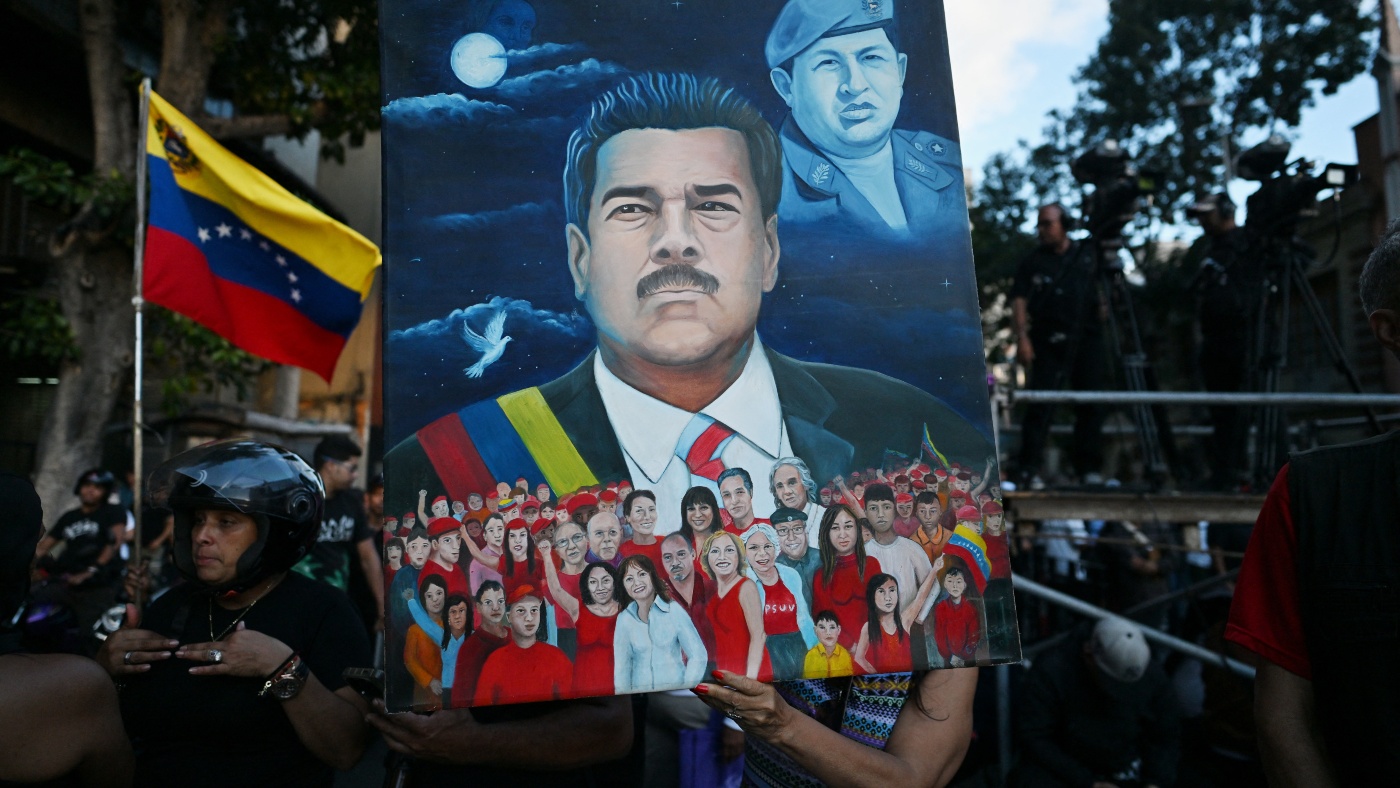
    In the capital city of Caracas, the atmosphere was described as eerily quiet despite small gatherings of Maduro supporters demanding his freedom. The rapid removal of a president who had maintained power through years of international sanctions left many citizens incredulous at the day’s events. Maria Eugenia Escobar, 58, told Agence France-Presse: ‘I felt the explosions lift me out of bed. In that instant I thought: ‘My God, the day has come,’ and I cried.’

    The military action has sparked both international concern and domestic protest. Katia Briceno, a 54-year-old university professor, joined demonstrations against what she termed US ‘barbarism,’ questioning the legitimacy of a foreign government removing a country’s leader. The operation marks a dramatic escalation in the long-standing political conflict between the United States and Venezuela, with immediate physical and psychological consequences for its citizens.

  • US attack on Venezuela: Death toll rises to 80 civilians and military personnel

    US attack on Venezuela: Death toll rises to 80 civilians and military personnel

    A dramatic US military operation has resulted in the capture of Venezuelan President Nicolas Maduro and a mounting death toll, plunging the South American nation into a severe political crisis and drawing sharp international condemnation. According to a senior Venezuelan official cited by The New York Times, the casualty count has reached 80, encompassing both civilians and security personnel, with warnings that the number may yet increase.

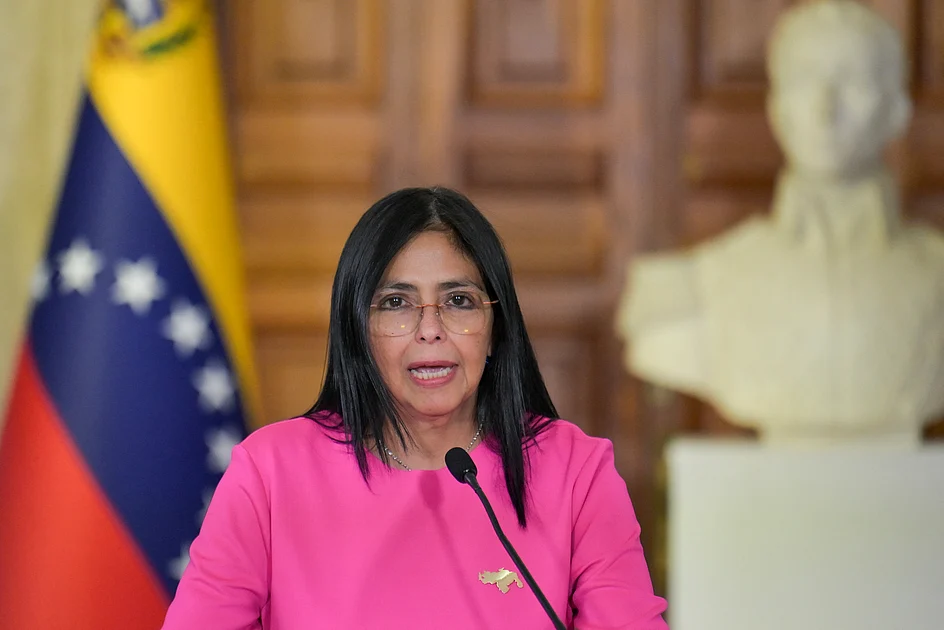
    The assault commenced early Saturday when US special forces extracted Maduro from the presidential palace in Caracas. The operation was supported by American fighter jets, which conducted airstrikes on key military installations across Venezuela. In the power vacuum, the nation’s Supreme Court swiftly decreed that former Vice-President Delcy Rodriguez would assume interim control of the government.

    From her new position, Rodriguez delivered a televised address condemning the US intervention, characterizing it as an act of foreign aggression with ‘Zionist undertones.’ She issued a stark warning, stating, ‘The extremists who have promoted armed aggression against our country – history and justice will make them pay.’

    The US action has fractured the international community. While several European nations expressed relief at Maduro’s removal, they simultaneously questioned the operation’s legality. Spanish Prime Minister Pedro Sanchez captured this dichotomy, stating, ‘Spain did not recognise the Maduro regime. But neither will it recognise an intervention that violates international law.’ Conversely, the assault was met with near-universal condemnation from neighboring South American countries, including Brazil, Colombia, and Chile.

    The geopolitical stakes are immensely high, centered on Venezuela’s vast oil reserves—the largest in the world, estimated at 303 billion barrels. Following the capture, US President Donald Trump explicitly linked the intervention to economic gain, telling reporters, ‘We’re going to be taking out a tremendous amount of wealth out of the ground,’ and promising American companies greater access.

    US Secretary of State Marco Rubio outlined a strategy of an oil ‘quarantine,’ enforced by US naval power, to cripple Venezuela’s primary industry and force compliance with American demands. He framed the action as necessary to counter adversarial influence, declaring Venezuela an ‘operating hub for Iran, for Russia, for Hezbollah, for China’ in the Western Hemisphere. The US intends to block these nations, particularly China—the primary recipient of Venezuelan oil exports—and Russia, a key financial and technical partner, from extracting regional resources.

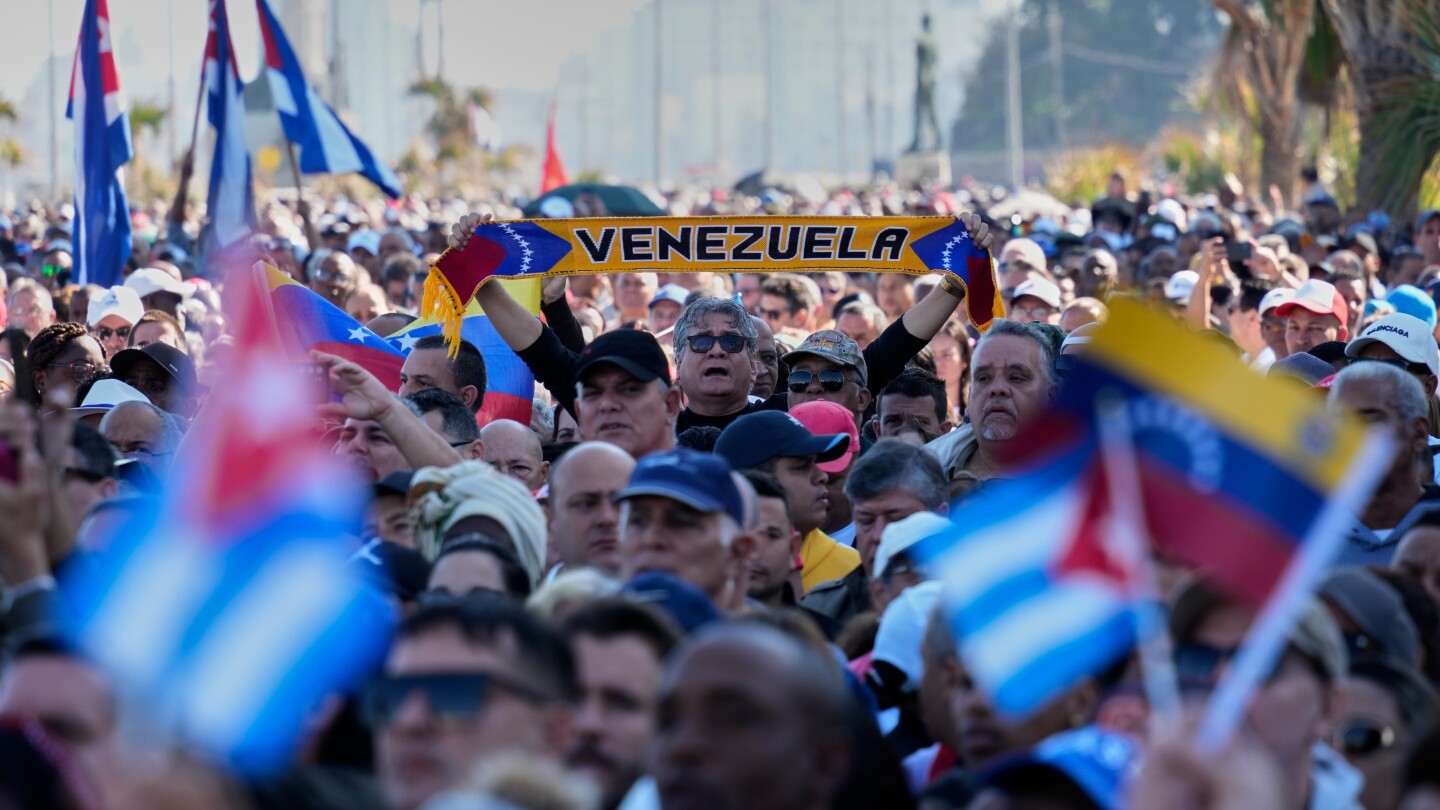
    The operation has triggered domestic unrest within Venezuela, with crowds of pro-government supporters marching through Caracas waving national flags and calling for unity against foreign aggression. Meanwhile, the move has been criticized as ‘illegal’ by US Democratic lawmakers, highlighting deep domestic political divisions over the administration’s aggressive foreign policy.

  • Latvia PM confirms damage to Baltic Sea optical cable connecting Lithuania

    Latvia PM confirms damage to Baltic Sea optical cable connecting Lithuania

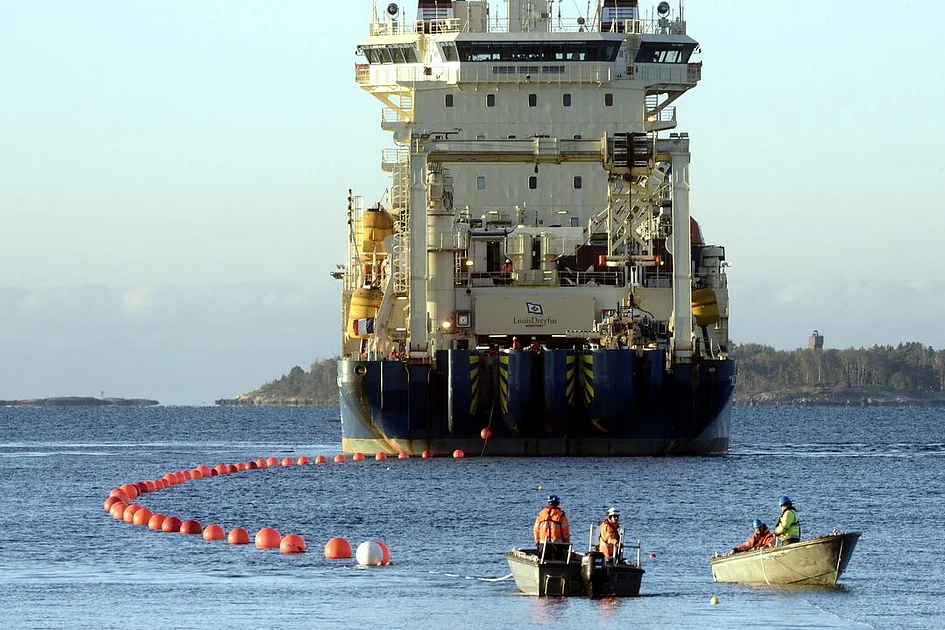
    Latvian Prime Minister Evika Silina has officially confirmed damage to a privately-owned optical submarine cable connecting Lithuania and Latvia in the Baltic Sea. The announcement, made on Sunday, January 4, 2026, has triggered immediate investigations into the circumstances surrounding this critical infrastructure failure.

    The incident occurs against a backdrop of heightened regional security concerns following multiple disruptions to energy and communication systems since Russia’s invasion of Ukraine in 2022. Lithuania’s National Crisis Management Centre has separately acknowledged the damage while emphasizing that the exact cause remains undetermined pending thorough investigation.

    This development follows closely on the heels of a significant maritime security operation five days prior, when Finnish authorities intercepted a cargo vessel traveling from Russia to Israel. The vessel was seized on suspicion of involvement in sabotaging an underwater telecommunications cable connecting Helsinki to Estonia through the Gulf of Finland.

    The Baltic Sea region has experienced a concerning pattern of infrastructure vulnerabilities, with previous incidents affecting power transmission cables, telecommunications links, and natural gas pipelines. In response to these escalating threats, NATO has substantially reinforced its maritime presence in the area, deploying additional frigates, surveillance aircraft, and naval drone capabilities to monitor and protect critical undersea infrastructure.

    The damaged optical cable represents part of the vital digital connectivity network that facilitates data transmission and communications between Baltic nations. While the immediate impact on telecommunications services remains under assessment, the incident underscores the growing vulnerability of subsea infrastructure to potential sabotage or accidental damage in increasingly tense geopolitical conditions.

  • Cuba says 32 Cuban officers were killed in US action in Venezuela

    Cuba says 32 Cuban officers were killed in US action in Venezuela

    HAVANA — The Cuban government has officially confirmed the deaths of 32 military and police officers during what it described as a U.S. military operation in Venezuela over the weekend. The announcement, delivered through state television on Sunday evening, marks the first official acknowledgment of significant casualties in an ongoing regional conflict.

    According to the Cuban statement, the officers were deployed on an official mission at the explicit request of Venezuela’s government, a long-standing ally of Cuba. The Caribbean nation has consistently provided military and police support to Caracas for years, though the specific nature of this recent operation remains undisclosed.

    The statement praised the fallen personnel, stating they ‘fulfilled their duty with dignity and heroism’ during what was characterized as ‘fierce resistance in direct combat against the attackers or as a result of the bombings of the facilities.’

    In response to the incident, U.S. President Donald Trump acknowledged the casualties during remarks to reporters aboard Air Force One on Sunday evening. ‘You know, a lot of Cubans were killed yesterday,’ President Trump stated. ‘There was a lot of death on the other side. No death on our side.’

    The Cuban government has declared two days of national mourning to honor the deceased officers, highlighting the significant impact of the losses on the island nation.

  • ‘Happy, excited, confused’: UAE-based Venezuelans react to Maduro’s capture

    ‘Happy, excited, confused’: UAE-based Venezuelans react to Maduro’s capture

    Venezuelan nationals residing in the United Arab Emirates have exhibited profoundly mixed reactions to the reported capture of President Nicolás Maduro by US military forces. The development has exposed deep fractures within the diaspora community, reflecting the polarized political landscape of their homeland.

    Alonso Morales, a 50-year-old former military officer now based in the UAE, described witnessing the news with overwhelming emotion. “We have been waiting for this moment for 25 years,” Morales stated, his voice trembling with intensity. Having departed Venezuela due to systematic political persecution, Morales recounted how his family members faced imprisonment and constant surveillance under successive administrations. He detailed how his educational background and intellectual capacity marked him as a subversive threat within the military hierarchy, ultimately compelling his exile.

    Conversely, music educator Glenangel Carrera articulated feelings of euphoric disbelief upon learning of Maduro’s apprehension. “This represents the initial stride toward justice and dismantling the regime,” Carrera expressed, though simultaneously acknowledging her conflicting emotions. Having emigrated in 2017 due to deteriorating economic and social conditions, she emphasized the severe consequences activists faced under Maduro’s governance, including arbitrary detention and lethal retaliation.

    Not all responses have been celebratory. Significant segments of the Venezuelan community, particularly government loyalists, have condemned the operation as an unlawful foreign intervention. These individuals have voiced apprehensions that Maduro’s capture could precipitate heightened instability, potentially triggering violent reprisals or creating a dangerous power vacuum.

    Regional analysts have characterized this unprecedented action against a sitting head of state as a dramatic shift in US foreign policy doctrine. Experts caution that this intervention may establish concerning precedents in international law while potentially exacerbating regional tensions and internal Venezuelan conflicts, rather than facilitating peaceful resolution.

  • Over 30 killed, several kidnapped in Nigeria

    Over 30 killed, several kidnapped in Nigeria

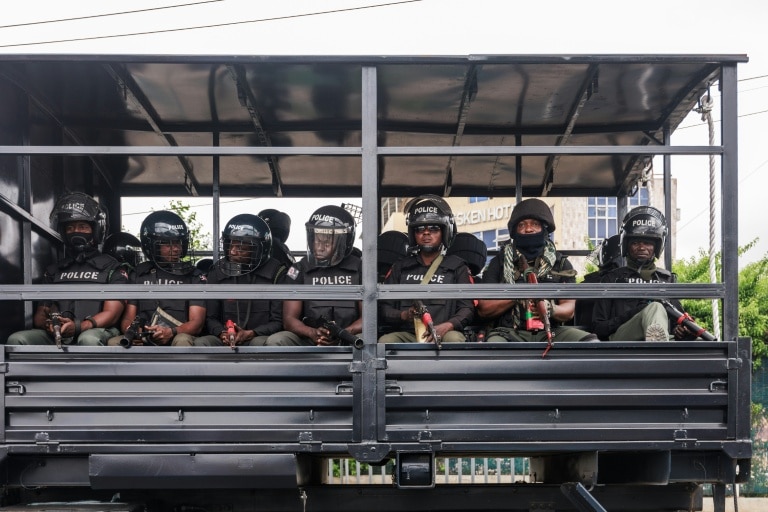
    A coordinated assault by armed militants on the village of Kasuwan Daji in Nigeria’s Niger State has resulted in a devastating death toll and multiple kidnappings, according to official statements. The attack, which occurred on Saturday, saw assailants set a local market ablaze and systematically loot shops for supplies before executing civilians. Niger State police spokesperson Wasiu Abiodun confirmed that over 30 individuals were killed, with an undisclosed number abducted during the raid. Contradicting this figure, local church authorities reported the death count exceeded 40, alleging that security forces were absent for hours during the bandits’ operation. Images verified by AFP depict victims with their hands bound behind their backs, indicating executions. President Bola Tinubu’s administration attributed the violence to terrorists potentially displaced by recent U.S. airstrikes in northwestern Nigeria targeting Islamic State-affiliated militants. Tinubu vowed that perpetrators and accomplices would face justice, emphasizing a renewed commitment to national security reforms, including increased defense allocations and recent ministerial changes. The incident underscores Nigeria’s escalating security crisis, where jihadist insurgencies, banditry, and inter-communal violence strain military resources nationwide. This attack occurred merely 20 kilometers from the site of November’s mass abduction of 250 students and staff from a Catholic school, highlighting the region’s persistent vulnerability.

  • US raid on Venezuela killed much of Maduro’s security team, says Defence Minister

    US raid on Venezuela killed much of Maduro’s security team, says Defence Minister

    Venezuela’s Defense Minister General Vladimir Padrino has confirmed that a significant portion of President Nicolas Maduro’s security detail was eliminated during a United States military operation that resulted in the leader’s capture on Saturday. The announcement came during a nationally televised address on Sunday morning, though precise casualty figures were not disclosed.

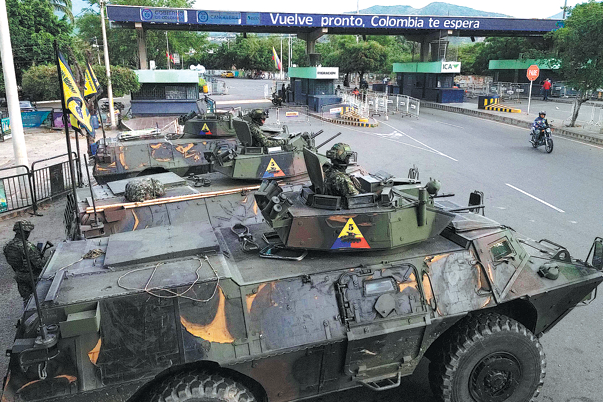
    In the wake of Maduro’s apprehension, Padrino formally endorsed Vice President Delcy Rodriguez as Venezuela’s interim leader. The defense minister further announced the full activation of the nation’s armed forces to protect territorial sovereignty and maintain constitutional order during this transitional period.

    The operation represents one of the most significant foreign interventions in Latin America in recent decades, with implications for regional stability and international relations. The Venezuelan military’s response suggests preparations for potential continued confrontations, while the political transition under Rodriguez marks a dramatic shift in the country’s leadership structure.

    International observers are closely monitoring developments as the situation continues to evolve, with particular attention to potential reactions from Venezuela’s allies and the broader implications for hemispheric security dynamics.

  • Venezuela military recognises Maduro’s VP Delcy Rodriguez as acting president

    Venezuela military recognises Maduro’s VP Delcy Rodriguez as acting president

    In a significant development following the extraction of former President Nicolas Maduro by US forces, Venezuela’s military command has formally recognized Vice President Delcy Rodriguez as the nation’s acting head of state. The announcement came on January 4, 2026, through an official statement from Defense Minister Vladimir Padrino López.

    The military’s endorsement aligns with a Supreme Court ruling that appointed Rodriguez to serve as interim president for a 90-day period. This constitutional transition mechanism was activated following the unexpected removal of Maduro, who was extracted by US special operations forces to face international charges.

    Minister Padrino’s statement emphasized the armed forces’ commitment to maintaining constitutional order and stability during this transitional phase. The military’s swift recognition of Rodriguez appears designed to project an image of institutional continuity despite the extraordinary circumstances surrounding Maduro’s removal.

    The development comes amid heightened tensions between Venezuela and the United States, with Caracas characterizing the extraction operation as a violation of international law. The military’s unified stance suggests a coordinated response from Maduro’s political allies to maintain control of the government apparatus despite the former president’s absence.

    International observers are closely monitoring whether Rodriguez’s interim administration will pursue policy changes or maintain Maduro’s political course during this ninety-day period. The military’s endorsement is seen as crucial for ensuring stability within Venezuela’s power structure during this unprecedented political transition.

  • Trump’s actions in Venezuela unlawful but consistent, says Russia’s Medvedev

    Trump’s actions in Venezuela unlawful but consistent, says Russia’s Medvedev

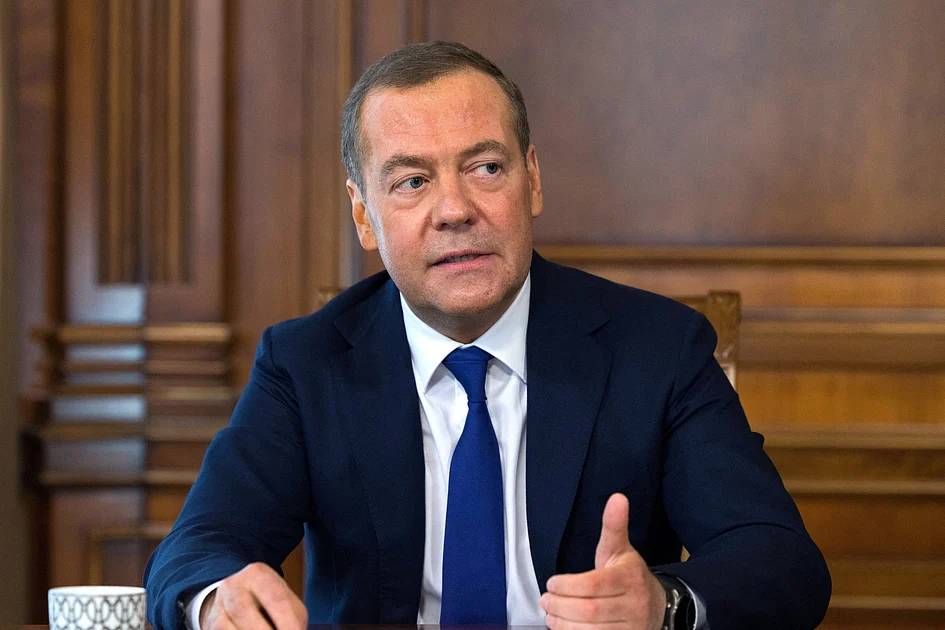
    Dmitry Medvedev, Deputy Chairman of Russia’s Security Council, has characterized former U.S. President Donald Trump’s interventions in Venezuela as unlawful yet strategically consistent with American foreign policy objectives. In statements reported by Tass news agency on Sunday, January 4, 2026, Medvedev asserted that while Trump’s actions violated international norms, they demonstrated a coherent approach to advancing national interests.

    Medvedev elaborated that the United States has historically treated Latin America as its strategic ‘backyard,’ with Trump’s administration particularly focused on securing control over Venezuela’s substantial oil reserves. ‘Uncle Sam’s primary motivation remains fundamentally straightforward—the acquisition of others’ resources,’ Medvedev stated, employing critical rhetoric to underscore his perspective.

    The Russian official further contended that similar interventions against a more militarily capable nation would likely be interpreted as acts of aggression. His comments reflect Moscow’s ongoing diplomatic friction with Washington regarding interventionist policies in regions with significant natural resources.

    This analysis emerges amid continued geopolitical tensions between Russia and Western powers, highlighting contrasting interpretations of international law and national interest defense. Medvedev’s position as both former Russian president and current security council official lends institutional weight to these remarks, which align with Russia’s broader criticism of American foreign policy in resource-rich regions.