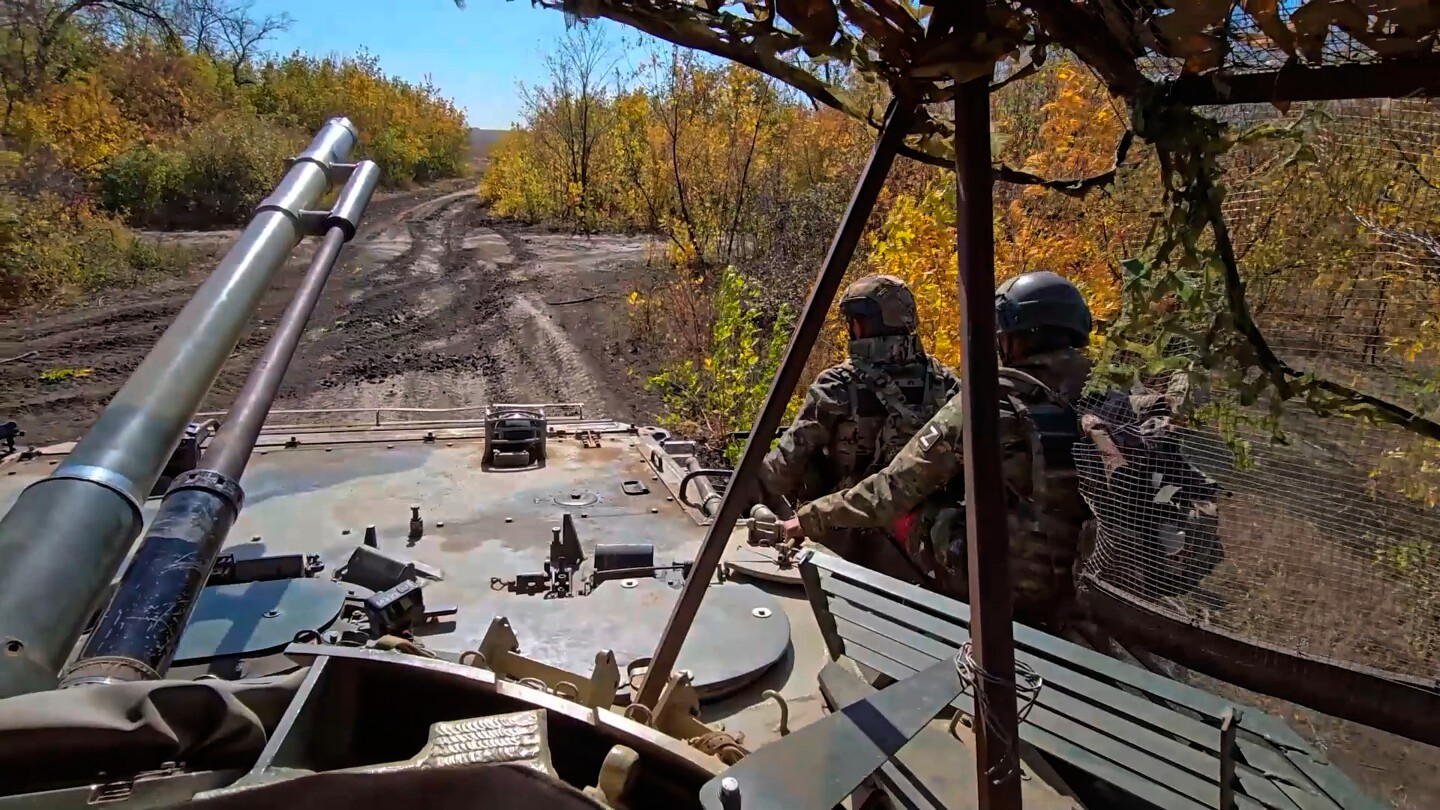
In a significant escalation of the ongoing conflict, Ukrainian military intelligence reported on Saturday that its forces successfully targeted a crucial fuel pipeline in the Moscow region, which plays a vital role in supplying the Russian army. The operation, carried out late Friday, was announced via the Telegram messaging channel by Ukraine’s Main Intelligence Directorate (HUR). The strike, described as a “serious blow” to Russia’s military logistics, destroyed the Koltsevoy pipeline near the Ramensky district. This pipeline, spanning 400 kilometers (250 miles), was responsible for transporting substantial quantities of gasoline, diesel, and jet fuel from refineries in Ryazan, Nizhny Novgorod, and Moscow to Russian military operations. According to HUR, the pipeline had an annual capacity of 3 million tons of jet fuel, 2.8 million tons of diesel, and 1.6 million tons of gasoline. Kyrylo Budanov, the head of HUR, emphasized the impact of the strike, stating, ‘Our strikes have had more impact than sanctions,’ referencing the international sanctions imposed on Russia following its full-scale invasion of Ukraine in February 2022. Meanwhile, Russia continues its relentless campaign of drone and missile attacks on Ukraine’s energy infrastructure, causing widespread power outages and restrictions. On Saturday alone, Moscow launched 223 drones at Ukraine, with 206 intercepted by Ukrainian defenses. Seventeen drones struck targets across seven regions, including a ballistic missile attack in southern Ukraine that killed one civilian and injured 15 others, including a child. Additionally, a Russian strike in the central Poltava region ignited a fire at a gas plant, further exacerbating the humanitarian crisis. The conflict shows no signs of abating, with both sides intensifying their military operations and targeting critical infrastructure.
分类: world
-
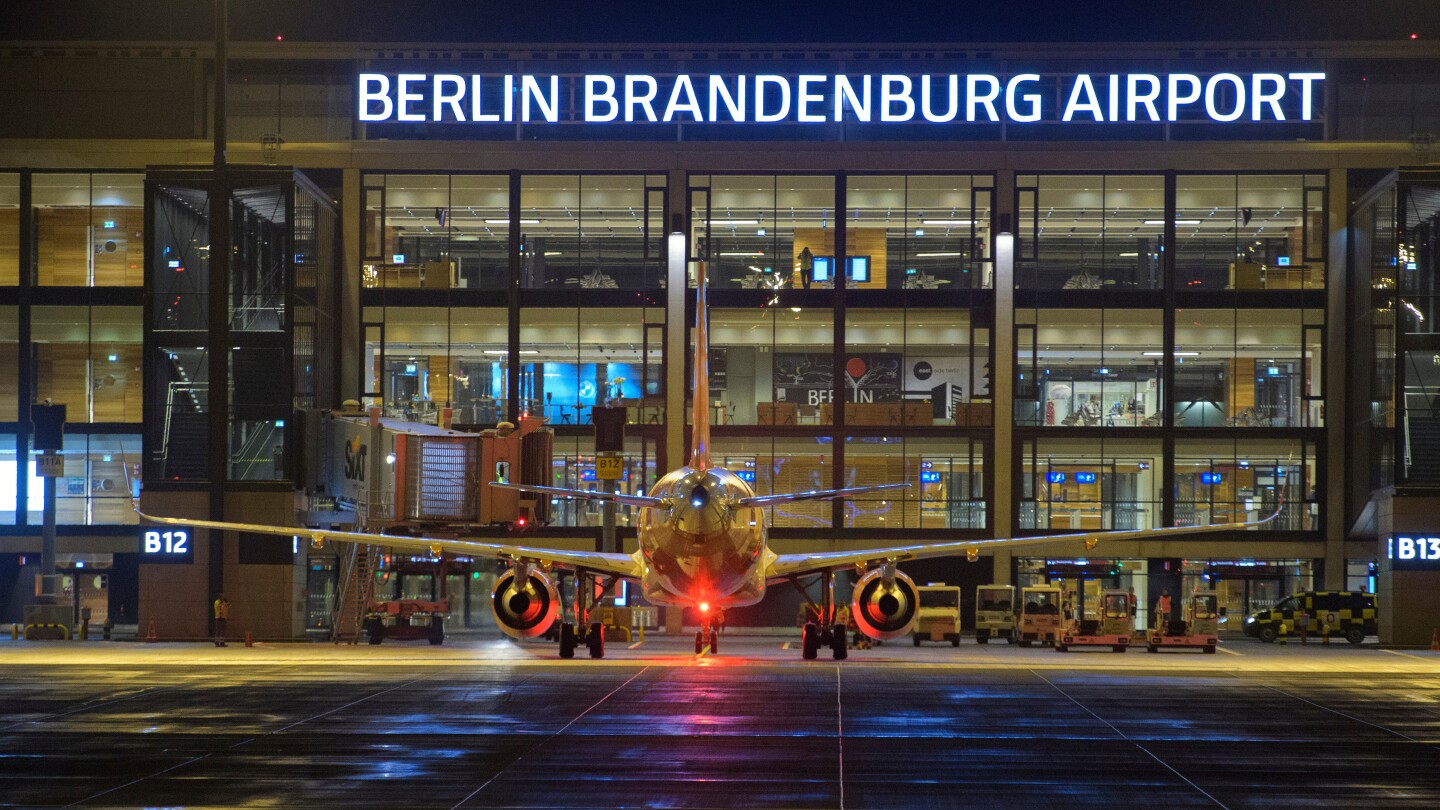
A drone sighting temporarily suspends air travel at the Berlin airport
Berlin Brandenburg Airport experienced a temporary suspension of flights on Saturday evening following a reported drone sighting, according to German news agency dpa. The disruption lasted nearly two hours, from 8:08 p.m. to 9:58 p.m. local time, before normal operations resumed by the next morning. Witnesses alerted local police, who confirmed the sighting but were unable to locate the drone. Neither airport officials nor police representatives provided immediate comments on the incident. This event occurs amid heightened security concerns across Europe, particularly after a surge in drone intrusions into NATO airspace in September. Some European officials have speculated that these incidents may be orchestrated by Moscow to test NATO’s readiness. Notably, Munich Airport faced similar disruptions last month, with two closures in less than 24 hours due to drone sightings. The repeated incidents have raised questions about the effectiveness of current defense mechanisms against such threats.
-
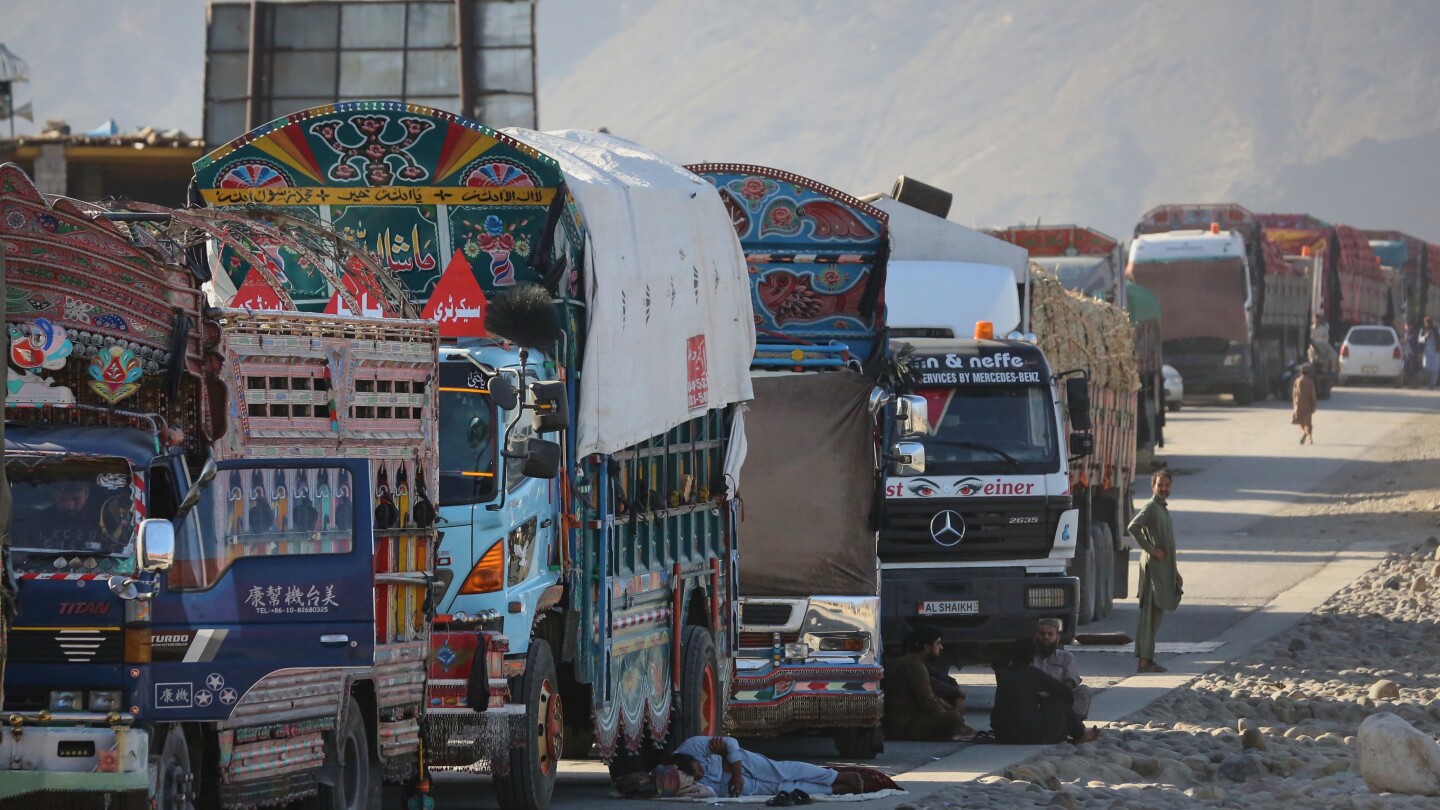
Pakistan partially reopens Torkham border crossing to allow Afghan refugees to leave
Pakistan has partially reopened the Torkham border crossing with Afghanistan, allowing thousands of stranded Afghan refugees to return home, officials confirmed on Saturday. However, restrictions on all other cross-border movements, including trade, remain in place. The border was closed on October 12 following deadly clashes between the two nations, which claimed dozens of lives on both sides. The nearly three-week closure left thousands of refugees and hundreds of trucks carrying goods stranded, disrupting vital trade routes. The reopening follows a ceasefire agreement reached after negotiations facilitated by Turkey and Qatar, aimed at preventing further escalation in the region. Since the ceasefire along the 2,611-kilometer Durand Line—a border Afghanistan has never formally recognized—no new exchange of fire has been reported. Thousands of refugees had been relocated to a temporary camp near the border, with many more waiting along the roadside. Despite the partial reopening, trade remains suspended. Local Afghan officials confirmed the gate was opened exclusively for refugees, with thousands expected to cross back into Afghanistan. The reopening comes amid heightened tensions, including Pakistan’s recent airstrikes on Pakistani Taliban hideouts in Afghanistan, which Afghan officials claim killed civilians. The ceasefire agreement, finalized in Istanbul on Thursday, follows a sharp rise in militant attacks in Pakistan, many claimed by the Pakistani Taliban, a group emboldened by the Afghan Taliban’s 2021 takeover of Kabul.
-

Supreme beauty that creates connections, bridges culture
Zhangjiajie, a UNESCO World Heritage Site in Hunan Province, China, has become a symbol of cultural connection between China and South Korea. Known for its stunning sandstone pillars and peaks, the Wulingyuan Scenic Area has captivated South Korean tourists, with over 340,000 visitors from South Korea in 2024 alone—a 21% increase from the previous year. The city’s unique appeal was further amplified by a popular South Korean drama, ‘When Life Gives You Tangerines,’ which featured a heartfelt promise to visit Zhangjiajie, sparking widespread interest on social media. To cater to this growing demographic, Zhangjiajie has introduced tailored services, including Korean restaurants and language training for local staff. The city’s efforts to attract young travelers include collaborations with influencers and enhanced online marketing. Beyond tourism, Zhangjiajie and Hadong County in South Korea have maintained a sister-city relationship since 2006, fostering cultural exchanges and mutual understanding. A recent exchange program saw a South Korean civil servant, Choi Sin-young, spend six months in Zhangjiajie, deepening her appreciation for Chinese culture and strengthening bilateral ties. The city’s commitment to fostering international friendships was highlighted by Chinese Foreign Minister Wang Yi, who praised a local bus driver’s heroic act in saving South Korean tourists as a testament to the enduring bond between the two nations.
-

Genuine human connections foster friendship between China, South Korea
Amid the bustling backdrop of the Asia-Pacific Economic Cooperation (APEC) meetings in Gyeongju, South Korea, the enduring friendship between China and South Korea is being nurtured through genuine human connections. Beyond the often divisive online narratives, the warmth of personal interactions tells a more profound story of bilateral ties. This sentiment was palpable during the APEC Economic Leaders’ Meeting, hosted by South Korea for the first time in 20 years, where discussions ranged from economic cooperation to cultural exchanges. Chinese President Xi Jinping’s state visit, his first in 11 years, further underscored the significance of this relationship. Local residents, like Park Jun-young and Kim Chang-soo, expressed hope that increased media coverage during APEC would help dispel misconceptions about China and foster regional peace. The cultural ties between the two nations were evident in everyday life, from Mandarin-speaking staff at Incheon Airport to the popularity of Chinese cuisine and TV dramas in Seoul. Economic collaboration also took center stage, with South Korean business leaders closely monitoring China’s advancements in AI and green technology. As South Korea prepares to pass the APEC chairmanship to China in 2026, the event symbolizes not just a diplomatic handover but a deepening of mutual understanding and shared aspirations for a united Asia-Pacific community.
-
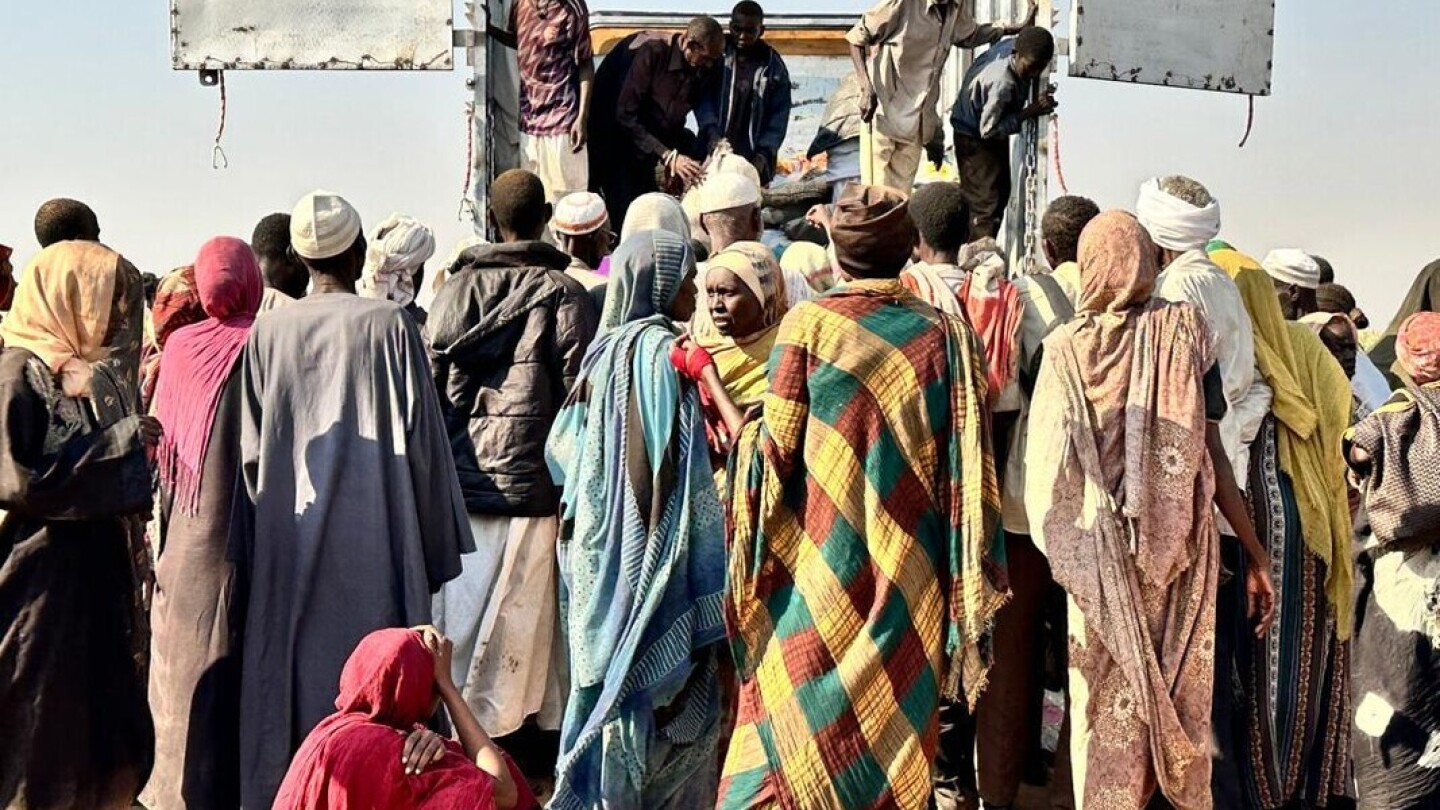
Top diplomats from Germany, Jordan and the UK call for an immediate ceasefire in Sudan war
In a unified and urgent appeal, the foreign ministers of Germany, Jordan, and the United Kingdom have called for an immediate ceasefire in Sudan, highlighting the catastrophic humanitarian crisis unfolding in the East African nation. The plea comes as the paramilitary Rapid Support Forces (RSF) seized control of el-Fasher, the last major city in Darfur, amid reports of widespread violence, ethnic killings, and sexual assaults. United Nations officials have confirmed that over 450 people were killed in a hospital attack, though the RSF denies involvement. Satellite imagery and social media footage, however, depict scenes of mass slaughter and devastation. Speaking at the Manama Dialogue security summit in Bahrain, British Foreign Secretary Yvette Cooper described the situation as a ‘truly horrifying’ humanitarian crisis, emphasizing the use of mass executions, starvation, and rape as weapons of war. German Foreign Minister Johann Wadephul echoed these concerns, labeling the crisis as ‘apocalyptic,’ while Jordan’s Foreign Minister Ayman Safadi criticized the international community for neglecting Sudan’s plight. The ministers stressed that no amount of aid can alleviate the suffering until the violence ceases. Meanwhile, Bahrain’s government revoked The Associated Press’s accreditation to cover the summit following a story on detained activist Abdulhadi al-Khawaja, who ended his hunger strike after receiving letters from the European Union and Denmark.
-
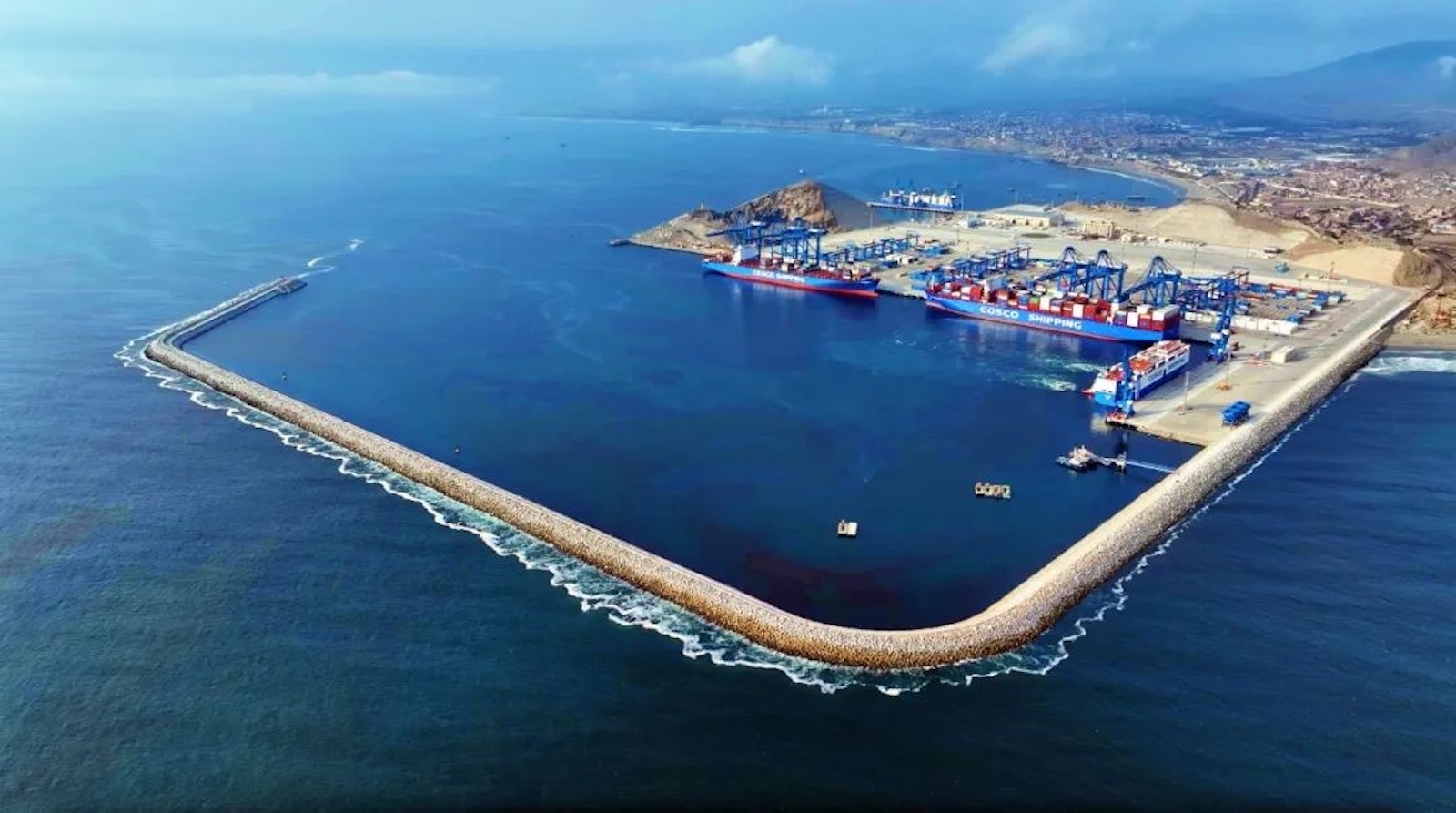
China’s new gateway into South America: the Port of Chancay
China has solidified its position as a formidable economic and strategic competitor to the United States in South America, particularly through its significant investments in the region’s infrastructure. A prime example of this is the $1.3 billion investment in the Port of Chancay, a state-of-the-art deepwater facility in Peru that became fully operational in November 2024. This port, majority-owned by the Chinese state-owned conglomerate COSCO Shipping, is the first on South America’s West Coast capable of handling ultra-large container vessels (UCLVs), which can carry between 18,000 to 24,000 shipping containers and require a depth of at least 16-17 meters. The Port of Chancay is expected to process 1-1.5 million shipping containers in its first year, with full capacity projected to reach 3.5 million in the coming years. This development not only deepens the trade relationship between South America and China but also reorients Pacific shipping networks away from traditional US ports like Los Angeles, Long Beach, and Oakland. The port’s strategic location and advanced technologies, such as fully autonomous cranes, reduce shipping times and costs significantly. For instance, the new corridor will cut the 35-day trip between China and Peru by 10 days, slashing costs by up to 20%. This shift has already begun to impact trade dynamics, with China announcing its first major shipping lane from Guangzhou directly to Chancay, bypassing North American ports entirely. The Port of Chancay is expected to enhance China’s influence over the region’s trade and infrastructure, further sidelining the US, which has increasingly isolated itself from the region. The US has been criticized for its insufficient response to China’s growing influence, offering little in terms of investment or viable alternatives to South American countries. The Trump administration’s implementation of tariffs has only pushed the region closer to China, which has established free trade agreements with major trading partners like Chile, Ecuador, and Peru. The Port of Chancay is not just a logistical hub but a symbol of China’s expanding economic and strategic footprint in South America, positioning Peru as the new focal point of Chinese trade in the region. As South American countries grow increasingly dependent on China for trade and infrastructure, the US must re-engage economically to counterbalance China’s influence, focusing on shoring up trade relationships and committing to impactful infrastructure investments.
-
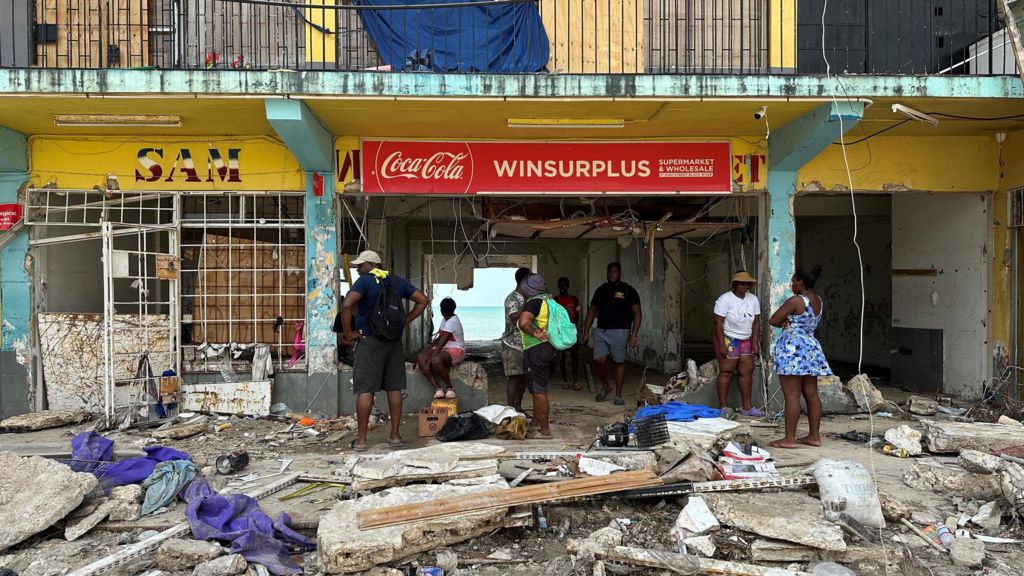
Scavenging for food in streets – desperation takes hold in Jamaica after hurricane
The aftermath of Hurricane Melissa has left the Jamaican port city of Black River in a state of utter devastation. As one of the most powerful Category 5 storms ever recorded in the Caribbean, Melissa unleashed fierce winds and a catastrophic storm surge that decimated nearly everything in its path. Roads are rendered impassable, buildings lie in ruins, and essential infrastructure, including hospitals and police stations, has been destroyed. Residents are now grappling with the dual challenges of survival and the search for missing loved ones.
-
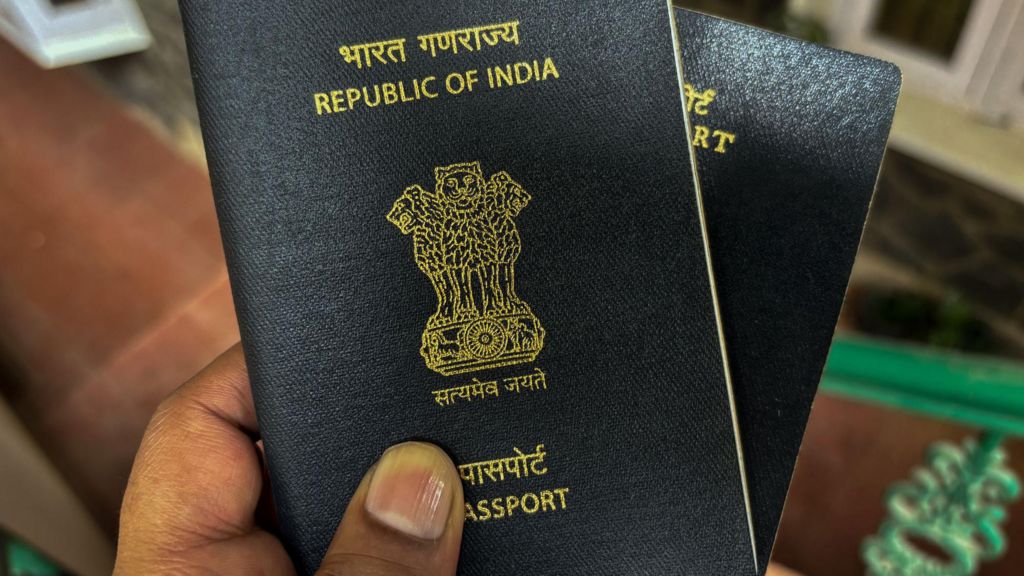
Why the Indian passport is falling in global ranking
India’s passport has been ranked 85th out of 199 countries in the 2025 Henley Passport Index, a global ranking system based on visa-free travel access. This marks a slight decline from its previous position, highlighting ongoing challenges for Indian citizens seeking international mobility. While the number of visa-free destinations for Indians has increased from 52 in 2015 to 57 in 2025, the country’s ranking has remained stagnant, reflecting a more competitive global landscape in travel partnerships and visa policies. For comparison, Singapore, South Korea, and Japan continue to dominate the index, offering their citizens visa-free access to 193, 190, and 189 countries, respectively. Meanwhile, India shares its 85th rank with Mauritania, an African nation with a significantly smaller economy. Experts attribute India’s stagnant ranking to factors such as political instability, immigration concerns, and cumbersome visa procedures. Achal Malhotra, a former Indian ambassador, notes that India’s historical political upheavals, including the Khalistan movement in the 1980s, have tarnished its global image. Additionally, issues like passport fraud and slow visa processing further hinder its progress. Despite these challenges, India has introduced technological advancements, such as the e-passport, which incorporates biometric data to enhance security. However, experts emphasize that diplomatic outreach and travel agreements remain crucial for improving India’s passport strength and global mobility.
-
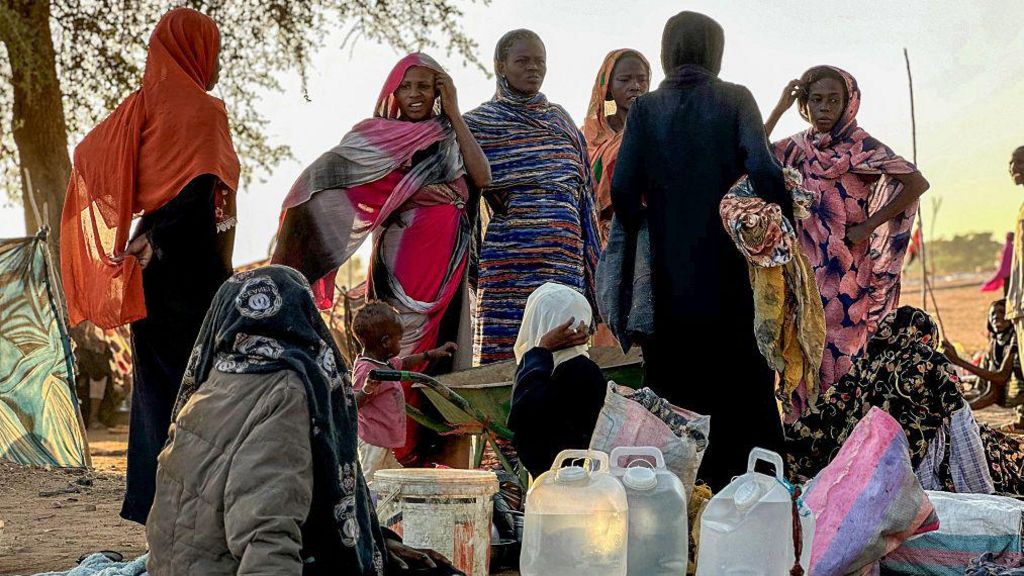
‘I was accused of spying and beaten’ – a boy’s escape from captured Sudan city
The western Sudanese city of el-Fasher has become a focal point of the ongoing civil war between the Rapid Support Forces (RSF) and the Sudanese army. Twelve-year-old Abdiwahab, whose name has been changed for safety, recently escaped the city after it fell to the RSF. In a video shared with the BBC, he recounts being assaulted multiple times by RSF fighters, who accused him of espionage. Separated from his family during the chaos, Abdiwahab walked 80 kilometers over three days to reach Tawila, a town offering relative safety. His story mirrors those of thousands of others fleeing el-Fasher, where the UN estimates 60,000 have escaped amid reports of atrocities, including rape and mass killings. Many survivors arrive in Tawila alone, traumatized, and in desperate need of aid. Ali, a volunteer aid worker who fled el-Fasher himself, filmed Abdiwahab’s account and is now helping new arrivals at a temporary camp. The situation remains dire, with aid agencies overwhelmed by the influx of displaced people, many of whom are unaccompanied minors or suffering from injuries and malnutrition. Despite the RSF leader’s admission of ‘violations’ and promises of investigation, the humanitarian crisis continues to deepen, leaving over 260,000 civilians, including 130,000 children, trapped in el-Fasher under famine-like conditions.