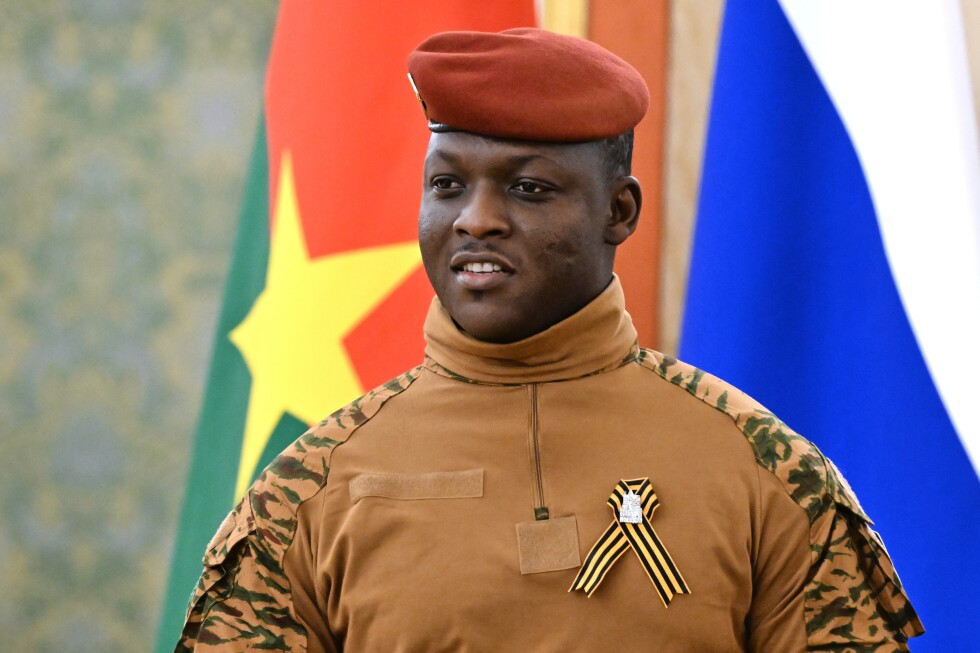
For years, the landlocked West African nation of Burkina Faso has stood at the epicenter of the Sahel region’s escalating security crisis, a conflict that has shattered communities and pushed millions into displacement. A new, sweeping 316-page investigation from Human Rights Watch (HRW) has uncovered damning new findings: between January 2023 and August 2025, Burkina Faso’s government forces killed more than twice as many civilians as extremist jihadist groups operating in the country, with both sides responsible for systematic war crimes and crimes against humanity.
分类: world
-
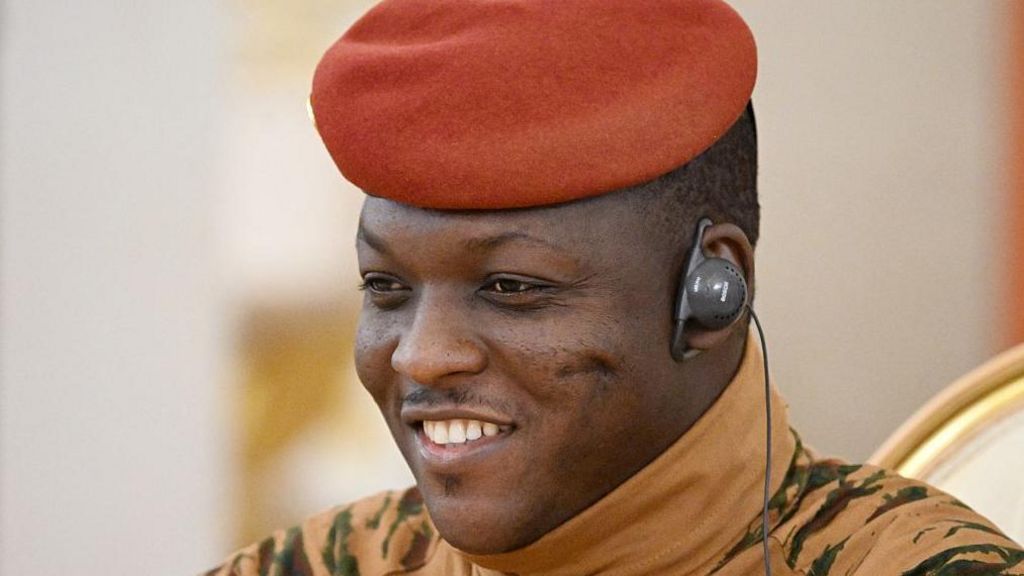
Over 1,800 killed since junta seized power in Burkina Faso, rights group says
Three years after Ibrahim Traoré seized power in a military coup in Burkina Faso, a damning new investigation from Human Rights Watch (HRW) has uncovered staggering civilian casualties, including allegations of systematic war crimes and crimes against humanity perpetrated by both state forces and armed jihadist groups. Between January 2023 and August 2025 alone, the rights organization documented 57 separate violent incidents that left 1,837 civilians dead, among them dozens of children. More than two-thirds of these deaths — 1,255 in total — are attributed to the Burkinabé military and its allied civilian militias, while the remaining killings are linked to Islamist insurgent groups active in the region.
The report’s most significant legal finding holds that Traoré and six senior military commanders may bear command responsibility for these grave human rights abuses, and recommends that all seven be formally investigated for their alleged roles. Five top jihadist leaders are also named as potentially culpable for violence against civilian populations. The BBC reached out to Burkinabé junta officials for comment on the new findings; authorities have repeatedly rejected past accusations of indiscriminate civilian killings by their forces.
When Traoré’s junta seized power in September 2022, ousting the interim military leader Paul-Henri Sandaogo Damiba who had taken power just nine months prior, its core stated justification was a promise to more effectively defeat a decade-long Islamist insurgency linked to al-Qaeda that has seized control of large swathes of Burkina Faso’s territory and destabilized neighboring countries. But the HRW report, which draws on rigorous open-source intelligence analysis — including verified photos, video footage, satellite imagery, and firsthand interviews with hundreds of witnesses and survivors — paints a far grimmer picture: that all parties to the conflict have systematically violated international humanitarian law.
“All sides are responsible for the war crimes of willful killing, attacks on civilians and civilian objects, pillage and looting, and forced displacement,” the report concludes. It specifically accuses the Traoré-led junta of committing “horrific abuses,” failing to hold any perpetrators accountable for civilian deaths, and actively blocking independent reporting to conceal the scale of suffering among trapped populations. Philippe Bolopion, HRW’s executive director, emphasized the gap between the scope of the crisis and global indifference: “The scale of atrocities taking place in Burkina Faso is mind-boggling, as is the lack of global attention to this crisis.”
One of the deadliest single incidents documented by the investigation dates to December 2023, when military forces and allied militias allegedly killed more than 400 civilians in the northern border town of Djibo. A 35-year-old survivor who spoke to researchers described losing her two daughters immediately in the attack, while she and her nine-month-old infant suffered bullet wounds. She recounted a militia fighter telling his comrades, “Make sure no-one is breathing before heading out.” Many survivors described the mass killings as “butchery,” and researchers confirmed that nearly all who lost family or escaped violence carry permanent, severe psychological trauma from their experiences.
The militias that work alongside the Burkinabé military, known as the Volunteers for the Defence of the Fatherland (VDP), are civilian recruits the junta enlisted to bolster counter-insurgency operations. The report also documents allegations that the junta has forced political critics to join the VDP as a form of punishment. Traoré has publicly defended this forced conscription policy, arguing that “individual freedoms [are] not superior to national freedom” and that “a nation is not built on indiscipline and disorder.”
Since the military government took power, counter-insurgency operations have increasingly targeted civilian communities in response to attacks by JNIM, al-Qaeda’s regional affiliate and the largest active jihadist group in the country. For ordinary Burkinabé, this has created an untenable catch-22: civilians told HRW they feel “caught between a rock and a hard place,” threatened with execution by JNIM for suspected collaboration with the state, and targeted by government forces for alleged ties to insurgents. For its part, JNIM has carried out widespread campaigns of violence and intimidation to control local communities, deliberately targeting civilians who refuse to submit to the group’s authority. In one high-profile 2024 attack, JNIM fighters shot dead at least 133 people and injured more than 200 in less than two hours, according to the report.
In line with its findings, HRW is calling on the International Criminal Court (ICC) to open an immediate preliminary investigation into all alleged crimes committed by all parties to the conflict since September 2022. The organization is also urging international partners and donor countries to impose targeted sanctions on senior Burkinabé officials and suspend all military cooperation with the Traoré government.
Despite his authoritarian rule and the allegations of mass atrocities, 38-year-old Traoré has built a large popular following across the African continent, buoyed by his vocal pan-Africanist politics and sharp criticism of Western neocolonial influence. Like neighboring Mali and Niger, both of which are also controlled by military juntas, Burkina Faso has cut most security cooperation with Western nations — particularly former colonial power France — since Traoré took power, and has turned to Russia for military support. Even with this new partnership, the ongoing insurgency and civilian death toll have continued to rise with no sign of abating.
-
China envoy condemns killing of peacekeepers in Lebanon
A surge of lethal violence targeting United Nations peacekeeping forces in southern Lebanon has spurred an emergency UN Security Council meeting, with China formally denouncing the attacks and calling for urgent global action to head off a full-scale regional conflict. The emergency session, held Tuesday, was convened after two separate attacks within a 24-hour window left two UN Interim Force in Lebanon (UNIFIL) peacekeepers dead and two more injured, one critically. The first assault, a projectile strike on a UN position, killed an Indonesian service member deployed with the mission, while a second blast — widely assessed to be an improvised explosive device — detonated beside a UNIFIL vehicle near the southern Lebanese town of Bani Hayyan a day later, killing another peacekeeper.
In remarks delivered to the Security Council, China’s deputy permanent representative to the United Nations Sun Lei emphasized that deliberate attacks against UN peacekeepers represent a blatant and severe breach of both international humanitarian law and Security Council Resolution 1701, the 2006 measure that established the framework for UNIFIL’s mandate along the Lebanon-Israel border. “These attacks are absolutely unacceptable and must immediately stop,” Sun stated.
The Chinese envoy extended sincere condolences on behalf of Beijing to the family of the fallen Indonesian peacekeeper and expressed deep sympathy for those wounded in the violence. He went on to warn that rapidly escalating tensions across the Middle East are already generating alarming spillover effects that threaten broader regional stability, stressing that the international community must act swiftly to hit the brakes on further escalation.
Sun reiterated China’s longstanding position that Israel must implement an immediate and full withdrawal of its military forces from Lebanese territory and respect Lebanon’s inviolable sovereignty, security and territorial integrity. “Lebanon cannot become another Gaza, and the international community must under no circumstances allow the tragedy of Gaza to be repeated,” he said. He added that China calls on all involved parties to immediately halt all hostilities and prioritize diplomatic efforts to de-escalate the crisis.
In the wake of the attacks, conflicting claims of responsibility have emerged, with Israel’s UN ambassador Danny Danon publicly asserting that Hezbollah was behind the strikes. No independent verification of Danon’s claim has been released to date, and UN spokesperson Stephane Dujarric confirmed Tuesday that official investigations into the incidents are still ongoing. “As soon as we can share the findings, we will do so,” Dujarric told reporters during the UN’s daily briefing, confirming one attack was a projectile strike on an Indonesian contingent position and the second was a roadside IED attack.
According to UN Special Coordinator for Lebanon Jeanine Hennis-Plasschaert, more than 1,200 people in Lebanon have been killed since the latest round of hostilities between Israel and Hezbollah began eight months ago. Recent announcements from Israel that it plans to expand ground operations and widen its self-declared buffer zone in southern Lebanon have stoked widespread fears that the country could be facing a long-term Israeli military occupation and a further intensification of conflict.
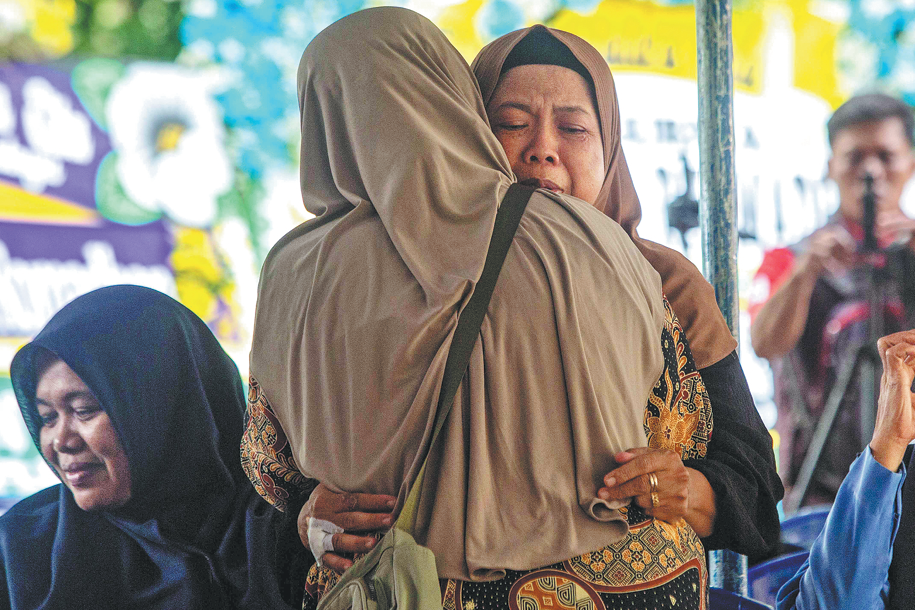
First established by the UN Security Council in 1978, UNIFIL currently deploys more than 8,000 uniformed peacekeepers drawn from nearly 50 countries around the world to monitor ceasefire violations and support stability along the Lebanon-Israel border. In the aftermath of the latest attacks, China has once again urged the international community to take urgent coordinated action to prevent the conflict from spiraling into an uncontrollable full-scale regional war. The killing of the Indonesian peacekeeper has already prompted mourning in his home country, where his mother was photographed receiving comfort from community members at her home in Yogyakarta’s Kulon Progo district a day after his death was confirmed.
-
Skies turn red as Saharan dust passes over Crete
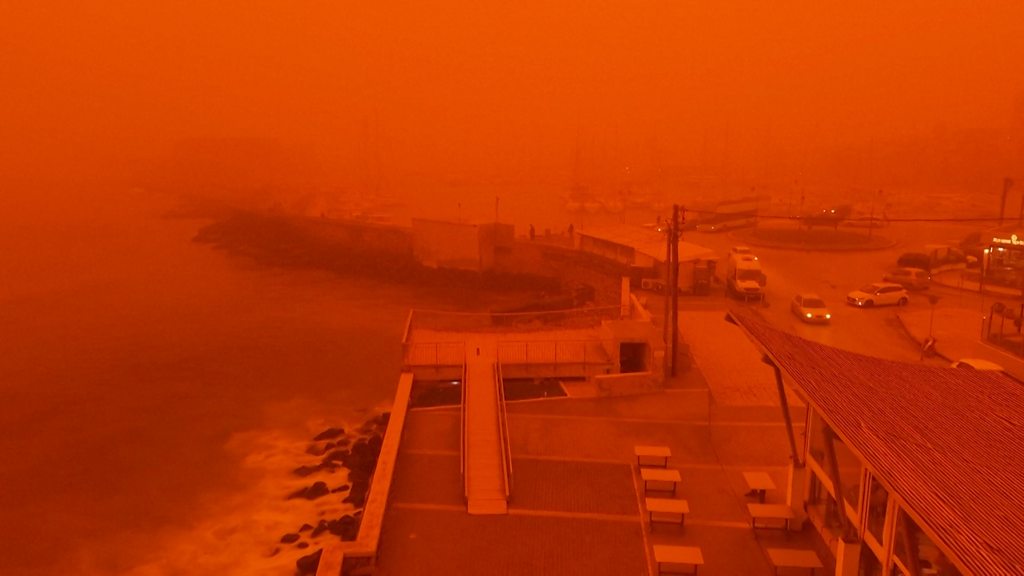
A dramatic and unusual weather event has unfolded across Greece this week, as two separate severe meteorological phenomena collided to disrupt daily life across multiple regions. While powerful storm systems battered parts of the Greek mainland with destructive gale-force winds and flash flooding, the southern island of Crete faced a far more surreal threat: a dense wall of dust carried thousands of miles from the Sahara Desert that turned the once blue Mediterranean skies a striking, ominous red.
Meteorological experts explain that strong southerly winds picked up millions of tons of fine dry dust from the Sahara Desert in North Africa earlier this week, lifting the particulate matter high into the atmosphere before transporting it north across the Mediterranean Sea. When the dust plume reached Greek airspace, it settled over Crete first, reducing visibility and creating the eerie red-hued sky that has been widely shared across social media by stunned local residents and tourists.
Meanwhile, other areas of Greece grappled with more conventional but equally damaging severe weather. The accompanying storm system brought sustained gale-force winds that have downed power lines, toppled trees, and disrupted maritime travel across the Aegean Sea. Heavy, sustained rainfall has also triggered flash flooding in low-lying coastal and inland communities, forcing local authorities to issue emergency warnings and evacuate some vulnerable neighborhoods.
As of the latest updates, Greek emergency services have been deployed across affected regions to respond to flood damage, clear blocked roadways, and assist residents impacted by the dual weather events. While the Saharan dust plume is expected to disperse gradually over the next 48 hours as winds shift, forecasters are warning that residual storm activity may bring additional scattered rainfall to parts of the country through the end of the week.
-
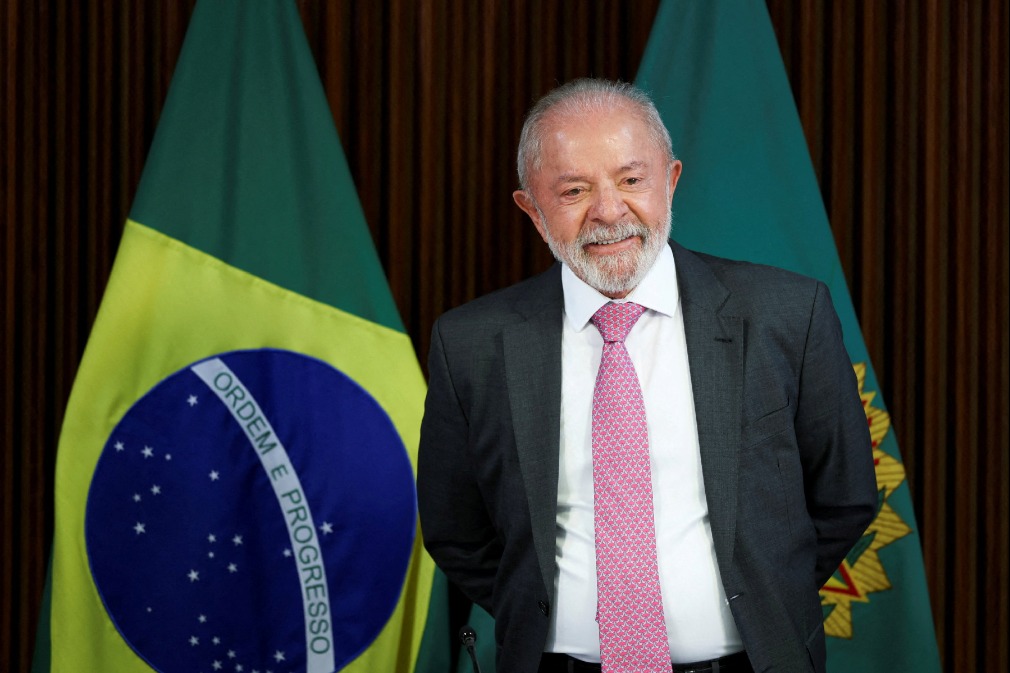
Lula says US fabricated lie to wage ‘unnecessary war’ against Iran
Less than two months after the United States and Israel launched joint military strikes on Iran that roiled global energy markets and disrupted international trade, Brazil’s President Luiz Inacio Lula da Silva has publicly called out the US for launching what he frames as an unnecessary conflict built on false claims. Speaking to reporters during an interview in Brazil’s northeastern state of Ceara on Wednesday, Lula pulled no punches in his criticism of American foreign policy in the Middle East. “The United States got involved in an unnecessary war in Iran, claiming that Iran had nuclear weapons or that they were trying to make nuclear weapons. That’s a lie!” Lula told assembled press. The Brazilian leader went on to draw a direct parallel to the 2003 US invasion of Iraq, a conflict that was justified by allegations of Iraqi stockpiles of weapons of mass destruction that were never uncovered after the invasion. Lula emphasized that this pattern of manufacturing pretext for military action has a long track record, arguing that armed conflict has never produced meaningful solutions to global disputes. “That’s just a pretext … and war has never solved anything,” he added. Beyond his critique of the conflict itself, Lula highlighted the tangible economic spillover that the conflict has already inflicted on Brazil, thousands of miles from the Middle East. He called on the United Nations Security Council to undertake deliberate, rational reflection on the escalating conflict to chart a path toward de-escalation. Disruptions to shipping through the Strait of Hormuz, a critical chokepoint for nearly a fifth of the world’s daily oil consumption, have driven sharp upward pressure on fuel prices globally, and Brazil has not been immune. Lula confirmed that diesel prices in the Latin American giant are facing notable upward pressure as a result of the conflict, which has exacerbated existing economic headwinds for working households. To mitigate the damage, Lula said his administration has already implemented targeted policy interventions, including cuts to fuel taxes and strengthened market oversight, all aimed at protecting the livelihoods of low-income Brazilian citizens who are disproportionately affected by rising energy costs. The regional conflict has sent shockwaves across the global economy since the joint US-Israeli strikes on Iran were launched on February 28. In addition to disrupting global shipping lanes and sending crude oil prices soaring in the immediate aftermath of the strikes, the escalation has introduced new uncertainty to a global economy still recovering from the aftershocks of the COVID-19 pandemic and ongoing inflationary pressures.
-
Explosions at Burundi ammunition depot kill 13 civilians – army
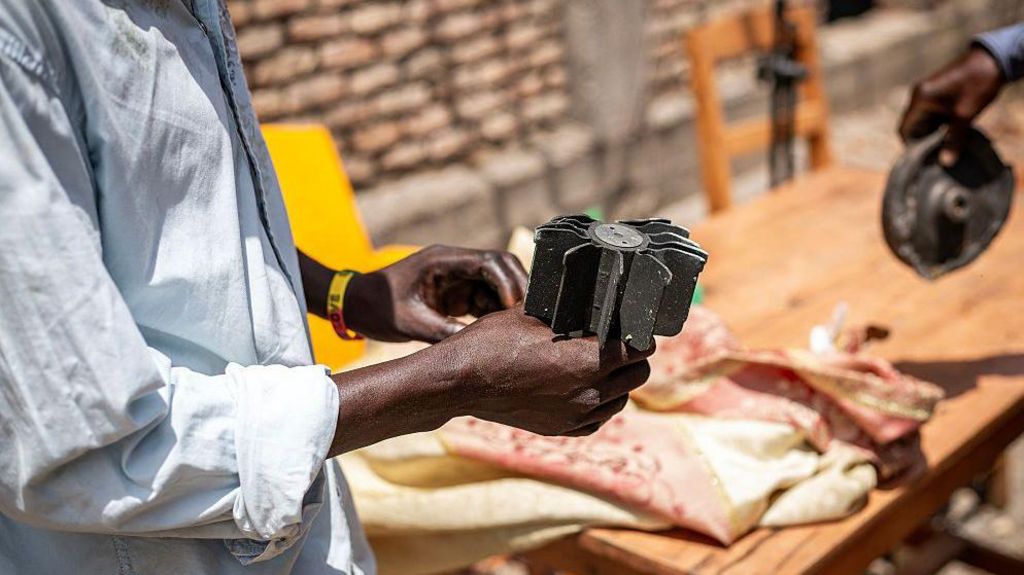
A sequence of devastating blasts at a Burundian military ammunition storage facility has left at least 13 people dead and 57 others injured, according to official updates from the Burundian army. The incident, which unfolded on Tuesday evening in the Musaga suburb of Bujumbura — the East African nation’s most populous urban center — was triggered by an electrical malfunction, army spokespersons confirmed.
The force of the consecutive explosions was powerful enough to hurl shrapnel and wreckage more than five kilometers (three miles) from the blast site, leaving a wide trail of destruction across surrounding residential areas. Along with the human casualties, the blasts destroyed military infrastructure and equipment, while dozens of civilian homes and private vehicles sustained severe damage.
The affected military logistics depot sits in a heavily populated residential zone, positioned adjacent to both a separate military base and Mpimba Central Prison, one of the city’s main correctional facilities. One inmate at the prison was killed when a blast fragment struck the facility, and multiple other detainees were left injured, according to accounts shared with the BBC. In another residential neighborhood in northeast Bujumbura, Gisandema, a bomb fragment destroyed a private home and killed a domestic worker employed at the property. Local witnesses have shared additional accounts of two civilian fatalities near the depot, including a young woman who was killed by shrapnel as she fled the area with a crowd of other residents.
Thick plumes of dark smoke billowed over the city of more than 1 million residents, triggering widespread panic across local communities. Multiple residents reported that blasts continued intermittently from roughly 18:15 local time (16:15 GMT) through midnight, forcing hundreds of families to abandon their homes to seek safe shelter elsewhere. One resident who spoke to the BBC recalled sustaining a foot injury from falling shattered glass during the incident, while other local residents say they are waiting for official confirmation that the area is safe before they can return to rebuild their daily routines.
Burundian military officials have extended formal condolences to the families of those killed and shared sympathy with people injured in the blasts. They have called on local residents to remain calm, and urged anyone encountering unexploded ordnance to report it immediately to authorities. Burundi’s President Evariste Ndayishimiye also released a public message of condolence via the social platform X, confirming that national authorities are mobilizing to support affected communities.
Early informal accounts from witnesses and security sources had varied on the death toll, with some sources initially reporting higher casualty numbers, before the army released its official, updated count.
-
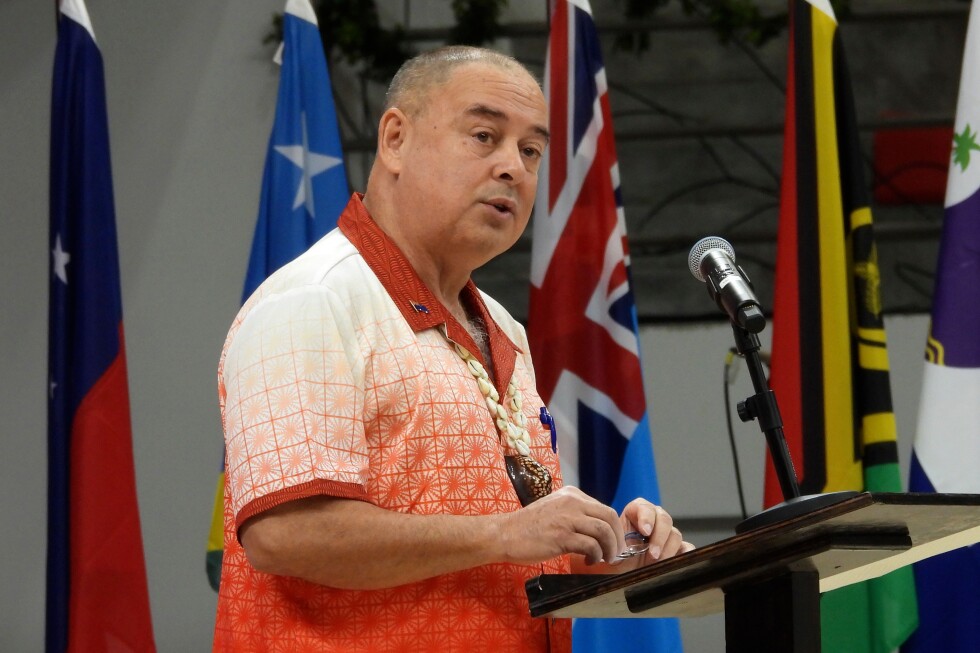
New Zealand and Cook Islands sign a defense pact, easing tensions over a China deal
WELLINGTON, New Zealand – After more than 12 months of strained diplomatic relations stoked by the Cook Islands’ deepening engagement with China, the South Pacific partners have signed a new defense and security agreement that formally eases ongoing tensions between the two nations.
While the standoff between the two Pacific states – one a nation of 5 million people, the other a small island nation with just 15,000 residents – never rose to the level of a major geopolitical clash, the prolonged rift drew close attention from regional analysts. The dispute laid bare the unique balancing act that small Pacific island states face when managing long-standing traditional alliances with Western powers like New Zealand and Australia, while pursuing new economic and infrastructure overtures from Beijing.
Under the terms of the new declaration, the Cook Islands has formally committed that New Zealand will remain its “partner of choice regarding defense and security matters” – a guarantee that eliminates the security concern Wellington raised that China could seek to fill a defense vacuum in the Cook Islands. New Zealand Foreign Minister Winston Peters noted that the agreement resolves long-running “ambiguity” surrounding the terms of the two nations’ existing relationship.
The diplomatic rift first erupted in February 2025, when Cook Islands Prime Minister Mark Brown signed a comprehensive strategic partnership with China during an official visit to Beijing. Wellington raised immediate alarm over the deal, because Brown declined to share the full text of the agreement with New Zealand officials before signing – a step New Zealand argued was required for security reasons, given the long-standing relationship between the two nations.
The Cook Islands has operated as a self-governing state under a free association agreement with New Zealand since 1965. Under that arrangement, New Zealand bears full responsibility for the Cook Islands’ defense and security, and all Cook Islanders hold New Zealand citizenship, allowing them to live and work freely across New Zealand. The terms of the free association also require Cook Islands leaders to consult Wellington on any international agreements that could impact New Zealand’s security interests.
Brown defended his choice not to disclose the text of the China agreement, arguing that existing diplomatic arrangements between the two nations did not mandate pre-approval or full disclosure for new foreign pacts. In response, New Zealand – the Cook Islands’ largest international aid donor – paused millions of dollars in targeted aid funding to Avarua, though the frozen amount made up only a small share of New Zealand’s total annual contribution to the Cook Islands. Peters confirmed Thursday, during his visit to sign the new agreement alongside Brown, that the paused aid will now resume immediately.
China pushed back on the dispute Thursday, asserting that its relationship with the Cook Islands “is not directed at any third party, nor should it be subject to interference or constraints by any third party.” Chinese Foreign Ministry spokesperson Mao Ning emphasized in a daily briefing in Beijing that all sovereign Pacific island nations deserve respect for their independent policy choices.
“Since the establishment of diplomatic relations, the two countries have always treated each other on equal footing with mutual respect and pursued common development,” Mao Ning said. “We are willing to deepen practical cooperation with Cook Islands to continuously enhance the well-being of the two peoples.”
The Cook Islands, an archipelago of 15 islands scattered across the South Pacific, is one of dozens of small regional states that China has actively courted in recent years. Beijing has extended large-scale aid packages, low-interest loans, and infrastructure development deals across the Pacific as part of a broader push to expand its diplomatic and strategic influence in the region. The sparsely populated South Pacific holds major strategic value for global powers, and most Pacific island states control vast, resource-rich exclusive economic zones. Brown has actively advanced plans to explore deep-sea mineral mining within the Cook Islands’ exclusive economic zone, a potentially lucrative development project that has drawn international interest.
Peters acknowledged Thursday that the regional strategic landscape has shifted dramatically since the 1965 free association agreement was signed. “The strategic environment we face is more complex and contested today than at any other point since New Zealand and the Cook Islands formed our free association relationship in 1965,” he said.
Tensions between Wellington and Avarua first began building in late 2024, when Brown floated a plan to create a separate Cook Islands passport – a proposal he quickly shelved after New Zealand made its strong opposition clear, in what Brown described as New Zealand “baring its teeth” over the issue. “It’s no secret that our two governments have had a series of serious disagreements since late 2024,” Peters acknowledged Thursday.
Neither leader has clarified what the new defense declaration means for the Cook Islands’ earlier strategic partnership with China, which covers deep-sea mining development, infrastructure projects, and educational scholarships, and does not include explicit security provisions. Brown stressed Thursday that the new agreement with New Zealand does not alter or invalidate any of the Cook Islands’ other international agreements. Still, Brown reaffirmed Wellington’s primary role in the nation’s security affairs: “But New Zealand would be our first port of call on anything to do with defense and security,” Brown said.
-
New funding transforms lives by expanding electricity access across Africa
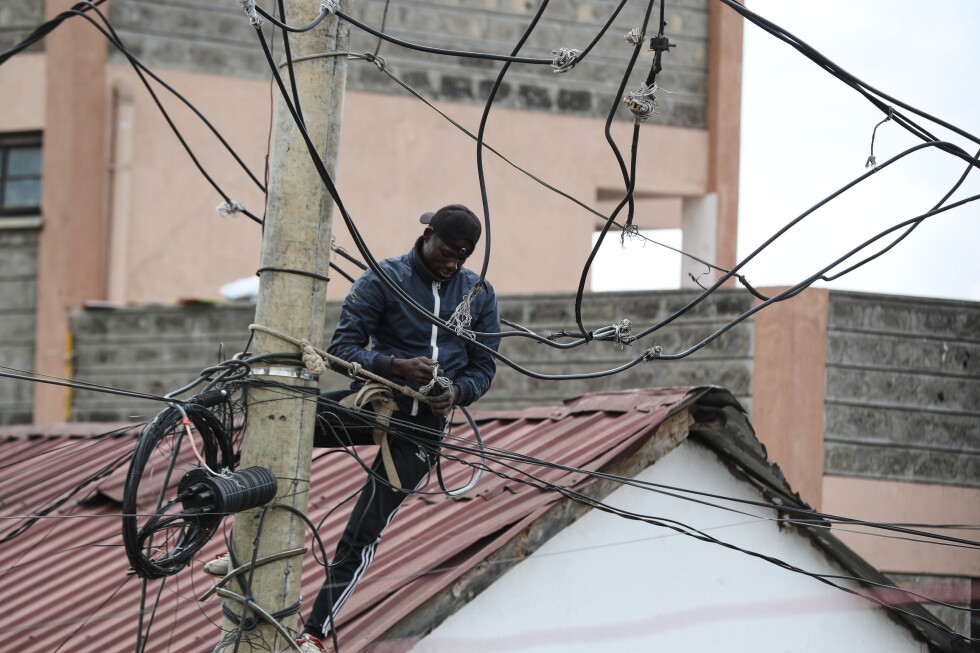
Deep in the pre-dawn darkness of Nairobi’s dense informal settlement of Mathare, Agnes Mbesa reaches up to flick on a single bare bulb suspended from her corrugated tin roof. Just a few years ago, the mother of three would have relied on a dim, smoke-choked kerosene lamp to navigate her small home. Today, electricity not only illuminates her living space but powers the small neighborhood shop she runs from her front veranda, transforming her ability to earn a living.
“Before we had power, we had to shut down the shop as soon as dusk fell — it was just too dark to work,” Mbesa explained. “Now customers stop by even late into the evening, and I can bring in extra income that I never could before.”
Hundreds of kilometers away in the lakeside village of Sori, in western Kenya, fisherman Samuel Oketch shares this story of transformation. When a community solar mini-grid was installed to serve his remote settlement, Oketch invested in a electric freezer to store his daily catch. Previously, he was forced to sell all his fish immediately at cut-rate prices to middlemen who controlled cold storage. Today, his catch can be preserved and transported to higher-value markets in larger nearby towns, cutting out exploitative brokers and boosting his household income.
“These small, quiet changes add up to everything,” Oketch said. “Electricity opens up choices we never had before. Now my wife can sell our fish directly, without being ripped off by the brokers who used to hold all the power with their freezers.”
The firsthand accounts from Mbesa and Oketch put a human face on a decades-long global push to expand energy access across Africa, where hundreds of millions of people still live without reliable power. Right now, more than 730 million people across the globe lack access to any electricity at all, and nearly 80% of that population lives in Africa. Widespread energy poverty holds back progress across every sector of development: it limits access to modern health care, stifles educational opportunity, blocks digital connectivity, and stunts the creation of small businesses and formal jobs.
To accelerate progress toward universal energy access, major international institutions and philanthropic organizations have announced billions in new financing for renewable energy projects across sub-Saharan Africa, unveiled in coordinated actions this March. The European Investment Bank committed more than $1.15 billion to support a range of projects, including utility-scale hydropower, wind and solar farms, and expansion of both national and community-level power grids.
“This funding represents Europe’s unwavering commitment to deliver cleaner, more affordable, and more reliable energy to hundreds of millions of people across Africa,” said European Investment Bank President Nadia Calviño.
The Rockefeller Foundation followed that announcement with a pledge of an additional $10 million in investment, made public during the Africa Energy Indaba conference in Cape Town, South Africa. The funding will be deployed in partnership with the Global Energy Alliance for People and Planet to strengthen national electrification strategies and support policy reforms that expand private and community-led energy solutions across at least 15 African nations.
“African governments are leading the transformation of their own energy sectors, committing to national energy compacts and investing in homegrown solutions that meet their people’s needs,” said William Asiko, senior vice president at the Rockefeller Foundation.
These new investments fold into the broader Mission 300 initiative, led jointly by the World Bank and the African Development Bank. The ambitious campaign set a target to connect 300 million people across sub-Saharan Africa to electricity by 2030, relying on a mix of national grid expansion and decentralized solutions like community mini-grids and household-level off-grid solar systems.
For most of sub-Saharan Africa, national power grids are often overstretched, unreliable, and do not reach many remote and low-income communities. That gap has turned decentralized mini-grids into a fast-growing and effective alternative. These small, community-managed systems, most often powered by solar or hybrid renewable sources, generate and distribute power locally, eliminating the need for costly large-scale transmission infrastructure to reach isolated areas.
Off-grid systems, by contrast, operate independently at the household level, with affordable stand-alone solar kits that give individual families access to power even when they are located far from any centralized infrastructure. These solutions have become critical for closing electricity gaps in the rural and informal settlement communities that are most often left behind by national grid expansion.
To hit the 2030 target, Mission 300 is providing tailored support to countries across the continent: governments in Malawi and Liberia receive technical assistance to refine their national energy plans, expand transmission networks, and improve the reliability and efficiency of power distribution. In Côte d’Ivoire, Nigeria, and Senegal, the initiative provides local currency financing and pooled procurement support to drive down costs and speed up project deployment.
Andrew Herscowitz, CEO of the Mission 300 Accelerator at RF Catalytic Capital, warned that scaling access to meet the 2030 goal will require sustained long-term financing and strengthened local implementation capacity, including improved impact monitoring and better aligned policy support to speed up new connections.
“Energy access is the foundational key that unlocks human potential and broad-based economic development,” Herscowitz noted.
Kenya, one of the early beneficiaries of Mission 300 funding, has already seen dramatic gains under the initiative. Since 2017, the country has received support from the World Bank, African Development Bank and partner organizations for its Last Mile Connectivity program, which targets households located near existing grid infrastructure — particularly those in rural areas and informal urban settlements — as the country works toward universal electricity access by 2030.
The results have been staggering: national rural electricity access jumped from less than 7% in 2010 to roughly 68% in 2023. Across eastern and southern Africa, where only 48% of the total population and just 26% of rural residents currently have access to power, World Bank programs aim to expand access across up to 20 countries over the next seven years through a portfolio of renewable energy projects.
Mbesa, the Mathare shopkeeper, received her grid connection in 2021 through the Last Mile Connectivity Project, which covered the standard $115 connection fee for eligible low-income households and small businesses located near existing transformers. In remote communities like Oketch’s village, which lies far beyond the reach of the national grid, the program has supported the deployment of off-grid solutions including solar mini-grids and stand-alone household systems.
For Mbesa, the tangible impact of that connection is impossible to overstate. The small bulb above her shop has extended her working hours, and the electricity has let her children study after dark instead of stopping when the sun goes down.
“Electricity changes everything,” she said. “Once you have it, life finally starts moving forward.”
—
The Associated Press receives philanthropic funding for its climate and environmental coverage, but retains full editorial control over all independent content. AP’s standards for partnership with philanthropic organizations, a full list of supporters, and details of funded coverage areas are available at AP.org. -
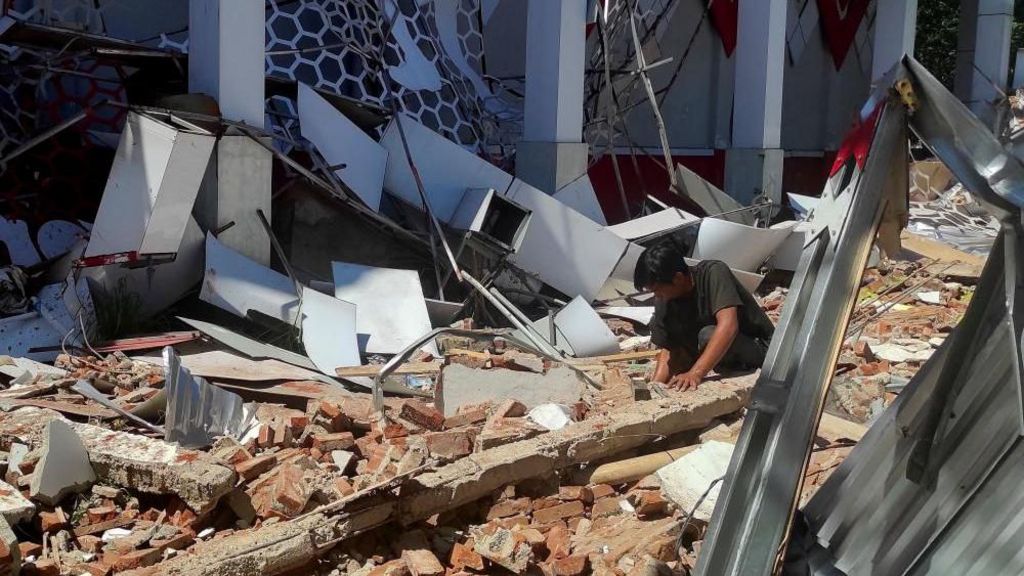
Magnitude 7.4 earthquake hits off Indonesia, killing one
In the early hours of Thursday local time, a powerful 7.4-magnitude earthquake jolted the Molucca Sea off Indonesia’s Ternate Island, leaving one person dead and triggering panic across coastal communities in the country’s eastern region.
The United States Geological Survey recorded the tremor striking at 6:48 a.m. local time (22:48 GMT Wednesday) at a depth of 35 kilometers, with its epicenter located roughly halfway between the Sulawesi city of Manado and the North Maluku volcanic island of Ternate. Within an hour of the initial shock, Indonesia’s national geological agency confirmed structural damage to buildings and reported multiple injuries, though full casualty and damage assessments were still ongoing in the hours after the event. At least two aftershocks measuring 5.5 and 5.2 magnitude followed the main quake, with local authorities warning residents to prepare for additional aftershocks in the coming hours and days.
One confirmed fatality has been recorded: a 70-year-old woman in North Sulawesi who was crushed by falling building debris, according to Indonesia’s state-run national news agency Antara. A second person suffered a broken leg after jumping from a multi-story building to escape the shaking.
The powerful tremor immediately sparked a regional tsunami warning, with the Hawaii-based Pacific Tsunami Warning Center initially noting that low-lying waves less than 0.3 meters high could reach coastlines stretching from Guam and Japan to Malaysia, the Philippines, Papua New Guinea and Taiwan. The alert was fully lifted just two hours later after no abnormal tsunami activity was detected across the region.
For residents across eastern Indonesia, who live in one of the world’s most seismically active zones and experience frequent small tremors, the strength of Thursday’s quake stood out as unprecedented in recent memory. Multiple residents told international reporters it was the most powerful seismic event they had experienced in at least six years.
Isvara Safitri, a journalist based in central Manado, described the scene to BBC Indonesian: “It was really strong… My head even felt dizzy. Even the roads outside the house were shaking.” In Bitung, a coastal city on Sulawesi’s northeastern shore, Yayuk Oktiani was shopping at a local market when the tremors began. “Everything started shaking. Several stores experienced power outages, and as the tremors got stronger, everyone fled,” she recalled. Oktiani immediately rushed to her child’s school, located just steps from the ocean, where chaos had already broken out. “Teachers immediately told parents to bring their children home, even though they had only just arrived,” she said.
On Ternate Island, resident Budi Nurgianto told Agence France-Presse that the walls of his home vibrated for more than a minute, forcing him to rush outside into widespread panic. “There were many people outside… I even saw some people leaving their house without having finished their shower,” he said. At Manado’s Siloam Hospital, 69-year-old patient Admini described the frantic evacuation process. “We were sitting there drinking tea… Initially we didn’t realise it was an earthquake. And then we heard a child scream, ‘Come down, hurry up,’” he recalled. Medical staff quickly moved patients out of the hospital building, setting up makeshift treatment zones in open outdoor areas and inside parked vehicles. “Everyone was huddled together outside. Some were in wheelchairs, others were helping each other,” Admini said.
Footage captured by search and rescue teams operating in Manado shows first responders and local residents navigating the rubble of a damaged local sports complex, where large pieces of furniture were thrown across the ground and steel support structures were bent out of shape by the force of the quake. Search and recovery operations are ongoing, with teams working to clear damaged structures and account for any residents who may still be missing.
The Indonesian archipelago sits along the Pacific Ring of Fire, a zone of intense tectonic activity that sees frequent volcanic eruptions and large earthquakes, making seismic risk preparedness a persistent priority for national authorities.
-
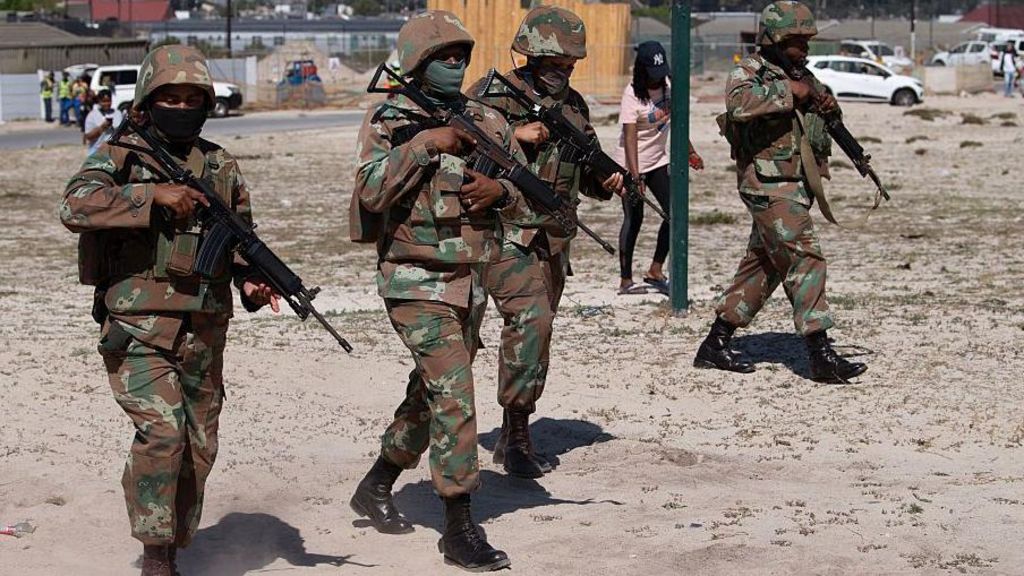
South African army arrive in crime hotspots to help tackle gangs
Facing a persistent national crisis of staggering violent crime rates, South Africa has formally rolled out a one-year military deployment across five high-risk provinces to support overstretched local police forces grappling with organized gang activity and unregulated illicit mining. The deployment, first announced by President Cyril Ramaphosa earlier in 2026, will see 2,200 soldiers deployed to the five of the country’s nine provinces that have been hit hardest by widespread criminal violence. An initial advance contingent of troops was sent to targeted high-gang areas in Gauteng province – home to South Africa’s largest city, Johannesburg – back in March, with the main full deployment kicking off across Eastern Cape, Free State, North West and Western Cape starting April 1, 2026, for a 12-month mandate. The core stated goal of the operation is to reestablish public order in communities that have been overwhelmed by persistent lawlessness. But the deployment has already sparked sharp debate over its long-term effectiveness and the appropriateness of using the military for domestic civilian policing.
South Africa’s ongoing crime epidemic has reached alarming levels, with one of the highest intentional homicide rates in the world. The most recent official crime statistics, covering the final quarter of 2025 from October through December, show that an average of 71 people are killed across the country every day. Illicit, unregulated mining and intergenerational gang violence are two of the primary drivers of this bloodshed, particularly in densely populated urban and semi-rural hotspots across the affected provinces.
Interviews with residents of Eldorado Park, a Johannesburg suburb that was part of the initial March deployment and targeted for its chronic gang violence, reveal sharply divided views on the military’s presence. Many locals expressed deep scepticism that the deployment would deliver any lasting change to the dangerous conditions they face daily. Leola Davies, a 74-year-old retired resident, described the suburb as an unlivable “hell-hole”, saying “Sodom and Gomorra have nothing on this place. I stay indoors all day because I just don’t want to be the next victim. Things are getting worse.” Elviena le Roux, a mother of three living in the area, said she fears the military presence will only escalate tensions rather than improve safety, predicting it would “make the violence worse”. Even some residents who welcomed the visible military patrols warned that the current 12-month mandate is not enough to bring permanent change. Ronald Rabie, a 56-year-old father of three, noted that the visible patrols have created a temporary sense of safety for local families, but warned that “Once they leave, things return to chaos – they need to be here permanently.”
This latest deployment marks the third time Ramaphosa has called on the military to assist with domestic security challenges during his presidency. In 2023, more than 3,000 soldiers were deployed for six months to target illicit mining operations across the country. In July 2021, troops were sent into major urban centers to put down deadly widespread rioting that broke out following the arrest of former president Jacob Zuma. Under current South African law, military personnel have very limited authority to arrest civilians, and are required to turn any detained suspects over to police as quickly as possible.
Security analysts and criminologists have raised widespread concerns about the deployment, echoing many residents’ doubts about its long-term impact. Experts point out that the South African military is trained for combat operations, not the community-centered trust-building policing that is required to reduce violent crime over time. The legacy of apartheid also looms large over the deployment: the former white minority apartheid regime regularly used the military to enforce repressive rule over Black South African communities, a history that continues to shape widespread suspicion of uniformed soldiers operating in residential neighborhoods. Guy Lamb, a leading South African criminologist, told the BBC he remains unconvinced the deployment will deliver sustainable improvements in safety. “Soldiers are not designed to engage in policing, but rather to engage in combat and use maximum force,” he explained, warning “There’s danger that they will escalate situations or respond very aggressively in tense situations.”
Lamb pointed to the military’s controversial conduct during the Covid-19 pandemic as a cautionary precedent. At that time, troops were deployed to enforce national lockdown curfews and movement restrictions, and the operation drew widespread international and domestic condemnation after multiple reports emerged of excessive force, unlawful detention, and harassment of ordinary civilians. While national authorities have expressed confidence that the new deployment will reduce crime rates, Lamb argued that without targeted action to address the root causes of violent crime in high-risk communities, any gains will be temporary. “Without a dedicated plan to try and address why crime is so violent in these sort of places, there was a strong likelihood it would flare up again once the soldiers leave,” he said, adding “So we’re likely to see this happening into the foreseeable future, because this plan of addressing what are the root causes of crime in these areas is not in place.”