分类: world

  • Forget tariff wars: The EU and Mercosur build one of the world’s biggest free-trade zones

    Forget tariff wars: The EU and Mercosur build one of the world’s biggest free-trade zones

    After a quarter-century of complex negotiations, the European Union and the South American Mercosur bloc are poised to formally sign one of the most significant trade agreements in modern history. The landmark deal, set for formalization at a ceremony in Paraguay, represents a profound shift in global trade dynamics and a powerful endorsement of multilateralism.

    The agreement between the EU and Mercosur—comprising Argentina, Brazil, Paraguay, and Uruguay—will create a free-trade zone encompassing over 700 million people and accounting for approximately 25% of global GDP. The pact eliminates tariffs on a wide range of products, from Argentine beef and Brazilian agricultural goods to European automobiles and machinery.

    The timing carries particular geopolitical significance as it emerges against a backdrop of rising protectionism and great power competition. European Commission President Ursula von der Leyen characterized the agreement as a robust defense of rules-based international trade “in the face of an increasingly hostile and transactional world.”

    For South American nations, the deal represents both economic opportunity and strategic positioning. Brazilian President Luiz Inácio Lula da Silva hailed it as a “victory for dialogue, negotiation and the bet on cooperation.” Experts note the agreement provides South American economies with crucial diversification away from the intensifying U.S.-China rivalry, allowing the region to “flex its muscles in the international sphere,” according to Lee Schlenker of the Quincy Institute.

    The accord marks a dramatic policy reversal for Argentina, which maintained protectionist policies for decades. President Javier Milei, despite his libertarian skepticism of international organizations, has embraced the agreement as a mechanism to revitalize Mercosur and open Argentina’s economy to global markets.

    The path to agreement faced significant obstacles, particularly from European agricultural interests concerned about competition. Widespread farmer protests across Europe prompted the EU to add environmental safeguards, animal welfare protections, and strict export quotas to the final agreement. The bloc further allocated approximately $52 billion in subsidies to ease farmer concerns, a move some analysts characterized as a “sizable bribe” necessary to secure the deal’s passage.

    The automotive sector emerges as another major beneficiary, with the elimination of 35% tariffs on European vehicles and parts providing manufacturers like Volkswagen and BMW opportunities to regain market share from Chinese competitors in South America.

    Despite the impending signing, the agreement still requires ratification by the European Parliament, leaving some participants cautiously optimistic about its ultimate implementation.

  • Iran protests heat up: Why are some US, UK personnel leaving Gulf military bases?

    Iran protests heat up: Why are some US, UK personnel leaving Gulf military bases?

    The United States and United Kingdom have initiated partial evacuations of military personnel from strategic bases across the Middle East following heightened regional tensions. This precautionary measure comes in response to Iran’s explicit warnings that it would target American installations in neighboring countries if Washington launches strikes against Iranian territory.

    The escalating situation stems from widespread domestic unrest within Iran, described by officials as the most severe since the 1979 Islamic Revolution. Iranian authorities have reported approximately 2,000 fatalities during the protests, while independent rights groups estimate the death toll exceeds 2,600 casualties. The Iranian government has attributed the violence to foreign interference, particularly from the United States and Israel.

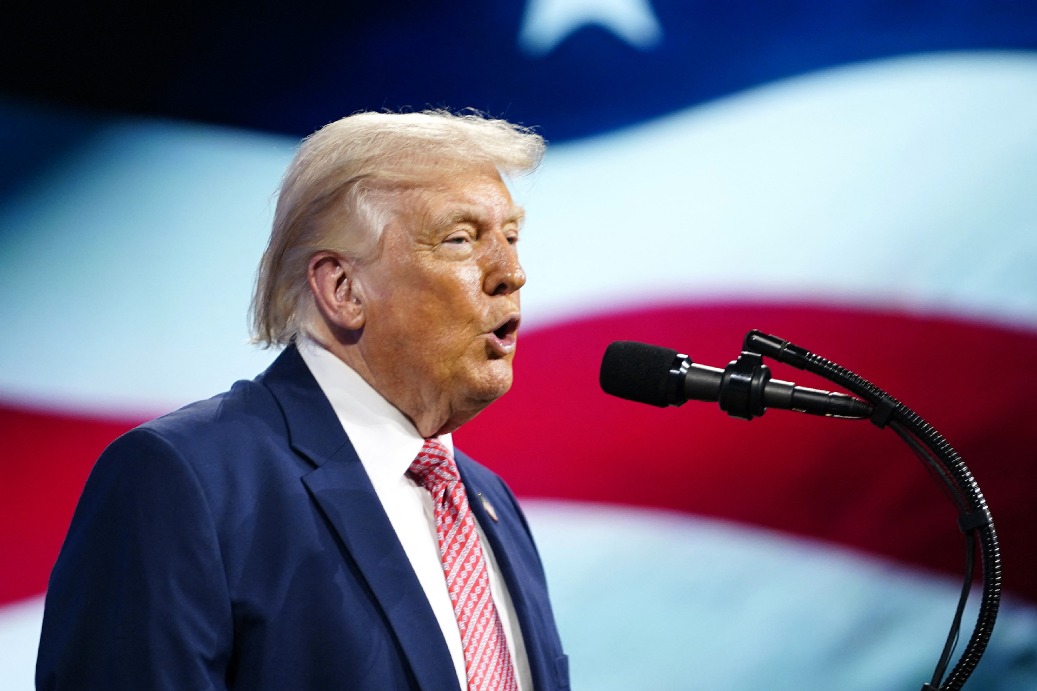
    US President Donald Trump has repeatedly threatened intervention in support of anti-government protesters, promising “very strong action” if Iran executes demonstrators. His administration’s strategy of unpredictability has kept regional actors on high alert, with Western military officials suggesting an American attack could be imminent.

    The Al Udeid Air Base in Qatar, serving as the forward headquarters for US Central Command, has seen personnel reductions alongside other key installations. Qatar’s government confirmed these drawdowns represent direct responses to current regional tensions. British forces have similarly withdrawn personnel from Qatari bases, though the UK Ministry of Defence has declined official comment.

    Iranian Foreign Minister Abbas Araqchi has suspended direct communications with US Special Envoy Steve Witkoff while simultaneously warning regional allies—including Saudi Arabia, UAE, and Turkey—that hosting US bases would make them potential targets in any retaliatory strike. Despite the severe internal unrest, Western officials assess that Iran’s security apparatus remains in control with no immediate threat of governmental collapse.

  • Zelensky declares energy emergency as biting cold persists

    Zelensky declares energy emergency as biting cold persists

    The Ukrainian government has officially declared a state of emergency within its energy sector as relentless Russian strikes continue to cripple critical infrastructure, leaving thousands of residents in the capital Kyiv without electricity, heating, or running water during dangerously frigid winter conditions. President Volodymyr Zelensky has accused Moscow of weaponizing winter temperatures, which have recently plunged to -20°C (-4°F), as a deliberate strategy in the ongoing conflict.

    The emergency declaration coincided with controversial remarks from former U.S. President Donald Trump, who identified President Zelensky as the primary obstacle to peace negotiations. In an interview with Reuters, Trump claimed Ukraine appears ‘less ready to make a deal’ than Russian President Vladimir Putin, suggesting diplomatic efforts remain stalled primarily due to Zelensky’s position.

    With both leaders scheduled to attend the World Economic Forum in Switzerland next week, Trump indicated no formal bilateral meeting has been arranged. The geopolitical tensions unfold against a backdrop of severe humanitarian challenges in Ukraine, where recent missile and drone attacks left 70% of Kyiv without power for extended periods.

    In response to the crisis, President Zelensky announced the establishment of a 24/7 task force dedicated to repairing energy infrastructure damaged by both military strikes and deteriorating weather conditions. The government’s emergency measures include international procurement of vital energy equipment, increased humanitarian aid points providing heat and power throughout Kyiv, and potential adjustments to the capital’s midnight curfew to facilitate access to these facilities.

    Beyond the capital, the energy crisis extends nationwide. Ukrainian officials report over one million residents in southeastern regions experienced prolonged outages last week. Maxim Timchenko, CEO of DTEK—Ukraine’s largest private energy provider serving 5.6 million customers—described operating in ‘permanent crisis mode’ due to relentless attacks employing ‘waves of drones, cruise and ballistic missiles’ that outpace recovery efforts.

    As the four-year anniversary of Russia’s full-scale invasion approaches, the systematic targeting of energy infrastructure has created a compounded humanitarian emergency, testing Ukraine’s resilience during the harshest winter months.

  • Qatar says taking precautionary measures in light of regional developments

    Qatar says taking precautionary measures in light of regional developments

    Qatar has announced the implementation of comprehensive precautionary security measures in response to escalating regional developments, prioritizing the protection of citizens, residents, and visitors within its borders. The Ministry of Interior confirmed Wednesday that safeguarding all individuals remains the nation’s utmost concern, with additional information and specific protocols to be communicated through official channels as situations evolve.

    The Gulf nation disclosed earlier that certain personnel had been withdrawn from Al Udeid Air Base, a critical U.S. military installation situated in Qatar. This facility previously came under Iranian attack in June following American strikes on Iranian nuclear facilities during the twelve-day conflict between Israel and Iran.

    Current regional tensions have intensified following Iran’s threats to target U.S. assets in the area should Washington initiate strikes against the Islamic Republic. These threats coincide with widespread anti-government protests that emerged in Iran in late December, prompting U.S. President Donald Trump to pledge support for Iranian demonstrators.

    Qatar’s Ministry of Foreign Affairs reinforced the government’s commitment to implementing all necessary protocols to ensure national security, including enhanced protection for critical infrastructure and military installations. Authorities additionally emphasized the importance of obtaining information exclusively from officially approved sources, warning that legal action will be taken against those disseminating false information that compromises public safety.

  • UK withdraws some personnel from Qatar air base ahead of possible strikes, i paper says

    UK withdraws some personnel from Qatar air base ahead of possible strikes, i paper says

    The United Kingdom has initiated a partial withdrawal of military personnel from its air base in Qatar as a precautionary security measure, according to a Wednesday report from the i newspaper. This decision aligns with similar precautionary steps recently taken by the United States at its key installations across the Middle East, reflecting a coordinated response to escalating regional tensions and the potential for imminent military action.

    The development follows reports from three diplomats confirming that certain U.S. personnel stationed at the massive Al Udeid Air Base in Qatar had been advised to depart by Wednesday evening. A spokesperson for the UK Ministry of Defence, while declining to comment on specific operational details for security reasons, affirmed the policy of implementing precautionary measures. ‘The UK always puts precautionary measures in place to ensure the security and safety of our personnel, including where necessary withdrawing personnel,’ the spokesperson stated, underscoring the proactive rather than reactive nature of the decision.

    The Al Udeid Air Base, which hosts the forward headquarters of the U.S. Central Command and is a critical hub for coalition operations in the region, becomes the focal point of these security movements. The simultaneous withdrawals by two key Western military powers signal a significant hardening of preparedness protocols ahead of a possible deterioration in the regional security landscape. The moves are interpreted by analysts as standard procedure to minimize non-essential personnel exposure ahead of potential retaliatory strikes, ensuring force protection while maintaining full operational readiness.

  • US embassy in Saudi Arabia urges personnel to exercise ‘increased caution’

    US embassy in Saudi Arabia urges personnel to exercise ‘increased caution’

    The United States Embassy in Riyadh has issued a formal security advisory urging its personnel and American citizens throughout Saudi Arabia to exercise heightened vigilance due to escalating regional tensions. The alert, published on the embassy’s official website on Wednesday, specifically recommends avoiding non-essential travel near military installations and maintaining increased situational awareness.

    Citing ongoing geopolitical instability, the embassy emphasized that while mission operations and consular services continue normally, all individuals should review personal safety plans and prepare for potential disruptions. The advisory coincides with Washington’s stated intentions to respond to Iran’s government crackdown on protests, creating a climate of heightened security concern throughout the Gulf region.

    The embassy provided comprehensive safety guidelines, including enrollment in the State Department’s Smart Traveler Enrollment Program (STEP) for real-time security updates, ensuring passport validity for emergency travel, and avoiding demonstrations or large gatherings. Officials confirmed they are continuously monitoring the regional situation and encouraged travelers to consult official information sources while following instructions from local authorities.

    Despite the elevated alert status, embassy staffing remains unchanged, and all consular services continue operating without interruption. The security notice concludes by emphasizing the importance of maintaining personal safety protocols, as crises can develop unexpectedly while residing or traveling abroad.

  • Iran’s June strike on US’ Qatar base shows ability ‘to respond to attack’: Khamenei adviser

    Iran’s June strike on US’ Qatar base shows ability ‘to respond to attack’: Khamenei adviser

    A senior advisor to Iran’s Supreme Leader Ayatollah Ali Khamenei has issued a stark warning to the United States, citing a previously undisclosed June strike on a key American military installation in Qatar as evidence of Tehran’s capacity to respond to external aggression. Ali Shamkhani, who also serves as a former defense minister, utilized social media platform X to deliver his message directly to Washington.

    The advisory specifically referenced the Al Udeid Air Base incident, characterizing it as a measured response to U.S. support for Israeli military operations against Iran earlier this year. This revelation comes amid escalating tensions in the region and repeated refusals by American officials to rule out additional military engagement with Iran.

    Shamkhani’s personal experience adds credibility to his warning—the former minister survived severe injuries from an Israeli strike, providing him with firsthand understanding of regional conflict dynamics. The Al Udeid base represents one of America’s most significant military assets in the Middle East, housing thousands of troops and serving as a critical operations center for U.S. Central Command.

    The disclosure underscores Tehran’s strategic positioning and willingness to engage in asymmetric warfare against superior military powers. This development occurs against a backdrop of increased regional instability and demonstrates Iran’s continued pursuit of assertive foreign policy measures despite international pressure and sanctions.

  • Qatar confirms some personnel departed US base amid ‘current regional tensions’

    Qatar confirms some personnel departed US base amid ‘current regional tensions’

    Qatar has officially confirmed the partial departure of personnel from Al Udeid Air Base, the United States’ largest military installation in the Middle East, citing ongoing regional security concerns. The Gulf nation’s Foreign Ministry disclosed on Wednesday that these measures represent a direct response to escalating tensions throughout the area.

    In an official statement, Qatari authorities emphasized their continued commitment to implementing all necessary protocols to ensure the safety and security of both citizens and residents. This includes enhanced protective measures for critical infrastructure and military facilities. The International Media Office of Qatar further indicated that any subsequent developments would be communicated exclusively through designated official channels.

    This confirmation follows revelations from U.S. officials to Reuters regarding the precautionary withdrawal of American personnel from strategic bases across the region. The decision comes amid heightened alert levels following threatening statements from senior Iranian officials. Tehran has reportedly issued warnings to neighboring nations hosting U.S. military assets, indicating possible retaliatory strikes against American bases should Washington initiate offensive operations.

    The geopolitical landscape has grown increasingly volatile following U.S. President Donald Trump’s expressed willingness to intervene in Iran, where widespread anti-government protests have persisted since late December. President Trump’s recent encouragement to Iranian protesters to continue demonstrations and seize state institutions has further complicated diplomatic relations.

    Al Udeid Air Base, situated in Qatar and housing approximately 10,000 American troops, represents a cornerstone of U.S. military presence in the Middle East. The facility previously came under Iranian attack during the June conflict between Israel and Iran, highlighting its strategic significance and vulnerability during regional conflicts.

  • UAE offers condolences to Thailand over victims of deadly crane fall on train

    UAE offers condolences to Thailand over victims of deadly crane fall on train

    The United Arab Emirates has formally expressed solidarity with Thailand following a catastrophic rail incident that resulted in significant casualties in the northeastern Nakhon Ratchasima province. The tragedy unfolded on Wednesday when a construction crane operating on a high-speed rail project collapsed onto a moving passenger train, causing a devastating derailment and subsequent fire.

    Official reports confirm the incident occurred in the Sikhio district, approximately 230 kilometers northeast of Bangkok. The affected train, traveling from the capital to Ubon Ratchathani province, was carrying 195 passengers at the time of impact. Current casualty figures indicate 32 fatalities and 66 individuals sustaining various injuries.

    In an official statement released by the UAE Ministry of Foreign Affairs, the Emirates conveyed profound condolences and sympathy to the bereaved families, the Royal Thai Government, and the nation’s citizens. The ministry further extended wishes for the rapid and complete recovery of all injured parties.

    The collapsed crane was actively engaged in construction activities for Thailand’s developing high-speed rail infrastructure when structural failure caused it to strike multiple carriages of the passing train. The force of impact precipitated the train’s derailment and initiated a temporary fire at the scene. Emergency response teams promptly mobilized to the location to execute rescue operations and provide immediate medical assistance to survivors.

  • Iran protests explained: 5 questions on nationwide unrest in the Islamic Republic

    Iran protests explained: 5 questions on nationwide unrest in the Islamic Republic

    A significant wave of civil unrest has swept across Iran since late December 2025, presenting one of the most substantial challenges to the country’s clerical establishment since the 1979 revolution. The protests originated in Tehran’s Grand Bazaar among merchants demonstrating against the rial’s drastic devaluation, which lost nearly half its value against the dollar throughout 2025, coupled with official inflation rates reaching 42.5% by December.

    The demonstrations have rapidly evolved from economic complaints to direct challenges against Iran’s governing system. Protesters have been documented burning images of Supreme Leader Ayatollah Ali Khamenei while chanting anti-government slogans, despite facing security forces equipped with tear gas, batons, and live ammunition. Iranian authorities have acknowledged economic difficulties while attributing the unrest to foreign interference from the United States and Israel.

    Government spokesperson Fatemeh Mohajerani stated on January 13 that authorities consider both security forces and protesters as ‘children’ of the state, claiming efforts to address legitimate grievances while condemning what they describe as terrorist elements hijacking the movement. Official reports now acknowledge approximately 2,000 fatalities, including security personnel, marking the first government recognition of the substantial human cost during the two-week crackdown.

    International response has been swift, with U.S. President Donald Trump warning Iran against suppressing protests and promising American support for demonstrators. The administration has announced 25% tariffs on nations trading with Iran and is exploring methods to restore internet access restricted by Tehran. White House Press Secretary Karoline Leavitt maintained that only President Trump knows what specific actions might follow, stating ‘the world can keep waiting and guessing.’

    Multiple countries have issued travel advisories for their citizens in Iran. India’s Ministry of External Affairs has recommended avoiding travel to Iran entirely, while Pakistan’s ambassador has urged nationals to keep immigration documents readily accessible. The U.S. State Department has advised immediate departure for American citizens, highlighting risks including kidnapping, arbitrary arrest, and wrongful detention.

    Regarding regional implications, UAE officials have expressed confidence that tensions will not significantly affect their nation. Sultan bin Sulayem, Chairman of DP World and Ports, Customs and Free Zone Corporation, characterized the UAE as a secure business environment, noting that previous regional crises had minimal impact. UAE Minister of Foreign Trade Thani Al Zeyoudi commented on the uncertainty surrounding U.S. tariff implementation and potential effects on food imports, given the UAE’s position as Iran’s second-largest trading partner after China.