分类: world

  • Trump says US Navy will protect ships in Middle East ‘if necessary’

    Trump says US Navy will protect ships in Middle East ‘if necessary’

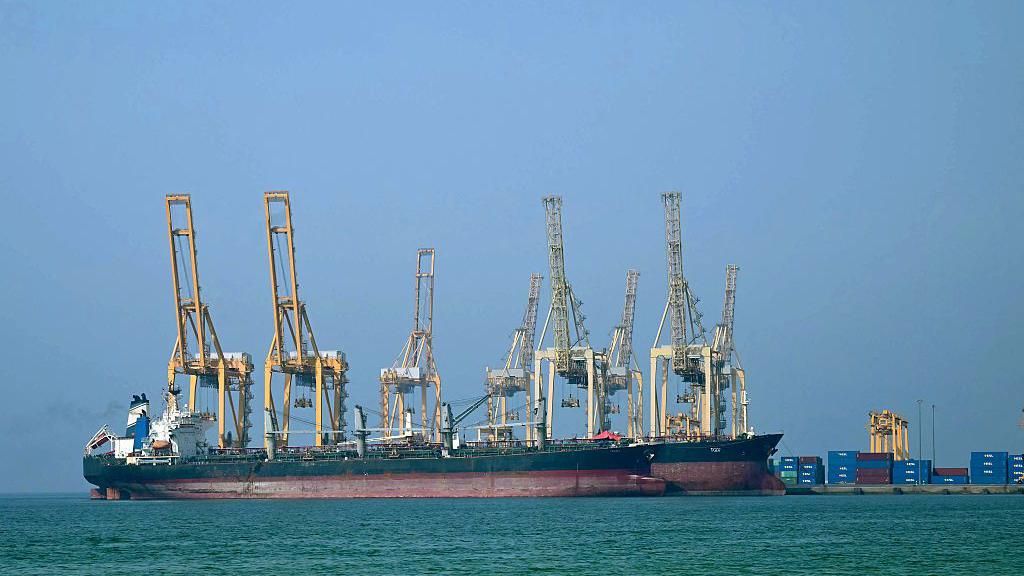
    In response to escalating tensions in the Middle East, U.S. President Donald Trump has announced a dual strategy of military protection and financial guarantees to secure vital energy shipments through the Strait of Hormuz. The strategic waterway, which handles approximately 20% of global oil and gas transit, has become a flashpoint following Iranian threats to target commercial vessels.

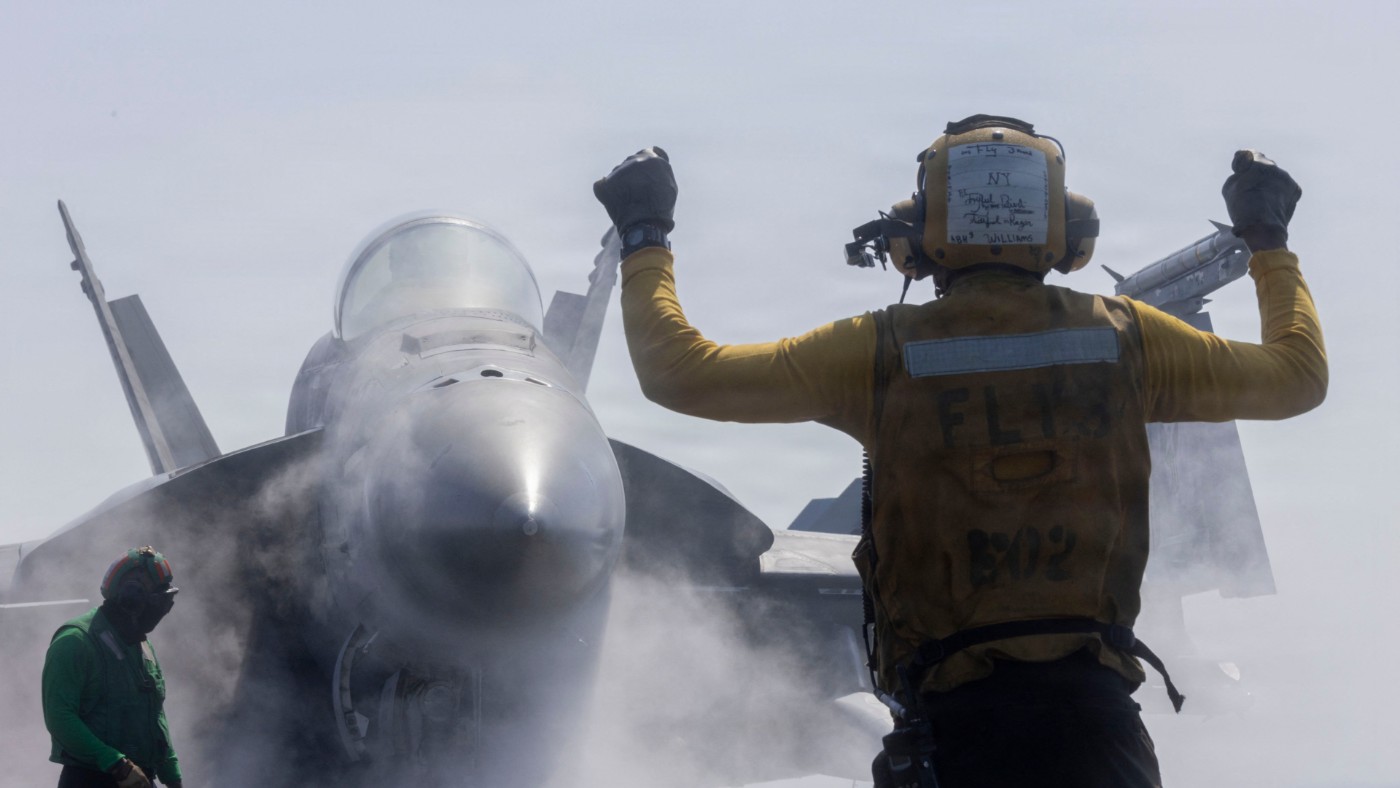
    President Trump declared via social media that the U.S. Navy stands ready to provide military escorts ‘if necessary’ to ensure the uninterrupted flow of energy resources. Simultaneously, he directed the United States Development Finance Corporation to offer political risk insurance to shipping companies at ‘very reasonable prices’ for all maritime trade, particularly energy transportation, in the Gulf region.

    This announcement comes as Lloyd’s List Intelligence reports approximately 200 crude oil and product tankers are currently stranded in the Gulf area. Insurance providers have significantly increased premiums following incidents of Iranian forces firing upon several vessels and explicit threats from Iranian officials to ‘set fire’ to any ship attempting passage through the strait.

    While global oil prices momentarily retreated after Trump’s statement, industry experts remain skeptical about the effectiveness of these measures. Richard Meade, Editor-in-Chief of Lloyd’s List, noted that previous military interventions failed to fully reassure shipping companies during Houthi attacks in the Red Sea, with many opting for longer, costlier alternative routes despite protection offers.

    Analysts warn that prolonged disruption could drive crude prices above $100 per barrel, significantly impacting consumer fuel costs worldwide. Even the United States, which has historically been somewhat insulated from global price fluctuations due to substantial domestic production, would face considerable economic pressure.

    Defending the ongoing conflict with Iran, Trump acknowledged potential short-term price increases but predicted a dramatic price decline once tensions resolve: ‘As soon as this ends, those prices are going to drop, I believe lower than even before.’
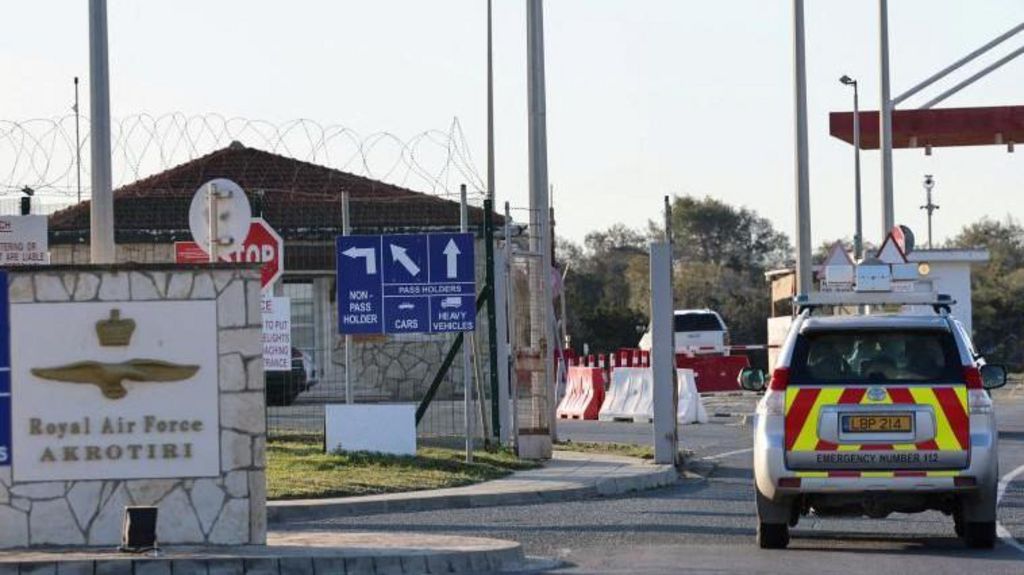

  • European allies rush to bolster Cyprus defences after drones target British base

    European allies rush to bolster Cyprus defences after drones target British base

    A multinational European security deployment is underway in Cyprus following a drone incursion at the British RAF Akrotiri airbase over the weekend. The Eastern Mediterranean nation has become an unexpected focal point in regional tensions stemming from U.S.-Israeli operations against Iranian interests.

    The United Kingdom has dispatched HMS Dragon, a Type 45 air defense destroyer, alongside helicopters equipped with advanced counter-drone capabilities. French President Emmanuel Macron confirmed the imminent arrival of the frigate Languedoc, while Greece has committed four F-16 fighter jets and two frigates, including the Psara equipped with the specialized Centauros anti-drone system.

    Greek Defense Minister Nikos Dendias, during his visit to Nicosia, emphasized his nation’s commitment: “Greece is present, and will continue to be present to assist in any way in the defence of the Republic of Cyprus.”

    Military analysts note the strategic significance of these deployments. Former strategist Mikey Kay observed that the Type 45 destroyer represents “very expensive equipment” that is “highly capable,” though questions remain about its effectiveness against potential swarm attacks using lower-cost Iranian Shahed 136 drones.

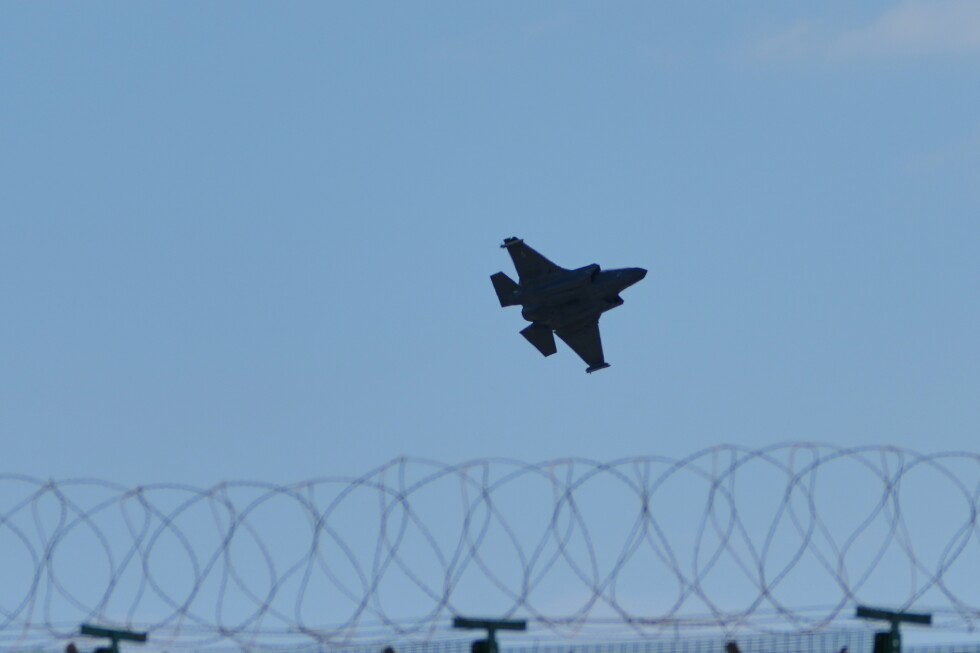
    The incident has triggered operational responses beyond Cyprus. RAF F-35 jets operating over Jordan have engaged and destroyed an Iranian drone, according to UK Ministry of Defence statements. Meanwhile, the drone scare has prompted evacuations of both British military families and local Cypriot residents near the base.

    Cyprus has explicitly distanced itself from the broader Middle East conflict, with government spokesmen criticizing initial ambiguities regarding the base’s usage. The nation emphasized that British installations should serve exclusively humanitarian purposes and reaffirmed that Cyprus itself is not a target in regional tensions.

    The British military presence in Cyprus, covering nearly 3% of the island’s territory, represents a colonial legacy dating to the 1960 independence agreement. This marks the first significant attack on RAF Akrotiri since pro-Libyan militants struck the base in 1986.

  • Irish government to charter flight for citizens stranded in Middle East

    Irish government to charter flight for citizens stranded in Middle East

    The Irish government has initiated emergency evacuation procedures for its citizens stranded in the Middle East following escalating regional conflicts. Foreign Affairs Minister Helen McEntee announced a charter flight operation from Oman with capacity for approximately 280 passengers, prioritizing the most vulnerable Irish nationals currently in the United Arab Emirates.

    The evacuation effort represents the first phase of Ireland’s crisis response, with authorities directly contacting citizens deemed most urgently requiring assistance. Minister McEntee emphasized the selective nature of this initial operation, acknowledging that thousands of registered citizens would necessitate multiple flights. “I appreciate when you talk about the thousands who are there, that is a fraction of the number of people that may want to get home at the same time,” McEntee stated during an interview with Irish broadcaster RTÉ.

    The flight’s departure remains contingent on airspace accessibility and security conditions, with no specific timeline confirmed. The minister urged patience as authorities implement their phased evacuation strategy while maintaining full consular support for all Irish citizens in the region.

    This development occurs against the backdrop of severe aviation disruptions across the Middle East, with thousands of flights canceled since Saturday. The transportation crisis follows recent military actions involving US and Israeli strikes against Iran, which resulted in the death of Iran’s supreme leader and subsequent retaliatory measures throughout the region.

    The Irish evacuation parallels similar efforts by other nations, including the United Kingdom, which announced comparable charter flights from Muscat prioritizing vulnerable British nationals. Both governments have emphasized the challenges of large-scale citizen extraction during active regional conflict and airspace instability.

  • Commercial flight to ferry Aussies out of Dubai as Iran conflict escalates

    Commercial flight to ferry Aussies out of Dubai as Iran conflict escalates

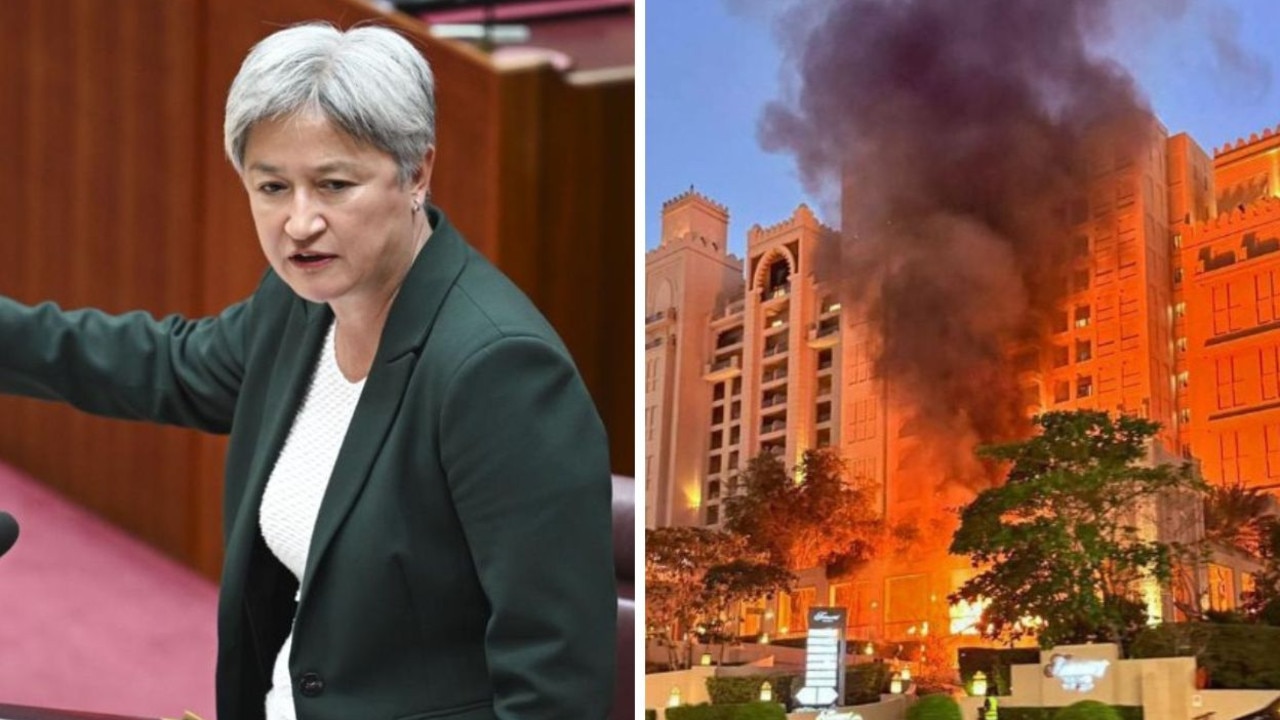
    The Australian government is executing contingency plans to evacuate its citizens from Dubai as escalating military exchanges between Iran and Israel create dangerous conditions across the Gulf region. Foreign Minister Penny Wong confirmed the arrangement of a commercial Emirates flight (EK 414) scheduled to depart Dubai at 2:00 AM local time (9:00 AM AEDT) bound for Sydney, despite the volatile security situation.

    This emergency measure comes as Iranian rocket fire has targeted areas within the United Arab Emirates, including strategic locations such as the Fairmont Hotel in Palm Jumeirah and the iconic Burj Al Arab hotel, which sustained damage during intercepted drone attacks. The offensive represents Iran’s retaliation for joint U.S.-Israeli operations against Iranian targets.

    Minister Wong acknowledged the substantial challenges in organizing evacuations given the geographical distance and the unprecedented scale of conflict expansion throughout Middle Eastern transport hubs. With approximately 115,000 Australian citizens currently sheltering throughout the region—the majority concentrated in the UAE—the government is exploring all viable options to ensure their safe return.

    While the scheduled flight offers hope for stranded Australians, the situation remains fluid. Another planned repatriation flight to Christchurch (EK 412) has already been canceled, highlighting the unpredictability of air operations during active hostilities. The Australian government continues to work around the clock, prioritizing the resumption of commercial flights, even if only intermittently, to facilitate the large-scale evacuation effort.

  • Exclusive: Inside Hezbollah’s decision to attack Israel and Berri’s ‘break’ with the party

    Exclusive: Inside Hezbollah’s decision to attack Israel and Berri’s ‘break’ with the party

    A dramatic escalation along the Lebanon-Israel border has triggered a profound political crisis within Lebanon, pitting the state directly against the powerful militant group Hezbollah. The chain of events began on Monday when Hezbollah launched a significant rocket and drone assault on northern Israel, which it stated was retaliation for the killing of Iran’s Supreme Leader Ali Khamenei in a joint US-Israeli operation and was conducted “in defence of Lebanon.”

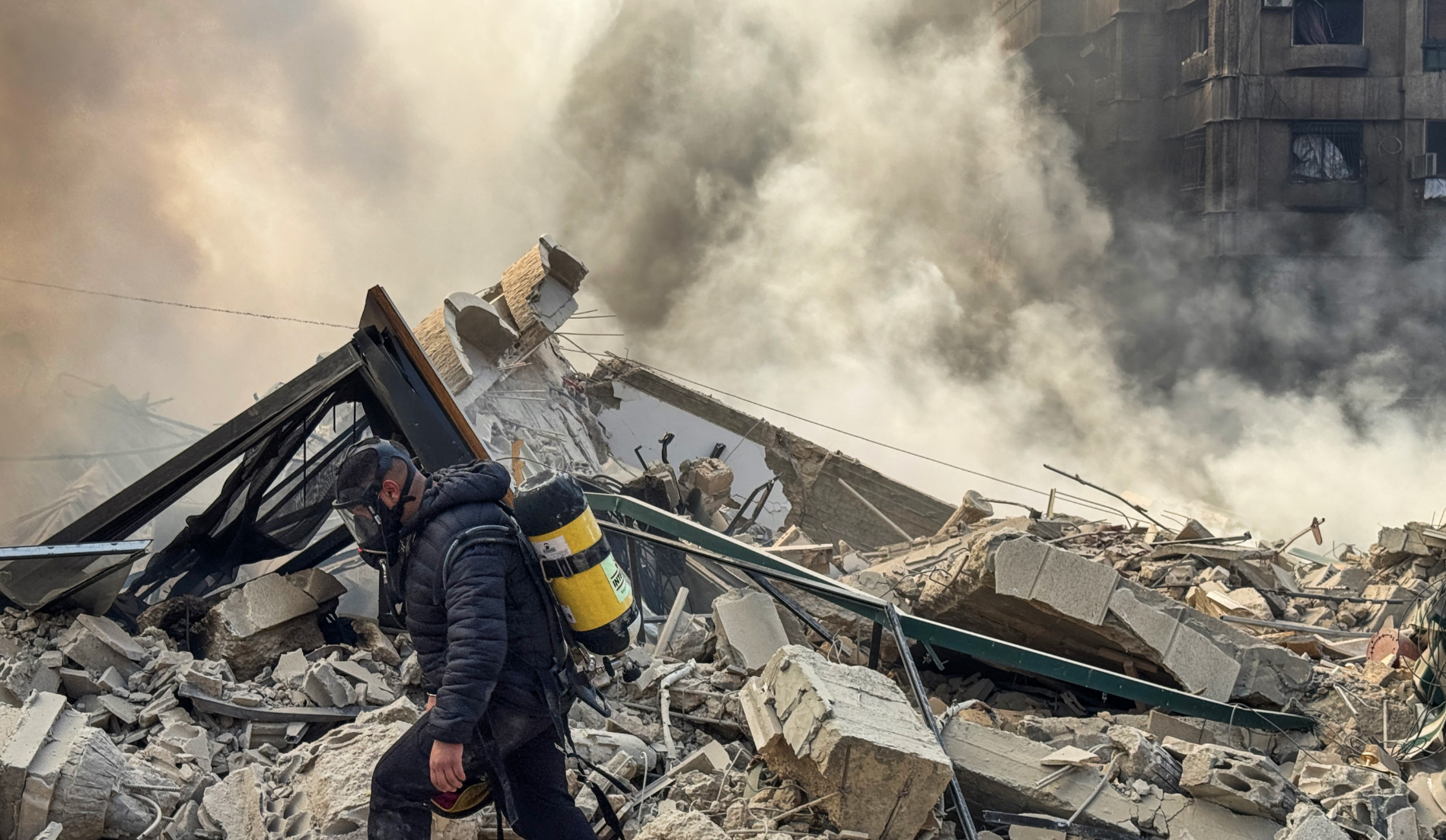
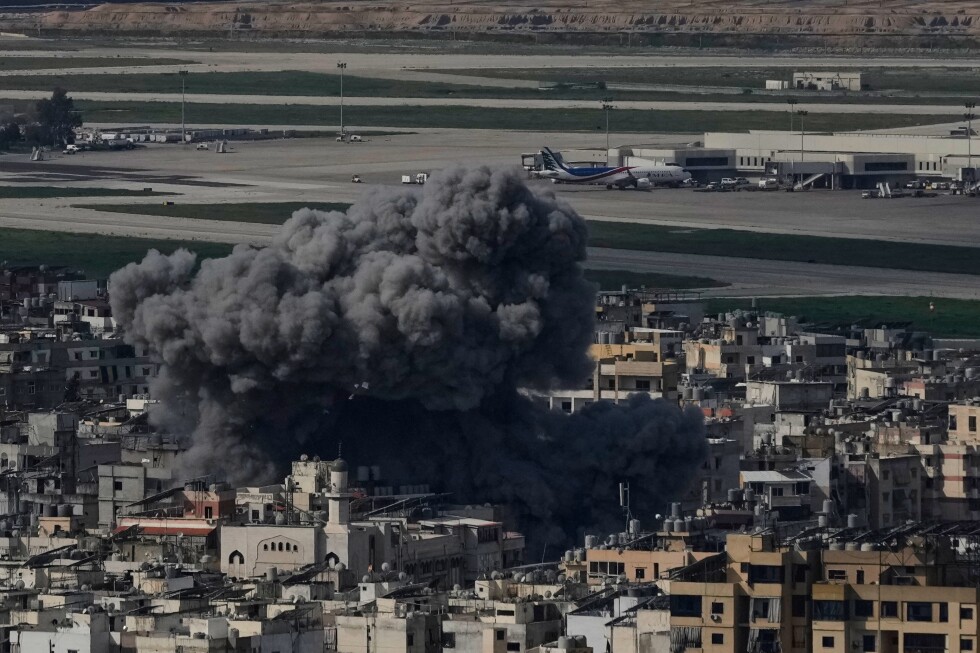
    This offensive, the first claimed by Hezbollah since the November 2024 ceasefire, ignited a sweeping Israeli retaliation. Israeli air strikes pounded Beirut’s southern suburbs, southern Lebanon, and eastern regions, resulting in at least 40 fatalities and 246 injuries. The attacks triggered mass displacement, with roads clogged by families fleeing the targeted areas—a grim echo of the mass exodus witnessed during the 2024 war.

    The most consequential shockwave, however, was political. In an emergency session, the Lebanese cabinet, led by Prime Minister Nawaf Salam, issued a historic decree that shattered years of precedent. It announced a total ban on all Hezbollah military and security activities and demanded the group surrender its weapons, asserting that the sovereign state alone holds the authority over decisions of war and peace. The government further mandated the national army and security agencies to prevent any rocket or drone launches from Lebanese territory and to arrest violators.

    The decision gained immense symbolic weight from the backing of Nabih Berri, the influential Parliament Speaker and leader of the Amal movement, Hezbollah’s longstanding Shia political ally. This public support created an appearance of a dramatic rupture within Lebanon’s powerful “Shia duo.” However, sources familiar with both camps reveal a more complex, strategic calculation behind the scenes.

    According to insiders, Berri and Hezbollah had been in contact prior to the strike, sharing a conviction that a major Israeli assault was increasingly likely. Berri’s position was that Lebanon should not provide Israel with a public pretext for war. Hezbollah’s internal assessment, driven by the killing of Khamenei, was that an Israeli escalation was inevitable regardless, making a retaliatory strike a strategic necessity to avoid appearing passive and to challenge post-ceasefire conditions.

    The public display of division, sources indicate, is a politically calibrated posture. By allowing Berri to appear distanced from Hezbollah, the Shia political camp preserved a crucial fallback option. In a worst-case scenario where Hezbollah suffers a devastating military defeat, Berri remains positioned as an institutional figure capable of negotiating terms and safeguarding Shia political interests, thereby preventing a total collapse of the community’s leadership.

    For the Lebanese state, the cabinet’s move represents the most assertive attempt to claim a monopoly on force since the end of the civil war, directly challenging the long-standing paradigm where Hezbollah wielded military power independently while the state managed the consequences. This escalation ushers in a volatile new chapter that threatens not just another border conflict, but a fundamental internal confrontation over the future balance of power within Lebanon itself.

  • Iran’s new tactics force US to reconsider its capacity for pain

    Iran’s new tactics force US to reconsider its capacity for pain

    The United States and Israel’s military operation against Iran, initially launched with the core objective of triggering rapid regime change in Tehran, has encountered unexpected resistance and is undergoing significant strategic recalibration. As the conflict enters its fourth day, developments on the ground have failed to produce the anticipated internal collapse within Iran, forcing Washington to reassess its fundamental assumptions about the Islamic Republic’s vulnerability.

    Contrary to initial expectations of swift victory, the conflict has expanded horizontally with Iran demonstrating remarkable resilience while simultaneously inflicting damage on enemy positions. This unexpected durability has compelled U.S. and Israeli officials to reshape their regime change calculations and reconsider Tehran’s negotiating posture. Following the killing of Supreme Leader Ali Khamenei, Iranian authorities now view diplomatic negotiations as a distant possibility, responding coldly to regional overtures while openly warning neighboring states about hosting U.S. military assets.

    Senior U.S. defense officials have acknowledged the potential for a prolonged engagement, with General Dan Caine, chairman of the Joint Chiefs of Staff, confirming that ‘additional casualties are expected.’ Defense Secretary Pete Hegseth’s attempted reassurance that ‘This isn’t Iraq. It’s not endless’ ironically underscores the growing concern about the conflict’s duration within public discourse. Israeli Prime Minister Benjamin Netanyahu has echoed this language, reflecting joint efforts to manage expectations as the initial shock-and-awe phase fails to deliver anticipated breakthroughs.

    The operational objectives have subsequently expanded, with Secretary of State Marco Rubio stating that the U.S. seeks to eliminate Iran’s ballistic missile capability: ‘We have targets. We will do what is necessary for as long as it takes to achieve those objectives.’ This follows earlier remarks dismissing nation-building ambitions in Iran, highlighting the growing gap between initial strategic goals and current realities.

    Iran has fundamentally altered its military strategy, abandoning intermittent large-scale attacks in favor of sustained, distributed strikes designed to exhaust defensive resources. Iranian military officials claim capacity to sustain regional conflict for months, citing overlooked assets and strategic stockpiles. By the second day of fighting, Iran began imposing tangible costs on U.S. interests, targeting at least six American military facilities across the Middle East and raising questions about defensive capabilities among Gulf allies.

    The conflict’s economic dimensions have emerged as particularly significant, with Iranian warnings about targeting vessels transiting the Strait of Hormuz rattling global markets. Oil and gas prices have soared following Saudi Arabia’s shutdown of its largest oil refinery and Qatar’s closure of the world’s largest LNG producer. This energy volatility represents a deliberate Iranian strategy to transform a regional military confrontation into a broader crisis impacting alliance networks and global economies.

    With no significant anti-regime mobilization materializing inside Iran despite Netanyahu’s calls for uprising, the U.S. appears to be exploring alternative strategies including potential engagement with Kurdish groups and other minority factions. Iranian officials have dismissed this approach as fantasy, citing preventive strikes against Kurdish camps near Erbil and warnings to regional groups.

    The emerging conflict dynamic suggests the war’s ultimate trajectory will be determined less by immediate tactical gains and more by the balance of accumulated costs across military, economic, and political domains. As the U.S. frames the conflict as potentially long and casualty-intensive, Iran responds by deliberately stretching timelines and distributing pressure across multiple theaters, creating a complex test of American strategic resilience with potential implications for broader global power dynamics.

  • US-Israeli strikes on Iran tear through IVF clinic, hospitals and homes

    US-Israeli strikes on Iran tear through IVF clinic, hospitals and homes

    A devastating US-Israeli military offensive against Iran has resulted in catastrophic collateral damage to civilian infrastructure, with prominent hospitals, residential buildings, and cultural landmarks sustaining direct hits across more than 150 cities. The bombing campaign, purportedly targeting Iran’s military and nuclear facilities, has instead wrought havoc on civilian populations, with the Red Crescent Society reporting at least 787 fatalities to date.

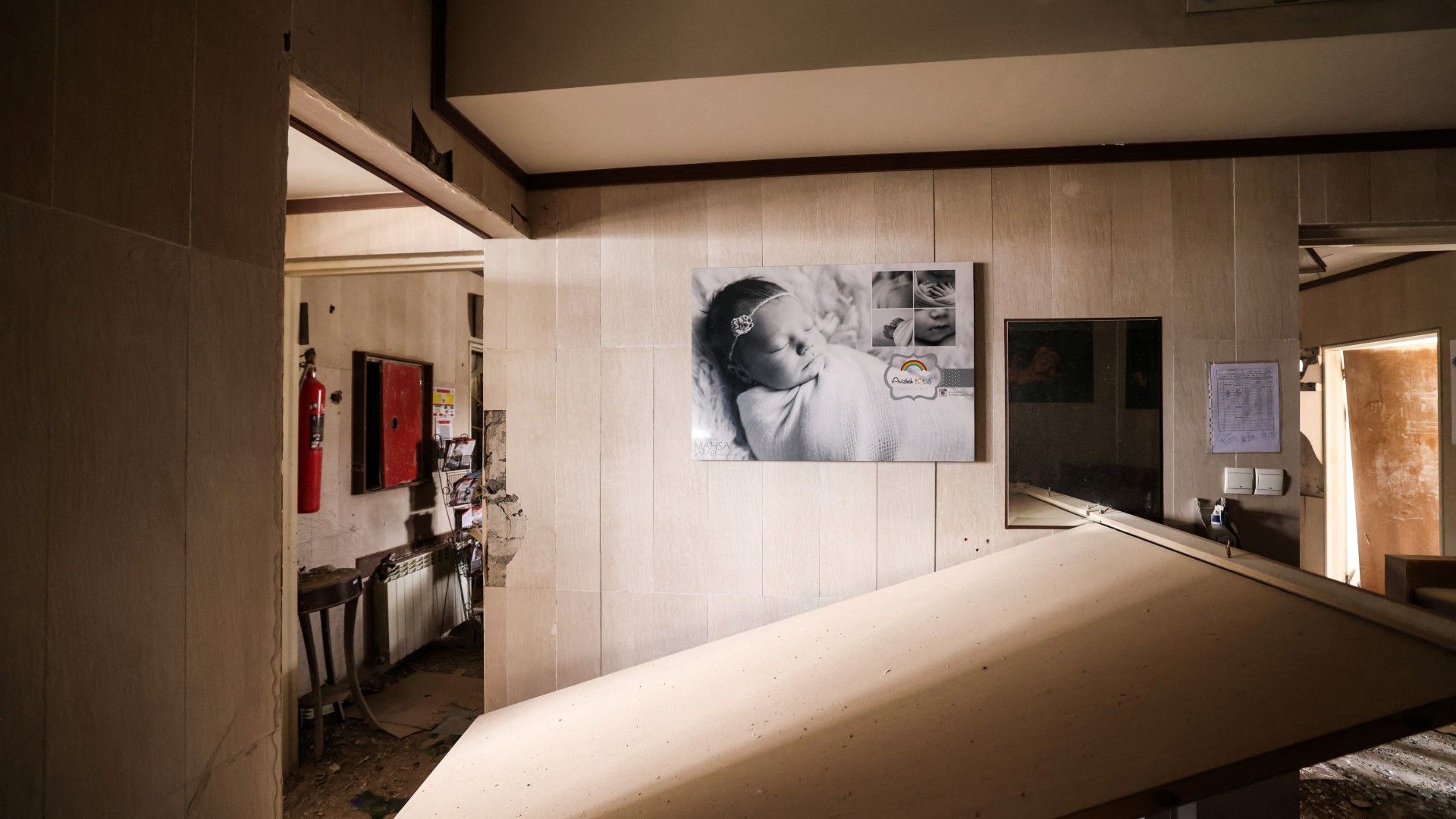
    At Tehran’s Ghandi Hospital, a renowned private medical center, a direct strike caused severe damage to its fertility clinic, destroying years of hope for couples undergoing IVF treatment. “After 10 years of trying, we finally had hope,” said Mohsen, whose embryos were stored at the clinic. His wife Firouzeh added: “We don’t know what happened to our samples. We don’t know if all these years of effort and hope are gone.

    The hospital’s head, Mohammad Hassan Bani Asad, confirmed one staff member suffered serious brain bleeding requiring emergency surgery. Nurse Salmaz, who was on duty during the attack, described chaotic scenes: “The force threw me into the corner of my office. The building caught fire. Everyone was screaming and trying to escape. In those terrible moments, we were just trying to save the babies.”

    Contrary to Israeli military claims of “minor and collateral damage,” medical authorities report at least 10 healthcare facilities have been struck nationwide. Mohammad Raiszadeh, head of Iran’s Medical Council, drew parallels to Israel’s attacks on Gaza hospitals, expressing skepticism about international intervention: “They showed during the Gaza tragedy that they cannot stop attacks on medical centers.”

    The cultural destruction extended to Tehran’s Golestan Palace, a UNESCO World Heritage Site, which sustained significant damage. Residential areas have been particularly hard hit, with numerous apartment buildings completely flattened. Reza, a 42-year-old resident near Niloufar Square, described a five-story building reduced to rubble: “I don’t know how many people were killed there.”

    As the bombing continues unabated, civilian anxiety reaches unprecedented levels. Negin, an eyewitness to an attack on Army Hospital, summarized the prevailing sentiment: “The explosions do not stop. Every moment I ask myself: will the next strike hit our home?”

  • Macron orders France’s nuclear-powered aircraft carrier to the Mediterranean

    Macron orders France’s nuclear-powered aircraft carrier to the Mediterranean

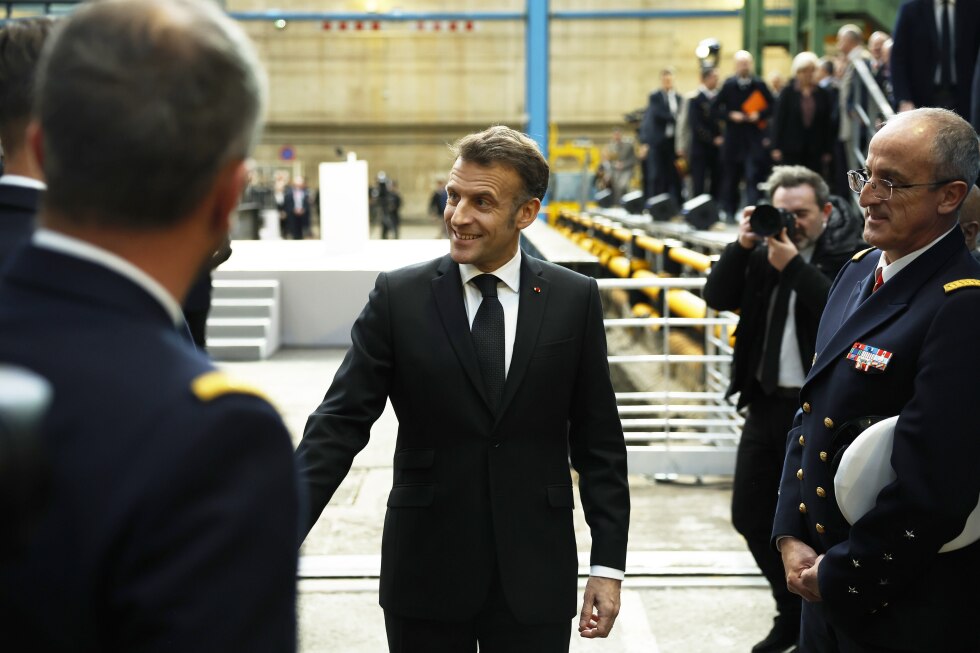
    PARIS — In a significant military mobilization, French President Emmanuel Macron has ordered the redeployment of France’s nuclear-powered aircraft carrier, the Charles de Gaulle, from the Baltic Sea to the Mediterranean theater. The strategic move aims to bolster allied defense capabilities during escalating tensions in the Middle East conflict.

    During a televised address, Macron confirmed the carrier strike group would be accompanied by its full air wing and escort frigates. This deployment coincides with the recent positioning of Rafale fighter jets, advanced air-defense systems, and airborne radar assets to the region over the past several hours.

    The French leader emphasized the nation’s commitment to sustained operational presence, stating, “We will continue this effort as much as necessary.” He specifically referenced Monday’s attack on a British airbase in Cyprus—an EU member state with which France recently established a strategic partnership—as justification for enhanced defensive measures.

    Additional reinforcements include supplementary air-defense resources and the guided-missile frigate Languedoc, which Macron confirmed would arrive off the Cypriot coast imminently.

    While France, the United Kingdom, and Germany have previously denied direct involvement in strikes against Iran, all three nations have expressed readiness to support proportional defensive operations targeting Iran’s missile and drone capabilities.

    Macron further highlighted France’s existing defense agreements with Qatar, Kuwait, and the United Arab Emirates, alongside security commitments to Jordan and Iraq. Expressing concern over conflict spillover into Lebanon, the president condemned Hezbollah’s strikes against Israel as “a grave mistake” endangering Lebanese civilians, while simultaneously cautioning against Israeli ground operations.

  • Country by country, here’s how the unfolding war is affecting the Middle East and beyond

    Country by country, here’s how the unfolding war is affecting the Middle East and beyond

    The escalating military confrontation between Iran and Israel has erupted into a full-scale regional crisis, causing catastrophic damage across the Middle East and triggering global economic and humanitarian repercussions. According to verified reports, nearly every nation in the region has sustained direct impacts from missile strikes, drone attacks, or falling debris, resulting in significant civilian casualties and infrastructure destruction.

    The conflict has forced unprecedented international response measures, with numerous governments urgently evacuating their citizens via any available commercial flights. Critical airspaces throughout the Gulf region have been largely closed to civilian traffic, while major shipping lanes including the Strait of Hormuz have become impassable due to security concerns. The United States State Department has confirmed the evacuation of non-essential personnel and diplomatic families from six nations, with travel advisories issued for over a dozen countries.

    Regional impact assessments reveal devastating human costs: Iran reports approximately 1,045 fatalities, including significant civilian casualties from a disputed elementary school strike in Minab. Israel has confirmed eleven civilian deaths from rocket attacks, while Lebanon’s Health Ministry reports 72 fatalities including seven children, with over 84,000 people displaced. Kuwait has suffered eight casualties, including six American soldiers killed at a operations center.

    Critical infrastructure has been systematically targeted, with nuclear facilities, government compounds, and economic assets suffering extensive damage. The United Arab Emirates, previously considered a regional safe haven, has seen its reputation shaken after Iranian drones struck its international airport, coastal hotels, and Amazon data centers. Dubai’s status as a global business hub has been particularly compromised by these attacks.

    Global economic ramifications are already emerging, with Iraq’s Ministry of Oil announcing production halts in key fields due to Strait of Hormuz disruptions, causing worldwide crude oil prices to surge. Egypt’s struggling economy faces further pressure as shipping companies reroute vessels away from the Suez Canal, a vital source of foreign currency.

    The conflict has expanded beyond the Middle East, with a U.S. submarine sinking an Iranian warship off the coast of Sri Lanka, resulting in 87 confirmed fatalities. NATO defense systems in Turkey have intercepted ballistic missiles, while a British air base in Cyprus has come under attack, demonstrating the conflict’s expanding geographical footprint.

    International diplomatic efforts continue amid the chaos, with governments from Russia to Germany and India organizing emergency repatriation flights for their citizens caught in the rapidly deteriorating security situation across the region.

  • Cyprus becomes embroiled in another Middle Eastern maelstrom with UK military bases on its soil

    Cyprus becomes embroiled in another Middle Eastern maelstrom with UK military bases on its soil

    NICOSIA, Cyprus — The recent drone assault on a British military installation in Cyprus has thrust the Mediterranean island nation into the escalating Middle Eastern conflict, highlighting its precarious geopolitical positioning. Early Monday, a Shahed drone penetrated sophisticated radar defenses at RAF Akrotiri, prompting the deployment of Typhoon and F-35 fighter jets. Although the strike caused minimal structural damage and no casualties, it marked the first foreign attack on Cypriot territory since Turkey’s 1974 invasion.

    A subsequent drone interception hours later confirmed the deliberate nature of these incursions. While no entity has claimed responsibility, security analysts attribute the attacks to Iranian-backed Hezbollah forces in Lebanon. British officials maintain the timing preceded Prime Minister Keir Starmer’s authorization of U.S. operations from Cypriot bases, though the distinction appears largely academic given the base’s historical role in regional conflicts.

    The Akrotiri base, spanning 255 square kilometers, represents Britain’s most significant military foothold in the Eastern Mediterranean. Its strategic value was demonstrated during the 2003 Iraq invasion and continues through U-2 spy plane operations monitoring Middle Eastern activities.

    Cyprus’s current administration under President Nikos Christodoulides has markedly shifted from the nation’s traditional neutrality. The U.S.-educated leader has positioned Cyprus as a bridge between the EU and Middle East while strengthening ties with Israel, Lebanon, and Gulf states. Despite this alignment, government officials emphatically deny direct participation in military actions.

    In response to the security breach, Greece deployed four F-16s and two advanced frigates, while France committed additional naval support and anti-drone systems. Germany and Britain are similarly reinforcing Cyprus’s defenses with warships and helicopter units.

    Anna Koukkides-Procopiou of Politeia think tank observed that Cyprus’s strategic choices have inevitable consequences: ‘We’ve chosen sides and we have to face the music now.’ The enduring presence of British military installations continues to complicate Cyprus’s foreign policy autonomy, serving as both strategic asset and geopolitical vulnerability in a perpetually volatile region.