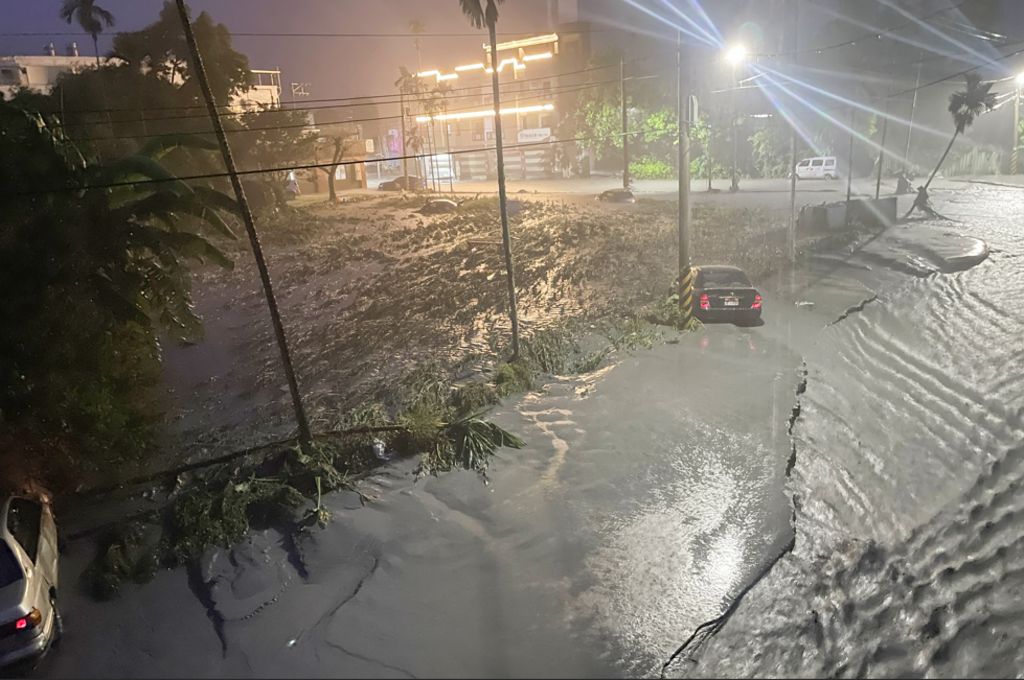
Super Typhoon Ragasa, the most powerful storm of 2025, has wreaked havoc across Taiwan and is now poised to strike southern China, prompting mass evacuations and widespread disruptions. In eastern Taiwan, the typhoon caused a mountain lake to burst its banks, leading to catastrophic flooding in Hualien County. At least 14 people have died, while 263 others remain trapped or missing. Rescuers are working tirelessly to reach affected areas, but the situation remains dire. The typhoon, equivalent to a Category 5 hurricane, has already unleashed wind gusts of up to 285 km/h (177 mph) and triggered severe flooding, landslides, and storm surges. In Hualien, a bridge was destroyed, trees uprooted, and cars submerged as floodwaters surged through the region. Deputy Chief of Hualien County Fire Department, Lee Lung-sheng, described water levels rising as high as the second floor of buildings in some areas. Meanwhile, Taiwan has recorded nearly 60 cm (24 inches) of rainfall in its eastern regions, with ferry services suspended and over 100 international flights canceled. As Ragasa approaches China’s Guangdong province, authorities have evacuated 370,000 people and issued warnings of a ‘catastrophic’ storm surge of up to five meters. Hong Kong has raised its typhoon warning to the maximum level 10, with supermarkets stripped bare as residents prepare for the storm’s impact. Hong Kong International Airport anticipates significant flight disruptions, with over 500 Cathay Pacific flights canceled. The typhoon, dubbed the ‘King of Storms’ by China’s meteorological agency, is expected to move towards northern Vietnam, potentially affecting millions. In the Philippines, Ragasa has already claimed one life and forced the evacuation of thousands. Experts warn that climate change is intensifying tropical storms, leading to higher wind speeds, heavier rainfall, and increased coastal flooding risks. As Ragasa continues its destructive path, the region braces for further devastation.
分类: world
-
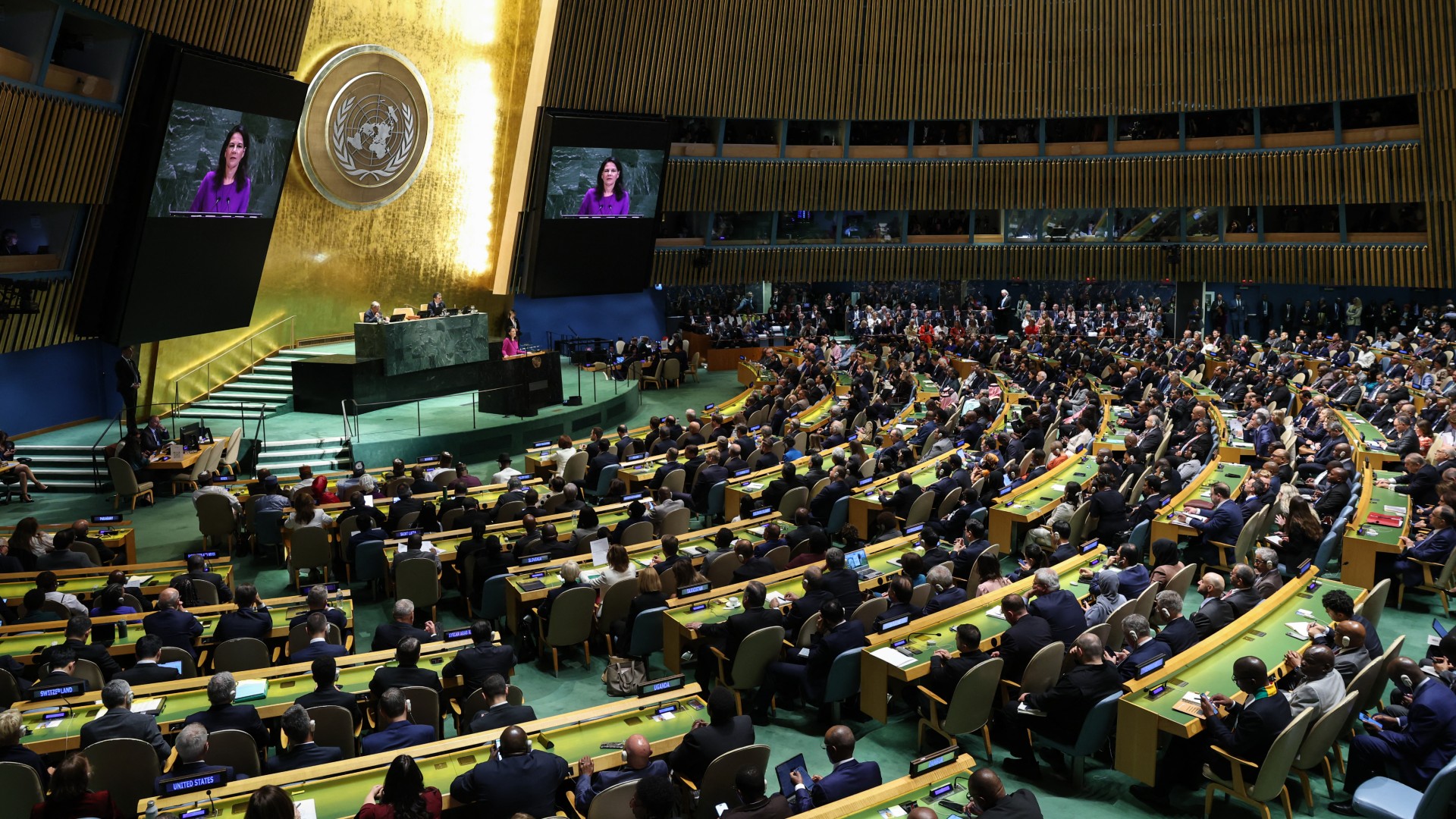
UN General Assembly 2025: Which Middle East leaders are speaking and when?
This week, New York City becomes the epicenter of global diplomacy as world leaders assemble for the 80th United Nations General Assembly (UNGA) debate. The gathering, marking eight decades of international collaboration, unfolds against a backdrop of escalating global conflicts and internal financial struggles within the UN. Over 150 heads of state and government are set to address the assembly, with Middle Eastern leaders expected to spotlight Israel’s actions in Gaza and its regional confrontations. The event, renowned for attracting political heavyweights, kicked off with US President Donald Trump articulating his global vision and critiquing the perceived decline of international institutions. Turkish President Recep Tayyip Erdogan, alongside leaders from Jordan and Qatar, also took the stage. The UNGA, a cornerstone of the UN, oversees critical functions such as admitting new members, selecting non-permanent Security Council members, and contributing to the election of the UN Secretary-General. It also grants observer status to entities like Palestine and the European Union. This year’s theme, ‘Better together: 80 years and more for peace, development and human rights,’ may be overshadowed by national agendas, particularly from Middle Eastern leaders. The assembly’s schedule, running from 9am to 9pm EST, is packed with speeches, though adherence to the 15-minute limit is often lax, a tradition famously exemplified by Fidel Castro’s four-hour address in 1960. The event’s dynamic nature means the speaking order is subject to change, with leaders from across the globe, including Indonesia, South Africa, France, and China, slated to contribute their perspectives. The UNGA continues to serve as a vital platform for addressing pressing global issues, despite the challenges it faces.
-

More than 80 buffaloes drown in Namibia after falling off cliff
In a tragic wildlife incident, more than 80 buffaloes lost their lives after stampeding and drowning in the Chobe River, according to Namibia’s environment and tourism department. The calamity unfolded when the buffaloes, being pursued by lions from neighboring Botswana, plunged off a steep cliff into the river on the Namibian side of the border. This is not an isolated event; similar incidents have claimed the lives of hundreds of buffaloes in the past. Notably, around 400 buffaloes died in 2018 under comparable circumstances in the same river, which flows through Botswana’s renowned Chobe National Park, a hotspot for elephants, buffaloes, and giraffes. Mbeha Tadeus, an official from Namibia’s Kabulabula Conservancy, explained that buffaloes often flee into Namibia when chased by lions, leading to chaotic stampedes. Ndeshipanda Hamunyela, a spokesperson for Namibia’s Environment, Forestry and Tourism Ministry, confirmed the buffaloes originated from Botswana but could not specify if they were from Chobe National Park. The carcasses are being distributed to local communities, as seen in a video shared by Namibia’s public broadcaster, NBC, which reported the incident occurred around 05:00 local time (07:00 GMT).
-

Eswatini says it has repatriated US deportee to Jamaica
Eswatini, Africa’s last absolute monarchy, has come under scrutiny following the deportation of a Jamaican man under former U.S. President Donald Trump’s stringent immigration policies. Orville Isaac Etoria, 62, who had lived in the U.S. for decades as a lawful permanent resident, was deported to Eswatini in July alongside four other individuals from Cuba, Laos, Vietnam, and Yemen. The U.S. government labeled them as ‘depraved monsters.’ After being held in solitary confinement in a maximum-security prison in Mbabane, Etoria was voluntarily repatriated to Jamaica over the weekend and was warmly received by his family. However, his treatment has drawn condemnation from the Legal Aid Society of New York, which highlighted his reintegration into American society after serving a 25-year prison sentence for murder. Activists in Eswatini have denounced the deportation deal as ‘unconstitutional,’ staging protests outside the U.S. embassy. Rights groups have initiated legal action, arguing that the government lacked parliamentary approval for the agreement. Eswatini, formerly known as Swaziland, is a small, landlocked nation bordered by South Africa and Mozambique, ruled by King Mswati III since 1986. The case underscores the controversial nature of Trump’s mass deportation policies, which often sent individuals to countries with no personal ties.
-

Russia’s involvement in drone sightings cannot be ruled out, Danish PM says
Denmark’s Prime Minister Mette Frederiksen has labeled the drone incursion that disrupted Copenhagen Airport on Monday night as “the most severe attack on Danish infrastructure so far.” The incident, which forced the closure of Kastrup Airport for several hours, was described as an attempt to “disrupt, create unrest, and test the limits” of Denmark’s defenses. Frederiksen drew parallels between this event and recent Russian drone incursions in Poland, Romania, and Estonia, suggesting a broader pattern of destabilization. While Kremlin spokesman Dmitry Peskov dismissed the allegations as “unfounded,” Danish intelligence warned of a “high threat of sabotage.” Flemming Drejer, director of operations at Denmark’s intelligence service PET, noted that the motive may have been to “stress us out and see how we react.” Around 20,000 passengers were affected by the airport closure, which resumed operations after midnight. Danish police described the drone operators as a “capable actor” but have yet to identify their origin. In Norway, Oslo Airport also faced a temporary closure due to suspected drone activity, with 14 flights diverted. Norwegian Prime Minister Jonas Gahr Store condemned Russia’s repeated airspace violations in 2025, emphasizing that such actions are “not acceptable.” The incidents have heightened tensions in Europe, with NATO bolstering its eastern flank by deploying troops and fighter jets from member states, including the UK, France, Germany, and Denmark. The alliance has also warned of a “wider pattern of increasingly irresponsible Russian behavior” following recent incursions into Poland, Romania, and Estonia. As the conflict in Ukraine continues, NATO members like Poland and Sweden have vowed to shoot down any unauthorized objects in their airspace, underscoring the growing security challenges in the region.
-
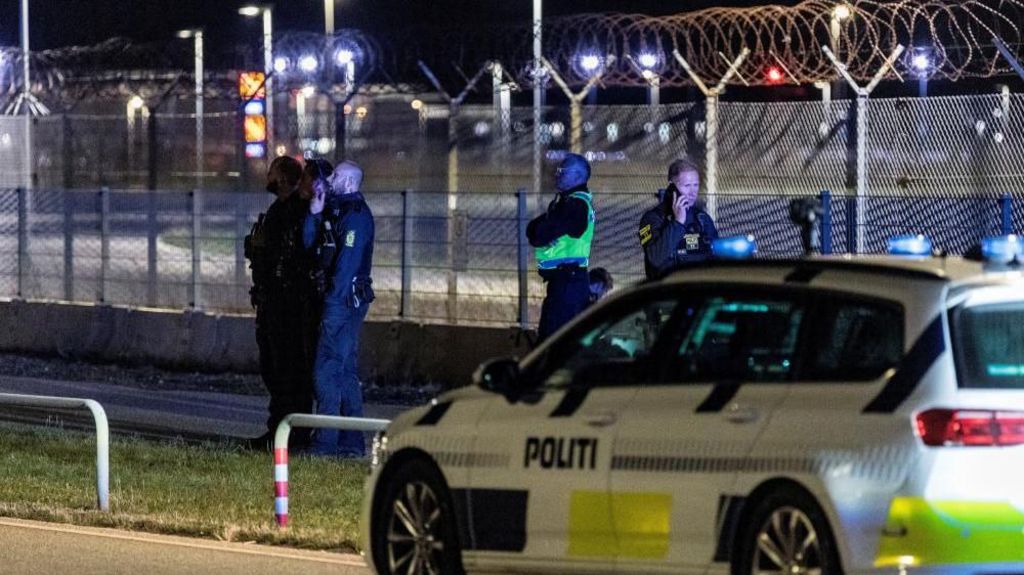
Copenhagen and Oslo airports forced to close temporarily due to drone sightings
Major airports in Denmark and Norway were temporarily shut down on Monday night following unidentified drone sightings, causing significant disruptions to air travel. Copenhagen Airport in Denmark and Oslo Airport in Norway were both forced to suspend operations for nearly four hours, impacting approximately 20,000 passengers. Danish authorities reported that two to three large drones were observed flying near Copenhagen Airport, prompting the activation of armed forces. However, police emphasized there was no evidence suggesting the drones intended to cause harm, speculating instead that the operator aimed to ‘show off.’ Both airports resumed operations by early Tuesday morning. Investigations are ongoing, with Danish police implementing unspecified measures to address the incident. Meanwhile, Norwegian authorities confirmed a drone sighting near Oslo Airport, leading to similar airspace closures. Ukrainian President Volodymyr Zelensky referenced a ‘Russia’s violation’ of NATO airspace in Copenhagen on September 22, though no official attribution has been made by EU or NATO leaders. Flight-tracking website Flightradar24 reported at least 35 flights bound for Copenhagen were diverted due to the closure. Both countries are now assessing the security implications of these incidents.
-
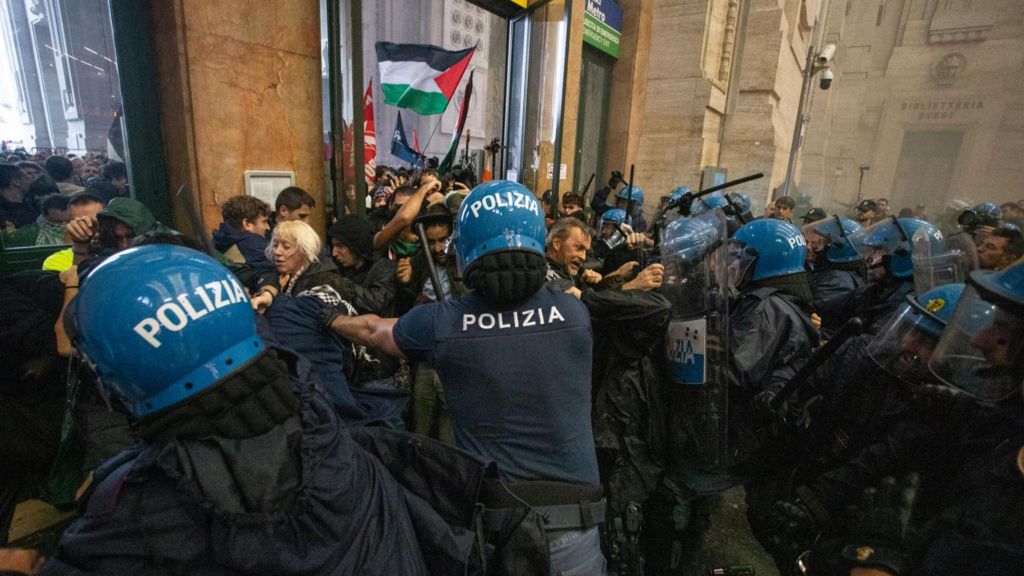
Clashes break out as Italians strike demanding action over Gaza
Italy witnessed widespread protests on Monday as thousands of citizens rallied in solidarity with Palestinians, coordinated by trade unions across the country. The demonstrations, marked by clashes with police, were particularly intense in Milan and Rome, with around 60 officers reported injured near Milan’s central station. Protesters called for a ceasefire in Gaza and burned a U.S. flag, while fringe groups engaged in violent confrontations, throwing stones and smoke bombs at law enforcement. The unrest disrupted public transport, shut down key metro lines, and blocked major ports in Livorno and Genoa. University students in Turin and Bologna also joined the protests, barricading lecture halls. Milan Mayor Giuseppe Sala condemned the vandalism, stating it undermined the cause of Gaza. Prime Minister Giorgia Meloni, who has faced criticism for her stance on Gaza, labeled the violence as shameful and counterproductive. Meanwhile, France’s President Emmanuel Macron announced the formal recognition of a Palestinian state, describing it as a necessity for peace. This move, following similar decisions by the UK, Canada, and Australia, was met with backlash from Israel, which denounced it as a reward for Hamas. Macron’s decision, supported by Belgium, Malta, and Luxembourg, was hailed by French Foreign Minister Jean-Noël Barrot as a diplomatic victory. However, Italy and Germany, key European powers, have not followed suit. The protests and diplomatic shifts highlight the deepening divide over the Israel-Gaza conflict in Europe.
-
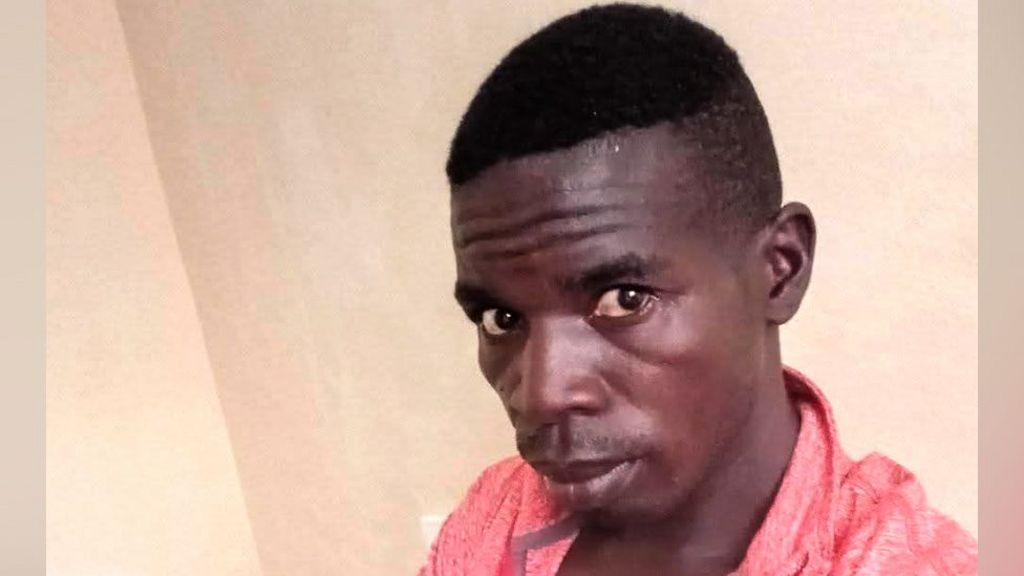
‘I’m Kenyan, don’t shoot’ – the athlete who says he was duped into the Russian army
In a heart-wrenching video released by a Ukrainian army brigade, Evans Kibet, a 36-year-old Kenyan athlete and prisoner of war, tearfully pleaded not to be sent back to Russia, fearing for his life. The aspiring long-distance runner, dressed in a red sports top with the brigade’s flag behind him, claimed he was deceived into joining the Russian army and is desperate to return home to his 16-year-old daughter. The 57th Separate Motorised Infantry Brigade, which shared the video on Facebook, stated that Kibet had fought on the enemy’s side, leaving the credibility of his emotional appeal to viewers’ discretion. The brigade confirmed the interview was conducted with Kibet’s consent, though the BBC has not independently verified this. Kibet’s case highlights the plight of foreign recruits in the Russian army, many of whom are reportedly from poorer countries and end up in Ukrainian prisoner-of-war camps. Petro Yatsenko, Ukraine’s spokesperson on POW treatment, revealed that citizens from Somalia, Sierra Leone, Togo, Cuba, and Sri Lanka are among those currently held. Kibet’s family in Kenya is in shock, with his cousin Edith Chesoi expressing deep trauma and sleepless nights. Known as a humble and dedicated athlete, Kibet had built his life around running, competing in lesser-known races across Europe and Asia. Friends say he had been struggling financially, which may have led him to accept an offer from a sports agent to travel to Russia for races. Kibet insists he went as a visitor, not for military purposes, but was coerced into signing Russian-language documents that bound him to the army. After a week of basic training, he escaped during his first mission and surrendered to Ukrainian soldiers. Kibet’s family is urging Kenyan authorities to intervene, and a senior foreign ministry official assured that the government is actively pursuing the matter. Ukraine has expressed openness to repatriation negotiations if Kenya shows interest. For Kibet’s loved ones, his safety is the only priority. ‘If he made a mistake, let them forgive him. We only want him back,’ his brother said.
-
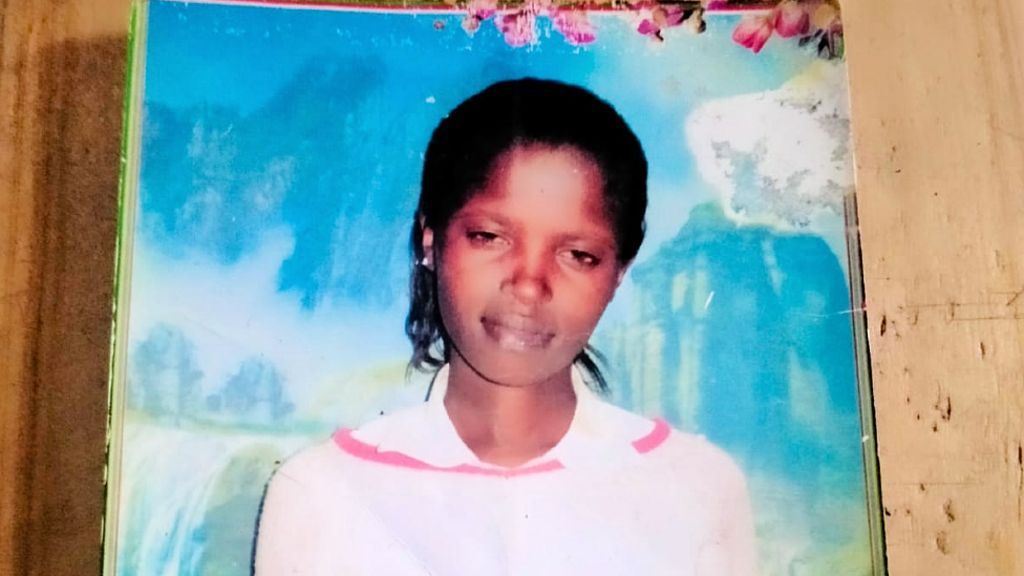
Murdered Kenyan’s friends want UK soldier to face justice
More than a decade after the tragic murder of 21-year-old Agnes Wanjiru in Kenya, a Kenyan court has issued an arrest warrant for a British national suspected of the crime. If extradited, this would mark the first instance of a serving or former British soldier being tried abroad for the murder of a civilian. Agnes, a young mother, was killed in March 2012, and her body was discovered in a septic tank near the Lions Court Hotel in Nanyuki, Kenya. The case has drawn significant attention due to allegations of a cover-up by the British Army. Agnes’s friends recall the night she went missing, describing her interactions with British soldiers at a local bar. Despite initial assumptions of a consensual arrangement, Agnes was later found stabbed to death. The Kenyan judge concluded in 2019 that British soldiers were responsible for her murder. Recent investigations have revealed ongoing misconduct by British soldiers in Kenya, including transactional sex with vulnerable women. In April 2025, UK Defence Secretary John Healey met with Agnes’s family, offering condolences and pledging support for justice. The issuance of the arrest warrant in September 2025 is seen as a significant step toward accountability, though legal hurdles remain. Agnes’s family and friends continue to seek justice, emphasizing the need for financial security for her now-teenage daughter.
-
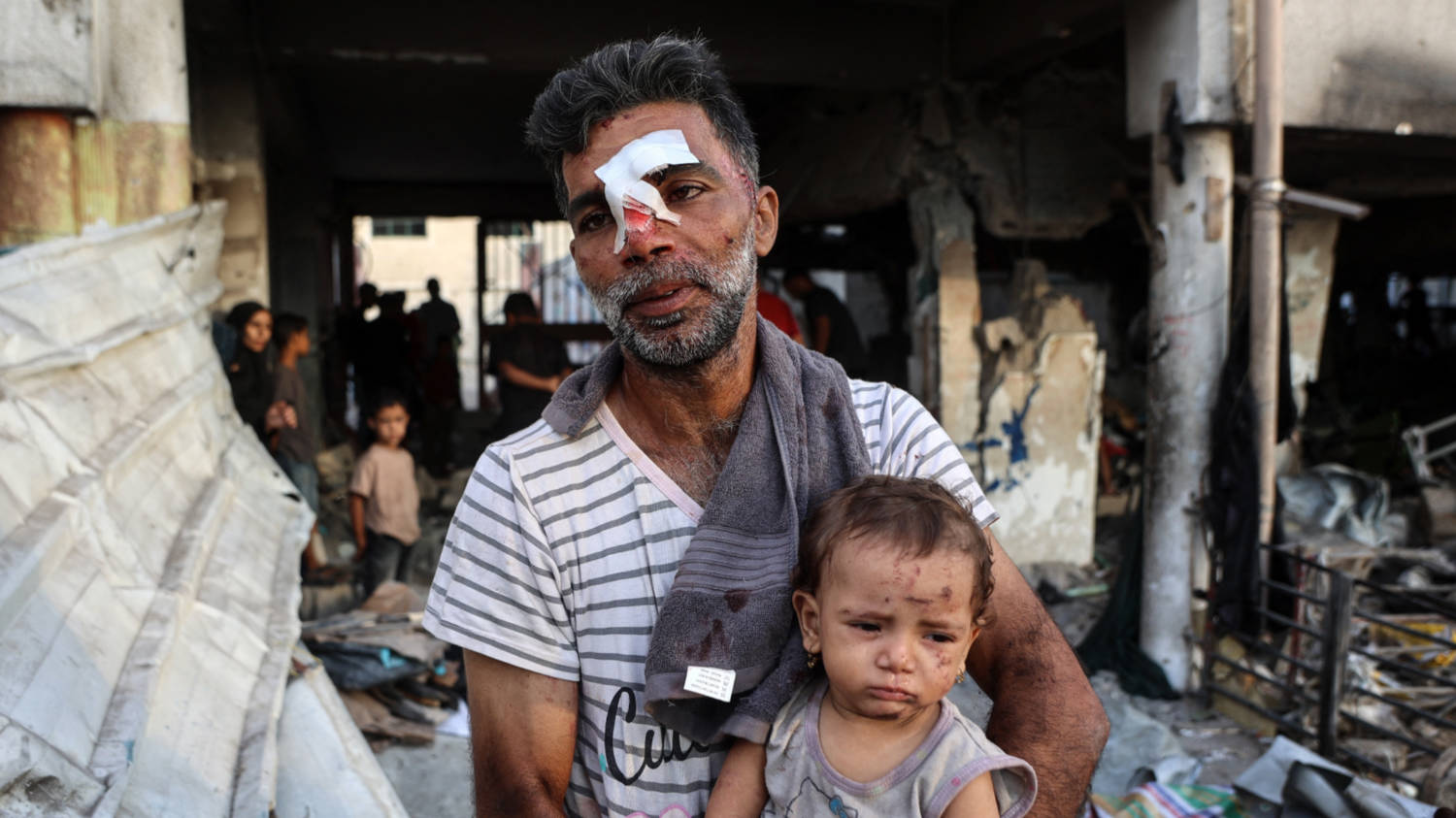
Israel’s genocide in Gaza: Whatever happened to South Africa’s case at the ICJ?
In December 2023, South Africa brought a landmark case before the International Court of Justice (ICJ), accusing Israel of genocide in its military operations in Gaza. This marked the first time Israel’s actions were formally challenged on the global stage since the war began on October 7, 2023. The case has since become one of the most significant legal disputes in recent history, drawing widespread international attention. However, nearly two years later, the ICJ has yet to deliver a final judgment, with the process expected to extend into 2027 or beyond. The case has been characterized by its complexity, with multiple provisional measures issued against Israel, though compliance has been minimal. The death toll in Gaza has surged to over 66,000, according to the Gaza Health Ministry, underscoring the urgency of the situation. South Africa has pursued a multifaceted strategy, including diplomatic efforts and the formation of the Hague Group, to hold Israel accountable. Meanwhile, a recent UN commission of inquiry concluded that Israel has committed genocide in Gaza, further intensifying the legal and political stakes. The ICJ’s eventual ruling, while legally binding, faces enforcement challenges, particularly given the likelihood of a US veto in the UN Security Council. The case’s outcome could have profound implications for international law, Israel’s global standing, and the pursuit of justice for Palestinian victims.