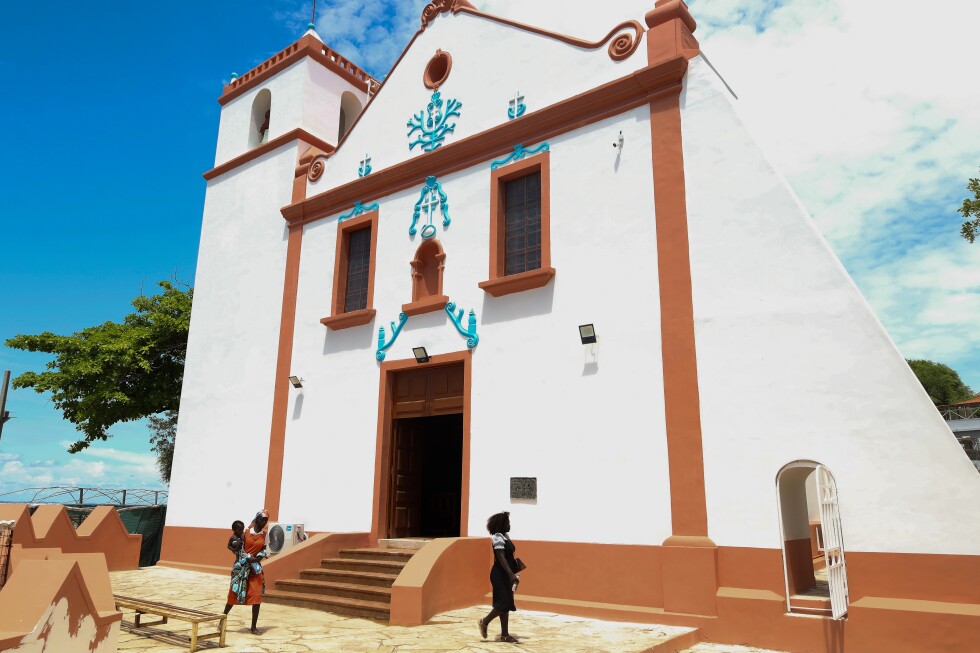
On the banks of Angola’s Kwanza River stands a 430-year-old white-washed church that holds a deeply layered, painful history: built by Portuguese colonizers as part of a 16th-century fortress complex, the Church of Our Lady of Muxima long served as a critical node in the trans-Atlantic slave trade. Today, as Pope Leo XIV prepares to visit the site during his first papal tour of Africa, the stop has emerged as a symbolic moment of reckoning, reconciliation, and reimagining for the global Catholic Church.
分类: world
-
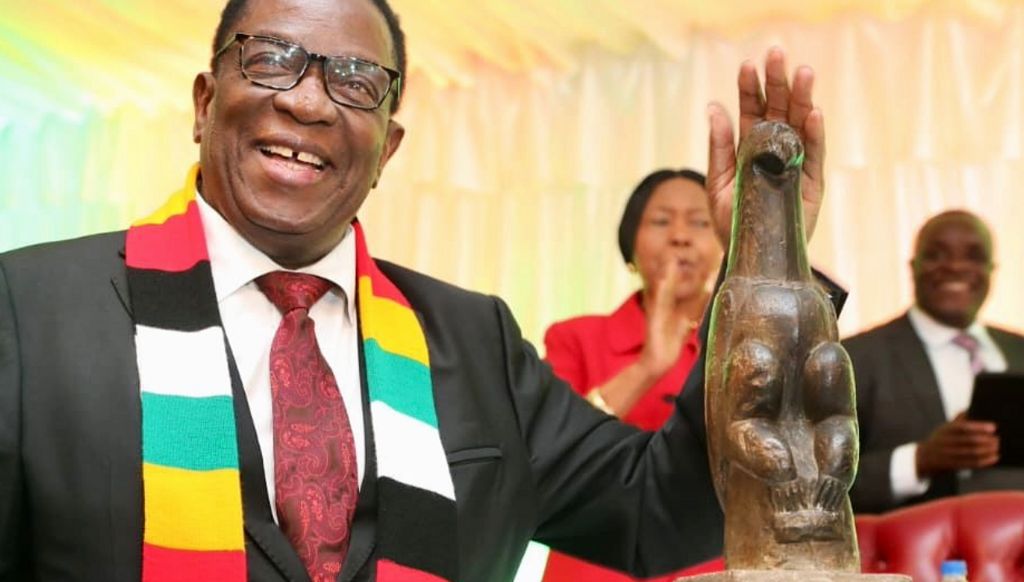
Zimbabwe’s iconic stone birds were taken by colonialists. Finally, they’re all back home
For more than a century, a gap has sat in Zimbabwe’s national heritage: one of eight iconic ancient soapstone bird sculptures, looted by colonial invaders and scattered across the globe, remained outside the country’s borders. That changed this week, when the final missing Zimbabwe Bird touched down on home soil 137 years after it was ripped from its original place at the Great Zimbabwe ruins, in a landmark repatriation organized by neighboring South Africa.
Known globally as the Zimbabwe Bird, this stately eagle carving has been embedded in the country’s national identity for generations, featured prominently on Zimbabwe’s flag, banknotes, and official coat of arms. But few symbols carry as layered a history as this carving, one that traces a long arc of colonial theft, decades of diplomatic negotiation, and a growing global movement to return looted African cultural heritage.
The eight original bird sculptures were carved between the 11th and 15th centuries for Great Zimbabwe, a sprawling medieval stone city that gave the modern nation its name — Zimbabwe translates to “house of stone” in local languages, and the country remains celebrated worldwide for its contemporary stone carving tradition. The birds, ranging from 25 centimeters to 50 centimeters in height (and reaching more than a meter when mounted on their original columns), were placed on walls and stone monoliths to watch over the city.
Scholars have not reached a consensus on which ethnic group originally created the carvings, though many believe they are the work of ancestors of the Shona people, who make up Zimbabwe’s current majority population. The birds carry deep cultural and spiritual meaning: most experts agree they depict either the bateleur eagle (called *chapungu* in Shona, a sacred species to both Shona and Venda communities) or the African fish eagle. Plan Shenjere-Nyabezi, an archaeology professor at the University of Zimbabwe, calls the Zimbabwe Birds “the most significant archaeological treasures ever discovered in the country, powerful and cherished symbols of our national heritage.”
The theft of the final bird began in 1889, when European hunter Willi Posselt stumbled on the Great Zimbabwe ruins amid a wave of pre-colonial exploration. According to Posselt’s own writing, local people armed with spears and guns initially protested his removal of what he called the “best specimen” of the birds, but he ripped the carving from its column after exchanging blankets and other goods for access. He ultimately sold the sculpture to Cecil Rhodes, the infamous British imperialist who led the colonization of what is now Zimbabwe and Zambia. Rhodes displayed the bird as decorative art at his lavish Cape Town estate, where it remained for more than a century after his death in 1902.
Over the decades, the other missing birds slowly made their way home. After Zimbabwe gained independence in 1980, the new government launched a formal campaign to recover all eight carvings, with only two remaining within the country’s borders at the time. In a striking 1981 trade, South Africa’s apartheid government returned four birds it held in a national museum in exchange for a collection of 1,000 insect specimens from Zimbabwe’s Natural History Museum. Germany followed suit in 2003, repatriating a soapstone pedestal fragment that had been held in Berlin’s Ethnological Museum since 1907.
But the final bird held by South Africa was blocked for decades by a century-old legal barrier. When Rhodes died, his 1902 will vested his estate and all its contents to the South African government, and the 1910 Rhodes Will Act banned the sale or transfer of any of his possessions. Every request for repatriation from Zimbabwe was rejected on the basis of this law, according to South African Minister of Culture Gayton McKenzie.
This week, South Africa overcame that legal obstacle to complete the handover, alongside the repatriation of eight sets of Zimbabwean human remains exhumed by colonial researchers and held in a South African museum. McKenzie called the removal of the remains a product of “misguided colonial pseudoscience,” noting “these are not abstractions, but people… removed from their graves, their communities, and their homeland under the logic that their bodies were data.”
To get around the 1910 Act, South Africa initially arranged a two-year loan of the sculpture to Zimbabwe, but McKenzie has confirmed that the South African government is currently reviewing the century-old law to formalize permanent repatriation, and insists the bird will never be returned to South Africa. The handover was welcomed by Zimbabwean President Emmerson Mnangagwa, who called the moment “the return of a national icon.”
The repatriation marks a rare milestone in the global movement for the return of looted African artefacts: while most repatriations to date have come from European colonial powers including France, the Netherlands, Germany, and the United Kingdom, this transfer sees an African nation returning stolen heritage to another African country. Zimbabwe continues to push for the repatriation of other cultural items, including the skulls of 19th-century anti-colonial heroes believed to be held in the UK.
For Zimbabwean leaders and scholars, the return of the final bird is more than a cultural victory — it is a spiritual homecoming. The carving will be placed on permanent display at an on-site museum at the Great Zimbabwe UNESCO World Heritage Site, where it will join the seven other recovered birds for preservation. “The bird is Zimbabwe’s heritage… one should not have to travel to other countries to enjoy their own heritage,” said Shenjere-Nyabezi.
Edward Matenga, one of Zimbabwe’s leading scholars of the Zimbabwe Bird sculptures, described the handover as a “win-win” for both nations, calling it a cathartic step for South Africa to confront its colonial legacy. The arrival of the bird also came just days ahead of Zimbabwe’s independence anniversary, with Mnangagwa noting the timely homecoming: “Let the people of Zimbabwe come and witness. Let the children of this great nation see with their own eyes the symbol of their identity and let the world know Zimbabwe is a nation that respects its past.”
-
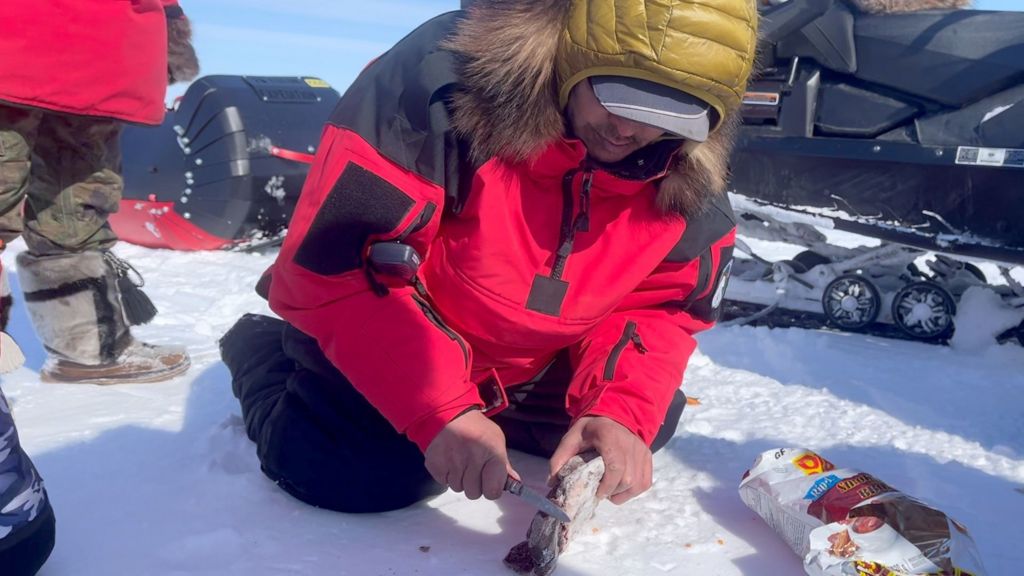
What does it take to survive in the Arctic? These rangers have an idea
Stretching across thousands of kilometers of frozen, unforgiving terrain, the Canadian Arctic is one of the most extreme environments on the planet, where temperatures can plummet to well below -40 degrees Celsius, wind chills can kill a healthy person in minutes, and vast expanses of sea ice and barren tundra offer few landmarks or safe havens. For those who patrol this remote border region year-round, survival is not a matter of luck—it is a set of hard-earned skills, cultural knowledge, and mental discipline passed down through generations. A recent BBC assignment embedded with Canadian military rangers in Canada’s northernmost territory offered a rare opportunity to learn these first-hand lessons about enduring and adapting to the world’s coldest inhabited landscapes.
Canadian Rangers, a reserve unit of the Canadian Armed Forces made up largely of Indigenous peoples who have called the Arctic home for millennia, have long been the backbone of sovereignty and rescue operations in the far north. Unlike conventional military units trained for large-scale combat, their core mission centers on patrolling remote borders, conducting search and rescue, supporting scientific research, and maintaining a persistent presence in regions inaccessible to most other government forces. To do this work, they rely on a blend of traditional Indigenous knowledge and modern practical skills that allow them to navigate and survive conditions that would defeat even experienced outdoor enthusiasts from more temperate climates.
During the embedding, rangers shared a range of critical lessons for surviving extreme Arctic conditions, starting with the non-negotiable rule of prioritizing layered, windproof clothing that traps heat without trapping moisture. Many visitors to the Arctic make the fatal mistake of overdressing for cold, leading to sweat that freezes against the skin once activity stops, rapidly dropping core body temperature. Rangers also emphasize the importance of constant situational awareness: thin sea ice can crack without warning, blizzards can roll in in minutes reducing visibility to zero, and even small cuts can become life-threatening when hypothermia already strains the body’s ability to regulate heat. Another key insight is the value of local ecological knowledge: reading wind patterns, animal behavior, and ice formations to predict weather changes and find safe routes across the tundra—a skill that cannot be learned from GPS alone, even with modern satellite technology.
Beyond practical skills, the rangers stress that mental resilience is just as critical as physical preparation. Isolation, months of total darkness in winter, and the constant pressure of managing risk in a harsh environment can take a significant psychological toll. The close-knit community bonds among rangers, rooted in shared cultural connection to the land, help them cope with these challenges and support one another through the harshest months. For the rangers, surviving the Arctic is not just about enduring it—it is about respecting the land and working with its natural rhythms, rather than fighting against it.
The insights shared by these rangers come at a time of rapid change in the Arctic, as rising global temperatures melt sea ice, open new shipping routes, and increase human activity in the region. As more researchers, industry workers, and travelers head into the far north, the traditional and practical survival knowledge held by Canadian Rangers has never been more relevant, offering a blueprint for safe, respectful engagement with one of the world’s last great wild landscapes.
-
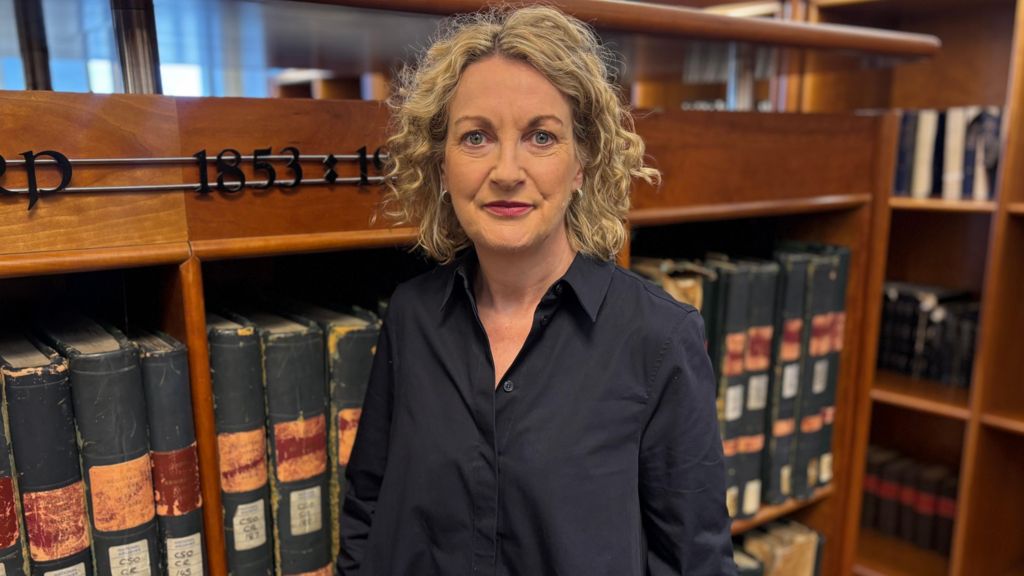
Historic 1926 census shows Protestant population drop in Irish Free State
A century after it was collected, the first national census of the newly formed Irish Free State has been made fully accessible to the public online, unlocking groundbreaking new details about one of the most dramatic demographic shifts in modern Irish history.
Released by the National Archives of Ireland on Saturday, the 1926 survey captures the first comprehensive snapshot of the country’s population just four years after the Irish War of Independence concluded with the formation of the independent Irish Free State (the precursor to the modern Republic of Ireland) and the partition of the island into the Irish Free State and Northern Ireland, which remained part of the United Kingdom.
The census data confirms a staggering 32% drop in the non-Catholic population — overwhelmingly made up of Protestant communities — across the 26 counties of the Irish Free State between 1911 (when all of Ireland was still part of the United Kingdom) and 1926. In comparison, the Catholic population saw only a 2% decline over the same 15-year period, while the overall population of the 26 counties fell just 5% from 3.14 million in 1911 to 2.97 million in 1926.
That period of Irish history was marked by unprecedented political and social upheaval, including the 1916 Easter Rising, the two-year War of Independence, and the violent split over the 1921 Anglo-Irish Treaty that created the partition. The divide ran largely along religious lines: most Protestants identified as unionists who favored remaining in the UK, while most Catholics supported Irish nationalist calls for full independence.
National Archives director Orlaith McBride explained that the scale of the non-Catholic population decline is far out of line with the overall population drop, making it a historically significant shift. “That’s very, very significant,” she said of the 32% decline. Census analysts estimate roughly one quarter of the Protestant population decline can be attributed to the withdrawal of British military personnel and their families from the new state after independence. McBride added that much of the remaining decline stemmed from internal migration across the new border: many Protestants relocated from the Irish Free State to Northern Ireland, while Catholics from border regions moved south into the Irish Free State.
The decline was not uniform across all regions of the new state. The southern province of Munster recorded the sharpest drop at 42.9%, followed by the western province of Connacht at 36.3% and Leinster at 32.4%. The border counties of Ulster that became part of the Irish Free State — Donegal, Cavan and Monaghan — saw the smallest decline at just 22.5%. Dublin was the only county in the Irish Free State to record a population increase overall, growing by nearly 6% between 1911 and 1926.
Despite the overall population drop, the census also reveals that Protestant communities remained heavily overrepresented in many of the most prominent professional, commercial and agricultural roles in 1926. Protestants made up 17% of all employers, 18.4% of managers and professional workers, 46% of all chartered accountants, and 39% of barristers. The number of Protestant farmers and their families actually saw a small increase of nearly 4% compared to 1911, and Protestants continued to hold a disproportionate share of large agricultural estates. Historians with the National Archives note this overrepresentation stemmed in part from past land reform policies that benefited Protestant landowners, many of whom retained large demesne estates after the breakup of old aristocratic land holdings.
In addition to its historical demographic insights, the 1926 census offers members of the public the chance to search for their own ancestors and connect with their family history. One of the people still alive who appears in the 1926 census is 101-year-old Anne Carey, a County Meath resident who will turn 102 in November. Carey is one of 48 centenarian ambassadors selected by the National Archives from the nearly 100 living people who were alive at the time of the 1926 census and reached out to the institution.
A former seamstress who worked making fur coats in Dublin and sewed all of her own clothing, Carey has lived through both World Wars and recalled the 1941 German bombing of Dublin in an interview. When her mother woke her to warn her of the bombing, she recalled asking, “Why did you wake me up?” When asked for the secret to her longevity, she shared her simple philosophy: “In my bedroom, I have a window and I look out. And I say to myself: ‘I’ll never see this day again, don’t bang it up.’”
While the 1926 census for Northern Ireland has been lost to history, the surviving Irish Free State census offers an unparalleled window into life in Ireland a century ago. Beyond religious demographics, the data outlines broader social and economic trends: 92.6% of the population identified as Catholic, just 18.3% of residents could speak Irish, and 51% of the working population was employed in agriculture, 4% in fishing, 14% in manufacturing, and 7% worked as domestic servants. The population was split nearly evenly by gender, with 51% male and 49% female residents.
-
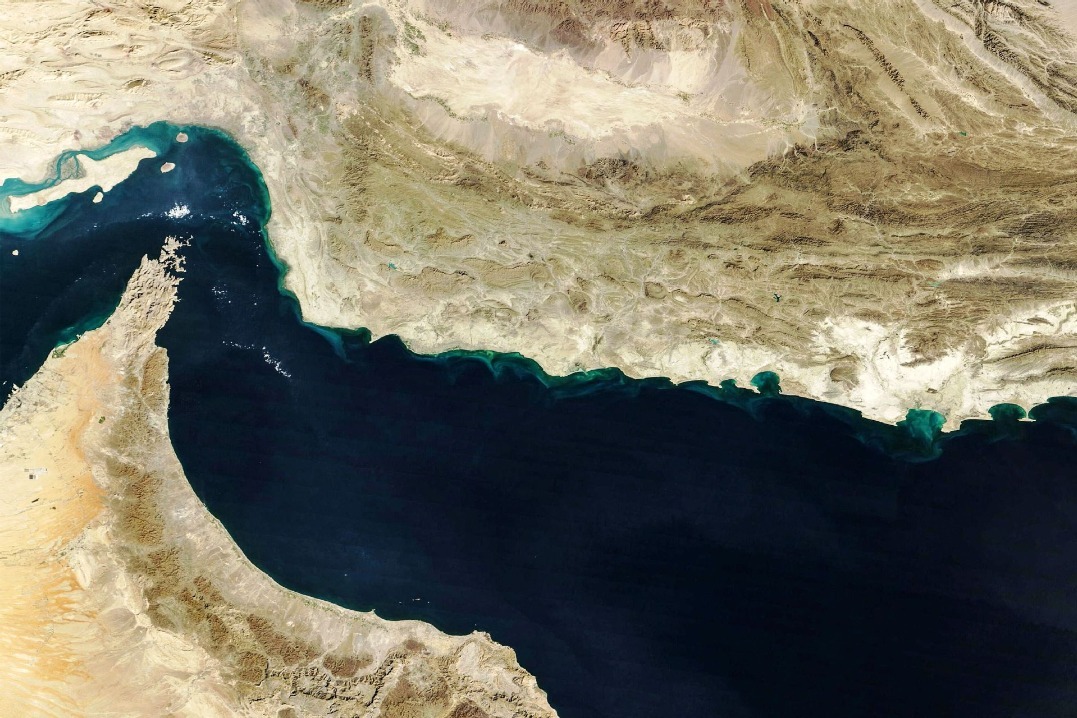
Iranian FM says passage for all commercial vessels through Strait of Hormuz ‘completely open’ during ceasefire
TEHRAN – In an official announcement shared Friday on the social media platform X, Iranian Foreign Minister Seyed Abbas Araghchi has confirmed that unimpeded passage for all commercial ships through the strategic Strait of Hormuz will remain completely open for the full duration of the ongoing ceasefire between Israel and Lebanon. The declaration aligns with the terms of the 10-day truce that recently went into effect along the Israel-Lebanon border, a deal that has already lowered tensions across the broader Middle East region. The Strait of Hormuz, one of the world’s most critical chokepoints for global energy trade, sees roughly 20 percent of the world’s total oil shipments pass through its waters on an annual basis. This announcement comes amid a long-running backdrop of heightened geopolitical friction in the region, including prior United States blockade actions in the Hormuz area and repeated American threats to impose sanctions on nations purchasing Iranian crude oil, a situation that has repeatedly disrupted global shipping markets. China has long pushed back against unilateral American sanctions targeting Iran’s energy sector, and has maintained active diplomatic communication with the U.S. ahead of the planned visit of former President Donald Trump. The Iranian foreign minister’s clarification comes as global markets closely monitor developments in the Middle East, as any disruption to Hormuz transit would have immediate ripple effects on global energy prices and international supply chains. By explicitly guaranteeing open access for all commercial vessels during the ceasefire period, Iranian authorities have signaled their commitment to upholding the terms of the regional truce and supporting the stability of global maritime trade.
-
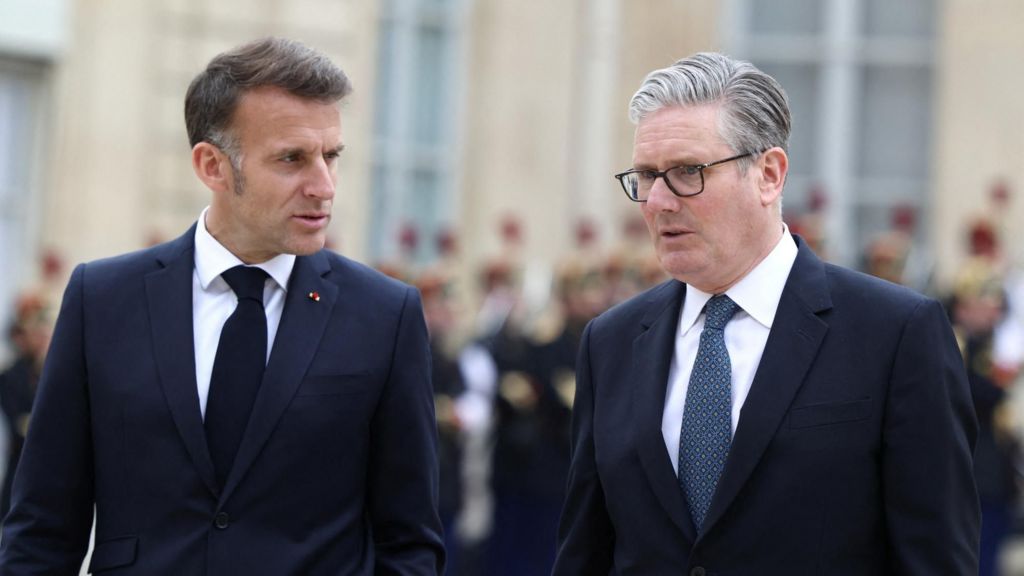
UK and France to lead defensive mission in Strait of Hormuz
Against the backdrop of escalating regional tensions and disrupted global energy flows after weeks of restricted access through one of the world’s most critical maritime chokepoints, UK Prime Minister Keir Starmer has announced a new UK- and French-led multinational mission designed to protect commercial shipping in the Strait of Hormuz, set to launch once active hostilities in the region conclude.
Speaking following a gathering of representatives from 51 nations, Starmer emphasized that the initiative would operate exclusively as a strictly peaceful and defensive deployment. The strait, which carries roughly a fifth of the world’s daily oil trade, was effectively blocked by Iran after joint strikes by the United States and Israel in late February — a disruption that sent global energy and fuel prices soaring across international markets.
In a surprising development on Friday, both Iranian Foreign Ministry and U.S. President Donald Trump confirmed the waterway was now fully open to commercial traffic. But Trump used the announcement to launch a fresh attack on NATO, dismissing the alliance as “useless when needed”. The U.S. president revealed he had received a formal offer of assistance from NATO on Friday, but took to his Truth Social platform to write that he “TOLD THEM TO STAY AWAY, UNLESS THEY JUST WANT TO LOAD UP THEIR SHIPS WITH OIL”.
Trump has repeatedly lashed out at NATO throughout the ongoing Iran conflict, with the UK drawing particular criticism from the commander-in-chief. For his part, Starmer has maintained a cautious stance throughout the crisis, repeatedly confirming the UK would not be dragged into active conflict and previously stating London would not back any blockade of Iranian shipping.
Standing alongside French President Emmanuel Macron during the announcement, Starmer added that dozens of countries have already pledged to contribute military and logistical assets to the joint mission. “This will be strictly peaceful and defensive, as a mission to reassure commercial shipping and support mine clearance,” he said. “We invite all nations with an interest in the free flow of global trade to join us. Some have already indicated their readiness to contribute.”
Full operational details of the mission will be unveiled next week following a military planning conference scheduled to take place in London, Starmer confirmed.
Tehran has given assurances that the strait will remain open to commercial shipping until the mid-point of next week, when the temporary ceasefire between the U.S. and Iran is set to expire. For his part, Trump has made clear that his own naval blockade of vessels entering and exiting Iranian ports will remain in place despite the temporary opening of the strait.
While Friday saw a surge of vessel activity across the broader Persian Gulf, maritime tracking data still shows only a handful of ships completed full transits through the strait, indicating lingering uncertainty among shipping operators about the security of the route.
Macron echoed Starmer’s remarks, noting that the weeks-long closure of the strait had inflicted “very severe consequences” on “the whole of the planet and the global economy”. “Recent events are encouraging, even if we have to remain prudent,” he added.
German Chancellor Friedrich Merz also backed the initiative, saying Germany “stands ready to play its part in ensuring freedom of navigation” through the critical waterway. Speaking after the multilateral meeting, Merz added that it would be “desirable” for the United States to join the UK-French led mission.
-
The Palestinian woman on the cover of L’Espresso: Settlers were ready to kill us
In October 2025, a routine land defense action during olive harvest season in the occupied West Bank turned into a viral international incident that has reignited global scrutiny of escalating Israeli settler violence against Palestinian communities. The incident, captured in a candid photograph and full video footage, has pitted an Italian news magazine against the Israeli government, while giving a human face to a years-long crisis of displacement and intimidation in the region.
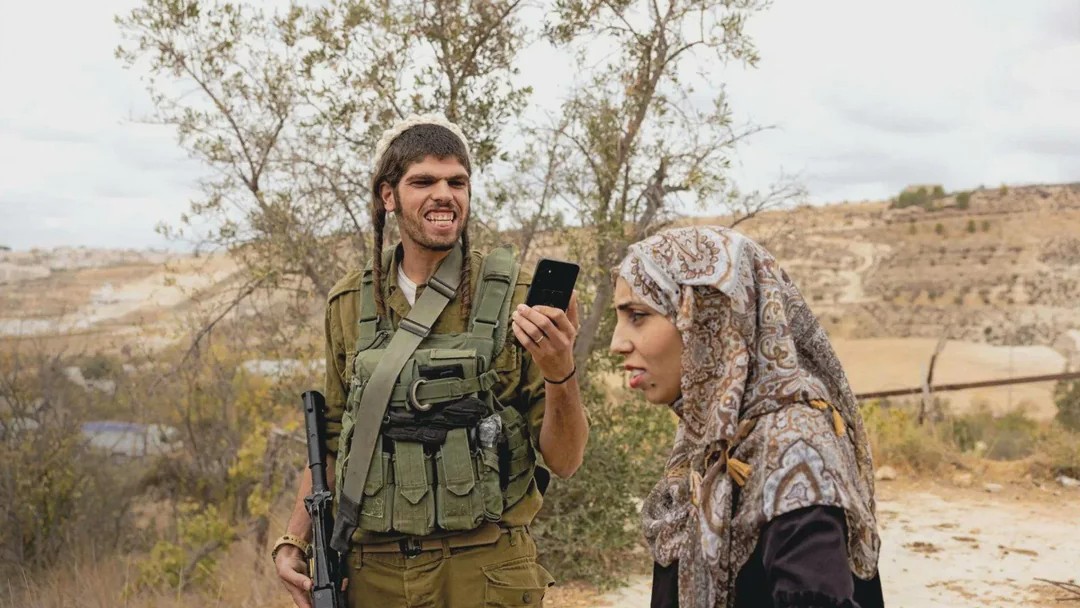
The central figure in the controversy is 35-year-old Meead Abu al-Rub, a Palestinian lawyer working with the Colonization and Wall Resistance Commission. On 12 October, Abu al-Rub joined a group of fellow activists and local farmers in the Suba area of Idhna, a region southwest of Hebron, to peacefully oppose the proposed confiscation of Palestinian agricultural land and support local landowners during the critical annual olive harvest. What began as a calm gathering of olive picking, traditional dabke dancing, and folk singing quickly escalated when more than 20 armed settlers, escorted and protected by over 30 Israeli soldiers, arrived at the site.
In an exclusive interview with Middle East Eye, Abu al-Rub recounted the chaotic confrontation that unfolded. “Some of the settlers were wearing military uniforms and carrying weapons,” she said. “They threatened us, insulted us, and filmed us. The settler who was filming me with his phone was threatening to arrest us all, even though we had not done anything wrong and they were the ones who attacked us.” The settlers, backed by Israeli military forces that fired tear gas at the gathering, threatened to detain participants and transfer them to Al-Moskobiya, an infamous Israeli detention facility. Abu al-Rub recalled that organizers made the difficult decision to withdraw, a choice she says likely saved lives. “If we hadn’t cancelled the event and withdrawn, the settlers wouldn’t have hesitated to shoot us directly,” she explained. “They had their weapons ready, and there was no one to protect us.”
The photograph of the confrontation, captured by award-winning Italian photographer Pietro Masturzo, was selected as the cover image for an issue of major Italian current affairs magazine L’Espresso, headlined “L’Abuso” (The Abuse). The cover text accompanying the image drew a direct connection between the harassment in the West Bank and broader regional Israeli military actions: “The occupation of the West Bank was carried out with the help of soldiers collaborating with settlers. Gaza was destroyed. Expansion in Lebanon was carried out. The borders in Syria were violated. Iran was attacked. Ethnic cleansing and massacres were committed. This is how the Zionist right wing is shaping Greater Israel.”
The image quickly spread across global social media platforms, prompting an immediate sharp rebuke from Israeli officials. Jonathan Peled, Israel’s ambassador to Rome, condemned the cover, claiming it “distorts the complex reality” of the region and perpetuates harmful stereotypes and hatred against Jewish people. Israeli officials further accused the magazine of publishing a doctored, artificially generated image designed to defame the country.
Masturzo moved quickly to debunk these claims, releasing the full unedited video footage of the entire incident to coincide with the magazine’s publication. In an Instagram post addressing the growing controversy, the photographer confirmed: “Many are asking if this image was created using artificial intelligence, while others are pointing to posts claiming so. Well, no, the image in question is not a product of artificial intelligence.” L’Espresso also stood by its reporting, publishing the full clip to confirm the authenticity of the cover photograph.
For Abu al-Rub, the sudden global attention has come with heavy personal cost. As a mother of four children, ranging in age from 18 months to seven years, she now lives in quiet fear of reprisal from settlers and Israeli security forces, a reality shared by thousands of Palestinian land defenders across the West Bank, where Palestinian communities receive little to no protection from aggressive settlers, who operate with open backing from the Israeli military.
“I wasn’t afraid of them during the event, but now, after the photo’s widespread circulation, fear has crept into my heart,” Abu al-Rub said. “I’m a mother of four children… They’re making me afraid of the photo’s massive spread and the possibility of being forcibly separated from them.”
Despite this anxiety, Abu al-Rub says she has found renewed motivation in the support of her family and the international attention that has brought the crisis of settler violence to a global audience. Her own children have told her they are proud of her work, and their friends have expressed admiration for her courage standing up for Palestinian land rights. “My father instilled in me a love for my land, and I’m happy that I’ve passed this on to my children, who share the same love and sense of belonging,” she said. “When I go out to events, they ask to come with me and say, ‘We’re Palestinians too, just like you.’ This proves that our cause isn’t forgotten by the young, as Israel hopes, but is far too deeply rooted to be forgotten.”
The viral incident comes amid a documented sharp escalation in settler violence across the occupied West Bank and East Jerusalem in 2026. Data published by the United Nations Office for the Coordination of Humanitarian Affairs (OCHA) confirms that more than 580 settler attacks resulting in Palestinian casualties, property damage, or both have been recorded across 190 Palestinian communities since the start of the year. Between 31 March and 6 April alone, OCHA documented at least 47 separate attacks targeting 36 distinct communities.
Displacement from settler aggression and Israeli access restrictions has also accelerated dramatically this year. As of 6 April, more than 1,800 Palestinians have been newly displaced from their land in 2026 – a total that already exceeds the full-year displacement figure recorded for 2025. Abu al-Rub noted that thousands of Palestinian farmers are already blocked from accessing their own agricultural land during key harvest seasons, a deliberate pattern of displacement designed to clear land for expanding Israeli settlements.
The Palestinian ambassador to Italy has contacted Abu al-Rub to confirm the scale of global reaction to the photograph and video, noting that the incident has laid bare the daily reality of life under occupation for millions of Palestinians for an international audience that has increasingly turned its attention to the humanitarian crisis in the region.
-
The murder allegations against decorated Australian soldier Ben Roberts-Smith
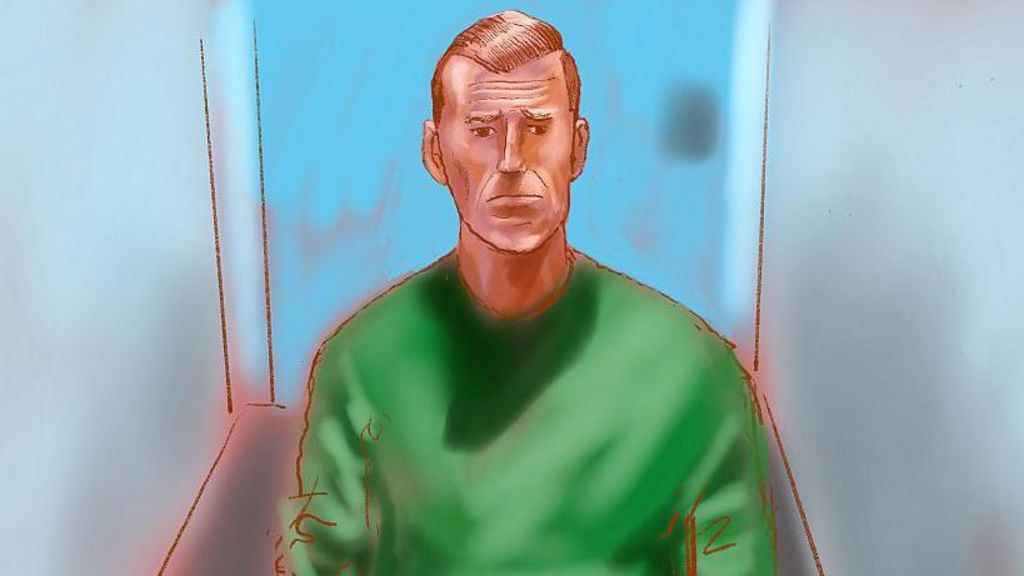
On a Friday in early 2026, Ben Roberts-Smith, Australia’s most decorated living ex-soldier, made his first court appearance via video link from a remote location to a small Sydney courtroom, standing silent as he faced unprecedented war crimes charges that have rocked Australia’s military establishment.
Weeks prior to the bail hearing, prosecutors had formally laid five counts of murder against the 47-year-old, all stemming from alleged atrocities he committed while serving as a Special Air Service (SAS) corporal deployed to Afghanistan on Australian national operations. Newly unsealed court documents, obtained and verified by the BBC, lay out graphic, detailed accusations of systematic war misconduct that have never before been tested in an Australian criminal courtroom.
According to the documents, the allegations span three separate operational missions between 2009 and 2012. The first incident unfolded in April 2009, when Roberts-Smith’s SAS team was called in to clear the Taliban-held Whiskey 108 compound near Tarin Kowt following an airstrike. Inside a hidden tunnel, troops pulled out two detainees, identified as father and son Mohammad Essa and Ahmadullah, both of whom were immediately restrained and cuffed. Prosecutors allege Roberts-Smith carried Ahmadullah, a disabled man who used a prosthetic leg, outside the compound’s perimeter, threw him to the ground, and fired multiple rounds from a belt-fed machine gun to kill him — an act witnessed by several Australian Defence Force (ADF) personnel posted on outer cordon duty. Returning inside the compound, the documents claim Roberts-Smith ordered an inexperienced rookie soldier, anonymized as Person Four, to execute Mohammad Essa in an initiation practice known within the unit as “blooding.” After the rookie followed the order, both Roberts-Smith and the patrol leader documented the event as a successful initiation.
The second alleged killing took place in September 2012, two weeks after an Afghan soldier turned on his Australian partners, killing three and wounding two. Roberts-Smith, who had received Australia’s highest military honor, the Victoria Cross, just one year prior, led a search team to Darwan village that captured three detainees, including a man named Ali Jan. Court documents allege Roberts-Smith physically assaulted the handcuffed detainees during questioning before escorting Ali Jan to the edge of a 10-meter cliff. Even with Ali Jan cuffed and restrained by another soldier, Roberts-Smith kicked him off the cliff, causing severe injuries including broken teeth. The prosecution claims that after climbing down to the injured detainee, an unnamed soldier acting on Roberts-Smith’s direction shot Ali Jan dead. To cover up the unlawful killing, the team planted a captured handheld radio on Ali Jan’s body to falsely frame him as an armed insurgent. During an earlier civil defamation trial, Roberts-Smith denied the entire event, claiming no detainees were captured that day and no such cliff existed at the search site.
The final two murder charges stem from an October 2012 mission in Syachow village, where Roberts-Smith served as patrol commander. Official mission reports claimed four insurgents were killed in active combat: two inside a compound, and two more in an adjacent cornfield after they refused to surrender. Prosecutors say this narrative is a deliberate cover-up. A junior soldier, Person 66, testified that the two men in the cornfield were already detained and unarmed when Roberts-Smith ordered their execution. According to the court documents, a senior soldier shot the first detainee, before Roberts-Smith ordered the first-tour Person 66 to kill the second. After the shooting, Roberts-Smith threw a grenade into the cornfield to create false evidence that the men had been killed during a legitimate engagement. Forensic analysis of post-mission photos found ligature marks consistent with handcuff restraint on both men’s bodies.
Roberts-Smith’s military career began in 1996, when he joined the ADF at 18. He completed two tours of duty in East Timor before passing selection for the elite SAS in 2003, building a reputation as one of Australia’s most decorated serving soldiers by the height of his Afghanistan deployment. He stepped back from active service at the end of 2012 and formally retired from the ADF in 2015, six years before allegations of war crimes would lead to a high-profile legal battle.
In 2016, senior Australian military leadership launched an official inquiry into widespread rumors of war crimes committed by Australian special forces in Afghanistan, with media reports soon naming Roberts-Smith as a primary suspect. In 2018, he launched a landmark defamation suit against media outlets that published the allegations, but he ultimately lost the civil case. Transcripts of his sworn testimony from that trial have been entered into the current criminal case, where Roberts-Smith repeatedly denied violating the Geneva Conventions, claimed he knew killing restrained detainees was never permissible, and denied ever planting “throwdown” items to justify unlawful killings. Court documents note that Roberts-Smith has exercised his right not to amend or add to his previous sworn testimony for the criminal case.
Prosecutors have outlined consistent patterns across all five alleged murders: every victim was cuffed, detained, and questioned before being killed, all killings occurred when ADF forces had full control of the area with no active enemy combat ongoing, and every incident has at least one direct eyewitness testimony. Three of the witnesses are former soldiers who have testified they themselves participated in executing detainees under Roberts-Smith’s orders when he was their commanding officer.
To date, Roberts-Smith has not formally responded to the detailed allegations contained in the unsealed documents, and he has not yet entered a plea. At Friday’s bail hearing, Justice Greg Grogin granted the former soldier strict conditional bail, noting that the trial would not proceed for years, rather than weeks or months, due to the complexity of the unprecedented case. Australia has never held a war crimes trial in its history, and Roberts-Smith’s defense team has already noted the case falls into “uncharted legal territory” for the Australian judicial system. Roberts-Smith continues to vehemently deny all charges against him.
-
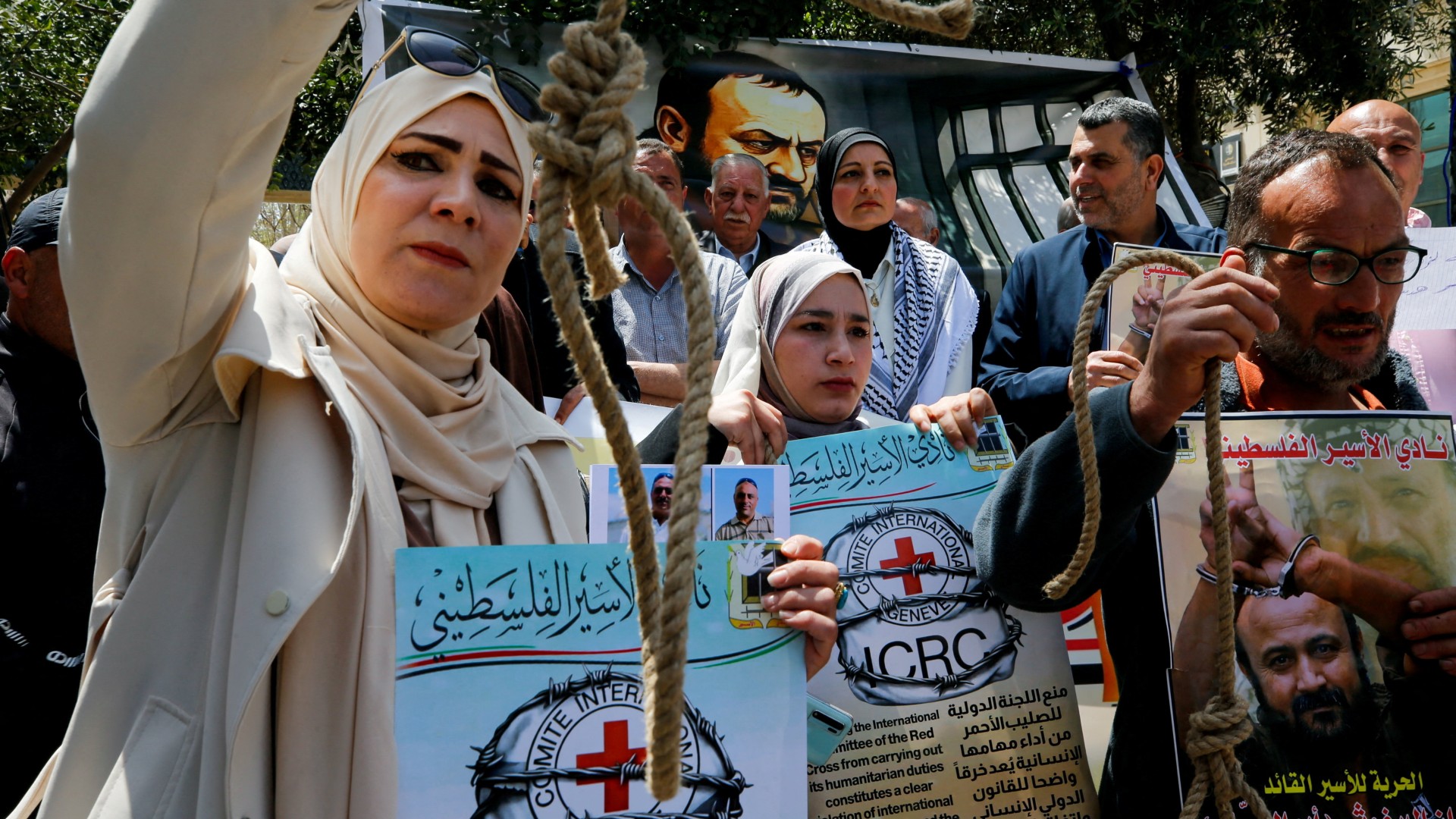
Protesters worldwide mark Palestinian Prisoners’ Day, call for repeal of execution law
On Friday, activists and campaigners across 19 countries took coordinated action to observe the annual Palestinian Prisoners’ Day, uniting in a global call to free more than 9,600 Palestinian detainees held in Israeli facilities and overturn a recently enacted Israeli law that enables the execution of Palestinian prisoners.
This annual observance traces its origins back to 1974, when the Palestinian National Council first designated April 17 to draw international attention to the crisis of Palestinian incarceration. The date was chosen to mark the third anniversary of the first prisoner exchange between Israel and Palestinian factions, which saw Mahmoud Bakr Hejazi become the first Palestinian detainee to regain his freedom. For five decades, the day has served as a global platform to amplify the stories of detainees and document the systemic challenges they face.
Updated figures from the Red Ribbons Campaign, a leading grassroots movement advocating for the release of Palestinian detainees, confirm that as of April 2025, more than 9,600 Palestinians remain behind bars in Israeli prisons. Of this population, at least 3,532 are held under administrative detention – a controversial Israeli military policy that allows indefinite detention without charge or trial, with six-month detention orders that can be renewed repeatedly. The detainee population also includes 342 minor children, 84 women, and 119 individuals serving lifelong prison sentences.
Campaign data shows a dramatic 83% surge in detentions since Israel launched its large-scale military campaign in Gaza in October 2023. Prior to that offensive, just over 5,000 Palestinians were held in Israeli prisons. “Thousands of Palestinian prisoners and hostages remain held in Israeli occupation prisons, subjected to severe violations,” the Red Ribbons Campaign said in an official statement shared with Middle East Eye.
In total, the movement organized more than 137 public events across 19 nations to mark this year’s observance, encouraging supporters to wear or display red ribbons as a visual symbol of global solidarity with detainees. “It should remind the world of the blood being shed, the freedom we seek and the urgent cause we stand for,” explained Adnan Hmidan, coordinator of the Red Ribbons Campaign. Solidarity events were held in major nations across the globe, including the United Kingdom, United States, France, Germany, Australia, Japan, Morocco, Spain, Norway and the Netherlands, among others.
Prominent Palestinian politician and physician Mustafa Barghouti praised global supporters for their solidarity, noting that framing detained Palestinians as hostages accurately reflects their current situation. “The term ‘hostages’ accurately reflects their reality – they are forcibly held, subject to military courts lacking basic standards of justice, and repeatedly detained without charge or trial under administrative detention,” Barghouti said in comments carried by the Red Ribbons Campaign. “These are grave violations of international law carried out by an illegitimate occupation in full view of the world.”
Parallel demonstrations were also held a day earlier across occupied Palestinian territories, including the West Bank and Gaza Strip, where protesters carried banners, portraits of incarcerated loved ones, and lengths of rope to symbolize their opposition to the new execution legislation approved by Israel’s parliament last month.
Last month, Israel’s Knesset passed the execution bill by a 62-48 vote, despite widespread international condemnation and calls to withdraw the legislation. The law permits the death penalty for anyone convicted of intentionally killing a person with the intent to harm an Israeli citizen or threaten the existence of the Israeli state. Legal analysts and human rights groups warn the law’s wording is deliberately structured to target Palestinians almost exclusively: Jewish Israelis convicted of killing Palestinians face a maximum sentence of life imprisonment, with no eligibility for the death penalty.
The legislation has drawn fierce backlash from global and local human rights groups, which warn it enshrines systemic discrimination and violates fundamental right to life. Multiple leading Israeli human rights organizations – including Adalah, the Public Committee Against Torture in Israel, HaMoked, and Physicians for Human Rights-Israel – issued a joint statement condemning the policy, warning it would create what they called a “racialised system of capital punishment.” They added that the bill is “among the most extreme and dangerous legislative measures ever proposed by Israel against Palestinians”, establishing a “discriminatory punitive framework” that denies Palestinians equal protection under the law, fair trial guarantees, and safeguards against torture and cruel, inhumane treatment.
Widespread reports of abuse against Palestinian detainees have been well-documented by human rights groups for decades, but organizations confirm abuses have escalated dramatically since the October 2023 start of Israel’s Gaza campaign. At least 90 detainees have died in Israeli custody since that time. Last month, a group of United Nations independent experts warned that torture has become “state doctrine” in Israel, enabled by decades of official impunity and political protection for perpetrators. “Since the onset of the genocide, the Israeli prison system has degenerated into a laboratory of calculated cruelty,” said Francesca Albanese, the UN Special Rapporteur on human rights in the Palestinian territories.
Recent revelations have further deepened concerns about systemic abuse. Earlier this week, Israeli outlet Haaretz reported that Israel’s army chief Eyal Zamir has approved the return to reserve duty of five soldiers from elite Unit 100, who were implicated in the torture and rape of a Palestinian detainee at the notorious Sde Teiman detention camp in 2024. All criminal charges against the soldiers were dropped last month, and no formal internal military investigation into the incident has been launched.
The Euro-Med Human Rights Monitor released a report earlier this month compiling firsthand testimonies from former Gaza detainees that documented widespread, systematic sexual abuse, including rape with foreign objects and the use of trained dogs to assault detainees. The group concluded that sexual torture of Palestinian detainees from Gaza appears to be an “organised state policy” sanctioned by Israeli authorities.
-
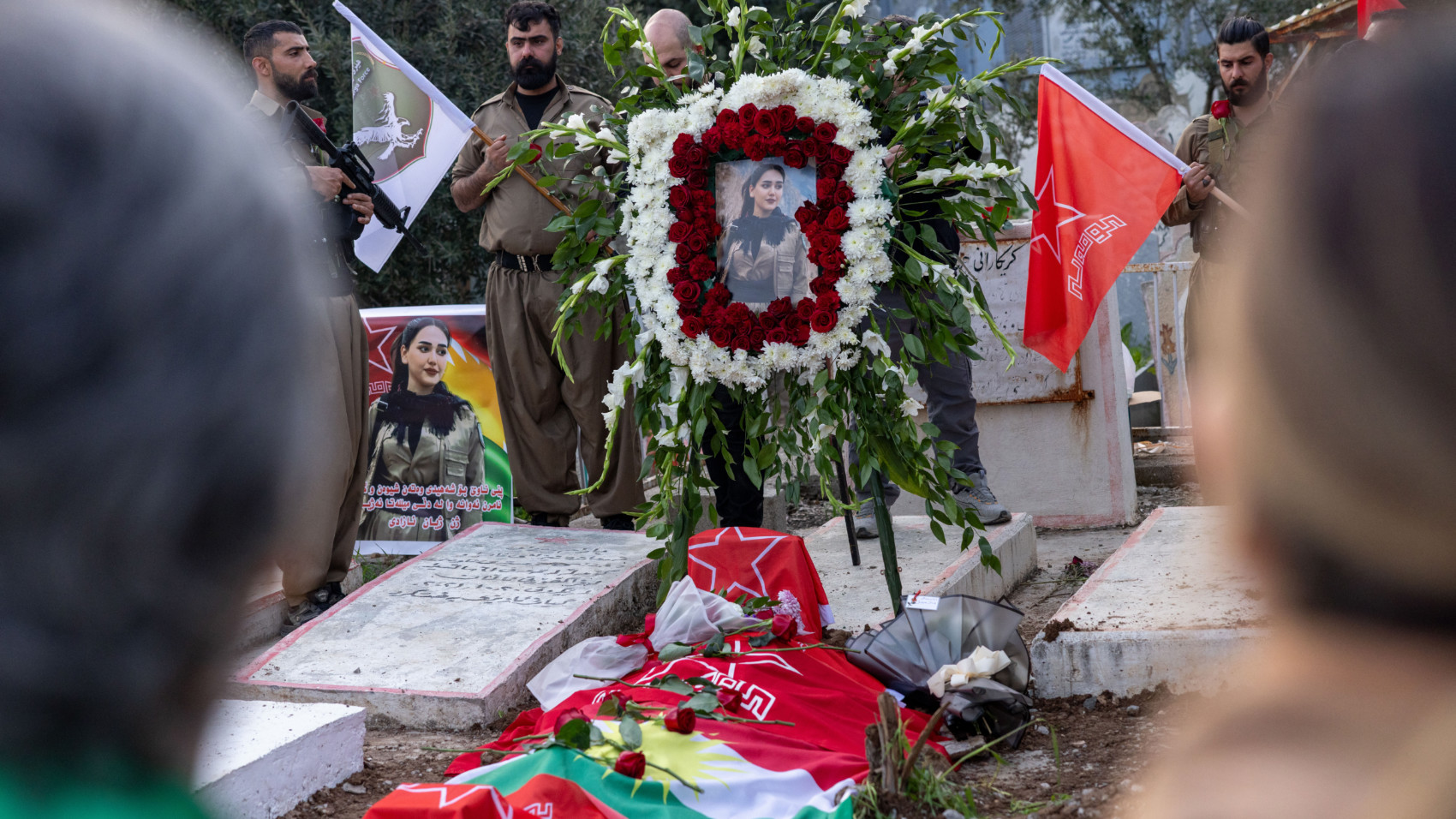
No ceasefire for Iran’s Kurdish opposition parties in exile
In the weeks following the April 8 announcement of a US-brokered ceasefire between Iran, the United States, and Israel, a striking contradiction has emerged in Tehran’s military actions: while pushing to expand the truce to cover Lebanon and Hezbollah, Iran has ramped up cross-border drone and missile attacks on Iranian Kurdish opposition groups based in Iraq’s autonomous Kurdistan Region.
The latest deadly strike came on April 14, when an Iranian drone killed 19-year-old Ghazal Moulan, a female fighter with the Komala Toilers of Kurdistan, in the city of Sulaimaniyah. In a statement posted to X following the attack, Komala spokesperson Amjad Hossein Panahi condemned the killing, saying “the criminal hands of the Islamic Republic did not cease their bloodshed even under the shadow of a ceasefire.” Moulan’s funeral, held days later in Iraqi Kurdistan, drew public attention to the ongoing campaign of violence against Kurdish opposition figures.
Pattern of unrelenting attacks in the ceasefire era
Mustafa Mawloudi, deputy secretary general of the Kurdistan Democratic Party of Iran (PDKI), another major opposition group, confirmed that Iranian bombardment has not paused for a single day since the ceasefire took effect. “As far as we know, there is also a ceasefire for Lebanon, but for us, the attacks have been ongoing,” Mawloudi told Middle East Eye in an interview.
The wave of strikes has hit multiple opposition camps across Iraqi Kurdistan in recent days. On the Thursday following US President Donald Trump’s announcement of a 10-day Israel-Lebanon ceasefire that took effect at midnight, the PDKI confirmed Iranian drones targeted its camp in the town of Koya. Just hours before that strike, Komala’s base was also hit. A day earlier, both a PDKI encampment and a position held by the Kurdistan Freedom Party (PAK) came under attack.
These recent strikes are part of a much larger escalation that predates the current ceasefire. Data collected by Kurdish independent news outlet Rojhelat Info shows that starting on February 28, Iran and its allied militias have launched nearly 700 drone and missile attacks targeting areas within Iraqi Kurdistan. Around 170 of these strikes have specifically targeted Iranian Kurdish opposition parties based in the region. To date, the campaign has killed at least 15 people total, including six opposition fighters.
This escalation follows a shifting series of statements from Trump on Iranian Kurdish opposition groups. In early March, the US president announced he would back Iranian Kurds to launch an offensive against the Tehran government, only to reverse that position days later. Just one week before the April 8 ceasefire was announced, Trump claimed Iranian Kurdish groups had received US weapons intended for anti-government protesters inside Iran — a claim all Kurdish opposition groups have repeatedly denied.
Regional leaders have pushed back against efforts to draw Kurdish groups into cross-border conflict. The Kurdistan Regional Government (KRG) of Iraq has repeatedly emphasized it will not allow its territory to be used to escalate tensions with Iran, and issued a formal statement last week confirming that multiple drones targeting the region on April 9 were intercepted, reaffirming its “firm stance against involvement in conflict or escalation.”
Analysts point out Iranian hypocrisy in the dual ceasefire policy
Foreign policy analysts say the ongoing attacks against Kurdish groups represent a clear violation of the spirit of the US-brokered ceasefire, and highlight a stark double standard in Iran’s negotiating position. Mohammed A Salih, a non-resident senior fellow at the US-based Foreign Policy Research Institute, explained that Tehran has vehemently opposed Israeli targeting of Lebanese Hezbollah, which carried out 39 days of active strikes against Israeli targets during the recent conflict. Yet Tehran continues to attack Iranian Kurdish groups that have not fired a single shot at Iranian forces during the same period.
“It also shows a deep double standard in the Iranian position as Tehran is against Lebanese Hezbollah being targeted even though Hezbollah was actively striking Israel during the 39 days of conflict,” Salih noted. “Yet it insists on attacking Iranian Kurds based in Iraqi Kurdistan even though not a single shot was fired at Iranian troops by these groups during the war.”
Targeted strikes on Kurdish opposition groups are not a new development: Tehran has launched repeated attacks on opposition bases in Iraqi Kurdistan for decades. In a major 2020 strike, Iranian missiles and drones killed at least 16 opposition members in a single attack. Analysts say the recent escalation, even amid a broader ceasefire, reflects Tehran’s long-held concern about the political and ideological influence of opposition groups inside Iran.
Hana Yazdanpanah, foreign relations coordinator for the PAK, told Middle East Eye that Iran views even relatively small Kurdish opposition groups as a potential threat to its domestic stability, and uses cross-border strikes to prevent that influence from growing. “Therefore, through these attacks, Iran wants to prevent that influence and potential from growing,” she explained.
Ranj Talabani, a former intelligence official with the Patriotic Union of Kurdistan’s Zanyari agency, echoed that analysis, saying the strikes serve as a permanent warning to opposition groups against any effort to undermine the Iranian government, now or in the future. “The regime understands that, although limited in number, these groups still have the potential to cause problems, not only overtly along the borders, but also covertly deeper in the country,” Talabani said. He added that public calls by Kurdish opposition leaders for US support have reinforced Tehran’s perception that Kurdish groups pose a more immediate threat to the regime than exiled royalist opposition led by Reza Pahlavi.
Kurdish opposition leaders say US has remained silent on attacks
Kurdish opposition officials say they have called on the US to intervene to halt the strikes, but have so far seen no action from Washington. Mawloudi said he hopes the US will take steps to stop the attacks, but added “we don’t think they have a plan like this, the US did not even condemn these attacks.”
Yazdanpanah echoed that frustration, noting that the US has the leverage to force Iran to end the campaign if it chooses to act. “If the United States warns Iran that if even a single drone is launched in the Kurdistan Region, it will be hit, then they wouldn’t dare fire a single bullet,” she said.