分类: world

  • Seven Chinese tourists, driver dead after bus sinks into Russia’s Lake Baikal

    Seven Chinese tourists, driver dead after bus sinks into Russia’s Lake Baikal

    A devastating incident on the frozen expanse of Russia’s Lake Baikal has resulted in the feared deaths of seven Chinese tourists and their local bus driver. The catastrophe occurred when the ice beneath their vehicle fractured, causing the bus to plunge into the frigid waters of the world’s deepest lake.

    According to a statement released by Igor Kobzev, the regional governor, via his Telegram channel on Friday, the accident prompted an immediate emergency response. Miraculously, one tourist managed to escape the submerged bus. Search and rescue operations are actively continuing for the remaining victims in the harsh Siberian conditions.

    The Irkutsk regional prosecutor’s office has initiated a criminal investigation to determine the precise circumstances that led to the breach of the ice road, a route commonly traversed by tourist vehicles during the winter months. Located north of Mongolia, Lake Baikal is a UNESCO World Heritage site and an immensely popular destination, particularly for adventure seekers.

    This tragedy casts a somber shadow over the rapidly growing tourism ties between China and Russia. Tourist traffic from China to Russia has seen a significant surge in recent years, a trend bolstered by deepening political alignment and a “no limits” strategic partnership formalized last year. This cooperation was further streamlined by the introduction of a mutual visa-free travel regime, facilitating easier movement between the two nations.

  • Israeli settlers kill another teenaged US citizen in occupied West Bank

    Israeli settlers kill another teenaged US citizen in occupied West Bank

    A 19-year-old Palestinian-American citizen, Nasrallah Abu Siyam, was fatally shot by Israeli settlers during an attack on the village of Mukhmas, located east of Ramallah in the occupied West Bank. The incident occurred on Wednesday when Abu Siyam and fellow villagers intervened to protect a local farmer under assault by a group of settlers, according to an eyewitness account provided to the Associated Press.

    Raed Abu Ali, a resident of Mukhmas, reported that Israeli military forces arrived at the scene and deployed tear gas, sound grenades, and live ammunition to disperse the crowd. Social media footage circulating online appears to capture the moment Abu Siyam was shot and his body being removed from the area.

    Middle East Eye contacted the US State Department for comment but had not received a response by publication time. This killing marks the latest in a series of violent incidents targeting Palestinian communities in the West Bank, which have intensified significantly since the October 2023 Hamas-led attacks on southern Israel and Israel’s subsequent military operations in Gaza.

    Abu Siyam becomes at least the sixth US citizen killed by Israeli settlers or security forces in 2024 alone, joining Tawfic Abdel Jabbar, Mohammad Khdour, Ayşenur Ezgi, Amer Rabee, and Sayfollah Musallet. Accountability for these deaths remains largely absent despite growing international concern.

    The United Nations human rights agency released a report on Thursday suggesting that the systematic attacks by Israeli settlers and soldiers in the West Bank may constitute ethnic cleansing. The document cites systematic unlawful use of force by Israeli security forces, widespread arbitrary detention and torture of Palestinians, and extensive unlawful demolition of Palestinian homes as evidence of systematic discrimination and oppression against the Palestinian population.

  • In the army now: Pictures that show how ordinary Ukrainians have been shaped by war

    In the army now: Pictures that show how ordinary Ukrainians have been shaped by war

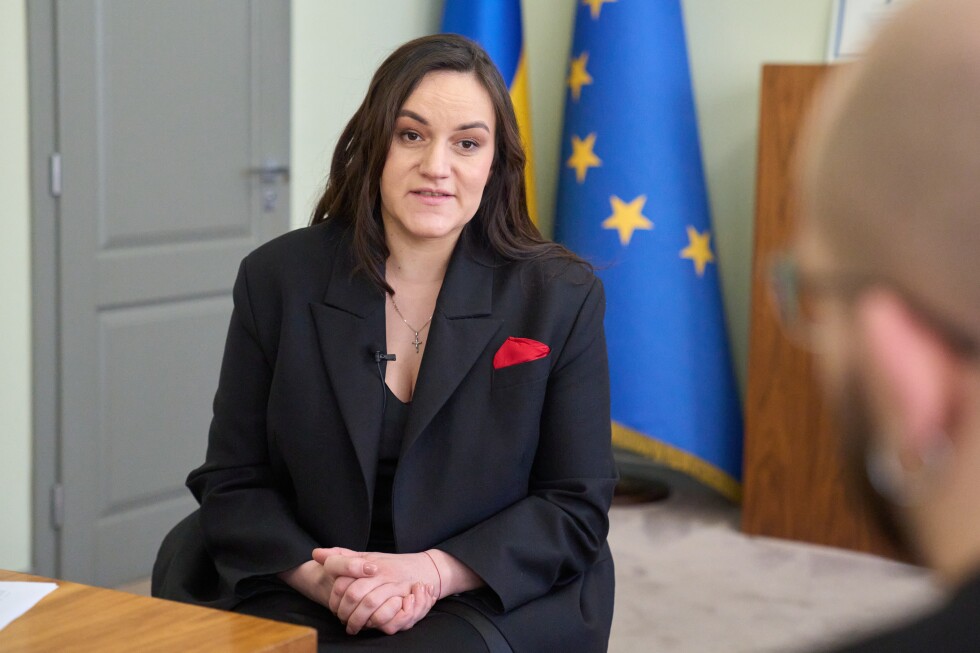
    When Russia launched its full-scale invasion on February 24, 2022, ordinary Ukrainian citizens underwent an extraordinary transformation—becoming soldiers virtually overnight. Four years into the conflict, the BBC has documented the profound personal journeys of nine such individuals, whose lives have been irrevocably altered by war.

    Olena, once a nightclub administrator in Prague, abandoned her cosmopolitan existence to become a military pilot. She reflects on her pre-war self as “more naive” and notes how her priorities have shifted from material pursuits to the fundamental preservation of her comrades’ lives. “My place is here as long as the enemy is in my house,” she states with resolve.

    Oleh, a publishing graduate and former NGO worker, described his initial reaction as one of fear and confusion. Despite having no military background, he enlisted within a month, trading role-playing board games for actual combat. The war shattered his belief in positive thinking techniques, revealing that only direct action could counter armed aggression.

    Anastasia’s path led from being a barista to operating First Person View drones—a role where she constantly battles gender discrimination. “You constantly have to prove you are worthy,” she explains. The conflict has clarified her values, teaching her to appreciate simple happiness: time with loved ones, good food, and the security of waking up tomorrow.

    Roman, a top bio-engineer specializing in facial reconstruction, might have been working with leading surgeons in Copenhagen. Instead, he applies his medical expertise on the front lines while operating drones. He lives strictly in the present, acknowledging that reconstruction work will await him long after hostilities cease.

    Viktor, who had previously served four years before moving to Poland, returned immediately after the invasion began. He barely recognizes his pre-war self, describing the person in earlier photos as “a little boy” unaware of what awaited him. Most of his comrades have perished in the conflict.

    The most harrowing accounts come from soldiers who endured captivity. Serhii, captured during the siege of Azovstal, spent over two years as a prisoner of war—an experience he describes as feeling “doomed” without any certainty about the future. Kyrylo, held for several weeks in 2022, witnessed comrades being abused while powerless to intervene. Both struggle with reintegration, with Kyrylo noting the painful transition from being “someone” on the battlefield to feeling like “nobody” in civilian life.

    These personal narratives reveal the war’s deep psychological toll and the complete transformation of identity experienced by those who answered their nation’s call. From redefined values to enduring trauma, these soldiers embody both the resilience and sacrifice of Ukraine’s civilian army.

  • 18 dead in Egypt after minibus carrying fish-farm workers collides with truck

    18 dead in Egypt after minibus carrying fish-farm workers collides with truck

    A devastating traffic collision in Egypt’s Dakahlia governorate has resulted in 18 fatalities after a minibus transporting fish-farm workers collided with a heavy truck on Thursday. The accident occurred along the June 30 Axis, a major northern transportation corridor, as workers were traveling from their homes near Port Said to their workplace.

    Local media outlet Al-Shorouk reported that preliminary investigations point to excessive speed combined with poor weather conditions that severely reduced visibility as primary factors behind the tragedy. While authorities have yet to release an official death toll, multiple sources have confirmed the casualty count.

    Egyptian Prime Minister Mostafa Madbouly has extended formal condolences to the families of victims and directed that financial compensation be provided to affected families. Dakahlia Governor Tarek Marzouk publicly mourned the deceased, referring to them as ‘martyrs’ in an official statement released through his office’s Facebook platform.

    This incident highlights Egypt’s ongoing struggle with road safety, where traffic accidents remain alarmingly frequent due to poorly maintained infrastructure and widespread violation of traffic regulations. Government statistics from 2024 recorded over 5,200 road fatalities nationwide, underscoring the severity of the problem.

    The Interior Ministry’s recent report of 111,583 traffic violations occurring within a single 24-hour period further illustrates the scale of traffic law non-compliance throughout the country. This tragic event represents one of the deadliest road accidents in Egypt thus far in 2026, raising renewed concerns about transportation safety measures and enforcement mechanisms.

  • Explained: Why a UN report found RSF committed genocide in Sudan’s el-Fasher

    Explained: Why a UN report found RSF committed genocide in Sudan’s el-Fasher

    A comprehensive United Nations investigation has concluded that Sudan’s paramilitary Rapid Support Forces (RSF) committed systematic atrocities during their capture of el-Fasher in October that demonstrate clear indicators of genocide. The report documents a pattern of large-scale crimes targeting specific ethnic groups in North Darfur’s capital.

    The UN mission established that the RSF’s offensive displayed three fundamental elements of genocide under international law: mass killings of protected groups, intentional infliction of severe physical and psychological harm, and deliberate creation of conditions calculated to bring about physical destruction. The investigation specifically identified the Fur, Masalit and Zaghawa communities as primary targets, noting these groups received protected status under the Rome Statute during previous ICC proceedings against former president Omar al-Bashir.

    Evidence reveals the RSF implemented a coordinated strategy of extermination through multiple mechanisms. The paramilitary forces besieged el-Fasher for eighteen months, systematically cutting off food, water, medical supplies and humanitarian assistance while conducting relentless attacks on civilian infrastructure. Drones and heavy weapons targeted communal kitchens, medical facilities and places of worship, including a dawn prayer attack on Al-Safiya Mosque that killed approximately 70 civilians, including 11 children.

    The report details how RSF fighters employed explicit genocidal language, with survivors recounting statements such as “We want to eliminate anything black from Darfur” and “We will carry out extermination against you, an extermination like what we did to Masalit.” The forces constructed earthen berms and trenches to trap civilians without adequate sustenance, leading to widespread starvation where residents resorted to eating animal fodder and tree leaves.

    During the actual capture of the city between October 24-26, the RSF engaged in indiscriminate killings, including executions at checkpoints where men were separated from women and children. Fighters recorded themselves executing civilians while chanting racist slogans and using ethnic slurs. The notorious commander known as Abu Lulu personally conducted executions, with video evidence showing him shooting a pregnant woman seven times in the abdomen after inquiring about her pregnancy term.

    The investigation further documented systematic sexual violence targeting women and girls aged 7-70 from non-Arab communities, particularly the Zaghawa. Victims reported gang-rapes, sexual slavery, and brutal physical assaults, often conducted in front of family members. The mission confirmed cases of women being abducted and subjected to repeated rape over multiple days, with many remaining missing.

    The UN has called for immediate international intervention to halt the violence and bring perpetrators to justice, emphasizing that the documented crimes represent some of the most severe violations of international law witnessed in recent conflicts.

  • Israel army says on ‘defensive alert’ regarding Iran but no change to public guidelines

    Israel army says on ‘defensive alert’ regarding Iran but no change to public guidelines

    The Israeli Defense Forces have elevated their defensive readiness while carefully monitoring escalating tensions between the United States and Iran, according to a Friday statement from military officials. Army spokesperson Brigadier General Effie Defrin confirmed in a video address that while the military remains on heightened alert, there has been no modification to public safety guidelines despite the volatile regional situation.

    “We are maintaining vigilant surveillance of regional developments and remain acutely aware of the ongoing public discourse regarding Iran,” stated Defrin. “The Israeli military is currently operating under defensive alert status, with our operational capabilities fully prepared to respond to any shifts in the security landscape.”

    The spokesperson employed vivid military terminology to illustrate the current state of readiness, noting that “our visual monitoring extends across all sectors, and our operational readiness has been intensified more than ever before to address any alterations in the tactical environment.” This declaration comes amid increasing rhetorical exchanges between American and Iranian officials, creating a tense atmosphere throughout the Middle East.

    Despite the heightened military alertness, Israeli authorities have deliberately avoided implementing changes to civilian protocols, indicating a calibrated approach that balances security preparedness with public normalcy. The military’s statement appears designed to reassure both domestic and international observers that while defensive measures are being prioritized, there is no immediate cause for public alarm.

  • Strong earthquake of magnitude 5.7 strikes Hindu Kush region in Afghanistan

    Strong earthquake of magnitude 5.7 strikes Hindu Kush region in Afghanistan

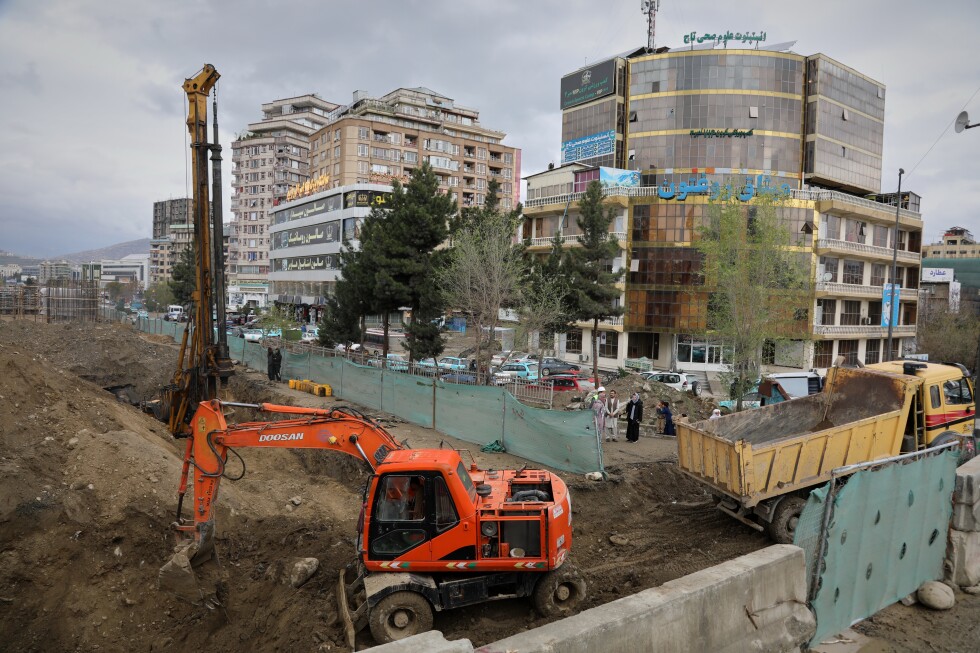
    A substantial seismic event registering a magnitude of 5.7 on the Richter scale rattled the rugged Hindu Kush mountain range in Afghanistan on Friday, February 20th, 2026. According to data released by the German Research Centre for Geosciences (GFZ), the tremor originated at a considerable depth of 79 kilometers (approximately 49 miles) beneath the Earth’s surface. The epicenter was located within one of Asia’s most seismically active zones, where the collision of tectonic plates frequently generates such activity. The significant depth of this quake often results in the seismic energy being distributed over a wider geographical area, potentially leading to tremors being felt across a broader region, though typically with reduced intensity at the surface compared to shallower events. Initial reports did not immediately detail potential impacts on population centers, infrastructure, or casualties. The region’s complex topography and remote villages often pose significant challenges for rapid damage assessment and emergency response coordination following such geological events. Monitoring stations across Central and South Asia are continuing to track aftershock patterns, which are common following earthquakes of this magnitude.

  • Philippines on alert due to increased unrest of two volcanoes

    Philippines on alert due to increased unrest of two volcanoes

    The Philippines faces a dual volcanic crisis as Mount Mayon and Kanlaon Volcano exhibit intensified eruptive activities, prompting nationwide emergency measures. According to the Philippine Institute of Volcanology and Seismology (Phivolcs), both volcanoes demonstrated significant unrest throughout Thursday and Friday, with Mayon producing substantial lava effusions and Kanlaon generating explosive eruptions.

    Mount Mayon, renowned for its symmetrical cone in Albay province, has channeled lava flows through three gullies extending approximately 3.8 kilometers from its summit. The volcano has simultaneously generated nearly 400 rockfall events, nine pyroclastic activities, and a significant volcanic earthquake. Most notably, Mayon emitted approximately 7,000 tonnes of sulfur dioxide into the atmosphere, creating potential health hazards for surrounding communities.

    Simultaneously, Kanlaon Volcano on Negros Island produced a two-minute explosive eruption followed by prolonged ash emissions reaching two kilometers into the atmosphere. The volcanic activity triggered 11 seismic events, with ash plumes drifting toward western and southern municipalities.

    Authorities have implemented strict safety measures including six-kilometer and four-kilometer permanent danger zones around Mayon and Kanlaon respectively. These restrictions have necessitated the prolonged evacuation of numerous families from high-risk areas. Aviation authorities have instituted temporary flight bans surrounding both volcanoes due to hazardous ash conditions.

    The Department of Social Welfare and Development has elevated its alert status and prepared substantial relief supplies including family food packs, ready-to-eat meals, and 16,000 non-food items for immediate distribution to affected populations. Government agencies continue to monitor both volcanoes closely as the geological unrest persists.

  • Will ex-president Duterte’s absence at ICC trial affect proceedings?

    Will ex-president Duterte’s absence at ICC trial affect proceedings?

    THE HAGUE – The International Criminal Court has authorized former Philippine President Rodrigo Duterte to waive his physical presence during this week’s critical confirmation of charges hearing, proceeding with the case despite objections from prosecution and victim representatives.

    Pre-Trial Chamber I determined that Duterte, facing allegations of murder and attempted murder as crimes against humanity, has voluntarily relinquished his right to attend the four-day proceedings commencing February 23. The Chamber emphasized that his absence would not impede judicial processes, noting that defense counsel had thoroughly explained the consequences of this decision.

    This marks the latest development in Duterte’s pattern of non-appearance before the ICC. Since initially confirming his identity at the March 2025 hearing, the former leader has consistently avoided subsequent sessions, including those addressing petitions for temporary release.

    His legal team, led by attorney Nicholas Kaufman, has repeatedly cited deteriorating health conditions as justification for absence, claims the Chamber has previously rejected. Human rights advocates now question the validity of these health assertions.

    Ephraim Cortez, president of the National Union of Peoples’ Lawyers representing victims’ families, challenged the health narrative directly: ‘Duterte is fit as a fiddle. His non-appearance is strategic – preventing public observation of his actual physical condition.’

    Legal analysts suggest the absence reflects broader defense strategies rather than genuine health concerns. Cortez noted that confirmation hearings would proceed based on evidence rather than defendant presence, with the right to remain silent remaining available should Duterte eventually testify.

    Philippine opposition lawmakers from the Makabayan bloc have characterized Duterte’s avoidance as ‘cowardice’ and ‘a shameless display of arrogance,’ referencing the thousands of victims affected by the controversial anti-drug campaign between 2011-2019.

    The case represents one of the ICC’s most significant examinations of state-sponsored violence in recent years, with proceedings continuing despite the defendant’s absence.

  • Dozens of protesters sentenced to death in Iran, says rights group

    Dozens of protesters sentenced to death in Iran, says rights group

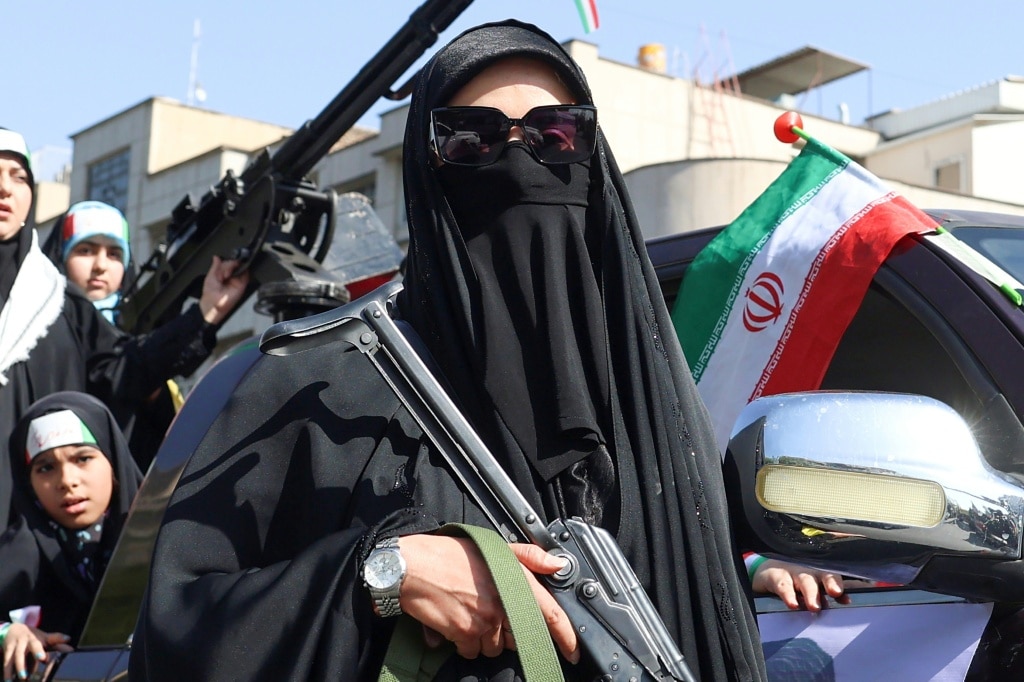
    Iran’s judicial system faces mounting international criticism following reports of imminent executions for dozens of individuals detained during recent anti-government demonstrations. According to the Norway-based Iran Human Rights organization (IHRNGO), at least 26 protesters face pending execution orders, with hundreds more—including minors—charged with capital offenses.

    The protests, which erupted in December, represented widespread public discontent with government corruption, economic instability, and state repression. While official Iranian sources report 3,117 fatalities, independent monitoring by Hrana news agency suggests the actual death toll may exceed 6,500.

    IHRNGO Director Mahmood Amiry-Moghaddam characterized the judicial proceedings as fundamentally flawed, stating that convictions rely predominantly on confessions extracted through torture within judicial processes that lack basic fairness standards. The organization reports that authorities are actively pressuring defendants to prevent public disclosure of their cases.

    Despite official denials regarding protest-related executions, hanging sentences continue to be implemented nationwide. Recent reports indicate at least nine executions occurred on Tuesday across multiple cities, with 26 additional hangings documented over the weekend—though authorities attribute these to drug and murder charges.

    Legal advocates confirm systematic denial of representation rights to the accused, while Amnesty International has previously documented Iran’s strategic use of capital punishment to suppress dissent through institutionalized fear.